Jimi Hendrix
Jimi Hendrix's Effects Pedals


Vintage Guitar magazine created a "25 Most Valuable Effects" list and coming in at number 3 is the Univox Uni-Vibe pedal. "Vintage" writes in this article "If Hendrix touched it, you can bet it’s enshrined as effects legend. Created to replicate the sound of japanese radios picking up radio Moscow, the ’Vibe – manufactured for Univox by the Shin-Ei corporation of Japan – was really a four-stage phaser with four pairs of light bulbs and cells for a liquid, juicy tone that hooks plenty of players from the first moment they hear it, and which caught fire big-time in the late ’60s. To hear the original, check out Hendrix’s “Voodoo Chile,” “The Wind Cries Mary,” or his performance of the “Star Spangled Banner” at Woodstock.."
Find it on:


Music Radar confirms Jimi's use of this pedal by saying "For anyone too stoned to remember, we can confirm that the original Vox V846 was the wah used by Jimi Hendrix for Voodoo Chile at Woodstock in 1969."
Find it on:


Electro-Harmonix founder and CEO Mike Matthews reported seeing Hendrix's Big Muff with his own eyes in 1969. There are multiple interviews in which he states this, but the most complete account was sent to Kit Rae for his Big Muff Pi Page's "Jimi Hendrix Big Muff" section.
Since the issue of Hendrix using a Big Muff had stirred up so much controversy over the years, Electro-Harmonix founder Mike Matthews put down in writing everything he could recall about it and sent it to me as I was writing this article. Here is his full story about Jimi and the Big Muff (Mike originally recollected this around 2007 for a Japanese magazine article).
"Back in 1969...we plunged into production (on the version 1 Big Muff) and I brought the very first units up to Henry, the boss at Manny’s Music Store on 48th Street, NYC. About a week later, I stopped by at Manny’s to buy some cables, and Henry yelled out to me "Hey Mike, I sold one of those new Big Muff’s to Jimi Hendrix."
Now let me tell you a little history of me and Jimi. Back in the mid 60s I was a concert promoter. I had the Isley Brothers, Coasters, Drifters, Cadillacs, Lovin’ Spoonful, Young Rascals, Byrds, Turtles, Shirelles....and many more acts. I booked Chuck Berry for two nights, and was looking forward to this gig ...especially because Chuck traveled alone and the promoter had to get the back up band. I decided to play keyboards, and got some buddies of mine who mostly did Chuck Berry covers to back up Chuck. A week before the gig, that agent who sold me Chuck called me and said "Hey Mike, I need you to do me a favor and book another band.... I can give you one that will play three nights for $600." I said "Bob I don’t need another band. The crowd is coming to see Chuck Berry and I’d just be spending another $600 for nothing." Bob said "Please, I need this favor. You can have them for three nights for only $500, and they have a guy that can play guitar with his teeth." I figured, ok, and booked them, and in the future Bob owed me the next favor. The name of this band was Curtis Knight & the Squires.
When Chuck played, and me and my guys backed him up, I was a little burnt out after the first set and went to check to see how much money came in so far at the gate. Curtis Knight’s band was now playing and I didn't pay much attention until my guitarist that backed up Chuck, Steve Knapp, came running up to me and said "Hey Mike, you gotta catch this guitar player. He’s a gas." Well, that guitar player was Jimmy James. His style at the time was strictly loose R&B. We became best friends and I snuck out of my day gig several times a week, as a computer salesman for IBM, to go to his hotel room where we rapped music talk. Jimmy was quiet dude, and lived in a rundown narrow hotel room with no private toilet. He usually had his hair set with pink hair curlers.
One night I went to see him play with Curtis at a club in the upper west side called the Lighthouse. Now, Curtis Knight was a real gangster. Mainly a pimp, running a big operation. At that gig Jimmy hung with me at the breaks and told me "Mike I gotta get away from this dude. I wanna form my own band and headline it." I said "Jimmy, if you’re going to be the front man, then you have to sing." Jimmy said "Yeah, that’s the problem. I can’t sing." I said "If you really wanna sing, all you gotta do is practice and you’ll be cool. Look at Mick Jagger and Bob Dylan. they can’t sing but they can phrase their asses off and project dynamite soul." Jimmy said "Yeah, you got a good point. I’ll work on it."
Soon Jimmy formed his own band, The Blue Flame (June 1966). I went to catch them at the café Au Go Go in Greenwich Village. Sitting with me was my friend Bobby Colomby, who later on was a co-founder and drummer with Blood Sweat & Tears. He invited Eric Clapton to sit with us. Jimmy and The Blue Flames were dynamite ...still playing a loose blues style. At the break we all went across the street for some grub. The only thing Clapton kept saying again and again and again was "I just can’t believe how good this guy is. I just can’t believe it."(Editors note - A few months later Clapton would meet Jimmy (then Jimi Hendrix) for the first time on October 1st 1966, when Jimi played Killing Floor with him on stage at Central London Polytechnic, the first public performance by Cream)
Shortly after, I heard Jimmy ran off to England with the manager of the Animals (Chaz Chandler), who dug him. The rest is history, and it was in England that Jimmy became Jimi Hendrix and quickly developed his super unique electric space style. I was fortunate enough to see The Experience when they first came to New York City. Jimi called me up and said "Hey Mike come on down, I’m playing at xxxx (I forgot the name of this small club). Dynamite! (Editors note - This would have been the Scene Club on June 3rd and 4th,1967, the New York debut of The Experience.)
Whenever Jimi went into a recording studio in New York City, he invited me to hang out. I did this at three different studios, with the last one being Electric Ladyland, the one he funded and owned. Long story...Well here’s the rub. When Jimi invited me to hang at studio # 2, ( I forgot the name ) I went down to show him a new device I was working on. It was a 4 inch ceramic cased speaker that I screwed into the body of a guitar. It had small power amp. So, some portion of the guitar signal was bled into this little power amp and into the screwed in speaker which made the guitar vibrate and easy to get instant hot sustain. I took it to ask Jimi what he thought of it. When I walked into the studio, there on the floor, plugged into his guitar and amp, was the Big Muff. I told Jimi I made these and he said he just bought it at Manny’s and I said yeah, Henry told me. I then showed Jimi the guitar with the screwed in speaker with feedback circuit. He tried it and said "Hey Mike, I think you’ve got something here." (Editors note - Mike has said at other times that he showed Jimi an early version of the distortion-free sustainer, but I think those are two different occasions)
Now WHY did I tell you this whole story? Well, some time in the late 70s, a guitar magazine writer that interviewed me asked me "When did Electro-Harmonix come out with the Big Muff?" Not thinking too much about this I blurted out around 1971. Well, it was really 1969. Over the years, Hendrix purists took this 1971 date and said, Jimi couldn’t have used the Big Muff because he was gone by this time. Well, I wanted you to know the real facts."
You will note that Mike said this was in 1969, so I did some digging. Electric Lady Studios was not used until June 15th 1970, but Mike said it was not that location, but the second studio Jimi recorded in for the 1969 sessions. The three Manhattan recording studios Jimi was recording in were the Record Plant, Olmstead Sound Studios, and The Hit Factory. Jimi recorded in the Record Plant and Olmstead March-May, spread across thirteen days. In late August there were three days of sessions at the Hit Factory, then there were three days of sessions in November and three days in December at the Record Plant. I have been told by one Big Muff owner that he bought his perf board Big Muff in "late 1969" when he first saw it for sale in NYC. Mike says he saw his Big Muff when he visited with Jimi in the second studio, either the Record Plant or the Hit Factory. Both were in the same neighborhood. This would have occurred between August and December 1969, which is roughly when I have determined the first Big Muff was on the market.
Though I have found little printed documentation of this other than owners receipts, I have received lots of verification over the years from Big Muff owners and sellers that the V1 Big Muff was available in early 1970, and a few people have told me they purchased their early perf board versions in NYC in late 1969. In 1967 and 1968, Rick Derringer and the McCoys were the house band at a New York City club called the Scene. The Scene was well known to be frequented by many guitar legends who recorded and performed in NYC, including Jimi Hendrix. He was friends with Rick and jammed with him there often. As I noted above, Mike Matthews said the first time he saw the Jimi Hendrix Experience perform was at this same club. Interestingly, musician Johnny Winter broke up his old band in early May 1970 and began playing with a new new lineup, The McCoys (who recorded Hang on Sloopy). An original Big Muff owner contacted me to verify he had acquired his V1 Big Muff from one of the members of The McCoys at the Orlando Pop Festival in May 1970. The McCoys were Randy Zehringer on drums, Randy Hobbs on bass, and Rick Derringer on guitar. The same Rick Derringer who jammed with Jimi regularly at the scene. That is just one of several accounts I have heard that indicates the Big Muff was being used by musicians in this period.
If Jimi bought a Big Muff as Henry from Manny's recollected, and had one in the studio in 1969 as Mike recollected, this easily fits into a window of almost 18 months before Jimi's death. But memories may get a bit dodgy or foggy about events that occurred over 30-40 years in the past, and it may be easier to recall a significant event more so that the exact date the event occurred. Heck, I can't remember exact year I bought certain pedals within the last ten years or so. So, for the sake of argument lets say it was only available in May 1970 (the earliest receipt date I have seen) that is still around four months, giving Jimi plenty of time to have bought and used one in the studio.
The legend that Jimi's well known tone came from the Big Muff would not be an accurate statement however. An Electro-Harmonix brochure from 1977, shown below, makes the claim that the Big Muff was the pedal Jimi Hendrix relied on for his “electric-lady” sound. This was likely more of a reference to the Electric Lady Studios, not the record, but E-H was no doubt trying to capitalize on the Hendrix fame with this association, as had been done previously with the E-H pedals named "Axis" and "Foxey Lady". Although it is probably not the best pedal to use for most Hendrix tones, the Big Muff was certainly inspired by the Hendrix fuzz tone, as Mike Matthews has stated several times, and it does get you into similar fuzz tones at the right settings with a Stratocaster and certain amps. Whether or not any recordings exist of Jimi using it, we will probably never know. None of my research has turned up any actual syudio photos of documentation. If Jimi did use one, it would be on one of the songs recorded in those last few months in 1969 through 1970. Songs Jimi recorded in those sessions were Midnight, Trash Man, Ships Passing in the Night, Ezy Ryder, Hear My Train a Comin, Keep on Groovin, Freedom, With the Power of God, Earth Blues, Bleeding Heart, Message from Nine to the Universe (Earth Blues and Message to Love joined), Message to Love, Lover Man, Message To The Universe, Izabella, Burning Desire, Easy Blues, Beginnings, Machine Gun, Sky Blues Today, Mastermind, Room Full Of Mirrors, Stepping Stone, Dolly Dagger, Them Changes, and Power of Soul.
Unfortunately there are no studio records or photos that have ever surfaced to verify its use, so the Hendrix Big Muff mystery will have to remain a mystery. It would have been interesting to hear what sounds Jimi would have recorded with this pedal, or the later versions, had he lived.
Find it on:

Invented for Hendrix "in early 1967", as recalled by Roger Mayer on the official product page.
The Axis Fuzz was developed in early 1967 to give an additional series of tone colours for Jimi. This guitar effect is named after it's most famous use on the title track of the album "Axis Bold as Love". It can also be heard extensively on the "Band of Gypsies" and various other post 1968 recordings by Jimi.
Find it on:

Borrowed to use with Curtis Knight and the Squires for two weeks in May 1966, as is visible in this photo of Hendrix found on the "Jimi Hendrix Big Muff" page of Big Muff scholar Kit Rae's website.
Shown above - Jimmy James playing with Curtis Knight and the Squires at the Cheetah Club, New York City 1966. Note the Maestro Fuzztone pedal on the floor in front of the Fender Twin amp
Given that the FZ-1B was not released until 1968, the unit would be either the FZ-1 (the original) or the FZ-1A (released in 1965). The latter two can be told apart by the word "Amplifier" that is only above the output jack of the FZ-1A. Upon further scrutiny of the photo, Hendrix's stombox lacks the word, making it an original FZ-1. Other sources are as follows:
Mike Bloomfield
Guitar Player, September 1975, "Hendrix Remembered" [Corroborative Sources here and here]
The first time I saw Jimi play he was Jimmy James with the Blue Flames. I was performing with Paul Butterfield, and I was the hot shot guitarist on the block—I thought I was it. I'd never heard of Hendrix. Then someone said, "You got to see the guitar player with John Hammond." I was at the Cafe Au Go Go and he was at the Nite Owl or the Cafe Wha? I went right across the street and saw him. Hendrix knew who I was, and that day, in front of my eyes, he burned me to death. I didn't even get my guitar out. H bombs were going off, guided missiles were flying—I can't tell you the sounds he was getting out of his instrument. He was getting every sound I was ever to hear him get right there in that room with a Stratocaster, a Twin (amplifier), a Maestro fuzz, and that was all—he was doing it mainly through extreme volume. How he did this, I wish I understood. He just got right up in my face with that axe, and I didn't even want to pick up a guitar for the next year.
Interview with Ed Ward, excerpted in Michael Bloomfield: The Rise and Fall of an American Guitar Hero (1983, revised 2016) by Ed Ward and Crosstown Traffic: Jimi Hendrix & The Post-War Rock 'N' Roll Revolution (1989) by Charles Shaar Murray
In July 1966 the Butterfield Band was performing at the Cafe au Go Go in New York City when Michael Bloomfield first saw Jimi Hendrix play. “The first time I saw him was when he was Jimmy James, and he was with the Blue Flames at the Cafe Wha? in New York,” Bloomfield told me. “I was playing across the street and I was the local hot guitar player on the street with the Butter Band, and he was just across the street, unknown. I went over there one night, and man, he wouldn’t even shake hands. I mean, he knew how bad he was. He got up there. He had a Twin; he had a Strat, the first fuzztone that ever came out, and there were jets taking off. There were nuclear explosions and buildings collapsing! I never heard anything like it in my life. And it was an off night for him, too. I was sitting right in the front row and he was doing it right to me, like a machine gun. ‘You like this, man?’ B-bb-bbb-room! He was just mowing me down. Oh! Talk about burning!"
Quote in Guitar King: Michael Bloomfield's Life in the Blues (2019) by David Dann
A few blocks from the Cafe Au Go Go, down Bleecker Street and around the corner on McDougal, there was a basement coffeehouse called the Café Wha? Opened in 1959, the club featured a variety of entertainment throughout the daytime and evening hours. Its casual booking policy gave stage time to amateurs and accomplished performers alike, and the fare usually included an odd assortment of comedians, ventriloquists, folk singers, poets, and anyone with a modicum of talent and a desire to perform.
Since June, one of the regular evening acts was a scruffy rock-and-blues quartet fronted by a slight and soft-spoken twenty three-year-old black guitarist who called himself Jimmy James. Folksinger Richie Havens had gotten him the gig, and James was playing multiple nightly sets of rock ’n’ roll covers, pop tunes, and blues for whatever basket money the band could make. What set him apart from other performers at the café was his flamboyant stage presence—and his entirely unique sound on electric guitar. It wasn’t long before word spread that there was a band at the Café Wha? worth checking out.
"I was performing with Paul Butterfield, and I was the hotshot guitarist on the block—I thought I was it," Michael Bloomfield recalled. A friend told him he had to go see the new guitar player working over on McDougal Street. "I went right across the street and saw him . . . and that day, in front of my eyes, he burned me to death. I didn’t even get my guitar out." Michael learned that this formidable guitarist’s real name was Jimmy Hendrix and that he was from Seattle. He looked vaguely familiar, and Bloomfield soon remembered him.
"I had seen him before and not paid any attention to him,” he said. “I’d seen him play with Little Richard and the Isley Brothers." Hendrix had been a sideman for the legendary rock ’n’ roll singer in 1965, and he had briefly toured with the Isleys, but now he was on his own, playing six nights a week at the Café Wha? and tearing up the house. “He had a band called Jimmy James and the Blue Flames. They were obviously just pick-up musicians he had gotten to just learn a few tunes so he could do what he wanted."
From the stage, Hendrix immediately recognized the star of the Paul Butterfield Blues Band. With Bloomfield’s extravagant personality and his equally extravagant swarm of bushy hair, he was hard to miss. Jimmy James decided he would make an impression on the Chicagoan.
“I walked in there and I sat down with a friend of mine, another guitar player" said Bloomfield.
And Jimmy Hendrix watched me sit down—and I remember what he was playing, a Stratocaster, and he had a Twin Reverb amp, a Gibson Maestro Fuzztone, and he had a wah-wah pedal—and he got every sound on those that I was to hear on all his subsequent records . . .
Bombs exploded! Airplanes took off! Buildings collapsed! It was a holocaust! Plus, you know, endless amounts of incredible playing. He just did it with a little half-assed grin on his face. I was sitting in the front row and I was just blown away. It was no contest.
Michael described how Hendrix spent the first part of the set "just making these unbelievable sounds and noises." Using feedback, sustain, wah-wah effects, and distortion, Jimmy created an aural collage of electronic moods. "Then he started playing music," Bloomfield said, laughing. The guitarist’s mastery of amplified sound deeply impressed Michael, but he wondered if Hendrix could do anything else.
"I said, well, he can make all these sounds but, OK, can he really play?" Bloomfield said. "Then I heard him play, and he could play better than he could make sounds!"
(...) "He got right in my face with that ax, and I didn’t want to pick up a guitar for the next year," Bloomfield opined.
Custom Boards, "A detailed look at Jimi Hendrix' pedals and signal chain" (April 23, 2018)
Jimi got his first taste of fuzz in New York in May 1966. He was playing in Curtis Knight’s band, and managed to borrow a Maestro Fuzz Tone pedal off an acquaintance for two weeks. He experimented with fuzz-induced feedback, which didn’t make his bandmates happy. In those days, guitar feedback was seen purely as a technical fault. Jimi tried to harness feedback for musical purposes even back then, laying the foundation for some of his signature techniques later on.
The JHS Show, "The Technology of Jimi Hendrix" (published April 8, 2022)
In May of 1966, Jimi borrowed a pedal from his bandmate: the Maestro fuzz tone, the first fuzz pedal ever created. Hendrix couldn't afford one, but he was playing in the Chitlin Circuit with Curtis Knight and the Squires, so he got to borrow this for a couple of weeks. As a result, he got his first taste of experimenting with feedback and loud sustain. Pretty soon, he was working it into his routine. Unfortunately, the band didn't like it. You have to understand that up until this point in music history, feedback was a technical error. You didn't want feedback, and you definitely didn’t create that effect with your guitar on purpose.
Jimi didn’t care. He had created this new, live sound that was really crazy, and he liked it. There's a photo of Jimi in New York City at the Cheetah Club, and you can see the Maestro Fuzz Tone sitting at his feet. So the first fuzz ever is manufactured in ’62. It reaches Hendrix four years later, and he gets his first taste of fuzz.
Find it on:

A scan of a receipt from a Sound City music store in London from January 1967 shows that Jimi purchased a "1966 Marshall Supa Fuzz" pedal.
This receipt was auctioned off. The description of the auction reads:
Music Memorabilia: The Jimi Hendrix Experience, collection of original Sound City receipts 1966 - 1967. Jimi Hendrix receipt & carbon for Marshal Super Fuzz 20/1/67, Noel Redding loan receipt carbon for Fender Tele Bass 24/1/67 signed Noel Redding & Tony Garland, Chas Chandler - invoice for 3 sets Fender light gauge 1/11/66 & a carbon for the same dated 27/10/66
Original auction page here.
Find it on:

Hendrix began using an Octavia after Roger Mayer showed him a prototype in early 1967. Mayer lays out an official timeline of when Jimi was first introduced to this pedal on the official Rocket Series Octavia product page, but he recalls presentation of the prototype in this December 16, 2008 Premier Guitar interview. One unit can be seen as pedal B in this annotated photo from a Band of Gypsys show, provided by Guitar Gear Finder on its Hendrix page.
Rocket Series Octavia Product Page
The OCTAVIA is probably our most famous and distinctive creation. This guitar effect was designed in early 1967 and featured on "Purple Haze" and "Fire" by Jimi. It's unique tones can also be heard on such tracks as "One Rainy Wish", "Little Miss Lover", "Little Wing", "Machine Gun" etc.
The OCTAVIA produces a sound that is an octave higher than the note you are presently playing. This doubling effect is accomplished through electronic mirror imaging techniques that are program sensitive and also respond to the feedforward inputs of the player. The electronic circuitry is analogue in design and will react faithfully to all the subtleties and harmonic overtones from the guitar. The effect produced is very unique but human in quality. The unit that is manufactured today is representative of the latest evolution of Octavia that Jimi used and contains the feedforward and gating effect that my earlier evolutions lacked. The modern clones today often copy the Tycobrahe unit that in fact was a rip off of my earlier 24 volt versions. These units were not designed to work optimally with 9 volts and in fact you would be buying a clone of a copy so it makes sense to buy a unit from the man who invented it.
Electronically the OCTAVIA is an analogue circuit with the properties of a frequency doubler, envelope generator and amplitude modulator with addition frequency shaping filter circuits. The effect produced is subtle to wild depending on the settings used and will respond to the attack of the player. A clean tone from the guitar with say the tone rolled control rolled off will produce "ring modulated" overtones that characterise the solo to "Who knows". The sound is tangibly different if a fuzz unit is in front of the Octavia: an upper octave double is created, clearly demonstrated in the solo to "Purple Haze". The bright harmonics are more controllable if the neck pickup is selected and the tone control set to roll off the treble. The effect really comes into it's own on the top E and B strings from the 7th fret up. A clean and precise picking style is essential with particular attention to accurate fretting techniques.
Jimi placed the Octavia after a fuzz and wah unit in most cases so it would react to the combined effects of both the wah and one or more fuzz boxes. It is important to experiment with how much signal you are driving the Octavia with as this has a great influence on the sound produced.
OCTAVIA / OCTAVIO HISTORY AND DEVELOPMENT
[https://www.roger-mayer.co.uk/pictures/octavio.jpg]
ROGER MAYER WEDGE SHAPED OCTAVIA/OCTAVIO 1968-1969 MODEL SHOWN ABOVE:
There is a lot of misinformation out there on the web and on the forums with all kinds of people claiming to make a better clone that this one or the other. If you want the truth and are interested to know please read on and learn the truth from the man who invented the Octavia / Octavio.
First thing to clear up is why two names Octavia and Octavio. The answer is simple I always called the boxes Octavia but Jimi and a few others called them Octavio. The boxes were never labelled by me and the exhibit in the EMP Museum in Seattle has been labelled by someone else to read Octavio (SEE PHOTOS OF EMP EXHIBIT ABOVE).
I would like to take this opportunity to set Octavia history straight once and for all.
The Octavia / Octavio sound was first heard on record in the solo of "Purple Haze" and this solo was recorded on Feb 3rd 1967. I first met Jimi on Jan 11th 1967.
The actual Octavia used on these first recordings did not have the same circuit, type of transformer or enclosure the wedge shaped pedal in Hendrix display EMP has, as this exhibit was manufactured at least 20 months later. It did however use elements of an electronic configuration that could be considered pivotal. This first unit can be considered as Octavia Evo1."
This Evo1 unit used germanium transistors and a ferrite transformer and also had limited drive capabilities. It was used in the recording of "Purple Haze" and "Fire" with another custom driver in a separate enclosure that also used germanium transistors. This driver was placed in front of Evo1 to give enough drive and extra EQ to satisfy Jimi and produce the sound you hear on the recordings.
After the Purple Haze / Fire session recordings Evo 1 was never used again in it's original form and I consigned it to the trash bin.
It then became obvious that both a driver section and the Octavia section should be combined into one box.
The path of development and understanding through experimentation by Jimi and I was continuous and fast like in F1 Motor Racing and in the space of less than a year at least 15 variations and evolutions had been produced.
These units were used by Jimi and not housed in a wedge shaped box. Some only had a life of a week or so as we both learned and experimented and moved on. It can be thought of as racecar development throughout a season. Maybe the same chassis configuration but lots of component changes.
Later in 1967 after we began recording sessions for the second album "Axis Bold as Love" which used the latest evo of Octavia on several tracks and if you listen carefully the clarity and detail of the Octavia effect was much more defined. Of course at the same time I was updating, building and customising the distortion units to compliment the latest evo of Octavia being now used.
At the end of 1967 I designed the wedge shaped enclosure that was manufactured by my fathers [sic] electronic company and only 5 or so examples were made.
The latest evo of the Octavia were then housed in these new wedge enclosures and still used germanium transistors and ferrite transformers. They however had a DPDT foot switch which the previous versions did not have which were primarily designed for studio work and not suited for touring.
Visually the first wedge boxes used different knobs than the example in the EMP Museum and this identifying factor makes indentification easy to see which series of pedals they are without even looking inside for confirmation..
I went on tour to the USA with Jimi from Jan 30th 1968 until April 19th 1968 where the first wedge shaped Octavia was used on a few special gigs. We did not use it everyday owing to fact they custom made and could not be replaced as I was on tour as well. Having gear stolen from the stage was a real problem every night. We never lost an Octavia though. Jimi and I kept the Octavias save [sic] with us at all times.
After the winter 68 tour in the USA I returned to work at Olympic Studios having left the Admiralty Research Laboratories to start a new career designing and manufacturing recording studio consoles and associated outboard equipment. I of course still kept in close contact with Jimi and the Octavia development continued on. I was also meeting lots of other famous musicians and bands that came to the Olympic Studios who also expressed a desire to have access and own an Octavia example.
It became obvious that a more rugged type of Octavia using silicon transistors and iron type audio transformer would be needed for rugged stage use. The use of low noise silicon transistors was an improvement in temperature stability over the germanium type. The iron laminations construction of the audio transformer did not have the high frequency detail of ferrite type but overall construction was more rugged and not subject to breakage from dropping. Ferrite core material can be damaged more easily than iron laminations.
At the end of 1968 I decided to build a limited run of 5 or so Octavias and 5 Distortion Pedals all housed in the wedge enclosure.
EMP and Tychobrahe derived clones. All the clones I know come from this later series of pedals. This latest series Octavia configuration used a driver section comprising of complimentary NPN PNP low noise silicon transistors driving a commercially obtained iron audio driver transformer. The biasing used for these units were also varied to provide evos that were designed for up to 24V operation for recording studio work to a version that would use an internal 9 Volt battery. This series of pedals used the type of knobs you can observe on the EMP example.
These units were completed in early 1969 and went to guitar players like. Syd Barrett - Pink Floyd Steve Marriot - Small Faces, Peter Frampton - Small Faces. Keith Relf - Yardbirds and Jimi of course.
In May 1969 I went to live in New York City with my new married American wife and started Roger Mayer Electronics building and designing studio equipment. I also had taken a few of the remaining 10 pedals with me to New York. I of course was still in contact with Jimi and the development of the Octavia continued. The aim now was to get rid of the transformer altogether and Jimi and I got together at the Record Plant and Hit Factory to play with the latest evos and distortions I was developing.
After Christmas 1969 I get a call from Jimi saying he needs an Octavia for his upcoming gig News Years eve at the Fillmore East as all his ones were gone missing. Luckily I had an Octavia and distortion left from the 10 I had made earlier that year and took these to rehearsal for the "Band of Gypsys" concert. The results can be heard on the album on tracks such as Machine Gun etc.
1970 saw Jimi really busy but I still caught up with him in the studio and showed him the latest version of the Octavia and new devices coming along when he visited New York.
In October 1970 whist working with Stevie Wonder at Media Studios I hear of Jimi's death. The session was immediately cancelled and everybody was very sad.
The Rocket version of the Octavia is the latest version connected with Jimi and does not use a transformer but represents the last of the development program helped and inspired by Jimi.
This is the reason I have never myself made a replica wedge box or indeed ever claimed that the Rocket Box was used was on "Purple Haze" or "Fire". The wedge box EMP has was never used on these records and was made at least 20 months after the fact. A wedge box made in 1969 was used at the BOG concert but was not exactly the same as the EMP one.
The spirit of the Octavia sound lives on and the latest version the Vision Octavia is an evolution inspired by my memories of Jimi and his music .It is a version I believe Jimi would have loved.
The Tychobrahe clone or more correctly put innaccurate copy was based on a 1969 variation of Octavia for 24 Volt operation and this type was copied from the example Keith Relf had.
So the fact is I think if you want the best and most versatile Octavia sound buy a new Rocket or Vision Octavia because if in my opinion I believed the transformer version was better I would surely be still be using them today. I would obviously reissue my own design if that were the case. By definition a clone is an actual replica of the original not some copy made from a circuit drawing found on the web and of dubious origin. I will never reveal the inaccuracies I have found in the web published schematics and all the clones are not clones but copies with basic flaws.
"ANYWAY YOU LOOK AT IT I DESIGNED THE ORIGINAL"
END OF STORY
Premier Guitar
Well, I went to one gig at Chislehurst Caves about two weeks after I met him and showed him one of the first Octavias backstage. He played through it and said, “Can you do that to it?” and I said, “Yeah, Jimi, you know these things are improving week by week as we get more feedback on it.” And he said, “Right; I’m playing at a club called the Ricky-Tick at Hounslow in about another week. Why don’t you bring it along to the gig and after the gig we can go back to Olympic Studios. I gotta record a couple of solos for a couple of tunes I’ve got.”
So after the gig—it was a very low ceiling at the gig, and he put the neck of his guitar through the ceiling; it basically fucked the machine heads on the top of his guitar, right? And we didn’t have a spare guitar then, so we went back to Olympic afterwards, and we had to send Noel around to the flat. He picked up his Telecaster, and that’s when we did the overdub for “Purple Haze” and “Fire,” using the Octavia.
In 2018, the Octavia that Hendrix used with Band of Gypsys surfaced on Reverb.com. It was later put up for auction via Julien's as Lot #208 of "Icons and Idols: Rock 'N' Roll" in 2020. Both listings share that it was acquired by Gerard "Jerry" Guida—an organist who had recorded with Hendrix—who got verification from Mayer himself in 2000 that it was genuine. It became the basis of the Roger Mayer Purple Haze Octavia, as described in its accompanying manual.
The recording of the solos for "Purple Haze" and “Fire” using the Octavia is told by Mayer in this July 6, 2021 Guitar Player interview.
When did Jimi Hendrix first use your Octavia in the studio?
The recording occurred after a gig at the Ricky Tick in Hounslow [on February 3, 1967.] That was one of Jimi’s early gigs that had been booked on the strength of the success of “Hey Joe” [released in the UK in December 1966].
It was a small, upstairs venue above a bunch of shops in Hounslow, London. I guess it was maybe a 200-seater venue. It was a small club – what they called an R&B club back then – and it had a low ceiling because it was on the second floor of this parade of shops. It was just a big room, really. I reckon the overall height was no more than about ten feet. So, by the time you had a stage and a drop ceiling, there wasn’t much room. I mean this ceiling was almost touching Jimi’s hat!
Being one of Jimi Hendrix’s earliest UK performances, how did the audience react?
The crowd went absolutely mad. Because nobody had ever seen anything like it. Especially the performance side of it. Jimi was doing his stuff – turning his back on the audience and playing his guitar behind his head and round his back and putting it between his legs like he’s fucking the amp with it. You know, the normal sexual antics of Jimi playing. So, he wasn’t thinking twice about his performance, and in the heat of the moment his guitar just went up and straight through the ceiling. [laughs]
What happened to the guitar?
Well, when he put his guitar through the ceiling, he bent one of the machine heads. Obviously, he was playing a Strat upside down, and the top E tuner got bent. That meant he couldn’t keep the guitar in tune properly. This was in the early days, and he only had this one guitar with him at the gig. And the problem was we’d arranged to go to Olympic Studios afterwards to record the solos for “Purple Haze” using my Octavia.
How did you first become involved with Jimi Hendrix?
Jimi had first heard the Octavia about a week before at the Chislehurst Caves gig [in Bromley, UK]. I went backstage into the dressing room, and he played around with it using a practice amp. He said, “This is perfect for my new upcoming single.” He’d already recorded tracks for these upcoming songs, “Purple Haze” and “Fire”. The basic tracks were already done.
So, at Chislehurst, we’d arranged that I’d bring along the Octavia to the Ricky Tick and meet up with Jimi, then go to Olympic Studios’ Studio One with him after the gig to record the solos. I brought along my Octavia and a booster.”
But Jimi Hendrix suddenly had no working guitar?
“He only had one guitar at the gig – this Strat he was using – and he’d just broken it. So, on the way to Olympic, we had to dispatch Noel [Redding] off to get another one. I went in my own car, Jimi went with [Gerry] Stickells, and Noel went off in a taxi to get another guitar.
What guitar did Noel Redding come back with?
It was a regular ‘butterscotch’ [blond] Tele, and I’m pretty sure it had a maple 'board. I think it belonged to a friend of Noel’s that he used to play with. That was the only guitar we could get.
What else do you recall about Jimi Hendrix using that Telecaster?
The “Purple Haze” solos were played on the upper part of the neck and Jimi wasn’t intending to use a vibrato, so it didn’t really matter that it was a Telecaster. The sound of a Tele on the bridge pickup is similar to a Stratocaster in many ways. I mean it’s not worlds apart if you’re playing in the upper register. Plus, with the effects Jimi was using it would have been impossible to tell the difference. I mean the Octavia produces so many more harmonics. Perhaps with a Telecaster the sound might have been a little more piercing, but it was a brand-new sound anyway.
Tell us about the Octavia used by Jimi Hendrix in that recording session…
It was a prototype Octavia, so it wasn’t in any form of commercial enclosure. That pedal used the ferrite transformer and circuitry that we moved over to my latest Octavia, the Purple Haze Octavia. It’s a replica of that original circuit, but with some added features.
Going into Olympic Studios with Jimi, we had access to different power supplies, and I brought along an extra circuit to drive the Octavia correctly – a booster I’d made to produce additional gain and change the driving impedance and the EQ. It wasn’t a treble booster though. It was a different form of booster. But I can’t recall if it was germanium or silicon because I was using both at the time.
What was it like watching Jimi Hendrix put the finishing touches to "Purple Haze"?
It was recorded using a four-track, and the solos were done in two or three takes maximum. Everybody’s mind was blown because nobody had ever heard that type of sound before. It really made the song. It’s a very unique tone, and when it was used sparingly it just worked. It was the same thing when he used it that night on “Fire” – he used it very sparingly.
When “Purple Haze” was released, it caused massive waves. I reckon that was the beginning of psychedelia for Jimi.
Find it on:

Part of this Bonham's auction listing.
The Jimi Hendrix Experience: A Cossor microphone and partial foot pedal, comprising: a Cossor microphone, with lead and tripod stand in original box; the front panel for a foot pedal, volume and tone controls, with wiring; and a Bolex microphone, probably for a tape recorder, Cossor mic 5½ inches (14cm) long
Footnotes
Provenance: Mitch Mitchell. From the Jimi Hendrix Experience equipment and kept by Mitch since September 1970.
Big Muff scholar Kit Rae notes this listing on the "Jimi Hendrix Big Muff" page of his website, observing the item's appearance next to Hendrix's foot in an in-studio photo taken by record engineer Eddie Kramer.
Shown above - pedals on the floor near Jimi's feet while recording at the Record Plant in 1968. The one on the right is the same 2 knob, unbranded Foxey Lady pedal pictured above. The one on the left appears to be another Foxey Lady. These early fuzz boxes did not all sound the same, so it was common for musicians to have several of the same type in the studio to try out for the best sound.
Jimi did own one of Mike Mathew's pedals around 1968, the first version of the Foxey Lady Mike had built for Guild by Aul Instruments in 1967. One can be seen in an Eddie Kramer photo, near Jimi's feet, while recording in the Record Plant in 1968. One was also among Mitch Mitchell's collection of Hendrix Experience gear, actioned off after his death.
Find it on:

Hendrix used this pedal in the studio for the song "Burning of the Midnight Lamp" and he also used it in few early live concerts. This wah pedal wasn't built to accommodate the harmonic qualities of guitars, it was made for wind instruments. He later switched to the VOX V846 wah pedal which was aimed for guitarists.
This pedal belonged to Hendrix's backup vocal group The Ghetto Fighters (then known as Arthur and Albert Allen), which performed on three of Hendrix's albums.
Find it on:

This detailed gear diagram of Jimi Hendrix 1969 "Woodstock" stage setup includes a Dallas Arbiter Fuzz Face.
Find it on:


Auctioned by Ted Owen & Co. on October 24, 2019 via Invaluable.
A 1965 DeArmond pedal, Model 610 Wah Wah pedal. Used and Owned by Jimi Hendrix. This actual pedal was the first effect unit Jimi Hendrix used in the uk. It was given to Hendrix by manager Mike Jeffery in 1966. Hendrix used this pedal on his first London performances and on his first Uk recordings in De Lane Lea studios and Olympic studios in London. With a Letter of Provenance
Find it on:

Exhibited at the Experience Music Project and Science Fiction Museum and Hall of Fame, as documented by this June 22, 2010 photo posted to Flickr.
King Vox-Wah effects pedal circa 1968
Formerly owned by Jimi Hendrix
Find it on:

Jimi Hendrix is confirmed to have used the Maestro Boomerang BG-1 Wah Pedal during a performance at the Ackerman Union Ballroom at UCLA, Los Angeles on February 13, 1968. This is evidenced by an image where the pedal's input is visibly connected on the left side, with the output leading directly into a Fuzz Face, and subsequently to the amplifier.
Find it on:
This is a community-built gear list for Jimi Hendrix.
- Find relevant music gear like Guitars, Amplifiers, Effects Pedals, and other instruments and add it to Jimi Hendrix.
- The best places to look for gear usage are typically on the artist's social media, YouTube, live performance images, and interviews.
- To receive email updates when Jimi Hendrix is seen with new gear, follow the artist.
Discography
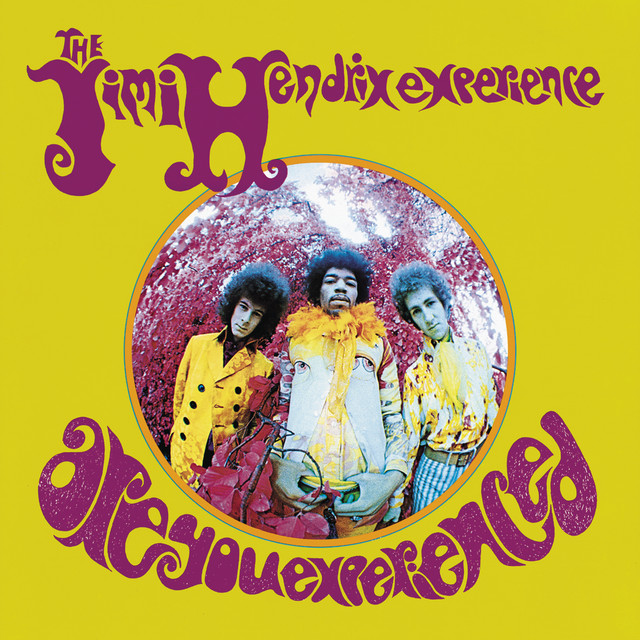
Are You Experienced
1967
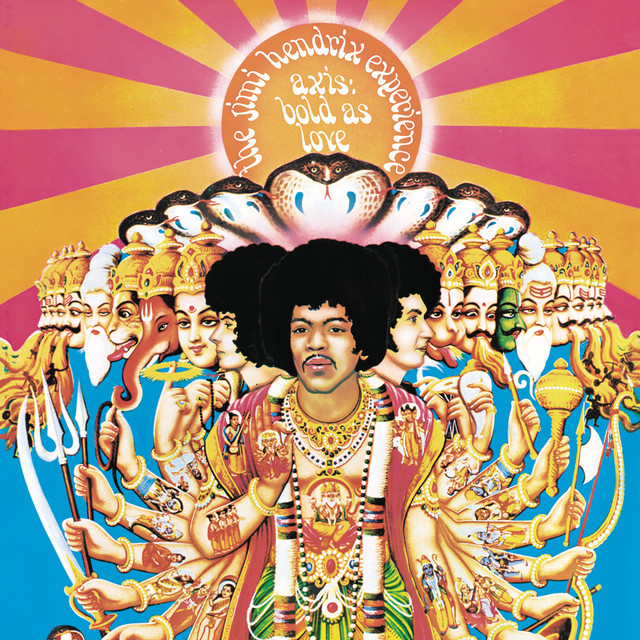
Axis: Bold As Love
1967
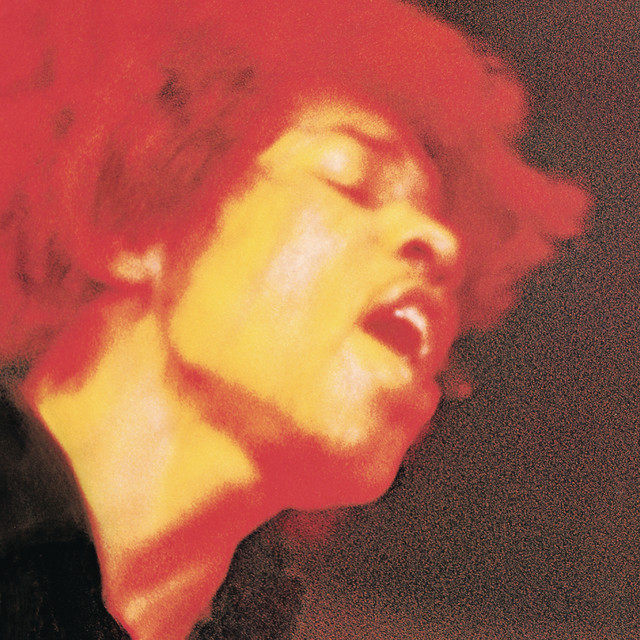
Electric Ladyland
1968
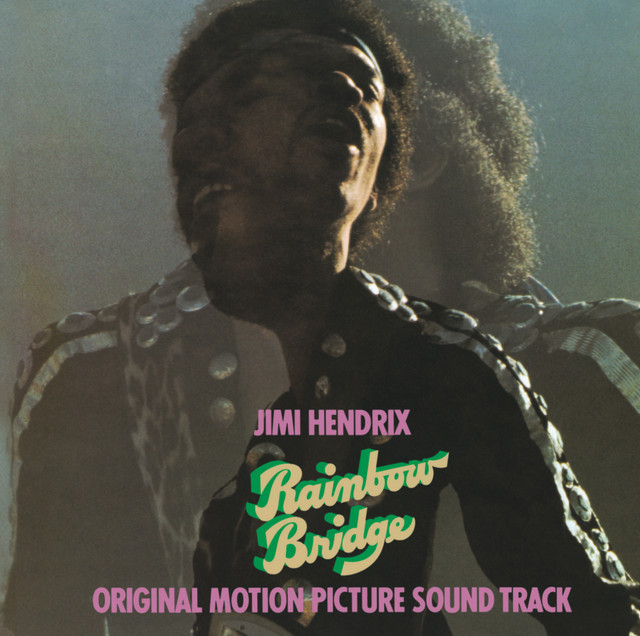
Rainbow Bridge
1971
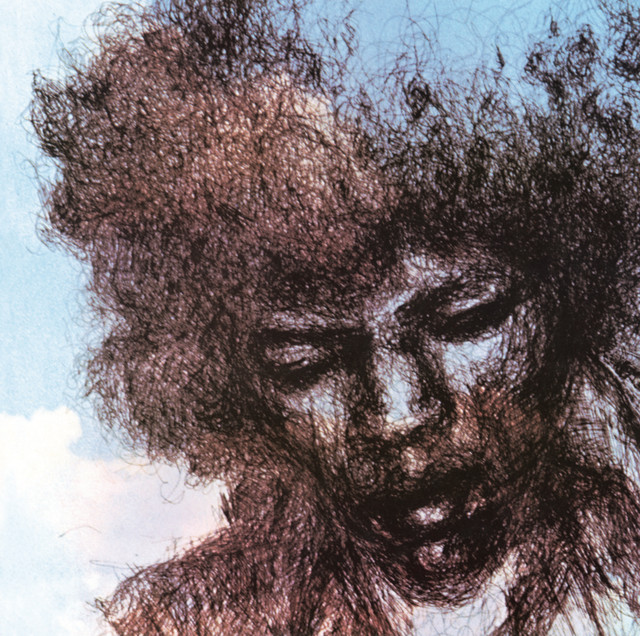
The Cry of Love
1971
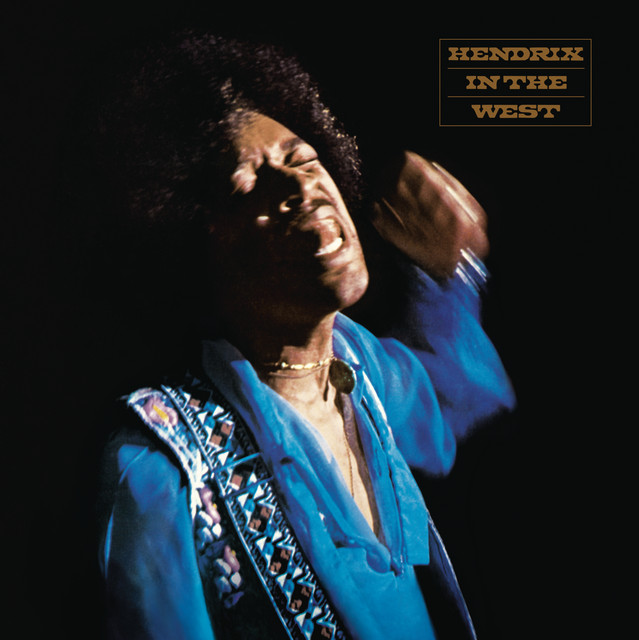
Hendrix In The West
1972
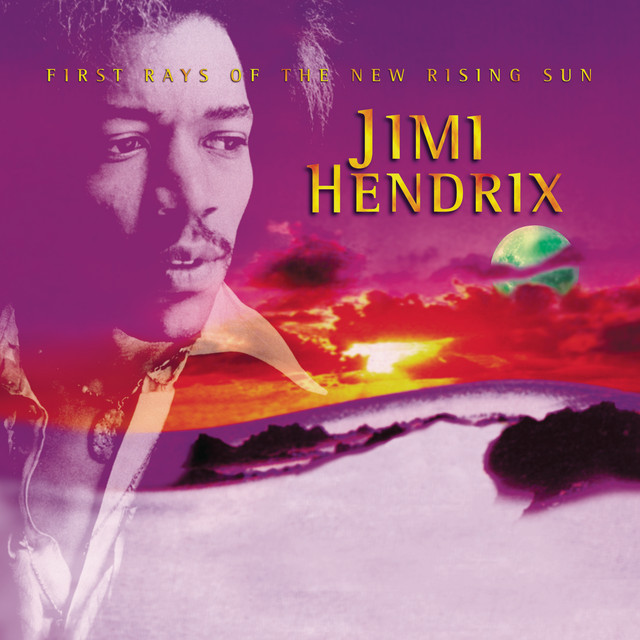
First Rays Of The New Rising Sun
1997
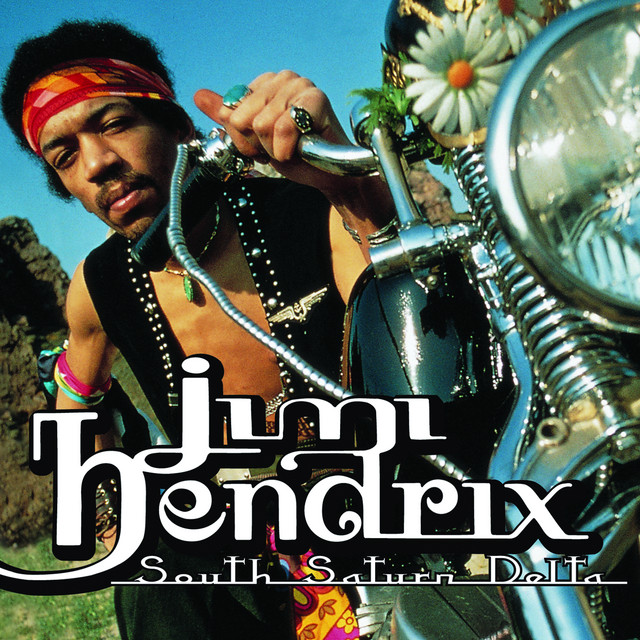
South Saturn Delta
1997
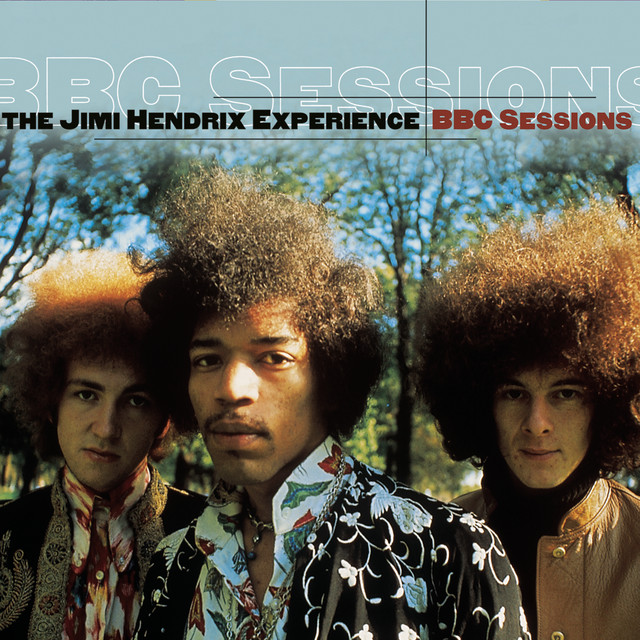
BBC Sessions
1998
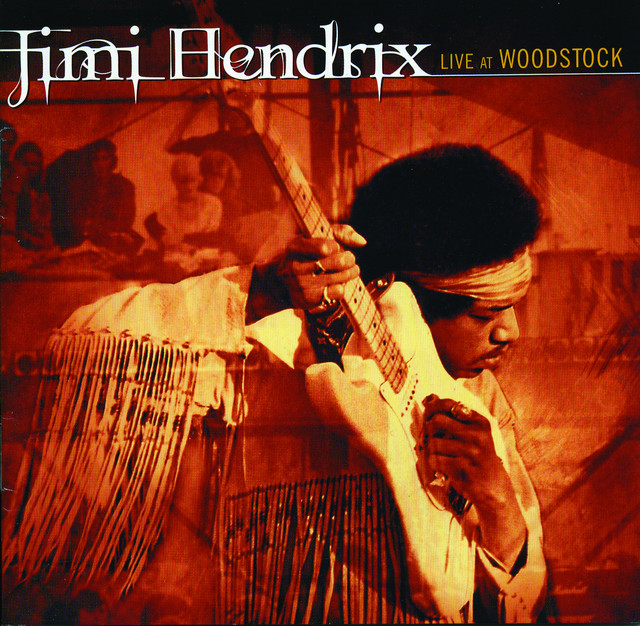
Live at Woodstock
1999
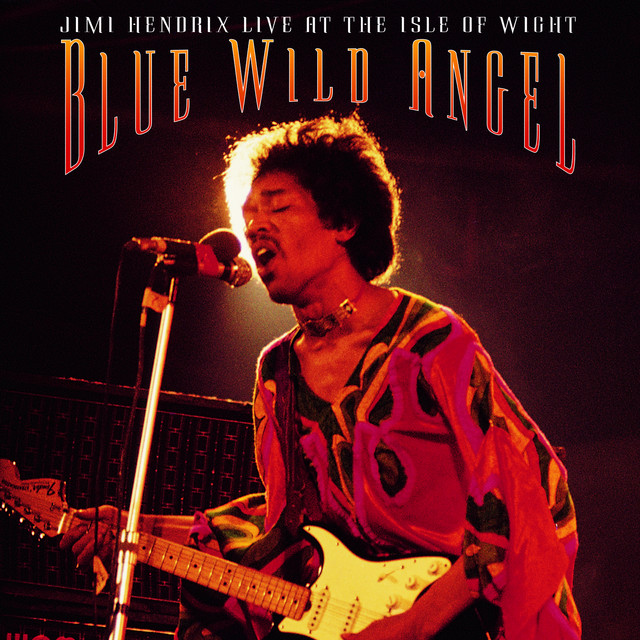
Blue Wild Angel: Jimi Hendrix At The Isle Of Wight
2002
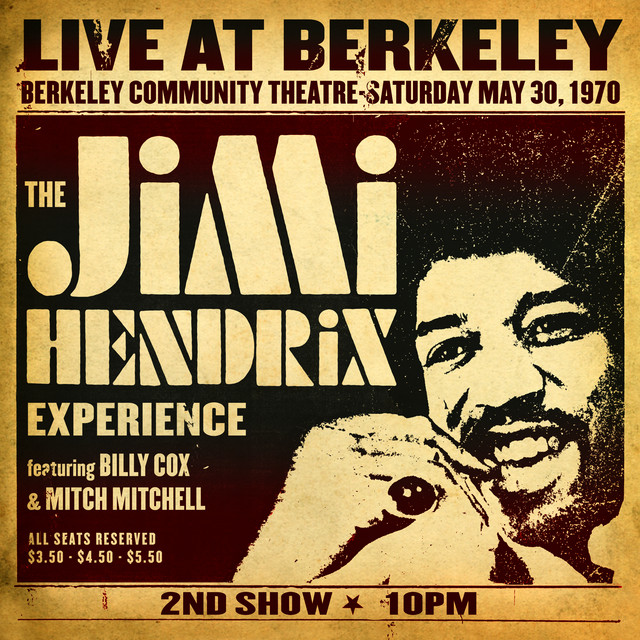
Live At Berkeley
2003
Album Credits
-
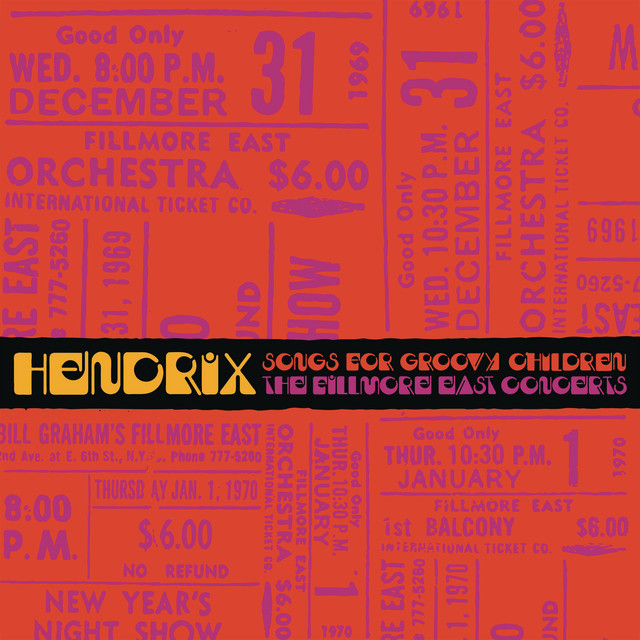
Songs For Groovy Children: The Fillmore East Concerts
Jimi Hendrix · 2019
Mixing Engineer Producer -
Jimi Hendrix · 2018
Producer -
Jimi Hendrix · 2010
Producer -
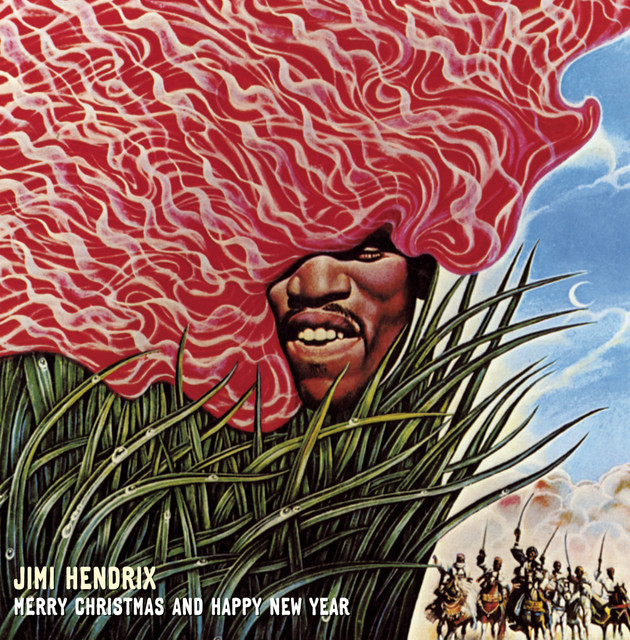
Merry Christmas And Happy New Year
Jimi Hendrix · 1999
Producer -
Jimi Hendrix · 1997
Mixing Engineer Producer -
First Rays Of The New Rising Sun
Jimi Hendrix · 1997
Mixing Engineer Producer -
Jimi Hendrix · 1971
Mixing Engineer Producer -
Jimi Hendrix · 1971
Producer