Robin Trower
Role
Role
Robin Trower's Gear


Mentioned in the July 1980 issue of Guitar Player, with the details summarized in this March 13, 2009 Gibson article.
Guitar Player, July 1980, "British Rock Guitar Veteran"
From your left to right, how is your pedalboard currently set up?
The first effect is a preamp that Mike built, which is on all the time. The second is another volume booster, a Dan Armstrong Red Ranger, which I use for even greater sustain. Third is my Tycobrahe [sic] wah-wah. The fourth is the Fender Blender. The fifth is the Univibe, and the sixth is a Mu-tron II. The seventh and eighth are Mistresses with different settings; the one on the left gives a double-tracking effect, while the one on the right provides more of a flanged sound. But I think I've come to a halt as far as effects go. I mean, I can just barely handle what I've got now. There's so much stuff going on that if you just started mixing them there would be a limitless number of combinations you could get.
From your pedalboard, where does the signal go?
Into a splitter box, then to my amps. I don't use a mixing board or anything when I'm live because I like to be very much in control of what's going on. Especially concerning dynamics, that's so much a part of my music that I wouldn't feel happy if someone else were controlling it. I like to be creating the sound.
Gibson, "How To Get That Robin Trower Sound", March 13, 2009
Trower’s hottest rig blasted his array of Strats through a pair of 100-watt Marshall JMP-100 Mark II heads feeding two 1960-B 4x12 cabs and had an impressive effects chain on the floor: custom preamp and clean booster pedals, a Dan Armstrong Red Ranger treble booster, a Tychobrahe wah-wah, an octave/fuzz Fender Blender, a Uni-Vibe chorus/vibrato, Mutron II phase shifter, and two Electro-Harmonix Electric Mistresses.
Find it on:


Mentioned in the July 1980 issue of Guitar Player, with the details summarized in this March 13, 2009 Gibson article.
Guitar Player, July 1980, "British Rock Guitar Veteran"
What other amps and effects have you employed on your solo albums?
With exception of In City Dreams, there are only one or two tracks on all of my albums that haven't got Marshalls on them. For In City Dreams I used an amp that my electronics guy Mike built for me in the studio: a quarter amp, which would get the same sound as a Marshall. We had a lot of different effects on that album, too. For instance, that's when I started using an [Electro-Harmonix] Electric Mistress flanger. To get say, that rocket ship sound, I ran a Fender Blender [distortion/harmonics/sustain device] through the Mistress. On Caravan To Midnight I used effects in stereo. In other words, I had the output split - one to one amp, one to the other. On each split were different effects, like two or three going to one side, and two or three going to the other, so that you had the same guitar with a different sound coming from both amps. Also around this time Mike and I redid my pedalboard.
Were you having problems with it?
Well, we talked a hell of a lot about what we wanted to get out of the sounds - you know, what the problems were. The problem basically was that if you used more than a couple of pedals, you lost sound: The more pedals connected up, the more the signal died. So he invented a system whereby that wouldn't happen. Now I can have a hundred pedals in the line and there will be no difference at all. Before I got Mike, who also doctors my amps, I used to use a noise gate at the front; that didn't affect the power, but, unfortunately, I lost a lot of top end.
[Ed. Note: Robin preferred to keep the operational details of his pedalboard and amplifiers confidential.]
From your left to right, how is your pedalboard currently set up?
The first effect is a preamp that Mike built, which is on all the time. The second is another volume booster, a Dan Armstrong Red Ranger, which I use for even greater sustain. Third is my Tycobrahe wah-wah. The fourth is the Fender Blender. The fifth is the Univibe, and the sixth is a Mu-tron II. The seventh and eighth are Mistresses with different settings; the one on the left gives a double-tracking effect, while the one on the right provides more of a flanged sound. But I think I've come to a halt as far as effects go. I mean, I can just barely handle what I've got now. There's so much stuff going on that if you just started mixing them there would be a limitless number of combinations you could get.
From your pedalboard, where does the signal go?
Into a splitter box, then to my amps. I don't use a mixing board or anything when I'm live because I like to be very much in control of what's going on. Especially concerning dynamics, that's so much a part of my music that I wouldn't feel happy if someone else were controlling it. I like to be creating the sound.
Gibson, "How To Get That Robin Trower Sound", March 13, 2009
Trower’s hottest rig blasted his array of Strats through a pair of 100-watt Marshall JMP-100 Mark II heads feeding two 1960-B 4x12 cabs and had an impressive effects chain on the floor: custom preamp and clean booster pedals, a Dan Armstrong Red Ranger treble booster, a Tychobrahe wah-wah, an octave/fuzz Fender Blender, a Uni-Vibe chorus/vibrato, Mutron II phase shifter, and two Electro-Harmonix Electric Mistresses.
Find it on:


Mentioned in the July 1980 issue of Guitar Player, with the details summarized in this March 13, 2009 Gibson article.
Guitar Player, July 1980, "British Rock Guitar Veteran"
From your left to right, how is your pedalboard currently set up?
The first effect is a preamp that Mike built, which is on all the time. The second is another volume booster, a Dan Armstrong Red Ranger, which I use for even greater sustain. Third is my Tycobrahe wah-wah. The fourth is the Fender Blender. The fifth is the Univibe, and the sixth is a Mu-tron II. The seventh and eighth are Mistresses with different settings; the one on the left gives a double-tracking effect, while the one on the right provides more of a flanged sound. But I think I've come to a halt as far as effects go. I mean, I can just barely handle what I've got now. There's so much stuff going on that if you just started mixing them there would be a limitless number of combinations you could get.
From your pedalboard, where does the signal go?
Into a splitter box, then to my amps. I don't use a mixing board or anything when I'm live because I like to be very much in control of what's going on. Especially concerning dynamics, that's so much a part of my music that I wouldn't feel happy if someone else were controlling it. I like to be creating the sound.
Gibson, "How To Get That Robin Trower Sound", March 13, 2009
Trower’s hottest rig blasted his array of Strats through a pair of 100-watt Marshall JMP-100 Mark II heads feeding two 1960-B 4x12 cabs and had an impressive effects chain on the floor: custom preamp and clean booster pedals, a Dan Armstrong Red Ranger treble booster, a Tychobrahe wah-wah, an octave/fuzz Fender Blender, a Uni-Vibe chorus/vibrato, Mutron II phase shifter, and two Electro-Harmonix Electric Mistresses.
Find it on:
-m.webp?v=1783177131)
In the video @ 3:26, Robin Trower explains his live amplifier/speaker rig during a tour in 2018. You can see clearly that what he is using is still available today! He uses one amplifier to drive two Marshall 4 x 12 cabinets: the 1960AX.
Find it on:


Photo of his pedal board in Premier Guitar article on Robin Trower
Find it on:

In this video, Robin shows the pedals used on "No More Worlds to Conquer". Also mentioned in interview published in November 2022 Guitar World issue.
Find it on:

In this video, Robin is showing his pedals for the new "No more worlds to conquer" album.
Find it on:

In this video, Robin shows his pedals for the "No more worlds to conquer" album.
Find it on:


Robin Trower plays his Marshall Vintage Modern 2266 in this video at 0:45 promoting his album "No More Worlds To Conquer". According to interviews he uses the 2266 in the studio and the 2466 on stage.
Find it on:

In this video, Robin Trower demonstrates the JTM Studio from Marshall. He says:
There's a character to the amps that no other amp has, and I think that's always been there. The earlier amps are sweeter, there's no doubt about that and they may be a bit more open and that. I think it's great. I think it's very very usable. Yeah, I think you can more or less to anything with it. It's got a sweet sound to it. I really like that clean.
For a straight through sound, that is lovely, it's rich isn't it? Well it sounds like a Marshall, and that's the sound that I like. It's always valves, it's got to be valves hasn't it? That's the sound! For the straight Marshall sound, that's great.
Find it on:
This is a community-built gear list for Robin Trower.
- Find relevant music gear like Guitars, Amplifiers, Effects Pedals, and other instruments and add it to Robin Trower.
- The best places to look for gear usage are typically on the artist's social media, YouTube, live performance images, and interviews.
- To receive email updates when Robin Trower is seen with new gear, follow the artist.
Discography
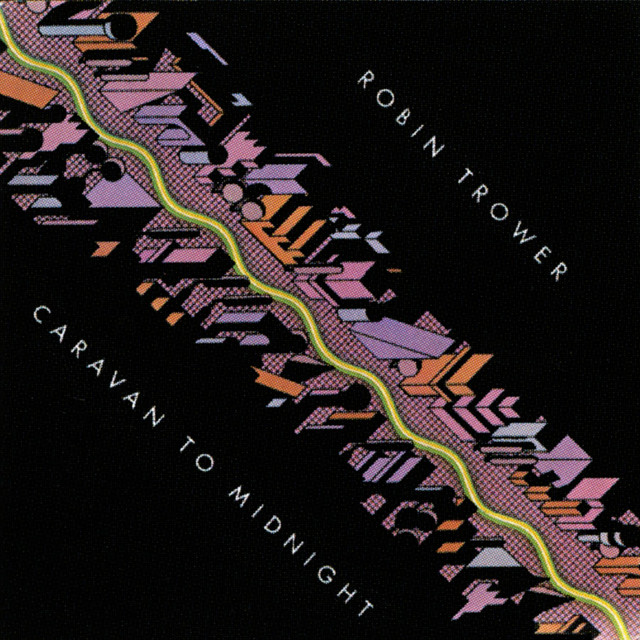
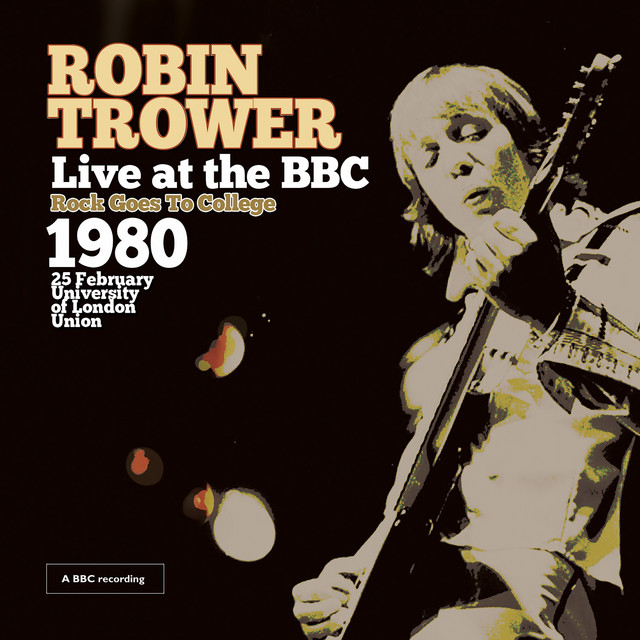
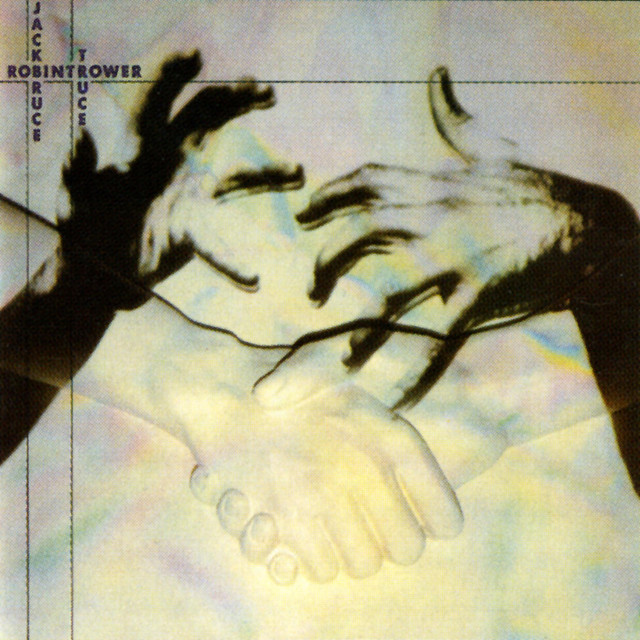
Album Credits
-
Retrospective: Selected Recordings 1973-2023
Bryan Ferry · 2024
Producer -
Bryan Ferry · 2024
Producer -
Retrospective: She Belongs to Me
Bryan Ferry · 2024
Producer -
Bryan Ferry · 2023
Producer -
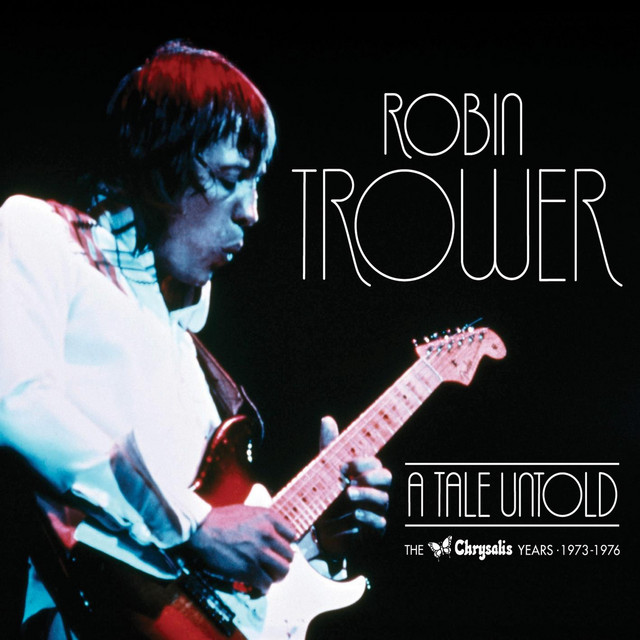
A Tale Untold: The Chrysalis Years (1973-1976)
Robin Trower · 2010
Producer -
Bryan Ferry · 2002
Producer -
Bryan Ferry · 2002
Producer -
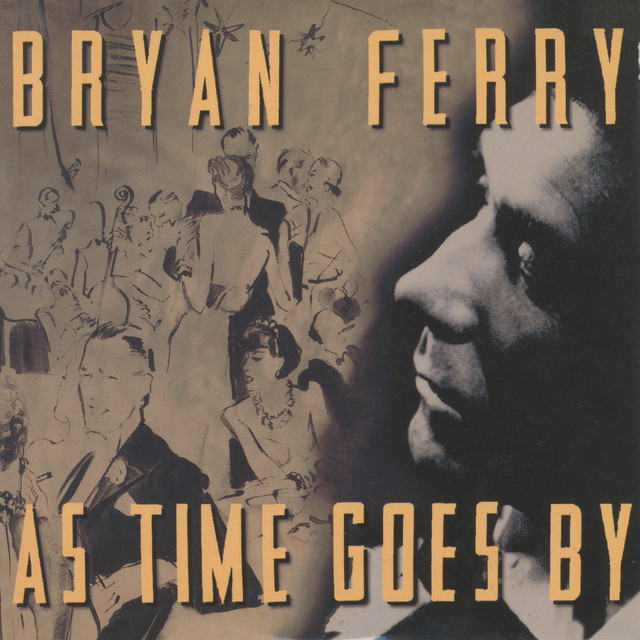
Bryan Ferry · 1999
Producer -
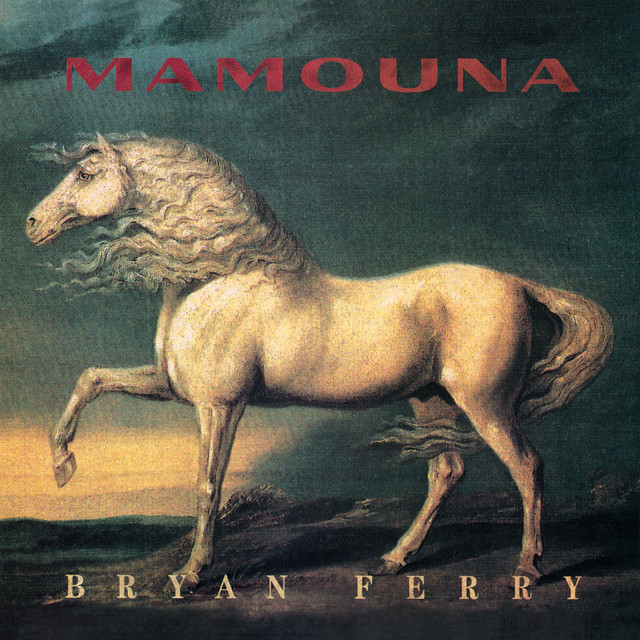
Bryan Ferry · 1994
Producer -
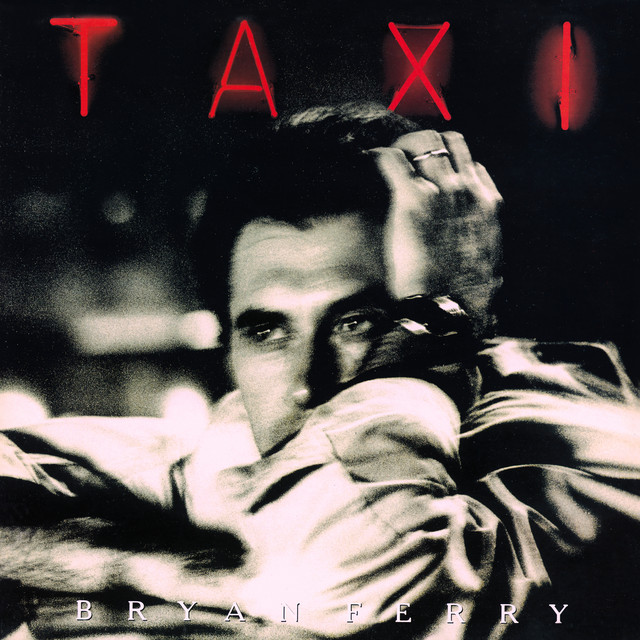
Bryan Ferry · 1993
Producer -
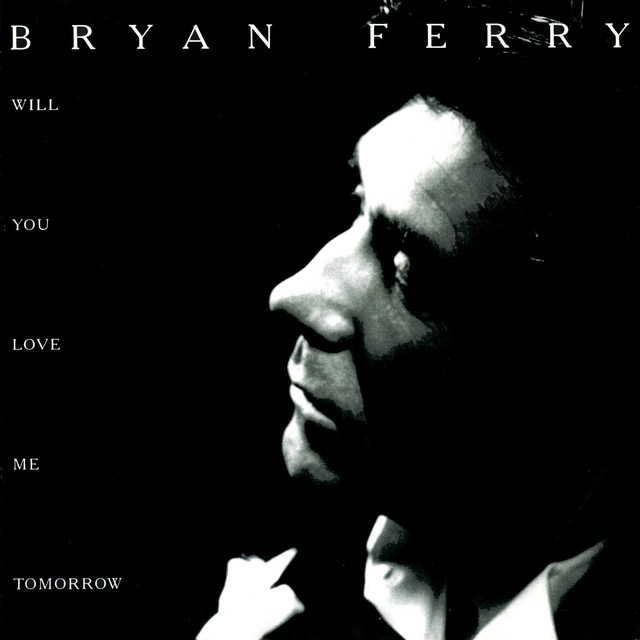
Bryan Ferry · 1993
Producer -
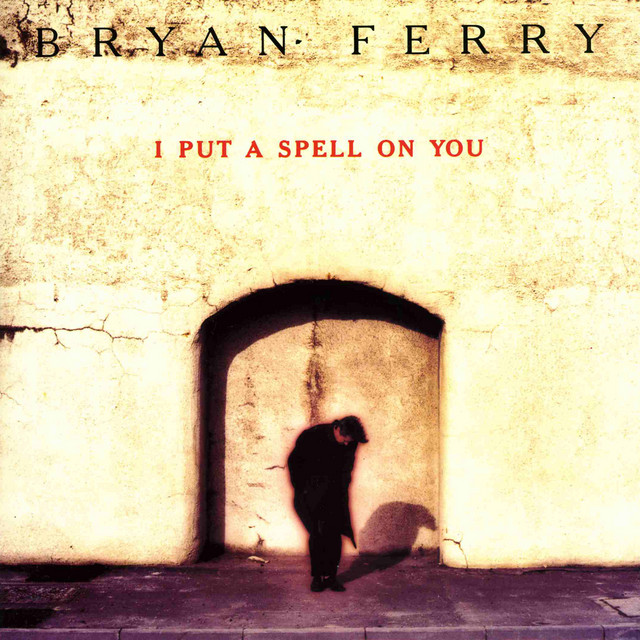
Bryan Ferry · 1993
Producer