


Pricing and availability




* Product prices and availability are updated by Equipboard every 24hrs and are subject to change. Equipboard may receive compensation for purchases made at participating retailers linked on this site. This compensation does not affect what products or prices are displayed, or the order of prices listed. For more information, please refer to our affiliate disclosure.
Description
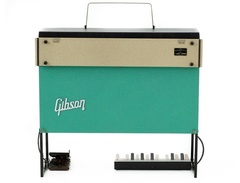
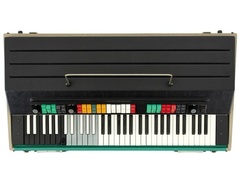
The Gibson G-101 (first introduced as the Kalamazoo K-101) is a combo organ that was manufactured for Gibson by the Lowrey Organ Company from 1967 to 1969. Less than 2,000 organs were produced over its short production run.
Owner's manual
Gibson G-101 User ManualVideos

RhodesG101
Light My Fire Gibson G101 organ Fender Rhodes Piano Bass
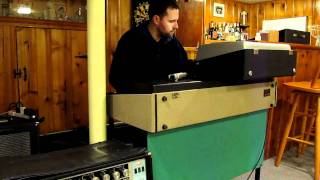
Light My Fire Gibson G101 organ Fender Rhodes Piano Bass
RhodesG101
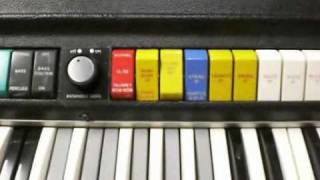
Gibson G101 by TEFI Vintage Lab

TEFI Vintage Lab
Gibson G101 demo - Chicago Electric Piano Co

Chicago Electric Piano
GIBSON G 101 ELECTRIC ORGAN 1967 JACK WEST DEMO

MrJOHNNYLIGHTNING
#thedoors break on through Gibson G101 organ sound #thedoorscover #organ #bass #60s

cristian cornejo
Reviews
Owner Insights
We analyzed real musician discussions from forums and Reddit to find what players love, question, and tweak about Gibson G-101.
Comparisons
-
The Gibson G-101's sound is similar to the Lowery T2, as they share the same sound cards, making it suitable for recreating "Lucy in the Sky with Diamonds."
Source -
The G-101 visually resembles a mix between a Rhodes and a harmonium, with organ switches adding to its distinctive design.
Source -
The Yamaha YC-20 offers a warmer, smoother lower manual, especially effective with a rotary pedal for a faux Hammond sound.
Source -
The Korg Opsix is praised for its additive synthesis capabilities, ideal for drawbar organ sounds, despite limitations of only six operators.
Source
Use cases and applications
Features and functionality
-
The G-101 was originally manufactured by Lowery and sold under the Gibson brand, offering a unique blend of organ and synth-like qualities.
Source -
The G-101's reverb function may be dependent on the original pedal, as users report it non-functional without it.
Source -
Yamaha YC-30 features a unique touch ribbon, unlike other combo organs.
Source
User experience
-
Owners using the G-101 with a Marshall DSL 40 amp find the built-in reverb thin, better suited for minor timbre shaping rather than as a primary effect.
Source -
Aesthetic appeal is strong, with users praising the unique keybed and color, enhancing the vintage allure of the instrument.
Source -
The Yamaha YC-20 has been maintenance-free for over ten years, highlighting its reliability.
Source
Setup and maintenance
5.0 out of 5
Based on 1 Review and 1 Rating

3296
My favorite combo organ!
The Gibson G-101 has that iconic 1960s sound, and is more durable and versatile than many of the other combo organs of the era. Mine plays great after all these years, and helps me achieve that classic Ray Manzarek sound. The striking greenish-teal color also takes the Gibson to the next level.
Artist usage
Add artist
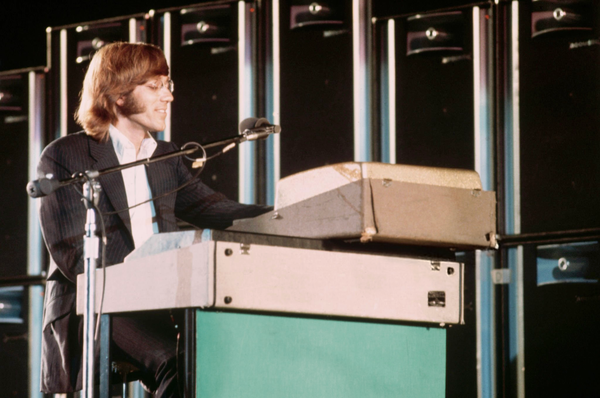
Ray Manzarek playing a Gibson G-101 organ during The Doors' legendary concert at the Hollywood Bowl in 1968. This was Ray's primary touring organ during the band's prime, as he can be seen playing it at nearly every Doors concert from late 1967 and on.
Ray described his switch from a Vox Continental to the Gibson in an interview with Modern Keyboard:
I played a Vox Continental for the first half of the Doors’ career. Until Columbia sold Vox to an Italian company. Vox was an English firm originally. And the Italian Vox Continentals just didn’t hold up. They started falling apart. Even the old ones I used to have to replace every six months. I would break them just by playing too hard. The keys would start to stick and I would fuse everything. So I’d have to throw it out, get a new one. Once every six months wasn’t bad. But once Vox was sold to the Italians, it was like once a month, once every other week.
I said, “Well that’s it. I can’t use these anymore. I’ve got to get something else. What else is there?” There was the Farfisa and there was the Gibson Kalamazoo. Now I would have gotten the Farfisa, except the top was rounded and I couldn’t put the Fender Rhodes bass on it. I needed something with a flat top. And the Gibson Kalamazoo was the only one that had a flat top. So that’s what I used—a Kalamazoo—for the rest of the time. They don’t make those anymore. They were rare and very interesting.
It was the first keyboard to have pitchbender on it—a pedal. So you could actually bend down a half step. And I use that to great effect—if I do say so myself—on “Not to Touch the Earth.” Paul Rothchild played the pedal. I couldn’t move my foot sideways on it to get the right rhythm. So Paul was kneeling down on the floor next to me as I was playing, bending this little thing that stuck up off the volume pedal. Also on “The Unknown Soldier,” I had the sustain and the pitch-bend. I had a piano stop with a sustain on it and then bent the pitch.

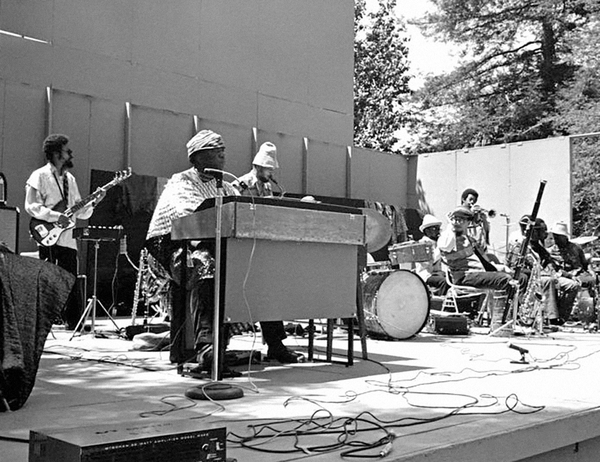
In this photo, Sun Ra can be seen playing a Gibson G-101 combo organ on stage at UC Davis in 1968. Sun Ra started touring with the Gibson G-101 in 1967 and later featured it on his 1969 Atlantis album. The album's sleeve lists the instrument as "Solar Sound Organ."

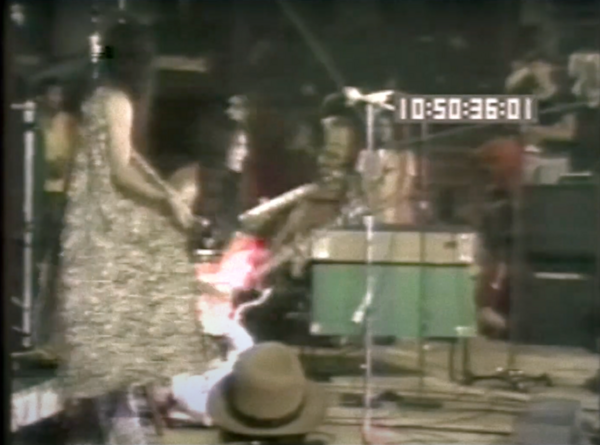
In this still from a YouTube video, Michael Bruce's Gibson G-101 can be seen on stage during Alice Cooper's performance at the Cincinnati Pop Festival. The festival took place on June 13, 1970 at Crosley Field in Cincinnati, Ohio and was later broadcast as "Midsummer Rock" on WLWT-TV in Cincinnati and syndicated across the USA. Full video here.
Michael plays the Gibson during the song "Black Juju." I could not verify if the Gibson was also the organ used on the studio recording of the song. Bruce can be heard playing the G-101 in live performances of the song through at least August 1970. Videos show that by 1971, Bruce had switched to a Farfisa VIP-255 organ.

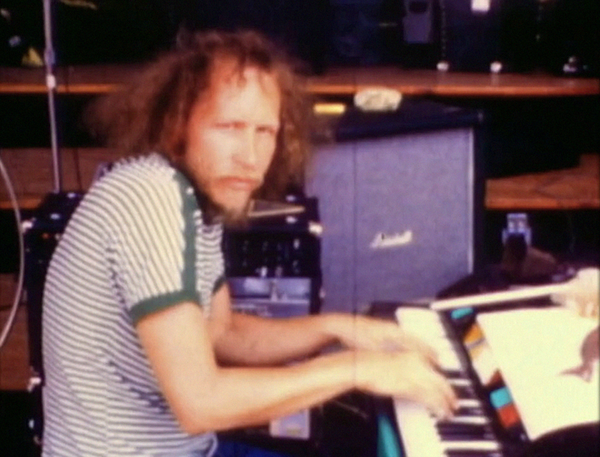
Don Preston frequently used a Gibson G-101 during his time with The Mothers of Invention. It also appeared on the cover of his solo album, Filters, Oscillators & Envelopes.

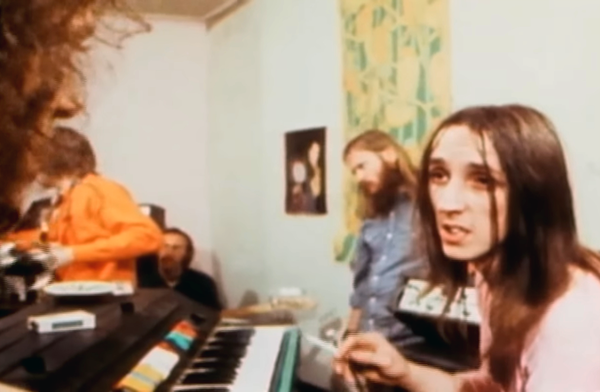
In a scene from the film Mad Dogs & Englishmen, Stainton can be seen playing a Gibson G-101 organ during a rehearsal with the band. The organ never appeared on stage in any of the concert scenes. Video can be viewed here.

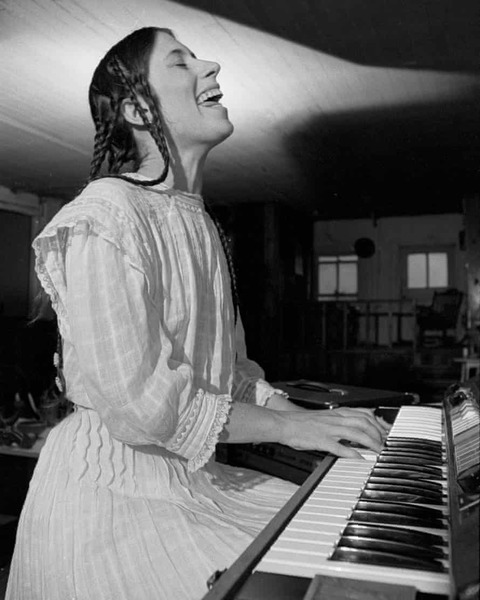
Meredith Monk playing a Gibson G101 (or pre-Gibson Kalamazoo K101) combo organ. This image was taken in 1971 by Jack Mitchell.
It seems like this same organ was played in this 1993 performance on YouTube: https://www.youtube.com/watch?v=fXLHjBFW2j8

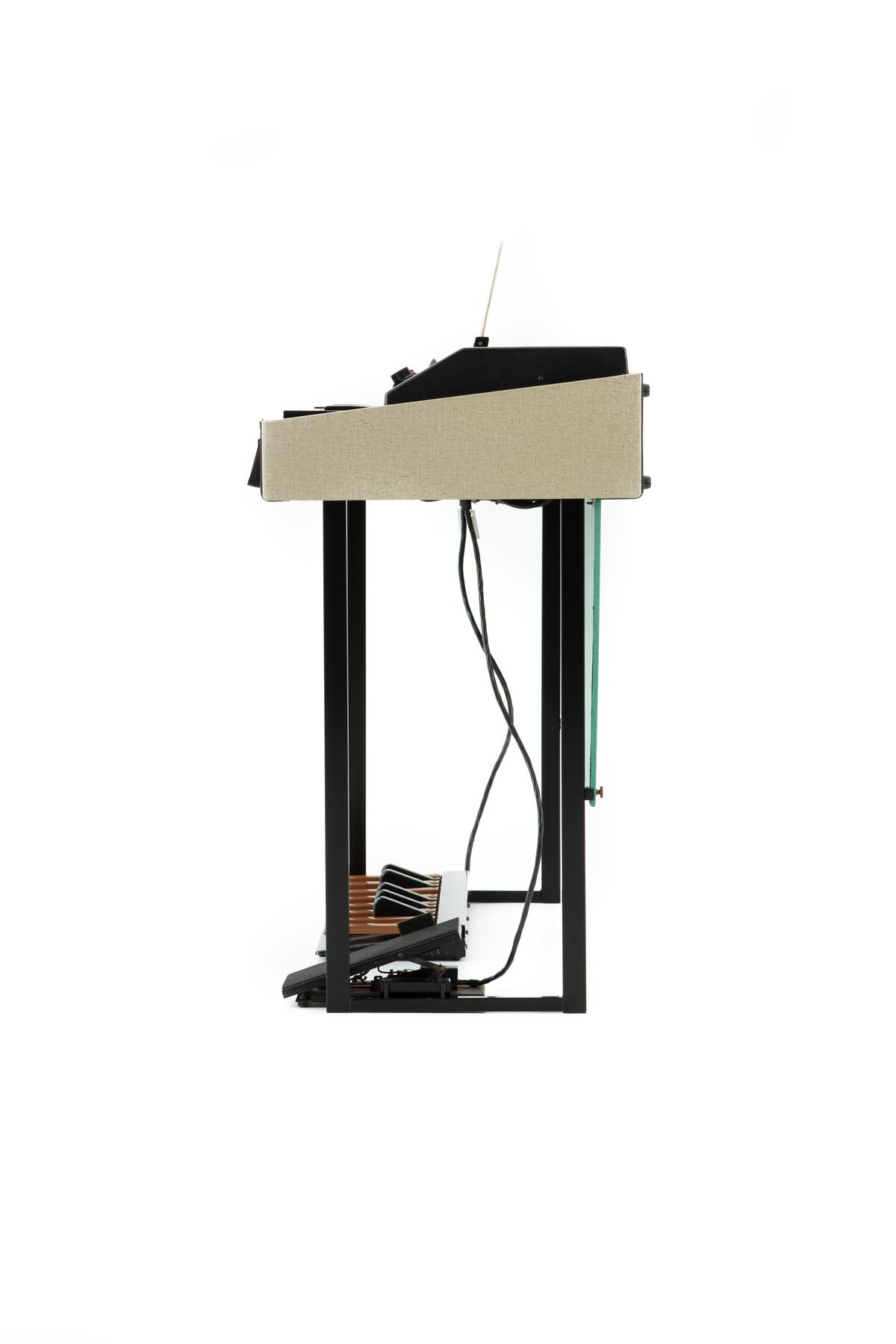
According to the Powerhouse Museum, Steve Nieve of Elvis Costello’s band has used a Gibson G-101 on unspecified recordings.
.jpeg?v=1785025542)
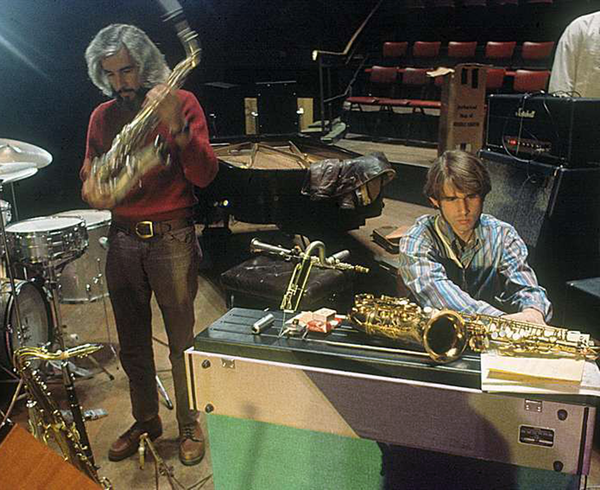
Ian Underwood can be seen here playing a Gibson G-101 organ with the Mothers of Invention. Don Preston usually played this organ, but it's possible Ian also played it live or in the studio.

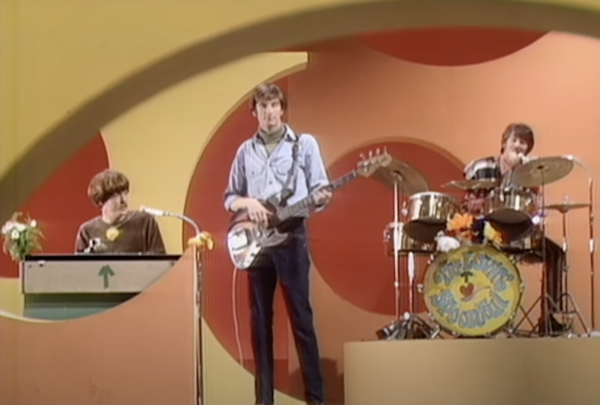
In this photo, Yester can be seen playing a Gibson G-101 combo organ on the Ed Sullivan Show with the Lovin' Spoonful in 1967. The band played two songs on the show, "Only Pretty, What a Pity" and "She Is Still A Mystery". The performance was lip synced, however the G-101 was also featured on the studio recording of “Only Pretty, What a Pity.” Concert photos also show that the Lovin’ Spoonful toured with a Gibson G-101 in 1967.

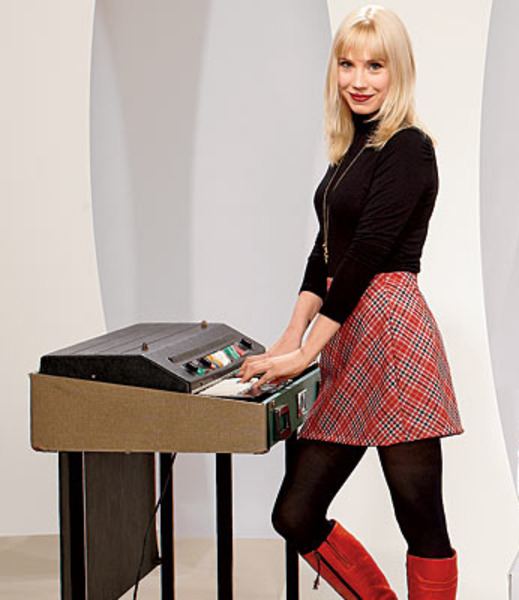
Jenkins posing with her Gibson G-101 organ during a photoshoot with her band, Hollows. The organ can be heard throughout Hollows' sophomore album, Vulture. In the book Classic Keys, Jenkins said the following about the organ:
"I bought it from a friend of mine. I was really more interested in getting a Farfisa Combo Compact, a classic combo organ. But I'm glad I came across this one. It was really special and is more versatile than the Farfisa."

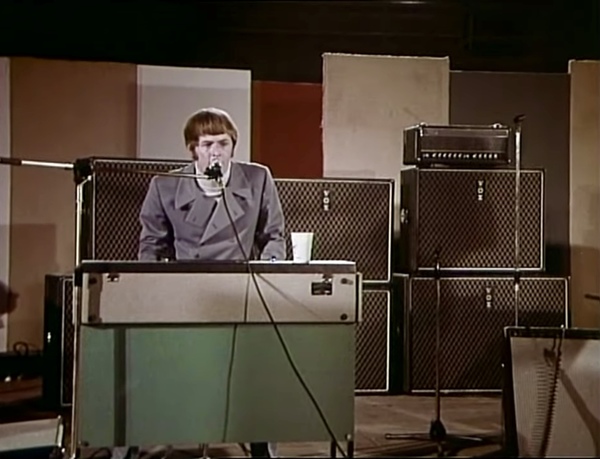
In this photo, Jim Yester can be seen playing a Gibson G-101 combo organ with the Association at the Rome Pop Festival in 1968. The performance is available on YouTube; Yester can be best seen at the 3:07 mark.

Album Usage
The Gibson G-101 has been featured on the following albums:
She Is Still A Mystery (Live On The Ed Sullivan Show, October 15, 1967)
The Lovin' Spoonful (2021)
Only Pretty What A Pity (Live On The Ed Sullivan Show, October 15, 1967)
The Lovin' Spoonful (2021)
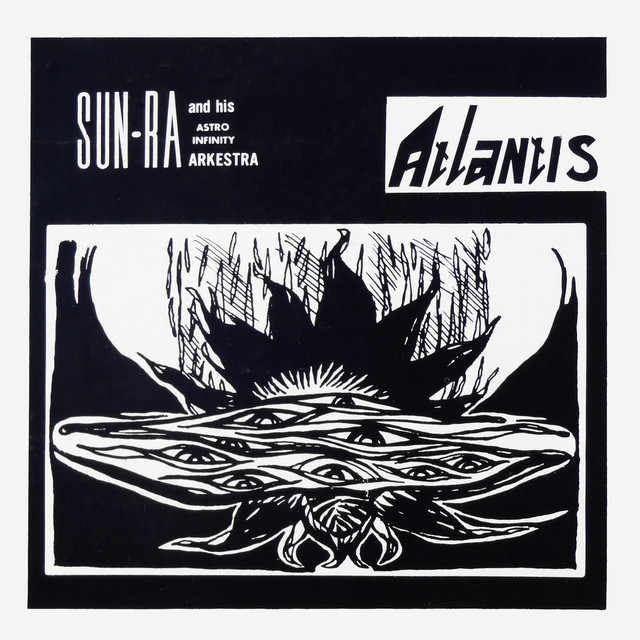
Atlantis
Sun Ra (2014)
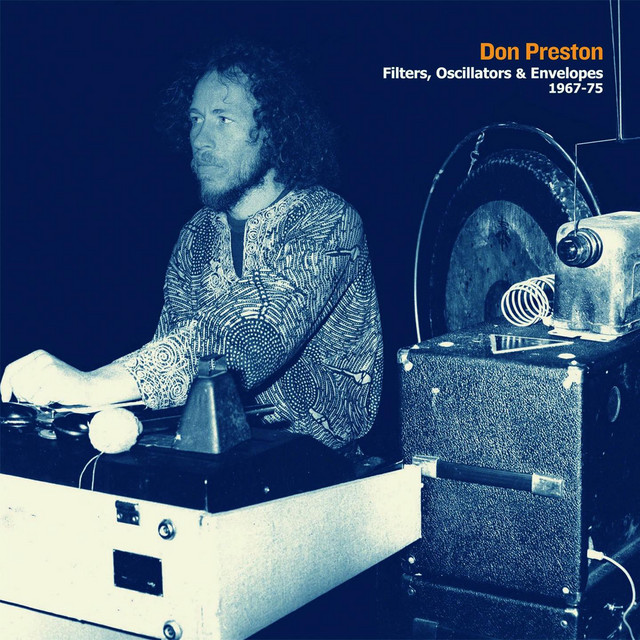
Filters, Oscillators & Envelopes 1967-75 (Previously Unreleased Electronic Music from Original Mother of invention Keyboardist)
Don Preston (2012)

L.A. Woman
The Doors (1971)
Absolutely Live
The Doors (1970)
Morrison Hotel
The Doors (1970)
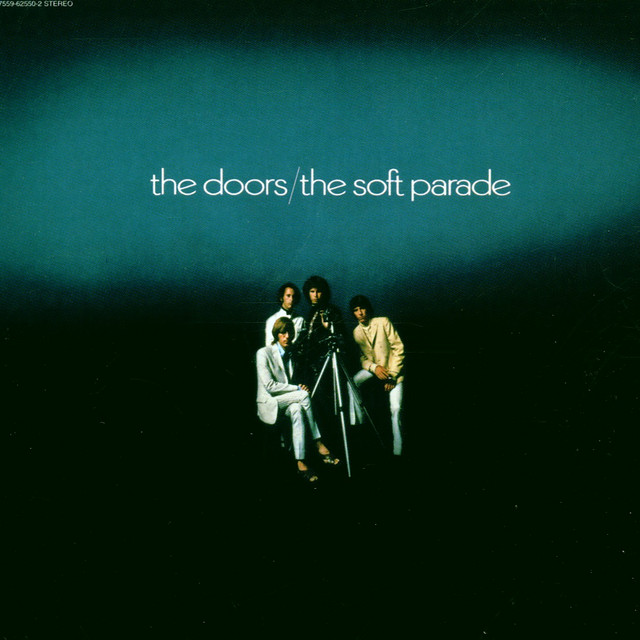
The Soft Parade
The Doors (1969)
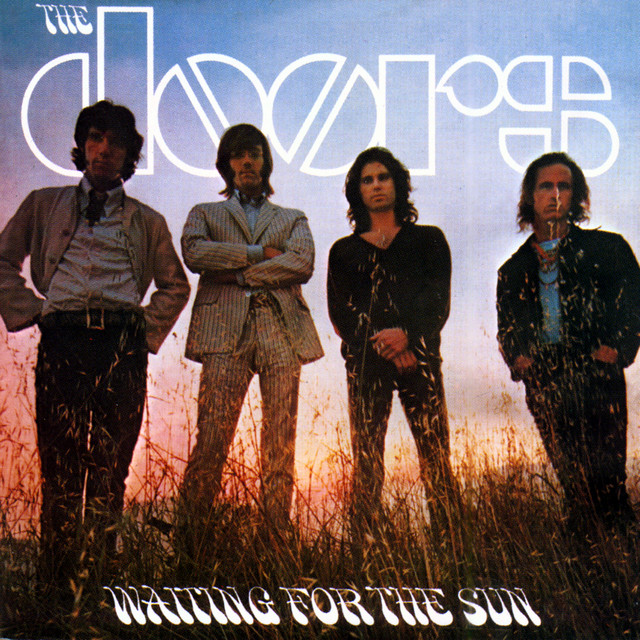
Waiting for the Sun
The Doors (1968)
Genre Usage
Based on how artists on Equipboard use this gear, it is most commonly found in the following genres.
Used With
Based on how musicians on Equipboard use Gibson G-101, it is most commonly used with the following gear.


More Gibson Organs


.jpeg?v=1770759918)

$354.00 - $499.99
in Organs Rank


$3,162.09 - $3,900.00
in Organs Rank


$570.23 - $1,328.86
in Organs Rank


$1,306.46
in Organs Rank


$2,555.00 - $2,995.00
in Organs Rank


$1,499.95
in Organs Rank
.jpeg?v=1784656821)


$3,900.00 - $10,320.00
in Organs Rank

-m.webp?v=1784973653)


$350.74 - $850.00
in Organs Rank


$999.00
in Organs Rank


$1,750.00
in Organs Rank


$636.63 - $1,299.95
in Organs Rank


$3,162.09 - $10,320.00
in Organs Rank


$2,111.00 - $2,495.00
in Organs Rank

Community setups


Similar


Gear Guides





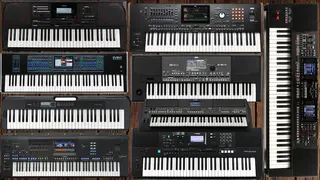
Most Popular Organs
Most Popular Brands
-
Added to Equipboard on by
 haas123
GearIQ 21966
-


