This page about Guild Jetstar Bass is a stub. You can help improve it:


Pricing and availability




* Product prices and availability are updated by Equipboard every 24hrs and are subject to change. Equipboard may receive compensation for purchases made at participating retailers linked on this site. This compensation does not affect what products or prices are displayed, or the order of prices listed. For more information, please refer to our affiliate disclosure.
Description
The Guild Jetstar Bass combines vintage aesthetics with modern performance, offering bassists a unique and powerful instrument choice. Its distinctive offset body shape is reminiscent of classic rock vibes, making it a standout on any stage. This electric bass is designed not only for its eye-catching looks but also for its playability and tone versatility. It features a short scale length, making it particularly comfortable for players with smaller hands or those who prefer a slightly different string tension.
Equipped with two Guild LB-1 pickups, the Jetstar Bass delivers a warm, punchy sound that can easily cut through a mix. The controls include a master volume, tone, and a three-way pickup selector switch, giving you the flexibility to dial in the perfect tone for any musical style. The bolt-on maple neck with a rosewood fingerboard offers smooth playability and a rich, resonant tone. Its lightweight design ensures that long gigs won’t become a burden, allowing you to focus entirely on your performance.
Whether you're laying down a groove in the studio or rocking out on stage, the Guild Jetstar Bass offers a blend of style and substance that bassists will appreciate.
Key Features:
- Short scale length for comfortable playability
- Two Guild LB-1 pickups for versatile sound options
- Master volume and tone controls with a three-way pickup selector
- Bolt-on maple neck with rosewood fingerboard
- Distinctive offset body shape for a classic look
- Lightweight design ideal for extended playing sessions


Reviews
Owner Insights
We analyzed real musician discussions from forums and Reddit to find what players love, question, and tweak about Guild Jetstar Bass.
Build quality
Features and functionality
-
The bass includes two USA-made pickups, contributing to its noteworthy tone quality.
Source -
It has a short scale 30.5” neck, making it suitable for players seeking a more compact and manageable instrument.
Source -
The DeArmond Jetstar Bass features narrow string spacing, offering a distinct feel that some players compare to the Fender Rascal bass.
Source
Value and pricing
-
Originally priced at $200, it's considered a bargain compared to past sales ranging from $350 to $499.
Source
Mods and upgrades
-
Owners have replaced the stock knobs with cupcake-style controls for improved aesthetics and grip, and swapped the black switch tip with an amber one for better visual appeal.
Source -
A Duesenberg Les Trem has been successfully added without affecting playability or intonation, indicating ease of installation for those seeking tremolo functionality.
Source
Setup and maintenance
User experience
-
The guitar remains comfortable over time, with its body shape and thin C-shaped neck praised for playability during both sitting and standing sessions.
Source -
The tuning stability is impressive, with no immediate need for tuner upgrades despite initial expectations.
Source -
Owners express appreciation for the unique Tyrian purple color, adding to its visual appeal and highlighting its rarity.
Source
Comparisons
5.0 out of 5
Based on 0 Reviews and 1 Rating
Artist usage
Add artist
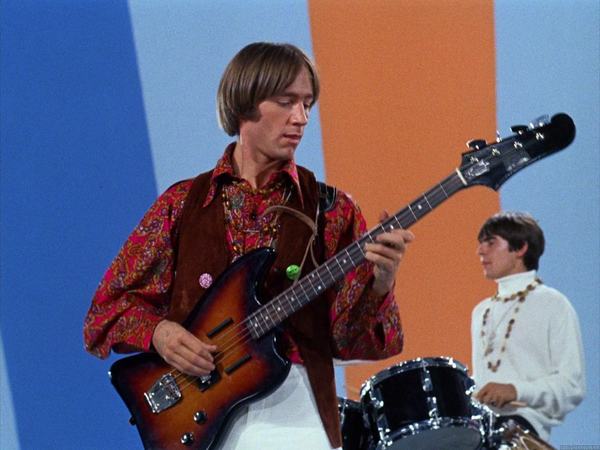
Sometime in 1967, Peter had replaced his Gretsch 6073 Burgundy bass with a Guild Jetstar bass. This bass bears a resemblance to Gibson's Non-Reverse Thunderbirds, but with only one pickup, and two plastic thumb rests/finger rest. During the Monkees 1967 summer tour, Peter would use the Guild as his main instrument of choice. The Guild Jetstar can also be famously seen in the Rainbow Room, where The Monkees performed most of their 1967 hits. It is also a given that whenever Peter had to move to keyboards, Davy Jones would move to bass and would play this bass (though he is given his own bass model). This particular model of the bass had been discontinued in 1970, and was first built in late 1966 due to the 4 in-line headstock configuration. This bass was last seen with Peter during The Monkees' Australia and Japan tour in 1968.


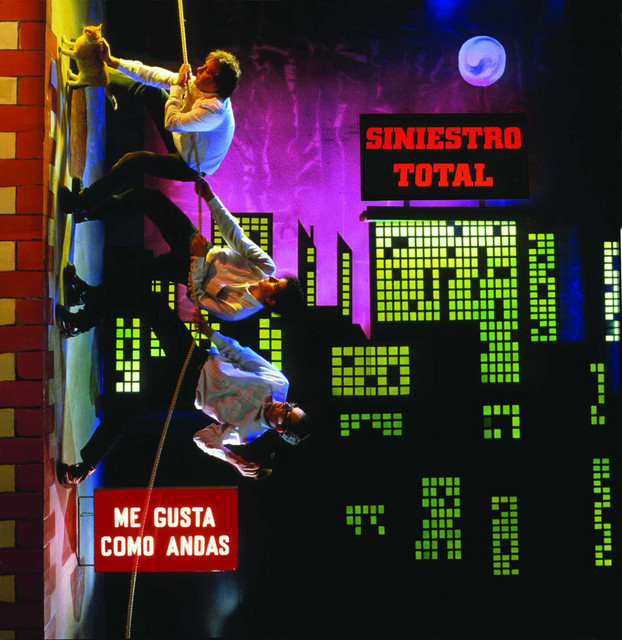
It's a bass he started using in 1985, alternating it with the Precision Bass. It's unknown whether he recorded "Bailaré sobre tu tumba" and "de hoy no pasa" with this bass or with the Precision Bass, but it's known that he recorded "Me gusta como andas" with the Guild because a video recording from the studio exists. In 1985, in Os Resentidos, Alberto played guitar and Xabier Soto played Alberto's Guild Jet Star.
Album Usage
The Guild Jetstar Bass has been featured on the following albums:


Genre Usage
Based on how artists on Equipboard use this gear, it is most commonly found in the following genres.
More Guild Electric Basses

$1,219.00 - $1,649.99


.jpeg?v=1784353660)


-m.webp?v=1784455229)


$3,082.27


.jpeg?v=1784817615)


.jpg?v=1784353661)


$899.99
in Electric Basses Rank


-m.webp?v=1784818817)
$799.00
in Electric Basses Rank


$2,099.00 - $2,890.00
in Electric Basses Rank


-m.webp?v=1784818802)
$2,699.00 - $2,749.00
in Electric Basses Rank


$651.26 - $1,999.99
in Electric Basses Rank


$500.00 - $894.26
in Electric Basses Rank


$2,300.00
in Electric Basses Rank


$649.00 - $1,589.00
in Electric Basses Rank


$655.00 - $779.00
in Electric Basses Rank


$349.00 - $499.99
in Electric Basses Rank

$1,158.11 - $1,599.99
in Electric Basses Rank


$231.50 - $369.99
in Electric Basses Rank


$525.00 - $2,899.00
in Electric Basses Rank


-m.webp?v=1784844261)
$549.00 - $1,094.69
in Electric Basses Rank

$741.00
in Electric Basses Rank


$349.99 - $429.00
in Electric Basses Rank


$359.00 - $2,250.00
in Electric Basses Rank

-m.webp?v=1784844722)
$322.00 - $449.00
in Electric Basses Rank


$259.97 - $466.05
in Electric Basses Rank


$651.26
in Electric Basses Rank


-m.webp?v=1784473130)
$299.00
in Electric Basses Rank


$1,949.00 - $2,599.00
in Electric Basses Rank


$569.00 - $629.00
in Electric Basses Rank


-m.webp?v=1784818837)
$299.99 - $329.00
in Electric Basses Rank


$158.00 - $369.99
in Electric Basses Rank


Community setups


Similar


Gear Guides
.webp)






Most Popular Electric Basses
Most Popular Brands
-
Added to Equipboard on by
 nickk_b_
GearIQ 470
-


