Jan Hammer
Role
Genre
Group
Credits
Role
Genre
Group
Credits
Jan Hammer's Gear

-m.webp?v=1785217835)
For more movement in the sound, Hammer used a slight bit of flanging, coming from an MXR black-face pedal (now reissued by Dunlop).
Find it on:


Around 1976 he started to use delay on his sound, originally from a Maestro Echoplex, and it remained an integral part of his rig ever since.
Find it on:


Mentioned by former Systech president Greg Hochman in Analog Man's Guide To Vintage Effects, as transcribed by Joe Gore in this December 12, 2012 tonefiend.com article.
We did a custom preamp for a guitar that Greg Lake had. We were in Kalamazoo, where Gibson was….Ritchie Walborn had designed it; others asked us to build one for them. It eventually became what we called the Harmonic Energizer. It was a variable-state filter, which was kind of high-tech at the time, and it got a pretty good following from Joe Walsh to Jan Hammer….It allowed you to dial in up the Q of the filter, and by changing the frequency of the filter, you actually had the ability to choose what key you were going to have sustain and feed back. The thing actually had 55dB of gain when you got it up to a high-Q filter, so it didn’t allow you to be subtle onstage. It was dangerous, but it had a unique sound to it.
Find it on:

At his photo Jan hammer sits with a CMI Fairlight, Roland Jupiter 8, Moog Memorymoog, Yamaha DX7.
Find it on:



At his photo Jan hammer sits with a CMI Fairlight, Roland Jupiter 8, Moog Memorymoog, Yamaha DX7.
Find it on:

At his photo Jan hammer sits with a CMI Fairlight, Roland Jupiter 8, Moog Memorymoog, Yamaha DX7.
Find it on:

It was a need for unique voice. I knew I wasn’t going to be able to take the piano where I wanted to go. I kept searching for this. I used to run my keyboards through electronic boxes, like a ring modulator, trying to get a unique sound. When I got my hands on a Minimoog, I thought “I know what to do with this!” The sound can remind you of a clarinet, a flute, or a sitar. It’s the fact that it bends and flows.
People should have a license to use the pitch wheel! When I first got a Minimoog, the pitch bend was set to be a fourth. Eventually I got it adjusted to where I want it. Some people can get by with pitch bend set to two semitones, but you can not express the creativity that I look for with two semitones. You have to be coordinated, and listen, using your ear like a violinist does.
Find it on:


Now I use a Korg Triton Extreme, and the way things have evolved, I can do everything I want with it.
Find it on:


"I bought a Commodore 64 solely to run Dr. T's Algorithmic Composer package! Jim Johnson's phrase generator allows you to outline scales, bars, change probabilities, weighting, and several more quite involved parameters; what comes out is very usable. Two or three of the most recent episodes (in the fourth series) have most of the music written in this manner. Monophonic phrases are generated (by the computer), played across to another sequencer and then layered and repeated. Miami Vice has long cues and this kind of music can help bridge, say, three scenes."
Find it on:

At his photo Jan hammer sits with a CMI Fairlight, Roland Jupiter 8, Moog Memorymoog, Yamaha DX7.
Find it on:

On this early ad Jan Hammer is seen with a Korg Wavestation.
Find it on:

Hammer added an Oberheim SEM module to his setup, later replacing it with an Oberheim Expander. He would layer the Minimoog and the Oberheim together to beef up his sound, specifically adding synced oscillators to the blend.
Find it on:

Jan Hammer rocks out with his Fairlight and Yamaha KX5 remote keyboard on BBC Rock School series 2 from 1987
Find it on:

Between the Korg Z1 and the Triton, the sounds are all there for me. I'll occasionally use samplers when working on film and TV music, especially if I need some crazy loops or grooves, but mostly I use my Korg synths.
Find it on:

"I used wheels on the Moog and the DX7, and even had wheels installed on some of the early Korg instruments such as the T3 because I couldn't deal with the joystick. It was the same with some of the portable synths I used because they often made them with ribbon controllers, which are completely useless, so I had to add wheels to those. Now I'm using the new Korg instruments with the new joystick design and getting better tactile feedback than I got from the wheels. In the studio I still use wheels for certain parts, but on this tour with Jeff, I'm using only a Triton Extreme and I'm very happy with it."
Find it on:

In this interview Jan Hammer says: " I monitor for 80 percent of the time on NS10s because I'm used to the way they sound, though I also have a huge pair of JBLs the same as they used to have in the Trident studio, just to check out the bottom end."
Find it on:
-m.webp?v=1784337253)
In this interview Jan Hammer says: "When it comes to samples, I like things like Distorted Reality from Spectrasonics. A new patch can set you off writing a new piece of music — it's like the grain of sand that starts the creation of the pearl."
Find it on:

"Sometimes if nothing comes, I shut off the TV monitor, stop thinking about the show and just go fool around with anything - it might be playing with the Fairlight Series III or trying to create a new sound on the Kawai K5."
Find it on:

"I bought the new D550 rack unit because it does have great potential for new sounds in the future, although, funnily enough, a lot of the current sounds remind me of my Series II."
Find it on:

"I still use analogue tape machines in my studio [an Otari MTR90 24-track]."
Find it on:

According to the research of Catalinbread's Nicholas Kula, Hammer used a unit with the Mahavishnu Orchestra.
Find it on:

I still use Opcode Studio Vision, after five years. It was murdered by Gibson!
It’s still the most logical MIDI-integrated sequencer. As far as the MIDI part, Studio Vision is still my favorite. I’ve got a Mac set aside that runs System 9.2. It’s completely stable, it all works. There’s no reason it won’t work for another ten years.
Find it on:

Hammer added an Oberheim SEM module to his setup, later replacing it with an Oberheim Expander. He would layer the Minimoog and the Oberheim together to beef up his sound, specifically adding synced oscillators to the blend.
Find it on:

When Hammer appeared at the 2006 Moogfest in NYC he certainly played a lot of important parts on a Moog Voyager, but when it came time to take a trademark solo, he played it on a Korg Triton Extreme with the added MOSS board to deliver a screaming synced oscillator sound.
Find it on:

In this interview Jan Hammer says: "I'm still using the last version of Studio Vision on a Mac G4 dual-boot machine that I keep just for that purpose."
Find it on:

He creates the drums using his Fairlight CMI and LinnDrum
Find it on:

" The Fairlight is really great for the backing 'band' - drums, bass and orchestration - but there is always a need for one or two parts that are constantly, harmonically changing; for these I love the feel of the DX7 MkII."
Find it on:

"I have my own Fairlight drum samples, custom Linn chips, as well as a new Kawai R100 drum machine with really nice sounds."
Find it on:

"I also use a voice editing program for tweaking my Kawai K3 sounds."
Find it on:
This is a community-built gear list for Jan Hammer.
- Find relevant music gear like Pianos, Keyboards and Synthesizers, Microphones, and other instruments and add it to Jan Hammer.
- The best places to look for gear usage are typically on the artist's social media, YouTube, live performance images, and interviews.
- To receive email updates when Jan Hammer is seen with new gear, follow the artist.
Discography
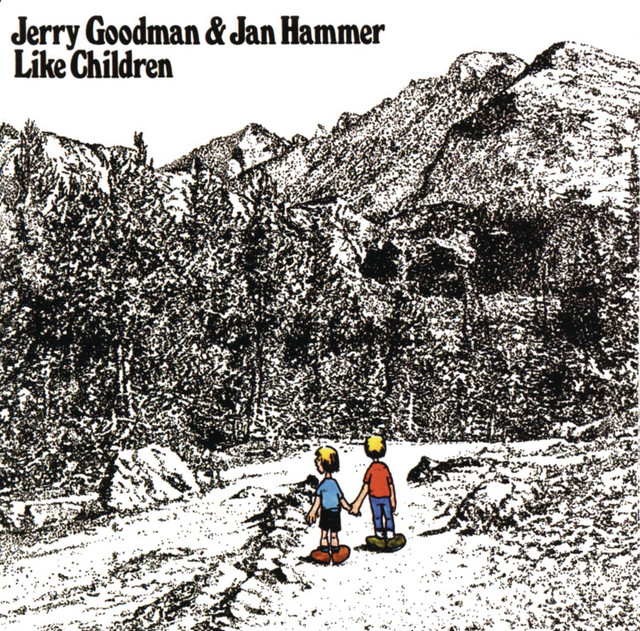
Like Children
1974
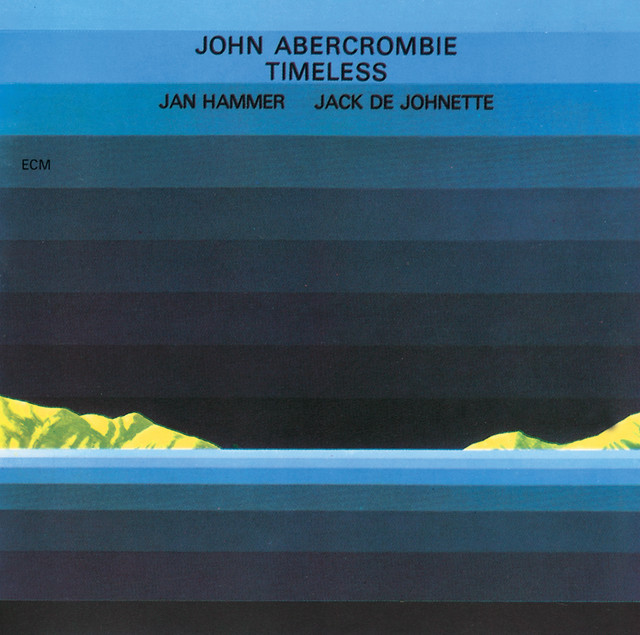
Timeless
1975
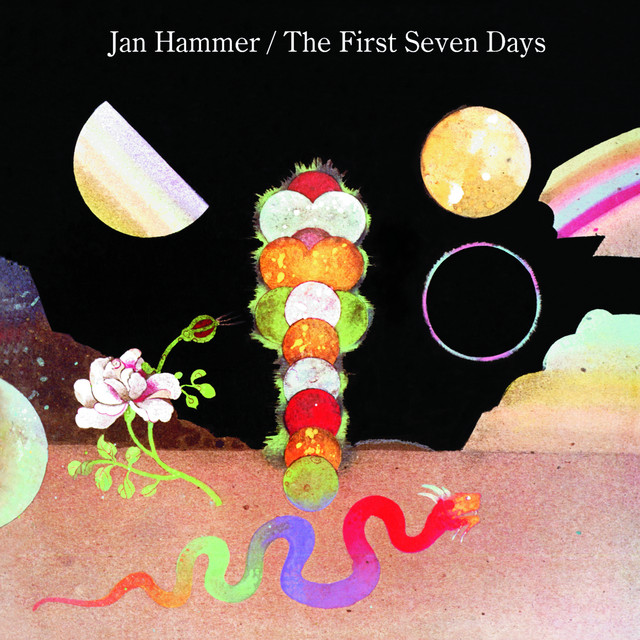
The First Seven Days
1975
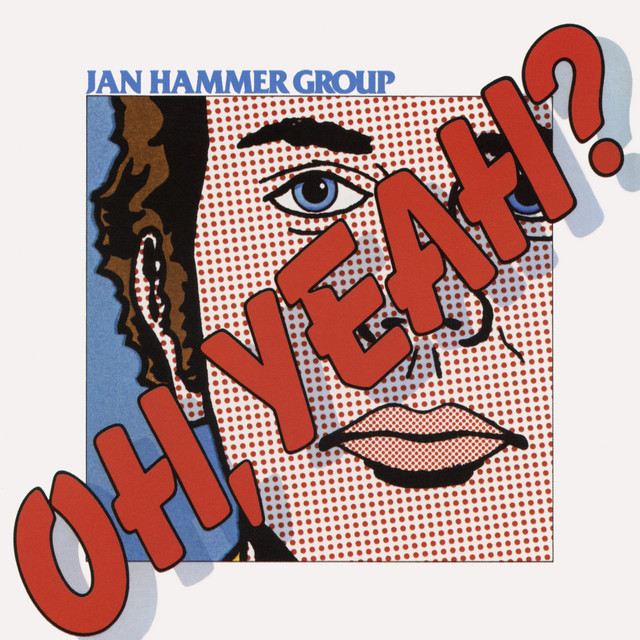
Oh, Yeah?
1976
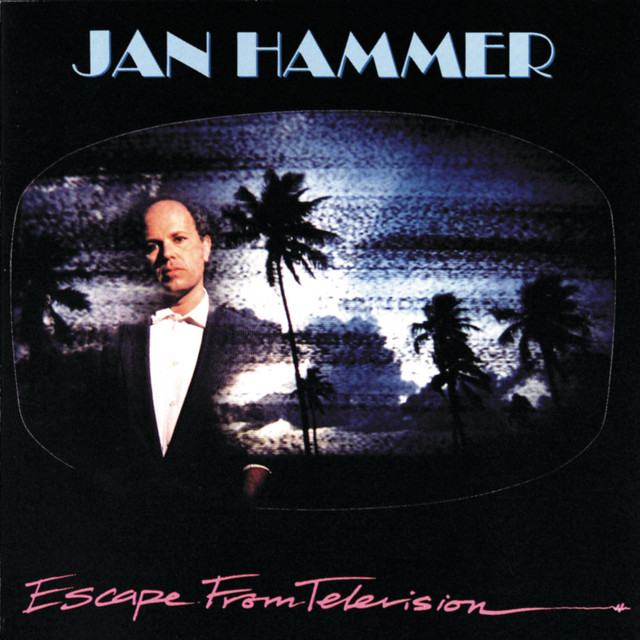
Escape From Television
1987
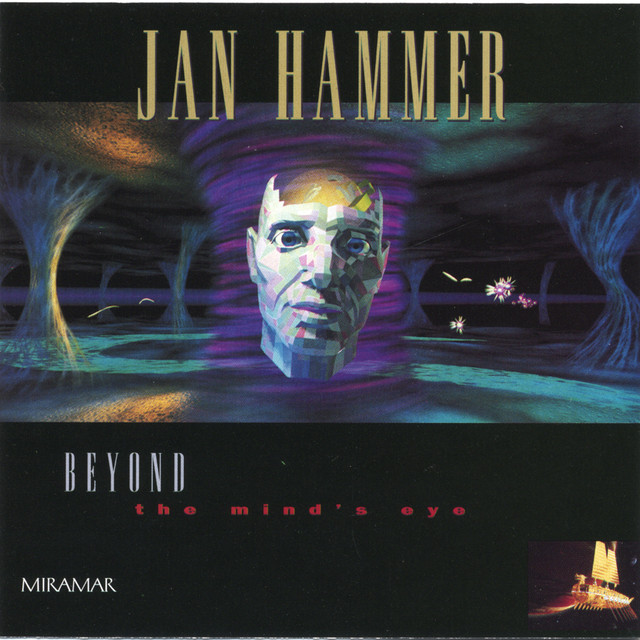
Beyond The Mind's Eye
1993
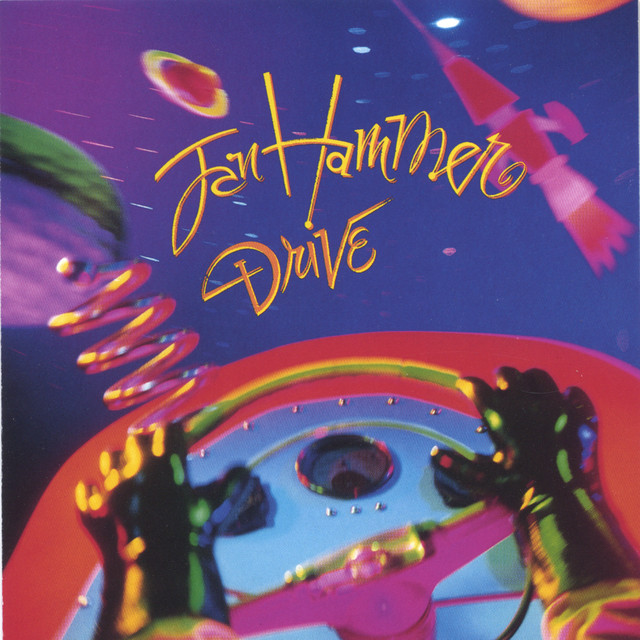
Drive
1994
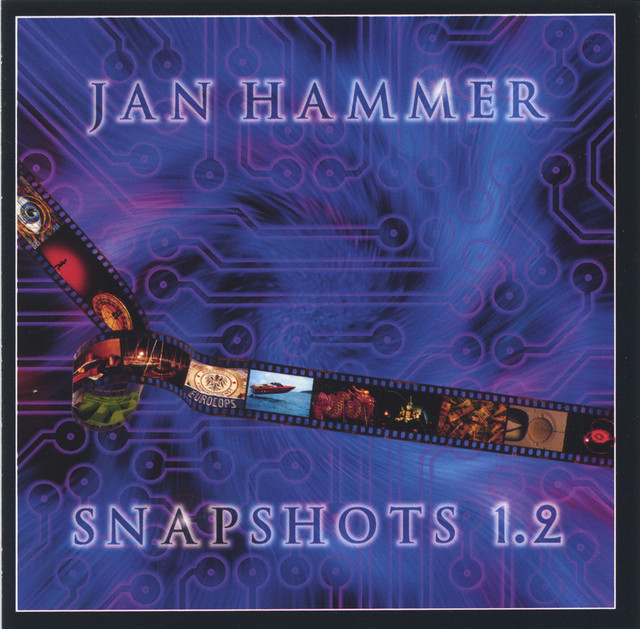
Snapshots 1.2
2000
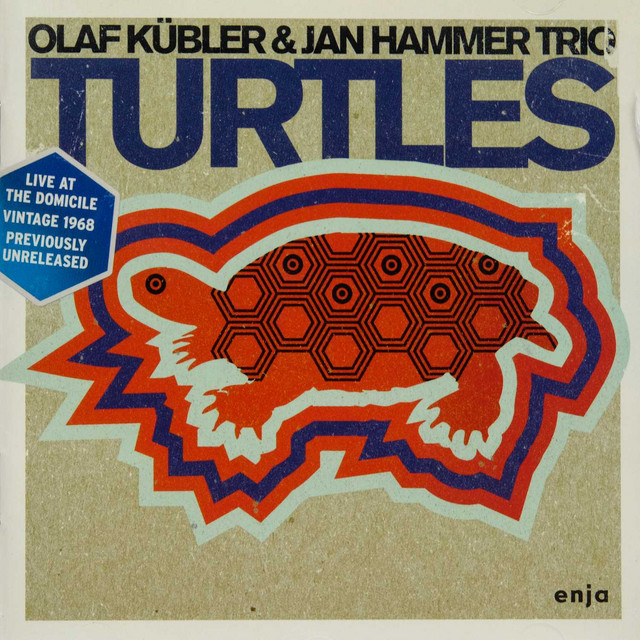
The Enja Heritage Collection: Turtles (Live at Domicile Vintage 1968)
2007
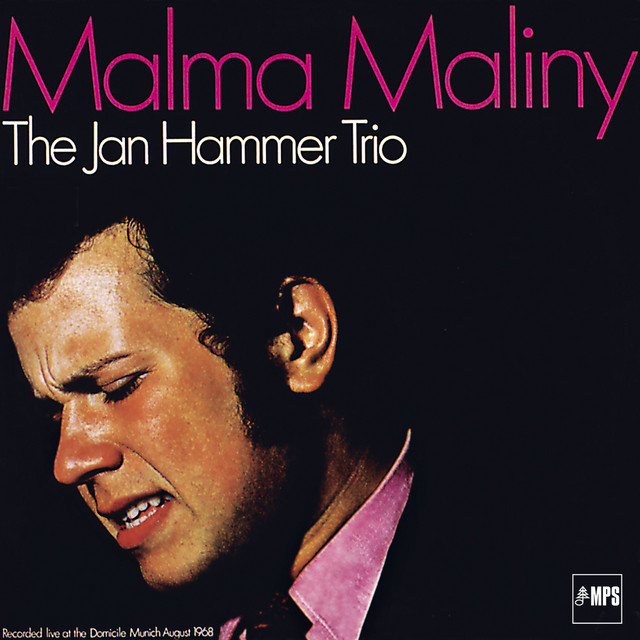
Malma Maliny
2015
Miami Vice: Special Edition
2018
Seasons, Pt. 1
2018
Album Credits
-
Jan Hammer · 2000
Engineer Producer -
Jeff Beck · 1985
Programmer -
Jan Hammer · 1975
Engineer Producer











.webp)