

Pricing and availability
We compare 600+ stores and found this item at 1 store. Prices updated .
Store
Reviews
Price




Average Price: $6,995
High-end/Boutique
$499
$1700+
Price Tier
Budget
Standard
High-end
* Product prices and availability are updated by Equipboard every 24hrs and are subject to change. Equipboard may receive compensation for purchases made at participating retailers linked on this site. This compensation does not affect what products or prices are displayed, or the order of prices listed. For more information, please refer to our affiliate disclosure.
Description
The Otari MTR-90 is a classic piece of studio recording gear that brings the warm, rich tones of analog sound to your recording sessions. Revered by audio purists, this 24-track analog tape recorder has a reputation for its reliability and pristine sound quality. Perfect for professional studios that value depth and authenticity, the MTR-90 transforms digital recordings into lush, textured soundscapes. With its robust build and straightforward controls, it balances vintage charm with modern-day functionality, making it an essential tool for both seasoned engineers and emerging artists seeking that analog magic.
The MTR-90 is equipped with high-quality components that ensure consistent performance, even under rigorous use. Its user-friendly interface allows for easy operation, while the advanced circuitry provides the precision and fidelity necessary for detailed recordings. Whether you're tracking a full band or layering intricate soundscapes, the MTR-90's synchronous and asynchronous modes give you the flexibility to meet your creative needs without compromise.
Key Features:
- 24-track analog tape recorder
- High-fidelity sound reproduction
- Synchronous and asynchronous operation modes
- Durable construction for long-term use
- Straightforward, user-friendly interface
- Advanced circuitry for precision recording
- Ideal for professional studio environments
Videos

Lisciel Franco
Otari MTR90 issues reel motors drop out
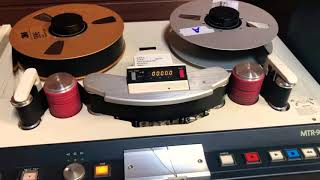
Otari MTR90 issues reel motors drop out
Lisciel Franco
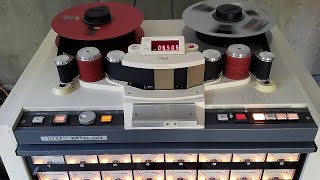
Analog Tape Alignment: Otari MTR-90 @ItIsTheGearAndEar

It Is The Gear And Ear
Reviews
Owner Insights
We analyzed real musician discussions from forums and Reddit to find what players love, question, and tweak about Otari MTR-90.
Setup and maintenance
-
Calibration is crucial; users recommend starting with a fresh alignment at +7/250nWm for optimal performance.
Source -
Cleaning the heads and rollers periodically with isopropanol and wooden cotton buds is necessary to maintain sound quality.
Source -
Proper tape threading and tensioning are critical to avoid shedding and high-end loss during recording.
Source
Features and functionality
-
The Otari MTR-90 allows tape saturation, offering a natural compression effect; recording at +3 VU is advised for subtle saturation.
Source
User experience
-
Users highlight the importance of organized tracking; creating track and cue sheets is essential due to tape's permanent nature.
Source
Critic Reviews
Based on 0 Reviews and 0 Ratings
Artist usage
Add artist

In this article, there is a picture of Kevin's two tape machines.


In this 1983 article, Stewart Copeland mentions having an Otari 24-track recorder at his home studio, and it's visible in one of the photos included.


"I had one MTR90 here before we started with the album and I knew we wanted to record 48-track, so I considered getting the Sony 3324. But then I thought 'oh, balls, I'll get another MTR90, they work so well'. I personally can't hear the difference between analogue/SR and digital. On top, if the signal you have is dirty anyway, it negates any reasons for having digital. I engineered the album myself, and when there was a bit of noise in the background, I wasn't so worried about it."


Part of Jones' home studio, as stated in this February 1, 2010 Electronic Musician interview with Jones, producer Jacquire King and assistant engineer Brad Bivens about The Fall.
Demos for The Fall began at Jones’ Manhattan home studio in May 2008, with engineer Tom Schick manning her custom Neve console (with 1073 modules), Otari 2-inch 24-track MTR- 90, and a sumptuous collection of vintage tube mics (Neumann M 49, U 47, and Telefunken ELA M 250).


"I still use analogue tape machines in my studio [an Otari MTR90 24-track]."


BLANK'S RECORDING SETUP FOR THE PAST FIVE YEARS HAS been based around two Otari MTR90 24-track tape machines and an Amek 2600 48-channel mixing desk. It's a setup which he continues to be very pleased with. C-Lab's Notator software running on the Atari ST now takes care of much of the MIDI sequencing, though sometimes Blank syncs the Fairlight CMI Series III's Page R sequencer to it.

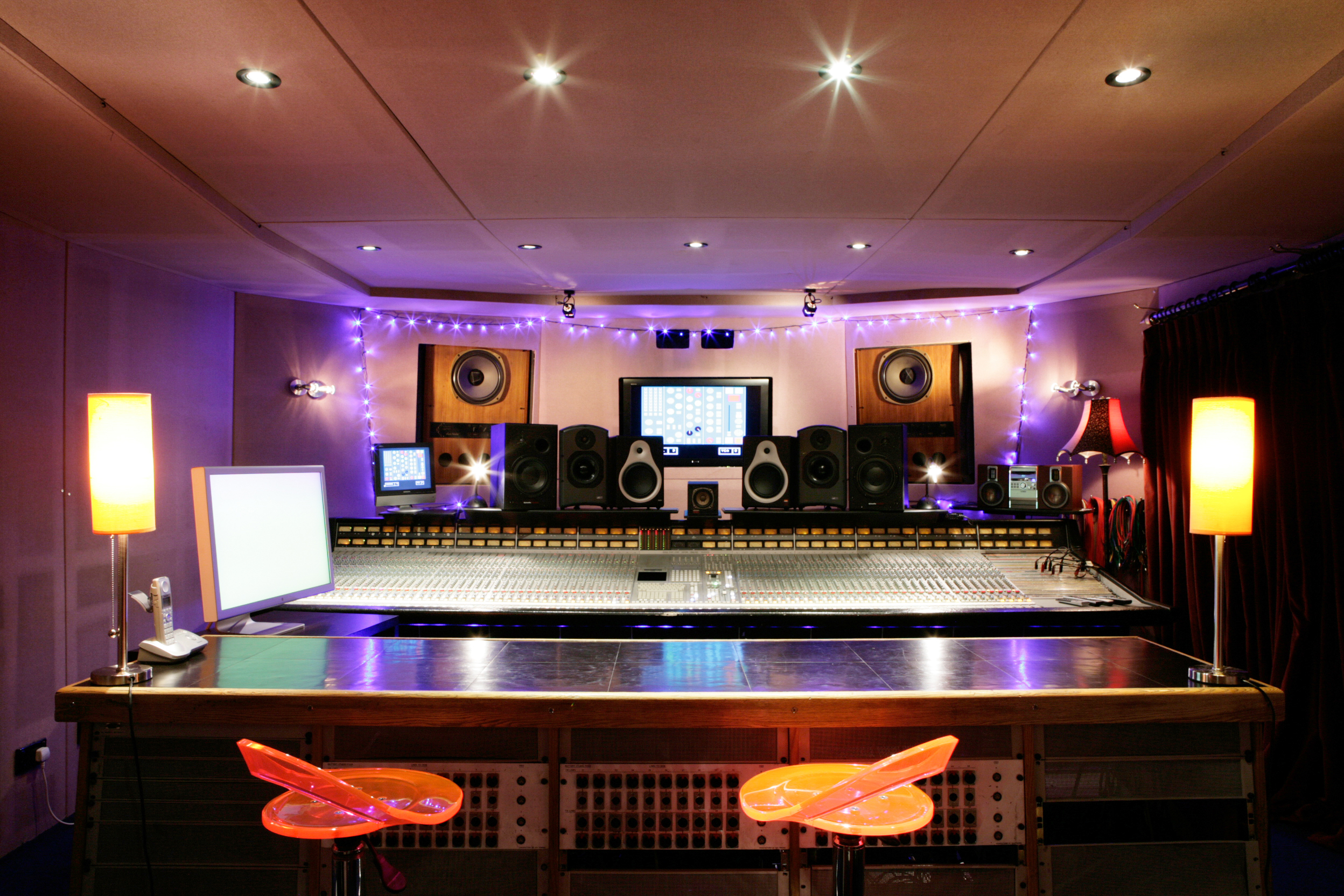
The more reliable Otari MTR90 II is the favoured machine, whereas the Studer A800 MKIII is on hand if needed.


Suzanne Ciani had an Otari MTR-90 in her studio during the recording of "Seven New Waves."


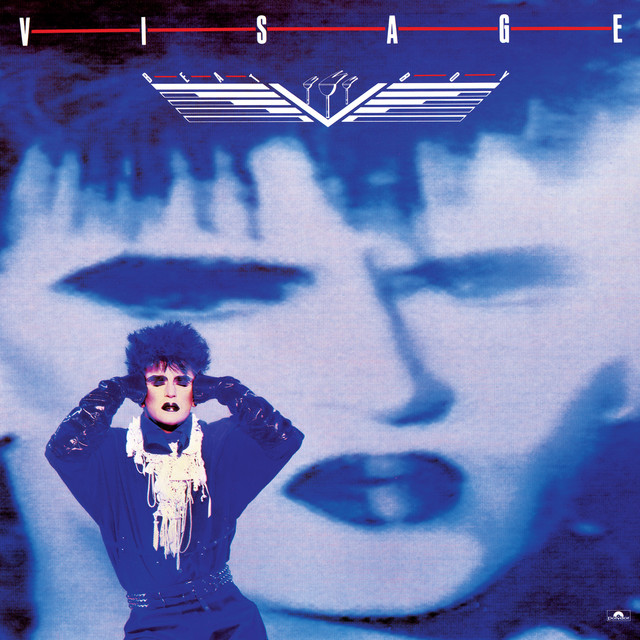
Mentioned as a part of the equipment used on Visage's 1984 album "Beat Boy", according to Egan's 1984 interview with Electronic Soundmaker & Computer Music.


"I used partial amounts of my recording budget to buy an MTR-90 and an old Allen & Heath board that I got from Stewart Copeland; it was actually the board that the early Police stuff had been recorded on."


Album Usage
The Otari MTR-90 has been featured on the following albums:

Genre Usage
Based on how artists on Equipboard use this gear, it is most commonly found in the following genres.
Used With
Based on how musicians on Equipboard use Otari MTR-90, it is most commonly used with the following gear.




-s.webp?v=1783781999)



More Otari Analog


$3,500.00
in Analog Rank


$537.28
in Analog Rank


-m.webp?v=1783609300)
$585.00
in Analog Rank


$4,280.29
in Analog Rank


.jpeg?v=1783828772)


$636.36
in Analog Rank


$339.99
in Analog Rank


$636.36
in Analog Rank


$217.74
in Analog Rank


$249.00
in Analog Rank


$730.00 - $899.00
in Analog Rank

$440.00
in Analog Rank


$350.00
in Analog Rank


$250.00
in Analog Rank


$350.00
in Analog Rank


$430.00
in Analog Rank


.png?v=1783819465)


$899.00
in Analog Rank


$477.42
in Analog Rank


Accessories & Related Items

Community setups


Similar


Most Popular Analog
Most Popular Brands


