Michael Jackson
“King of Pop”
Genre
Credits
Genre
Credits
Michael Jackson's Gear


In this clip (time stamp 2:34) Michael Jackson can be seen tracking vocals with Stevie Wonder, Michael is using the Original Vintage 1981 Model Shure SM7(A) (Serial Number 252) actually Dynamic Mic to capture his vocal. Tracking engineer is Bruce Swedien.
Find it on:


The lush pad on “P.Y.T.” (after Michael sings “I’ll take you there . . .”). It sounds multitracked, but really, it’s not. It’s a singletrack sample of Michael Jackson’s voice, done on an E-mu Emulator I — serial number 1, in fact! We then used this mode the Emulator had where you could sample the sound twice, then detune one of the voices while in “unison” mode. It was recorded with lots of top end added, and Bruce Swedien’s special reverb known as “spit.” Quincy Jones would say, “Sven, put some spit on it!”
Find it on:


In the section of the source URL describing The “Human Nature” signature synth string part, quote:
"That was Steve Porcaro’s track. He used a Yamaha CS-80 with glide (chromatic instead of portamento) at the head — it’s got that nice little CS fuzz around the sound. That fuzz was also part of a multi-layered sound I used for the four-chord basic string vamp on “Billie Jean” — Michael Jackson himself played that part on a CS-80 in one take."
Find it on:

MJ had a Telefunken (AKG) C12 Mic in his Neverland Home Studio - Bruce also owns a Pair & these C12 Mic's & was used from time to time on MJs Vocals - Most Famous on Michael's Lead part & also on every singer of the Group of 'We Are The World'
Find it on:


-m.webp?v=1785164397)
A photo on Fanpop captures a 19-year-old Michael Jackson playing a Martin D-28 guitar, highlighting his early interest in guitar playing and rock music aspirations.
Find it on:


In the section of the article “THEN: The Vintage Keys of Thriller” (by Michael Boddicker) included in the source URL describing the “P.Y.T.” synth noodle that answers the chorus vocal: “That was a Roland Jupiter-6 “wang bar”-style pitch bend doubled with, and controlling, a Sequential Circuits Prophet-5, thus the sort of smear you can hear on the “wobble” between the top two notes.”
Find it on:


In the section of the article “THEN: The Vintage Keys of Thriller” (by Michael Boddicker) included in the source URL describing the big synth blasts that begin “Thriller.”: "A Roland Jupiter-8 in double four-voice mode, with the modulation “wheel” opening the filter."
Find it on:

Michael Jackson frequently used the Telefunken ELA M 251 E microphone for lead vocals, including on "We Are the World" and "Another Part of Me." In the "Bad Sessions" footage, Bruce Swedien's vintage Telefunken 251 E is shown, highlighting its use by various artists, including Stevie Wonder and Jackson himself.
Find it on:

In the section of the source URL's page called THEN: "The Vintage Keys of Thriller" by Michael Boddicker, the studio engineers working with MIchael Jackson are said to have used a Synclavier.
Quote: "The “Beat It” digital gong. Tom Bähler played a demo sound that came with his Synclavier — literally a factory patch, right out of the box." Although referred to simply as a "Synclavier", the accompanying image is apparently of a Synclavier II.
Find it on:

Michael Jackson utilized the Acoustic Sciences Corporation's Quick Sound Field (Studio Traps) to enhance his studio acoustics, as detailed by Art Noxon of Acoustic Sciences Corporation.
Find it on:

A user-uploaded photo from "This Is It" shows Michael Jackson using the Shure Beta 58A microphone.
Find it on:

In the film "This Is It," Michael Jackson is seen using a Shure WH20 dynamic microphone.
Find it on:

Bruce Swedien used one nicknamed “R2-D2” for the background choirs on Jackson’s songs. It is featured in this February 4, 2020 Facebook post by In The Studio With Michael Jackson (run by Brad Sundberg, Jackson’s technical director).
RIIIIIIIINNNNNGGGG!!! School is in session!!
Meet R2D2.
This is an EMT250 Reverb Unit, affectionally and obviously nicknamed R2D2.
First things first - what is reverb?
Reverb, or reverberation, is an effect added to a sound to replicate if you are hearing it in a large room, gym, church, etc. This gives vocals and instruments a more "live" sound. (There are endless parameters, decay times, pre-delay times, etc., but we'll keep this fairly simple for now).The EMT 250 was first released in 1976 with a hefty price tag of $20,000. For comparison, the typical American home in 1976 cost around $41,000 - $46,000, so this was nearly half the price of a house.
I can't find the exact weight of an EMT250, but it was insanely heavy, and with only two wheels you would do this penguin shuffle to drag it from one studio to another, causing great amusement to clients and engineers alike.
According the internet - which is always correct - only 250 of these units were ever manufactured. It was an essential part of any session I worked with Bruce Swedien - including every Michael session.
So what makes it special? Well, a few things.
First, it has a rich, complex sound, almost like an ocean wave of reverb. It is just 'thicker" than other devices of that era. And... I first touched one in 1984, some nine years after it was introduced. In studio/digital time, that's a lifetime. Yet it was still very popular and was used extensively on albums like "Bad", "Dangerous", "HIStory", "Blood On The Dancefloor" and "Invincible."
The EMT250 has four outputs. It was up to the user to decide how they should be used. Virtually all other reverb units only have 2 (left and right), but the EMT had four. For Bruce, we would assign them 1 left, 2 left, 3 right, 4 right. We treated 1 and 4 as a stereo pair, and 2 and 3 as stereo pair. So I would calibrate the outputs to create a perfectly balanced sound from the four outputs.
Bruce was very minimal in terms of the amount of reverb units he used - sometimes as few as four for a full mix. In other words, the drums might have one reverb (often an AMS), Michael's vocal would be fed into a Lexicon 224 or later a 480, etc. But the EMT was ready and waiting usually for just one source: Choir.
I never saw Bruce feed a lead vocal or drum into the EMT250; his favorite application was to give a choir the biggest, baddest sound imaginable.
So R2 would sit there day in a day out, waiting for something to do. Then we would finally book a choir date with the Andre Crouch Choir, perhaps for a song like "Keep The Faith".
The choir would arrive a couple hours early and warm up, singing gospel songs around the piano. It was amazing to watch and listen to. Then Michael would meet with Andre and Sandra (Andre's sister) and start building the choir parts. He might play the song from a little cassette deck so they could learn it. Then we would gather the entire choir in a circle (yes, a circle) around the microphones, and they would start to sing.
Bruce would record a couple passes, and then have them all move back a few steps and record it again for a slightly roomier sound, or he might pull them in shoulder to shoulder for a closer sound around the mics.
Finally he would feed that explosive amount of a vocal power into the EMT-250 (R2D2) and push the decay to four seconds. He would crank the monitors to 11 and I would brace myself. Michael and Andre would be in the sweet spot and the song would start. When the choir hit in the chorus, it was like someone lit a fuse. The EMT250 would create this insanely rich, thick reverb around their amazing vocals.
Michael would start to hoot and scream and dance, and I knew that Bruce had done it again.
Songs like Mirror and Faith became our "show off" songs when guests would come to the studio. Bruce would cue them up for some poor unsuspecting guest who was used to hearing music at conversational level. That didn't work in our world. Bruce would dime the knob and nod at me to start the playback. I would gulp and hit "Play" and wait for the speakers to explode. I have seen grown men almost fall out of their chairs when the first note hits at that volume.
Give "Keep The Faith" a listen. Crank it up. Listen to the choir. Listen to the reverb on the choir. Thats the EMT250 at work.
When we moved from one studio to another, R2D2 would be carefully lifted into a hefty road-case and transported with us - a very important part of the team with just one purpose: Make the choir sound like heaven just opened up and shared them with us for a few minutes.
Good work R2 - job well done.
Find it on:

In an article from KeyboardMag, it is noted that Michael Jackson's track "Don’t Stop ’Til You Get Enough" features the distinctive sound of a Paul Rivera-modified Boss CE-1 Chorus Ensemble. This effect was applied to an Eddy Reynolds-modified Rhodes 88, famously used by musicians like David Foster and David Paich in the '80s.
Find it on:
-m.webp?v=1785217431)
In the YouTube video "Michael Jackson's RECORDING SESSIONS! EXTREMELY RARE," it is mentioned that Michael Jackson occasionally used the Neumann M149 Tube Microphone. Bruce Swedien, his engineer, owns a pair of these microphones and favors them for recording vocals and choirs.
Find it on:

Bruce Swedien owns a Pair of Neumann M49's & used one of them on Michael Jackson's Lead Vocal on 'Earth Song' & Bruce Swedien's Pair of M49's on the Choir of 'Man In The Mirror' & 'Keep The Faith'
Find it on:

MJ would often use the Neve 1073 PreAmp & Eq with his Telefunken 251 or AKG C12 or Shure SM7 (A) Mic at his Neverland Recording Studio in Pre Production in case of keepable vocals etc & later do Final Recordings with Bruce Swedien on the Neve 1084 (Bruce's) & same familiar mics
https://youtu.be/-z34BKlCr9o?t=860 14m : 20s
Find it on:

In this video Teddy Riley is seen talking about a specific patch from the D-550 he had used producing Michael Jackson's 'Remember The Time'. Michael Jackson does not directly interact with this gear as he was not a producer- But it's attributed to one of his released works through Teddy Riley.
Find it on:

Michael Jackson used a Sony dynamic microphone during his Bad Tour, as evidenced by the provided image.
Find it on:

Bruce Swedien & MJ used Apogee Conversion on the last Michael Jackson 'Invincible' Album
Find it on:

In a video clip at the 2:34 mark, Michael Jackson is seen recording vocals alongside Stevie Wonder using a vintage Shure SM7(A) microphone, specifically the 1981 model with serial number 252. The session was engineered by Bruce Swedien, as detailed in the Sound on Sound article "Bruce Swedien: Recording Michael Jackson."
Find it on:

In the section of the article “THEN: The Vintage Keys of Thriller” (by Michael Boddicker) included in the source URL describing the main comping sound of “Don’t Stop ’Til You Get Enough.” Quote: "Andy Leeds owned an Eddy Reynolds-modified, flat-top Rhodes 88.”
Find it on:


The synth basses on “Thriller,” “P.Y.T.,” and “Wanna Be Startin’ Somethin’.” Those were my two Richie Walbourn-modified Minimoogs, set side by side, with engineer Bruce Swedien’s special multiple-mono compression.
Find it on:

Singer Michael Jackson on the set of music video 'Scream' 1995, Los Angeles, CA plays the guitar Gibson Flying V.
Find it on:

When Noel Lee brought in his New 'Cable' Bruce Swedien was a bit Sceptical - But after hearing the whole Studio Line replaced with Studio Pro 1000 Cable both Bruce Swedien, Michael Jackson & Quincy Jones were all blown away with the impact & it was decided to Record, Mix & Master the whole Album on Studio Pro 1000 Monster Cable - That was the 'Bad' Album & MJ kept that as his Standard forever after on ALL Albums until his death
Find it on:
-m.webp?v=1777734317)
Steve Hodge Head Engineer for Jimmy Jam & Terry Lewis (Flyte Tyme Studios) Tracked the Vocals of Janet Jackson (Various) AKG C12 & Michael Jackson AKG The Tube on Duo Song 'SCREAM' from the HIStory Album
Find it on:

In the book "In the Studio with Michael Jackson," it is detailed that Bruce Swedien frequently utilized the Solid State Logic G Desk during the recording process. This mixer was employed to manage various stereo tracks and drums for the preamps and automation in the initial raw mixes of Michael Jackson's projects.
Find it on:

It is well known that since the 1980's Bruce Swedien does all his Final Stems Mixes & compile on his Own Favorite Harrision 32C Desk - In his private home studio West Viking he uses this desk for everything - All of Michael Jacksons Music (Post 1980s) was done on the Harrison Desk although inital tracking & compiling may have been on usually an SSL or Neve Desk
Find it on:

Michael Jackson used Monster Cable Studio Pro 2000 Micro 20 microphone cables during the recording, mixing, and mastering of his "Bad" album. According to an account on Amazon, when Noel Lee introduced these cables, both Michael Jackson and his collaborators, Bruce Swedien and Quincy Jones, were impressed by the sound quality. As a result, Jackson adopted Monster Cable as his standard for all subsequent albums until his passing.
Find it on:
This is a community-built gear list for Michael Jackson.
- Find relevant music gear like Microphones, Software Plugins and VSTs, Keyboards and Synthesizers, Instruments, and other instruments and add it to Michael Jackson.
- The best places to look for gear usage are typically on the artist's social media, YouTube, live performance images, and interviews.
- To receive email updates when Michael Jackson is seen with new gear, follow the artist.
Discography
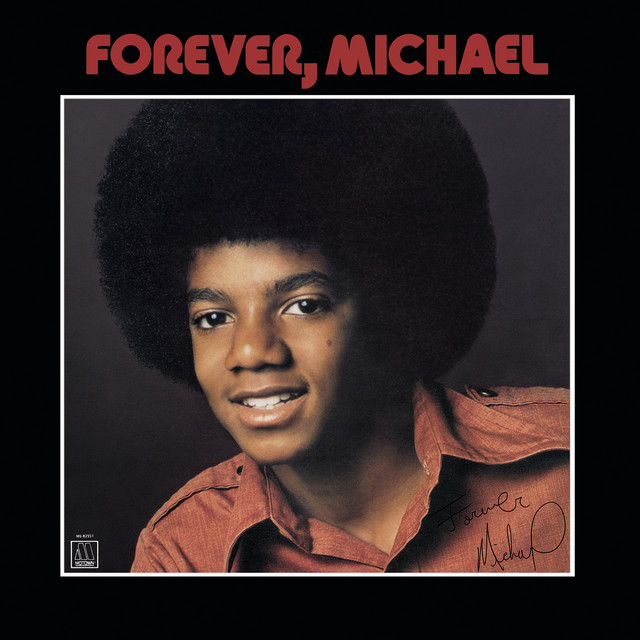
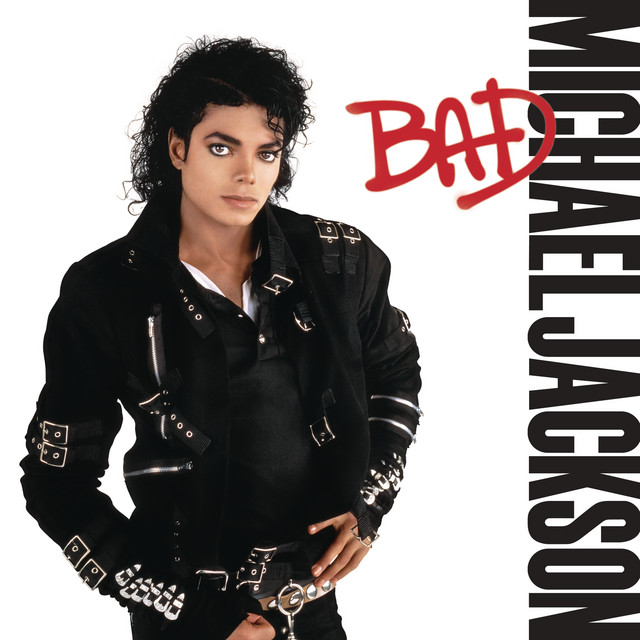
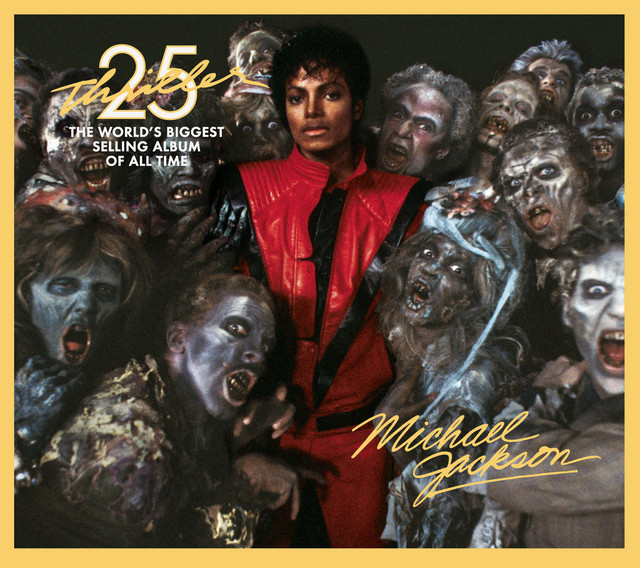
Album Credits
-
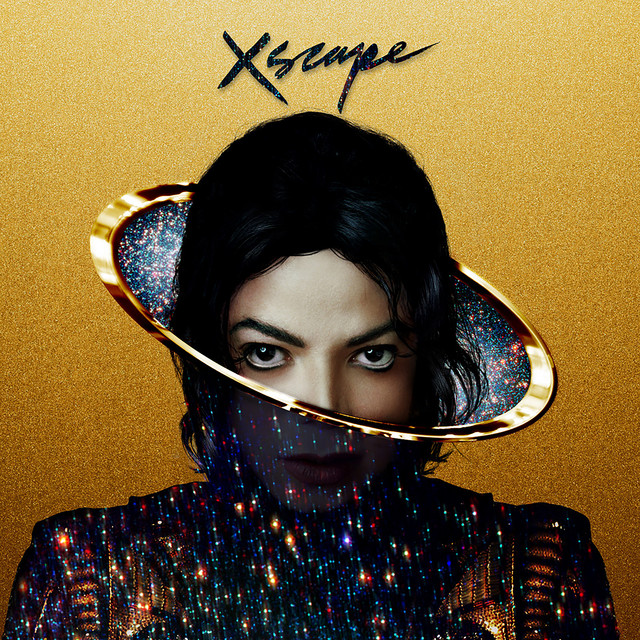
Michael Jackson · 2014
Producer -
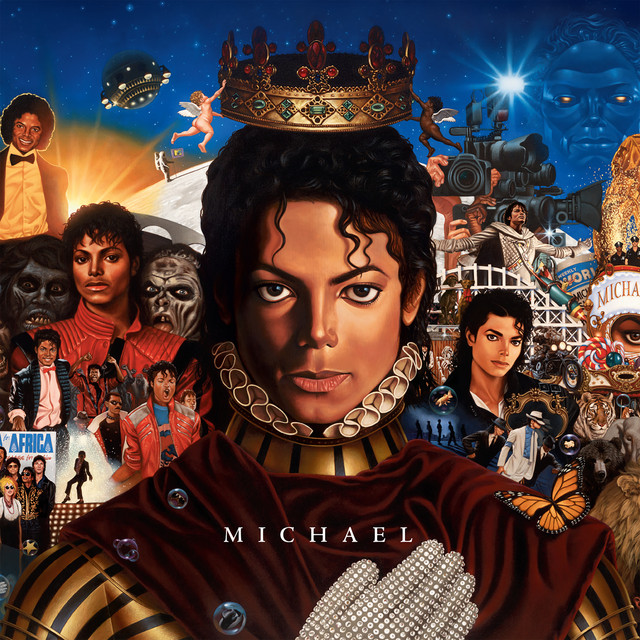
Michael Jackson · 2010
Producer -
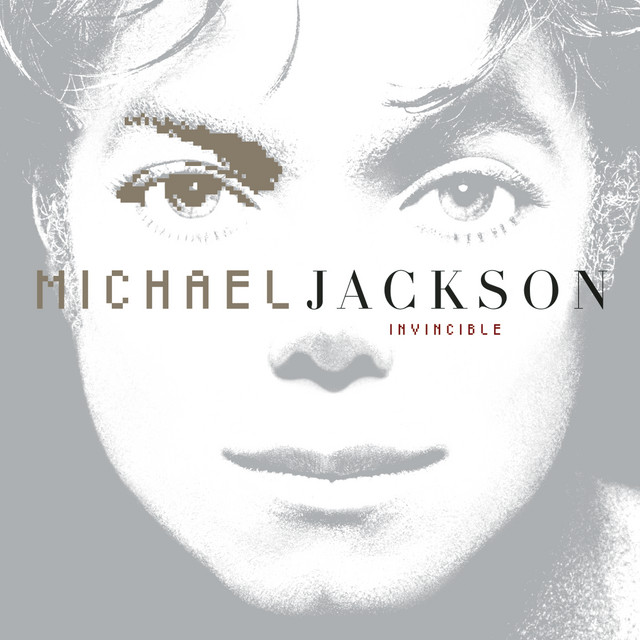
Michael Jackson · 2001
Mixing Engineer Programmer -
Quincy Jones · 1999
Producer -
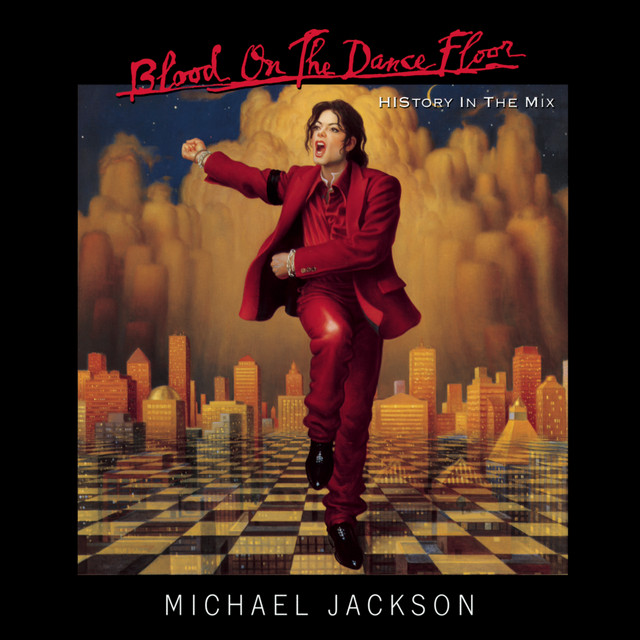
BLOOD ON THE DANCE FLOOR/ HIStory In The Mix
Michael Jackson · 1997
Producer -
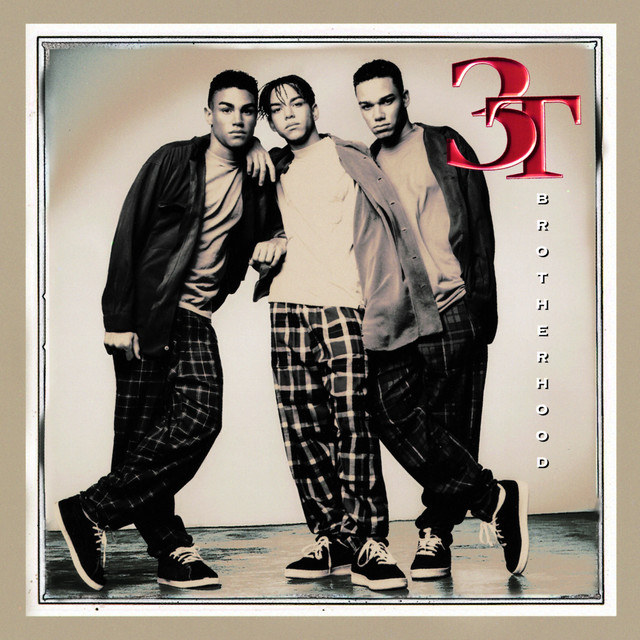
3T · 1995
Producer -
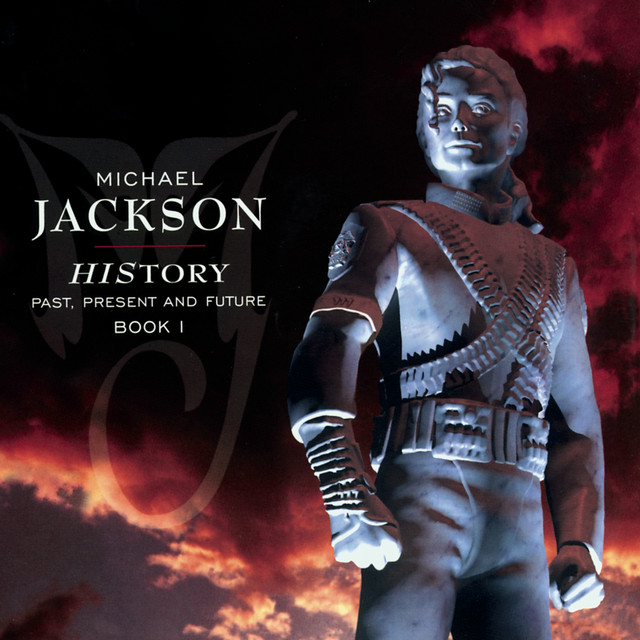
HIStory - PAST, PRESENT AND FUTURE - BOOK I
Michael Jackson · 1995
Programmer -
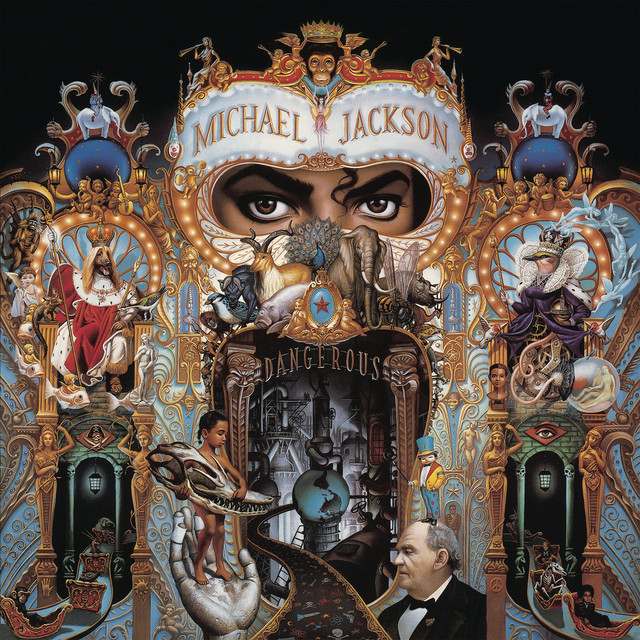
Michael Jackson · 1991
Producer -
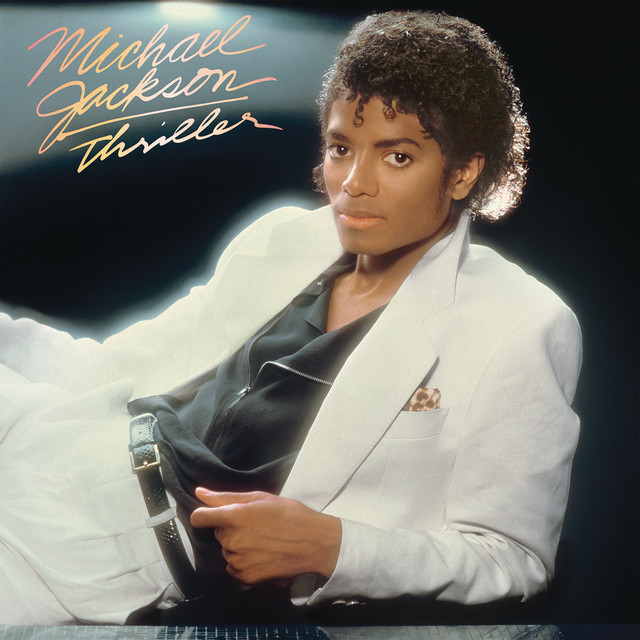
Michael Jackson · 1982
Producer Programmer -
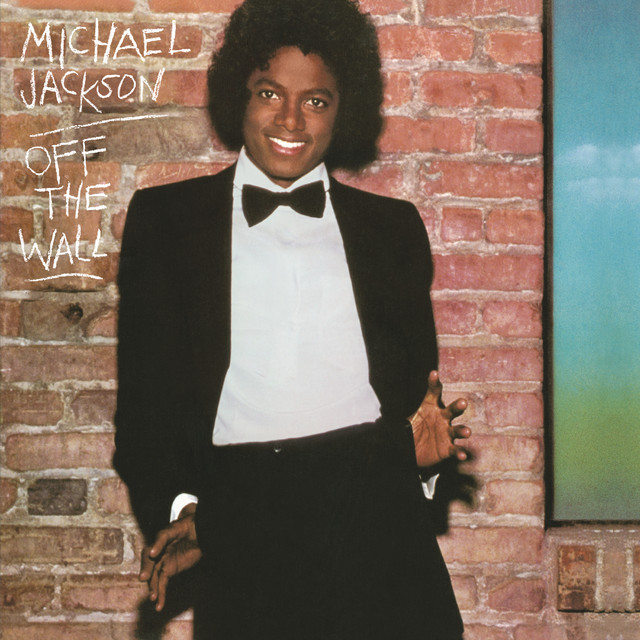
Michael Jackson · 1979
Producer









.webp)