
By Gear Experts
Table of Contents

Equipboard
Equipboard is the world's largest community of artists and their gear. Read our review process.
We are reader-supported. When you buy through links on our site, we may earn an affiliate commission. Learn more.
Headroom: The Secret Weapon of Great Guitar Tone
Headroom is the unsung hero of guitar tone. It’s the difference between a weak, constrained sound and a dynamic, powerful one. Whether you’re playing pristine cleans or roaring overdrive, understanding headroom can transform your playing and unlock the full potential of your gear.
Think of headroom as your amp’s ceiling. Soft playing is like walking comfortably under it, but hard strumming or stacking gain pedals can make your signal jump too high, hitting the ceiling and causing compression or distortion.

This seemingly simple concept has profound implications for your tone, affecting everything from your amp’s response to your playing dynamics to how well your pedals perform in your signal chain. Let’s explore what headroom is, why it matters, and how to master it for better tone.
What Is Headroom?
At its core, headroom is an amplifier’s ability to amplify a signal cleanly before it starts to distort. But there’s more to it than this simple definition.
The Low Ceiling Analogy
Imagine your amp as a room with a ceiling. A quiet guitar signal has plenty of space to move around, just like a person walking normally. But as the signal grows stronger - whether through harder picking or gain pedals - it begins to rise. Eventually, it might hit the ceiling, resulting in compression or distortion.
Your amp’s headroom determines how loud or strong your signal can get before it “hits the ceiling.”
High-headroom amps let you play louder and harder without unwanted distortion, making them ideal for players who need clean tones. Meanwhile, lower-headroom amps break up earlier, delivering warm, compressed tones prized in blues and rock.
Why Does Headroom Matter?
Headroom affects every aspect of your tone, from clarity to dynamics. Here’s how:
- Dynamic Range: High-headroom amps preserve the nuances of your playing, allowing soft fingerpicking and aggressive strumming to shine equally. Think of jazz players whose every note rings out clearly, thanks to ample headroom.
- Natural Compression: Lower-headroom amps reach their “compression point” earlier, adding warmth and saturation. This sweet spot is where iconic rock and blues tones live.
- Pedal Performance: Pedals depend on clean headroom to perform well. Overloading your amp can cause muddiness or harsh distortion.
Headroom in Practice: Amps and Applications
Choosing the Right Amp for Your Needs
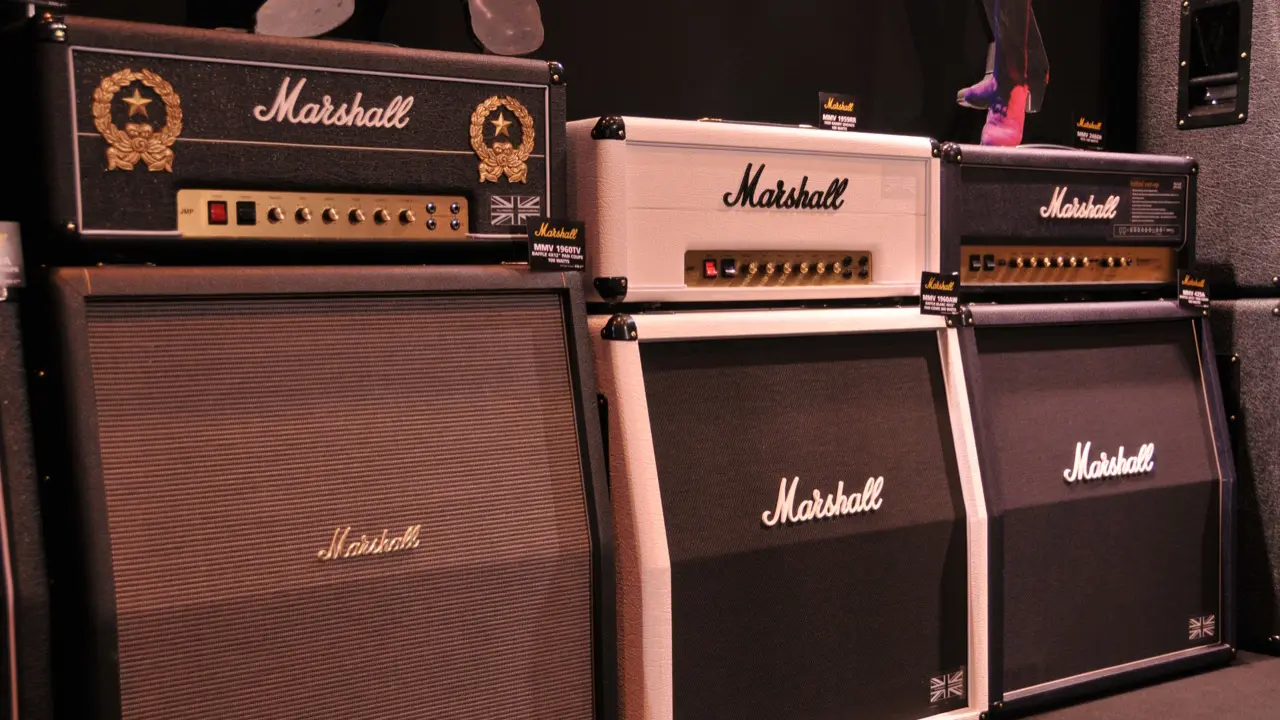
Your amp’s headroom is determined by its wattage, tube type, and design. Here are three classic examples that showcase different headroom characteristics:
- Fender Twin Reverb (85 watts): High headroom, perfect for clean tones even at high volumes. Its 6L6 power tubes and large output transformer maintain clarity in loud settings.
- Vox AC30 (30 watts): Medium headroom with a balanced transition into overdrive. The EL84 tubes and Celestion Alnico Blue speakers deliver warm, chiming tones.
- Fender Champ (5 watts): Minimal headroom, ideal for recording and home use. The single 6V6 tube provides natural saturation at low volumes.
Each amp represents a unique approach to headroom, offering solutions for different musical styles and settings.
How Pedals Interact with Headroom
Your pedals play a crucial role in how headroom affects your tone. Here’s a closer look:
- Boost Pedals: These increase your guitar’s signal level, which can push your amp closer to its headroom limit, resulting in earlier breakup. Use them sparingly if you want to maintain a clean tone.
- Overdrive and Distortion Pedals: These simulate the effect of an amp pushed beyond its headroom. Placed before a high-headroom amp, they add controlled distortion without overwhelming the amp’s dynamic range.
- Fuzz Pedals: Fuzz often generates heavy distortion on its own, making the amp’s headroom less critical. However, pairing a fuzz pedal with a low-headroom amp can create unpredictable, and sometimes magical, results.
- Digital Pedals: These have defined headroom ceilings. Overloading them with high input signals can cause harsh, unpleasant clipping.
The placement and gain staging of your pedals determine whether they enhance your tone or create an overloaded mess.
For example, placing a boost pedal after an overdrive can amplify its output without reducing headroom, while placing it before might cause excessive compression or distortion.
Maximizing Headroom for Better Tone
Style-Specific Approaches
Different musical styles demand different headroom characteristics:
- Jazz and Country: Prioritize clean headroom to maintain clarity for complex chords and fast runs.
- Rock and Blues: Use amps with lower headroom to achieve natural compression and breakup at manageable volumes.
Practical Tips
- Match Your Gear to Your Needs: Consider your amp, pedals, and playing style when choosing headroom. A 100-watt amp might have too much headroom for home use but be perfect for live performances.
- Experiment with Gain Staging: Dial in your amp and pedals systematically, starting with a clean amp tone and adding effects one at a time.
- Use Attenuators or Modeling Amps: For bedroom playing, attenuators or digital modeling amps let you access desirable tones without excessive volume.
For an in-depth example of how pedals interact with different amps with varying headroom, check out this video from That Pedal Show.
Conclusion
Headroom is more than a technical term - it’s the key to unlocking your guitar’s potential. Whether you’re a clean-tone purist or a gain-hungry rocker, mastering headroom lets you shape your tone with precision and creativity.
Great tone isn’t about endless headroom or perfect breakup - it’s about understanding how much you need for your musical voice to shine.
Take the time to experiment with your gear, learn how it responds to your playing dynamics, and adapt your setup to different environments. By mastering headroom, you’ll elevate your playing and achieve the tone you’ve always dreamed of.
About the authors
Michael R. Pierce is the co-founder of Equipboard and a lifelong musician with over 25 years of experience as a guitarist and gear enthusiast. He blends solid music theory chops (thanks to formal training in guitar, piano, and trumpet) with real-world experience, always exploring and experimenting across genres like rock, blues, and hip-hop. Michael launched Equipboard in 2013 after graduating from The University of Texas at Austin, leveraging his unique blend of musical passion, technological acumen, and community building. His current go-to rig features a Fender American Original ‘50s Telecaster, Analogman King of Tone, Strymon Flint, and a Fender ‘57 Custom Champ. Read more