Best Buffer Pedals: Your Secret Weapon for Perfect Tone

By Gear Experts

By Gear Experts
Table of Contents

Equipboard
Equipboard is the world's largest community of artists and their gear. Read our review process.
We are reader-supported. When you buy through links on our site, we may earn an affiliate commission. Learn more.
Our Picks

The Xotic Super Clean Buffer is a studio-grade buffer pedal featuring high headroom operation up to 20V, adjustable boost (+3dB to +12dB), ultra-low noise floor (-120dB), and premium construction optimized for both active and passive pickups.
Read more


The Fortin Roach Buffer is a premium buffer pedal featuring military-spec components and dual-stage buffering optimized for high-gain applications, delivering enhanced note definition and reduced noise in a robust aluminum enclosure with Neutrik jacks.
Read more


The TC Electronic Bonafide Buffer is a professional-quality, affordable signal buffer that preserves guitar tone across long cable runs and complex pedalboards through its advanced analog circuitry, featuring 1MΩ input impedance and ultra-low output impedance in a compact, durable enclosure.
Read more
The Empress Buffer+ is a premium buffer pedal offering dual buffer circuits, adjustable boost up to +35dB, and switchable voltage options (9V/12V/18V), housed in a robust aluminum enclosure and delivering exceptional signal preservation with studio-grade performance.
Read more
The Truetone Pure Tone Buffer is a mid-range buffer pedal featuring Class A circuitry, internal voltage doubling for enhanced headroom, extremely low output impedance (< 50Ω), and professional-grade construction derived from the company's power supply expertise.
Read more
RockBoard Natural Sound Buffer
The RockBoard Natural Sound Buffer is an ultra-compact buffer pedal featuring true hardwire bypass and low power consumption in a durable aluminum housing, providing transparent signal preservation without coloration.
Read more
The JHS Little Black Buffer is a compact passive buffer pedal featuring transparent signal preservation in a minimalist 1.5" x 1.5" form factor that requires no power supply.
Read more
The MXR MC406 Buffer is a dual-mode buffer pedal featuring selectable input impedance (1MΩ/130kΩ), professional-grade noise rejection, and studio-quality components in a road-worthy enclosure designed in collaboration with Bob Bradshaw.
Read more
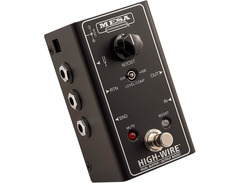
Mesa/Boogie High-Wire Dual Buffer
The Mesa/Boogie High Wire is a premium dual-path buffer pedal featuring independent JFET circuits with Mesa's proprietary op-amp technology, delivering their signature warm, tube-like response in a professional-grade steel enclosure built to amplifier standards.
Read moreEver plugged in your prized guitar, switched on your amp, and wondered why that sparkling tone you love sounds a bit... dull? If you're running multiple pedals or using long cable runs, you might be experiencing one of the most common yet overlooked issues in guitar tone: signal loss. This is where buffer pedals come into play – the unsung heroes of maintaining your guitar's true voice.
Think of your guitar signal as a message being passed through a crowd. With each person it passes through (your cables, pedals, and other gear), the message can become a little weaker or distorted. A buffer pedal acts like a megaphone in this chain, ensuring your guitar's voice remains strong and clear from your fingertips to your amplifier's speakers.
For many guitarists, the term "buffer" might seem like just another piece of tech jargon in an already complex world of gear. However, understanding and properly implementing a buffer in your signal chain can be the difference between preserving your guitar's natural character and losing the nuances that make your tone unique. Whether you're playing intimate club gigs, recording in the studio, or practicing at home, the right buffer can ensure your tone remains pristine across any setup.
In this comprehensive guide, we'll demystify buffer pedals, explore their crucial role in your signal chain, and help you discover whether you need one. We'll break down everything from the basic concepts to advanced applications, ensuring you have all the knowledge needed to make informed decisions about your tone.
What Does a Buffer Pedal Do?
At its core, a buffer pedal is like a tone ambassador for your guitar – it takes your guitar's high-impedance signal and converts it into a more robust, low-impedance signal that can travel through your pedal chain and cables without losing its essential character. But what does that really mean for your tone?
Imagine you're trying to push water through a garden hose. When the hose is short, the water flows easily and forcefully. However, as you add more length or connect multiple hoses, the pressure drops, and you get less water at the end. Your guitar signal works similarly – longer cables and more pedals can "pressure drop" your tone, resulting in loss of high frequencies, reduced dynamics, and an overall lifeless sound.
This is where the magic of a buffer comes in. It actively maintains your signal strength throughout your entire chain by:
- Preserving high frequencies that typically get lost through long cable runs
- Maintaining consistent signal level across your pedalboard
- Reducing unwanted noise that can creep in through complex setups
- Ensuring your guitar's pickups interact optimally with your effects
The best part? A good buffer performs all these tasks without coloring or altering your fundamental tone. It's not about changing your sound; it's about preserving it in its purest form, exactly as it leaves your guitar.
Buffer Pedals vs True Bypass: Understanding the Difference
The debate between buffered and true bypass circuits has been raging in guitar forums for years, often creating more confusion than clarity. Let's cut through the noise and understand how these two approaches differ and why they both have their place in the modern guitarist's arsenal.
True bypass, when engaged, creates a direct wire connection between your guitar and amp, completely removing the pedal's circuitry from your signal path. It's like opening a gate to let your signal flow straight through. This seems ideal in theory – and in simple setups, it often is. However, this "pure" connection comes with a catch: every foot of cable and each true bypass pedal in your chain can gradually degrade your signal.
Consider this real-world scenario: A guitarist with a simple pedalboard (3-4 pedals) and standard cable lengths (about 20 feet total) might find true bypass pedals provide exactly what they need – an uncolored, direct signal path. But add a few more pedals, longer cables for a bigger stage, or vintage-style fuzz pedals that need to "see" your guitar's impedance directly, and suddenly that pristine true bypass setup might be working against your tone.
This is where buffers shine. Unlike true bypass, a good buffer actively conditions your signal, providing these key advantages:
- Consistent tone regardless of cable length
- Stable signal strength across complex pedalboards
- Better interaction between pedals in long chains
- Protection against the cumulative tone loss of multiple true bypass pedals
However, this isn't a "versus" situation – many professional guitarists use a combination of both. The real secret is understanding when and where each approach works best in your signal chain.
When Do You Need a Buffer?

Not sure if your setup needs a buffer? Let's make this decision easier with a practical guide to identifying signal loss issues and determining if a buffer is the solution you've been looking for.
The Buffer Checklist
You likely need a buffer if you check any of these boxes:
- Your total cable length exceeds 18-20 feet (including patch cables)
- You're running more than 4-5 true bypass pedals
- You notice your tone sounds dull or "distant" when effects are off
- Your guitar's volume knob doesn't clean up your tone as well as it used to
- You're using vintage-style fuzz pedals at the end of your chain
- You've recently expanded your pedalboard and noticed tone changes
Common Symptoms of Signal Loss
Here are the telltale signs that your signal chain could benefit from a buffer:
- High-End Loss: Your tone lacks sparkle or presence, especially with all pedals bypassed
- Reduced Dynamics: Your picking dynamics don't translate as well through your amp
- Volume Issues: Your signal seems weaker than it used to be
- Inconsistent Tone: Your sound changes noticeably when engaging/bypassing certain pedals
- Poor Clean Up: Your guitar's volume knob doesn't clean up your amp's overdrive like it once did
Quick Test for Buffer Needs
Try this simple test to determine if you need a buffer:
- Plug your guitar directly into your amp with a short cable (10 feet or less)
- Play and listen carefully to your tone, especially the high frequencies
- Now connect your full pedalboard setup (all bypassed)
- If you hear a significant difference in clarity, presence, or overall tone, a buffer could be your solution
How to Choose the Best Buffer
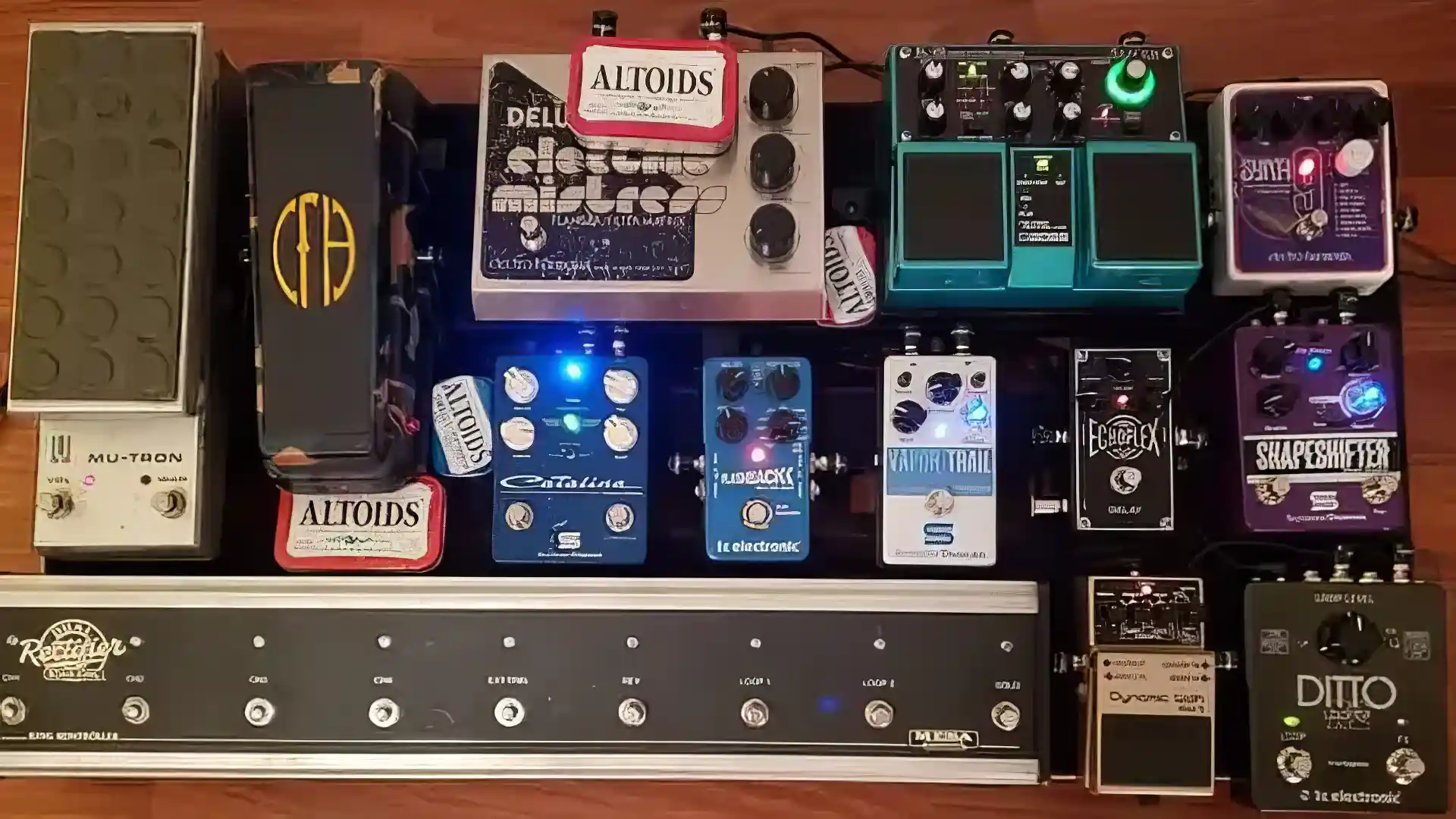
Selecting the right buffer pedal can seem daunting at first glance. With prices ranging from $40 to over $200 and technical specifications that might look like a physics textbook, how do you know which one is right for you? The key is understanding what makes a great buffer and matching those qualities to your specific needs.
Essential Features to Consider
Input and Output Impedance
Understanding impedance is crucial when choosing a buffer, as it's the fundamental principle behind how these devices work. Think of impedance like water pressure in a pipe – the wrong pressure can either restrict flow or cause too much turbulence. In guitar terms, proper impedance matching ensures your pickups' unique character shines through while allowing your signal to travel efficiently through your entire pedal chain.
When examining buffer specifications, you'll want to focus on two key numbers:
- Look for input impedance of 500kΩ or higher to properly interact with your guitar's pickups
- Output impedance should be low (typically around 100Ω or less) to effectively drive your signal through long cables and pedal chains
- Higher quality buffers often specify these values, showing transparency about their technical capabilities
Signal Integrity
The hallmark of a great buffer is that you shouldn't know it's there. While budget buffers might introduce subtle colorization or noise, high-quality options maintain your signal with pristine accuracy. When evaluating signal integrity, consider it like a high-fidelity audio system – you want to hear the music, not the speakers themselves. Look for these qualities:
- Minimal to no added noise
- Wide frequency response (20Hz to 20kHz or better)
- Low harmonic distortion (usually specified as THD)
- Unity gain (maintains consistent volume level)
Build Quality
A buffer pedal is only as reliable as its construction. Since this pedal will likely be a permanent fixture on your board and a crucial link in your tone chain, durability isn't just a luxury – it's a necessity. Professional-grade buffers differentiate themselves through several construction elements:
- Robust housing (aluminum or steel enclosures preferred)
- High-quality jacks and switches
- Protected power input
- Reliable internal components
- Proper shielding against interference
Practical Considerations
Size and Power
In the real world of cramped pedalboards and power supply limitations, the practical aspects of a buffer pedal can be just as important as its technical specifications. Modern pedalboards are often puzzles where every inch counts, and power requirements can make or break your setup. When considering the physical aspects of your buffer:
- Compact size for pedalboard efficiency
- Standard 9V power requirements (look for low current draw)
- Battery option if needed for backup
Additional Features
While the primary function of a buffer is to maintain signal integrity, many manufacturers have begun incorporating additional features that can add value to your setup. These extras shouldn't be the primary factor in your decision, but they can tip the scales when choosing between similar options. Modern buffers might offer:
- Multiple outputs for signal splitting
- Adjustable gain stages
- Built-in noise gates
- Phase correction
- LED indicators
Price vs. Performance
Like most guitar gear, buffer pedals follow the law of diminishing returns. While you generally get what you pay for, the sweet spot of price versus performance varies depending on your needs. Understanding the market tiers can help guide your investment:
- Entry-level ($40-80): Basic buffering capabilities
- Mid-range ($80-150): Better components and additional features
- Premium ($150+): Exceptional components, multiple channels, or special features
Matching to Your Needs
The "best" buffer pedal isn't necessarily the most expensive or feature-rich option – it's the one that solves your specific signal chain challenges while fitting your budget and setup requirements. Consider your playing environment and style when making your choice:
- Simple Setups: A basic, high-quality buffer is often sufficient
- Complex Pedalboards: Consider a buffer with multiple outputs or adjustable parameters
- Recording: Premium buffers with ultra-low noise floors might be worth the investment
- Live Performance: Durability and reliability should be top priorities
Xotic Effects Super Clean
5.0 (3)
The Audiophile's Choice




Average Price: $144
Standard/Professional
$60
$151+
Budget
Standard
High-end
- Offers versatile boost options (high, mid, low) for tonal shaping
- Can be used as an "always on" pedal for enhanced tone
- Buffer/true bypass switchable for flexibility in signal chain
- Sturdy and heavy construction ensures durability
- See 5 more
- Some find it too bright even with high cut engaged
- Volume knob and switches may be too small for some
- Gain control described as tiny by some users
- Not a true flat boost; always applies an EQ curve
- See 1 more
| Analog/Digital | analog |
| Power | 9V |
The Xotic Super Clean Buffer has earned its reputation as a studio standard, offering audiophile-grade signal conditioning in a pedalboard-friendly format.
Key Features
- High headroom design with up to 20V internal operating voltage
- Selectable gain boost (+3dB to +12dB)
- Ultra-low noise floor (-120dB)
- Input impedance optimization for both active and passive pickups
The Super Clean Buffer lives up to its name with exceptional transparency and an almost impossibly low noise floor. Its sophisticated circuit design preserves the full frequency spectrum of your instrument while providing enough headroom to handle even the hottest active pickups. The pedal's ability to maintain signal integrity is particularly noticeable when working with longer cable runs, where it preserves high-end detail that would otherwise be lost.
The integrated boost function is a standout feature, offering pristine clean gain that can be used either for subtle level matching or as a genuine clean boost. Unlike some buffer/boost combinations, the Super Clean's boost circuit maintains the same level of transparency as its buffer stage, making it extremely versatile.
Xotic's attention to detail is evident in every aspect of the Super Clean Buffer's construction. The compact aluminum enclosure features a durable powder coat finish, while the internal components are all premium-grade and properly secured. The jacks and switches are chassis-mounted for reliability, and the overall build quality suggests years of trouble-free operation.
Given its exceptional sound quality and professional-grade construction, it offers excellent value for players serious about maintaining signal integrity.
See how artists use this





Fortin Roach
The High-Gain Authority


- Cleans up tone, enhancing guitar and amp sound quality
- Works with a wide range of power supplies (9-24 VDC)
- Compact design fits easily on crowded pedalboards
- Offers three outputs for versatile signal routing
- See 3 more
The Fortin Roach showcases Mike Fortin’s dedication to uncompromising signal integrity, offering a buffer designed with the specific demands of high-gain players and professional touring musicians in mind. Every detail of this boutique-grade device speaks to its pedigree, ensuring your tone remains pristine and powerful, even in the most demanding signal chains.
Built with military-spec components, the Roach features a dual-stage buffering circuit tailored for high-gain scenarios, preserving clarity and punch in rigs where distortion and complexity often muddle the sound. Premium Neutrik jacks provide rock-solid reliability, while a custom-designed PCB ensures optimal signal routing for minimal noise and interference. To maintain consistent performance under any conditions, the Roach employs internal voltage regulation, guaranteeing stability no matter the power source. Whether you’re on the road or in the studio, this buffer delivers the reliability and tone fidelity that professionals demand.
The Roach differentiates itself through its exceptional handling of high-gain signals and complex pedalboard setups. Its sophisticated dual-stage buffering circuit maintains signal integrity while subtly tightening the low end – a characteristic particularly valuable for metal and hard rock players. The buffer's ability to maintain clarity and definition, even with heavily saturated tones, sets it apart from more conventional options.
What's particularly impressive is how the Roach handles the interaction between multiple gain stages in a signal chain. It provides a noticeable improvement in note definition and dynamic response, especially when placed before high-gain amplifiers or distortion pedals. The noise floor remains remarkably low, even in complex signal chains.
True to Fortin's reputation, the Roach is built like a tank. The heavy-duty aluminum enclosure features a distinctive industrial design, while the military-grade components and premium Neutrik jacks ensure bulletproof reliability. The internal construction is immaculate, with a custom-designed PCB and meticulous attention to grounding and shielding.
The Fortin Roach shines in scenarios where clarity, reliability, and precision are paramount. Its design makes it an ideal choice for high-gain rigs that demand tight response and maximum tonal integrity, ensuring that even the most saturated setups remain articulate. Built for professional touring, the Roach offers the ultimate in reliability, effortlessly handling the rigors of life on the road. It also excels on complex pedalboards with multiple gain stages, maintaining signal consistency and preventing tone degradation. In studio environments, its precise gain staging capabilities make it a valuable tool for capturing the full potential of intricate signal chains.
See how artists use this




TC Electronic BonaFide Buffer
4.5 (23)
The People's Champion




- Restores tone lost to long cable runs
- Makes effects sound as intended
- Improves clarity and definition in sound
- Enhances pick attack sensitivity
- See 5 more
- Very strong blue LED light can be distracting
- May require adjustment of treble settings
- Affects tone and volume knob behavior
The Bonafide Buffer stands as TC Electronic's answer to high-end buffer technology in a surprisingly affordable package, delivering studio-grade signal preservation without unnecessary complexity.
Key Features
- Advanced analog circuit design with 1MΩ input impedance
- Ultra-low output impedance (< 100Ω) for exceptional signal driving capability
- True bypass switching with gold-plated input/output jacks
The Bonafide Buffer excels at its primary task: maintaining signal integrity across long cable runs and complex pedalboards. It preserves high-end frequencies with remarkable clarity. The buffer's circuitry adds no coloration to the original guitar signal, making it virtually transparent in operation - exactly what you want from a high-quality buffer.
Beyond basic signal preservation, the pedal handles dynamics exceptionally well, ensuring that subtle playing nuances and volume knob adjustments translate faithfully through your signal chain. Even when placed after multiple true bypass pedals, it effectively restores the signal to its original clarity.
Housed in a compact aluminum enclosure measuring just 2.9" x 2.4" x 2.0", the Bonafide Buffer is built to withstand regular gigging abuse. The gold-plated jacks ensure optimal conductivity and corrosion resistance, while the securely mounted PCB and robust power connector inspire confidence in long-term reliability. Its small footprint makes it an easy addition to any pedalboard.
Given its build quality and performance, the BonaFide offers exceptional value for both working musicians and home studio enthusiasts.
See how artists use this

.jpg)







Empress Effects Buffer+
4.5 (8)
The Studio Professional's Secret Weapon


- Quiets signal noise effectively
- Offers up to 30db of clean boost, great for overdrive
- Can function as an A/B/Y splitter for multiple amps
- Enhances effects loop clarity and quality
- See 6 more
- May alter original sound, adding a "computerish" quality
- Price point may be considered high for some
- Noise filter may excessively dampen sound
- Certain settings can degrade tonality
- See 5 more
| Analog/Digital | analog |
| Power | 9V |
| Current Draw | 86ma |
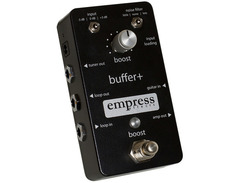
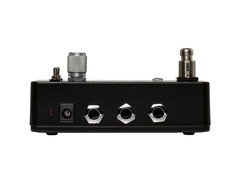
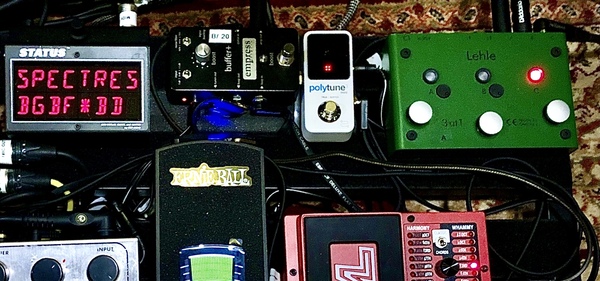
The Empress Buffer+ is a top-tier solution for guitarists seeking the ultimate in signal preservation and versatility. At its core, it features dual buffer circuits meticulously designed to optimize input and output impedance, ensuring your tone remains pure and consistent across any pedalboard setup.
Beyond its role as a buffer, the device offers a built-in adjustable boost function capable of delivering up to +35dB, making it perfect for solos or compensating for signal loss. Switchable voltage settings (9V, 12V, or 18V) allow you to tailor the headroom to suit your rig’s needs, while the high-quality analog signal path minimizes noise for a pristine audio experience.
In terms of pure signal preservation, the Buffer+ sets a remarkable standard. Its sophisticated dual-buffer design maintains exceptional clarity across the entire frequency spectrum, with particular attention to preserving the natural harmonics of your instrument. The pedal's elevated headroom thanks to its voltage options ensures pristine operation even with high-output pickups or when handling complex effects chains.
What truly sets this unit apart is its boost function, which isn't merely an afterthought but a studio-grade circuit that can either subtly enhance your signal or provide substantial clean gain when needed. The boost maintains the buffer's transparency while adding richness to your tone, especially useful for driving long cable runs or pushing tube amplifiers.
Empress's reputation for tank-like construction is evident in the Buffer+. The brushed aluminum enclosure feels indestructible, while the industrial-grade footswitch and premium potentiometers suggest years of reliable service. All connections are professionally mounted, and the internal components are meticulously arranged and secured, reflecting the unit's boutique status.
While the investment is significant, the combination of top-tier buffering, professional boost capability, and exceptional build quality provides strong value for serious musicians and studios.
See how artists use this

.jpg)


.jpg)


Truetone Pure Tone Buffer
5.0 (2)
The Transparent Workhorse

- Significantly brightens sound, restoring high frequencies lost through multiple pedals
- Compact size, easy to integrate into any pedalboard setup
- Works well with large numbers of pedals without degrading signal
- Discreet and noise-free operation, maintaining original tone purity
- See 2 more
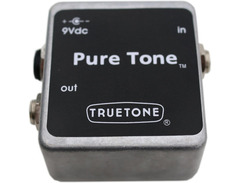
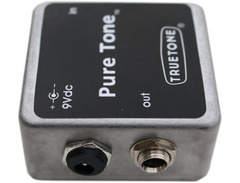
Truetone, renowned for their expertise in power supply technology, applies the same dedication to signal integrity with the Pure Tone Buffer, delivering a no-nonsense solution for preserving tone. Built with Pure Class A circuitry and audiophile-grade components, this buffer ensures pristine signal clarity throughout the chain.
Its impressively low output impedance of less than 50Ω provides robust signal transfer, even through demanding setups. Additionally, the internal voltage doubling increases headroom, accommodating high-output instruments and effects with ease. For musicians seeking uncompromised tone in a reliable package, the Pure Tone Buffer stands out as a thoughtful and efficient choice.
The Pure Tone Buffer showcases Truetone's expertise in clean power and signal integrity. Its Class A circuit design provides exceptional transparency while maintaining the natural character of your instrument. What's particularly impressive is how it handles the subtle nuances of playing dynamics – pick attack, volume knob changes, and harmonic content all travel through the buffer with remarkable authenticity.
The internal voltage doubling feature is a clever addition that provides studio-grade headroom without requiring a special power supply. This extra headroom ensures clean operation even with high-output pickups or when placed after gain pedals, maintaining signal integrity in any position in your chain.
Truetone's background in professional power supplies is reflected in the Pure Tone's construction. The rugged steel enclosure provides excellent shielding, while the high-quality PCB features careful component placement for optimal signal flow. All jacks and switches are securely mounted, and the internal wiring is neat and professional, suggesting excellent long-term reliability.
The Pure Tone buffers combination of professional features, excellent build quality, and transparent performance makes it a solid value for both gigging musicians and home studio enthusiasts.




RockBoard Natural Sound Buffer
4.0 (1)
The Space-Saving Solution

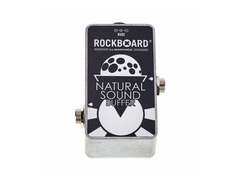


| Power | 9V |
The RockBoard Natural Sound Buffer combines modern engineering with practical design, providing reliable signal conditioning in a highly compact and affordable package. Measuring just 38 x 55 x 28mm, its ultra-compact footprint makes it an ideal addition to any pedalboard.
Engineered in Germany with premium components, this buffer ensures clean and consistent signal integrity. True hardwire bypass switching and an impressively low current draw of less than 5mA further enhance its efficiency and integration into any setup. Perfect for musicians seeking a no-frills, high-quality buffering solution, the Natural Sound Buffer delivers performance and practicality without breaking the bank.
The Natural Sound Buffer lives up to its name by providing transparent signal conditioning that preserves your guitar's natural voice. Its carefully designed circuit maintains frequency response across the spectrum while providing the necessary impedance conversion for long cable runs. Most notably, it handles high-frequency content particularly well, ensuring that the sparkle and air in your tone remain intact.
Where this buffer really shines is in its ability to maintain signal integrity without adding any character of its own. It's one of the more neutral-sounding buffers available, making it an excellent choice for players who want their signal preserved rather than enhanced or colored in any way.
Despite its small size, the Natural Sound Buffer features solid construction with a die-cast aluminum housing that's both durable and lightweight. The input and output jacks are securely mounted, and the internal components are well-protected. While compact, the build quality suggests good reliability for regular gigging use.
The Natural Sound Buffer represents excellent value. Its combination of compact size, reliable performance, and affordable pricing makes it an attractive option for players looking to solve signal loss issues without a significant investment.
JHS Little Black Buffer
4.5 (21)
The Minimalist's Dream


- Enhances clarity and tone, especially with long pedal chains
- Simple, effective solution for impedance issues
- Compact size fits well on crowded pedalboards
- Robust build quality ensures durability
- See 3 more
- Improvement in clarity can be subtle, depending on setup
- Bright LED can be distracting in low-light settings
- Some users feel it doesn’t outperform built-in buffers in other pedals
- May not be necessary if you already have buffered pedals in your chain
| Analog/Digital | analog |
| Power | 9V |
| Current Draw | 10ma |
The JHS Little Black Buffer proves that simplicity can be powerful, offering professional-grade signal buffering in an ultra-compact design. Measuring just 1.5 by 1.5 inches, it’s one of the most space-efficient solutions available, making it a favorite for pedalboard optimization.
Built with military-grade components and precision-matched impedance, this single-circuit buffer ensures your guitar signal stays clear and vibrant, even through complex setups. Remarkably, it operates entirely passively, requiring no external power, making it as hassle-free as it is effective.
The Little Black Buffer offers remarkably transparent operation that stays true to JHS's reputation for sound quality. Its carefully tuned circuit provides just the right amount of impedance matching to maintain signal integrity without adding any coloration or artifacts. The pedal particularly excels at preserving the natural character of single-coil pickups, maintaining their signature sparkle even through long cable runs.
What makes this buffer stand out is its simplicity and reliability. With no power requirement, it eliminates a potential point of failure in your signal chain while still delivering professional-grade performance. The lack of added features means there's virtually nothing that can go wrong – it simply works, every time.
Despite its diminutive size, the Little Black Buffer is built like a tank. The sturdy metal enclosure provides excellent shielding, while the top-quality jacks are securely mounted and designed for years of repeated use. The internal components are military-spec, selected for both their sonic properties and longevity.
The combination of compact size, reliable performance, and reasonable price point makes it an excellent value.
See how artists use this





.jpg?v=1783867405)
MXR MC406 CAE Buffer Pedal
4.5 (9)
The Touring Veteran


- Enhances signal without making it sound sterile or artificial
- Noticeable improvement in sound clarity and high-end restoration
- Includes gain control for added versatility
- Features like boost and EQ cuts offer additional sound shaping
- See 4 more
| Analog/Digital | analog |
| Power | 9V |
Developed in collaboration with Custom Audio Electronics' Bob Bradshaw, the MC406 CAE Buffer brings professional touring rig technology to a compact, user-friendly format.
Key Features
- Dual-mode operation with selectable input impedance (1MΩ/130kΩ)
- Hardwire bypass with LED indication
- Linear power filtering for ultra-quiet operation
- Multi-stage FET circuitry for optimal impedance conversion
The MC406 CAE demonstrates MXR's expertise in signal processing with exceptional clarity and headroom. Its dual-mode operation is particularly noteworthy – the 1MΩ setting provides classic buffer performance ideal for most guitars, while the 130kΩ setting offers improved compatibility with fuzz pedals and certain vintage effects. In both modes, the buffer maintains remarkable transparency while actively preserving your guitar's natural tone.
The pedal's noise rejection capabilities are outstanding, making it especially valuable in professional environments. Even in complex signal chains, the MC406 maintains a pristine signal path with virtually no added noise or interference, living up to its studio-grade reputation.
Following MXR's professional standards, the MC406 features a road-worthy metal chassis with a durable powder-coat finish. The switching and jacks are all chassis-mounted for maximum reliability, while the internal components are carefully selected and properly secured. The pedal's bright LED provides clear status indication even on dark stages.
Given its dual-mode flexibility, professional build quality, and noise-free operation, it represents solid value for serious musicians requiring versatile, reliable buffering.
See how artists use this







Mesa/Boogie High-Wire Dual Buffer
5.0 (1)
The Dual-Rig Specialist


- Improves sound quality significantly
- Adjustable boost enhances flexibility for different cable lengths
- Includes a useful mute function
- Enables removal of tuner from signal path for clearer tone
- See 6 more
- Slightly taller than other pedals, potentially affecting pedalboard layout
| Analog/Digital | analog |
| Power | 9V |
The High Wire by Mesa/Boogie takes the legendary brand’s reputation for uncompromising tone and applies it to the world of signal buffering, delivering a solution that’s as much about character as it is about clarity. With dual independent buffer circuits and separate inputs and outputs, it’s built to handle even the most complex setups with ease.
Its all-analog JFET design ensures a warm, tube-like response that guitarists crave, while Mesa’s proprietary discrete op-amp technology adds a level of precision typically reserved for the audiophile elite. Packed with premium components, the High Wire doesn’t just preserve your tone - it elevates it, making every note feel alive, rich, and utterly Mesa-worthy.
The High Wire's dual independent buffers deliver Mesa's signature warmth while maintaining exceptional transparency. Each buffer section provides studio-grade signal conditioning with a slightly musical character that many players find more appealing than strictly clinical buffers. The JFET design responds dynamically to playing intensity, providing a subtle but pleasing organic quality to the buffered signal.
What sets this unit apart is its ability to handle two separate signal paths simultaneously – perfect for dual amp setups or for creating separate buffered chains within a complex pedalboard. Each buffer maintains the full frequency response of your instrument while adding a touch of Mesa's renowned "sweetening" to the signal.
True to Mesa/Boogie's reputation, the High Wire is built like a boutique amplifier. The heavy-duty steel enclosure, premium PCB construction, and military-spec components ensure ultimate reliability. The chassis-mounted jacks and switches are top-quality, while the internal wiring and soldering meet Mesa's exacting standards for professional gear.
The High Wire sits in the premium buffer category. While the investment is significant, the combination of dual independent buffers, Mesa's build quality, and subtle signal enhancement makes it a valuable tool for professional musicians and serious enthusiasts.
See how artists use this





Buffer Options and Alternatives
While standalone buffer pedals offer the most control and flexibility, they're not the only way to maintain signal integrity in your chain. Many modern guitar products come with built-in buffering solutions that might already be serving your needs or could provide a convenient alternative.
Built-in Buffers in Popular Pedals
Several popular pedals include high-quality buffer circuits that can serve double duty:
- Boss Pedals: Nearly all Boss compact pedals include a buffer circuit when activated, with the DD-series delays and CE-series chorus pedals being particularly well-regarded for their buffer quality
- Strymon Pedals: Most Strymon units feature high-end input buffers, with their Timeline and BigSky being standout examples
- Line 6 Helix Effects: These units incorporate studio-grade input buffering
- Keeley Pedals: Many Keeley effects include their renowned buffer circuit, particularly notable in their modulation pedals
Multi-Effects Units with Buffer Solutions
Modern multi-effects processors often include sophisticated buffering options:
- Neural DSP Quad Cortex: Features adaptive input buffering that automatically adjusts to your guitar's impedance
- Line 6 HX Stomp: Includes configurable input and output buffering with multiple impedance options
- Fractal Audio FM9: Provides studio-grade buffering with adjustable parameters
- Boss GT Series: Incorporates their proven buffer technology with routing flexibility
Alternative Solutions
Consider these other approaches to maintaining signal integrity:
Buffered Patch Bays
- Professional-grade patch bays with built-in buffering
- Allows for flexible routing while maintaining signal quality
- Particularly useful for complex boards or studio setups
Buffered Switching Systems
- High-end loopers often include quality buffers
- Provides both switching and signal conditioning
- Examples include the GigRig G3 and Boss ES-8
Active DI Boxes
- Can serve as high-quality buffers
- Particularly useful for acoustic-electric instruments
- Provides additional connectivity options
Choosing the Right Solution
When evaluating built-in or alternative buffer options, start by analyzing your current setup by checking for existing buffered pedals, examining their placement and quality, and assessing if they effectively serve your needs. Next, consider integration requirements, including how new solutions would fit into your existing setup, what power supply needs they have, and available pedalboard space. Finally, think about future expandability - evaluate whether potential solutions can grow with your evolving needs, offer flexible routing options, and provide long-term value for your investment. The key is finding a solution that not only solves current signal chain issues but also adapts to future setup changes while maximizing your pedalboard's efficiency.
Remember that having multiple buffers in your signal chain isn't necessarily problematic – what matters is the quality of the buffers and their strategic placement. Many professional rigs successfully use a combination of dedicated buffers and built-in buffering solutions to maintain optimal signal integrity throughout complex setups.
Frequenty Asked Buffer Pedal Questions
Do all guitarists need a buffer?
Not every guitarist needs a dedicated buffer pedal, but most setups can benefit from some form of buffering. If you're using long cable runs (over 18.5 feet), running multiple true bypass pedals, or notice your tone losing sparkle when activating your pedalboard, a buffer could be exactly what you need. Vintage-style fuzz users and players with complex pedalboards often find buffers particularly beneficial for maintaining their tone's integrity.
Where should I place my buffer in the signal chain?
Buffer placement depends largely on your specific setup and needs. The most common and effective placement is at the very beginning of your signal chain, where it can preserve your guitar's natural tone before it hits any other pedals. For complex rigs, you might benefit from a second buffer at the end of your chain to help drive the signal to your amp. However, if you're using vintage fuzz pedals, they typically need to see your guitar's direct impedance, so they should be placed before any buffer in your chain.
Can a buffer affect my tone negatively?
A high-quality buffer should not negatively affect your tone - in fact, you ideally shouldn't "hear" the buffer at all. However, there are a few situations to be aware of. Some vintage fuzz pedals may respond differently through a buffer, and lower-quality buffers might add unwanted noise or coloration. The key is choosing a quality buffer and placing it correctly in your signal chain. Think of a good buffer like a clean window – it lets you see (or in this case, hear) everything clearly without adding its own character to the view.
How do I know if my buffer is working properly?
A properly working buffer should make your overall tone more consistent and clearer, especially with longer cable runs or multiple pedals. Try this simple test: play through your rig with the buffer bypassed, paying attention to your tone's clarity and high-end response. Then activate the buffer – you should notice improved clarity and a more present top end, particularly when using your full pedalboard. Your guitar's volume knob should also respond more naturally, cleaning up your amp's overdrive smoothly. If you hear added noise or any significant change in your core tone, something might be amiss with your buffer or its placement.
Can I use multiple buffers in my signal chain? Yes, you can use multiple buffers, but more isn't necessarily better. Many pedals already include built-in buffers, so you might have several in your chain without realizing it. For most setups, one or two strategically placed high-quality buffers are sufficient – typically at the start and end of your chain. Quality matters more than quantity; one excellent buffer will serve you better than multiple mediocre ones. Think of it like seasoning food – you want just enough to enhance the flavor without overwhelming it.
Conclusion
In the world of guitar tone, the humble buffer pedal might not be the most exciting piece of equipment, but it's often the unsung hero that keeps your signal chain performing at its best. Whether you're a bedroom player with a growing collection of pedals or a touring professional managing complex signal routing, understanding and implementing proper buffering can make the difference between preserving your guitar's natural voice and losing it in a maze of cables and effects.
Through this guide, we've explored how buffers work, when you need them, and which options best suit different playing situations. From budget-friendly solutions to premium boutique offerings, today's market provides buffer options for every need and budget. The key is identifying your specific requirements and choosing a buffer that addresses them effectively.
Remember that while a buffer might not be the first pedal you think to add to your board, it could be the solution that ties your whole rig together. Take the time to assess your setup, experiment with different buffer positions, and most importantly, trust your ears. Your perfect tone might be just one buffer away.
If you're experiencing any form of signal loss or tone degradation in your rig, don't hesitate to try a buffer. With the variety of options available, there's never been a better time to optimize your signal chain and ensure your guitar's voice comes through exactly as intended, from string to speaker.
Top Ranked Buffer Pedals on Equipboard


About the authors
Juan Spinelli is a multi-instrumentalist musician, but more of a guitarist than anything else. Based in Buenos Aires, Argentina, he started playing at a very early age and learned various instruments such as flute, clarinet, percussion, didjeridoo, cavaquinho, bass and more. Today, he also works as a music producer and sound engineer, collaborating in several projects in his city and with artists from all over the world. Read more
New in Buffer Pedals

$116.62 - $299.00
in Buffer Pedals Rank






.webp)
.webp)