Table of Contents

Equipboard
Equipboard is the world's largest community of artists and their gear. Read our review process.
We are reader-supported. When you buy through links on our site, we may earn an affiliate commission. Learn more.
Our Picks
-l.webp?v=1784958355)
Best Germanium Option - 1: The Dunlop JDF2 delivers authentic 60s warmth with superb volume knob cleanup. Its matched germanium transistors provide that sought-after vintage sag and bloom that defined an era.
Read more


Dunlop JHF1 Jimi Hendrix Fuzz Face
Best Silicon Option - 1: The Dunlop JHF1 Jimi Hendrix Fuzz Face brings silicon stability and brightness to the classic circuit. It cuts through dense mixes while maintaining the touch sensitivity that makes Fuzz Faces special.
Read more
Dunlop FFM2 Germanium Fuzz Face Mini
Best Compact Germanium: The Dunlop FFM2 Mini Germanium shrinks the classic circuit without compromising the vintage magic. Real germanium transistors deliver authentic 60s fuzz in a board-friendly footprint.
Read more

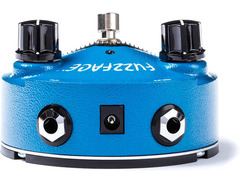
Dunlop FFM1 Silicon Fuzz Face Mini
Best Compact Silicon: The Dunlop FFM1 Mini Silicon delivers tight, articulate fuzz that stays consistent gig after gig. Its compact footprint and standard power requirements make integration simple.
Read more
Best Boutique Option: Analog Man's Sun Face offers hand-selected components and multiple transistor options. Each pedal undergoes individual biasing and testing for optimal performance across the entire sweep of your guitar's volume knob.
Read more

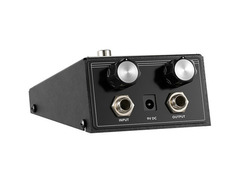
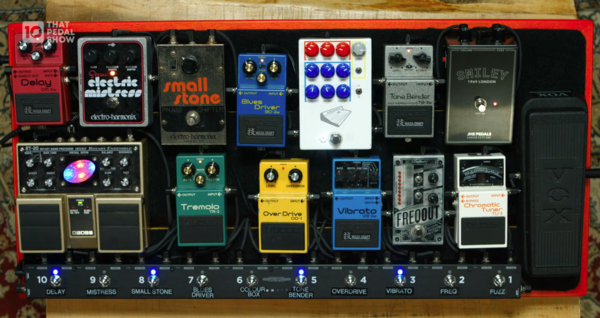
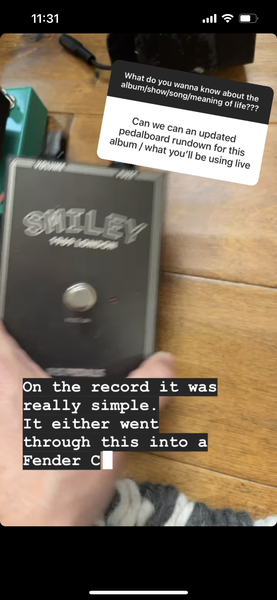
JHS Legends of Fuzz Series Smiley
Best Modern Innovation: JHS Smiley brings thoughtful updates to the classic circuit without losing its essential character. A mids switch and consistent silicon performance make it equally at home in studios and on stages.
Read more
Best Pro Touring Option: KingTone's miniFuzz puts unprecedented control at your feet with external bias and impedance adjustments. Available in both germanium and silicon versions for maximum tonal flexibility.
Read more
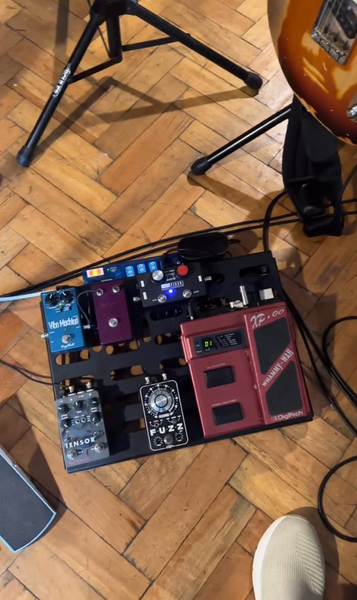
Best EQ-Enhanced Option: SolidGoldFX's If 6 Was 9 adds subtle EQ shaping to classic germanium warmth. The result maintains vintage character while offering better integration with modern rigs.
Read more
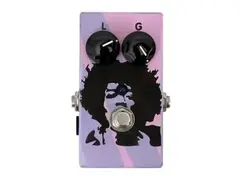
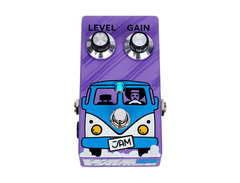
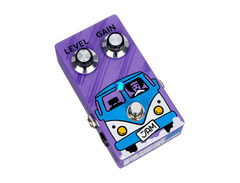
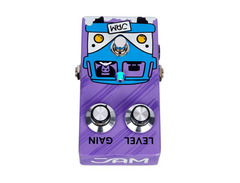
Best Hand-Tuned Option: Jam Pedals Fuzz Phrase brings Greek craftsmanship to the classic circuit. Available in both germanium and silicon versions, each receives individual voicing for maximum musicality.
Read more

Best Tech-Forward Option: Jackson Audio FUZZ reimagines the classic circuit with modular architecture and MIDI control. Multiple clipping options and preset storage bring Fuzz Face tone into the digital age.
Read more
Dunlop JHMS4 Authentic Hendrix '68 Shrine Series Band of Gypsys Fuzz
Best 70s Rock Option: The Dunlop JHMS4 Authentic Hendrix '68 Shrine Series Band of Gypsys Fuzz captures Hendrix's final fuzz tones with carefully voiced silicon transistors. This pedal recreates the exact circuit from Jimi's personal 1968 Fuzz Face, bringing authentic late-era Hendrix fury to modern stages.
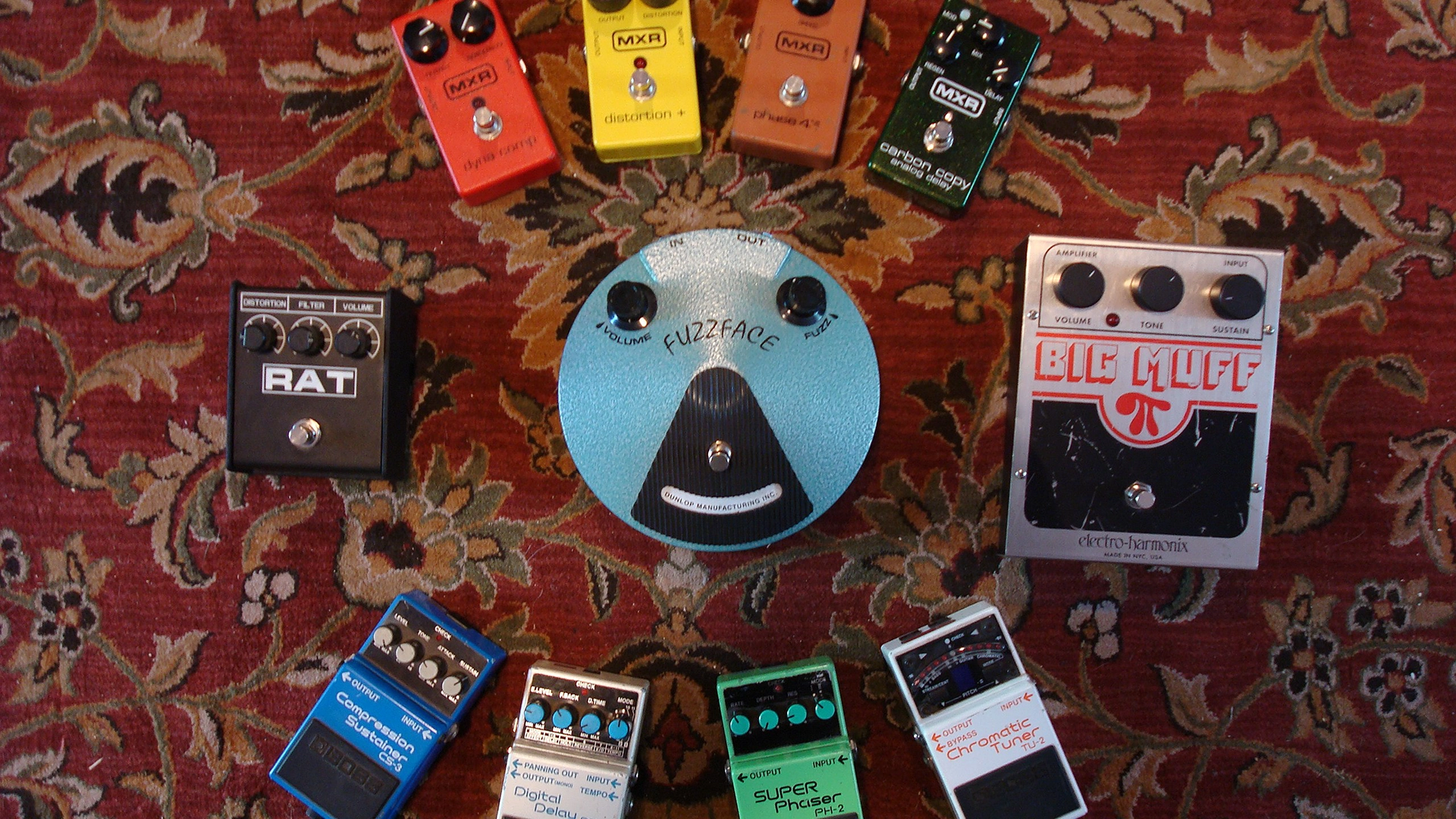
Read moreThe Fuzz Face is the dynamic antithesis to compressed, wall-of-sound circuits like the Big Muff or RAT. Where those pedals deliver consistent sustain and saturation, the Fuzz Face offers something more alive: a circuit that breathes with your playing, cleans up with your guitar's volume knob, and responds to every nuance of your picking attack.
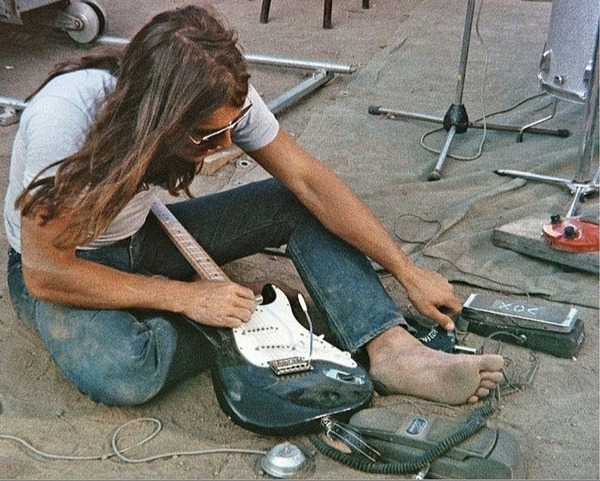
When Jimi Hendrix plugged into his Dallas Arbiter Fuzz Face in 1966, he didn't just find another distortion box. He discovered an extension of his guitar that could morph from glassy clean tones to singing leads with a simple twist of his Stratocaster's volume knob. This two-transistor circuit would reframe how guitarists thought about fuzz, turning it from a static effect into an expressive tool.
Whether you're chasing Eric Clapton's Cream-era roar, David Gilmour's articulate leads, or carving out your own voice, understanding the Fuzz Face circuit opens up a world of touch-sensitive expression that no other fuzz topology quite matches.
Legacy & Influence
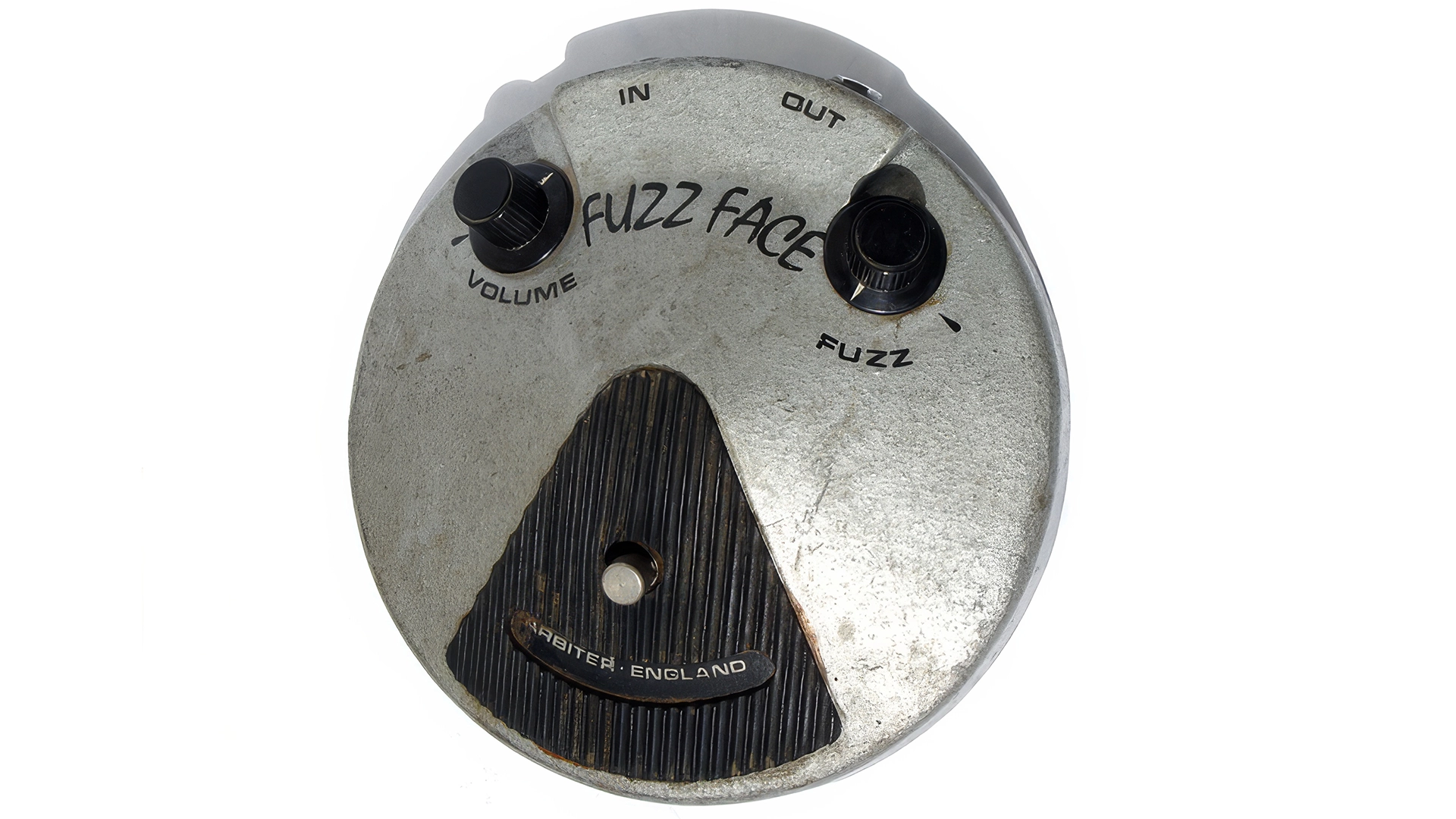
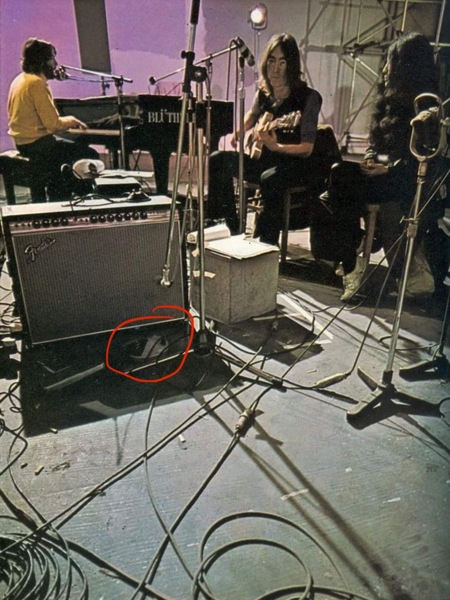
The Fuzz Face emerged in 1966 when Arbiter Electronics in London sought to capitalize on the fuzz phenomenon sparked by The Rolling Stones' "Satisfaction." Designer Dennis Cornell created the simple two-transistor circuit, while the revolutionary circular enclosure came from Arbiter's need to stand out in music shop displays. The original units used germanium AC128 or NKT275 transistors, components that were actually selected from rejected stock that failed to meet specifications for other applications. This happy accident gave each pedal slightly different characteristics, contributing to their mystique and collectibility. Dallas Musical Industries acquired Arbiter in 1968, creating the Dallas-Arbiter brand name now synonymous with vintage Fuzz Faces.
The Fuzz Face's influence extends far beyond its simple two-transistor design. This minimalist circuit spawned decades of fuzzes, from boutique germanium clones to radical modern interpretations. Its cultural impact made that round, UFO-like enclosure visual shorthand for "classic fuzz tone."
What sets it apart isn't just the sound but the interaction. Unlike more complex circuits that compress and sustain, the Fuzz Face maintains a direct connection between your fingers and the speaker. Roll back your guitar volume to 7 and you get edge-of-breakup crunch. Drop it to 4 and suddenly you're in chimey clean territory. This dynamic range turned the Fuzz Face from an effect into an instrument.
At-a-Glance Summary
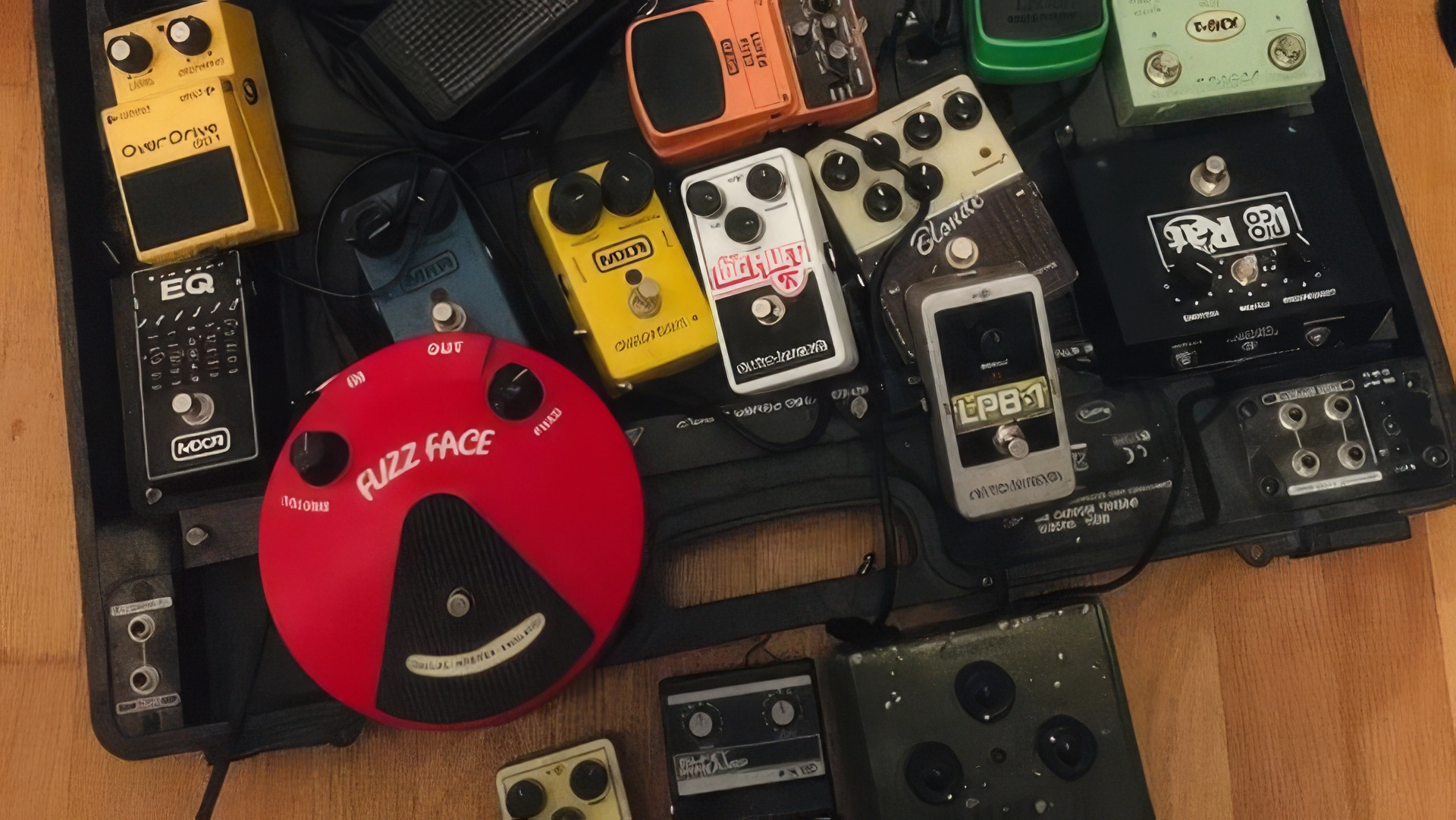
With this rich heritage in mind, let's examine how modern builders honor and expand upon the Fuzz Face legacy. Today's market offers everything from painstaking vintage recreations to bold reimaginings that would have seemed impossible in 1966. The following table provides a quick overview of our twelve picks, each reviewed in detail below with particular attention to their cleanup characteristics, transistor choices, and real-world applications. Whether you're chasing authentic 60s germanium warmth or seeking modern innovations like MIDI control and modular circuits, these pedals carry forward the dynamic, responsive spirit that made the original Fuzz Face a legend.
| Pedal | Transistor | Key Trait | Best For |
|---|---|---|---|
| Dunlop JDF2 | Germanium | Warm, vintage cleanup | Classic rock purists |
| Dunlop JHF1 | Silicon | Bright, cutting leads | Modern Hendrix tones |
| Dunlop Mini Germanium | Germanium | Compact vintage voice | Pedalboard-conscious players |
| Dunlop Mini Silicon | Silicon | Tight, stable response | Gigging reliability |
| Analog Man Sun Face | Various | Boutique components | Tone connoisseurs |
| JHS Smiley | Silicon | Studio-ready versatility | Recording musicians |
| KingTone miniFuzz | Ge/Si options | External bias control | Professional touring |
| SolidGoldFX If 6 Was 9 | Germanium | EQ refinements | Mix-conscious players |
| British Pedal Co. Vintage | Germanium | Museum-grade accuracy | Vintage collectors |
| Jam Pedals Fuzz Phrase | Ge/Si versions | Artisan build quality | Boutique enthusiasts |
| Jackson Audio FUZZ | Modular | MIDI presets | Tech-savvy pros |
| Dunlop Authentic Hendrix '68 Shrine Series Band of Gypsys Fuzz | Silicon | Late-Hendrix voicing | 70s rock tones |
Dunlop JDF2 Fuzz Face
4.5 (97)
The Warm Heart of Vintage Tone
-s.webp?v=1784958355)




Average Price: $169
Standard/Professional
$60
$181+
Budget
Standard
High-end
- Personality-rich tones, from clean to nasty with guitar volume adjustments
- Highly tweakable for various tones
- Simple design with two knobs encourages exploration
- Compatible with both humbuckers and single coils
- See 6 more
- Requires significant time to dial in with amp and guitar settings
- May not perform well with solid state amps or when fuzz is maxed
- Placement of the board on the footswitch can be problematic
- Lacks modern conveniences like LED indicator and external power jack
- See 4 more
Why Germanium Still Matters
The JDF2 uses carefully selected germanium transistors that react to temperature and playing dynamics in ways silicon simply cannot replicate. When you dig in with your pick, the circuit compresses naturally, creating that signature woolly sustain. Back off your guitar volume and the fuzz transforms into a surprisingly articulate overdrive that retains your guitar's character.
Living with Temperature
Germanium transistors shift their bias point with temperature changes, which some call a bug but others consider a feature. The JDF2 handles this better than vintage units, maintaining usable tones across a wider temperature range. Still, you'll notice tonal variations between a cold winter rehearsal and a hot summer outdoor gig. Many players learn to work with these shifts, adjusting their guitar volume and tone controls to compensate.
The Cleanup Magic
Rolling your guitar volume back to around 6 or 7 transforms the JDF2 from a roaring fuzz into something closer to a cranked tube amp. This isn't just volume reduction; the circuit's low input impedance interacts with your pickups differently at various volume settings, actually changing the frequency response and harmonic content of your signal.
See how artists use this



Dunlop JHF1 Jimi Hendrix Fuzz Face
4.5 (46)
Silicon Precision for Modern Stages

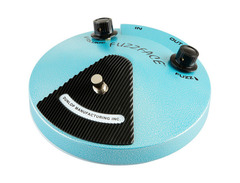


Average Price: $174
Standard/Professional
$60
$181+
Budget
Standard
High-end
- Authentic Hendrix tone, from clean to full fuzz
- Volume knob control offers tonal versatility
- Sturdy construction, built to last
- True to original design, excellent reproduction
- See 6 more
- Only operates on a 9-volt battery, no external power option
- Requires careful rig configuration and playing style adaptation
- Does not work well with buffered pedals in front
The Hendrix Connection
While Jimi started with germanium units, he moved to silicon Fuzz Faces later in his career for their increased output and treble response. The JHF1 captures this later-era Hendrix tone, delivering the brightness and articulation heard on tracks from Band of Gypsys. The silicon BC108 transistors provide consistent performance night after night, regardless of venue temperature.
Mix-Ready Brightness
Silicon's inherently brighter character helps the JHF1 slice through a band mix without getting lost in the bass frequencies. This makes it particularly effective for lead work where you need presence without excessive volume. The tighter low-end response also means cleaner palm muting and more defined power chord work.
Consistent Performance
Unlike germanium, silicon transistors maintain their characteristics across temperature extremes. The JHF1 sounds the same at soundcheck as it does three hours into a sweaty club gig. This predictability makes it a favorite for touring musicians who need reliable tone in varying conditions.
See how artists use this
.jpeg?v=1784640199)
.jpeg?v=1784640199)







Dunlop FFM2 Germanium Fuzz Face Mini
4.0 (29)
Pedalboard-Friendly Vintage


Average Price: $149
Standard/Professional
$60
$181+
Budget
Standard
High-end
- Compact design fits more pedals on board
- Versatile sound ranging from screaming fuzz to subtle tone thickening
- Cleans up well with guitar volume adjustment
- Germanium transistors provide a warm, full fuzz tone
- See 6 more
- Requires specific amp settings for optimal performance (mid-range pushed amps)
- Slightly milder gain compared to the original full-sized version
- Some users may find the LED annoyingly bright
- Fuzz may become muddy at maximum guitar volume settings
- See 4 more
Space-Saving Design
The mini enclosure takes up about half the pedalboard real estate of a standard Fuzz Face, crucial for players juggling multiple effects. Despite the smaller size, Dunlop maintained full-sized knobs that remain easy to adjust mid-song. The side-mounted jacks further optimize board layout, allowing tighter pedal spacing.
Germanium Character Intact
Dunlop didn't cut corners on the circuit despite the smaller enclosure. The FFM2 uses matched germanium transistors that deliver the same warm, responsive fuzz as their full-sized counterparts. You get that characteristic germanium bloom and compression, along with the famous volume knob cleanup.
Power Considerations
Like most germanium Fuzz Faces, the FFM2 uses positive ground power, requiring an isolated power supply output or battery power. The compact size actually makes battery changes easier than in the original round enclosure, though the germanium circuit's low current draw means batteries last surprisingly long.
See how artists use this






.jpg?v=1784640202)
Dunlop FFM1 Silicon Fuzz Face Mini
4.5 (40)
Modern Silicon Reliability


Average Price: $141
Standard/Professional
$60
$181+
Budget
Standard
High-end
- Great compressed feel with bright, sizzling sound
- Offers a lot of gain and bass compared to most Fuzzface circuits
- Easy to use, board-friendly, and cost-effective
- Features true bypass and built-in LED indicator
- See 4 more
- Volume drops significantly, requiring careful volume knob adjustment
- Does not clean up as well when backing off on fuzz, loses effectiveness
- Some users find it too harsh and lacking in fuzz at lower guitar volumes
- Considered by some as not a "plug-and-play" pedal, requiring effort to dial in tones
- See 2 more
Plug and Play Simplicity
The FFM1's silicon circuit uses standard negative ground power, meaning it plays nicely with typical daisy-chain power supplies. No special adapters or isolated outputs needed. This straightforward integration makes it ideal for players who want classic fuzz without power headaches.
Articulate Response
Silicon's faster response time gives the FFM1 exceptional note definition, even with complex chords. Where germanium might blur notes together, silicon maintains clarity. This makes it particularly effective for rhythm work or any situation where you need fuzz that doesn't turn chords into mush.
Road-Ready Construction
The mini enclosure's sturdy construction handles the rigors of touring. The silicon transistors laugh off temperature swings that would send germanium units into tonal chaos. Combined with the simplified power requirements, the FFM1 becomes a set-and-forget fuzz solution.
See how artists use this



Analog Man Sun Face BC-183
5.0 (4)
Boutique Excellence Personified
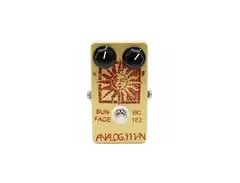
- Great for roll-off, mimicking germanium tone
- Ideal for those seeking silicon fuzz face type sounds
- Produces thick fuzz at higher settings, versatile with guitar volume adjustments
- Highly dynamic, opens up with guitar volume roll-back
- See 5 more
- High battery consumption when not modified for external power
Component Selection Mastery
Analog Man offers the Sun Face with various transistor options including NKT275 germanium, BC108 silicon, and BC183 silicon variants. Each transistor type delivers a distinct flavor: NKT275 for creamy vintage warmth, BC108 for bright 70s cut, and BC183 for higher gain aggression. Every transistor gets tested and matched for gain and leakage specifications.
The Bias Advantage
Many Sun Face models include internal bias trim pots, letting you dial in the exact response you want. Clockwise rotation increases headroom and smoothness, while backing off creates that sputtery, gated texture some players love. This adjustability means you can optimize the pedal for different guitars or simply explore the full range of Fuzz Face tones.
Sundial Option
The external "Sundial" control acts as a variable power sag, simulating a dying battery's effect on the circuit. This adds another dimension of tonal control, from tight and aggressive at full voltage to saggy and compressed as you roll back. It's particularly effective for achieving those under-biased Eric Johnson tones without actually using dying batteries.
See how artists use this




JHS Legends of Fuzz Series Smiley
3.0 (1)
Studio-Ready Versatility


Average Price: $163
Standard/Professional
$60
$181+
Budget
Standard
High-end
- Replicates classic Hendrix sounds with a modern twist
- Gated fuzz feature cuts noise at high volumes, offering unique tone
- Versatile, cleans up nicely with guitar’s volume knob
- Robust, vintage-style construction
- See 2 more
- Can be loud and uncontrollable, requiring experimentation for desired sound
- Larger footprint on pedalboard than expected
- Knob positions can feel counterintuitive
- High price point for relatively simple technology
- See 4 more
The Mids Solution
The Smiley's toggle switch adds crucial midrange presence that helps the fuzz sit properly in a mix. In the up position, you get traditional scooped Fuzz Face tone. Flip it down and the mids come forward, helping your sound cut through without adding volume. This simple addition solves one of the biggest complaints about original Fuzz Faces.
Period-Correct Foundation
Despite the modern additions, the core circuit remains faithful to 60s and 70s Fuzz Face topology. JHS chose silicon transistors for their consistency, voicing them to capture that late-60s/early-70s sweet spot. The result feels familiar to Fuzz Face veterans while offering enhanced usability.
Recording-Friendly Consistency
The Smiley's silicon heart means identical performance take after take, crucial for studio work. No worrying about temperature drift between takes or seasonal variations affecting your tone. The mids switch also helps engineers place the fuzz in a mix without extensive EQ work.
See how artists use this


King Tone - miniFuzz
5.0 (4)
Professional Control Station

- Highly versatile with adjustable bias for diverse sonic textures
- Excellent tonal quality, from classic grit to pristine cleans
- Effective integration with other pedals, including overdrives and boosts
- Vintage setting provides rich, full sound without overwhelming highs
- See 4 more
- Premium pricing, potentially costly for some users
- Temperature sensitivity can affect performance in warm environments
- Some users find excessive volume challenging at low levels
- May require additional equipment for optimal sound in certain setups
Real-Time Bias Control
The external bias knob transforms the miniFuzz from a one-trick pony into a fuzz laboratory. Sweep from smooth, compressed saturation to gated, velcro-like sputter without opening the pedal. This means you can adjust for different guitars, compensate for temperature (with the germanium version), or simply explore new textures mid-performance.
Impedance Innovation
The impedance control adjusts how the circuit loads your pickups, dramatically affecting cleanup behavior and frequency response. Lower impedance settings increase the interaction with your guitar's volume knob, while higher settings maintain more consistent tone regardless of volume position. This level of control typically requires multiple pedals or modifications.
Noise Management
KingTone included sophisticated filtering to reduce noise without affecting tone, addressing another common Fuzz Face complaint. The germanium version stays remarkably quiet for such a high-gain circuit, while the silicon version rivals modern high-gain pedals for low noise floor.
See how artists use this


.png?v=1784844572)


Solid Gold FX If 6 Was 9
Germanium with Modern EQ

Average Price: $145
Standard/Professional
$60
$181+
Budget
Standard
High-end
Frequency Sculpting
The tone control goes beyond simple treble cut, actively shaping the fuzz's frequency response. This helps compensate for overly bright or dark guitars without losing the essential Fuzz Face character. The EQ remains musically useful across its entire range, never getting harsh or muddy at extremes.
Temperature Stability
SolidGoldFX's circuit design minimizes germanium's temperature sensitivity without sacrificing its tonal benefits. While not as stable as silicon, the If 6 Was 9 maintains usable tones across a wider temperature range than vintage designs. This makes it more practical for gigging musicians who can't always control venue temperatures.
Canadian Craftsmanship
Hand-built in Montreal, each If 6 Was 9 receives individual attention during assembly and testing. The germanium transistors get matched for optimal performance, ensuring consistent cleanup and response across the guitar volume range.
JAM Pedals Fuzz Phrase
5.0 (6)
Artisan Touch Sensitivity
Average Price: $356
High-end/Boutique
$60
$181+
Budget
Standard
High-end
- Versatile sound: aggressive, creamy, and clean
- Maintains excellent sound across temperature changes
- Ideal for achieving Hendrix sound
- Adds vintage tone to setups
- See 6 more
- None mentioned
Component Curation
Jam Pedals hand-selects every component, from transistors to capacitors, for optimal interaction. This isn't just matching specs on paper; they listen to how components work together, adjusting values to achieve their target sound. The result feels more like a musical instrument than a simple effect.
The Cleanup Sweet Spot
Both versions excel at the critical volume knob cleanup range between 5 and 7 on your guitar. This is where many Fuzz Faces get scratchy or thin, but the Fuzz Phrase maintains warmth and body. The transition from clean to dirty feels natural and progressively musical rather than abrupt.
Limited Edition Variants
Jam regularly releases limited edition versions with special transistors or circuit tweaks. These might feature rare NOS germanium transistors or unique silicon variants, each bringing subtle tonal variations. The limited runs maintain exclusivity while letting Jam experiment with different voicings.
See how artists use this





Jackson Audio Modular Fuzz
The Modern Fuzz Laboratory

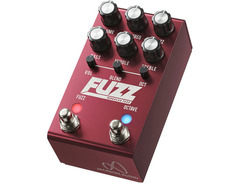
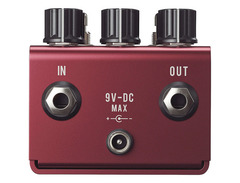
Average Price: $243
High-end/Boutique
$60
$181+
Budget
Standard
High-end
- Versatile fuzz tones, from classic to modern
- Modular design allows for easy tone customization
- High-quality emulation of iconic circuits like Fuzz Face and Tonebender
- Analog octave circuit adds unique sonic possibilities
- See 4 more
- Modules may require opening the pedal for adjustments or swaps
Modular Clipping Modules
The FUZZ accepts interchangeable clipping modules that alter its core character. Start with classic Fuzz Face-style clipping, then swap in modules for different transistor types or even LED and diode clipping. This plug-and-play system means one pedal can cover multiple fuzz flavors without cluttering your board.
MIDI Integration
Four onboard presets store your favorite settings, recallable via MIDI program changes. This means consistent fuzz tones night after night, with different settings for rhythm, lead, and experimental textures. The MIDI implementation makes the FUZZ equally at home in traditional pedalboards and sophisticated switching systems.
Active EQ Section
The active EQ provides serious tone shaping beyond typical Fuzz Face capabilities. The controls remain musical and intuitive, never getting harsh or unusable. This helps the FUZZ work with any amp or guitar combination, solving the compatibility issues that plague some vintage-style fuzzes.
See how artists use this
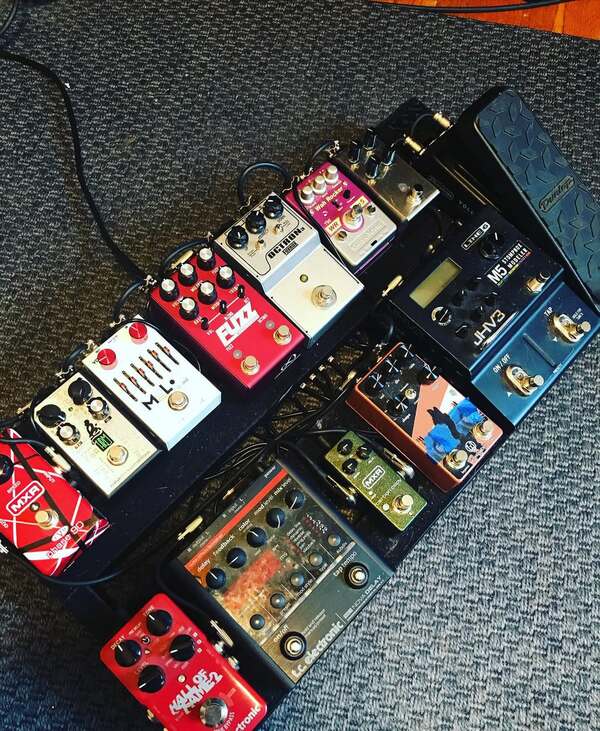


Dunlop JHMS4 Authentic Hendrix '68 Shrine Series Band of Gypsys Fuzz
Hendrix's Later Voice

Average Price: $149
Standard/Professional
$60
$181+
Budget
Standard
High-end
Silicon Authority
The JHMS4 uses silicon transistors selected to match the brighter, more aggressive fuzz Hendrix employed in his final performances. This isn't the warm germanium of "Are You Experienced" but the cutting silicon fury of his Fillmore performances. The voicing emphasizes upper harmonics and sustain that defined his Band of Gypsys era, with that characteristic bite that sliced through Marshall stacks.
Authentic Circuit Recreation
Dunlop meticulously analyzed Hendrix's actual 1968 Fuzz Face to recreate this circuit. Every component value matches the original, from capacitor values to resistor tolerances. The result captures not just the general character but the specific voice of the pedal that shaped Hendrix's later sound. This attention to detail extends to the vintage-correct circuitry that interacts with your guitar exactly as Jimi's did.
Live Performance Focus
The JHMS4 was voiced specifically for live performance, with output and frequency response that cuts through a loud band. The slight mid boost helps maintain presence without getting harsh, while the tight low end prevents muddiness when running into an already-distorting amp. The standard Fuzz Face control layout keeps operation simple, letting you focus on playing rather than tweaking.
The Germanium vs Silicon Debate
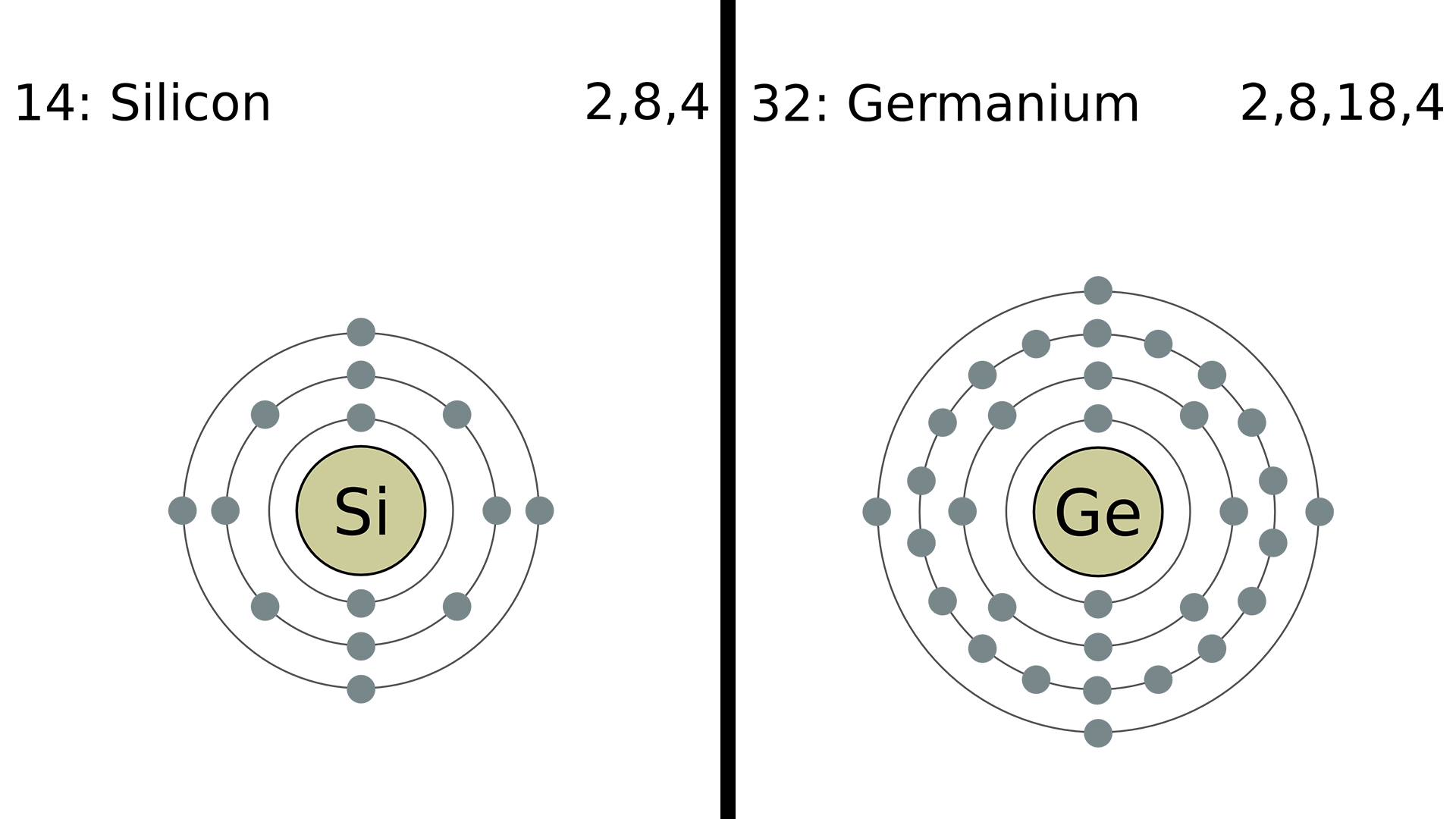
The eternal question facing Fuzz Face buyers isn't just about tone but about workflow, reliability, and musical goals. Understanding the fundamental differences helps you choose the right tool for your needs.
Tonal Characteristics
Germanium transistors produce a warmer, rounder fuzz with natural compression and a singing sustain. The harmonic content tends toward even-order harmonics, creating a sweeter, more musical distortion. When you pick softly, germanium responds with surprising clarity, almost clean at the lightest touch. Dig in harder and the circuit compresses naturally, creating that woody, saturated sustain that defined 60s rock.
Silicon offers a brighter, more immediate response with enhanced treble frequencies and tighter bass. The harmonic content leans toward odd-order harmonics, producing a more aggressive, cutting distortion. Silicon's faster slew rate means better note definition in complex passages. Where germanium might blur a jazz chord into beautiful chaos, silicon maintains enough clarity to hear individual notes.
Cleanup Behavior
Both transistor types clean up with your guitar's volume knob, but they do so differently. Germanium's cleanup feels more gradual and organic, maintaining warmth even as gain decreases. The transition from fuzz to edge-of-breakup happens smoothly, with usable tones at every point. Silicon's cleanup tends to be more dramatic, shifting from full fuzz to nearly clean more quickly. Some players prefer this more defined transition, while others find germanium's gradual taper more musical.
Practical Considerations
Temperature stability becomes the biggest practical difference. Germanium transistors drift with temperature changes, potentially requiring bias adjustments between songs in extreme conditions. A germanium Fuzz Face that sounds perfect at room temperature might get gated and sputtery in the cold or muddy and undefined in heat. Silicon maintains consistent performance from arctic cold to desert heat.
Power requirements also differ. Most germanium Fuzz Faces use positive ground wiring, requiring isolated power supplies or battery operation. This can complicate pedalboard integration, especially with modern digital effects. Silicon units typically use standard negative ground power, integrating easily with common power supplies.
Anatomy of the Fuzz Face Sound
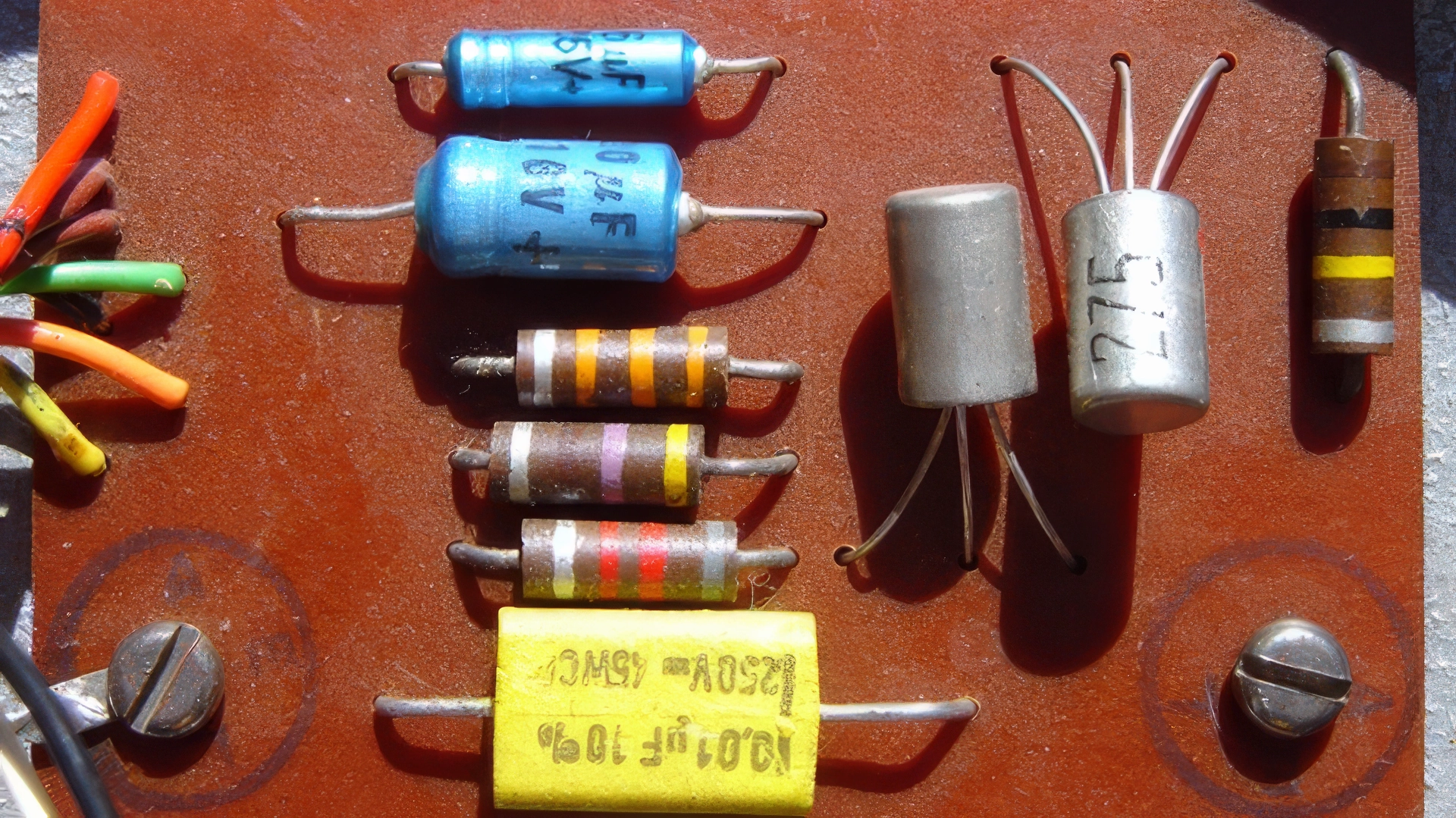
Understanding what makes a Fuzz Face tick helps you get the most from these deceptively simple circuits.
The Two-Transistor Heart
The Fuzz Face's entire circuit consists of just two transistors in a compound configuration. The first transistor provides initial gain, while the second amplifies that signal further and drives the output. This minimalist topology means every component matters, from transistor selection to individual resistor and capacitor values. Compare this to a Big Muff's four gain stages or a Tone Bender's three transistors, and you understand why Fuzz Faces feel so immediate and responsive.
Input Impedance and Pickup Loading
Fuzz Faces have notoriously low input impedance, typically around 10k ohms compared to the 1M ohm or higher of most modern pedals. This low impedance "loads" your pickups, essentially making them part of the circuit. Your pickups' resistance and inductance directly affect the fuzz's frequency response and gain. This is why Fuzz Faces sound different with single-coils versus humbuckers, and why they must go first in your signal chain.
The Volume Knob Secret
Rolling back your guitar's volume doesn't just reduce the signal hitting the Fuzz Face. The changing impedance relationship between your pickups and the circuit actually alters the frequency response. As you roll back, treble frequencies pass through more easily than bass, naturally brightening the tone while reducing gain. This creates that magical cleanup where a muddy fuzz transforms into a chimey overdrive.
Biasing for Tone
Bias voltage determines how the transistors operate, affecting headroom, compression, and harmonic content. Properly biased transistors produce smooth, sustained fuzz. Under-biasing creates the famous "dying battery" effect with gated, sputtery decay. Over-biasing increases headroom but can make the fuzz sound stiff and less dynamic.
Settings, Stacking & Tone Tips
Getting the most from your Fuzz Face requires understanding its quirks and optimizing your signal chain.
Signal Chain Placement
The Fuzz Face belongs at the very beginning of your signal chain, right after your guitar. Any buffered pedal before it will dramatically alter its tone and response, usually for the worse. The buffer's high input impedance prevents the Fuzz Face from loading your pickups properly, eliminating much of the interactive magic. Even true-bypass pedals can affect tone if they have any residual capacitance. If you must use a buffered pedal first (like certain wahs), look for Fuzz Faces with switchable input buffers or impedance controls.
Optimal Settings
Start with both knobs at noon and adjust from there. The Fuzz control determines gain amount, while Volume sets output level. For classic tones, run Fuzz between 2 o'clock and maximum, using your guitar's volume to control the actual amount of distortion. Set the pedal's Volume to match your bypassed level or slightly above for solos. Remember that backing off the Fuzz control doesn't just reduce gain; it changes the circuit's character, creating different textures rather than just less of the same sound.
Power Considerations
Germanium Fuzz Faces with positive ground circuits require special attention. Never daisy-chain them with standard negative ground pedals, as this will create a dead short. Use either an isolated power supply output, a voltage inverter cable, or stick with battery power. Many players prefer batteries anyway, claiming they sound better. The good news is that Fuzz Faces draw very little current, so batteries last for months of regular use.
FAQ
What exactly is "cleanup" and why are Fuzz Faces famous for it?
Cleanup refers to how the fuzz responds when you roll back your guitar's volume knob, transitioning from saturated fuzz to edge-of-breakup overdrive to nearly clean tones. Fuzz Faces excel at this because their low input impedance creates an interactive relationship with your guitar's pickups. This isn't just volume reduction but actual tonal change, brightening and clarifying as you roll back.
Should I choose germanium or silicon transistors?
Choose germanium for vintage warmth, smoother compression, and gradual cleanup if you can handle temperature sensitivity and special power requirements. Choose silicon for consistent performance, brighter tone, and easier integration with modern pedalboards. Silicon works better for aggressive styles and dense mixes, while germanium excels at blues and classic rock.
Can I put a buffer before my Fuzz Face?
Traditional Fuzz Faces sound best with direct guitar connection, as buffers eliminate the crucial pickup-loading interaction. However, some modern versions include switchable input buffers or impedance controls that restore proper operation after buffered pedals. If your Fuzz Face lacks these features, it must go first in the chain.
What does the bias control do on modern Fuzz Faces?
Bias controls adjust the transistors' operating voltage, changing their headroom and harmonic character. Higher bias settings produce smoother, more compressed fuzz with better sustain. Lower bias creates gated, sputtery textures with abrupt decay, perfect for staccato riffs or experimental sounds.
How do Fuzz Faces differ from Tone Benders?
While related circuits, Tone Benders use three transistors for higher gain and more compression. Fuzz Faces clean up better and feel more dynamic, while Tone Benders offer more sustain and saturation. Think of Fuzz Faces as responsive and touch-sensitive, Tone Benders as thicker and more aggressive.
Conclusion
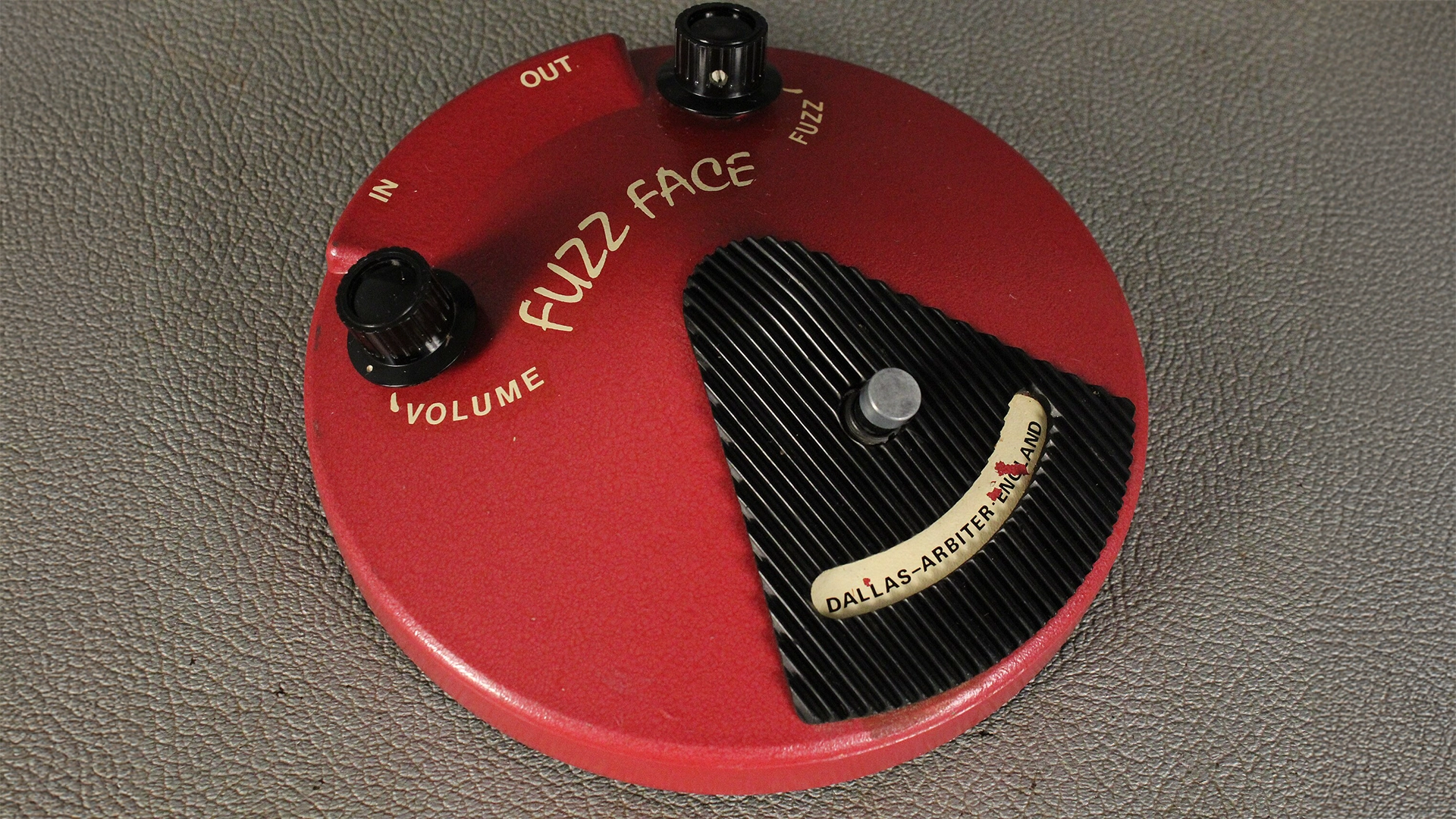
The Fuzz Face circuit proves that sophistication doesn't require complexity. These two-transistor wonders offer a direct connection between your hands and your amp that more elaborate circuits can't match. From the Dunlop JDF2's germanium warmth to the Jackson Audio FUZZ's high-tech flexibility, today's options cover every possible interpretation of this classic sound.
The interactive nature of the Fuzz Face transforms it from a simple effect into an extension of your instrument. Master the volume knob cleanup, understand the placement requirements, and embrace the quirks like temperature drift or power needs. These aren't limitations but part of what makes each Fuzz Face feel alive under your fingers.
Whether you're drawn to the Analog Man Sun Face's boutique refinement, the JHS Smiley's studio-ready consistency, or the British Pedal Company Vintage's historical accuracy, remember that the magic lives in that relationship between your guitar and those two transistors. The KingTone miniFuzz puts professional control at your feet, while the Dunlop Mini Germanium and Mini Silicon make classic tones pedalboard-friendly. For those seeking unique flavors, the SolidGoldFX If 6 Was 9 adds EQ refinement, the Jam Pedals Fuzz Phrase brings artisan touch sensitivity, and the Dunlop JHMS4 Authentic Hendrix '68 Shrine Series Band of Gypsys Fuzz captures Hendrix's final fuzz voice. Even the Dunlop JHF1 silicon model offers its own take on the Hendrix legacy with modern reliability.
Top Ranked Fuzz Effects Pedals on Equipboard
-m.webp?v=1784934438)


About the authors

S. Jino is an accomplished multi-instrumentalist and music producer based in Kolkata, India, distinguished by his self-taught mastery and unique blend of technical acumen and musical performance. His extensive experience was forged through hands-on dedication, starting with the full restoration of a broken guitar. Jino's capabilities span keyboards, pedals, and advanced digital production, reflecting a comprehensive skill set developed independently. As a significant contributor to the music scene, Jino regularly performs with worship bands and college ensembles. He has also established himself as a reliable and authoritative professional in freelance mixing, mastering, and original music creation. Inspired by the innovative sounds of Brian May and David Gilmour, and influenced by Kolkata's vibrant metal community, Jino is committed to the intricate art of vintage gear restoration and the continuous exploration of music and technology fusion. His current professional setup, featuring a meticulously restored nameless guitar, a Fender Player Strat, and a Boss Katana 50. Read more
New in Fuzz Pedals

$169.00 - $188.20
in Fuzz Effects Pedals Rank

$95.00 - $99.00
in Fuzz Effects Pedals Rank


$123.76 - $136.10

$148.00 - $149.00
in Fuzz Effects Pedals Rank


$119.00 - $152.00

$159.00 - $169.99


$155.54 - $179.00
in Fuzz Effects Pedals Rank


.jpg)






.webp)
.jpg)

.jpg)