The Ultimate Guide to Guitar Pedal Order: Craft Your Perfect Sound

By Gear Experts

By Gear Experts
Table of Contents

Equipboard
Equipboard is the world's largest community of artists and their gear. Read our review process.
We are reader-supported. When you buy through links on our site, we may earn an affiliate commission. Learn more.
Pedals are a must-have for any modern guitarist who wants to create a unique, stylistic sound from an instrument with centuries of culture behind it. While each pedal has a clearly defined function, the way in which you position it on the pedalboard can significantly affect your overall sound, offering countless possibilities for tonal and textural creativity.
In this guide, we’ll take a look at the best pedal order for different types of pedals and playing styles. Whether you play blues, rock, metal, or ambient music, knowing how to arrange your pedals will help you get the most out of your setup and nail that perfect sound.
What is the Signal Chain?
The signal chain is the sequence in which your guitar’s signal passes through each pedal before reaching your amplifier. The order in which pedals are arranged in the chain can drastically change how they interact with each other. While there are general guidelines for pedal order, there is no one best way to order pedals. Experiment and find what suits your musical style and sound.
Standard Guitar Pedal Order
1. Tuner Pedal

- Purpose: To ensure your guitar is in tune.
- Placement: First in the chain.
The tuner pedal identifies and displays which strings are out of tune and also provides the convenient option of muting your playing while you tune. Pedals are among the most accurate tuning devices, as they are directly plugged into your instrument. To get the most accurate read, make sure to put the tuner first in your chain. If not, other pedals could mess with its readings.
2. Filter Effects (Wah, Auto-Wah)

- Purpose: To alter the frequency response of your guitar signal, typically creating a sweeping effect.
- Placement: Before the compressor and after the tuner.
Filters like wah pedals are placed early in the chain so they can shape the raw tone, allowing the effect to be more pronounced and responsive to your playing dynamics. Wah pedals are key for that expressive, rhythmic feel in blues and funk. Putting them first helps the effect shine, especially during those lead solos.
3. Dynamic Effects (Compressor)

- Purpose: To even out the dynamics of your playing by reducing the volume of loud notes and increasing the volume of soft notes.
- Placement: After the tuner but before gain stages.
A compressor goes early in the chain because it helps manage the loudness of your notes before they hit other pedals. For country and clean playing styles, a compressor can add sustain and clarity to your tone, which is key for tight, clean sounds.
4. Gain-Based Effects (Overdrive, Distortion, Fuzz)

- Purpose: To add grit, crunch, or heavy distortion to your signal.
- Placement: After filters and the compressor.
Gain-based effects usually come after filters in your guitar pedal order so that the raw signal gets shaped first before any distortion. This setup also keeps your distortion from being messed up by later modulation or time-based effects. For metal guitarists, distortion and fuzz pedals are crucial for a heavy, aggressive sound. Stacking a few gain pedals can add even more saturation!
5. EQ (Equalizer) Pedals

- Purpose: To shape the frequency response by boosting or cutting specific frequency bands.
- Placement: After gain stages.
An EQ pedal helps you find the sweet spot for your guitar’s frequency range so it stands out in the mix. By placing the EQ after the gain stages, you can tweak your tone, boosting or cutting frequencies to make sure your sound fits perfectly with everything else.
6. Modulation Effects (Chorus, Phaser, Flanger)
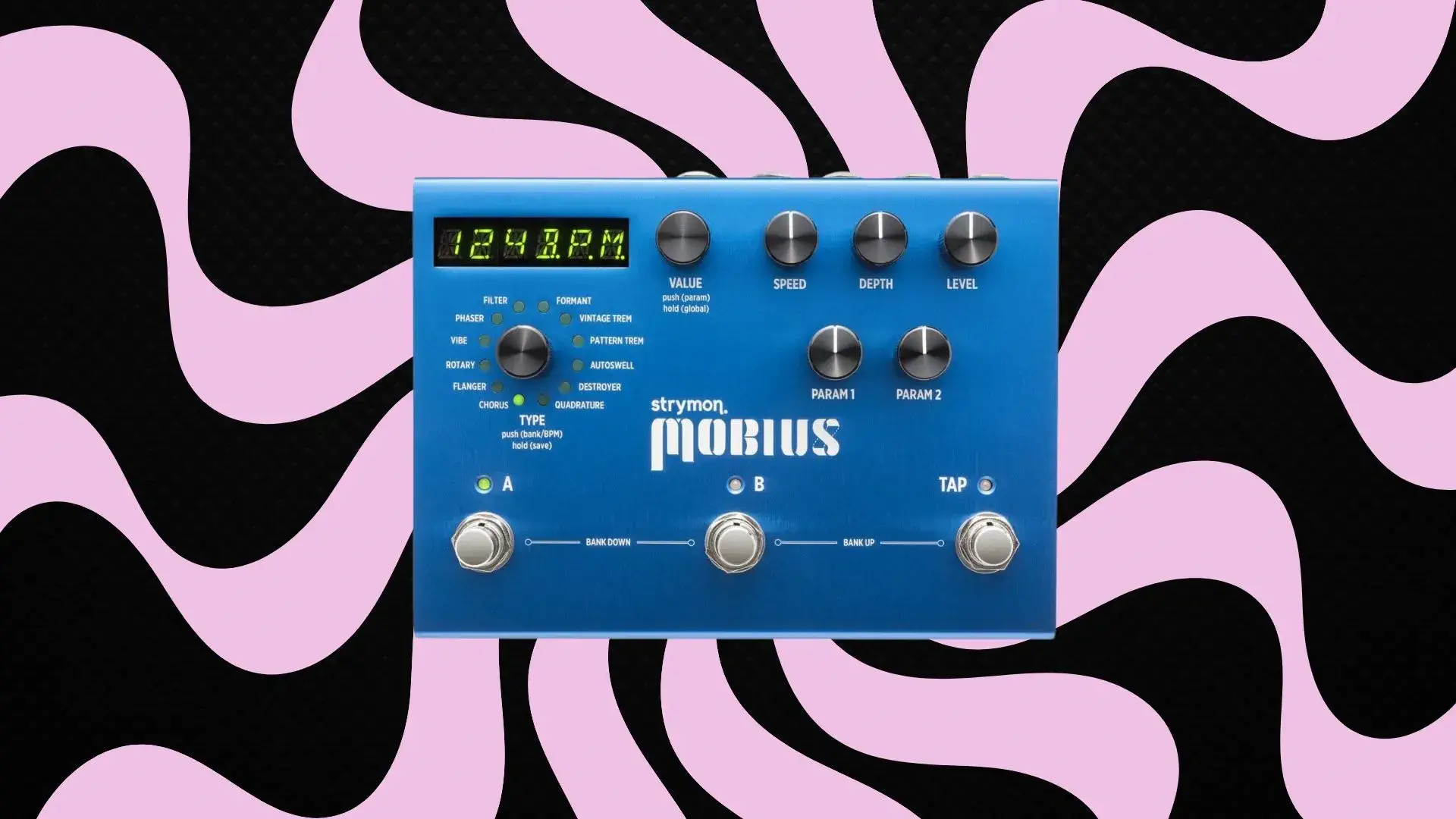
- Purpose: To modulate aspects of your signal, such as pitch, phase, or timing, adding depth and movement to your tone.
- Placement: After gain stages.
Modulation effects should go after gain so they can add movement to the already-distorted signal, making your sound richer and more complex. If you place them before gain, they might get lost in the distortion or become too subtle.
For psychedelic rock and experimental styles, pedals like phasers and flangers are crucial for those swirling, otherworldly sounds. Putting them after distortion makes these effects stand out more.
7. Pitch-Based Effects (Octave, Harmonizer, Pitch Shifter)

- Purpose: To alter the pitch of your guitar signal, either by adding an octave, harmonizing, or shifting the pitch.
- Placement: After modulation effects.
Pitch effects go after gain and modulation so they can work with the fully-formed signal, making sure pitch changes are clear and precise. Octave pedals can add depth to your sound, and harmonizers can create rich, layered harmonies. These effects are especially useful for solos and heavy riffs in rock and metal.
8. Time-Based Effects (Delay, Reverb)
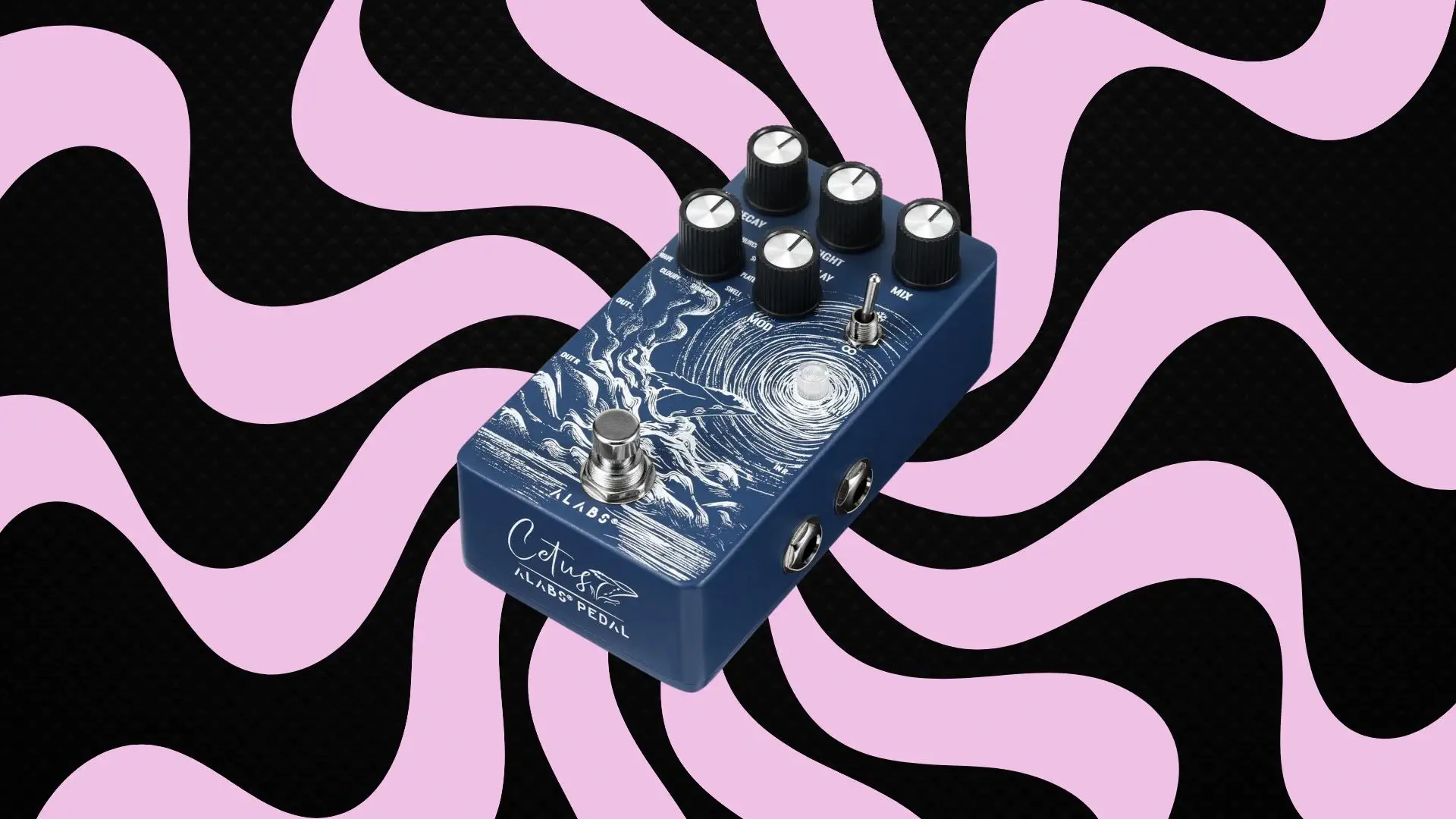
- Purpose: To add echoes (delay) or ambiance (reverb) to your signal, creating a sense of space and depth.
- Placement: After modulation and pitch effects, typically at the end of the chain.
Time-based effects should go very last in the effects pedals chain so they process the final, fully-shaped tone. This way, delays and reverbs will reflect the sound you’ve created with all the previous effects, adding the finishing touches to your overall sound.
9. Volume Pedal
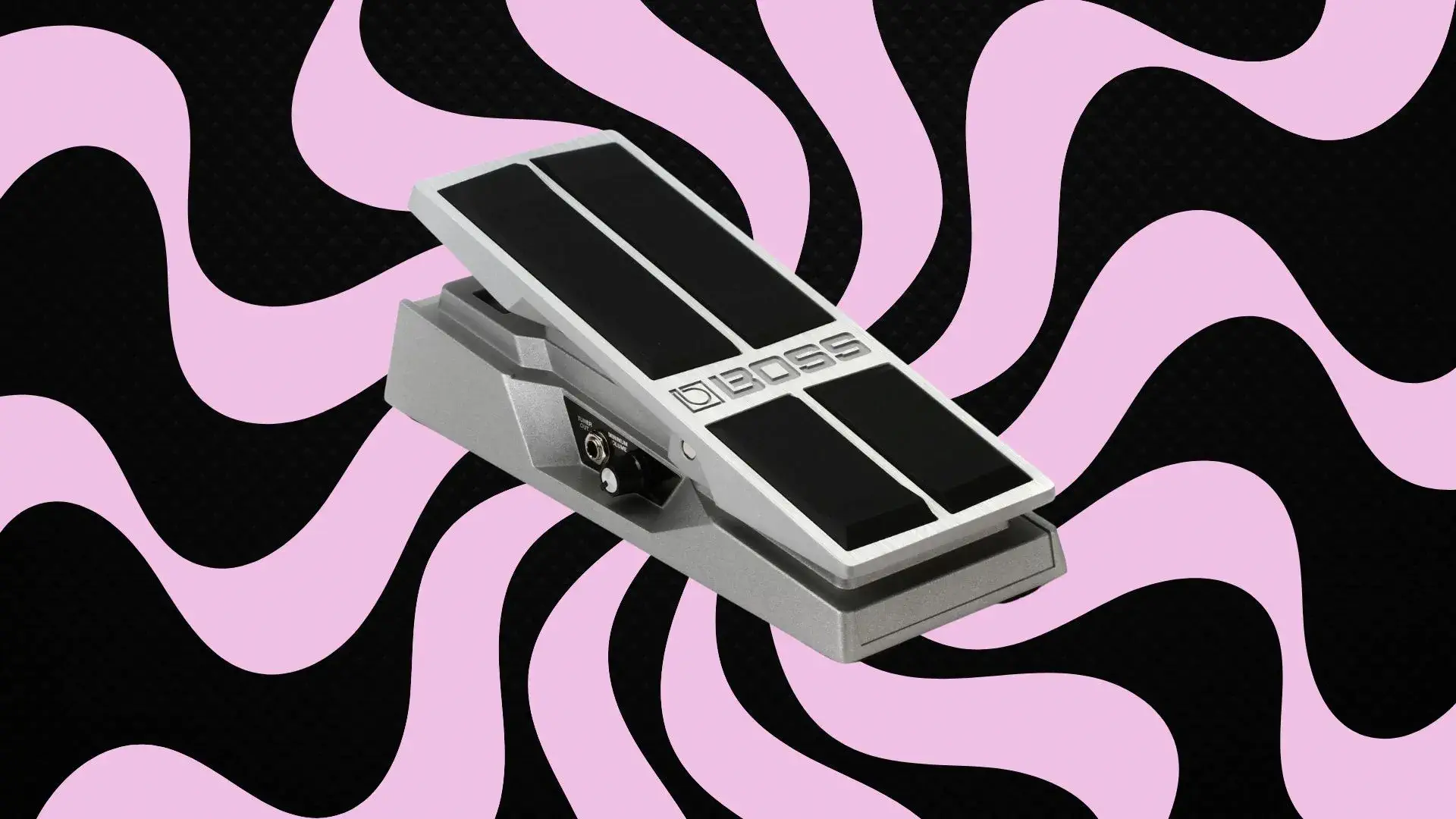
- Purpose: To control the overall volume of your signal.
- Placement: Often placed at the end, but can also be placed between gain stages and modulation effects.
If you put a volume pedal at the start of the chain, it can mess with the dynamics of the signals going into your gain pedals. Placing it at the end, however, lets you control the overall output level, making it perfect for volume swells without changing your tone.
10. Noise Gate

- Purpose: To eliminate unwanted noise or hum when the guitar isn’t being played.
- Placement: After gain stages and before modulation or time-based effects.
Noise gates are a bit less common but are usually placed after gain stages to cut down on the noise that high-gain pedals can create. By putting them before modulation and time-based effects, you prevent them from chopping off echoes or reverb trails. They’re crucial for keeping your signal clean during heavy riffs and fast playing. Just tweak the threshold to find the right balance between cutting out noise and keeping your signal intact.
Alternative Guitar Pedal Orders
Stacking Gain Stages
Some guitarists, including John Frusciante, Bret Mason, Buck Dharma, and many, many more, like to stack several overdrive or distortion pedals to get a richer, more textured gain sound. Playing around with the order of these pedals can give you some unique tonal combinations. For example, putting an overdrive pedal before a distortion pedal can create a dynamic lead tone with extra sustain and warmth.
Modulation Before Gain
While modulation effects usually go after gain, putting them before can create a subtler effect that blends with the distortion, resulting in a smoother, more integrated sound. I highly recommend experimenting with this placement, as you can get plenty of interesting and unconventional sounds.
Delay Before Gain
Placing a delay before gain isn’t the usual approach, but it can give you a lo-fi, chaotic echo effect, especially with fuzz or heavy distortion. The gain stage will distort the delayed repeats, resulting in a more characterful but less defined sound. I like this setup for creating an atmospheric, slightly degraded delay, especially on introspective or ambient tracks.
Reverb Before Gain
Putting reverb before gain is an unconventional move but can result in a unique, washed-out effect where the reverb gets distorted. This setup is great for achieving a dreamy, shoegaze vibe. It’s also great for that massive, ethereal wall of sound, especially when combined with fuzz pedals.
Final Thoughts On Guitar Pedal Order
Though this guide covers the basics of pedal order for different guitar styles, it’s important to remember that there are no hard-and-fast rules for setting up your pedalboard. The "ideal" order is really up to you and depends on the sound you want to achieve.
The best thing you can do is experiment with different setups to find what works best for your style and music. Whether you’re going for old-school classic rock, aggressive heavy metal, or out-of-this-world ambient experimental sounds, knowing how to arrange your pedals gives you the tools to craft your perfect tone.
About the authors
Michael R. Pierce is the co-founder of Equipboard and a lifelong musician with over 25 years of experience as a guitarist and gear enthusiast. He blends solid music theory chops (thanks to formal training in guitar, piano, and trumpet) with real-world experience, always exploring and experimenting across genres like rock, blues, and hip-hop. Michael launched Equipboard in 2013 after graduating from The University of Texas at Austin, leveraging his unique blend of musical passion, technological acumen, and community building. His current go-to rig features a Fender American Original ‘50s Telecaster, Analogman King of Tone, Strymon Flint, and a Fender ‘57 Custom Champ. Read more
.jpg)