
Fennesz
Austrian electronic musician
Role
Genre
Group
Role
Genre
Group
Fennesz's Gear


[https://cycling74.com/articles/an-interview-with-christian-fennesz] In an interview with Cycling '74 Christian talks about the role that PPooll plays in his music: "I've been using this for many years, and I've gotten really used to it – this is my main software for live playing. It gives me everything I need: a sampler, loopplayer modules, a few synths ,effects , audio in, audio unit/vst connections, MIDI controllers, etc. It's like a toolbox or a studio on your laptop. I also use it in the studio in combination with logic 9 and X. I actually still use a quite old version of ppooll. I also have ableton live(with Max 4 Live) installed on my computers but i barely ever use it. It's a great piece of software but I think I can improvise much better in a live gig context when using ppooll."
Find it on:


-m.webp?v=1781847540)
In the fifth photo at the bottom labled: "Fennesz's worktop". You can see the MXR Blue Box on top of what looks like a EHX bucket brigade pedal and his custom master distortion box. It's a very fitting unit for Fennesz due to the fact it can give you a synthy bass/lead tone if played in the upper register to glitching, clanging walls of fuzz if played in the lower register on a guitar. It makes since that he'd uses this to run into his chain of pedals and plug-ins.
Find it on:


Throughout Fennesz' career effects pedals have played a crucial role both live and in the studio. In this live session you can see a Memory Man on the table possibly being used for additional delay, looping, as well as it's filter and the reverse delay feature, but who really could know other than the man himself.
Find it on:

"Do you send a signal to a guitar amp to use as an onstage monitor?
I use it to add a little amp color. The main sound is the stereo out from the mixer, but we have the amp miked up and the sound mixer adds a little of that to the total mix. My favorite amp is a Vox AC-15, but I can’t always get one and sometimes have to use a Fender amp. They are good as well."
From an article describe a collaboration between Ian Bellamy and Thomas Strønen.
Find it on:

"PD: So when you’re in the studio you use other software, other synthesis techniques –
F: Oh yeah, basically everything that’s available. My main working, composing tool is Logic. And I do use all the plugins, all the Hipnos and Pluggos and whatever – I do use Reaktor, I do use Guitar Rig."
Find it on:

That is a Soundhack Spectral Gate plug-in. You can set the attack and release time and control it with a MIDI controller or a sequencer. I am also using a custom analog distortion pedal that a friend of mine made for me.
Find it on:

I experiment and am always changing things in the studio, but when I play live or begin recording I use the same signal path. I start with a Fender guitar—a Stratocaster or a Jazzmaster, into a Boss FDR-1 Fender Deluxe Reverb pedal, which is a cheap preamp. It goes into a Boss PS-3 Digital Pitch Shifter/Delay pedal. From there the signal goes into my custom distortion box, and then directly into the laptop through an Apogee Duet (in the studio I use the Apogee Ensemble). On the laptop I have the Max/MSP patch, which is like a modeler/sampler/synthesizer thing. From the laptop, I go into a Mackie mixer, which sends a mono signal to an amp and a stereo signal to the house.
Find it on:

"PD: Have you tried Kore, from Native Instruments?
F: No, but that sounds interesting to me. I use Reaktor a lot in studio. I use a lot of Native Instruments software, but not for live playing."
Find it on:

"I experiment and am always changing things in the studio, but when I play live or begin recording I use the same signal path. I start with a Fender guitar—a Stratocaster or a Jazzmaster, into a Boss FDR-1 Fender Deluxe Reverb pedal, which is a cheap preamp. It goes into a Boss PS-3 Digital Pitch Shifter/Delay pedal. From there the signal goes into my custom distortion box, and then directly into the laptop through an Apogee Duet (in the studio I use the Apogee Ensemble). On the laptop I have the Max/MSP patch, which is like a modeler/sampler/synthesizer thing. From the laptop, I go into a Mackie mixer, which sends a mono signal to an amp and a stereo signal to the house."
From an article describe a collaboration between Ian Bellamy and Thomas Strønen.
Find it on:

I am always looking for the right balance between staying simple with the equipment and exploring new options: like new plug-ins, new software etc. For a while I had too many options in the studio; it was too much; I didn’t know where to start. I have been downsizing and now have a setup that works for me. I think it is more important to have good speakers than a lot of compressors. Though, I recently discovered the software modular synthesizer Aalto. It’s fantastic. I have been working with it a lot lately and I do program that.
Find it on:

He can be seen playing the Squier J mascis jazzmaster during soundcheck at 1.23
Find it on:


"I use a Max/MSP patch for real-time processing."
From an article describe a collaboration between Ian Bellamy and Thomas Strønen.
Find it on:
-m.webp?v=1781366263)
"I experiment and am always changing things in the studio, but when I play live or begin recording I use the same signal path. I start with a Fender guitar—a Stratocaster or a Jazzmaster, into a Boss FDR-1 Fender Deluxe Reverb pedal, which is a cheap preamp. It goes into a Boss PS-3 Digital Pitch Shifter/Delay pedal. From there the signal goes into my custom distortion box, and then directly into the laptop through an Apogee Duet (in the studio I use the Apogee Ensemble). On the laptop I have the Max/MSP patch, which is like a modeler/sampler/synthesizer thing. From the laptop, I go into a Mackie mixer, which sends a mono signal to an amp and a stereo signal to the house."
From an article describe a collaboration between Ian Bellamy and Thomas Strønen.
Find it on:

In a 2009 live performance at The V. Sessions in Paris, Fennesz can be seen using a Fender Jazzmaster.
Find it on:

As mentioned in the liner notes and official site for Szampler: “A collection of samples I made for my old Ensoniq EPS-16 Plus and ASR-10 samplers that I used between 1989 and 1996.” – Fennesz, 7 Jan 2010.
Find it on:

As seen in this 2006 concert starting 0:20.
Find it on:


-m.webp?v=1781854221)
As mentioned in the liner notes and official site for Szampler: “A collection of samples I made for my old Ensoniq EPS-16 Plus and ASR-10 samplers that I used between 1989 and 1996.” – Fennesz, 7 Jan 2010
Find it on:
-m.webp?v=1781861224)
[https://www.guitarmoderne.com/artists/spotlight-fennesz] While this is not Christian's amp of choice he mentions in an interview with Guitar Moderne that he uses Fender amps instead of a AC-15 when one is not available: "I use it to add a little amp color. The main sound is the stereo out from the mixer, but we have the amp miked up and the sound mixer adds a little of that to the total mix. My favorite amp is a Vox AC-15, but I can’t always get one and sometimes have to use a Fender amp. They are good as well".
Find it on:

Around the time that Venice was made Christian Fennesz started using the Line 6 Pod 2.0 amp modeler and FX processor to save the presets of his amps and effects. Now he has AC-30 and Fender amps in his Rider. So a POD isn't really comparable.
Find it on:

Fennesz is known to use the Boss DS-2 Turbo Distortion pedal, as seen in his performances at the Norwegian National Opera House and in a Boiler Room set. The Juno Reviews article mentions this gear in the context of his setup.
Find it on:

In the picture second to the bottom you can see to the left a RE-201 in Fennesz's studio. A great little tool for decaying tape delay and color to your tone.
Find it on:

GM: Have you been getting into the iPad apps like Borderlands and Samplr?
Fennesz: A friend of mine made Borderlands; it is fantastic.
Find it on:
-m.webp?v=1781708361)
A photo of various dirt pedals that Christian has used both live and in the studio
Find it on:
-m.webp?v=1781849523)
A photo of various dirt pedals he has used throughout his career.
Find it on:


Fennesz can be seen using a Midas Venice 160 throughout this 2006 performance. It's recognisable by its distinctive green branding on the back of the chassis, and its form factor, which is smaller than the bigger 240 and 320.
Find it on:

Were you processing Thomas or Ian in the studio or just yourself?
It was really quite basic. It was like jazz playing. I didn’t process their instruments, but of course I processed my guitar. I use a Max/MSP patch for real-time processing.
Find it on:

In this picture from Christian's Twitter/X you can see the Life Pedal version III in front of his monitor and beside his Mac.
Find it on:
-m.webp?v=1781850964)
In this picture from Christian's Twitter/X you can see the Superego+ to the right of the Life Pedal
Find it on:
This is a community-built gear list for Fennesz.
- Find relevant music gear like Guitars, Amplifiers, Effects Pedals, Studio Equipment, Software Plugins and VSTs, Headphones, and other instruments and add it to Fennesz.
- The best places to look for gear usage are typically on the artist's social media, YouTube, live performance images, and interviews.
- To receive email updates when Fennesz is seen with new gear, follow the artist.
Discography
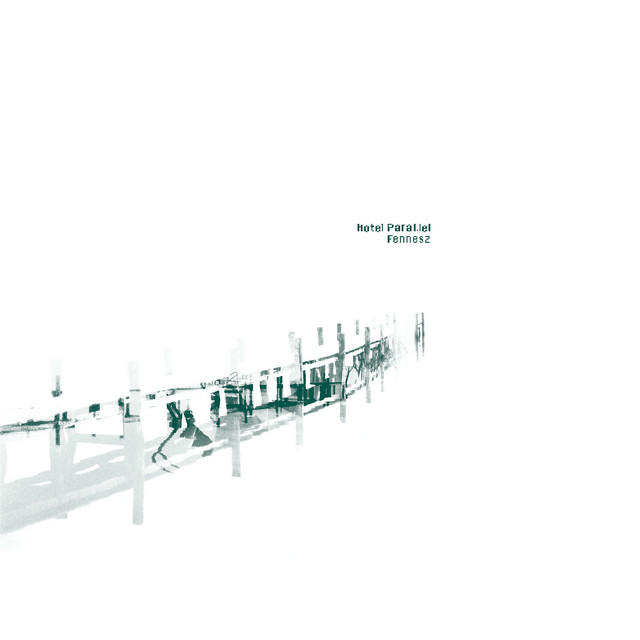
Hotel Paral.lel
1997
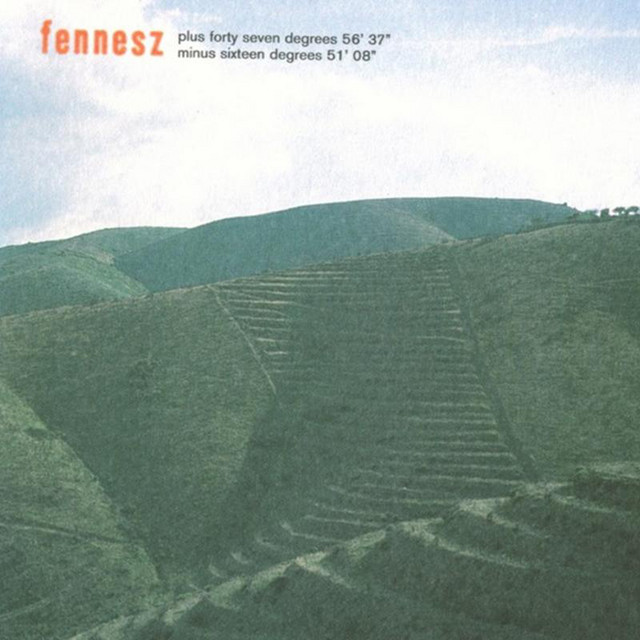
Plus Forty Seven Degrees 56' 37 Minus Sixteen Degrees 51'08
1999
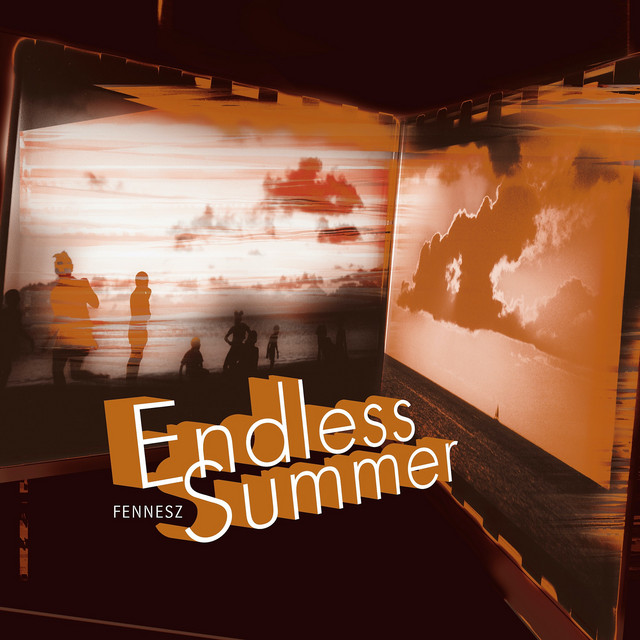
Endless Summer
2001
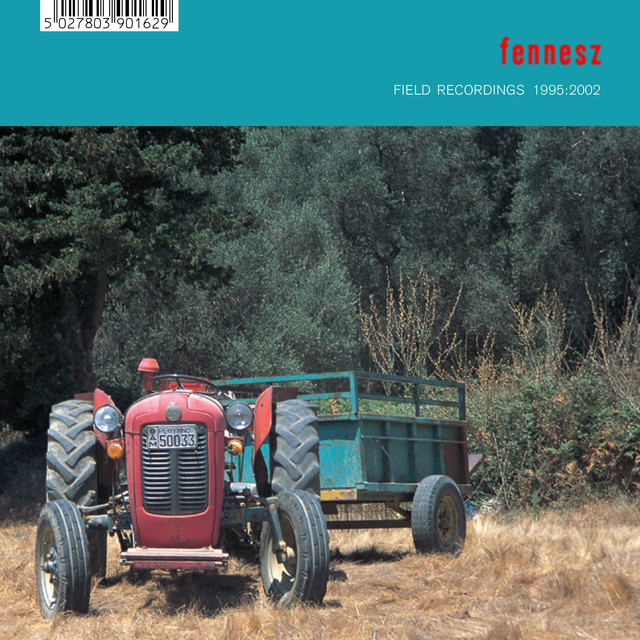
Field Recordings (1995-2002)
2002
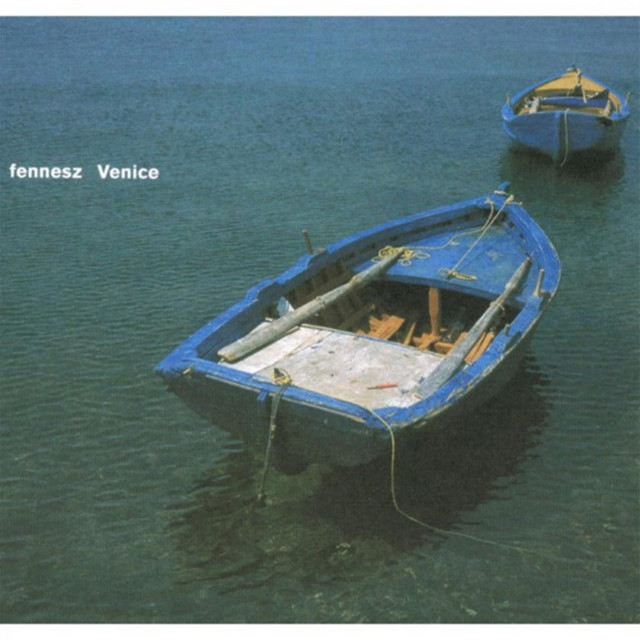
Venice
2004
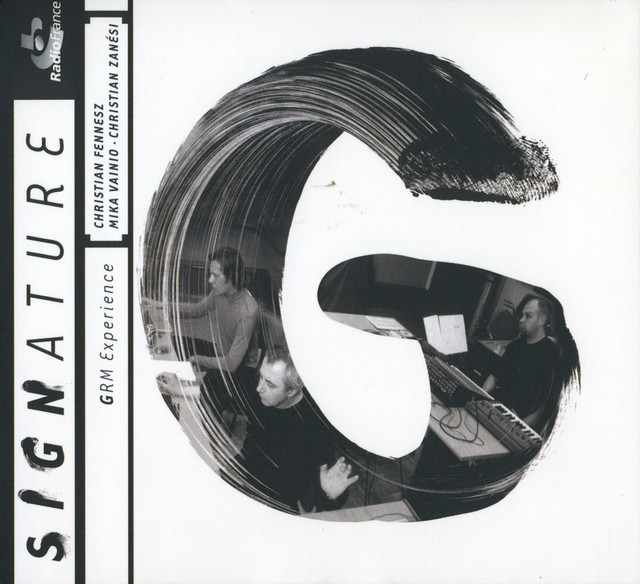
Fennesz, Vainio & Zanési: GRM Experience
2004
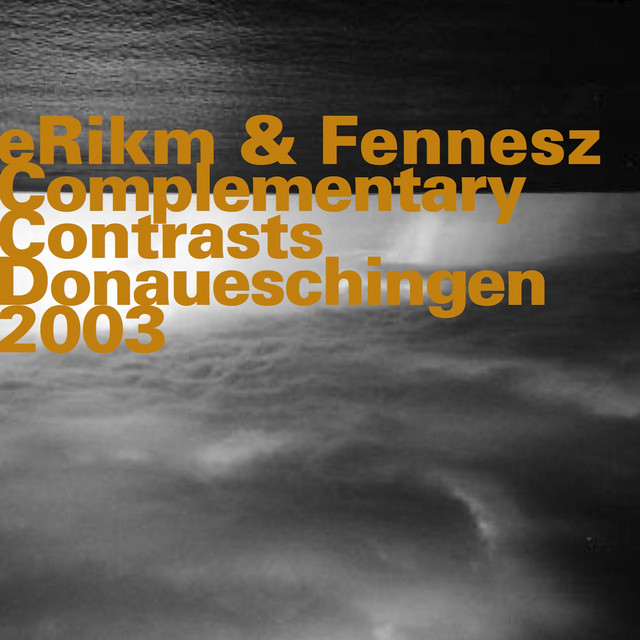
Donaueschinen 2003
2005
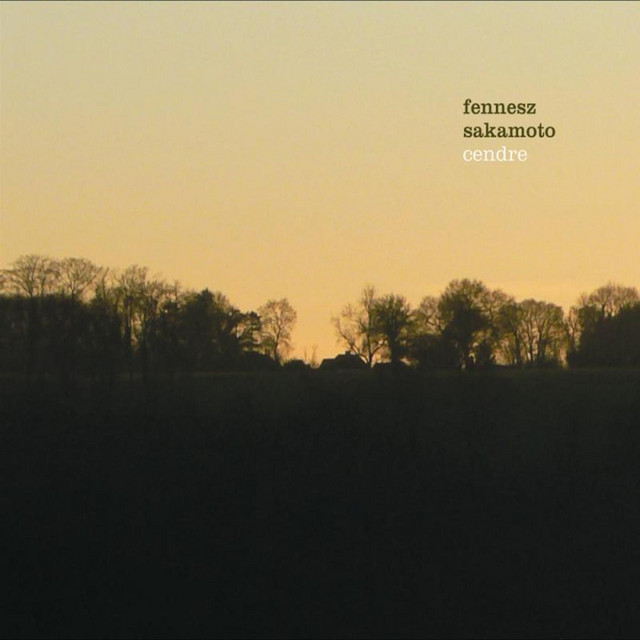
Cendre
2007
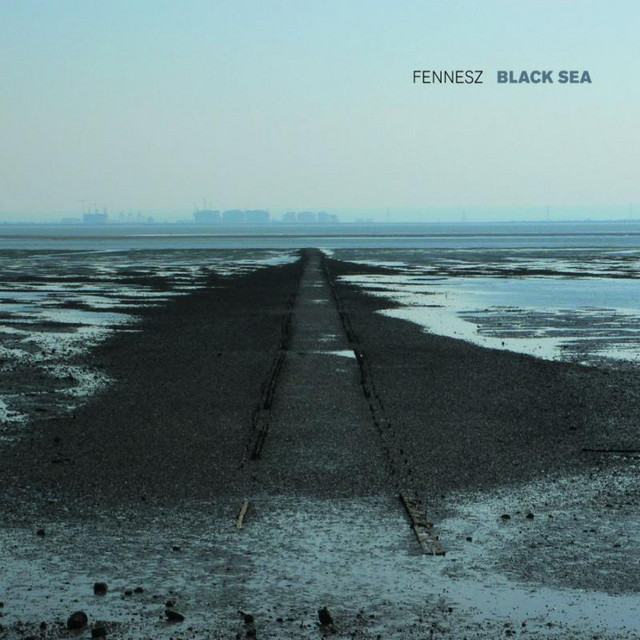
Black Sea
2008
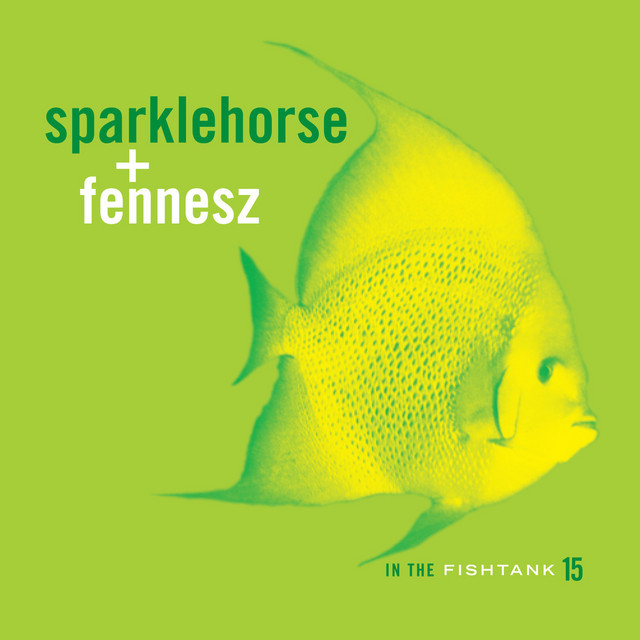
In The Fishtank 15
2009
Something That Has Form And Something That Does Not
2010
Knoxville
2010
Album Credits



