J Dilla
US producer and rapper aka Jay Dee
Role
Genre
Role
Genre
J Dilla's Gear



In this video Mastering Engineer Dave Cooley talks about some of the equipment J Dilla used while living in LA during his time working with him including the Korg Electribe (Esx-1) among other pieces, at 15:50.
Find it on:


In this tribute to J-Dilla on Stones Throw's official site, Karriem Riggins says, "They brought him a little Boss [SP] 303 sampler and little 45 record player.....That's what brought him through to make a lot of music that we hear on Donuts."
Find it on:

J Dilla owned MPC 3000LE #499, which his mother Maureen Yancy donated to the National Museum of African American History & Culture in 2014. The Smithsonian Institution catalogs it under object number 2014.139.1 and dates it to the year 2000.
This MPC 3000LE previously appeared in a series of photographs taken in summer 2005—during the recording of The Shining, according to Stones Throw Records—by Raph Rashid for Behind the Beat: Hip-Hop Home Studios (the photos can be seen here, here, here, here, here, and here). Dilla himself mentioned it in his final interview, published in the May/June 2006 issue of Scratch.
Scratch: I’m assuming you got some equipment out in L.A. right?
J. Dilla: I got the basics. An MPC, a couple of turntables, and that’s really it.
Scratch: What equipment did you start with?
J. Dilla: I started with the SP-12 then moved to the SP-1200. Then shortly after thatt the MPC 60, then MPC60 mkII, then the MPC3000, and I’ve been on the MPC3000 ever since then. I’ve tried other samplers but the 3000 is the best for me for what I like do.
Scratch: What about it specifically?
J. Dilla: It’s just easier for me to program and I like the node offs and mono pads. I can just do more with it I guess ’cause I know it better.
Dan Charnas' Dilla Time: The Life and Afterlife of J Dilla, the Hip-Hop Producer Who Reinvented Rhythm (2022) provides further information. Information about J Dilla's hospital setup, which he used to finalize Donuts, is given on page 289, while the story of how Maureen donated the MPC 3000LE to the Smithsonian is recorded on page 333.
pg. 289
Maureen was concerned for her son’s mental well-being as much as his physical health. She asked Maurice to bring some more of James’s production equipment to use in the moments when he felt well enough. Maurice retrieved his MPC, his Moog keyboard, a turntable, a laptop computer, an audio interface, and a crate of records. He took the equipment and set it up at James’s direction on several brown snack trays that could be rolled to the bed or away from it. Sometimes James would fiddle with his music while lying in bed, and at others Maurice would help James into a wheelchair, lock the wheels, and set him before the equipment. Maureen massaged James’s stiff, aching fingers for hours so he could work for a few minutes. When James stabilized, Maurice would pack up the equipment and take it home; when James took a turn for the worse, usually within a week or two, they’d all ride back to Cedars-Sinai and set everything up again, the extra snack trays for James and cot for Maureen already rolled in by staff who were, by now, very familiar with James’s exceptional situation.
pg. 333
[Timothy Anne] Burnside, a curatorial specialist and the Smithsonian's first large-scale collector of hip-hop artifacts, had been cultivating a relationship with Maureen Yancy since 2010. The following year, when she first visited the Yancey family's old house on Wexford in Conant Gardens, into which Maureen had moved again, she found her living in a virtual museum: platinum plaques for Busta Rhymes, Common, and Roots albums; a framed, gentle portrait of James taken in a supply closet at A&M by Brian Cross; another of a grade-school James sitting in a wicker chair; and dozens of pieces of fan art given to Ma Dukes in her world travels: watercolors, oil paintings, collages, and graphic design depicting James in settings from the real to the surreal. Burnside mustered the nerve to ask whether Maureen might consider donating her son's most precious possession, the item depicted in many of the photos and paintings around her: his Akai MPC3000 drum machine. But Maureen wasn't ready to let go. It took Maureen several more years to make the decision to donate two pieces of equipment: the MPC and Dilla's cherished Minimoog. When Burnside returned to Detroit to pick them up, she had no idea what Maureen and Jonathan Taylor went through to get them: John Yancey had left the equipment in the home of an ex-girlfriend, who then put them in a storage facility in San Diego, and Frank was dispatched with a blank check to reimburse her and retrieve James' equipment.
Find it on:

Seen at 1:45, the awkward stalk of the vocoder microphone can be spotted atop the knobbed interface of the Microkorg.
Find it on:


I cant find anything were he is talking about it. But the picture ive provided clearly shows him working on the Soundtracs Topaz.
Find it on:

Nodfactor re-publishes an article from a February 2006 edition of Scratch magazine where Alvin “Aqua Boogie” Blanco interviews J-Dilla. Aqua Boogie asks what equipment did J-Dilla start with, to which he replies “I started with the SP-12 then moved to the SP-1200 and then shortly after that the MPC-60, then the MPC-62, then the MPC3000 and I’ve been on the MPC 3000 ever since then. I’ve tried other samplers but the 3000 is best for me for what I like to do.”
Find it on:


Quote direct from article:
"There was an MPC 2000 [drum machine] in his basement. He religiously used the MPC 3000. Well, ?uestlove broke a disc inside the 2000. Dilla said, "If you can get it out, you can take it to crib and keep it." I got it out, made three tracks that weekend, left them there to see what he would say. He called me like, "Goddamn, dog! You made that shit!?" For him to say that meant a lot."
Find it on:
-m.webp?v=1781967532)
In this video, J. Rocc and others open J Dilla's storage locker, and he recounts a story with J Dilla at 20:54:
"...and they sent him THIS. He hit me up, 'J. Rocc, I've got the Moog back man, I'm back in business baby!' I was like, 'C'mon man! What?' It was on the TV tray... he was like, 'I got the keyboard back!' He was waiting for this..."
Find it on:

In this image, you can see a Technics SL-1200 Mk2 in the background next to a DJ mixer.
Find it on:

In this image, J Dilla is seen in his home studio with a Numark PT-01 portable Record Player to the RIGHT of his MPC 3000.
Find it on:





Nodfactor re-publishes an article from a February 2006 edition of Scratch magazine where Alvin “Aqua Boogie” Blanco interviews J-Dilla. Aqua Boogie asks what equipment did J-Dilla start with, to which he replies “I started with the SP-12 then moved to the SP-1200 and then shortly after that the MPC-60, then the MPC-62, then the MPC3000 and I’ve been on the MPC 3000 ever since then. I’ve tried other samplers but the 3000 is best for me for what I like to do.”
Find it on:

Nodfactor re-publishes an article from a February 2006 edition of Scratch magazine where Alvin “Aqua Boogie” Blanco interviews J-Dilla. Aqua Boogie asks what equipment did J-Dilla start with, to which he replies “I started with the SP-12 then moved to the SP-1200 and then shortly after that the MPC-60, then the MPC-62, then the MPC3000 and I’ve been on the MPC 3000 ever since then. I’ve tried other samplers but the 3000 is best for me for what I like to do.”
Find it on:

Nodfactor re-publishes an article from a February 2006 edition of Scratch magazine where Alvin “Aqua Boogie” Blanco interviews J-Dilla. Aqua Boogie asks what equipment did J-Dilla start with, to which he replies “I started with the SP-12 then moved to the SP-1200 and then shortly after that the MPC-60, then the MPC-62, then the MPC3000 and I’ve been on the MPC 3000 ever since then. I’ve tried other samplers but the 3000 is best for me for what I like to do.”
Find it on:
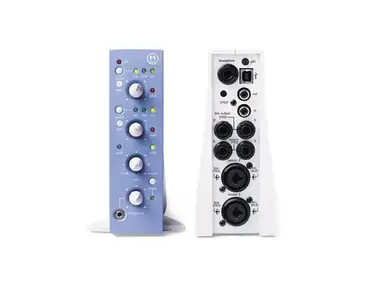
An MBox can be seen in a photograph of J Dilla's home studio taken in summer 2005—during the recording of The Shining, according to Stones Throw Records—by Raph Rashid for Behind the Beat: Hip-Hop Home Studios. It was reposted to Instagram by ASTÉTICAS on February 6, 2022, in the top-right corner of this Instagram post's fourth slide.
Find it on:

An iPod can be seen in a photograph of J Dilla's home studio taken in summer 2005—during the recording of The Shining, according to Stones Throw Records—by Raph Rashid for Behind the Beat: Hip-Hop Home Studios. It was reposted to Instagram by ASTÉTICAS on February 6, 2022, in the top-right corner of this Instagram post's fourth slide.
Find it on:

At 0:32 in this video, Dilla can be seen standing with the RMI Electra-piano in his studio.
Find it on:

Besides the Soundtracs Topaz, the Alesis BRC can also be seen in this picture.
Find it on:
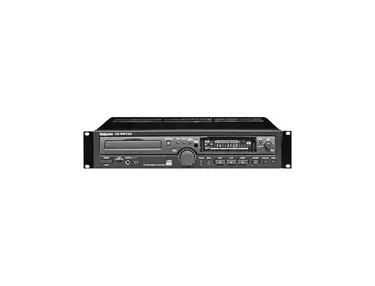
A TASCAM CD-RW700 can be seen with J Dilla's iPod Classic on top of it in the provided image.
Find it on:

In this Youtube video posted February 7, 2026, creator The Crates Motel states that a former engineer who worked with J Dilla confirmed, in direct conversation, that J Dilla used the ACP88 extensively.
In addition to this video, Detroit producer Brandon Williams "B. Williams" stated in a post from his personal Gearspace account that he worked with Dilla for several years and that he did indeed use the ACP88 extensively.
Allow me to chime in here since I did sit side by side with him for a few years. The 'magic' in his sound was the MPC3000, his trusty Presonus ACP88 and HIS EARS.
Find it on:
This is a community-built gear list for J Dilla.
- Find relevant music gear like Microphones, Headphones, Studio Gear, Studio Equipment, Software Plugins and VSTs, and other instruments and add it to J Dilla.
- The best places to look for gear usage are typically on the artist's social media, YouTube, live performance images, and interviews.
- To receive email updates when J Dilla is seen with new gear, follow the artist.
Discography
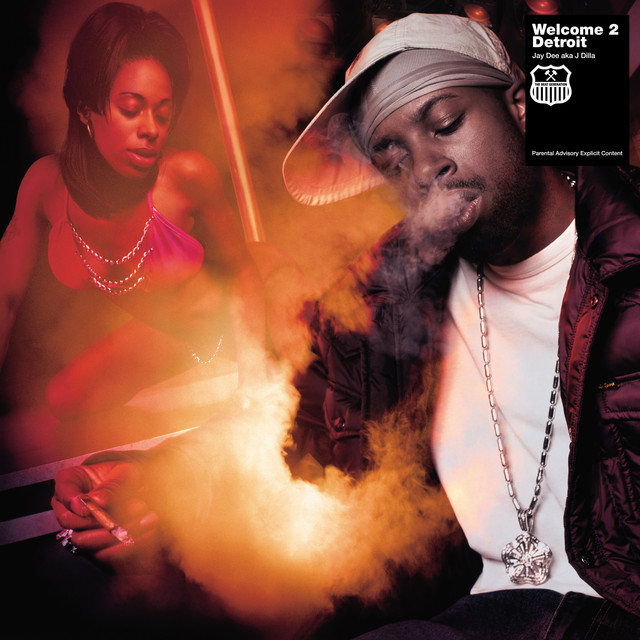
Welcome 2 Detroit
2001
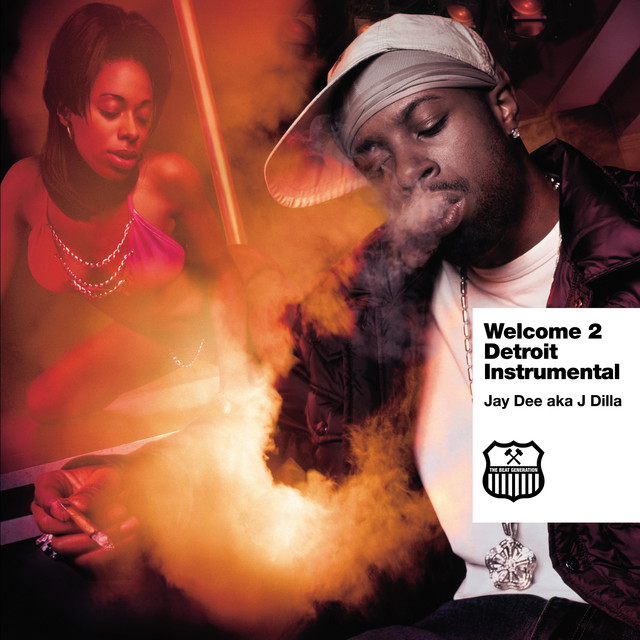
Welcome 2 Detroit Instrumental
2001
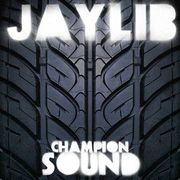
Champion Sound
2003
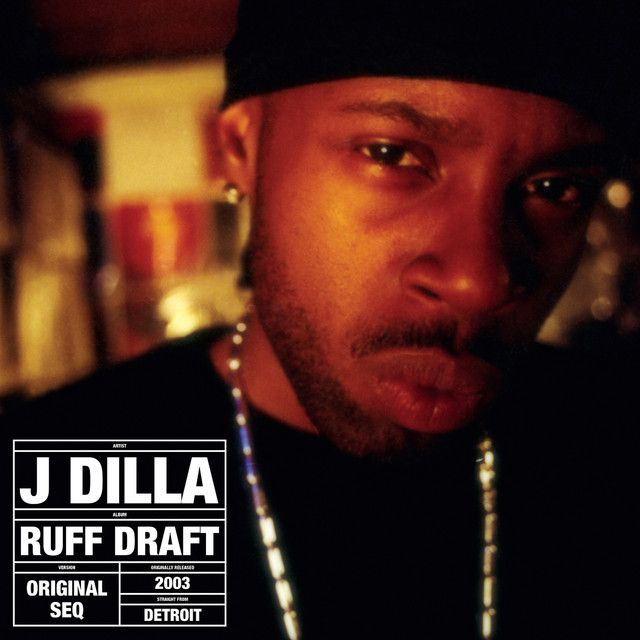
Ruff Draft (Dilla's Mix)
2003
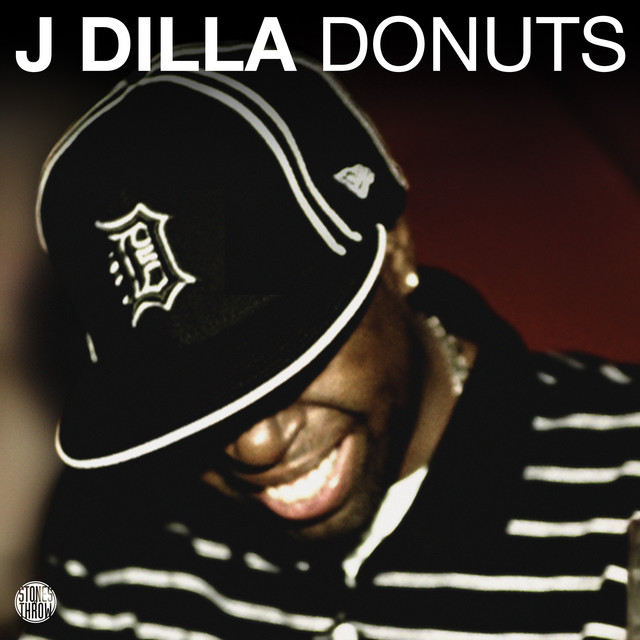
Donuts
2006
The Shining
2006
The Shining Instrumentals
2006
Jay Deelicious 95-98 - The Delicious Vinyl Years (Originals, Remixes & Rarities)
2007
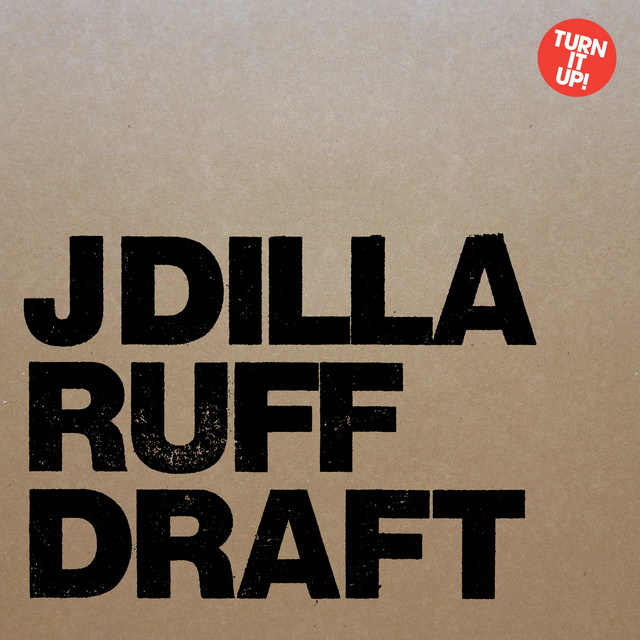
Ruff Draft
2007

Jay Love Japan
2007
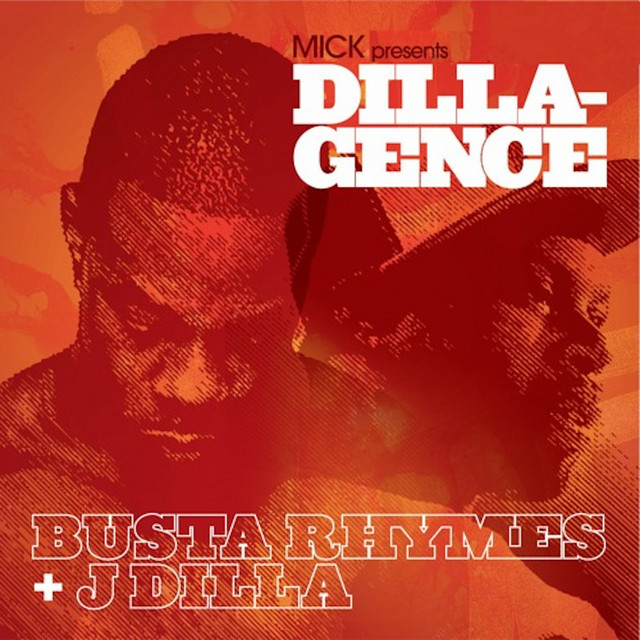
Dilla-gence
2008
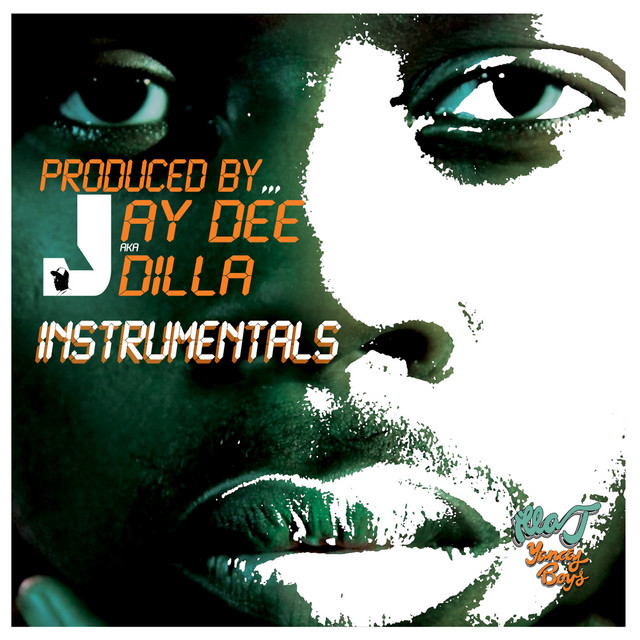
Yancey Boys (Instrumentals)
2009
Album Credits
-

Sean Combs & Diddy & Diddy · 2023
Producer -
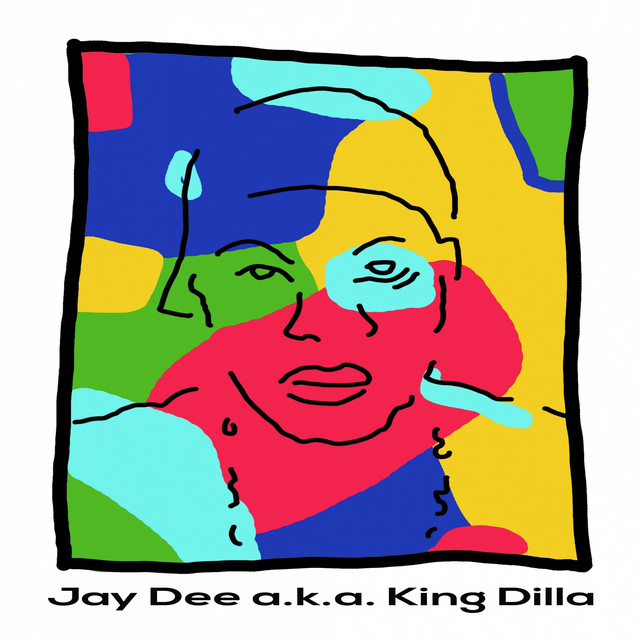
J Dilla · 2016
Producer -
Joey Bada$$ · 2015
Producer -
Joey Bada$$ · 2012
Producer -
New Amerykah Part Two: Return Of The Ankh
Erykah Badu · 2010
Producer -

MF Doom & King Geedorah · 2010
Producer -
MF Doom & King Geedorah · 2009
Producer -
J Dilla · 2009
Producer -
Guilty Simpson · 2008
Producer -
J Dilla & Busta Rhymes · 2008
Producer -
Q-Tip · 2008
Producer -
Eric Roberson · 2007
Producer