


Pricing and availability
We compare 600+ stores and found this item at 1 store. Prices updated .
Store
Reviews
Price




* Product prices and availability are updated by Equipboard every 24hrs and are subject to change. Equipboard may receive compensation for purchases made at participating retailers linked on this site. This compensation does not affect what products or prices are displayed, or the order of prices listed. For more information, please refer to our affiliate disclosure.
Description
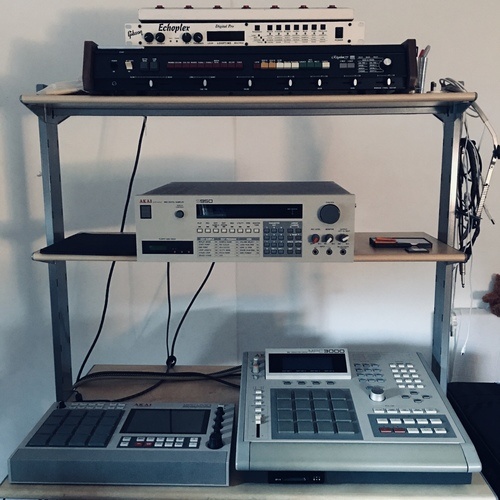
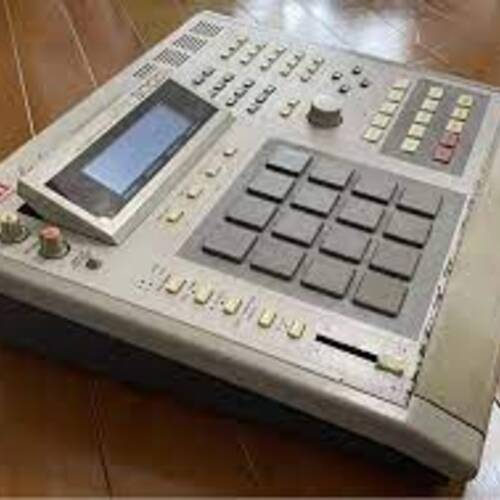
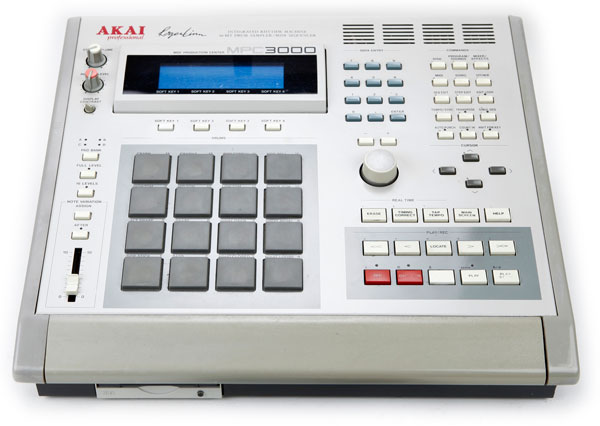
Introducing the iconic Akai MPC 3000, a game-changer in the world of music production. This production and groove powerhouse transformed the landscape of rap, hip-hop, and R&B in the mid-90s. As an upgrade to the famed MPC60, the MPC 3000 became a go-to choice for legendary artists such as Dr. Dre and Puff Daddy. Boasting a 44.1Khz sampling rate, an impressive 99 track sequencer, and a 32-note polyphony synthesizer, the MPC 3000 was and still is, an all-in-one solution for anyone seeking to recreate the magic of 90s production. With the Akai MPC 3000, you're not just buying a piece of equipment; you're stepping into a rich history of music creation.
Key Features:
- 44.1Khz sampling rate
- 99 track sequencer
- 32-note polyphony synthesizer
Product specs
| Brand | Akai |
| Model | MPC3000 MIDI Production Center |
| Finish | Grey |
| Year | 1993 - 2001 |
| Categories | Drum Machines, Samplers |
| Analog / Digital | Digital |
| MIDI I/O | MIDI Input, MIDI Output, USB MIDI |
| Number of Pads | 16 Pads |
| Polyphony | 32 Voices |
FAQs
-
What are the standout features of the Akai MPC 3000's sound engine?
-
The Akai MPC 3000 features a 32-voice polyphony and 16 responsive pads, allowing for complex rhythm and sound layering. Its digital sampling capabilities are renowned for their warmth and punch, making it a classic choice for hip-hop and electronic music production.
-
Is the Akai MPC 3000 compatible with modern DAWs?
-
The MPC 3000 offers MIDI Input, Output, and USB MIDI, enabling integration with modern DAWs. However, users may need additional MIDI interfaces or adapters for seamless connectivity with newer software environments.
-
How does the Akai MPC 3000 compare to contemporary drum machines?
-
The Akai MPC 3000 is celebrated for its robust build and iconic sound, offering a tactile experience that many modern drum machines emulate digitally. While newer models may offer more features, the MPC 3000's simplicity and sound quality remain unmatched for many producers.
-
Can the Akai MPC 3000 be used for live performances?
-
Yes, the Akai MPC 3000 is well-suited for live performances due to its durable construction and intuitive interface, allowing for real-time sampling and sequencing. Its 16 pads offer dynamic control for live beat-making and sample triggering.
-
What kind of music is the Akai MPC 3000 best suited for?
-
The Akai MPC 3000 is ideal for hip-hop, electronic, and dance music production, thanks to its powerful sampling capabilities and the characteristic punch of its sound. Its versatility also makes it suitable for various other genres that require intricate beat production.
Videos

Vox
How J Dilla humanized his MPC3000
How J Dilla humanized his MPC3000
Vox
Machine Favourites: Ian Pooley on his MPC 3000 Pt. 1 (Electronic Beats TV)

Telekom Electronic Beats TV
the difference between the Akai mpc X vs. akai mpc 3000 quick comparison

DJ ROCK CEE TV
Should you buy an MPC 3000 in 2023?

PPIC
Exploring Gospel Samples on the MPC 3000

Celestial Soundscapes
Akai MPC X versus MPC3000 Sound Comparison Shoot Out

TONELAB
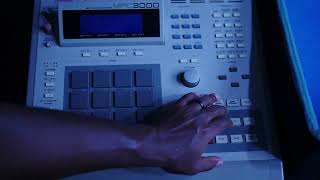
The Ultimate Guide and History To The Akai MPC 3000

Vintage Sampler
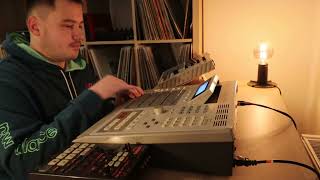
Akai MPC 3000 - First in 2023 | #mpc3000 |

vubeatz
Reviews
PROS
-
Unmatched sampling quality, superior to earlier models
-
Enhanced usability with a refined "Commands" section and menu buttons
-
Exceptional sequencer accuracy for precise rhythm recording
-
Unique swinging capabilities and sound that stands out
-
Offers a warm, fat, crispy sound quality
-
Ideal for house music with its distinctive filter
-
Encourages skill development in sampling and chopping
CONS
-
Steep learning curve for beginners
-
Chopping by ear and numbers might be challenging for some
Owner Insights
We analyzed real musician discussions from forums and Reddit to find what players love, question, and tweak about Akai MPC 3000.
Features and functionality
-
The MPC 3000's "velocity to start" feature is noted for creating dynamic drum performances quickly, which is difficult to replicate on other devices.
Source -
The MPC 3000 lacks WAV file support and only has a low-pass filter, which are significant limitations in modern music production environments.
Source -
The unique swing of the MPC 3000 is attributed to an unreplicable glitch, offering a natural feel that modern DAWs struggle to emulate.
Source
Comparisons
-
Some users argue that the MPC 3000's sound cannot be fully imitated by modern machines or software, despite claims of emulation features in newer models like the Live 2.
Source -
The Akai S2800 shares the same converters as the MPC 3000, offering a similar sound at a lower cost.
Source -
The MPC 3000, unlike newer MPC models, allows for programming without relying heavily on visual cues, fostering a more intuitive workflow.
Source
User experience
-
Owners report that the MPC 3000’s straightforward workflow (record, chop, assign, sequence) is both a strength and a limitation compared to more feature-rich modern gear.
Source
Mods and upgrades
-
An MPC 3000 fitted with an SD card reader, LED screen, and OS 3.5 is still valued for its natural drum sound and efficient workflow, even alongside modern apps.
Source
Use cases and applications
-
It's particularly effective for sequencing external hardware and sampling drums, with users often favoring it for hardware-exclusive setups.
Source -
Owners highlight the MPC 3000's sequencing capabilities as superior for integrating with outboard synths and hardware setups.
Source -
The MPC 3000 is celebrated for its ability to record grooves exactly as inputted, outperforming models like the 2000XL in capturing unquantized rhythms.
Source
Setup and maintenance
-
Expect potential maintenance costs as vintage MPCs often require repairs, which can surpass the initial purchase price.
Source
Value and pricing
Critic Reviews
5.0 out of 5
Based on 2 Reviews and 30 Ratings

A machine like no other that produces a sound like no other!
I've actually got an LE (#0773) and I've loved it ever since the day I purchased it. Do yourself a favor and buy one for that warm, fat crispy sound!

957
perfect!
golden machine! chopping using numbers is not a problem...some stuff can be quicker to do on say the 2000xl , but the sound of this machine is really good. top quality!
Artist usage
Add artist

"Frusciante extensively used his Clavia Nord Lead 2, a Casio SK-1, and the Akai MPC3000 on the album To Record Only Water for Ten Days. Other electronic instruments used during Frusciante's recent recording spree include a Chamberlain, a Moog Voyager, an Arp String Ensemble, a Korg MS10, and a late-1970s Synare analog drum synthesizer."

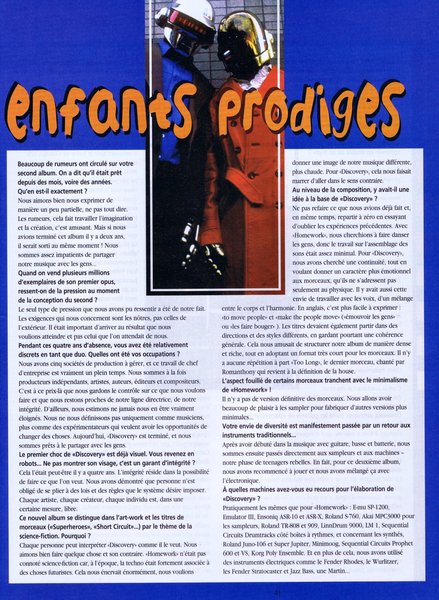
Per this March 2001 interview with Keyboards Magazine (FR), Daft Punk employed an MPC 3000 during the recording of Discovery.


In a Guitar Center interview conducted after Red Hot Chili Peppers' Californication tour, Flea is asked about what gear he uses for songwriting. He responds that along with a Mackie 16-channel mixer, Nord Lead synth, and Roland synth module, he uses the Akai MPC 3000 sampler.


Trent Reznor is confirmed to use the Akai MPC 3000 as part of the equipment list for recording "The Fragile," as documented in the Fragility Tour program. This information is sourced from nin.wiki.

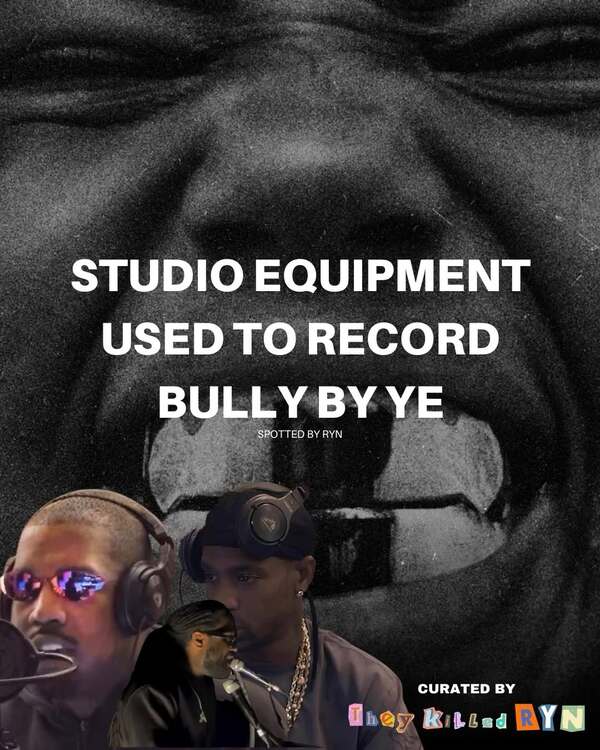
Kanye West used the Akai MPC 3000 during the recording of "Bully," as confirmed by an Instagram post from user theykilledryn. The post, dated April 11, 2026, includes a caption noting the studio setup for "Bully" by Ye, featuring equipment spotted by RYN.


In an interview with Scratch magazine, Dr. Dre says "I love using the MPC3000. I like setting up like four or five different MPC3000's, so I don't have to keep changing disks. So I have them all lined up, and I have different drum sounds in each one, and then we use one for sequencing the keyboard." A copy of the publication can be seen here.


Metro Boomin is confirmed to use the Akai MPC 3000, as evidenced by a photograph he shared on his own Twitter account, showcasing the equipment.

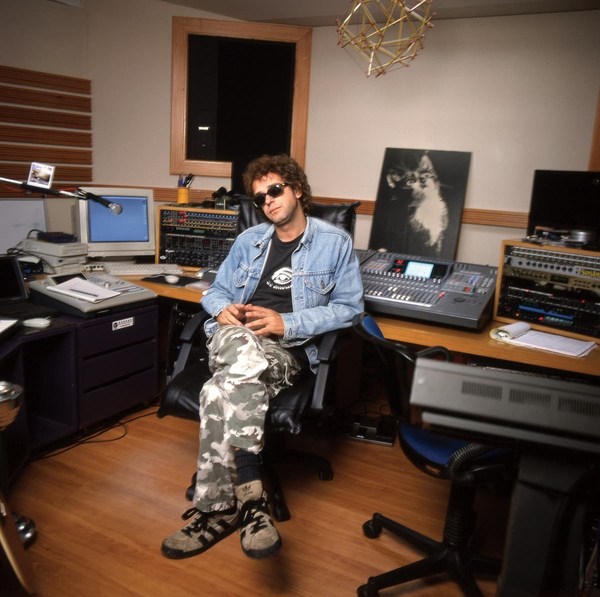
Aparte de la guitarra, el instrumento clave de Cerati fue la MPC. Uso desde la 60 hasta la 4000. Para Bocanada ya contaba com la MPC3000, pero también utilizó la 2000 y la 2000xl. En esta foto podemos ver parte de su estudio "Casa Submarina", del lado izquierdo podemos ver la MPC3000.

J Dilla owned MPC 3000LE #499, which his mother Maureen Yancy donated to the National Museum of African American History & Culture in 2014. The Smithsonian Institution catalogs it under object number 2014.139.1 and dates it to the year 2000.
This MPC 3000LE previously appeared in a series of photographs taken in summer 2005—during the recording of The Shining, according to Stones Throw Records—by Raph Rashid for Behind the Beat: Hip-Hop Home Studios (the photos can be seen here, here, here, here, here, and here). Dilla himself mentioned it in his final interview, published in the May/June 2006 issue of Scratch.
Scratch: I’m assuming you got some equipment out in L.A. right?
J. Dilla: I got the basics. An MPC, a couple of turntables, and that’s really it.
Scratch: What equipment did you start with?
J. Dilla: I started with the SP-12 then moved to the SP-1200. Then shortly after thatt the MPC 60, then MPC60 mkII, then the MPC3000, and I’ve been on the MPC3000 ever since then. I’ve tried other samplers but the 3000 is the best for me for what I like do.
Scratch: What about it specifically?
J. Dilla: It’s just easier for me to program and I like the node offs and mono pads. I can just do more with it I guess ’cause I know it better.
Dan Charnas' Dilla Time: The Life and Afterlife of J Dilla, the Hip-Hop Producer Who Reinvented Rhythm (2022) provides further information. Information about J Dilla's hospital setup, which he used to finalize Donuts, is given on page 289, while the story of how Maureen donated the MPC 3000LE to the Smithsonian is recorded on page 333.
pg. 289
Maureen was concerned for her son’s mental well-being as much as his physical health. She asked Maurice to bring some more of James’s production equipment to use in the moments when he felt well enough. Maurice retrieved his MPC, his Moog keyboard, a turntable, a laptop computer, an audio interface, and a crate of records. He took the equipment and set it up at James’s direction on several brown snack trays that could be rolled to the bed or away from it. Sometimes James would fiddle with his music while lying in bed, and at others Maurice would help James into a wheelchair, lock the wheels, and set him before the equipment. Maureen massaged James’s stiff, aching fingers for hours so he could work for a few minutes. When James stabilized, Maurice would pack up the equipment and take it home; when James took a turn for the worse, usually within a week or two, they’d all ride back to Cedars-Sinai and set everything up again, the extra snack trays for James and cot for Maureen already rolled in by staff who were, by now, very familiar with James’s exceptional situation.
pg. 333
[Timothy Anne] Burnside, a curatorial specialist and the Smithsonian's first large-scale collector of hip-hop artifacts, had been cultivating a relationship with Maureen Yancy since 2010. The following year, when she first visited the Yancey family's old house on Wexford in Conant Gardens, into which Maureen had moved again, she found her living in a virtual museum: platinum plaques for Busta Rhymes, Common, and Roots albums; a framed, gentle portrait of James taken in a supply closet at A&M by Brian Cross; another of a grade-school James sitting in a wicker chair; and dozens of pieces of fan art given to Ma Dukes in her world travels: watercolors, oil paintings, collages, and graphic design depicting James in settings from the real to the surreal. Burnside mustered the nerve to ask whether Maureen might consider donating her son's most precious possession, the item depicted in many of the photos and paintings around her: his Akai MPC3000 drum machine. But Maureen wasn't ready to let go. It took Maureen several more years to make the decision to donate two pieces of equipment: the MPC and Dilla's cherished Minimoog. When Burnside returned to Detroit to pick them up, she had no idea what Maureen and Jonathan Taylor went through to get them: John Yancey had left the equipment in the home of an ex-girlfriend, who then put them in a storage facility in San Diego, and Frank was dispatched with a blank check to reimburse her and retrieve James' equipment.


In a studio session featured on Kreativsound, The Chemical Brothers' Tom Rowlands discusses their use of the Akai MPC 3000 to explore new sonic possibilities.

Quote from album "Oxygene 7-13" by Jean-Michel Jarre (1997 release):
"Jean Michel Jarre played the following Instruments: 2600 ARP Synthesizer, VCS3 synthesizer, AKS, Eminent, Mellotron, Theremin, CS80, Quasimidi Raven, Digisequencer, Logic Audio, Akai MPC3000, Nordlead, JV 90, K2000, RMI, Prophecy, TR808, DJ70."


Album Usage
The Akai MPC 3000 has been featured on the following albums:
Danger Danger (with Swizz Beatz, Pusha T & Jadakiss)
Pusha T & Swizz Beatz & Jadakiss (2025)
Godfather of Harlem: Season 4 (Original Series Soundtrack)
Swizz Beatz (2025)
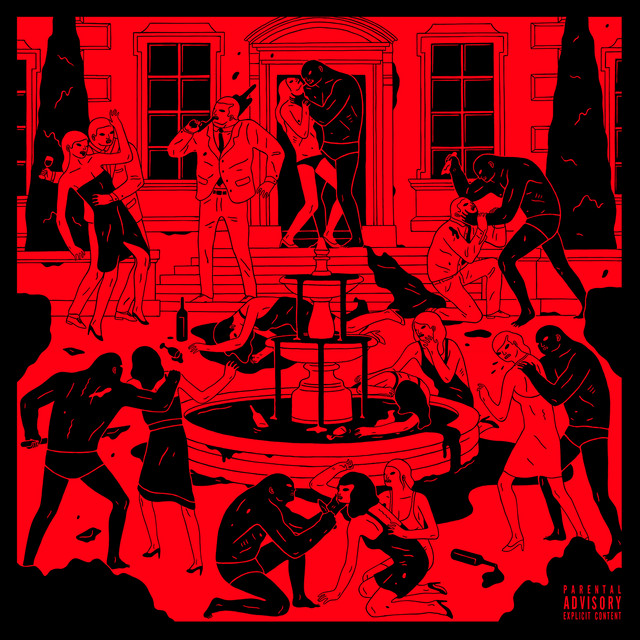
POISON
Swizz Beatz (2018)
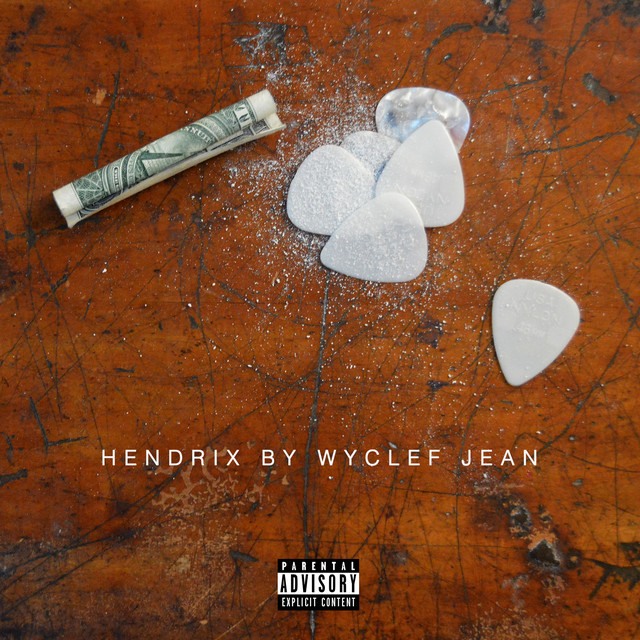
Hendrix
Wyclef Jean (2017)

Glitches in the Break
Black Milk (2014)
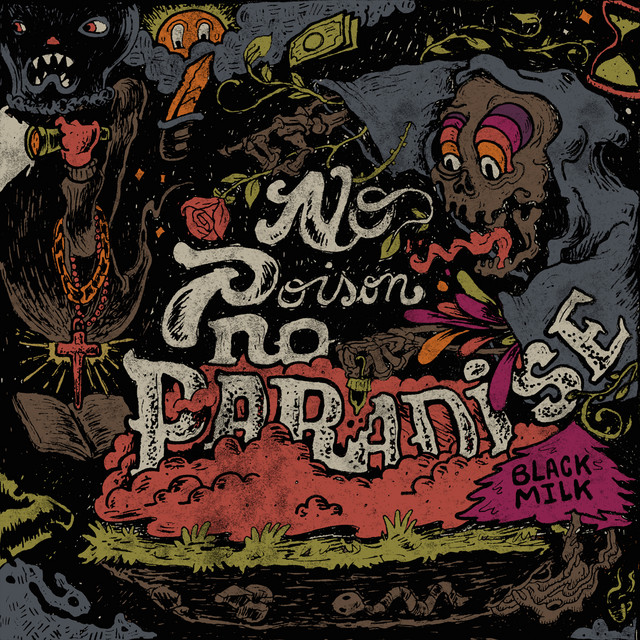
No Poison No Paradise
Black Milk (2013)
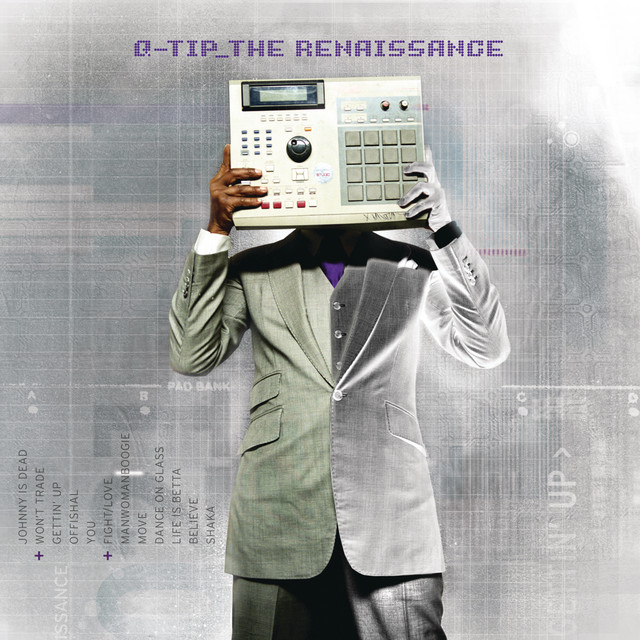
The Renaissance
Q-Tip (2008)

Donuts
J Dilla (2006)
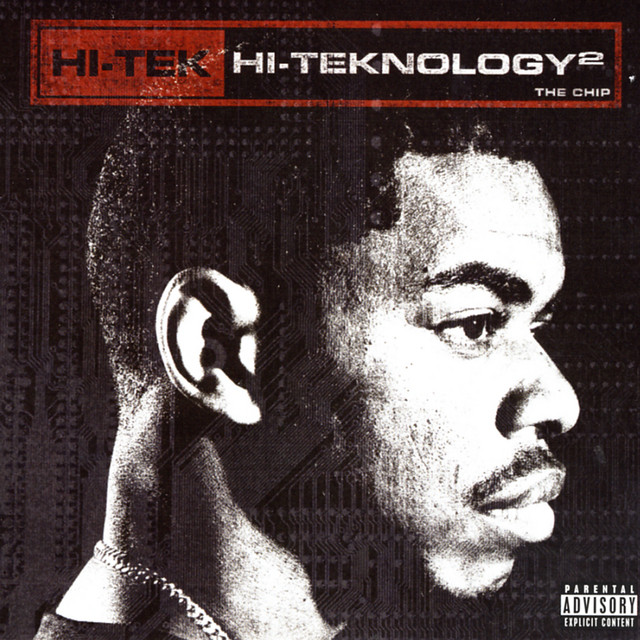
Hi-teknology - Volume 2
Hi-Tek (2006)

The Shining
J Dilla (2006)

To Record Only Water For Ten Days (U.S. Version)
John Frusciante (2001)
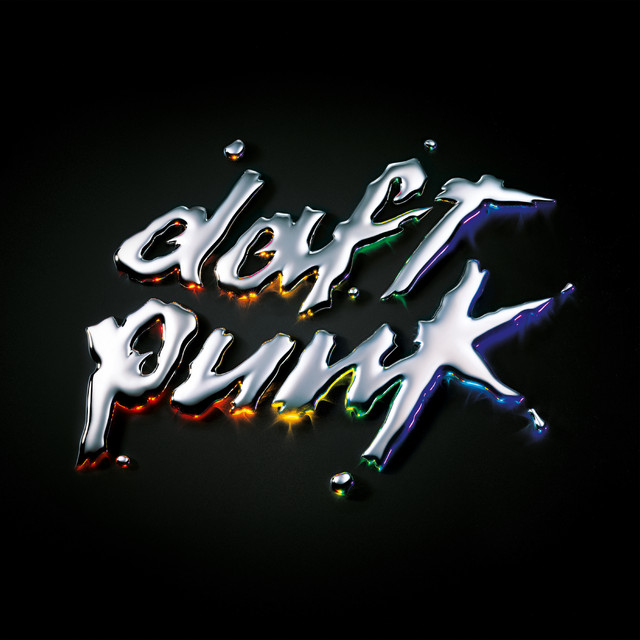
Discovery
Daft Punk & Daft Punk (2001)
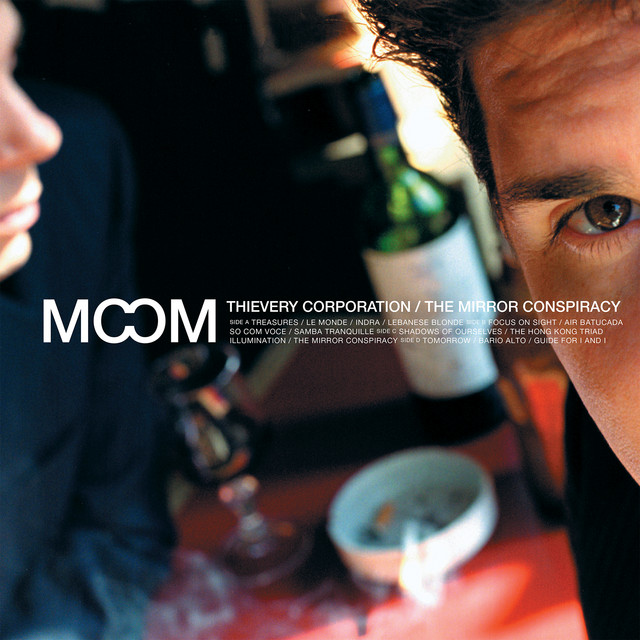
Mirror Conspiracy
Thievery Corporation (2000)
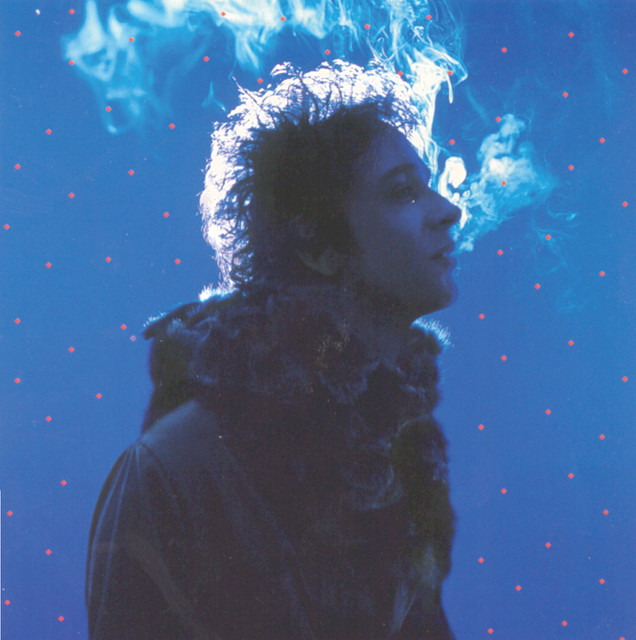
Bocanada
Gustavo Cerati (1999)
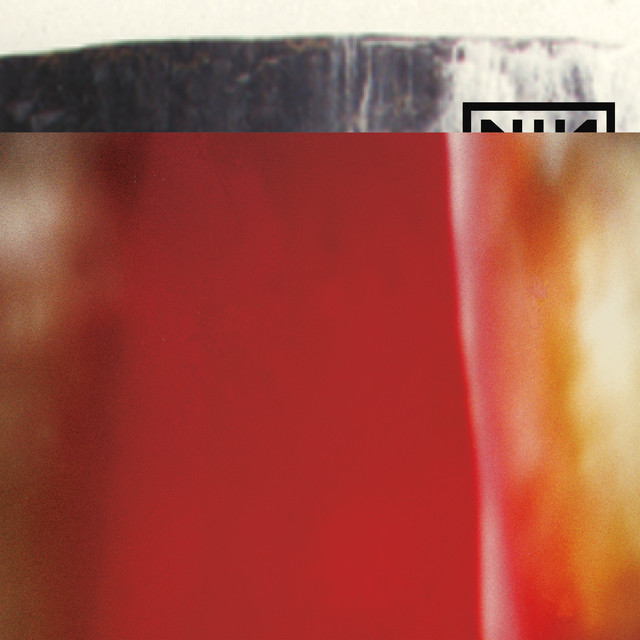
The Fragile
Nine Inch Nails (1999)

Oxygene 7-13
Jean Michel Jarre (1997)
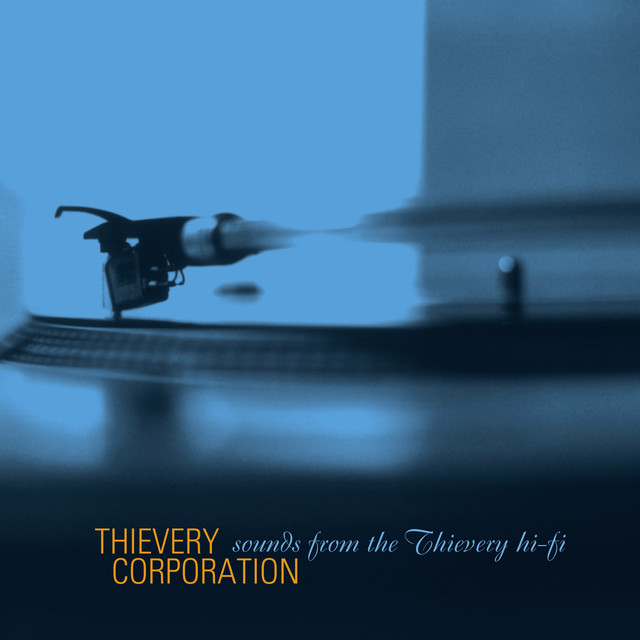
Sounds From The Thievery Hi Fi
Thievery Corporation (1997)
Genre Usage
Based on how artists on Equipboard use this gear, it is most commonly found in the following genres.
Used With
Based on how musicians on Equipboard use Akai MPC 3000, it is most commonly used with the following gear.


-s.webp?v=1783781985)



-s.webp?v=1783831654)

Community setups
Show yours


Similar
Add recommendation1 alternative for Akai MPC 3000, curated by the Equipboard community.

More Akai Production & Groove

$939.00 - $999.99
in Production & Groove Rank

$1,499.00 - $1,899.99
in Production & Groove Rank

.jpg?v=1783787052)


$459.67 - $1,299.00
in Production & Groove Rank


-m.webp?v=1783782014)
$475.00
in Production & Groove Rank


$375.00 - $728.00
in Production & Groove Rank


$450.00
in Production & Groove Rank


$149.00 - $286.55
in Production & Groove Rank
.jpg?v=1783787053)


$1,492.43 - $2,299.00
in Production & Groove Rank


$322.98 - $899.00
in Production & Groove Rank

.jpeg?v=1783771102)


$699.00 - $1,299.00
in Production & Groove Rank


$152.77
in Production & Groove Rank


$85.30 - $119.00
in Production & Groove Rank

.jpg?v=1783774944)


$179.09
in Production & Groove Rank


$225.00
in Production & Groove Rank


$3,000.00
in Production & Groove Rank


$657.06 - $899.00
in Production & Groove Rank


$537.28
in Production & Groove Rank


$575.00
in Production & Groove Rank


$975.45 - $1,499.00
in Production & Groove Rank


$1,199.99 - $1,499.00
in Production & Groove Rank


$3,200.00
in Production & Groove Rank


$185.00 - $428.00
in Production & Groove Rank


in Production & Groove Rank


$139.99 - $278.00
in Production & Groove Rank


-m.webp?v=1783782904)
$568.00 - $699.00
in Production & Groove Rank
.jpg?v=1783713470)

$801.00
in Production & Groove Rank


$149.00 - $199.00
in Production & Groove Rank

$835.00
in Production & Groove Rank


-m.webp?v=1783609860)
$449.00
in Production & Groove Rank


$138.75
in Production & Groove Rank


$199.00 - $399.00
in Production & Groove Rank
![Akai MPC 4000 [Blue]](https://images.equipboard.com/uploads/item/image/42853/akai-mpc-4000-blue-m.webp?v=1783782334)
$537.28
in Production & Groove Rank


$1,050.00 - $2,599.00
in Production & Groove Rank


$100.00
in Production & Groove Rank


$475.00
in Production & Groove Rank


Accessories & Related Items


-s.webp?v=1783782904)

Gear Guides




Most Popular Production & Groove
Most Popular Brands
-
Added to Equipboard on by
 equipboard
GearIQ 4934
-


