Jack White
rock & blues multi‐instrumentalist, The White Stripes, Third Man Records
Genre
Credits
Genre
Credits
Jack White's Gear



In this scene from the Sony Pictures documentary "It Might Get Loud", Jack White says, "This is my main guitar, that I played for like 10 years in the White Stripes." In reference to his red 1964 Montgomery Ward Airline model Res-O-Glass guitar. Also seen in the music video for "The Hardest Button To Button."
Find it on:


All I used in the White Stripes for seven years was an Electro-Harmonix Big Muff and the Whammy. So you might be hearing me building up to the note with the pedal.
I only used to have two in the White Stripes: a Big Muff and a Whammy pedal. That’s all I had! It’s kind of crazy to have all of these. But in 20 years of making recordings, you have all these different tones for different solos and songs.
Find it on:


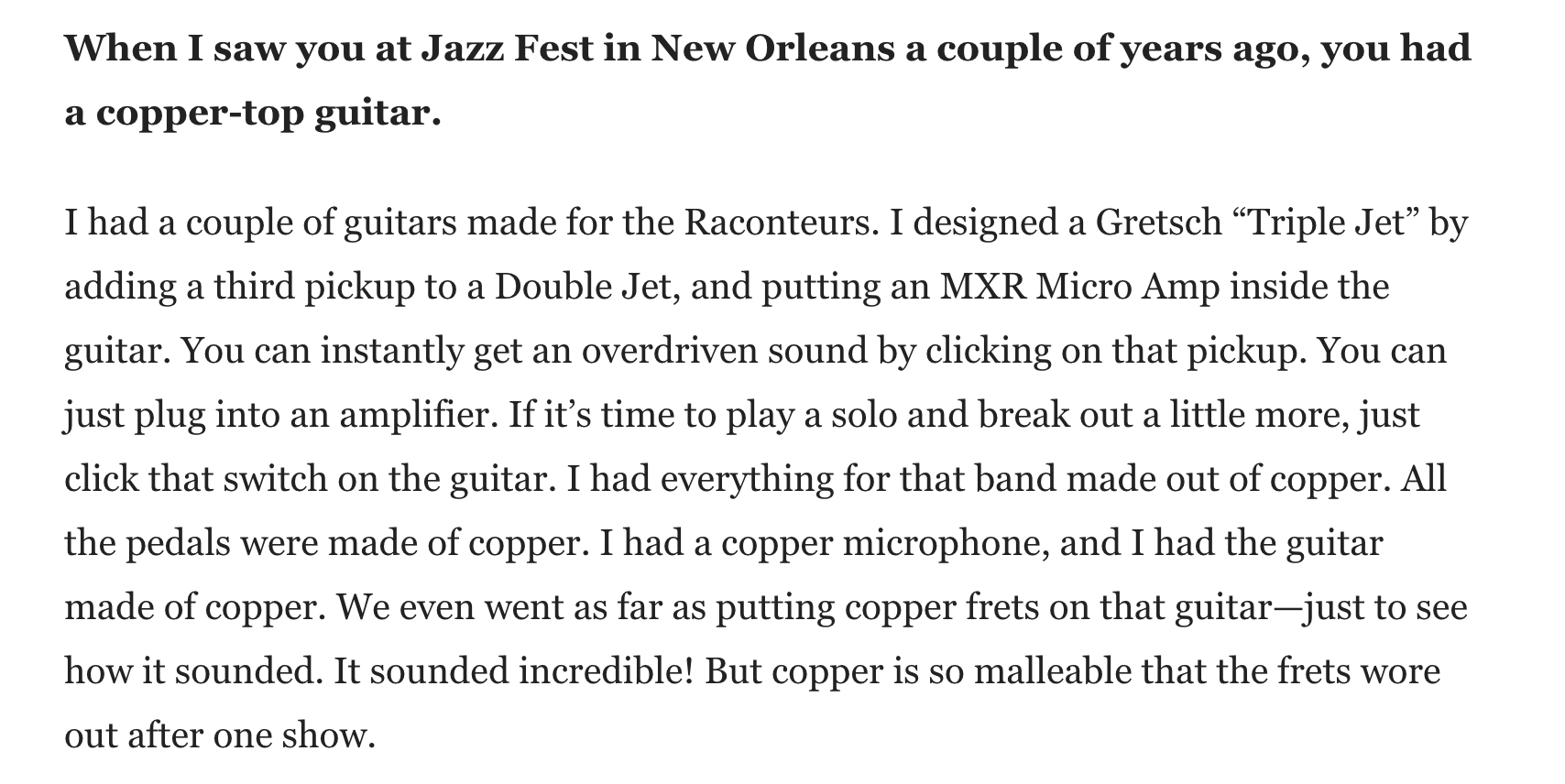
"I designed a Gretsch “Triple Jet” by adding a third pickup to a Double Jet, and putting an MXR Micro Amp inside the guitar. You can instantly get an overdriven sound by clicking on that pickup. You can just plug into an amplifier. If it’s time to play a solo and break out a little more, just click that switch on the guitar. I had everything for that band made out of copper. All the pedals were made of copper. I had a copper microphone, and I had the guitar made of copper. We even went as far as putting copper frets on that guitar—just to see how it sounded. It sounded incredible! But copper is so malleable that the frets wore out after one show." -Guitar Player
One of the main guitars I use in the Raconteurs is this copper Triple Jet that I sort of halfway designed. It was taking a Gretsch Duo Jet and turning it into a more contraption-filled monstrosity made out of copper. It’s just one of the colors of materials that I’ve always used in the Raconteurs, for some reason. It’s something that ties me into that band.
Find it on:

"I got a Whammy Pedal and I thought, Okay, you don’t have to do solos, but it would be nice if once in a while the guitar broke out and had a moment for itself and then went back to the band. The Whammy enabled me to get an octave higher than everybody else, so I could break through for a few seconds and do a lick and then come back to the song. And now I just want solos to be an octave higher and piercing... Also, I like to manipulate my DigiTech Whammy pedal starting with the low octave. I love low octaves. I’ve always loved playing octaves on the piano, even as a little kid. So when they came out with that pedal, and I heard Tom Morello use it in Rage Against the Machine, I knew I’d finally found an interesting pedal."
There’s a thing somebody sent me, because I use a Whammy pedal. I’ve always used it since the White Stripes, but this is a new contraption [called a Step Audio Riff-Step] that you can hook up to the Whammy pedal to bounce between four different settings whenever you tap it. That’s going from an octave up to a fourth down to an octave below to a fourth up or something. It just kind of worked out for that song in a cool way. Now I have to do it every time [laughs].
Find it on:

In the film "It Might Get Loud," Jack White explains that while he and a luthier from Seattle named Randy Parsons were designing a guitar for the Raconteurs tour, he had the idea to have Parsons put a Green Bullet Harmonica Mic in the guitar. This would allow White to just pull the mic out of the guitar and use it onstage. At about 1:35 in this video you actually see him using the microphone.
Find it on:

"Sometimes, I use a POG pedal. I think I was the first person to record with one on the White Stripes song “Blue Orchid.” Electro-Harmonix sent me one as a present when we were recording Get Behind Me Satan. “Blue Orchid” came out two weeks after the session, so it had to be the first song to feature the POG. I use it to add the first and second octaves below, and one octave above the root note. It’s four of the same note simultaneously. It’s just so heavy. The riff is actually pretty simple, but it’s all about the one. It’s a funk-based idea."
The pedal was mentioned in the 2019 Premier Guitar interview.
Find it on:

In this photo, Jack White can be seen playing a 1950's Kay Hollowbody Archtop electric guitar, which he tunes to open A. In an article from GuitarPlayer, White says, "I had the same three guitars in the White Stripes for about ten years: the Airline, a Hollowbody Kay tuned to open A for slide playing, and a red Japanese guitar I used for open-E tuning." (original article found here).
At the 52:53 mark of this video, Jack White explains how he received this guitar as payment after helping a friend move a refrigerator. A clip can be seen of him playing the guitar with a slide.
Find it on:

This photo of Jack White's pedalboard shows he uses the MXR M-133 Micro Amp (top right of the board).
He has also placed an MXR M-133 Micro Amp inside of a couple guitars. From an interview in GuitarPlayer:
"I had a couple of guitars made for the Raconteurs. I designed a Gretsch “Triple Jet” by adding a third pickup to a Double Jet, and putting an MXR Micro Amp inside the guitar. You can instantly get an overdriven sound by clicking on that pickup. You can just plug into an amplifier. If it’s time to play a solo and break out a little more, just click that switch on the guitar."
The pedal was mentioned in the 2019 Premier Guitar interview.
Find it on:
-m.webp?v=1781861224)
When asked about his The Dead Weather rig, Jack white says "the amp is a Fender Twin Reverb—no Silvertone, like in the White Stripes." In the Northern Lights DVD, Jack White uses the amp combo and says "that’s so I get the crunch and the reverb at the same time. The Silvertone’s reverb is horrible, so I just use it for the thick, Jensen-speaker crunch that only a Silvertone can produce. No other amp can sound like that. I use the Fender for the reverb. It’s the best. A Silvertone and a Fender make a great combination."
Find it on:


The Fender Highway One Tele is Jack White's guitar of choice in the video for Freedom At 21. A good look at the headstock can be had at 1:13 into the video. Some good shots of the entire guitar can be seen starting at 1:44. A look at the body at 2:08 reveals single coil pickups are being used, which resemble those on a stock Telecaster.
Find it on:

Jack White has been known for using many a fuzz pedals through out the years. During the White Stripes era, Jack White can be seen using the Electro-Harmonix Big Muff with Tone Wicker.
Find it on:

Jack White used a mid ’60s Silvertone 1485 tube head and a 6x10 Silvertone speaker cab combo during the first three White Stripes albums.
Find it on:

"I play a special-edition Gretsch White Penguin Jupiter Thunderbird [with the Dead Weather]. They only made 12 of them, and I found one in Texas ...around about 2007 [-] I got a ’57 Gretsch White Penguin, which is really rare."
Find it on:

"It's a beautiful thing I picked up. It's called an Army Navy Special, they made in World War I for soldiers to have on Army bases and in trenches but by the time they finished making them the war was over."
Well, most of the time I have this Gibson Army Navy guitar from World War I. I played it a lot in my solo live shows. I probably shouldn’t have, because I’ve scratched the hell out of it. It’s really comfortable. It has a thick V-shaped neck, sort of like a baseball-bat thick neck. It’s very soft and bass-y and comfortable. I really like that. I don’t really like bright acoustics too much when I’m sitting around. I got that in St. Louis at a place called Killer Vintage. I’d never heard of that guitar, the Army Navy. They made it for soldiers in World War I. It’s supposed to be like a no-frills version of a Gibson L-1. By the time they finished making them, the war was over, so they didn’t really sell that many of them. It was supposed to be like a cheap, no-frills guitar to have at army bases. It has a great sound.
Find it on:

Jack Whites pedals in 2002 playing Radio City Music Hall with The White Stripes, Opening for The Strokes.
Find it on:

Jack White used the Z-Vex Wooly Mammoth Bass Effects Pedal in the James Bond film "The Quantum Solace". White also uses the Wooly Mammoth with The Dead Weather.
Find it on:


Jack White used the Harmony Rocket Guitar primarily during the White Stripes era.
Find it on:

jack white with the 3 custom gibson guitars he used during the recording of “help us stranger”. they were a gift from the gibson custom shop, they are all “fort knox” editions of guitars with the addition of maple necks, gold bigsby’s, and black interrupter switches. the les paul weighs 12 pounds 13 ounces!
Find it on:


In this video, Jack White can be seen recording the vocals for "I'm Slowly Turning into You" at Blackbird Studio in Nashville using a Shure SM7B.
Find it on:
-m.webp?v=1781794882)
A picture of Jack White and Nick Valensi. You can cearly see Jack White playing Nick Valensi's signature Riviera.
Find it on:

Jack White is seen using the Ernie Ball Music Man St. Vincent Signature guitar, as highlighted in an Instagram post by exclaimdotca. In the post, White discusses the innovative approach of his new album, "Boarding House Reach," and is pictured with the guitar, emphasizing its role in his evolving sound.
Find it on:

In this photo, one can see White playing white Gibson SG.
Find it on:

Seen here in 'It Might Get Loud' used as a vocal mic to get a bullet-mic-sort of sound. Usually he also uses these mics for guitar amps and as room mics, as mentioned by his engineer in a Sound On Sound article (http://www.soundonsound.com/sos/oct07/articles/insidetrack_1007.htm): "Jack loves the sound of ribbon microphones, so we used a lot of them, on guitar amps, vocals, and as room mics: Coles 4038, Royer 121, AEA R84. I would have six to 10 room mics up, and would chose a stereo pair from them."
Find it on:



In a photo from jack's studio, there is a fender jazzmaster in the corner.
Find it on:

"When I was a teenager, I used GHS strings because I was from Michigan, and they were made in Michigan. I liked the nickel ones because they sounded a little bit different. But I stopped caring when I was 19 or 20 years old. Everyone always asks, 'Do you like .009s or .010s?' I have no preference, because I can’t decide if I want to make it easier or harder on myself. I usually choose to make things harder on myself, but I don’t know when it comes to strings. Lighter strings might actually be harder for me to play, because I hit them so hard. I bend them too easily, and break them all the time. I leave it to chance. I always just tell whoever is putting the strings on to do whatever they want. I won’t even notice."
Find it on:

Analog Man talks about the Tuner Mute Box they built for Jack in 2005 on their website.
Find it on:
-m.webp?v=1781866819)
According to the Premier Guitar's 2019 interview, White uses the Boss NS-2 pedal.
Find it on:

Jack White included a Dunlop JD-4S Rotovibe Expression Pedal into his Raconteurs pedalboard so as to expand his sound.
Find it on:
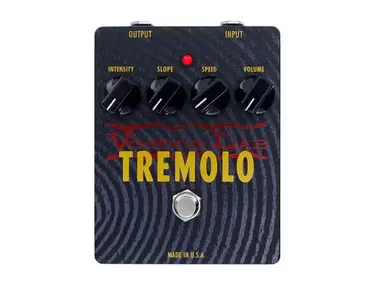
The Voodoo Lab Tremolo Pedal is mainly used in Jack White's pedalboard for The Dead Weather.
Find it on:

This is a guitar that was offered to him as a gift and contained a B bender usable with the strap. It was a Fender Nashville. Jack White modified it and added an E bender, a G bender, and a drop D using a hipshot bridge. He added three pick ups, one single coil, one p90, and one humbucker, controlled by a three-wat switch. He also added a kill switch. Originally, all of the hardware was painted black, but he painted some of them white. He first used this guitar with The Raconteurs and since on the Supply Chain Issues tour, along with a similar Fender Custom Shop Telecaster.
Full details about this guitar can be viewed in this video.
More recent information can be found in this article (https://www.guitarplayer.com/gear/5-of-jack-whites-coolest-guitars)
Find it on:
This is a community-built gear list for Jack White.
- Find relevant music gear like Microphones, Guitars, Amplifiers, Effects Pedals, Drum Sets, Cymbals, Snare Drums, Drumsticks, Pianos, Keyboards and Synthesizers, and other instruments and add it to Jack White.
- The best places to look for gear usage are typically on the artist's social media, YouTube, live performance images, and interviews.
- To receive email updates when Jack White is seen with new gear, follow the artist.
Discography

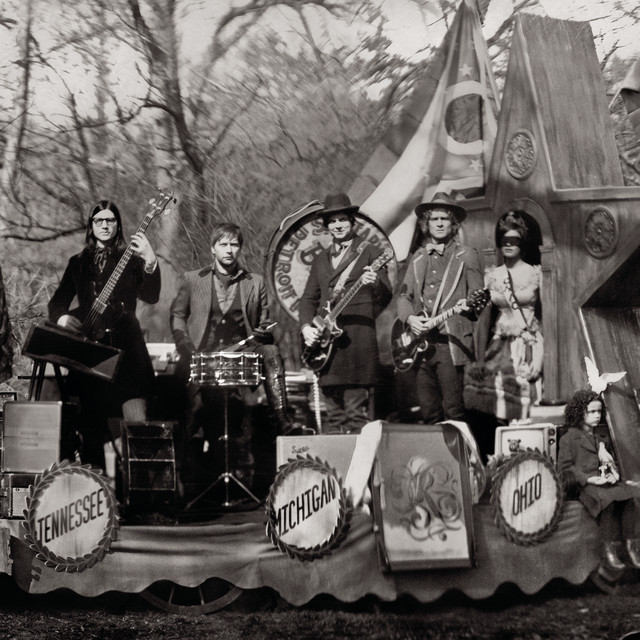
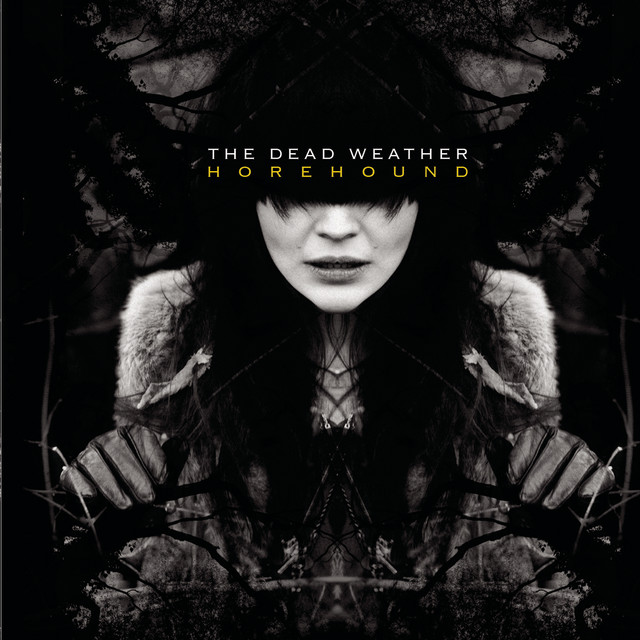
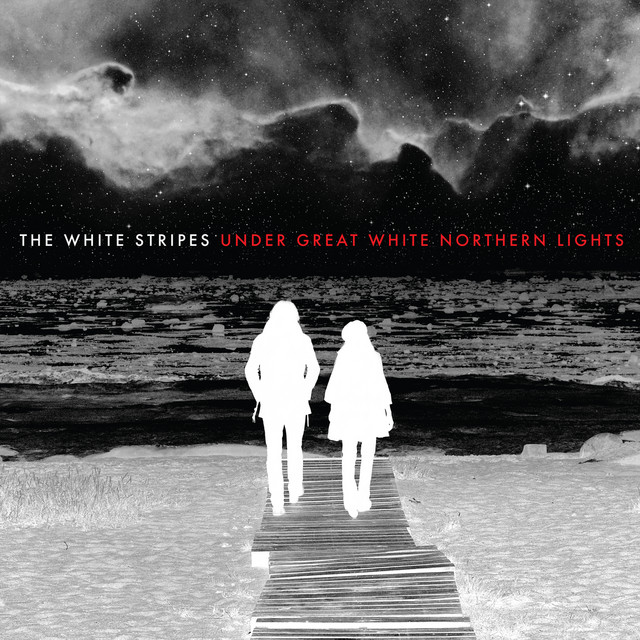
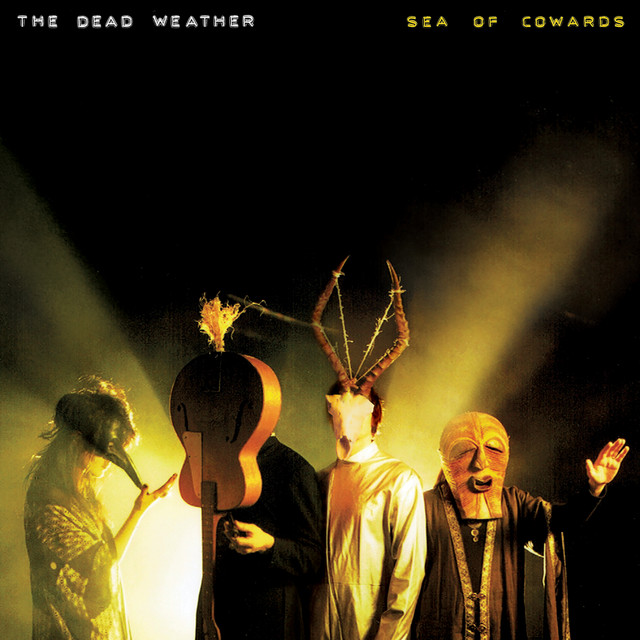
Album Credits
-

Jack White & Jack White · 2024
Mixing Engineer Producer -

Jack White & Jack White · 2022
Engineer Mixing Engineer Producer -
Jack White & Jack White · 2022
Engineer Mixing Engineer Producer -

Jack White & Jack White · 2018
Engineer Mixing Engineer Producer -
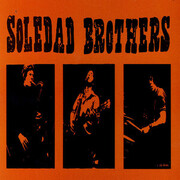
Soledad Brothers · 2017
Recording Engineer -
Killer Diller Blues (Music from The American Epic Sessions)
Alabama Shakes · 2017
Producer -
Jack White & Jack White · 2017
Producer -
Producer
-
Justice League (Original Motion Picture Soundtrack)
Danny Elfman · 2017
Mixing Engineer Producer -

Beyoncé · 2016
Producer -
You Are The Sunshine Of My Life
Jack White & Jack White · 2016
Producer -
Jack White & Jack White · 2014
Mixing Engineer Producer










.webp)