
Pricing and availability
We compare 600+ stores and found this item at 10 stores. Prices updated .
Store
Reviews
Price









Average Price: $93
Standard/Professional
$60
$181+
Price Tier
Budget
Standard
High-end
Price History
Based on price data from 6 merchants for "Electro-Harmonix Big Muff Pi". Prices shown reflect NEW condition. Tracking began Apr 2, 2026.
* Product prices and availability are updated by Equipboard every 24hrs and are subject to change. Equipboard may receive compensation for purchases made at participating retailers linked on this site. This compensation does not affect what products or prices are displayed, or the order of prices listed. For more information, please refer to our affiliate disclosure.
Description
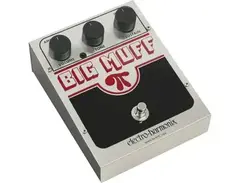
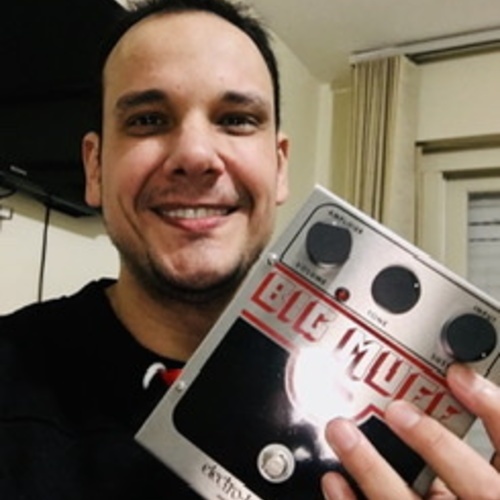
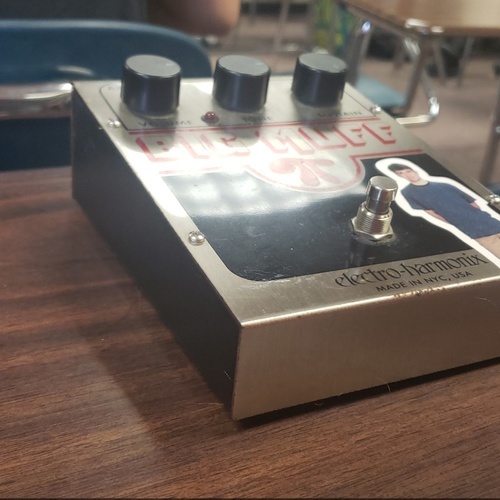
The Electro-Harmonix Big Muff Pi is more than just a guitar pedal, it's a piece of music history. This classic fuzz effects pedal has been the secret weapon of legends like Jimi Hendrix and Santana, as well as contemporary artists from Jack White to Muse. Its rich, creamy distortion and violin-like sustain have been shaping the sound of rock music for the better part of 30 years.
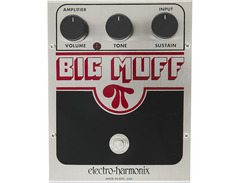
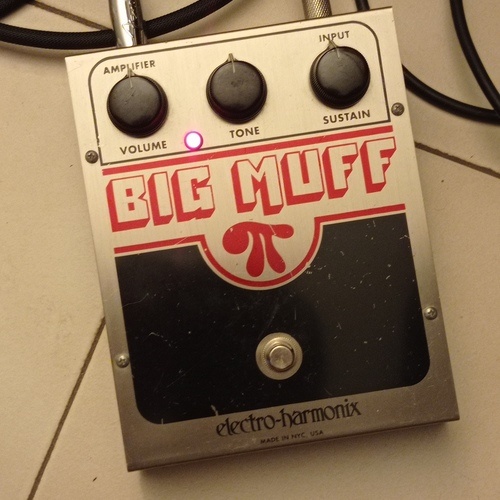
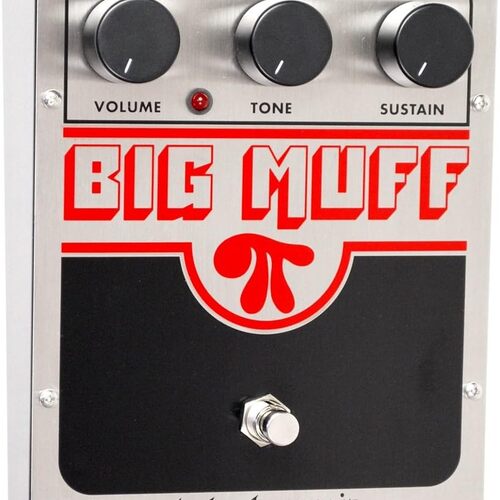
Just like the original '70s Big Muff Pi, this reissue features three intuitive controls—Volume, Tone, and Sustain—that let you dial in a wide range of distortion styles. Crank the Volume for a boost to cut through the mix, increase the Sustain for endless sustain and harmonics, and sweep the Tone from a warm, bassy purr to a sharp, trebly bite. With just a few tweaks, you can achieve the signature Big Muff Pi sound or forge your own.
Despite its roots in rock's golden age, the Big Muff Pi is not just a relic. It's a workhorse pedal built for today's players. Its compact, rugged enclosure can withstand the rigors of the road, and it can be powered with a 9V battery or any standard 9V DC power adapter.
Key Features:
- Volume, Tone, and Sustain controls for a wide range of distortion styles
- Rich, creamy distortion and violin-like sustain
- Compact, rugged enclosure suitable for touring
- Can be powered with a 9V battery or any standard 9V DC power adapter
- Used by legendary and contemporary artists alike
- Made in the USA
Owner's manual
Electro-Harmonix Big Muff Pi User ManualProduct specs
| Pedal Type | Fuzz |
| Analog/Digital | Analog |
| Inputs | 1 x 1/4" |
| Outputs | 1 x 1/4" |
| Bypass Switching | True Bypass |
| EQ | Tone Control |
| Controls | Sustain, Volume |
| Power Source | 9V DC power supply (sold separately) |
| Batteries | 1 x 9V |
| Height | 2.95" |
| Width | 5.5" |
| Depth | 6.875" |
| Weight | 1.55 lbs. |
FAQs
-
What kind of sound can I expect from the Electro-Harmonix Big Muff Pi?
-
The Electro-Harmonix Big Muff Pi delivers a classic fuzz tone characterized by its rich, creamy sustain and harmonic distortion, making it ideal for rock, alternative, and grunge music.
-
Does the Electro-Harmonix Big Muff Pi work well with both guitar and bass?
-
Yes, the Big Muff Pi is versatile and works well with both electric guitars and bass guitars, providing a thick, powerful fuzz sound for both instruments.
-
What type of power supply does the Electro-Harmonix Big Muff Pi require?
-
The Big Muff Pi requires a 9V DC power supply, which is sold separately, and can also be powered by a 9V battery.
-
Is the Electro-Harmonix Big Muff Pi suitable for beginners?
-
Yes, the Big Muff Pi is beginner-friendly due to its simple control layout with sustain, tone, and volume knobs, allowing easy adjustment of your fuzz sound.
-
Does the Electro-Harmonix Big Muff Pi have true bypass switching?
-
Yes, the Big Muff Pi features true bypass switching, ensuring your signal remains unaffected when the pedal is turned off.
Equipboard's Expert Review

Equipboard tested this
The Fuzz Legend Lives OnIconic tone, simple yet effective
In our tests, we found that the Electro-Harmonix Big Muff Pi lives up to its legendary status. This classic fuzz pedal has been a staple in countless pedalboards for decades, and it's easy to see why.
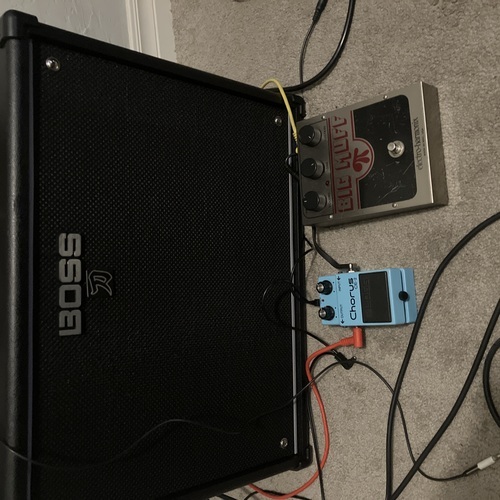
Upon unboxing, we were immediately struck by its iconic design and sturdy construction. The large enclosure may not be ideal for cramped pedalboards, but it certainly feels built to last. The simple three-knob layout is intuitive and inviting, allowing us to dial in our desired tone quickly.
We were impressed by the Big Muff's versatility across different genres. From searing lead tones to thick, woolly rhythm sounds, this pedal delivers the goods. The sustain is phenomenal, and the distortion control offers a wide range of fuzz textures. We particularly enjoyed how well it paired with both clean and dirty amp channels.
However, it's not without its quirks. In our experience, the Big Muff can sometimes sound a bit too bassy or muddy, especially in a band mix. We found ourselves wishing for more midrange presence to help cut through. Additionally, we noticed some noise issues when using certain power supplies, so it's worth experimenting to find the right setup.
For us, the Big Muff Pi remains a must-have for any guitarist seeking that classic "wall of sound" fuzz tone. It's perfect for players who prioritize raw, powerful sound over intricate tweakability. However, those with limited pedalboard space or those seeking a more modern, precise fuzz might want to look elsewhere. Nonetheless, at its price point, it's hard to beat the Big Muff's combination of iconic tone and rugged reliability.
Videos

ProGuitarShopDemos
Electro Harmonix Big Muff Pi USA
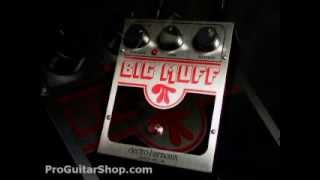
Electro Harmonix Big Muff Pi USA
ProGuitarShopDemos
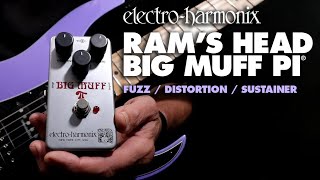
Electro-Harmonix Ram's Head Big Muff Pi Fuzz / Distortion / Sustainer Pedal (Demo by Bill Ruppert)

EHX
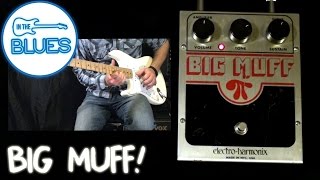
Electro-Harmonix Big Muff Pedal

intheblues
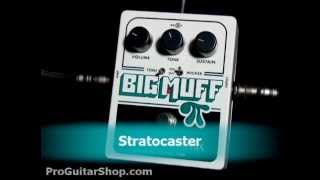
Electro Harmonix Big Muff Pi w/ Tone Wicker
ProGuitarShopDemos
Electro-Harmonix Big Muff Pi Distortion / Sustainer Pedal (Demo by Peter Stroud)
EHX
Electro Harmonix Big Muff Pi USA - sound test - demo - Grunge/Nirvana type settings

nomakills
EHX Big Muff USA vs Russian Black

Fuzzville
Electro Harmonix Big Muff Fuzz Pedal Demo

TheToneShack
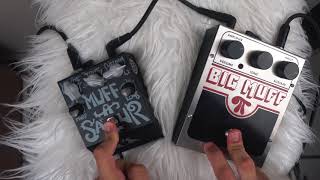
Electro Harmonix Big Muff Pi USA VS Deep Trip Muffassaur

Lucas Reis
Electro Harmonix Big Muff Pi USA Pedal

Gear4music Guitars
Reviews
PROS
-
Iconic, unmistakable fuzz sound used by famous artists
-
Offers incredible sustain for solos
-
Versatile tone, from smooth distortion to intense fuzz
-
Can cut through the mix well, even in dense arrangements
-
Works well with various instruments, including synths
-
Durable and reliable, even with regular use
-
Provides a thick, creamy tone ideal for certain music genres
-
Relatively affordable for its category and capabilities
-
Easy to mod for those looking for a custom sound
-
Some models come with a built-in buffer, enhancing compatibility with wah pedals
CONS
-
Large size can take up significant pedalboard space
-
Can be noisy, especially with "dirty" power supplies
-
Some find it too bass-heavy, affecting clarity on lower strings
-
The lack of mid-range control can make it hard to cut through in live settings
-
Tone can be overly specific, not as versatile as other pedals
-
Enclosure's square corners and bulky design can be cumbersome
-
Circuit design sensitive, may not pair well with all amps
-
May require modifications for optimal performance with certain setups
-
AC adapter not standard, making power supply challenging
Owner Insights
We analyzed real musician discussions from forums and Reddit to find what players love, question, and tweak about Electro-Harmonix Big Muff Pi.
Use cases and applications
-
The Big Muff Pi is praised for its sustain and melodic lead tones but isn't ideal for fast rhythm in metal genres like Megadeth or Metallica.
Source -
Overdrives can enhance the Big Muff's EQ control, helping to refine the pedal's fuzz-heavy output for different musical genres.
Source -
For those interested in clear chord articulation, the Violet Ram’s Head variant is suggested for its aggressive and clearer sound profile.
Source
Comparisons
-
For achieving thrash metal tones on a budget, consider the Joyo "Pocket Metal," designed for a sharp, tight sound akin to "Rust in Peace."
Source -
The Boss DS-2 is noted for having excessive fuzz for metal, whereas the DS-1 combined with an EQ provides better results.
Source -
The OpAmp Nano Muff offers a more modern, scooped, and saturated sound compared to the standard Nano, which could appeal to those seeking a contemporary Muff tone.
Source -
The Ram's Head is frequently recommended for achieving a Gilmour-like tone, while the Russian variant is noted for its uniquely bass-heavy, smooth sound.
Source
Features and functionality
-
The Big Muff tends to get "flumpy" with speed picking, requiring careful manipulation of its sound settings.
Source -
The Nano version tends to sound boxier with less top-end than the USA big box, making it less vibrant for some users.
Source -
The Sovtek Deluxe Big Muff Pi includes a midrange footswitch, critical for enhancing mids that can be lacking in typical Muff pedals.
Source -
The Way Huge Swollen Pickle Fuzz MkII, inspired by the Green Russian Muff, offers five external knobs and two hidden mini knobs for precise tonal control.
Source
Build quality
-
The original Big Muff Pi's circuit occupies a small space in its large enclosure, allowing for a much more compact design in the Nano version.
Source
Setup and maintenance
-
Older big-box Muffs require a 3.5mm adapter for power, but newer models come with a standard Boss power jack, simplifying integration into modern pedalboards.
Source
4.5 out of 5
Based on 119 Reviews and 842 Ratings

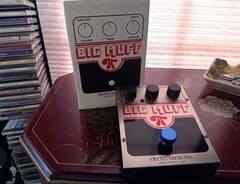
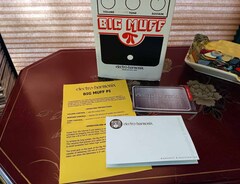


922

115
Nothing quite like it!
This is one of my favorite pedals and for good reason, this is the thickest mix cutting pedal I have heard. As someone who grew up listening to Smashing Pumpkins I always strived for that sound and when I found the Big Muff I couldn't go back. I use this in my recordings usually for when I need a thick wall of noise or a screaming guitar lead/solo. This thing is HARD to control but I love it for that, it has a niche but it fills it the best way possible I feel. Worth the money go get it!

194

145
classic, built like a tank
is that sound, everyone knows, the big muff, that ol´ mid scooped fuzz sound.
practically impossibe to break, a good pedal, does it well on so many genres, huge fuzz.
but being honest, the size dont make sense anymore, the circuit board is a half of the size of the box, not so practical for pedalboards and gigging (plus it is hard to have it cutting in the mix due to the lack of mids).
that was my first pedal but im getting rid of it because i dont like the lack of mids for live sound and the impossibility to generate it with the tone or sustain knob. plus it can get very fizzy if you crank some knobs. and i need more sonic destruction.
i love the pedal, probably muff styled fuzz´s are my favorite pedal ever, but they need mods to make it work.
Preferred Settings + Usage:
pretty low sustain and dark tone (about 10). for getting that doomy cracked up shoegaze sound. always neck pickup

903
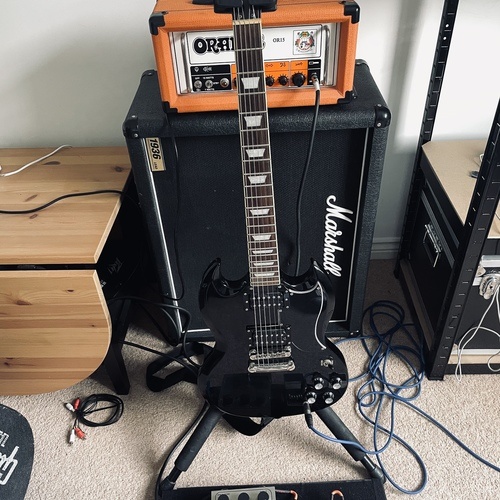
Same for me on the 'sustain' setting, I keep mine dialed in pretty low as well. I wanted a "real fuzz" sound so I dumped the tone down pretty low, turned the 'volume' up, and run it through an Orange OR15 with a fair amount of gain dialed in. The sound is pretty much what I was looking for, and surprisingly it still plays really reactive and fast on the higher strings, but gives me that nice fuzzy, smooth sound on the lower strings. Especially with the neck pickup of a guitar engaged. Classic pedal, sustain for days.

Classic and fantastic
The basic NYC big muff its great because its original sounds can still sound incredible on todays music. I would recommend that every musician (and person if you ask me twice) try one out as it can be used on almost anything. Especially if you want to try new sounds in your productions, drums bus distortion is a must. There are thousands of muffs but the og is still one of the greatest
Preferred Settings + Usage:
Tone low its the stoner express

147
.jpeg?v=1784956852)
Artist usage
Add artist

Used in the studio for "Lithium", as stated by Nevermind producer Butch Vig in at least three interviews. Nirvana discusses the pedal in this December 10, 1993 MTV interview at 19:01 (a transcription can be found on the fansite Live Nirvana). The version is unknown, but it was likely a V3 or V6 due to Cobain's love of Mudhoney (he sports an official Mudhoney V6 Big Muff t-shirt in at least seven photos: here, here and here, here and here (both from April 19, 1990), here, and here, plus this April 17, 1990 show) and Vig's sonic comparison to his Russian Big Muff, which uses transistors and thusly makes an op-amp version unlikely.
MTV, December 10, 1993
[Kurt Loder] I know I saw you guys at Roseland, I think what I saw is right, the stuff you're using on stage for like little stomp boxes are just little stomp-boxes, right? They're not $300 great big...
[Kurt Cobain] Oh, no, they're old early ‘70s Electro-Harmonix effects boxes.
[Loder] Wow, how do you keep that stuff going?
[Cobain] Batteries.
[Dave Grohl] Earnie Bailey.
[Cobain] Yeah, our guitar friend - this guy who fixes - he can fix anything, a blender or a guitar... He's great. He’s just um…
[Krist Novoselic] He's into old technology.
[Cobain] They're kind of hard to find. Yeah. Those things are kinda hard to find and I guess they're becoming collector's items now.
[Loder] I think there's a store in New York that collects that stuff.
[Cobain] Hm hmm.
[Grohl] And probably sells it for exorbitant prices.
[Novoselic] He knows like, like they use this capacitor, they use this transistor, because they use this poor-grade cheap transistor at the time, that's what gave it that sound like, if you used a modern transistor it wouldn't sound as cool.
[Loder] True.
[Cobain] If you were to use the same schematic but used contemporary electronics you wouldn't get the same sound, you know what I mean?
[Michael Alex] The Soviet Union [unintelligible] Electro-Harmonix was buying them [unintelligible]
[Novoselic] It's a Red Army pedal, they make ‘em out of tanks. Tanks! And you go, koough! and you like, crank on it... koough!
[Alex] Yeah! [unintelligible] That's the technology that made that.
[Cobain] [unintelligible] old tank parts.
[Loder] Really?
[Cobain] Yeah!
[Loder] Oh, Jesus... [laughs]
[Pat Smear] They’re not the same, they’re not the same.
[Loder] Really?
[Novoselic] They're cheap metal, it's about that thick.
[Cobain] It's so heavy, the distortion box, it's just...
[Alex] [unintelligible] Soviet parts?
[Smear] No.
[Alex] Still?
[Smear] No, they’re not the same.
[Alex] They got a Big Muff.
[Smear] No, they're not as good.
[Novoselic] That's a Big Muff, it's a total tank! Tank materials, that's what they're made out of, it's like kay! you stomp on it and the metal around it is like total thick and like that olive, drab... like, Soviet olive green color. It's just like, wow, amazing...
Guitar World, August 1997, "Nirvana: Super Fuzz Big Muff - The definitive guide to Kurt Cobain’s grungy assortment of pawn shop prizes, turbo- charged stomp boxes and blown woofers." (first published online in abridged form on February 21, 2008, later unabridged on February 17, 2021)
But even though Vig wasn’t the biggest fan of effect pedals, he allowed Cobain to use a few on the album, especially since the guitarist felt that the DS-1 was the main factor in his tone. Cobain also used the Small Clone liberally. “That’s making the watery guitar sound you hear on the pre-chorus build-up of ‘Smells Like Teen Spirit’ and also ‘Come as You Are,’ ” says Vig. “We used an Electro- Harmonix Big Muff fuzz box through a Fender Bassman on ‘Lithium’ to get that thumpier, darker sound.”
Classic Rock Albums: Nirvana - Nevermind by Charles R. Cross & Jim Berkenstadt (1998)
To achieve the thumping, darker sound on "Lithium," the band employed an Electro-Harmonix Big Muff fuzz box through a Fender Bassman amplifier. “As I recall,” says Vig, “we used a U87 microphone on that. We wanted something that was not so bright, a heavier sound.” The U87 was a microphone that the producer usually reserved for capturing low-frequency instruments like bass guitar. Two tracks were devoted to Krist’s bass part. An additional three tracks recorded Kurt's guitar, all gauged to beef up the sound.
“I think when we did Nevermind, Kurt had a Mesa/Boogie, and I rented a Vox AC30 because, as I said, I love the clear tones on those. I also rented a Fender Bassman. We had one at Smart Studios that we used all the time. One of the engineers called Doug Wilson had modified it. I don’t know what he did, but it was the fattest, crunchiest, thickest guitar tone. So I rented one in LA when we did Nevermind, and although it didn’t sound quite the same, we used that on Lithium and for some of the really heavy tones as the main guitar amp.
“And we only used a couple of pedals. Kurt had a Big Muff. And I think I had a Russian Big Muff, which is, you know, very close. And he had a RAT. And then he had a Small Clone, which is sort of the watery effect on Teen Spirit in the verses. Come As You Are as well. But that was it; a pretty simple setup, really.”
In a July 27, 2007 Two Plus Two forum reply, Steve Albini recalled a Big Muff appearing during the recording of In Utero, although no indication was made of whether or not it was actually used. He affirmed the Big Muff’s presence in a May 30, 2020 Reddit AMA reply.
Two Plus Two, “Ask a music scene micro celebrity”, July 27, 2007 reply to damntang
Hi Steve,
Can you remember what gear kurt Cobain used when recording In Utero, I'm particularly interested in his pedals.
Cheers,
D.T.
electric
Boss DS3 and ubiquitous Big Muff Pi also a Sans Amp
Fender Quad Reverb broken, but one working tube sounded pretty great
Reddit, “steve albini AMA here is the thread” by u/steve_albini (May 30, 2020), reply to u/rock-phillistine
rock-phillistine 4. Once you mentioned he used a Sansamp, a Boss DS-2 and a Big Muff for distortion. Recently his guitar tech said he shipped two homemade fuzzes as well. Do you remember if he actually used the Big Muff or the homemade fuzzes? If so, for which tracks?
steve_albini - I only saw Kurt use regular commercial effects pedals, the ones you mentioned, and a box I brought with me that was a kind of ring modulator/overdrive called Pedal X made by a friend of mine. That might be what his tech (Ernie?) was referring to.
Contrary to rumour, Cobain was never sighted with a Big Muff on stage. In a September 13, 2021 Instagram message replying to Equipboard user eyeseeofficial, Nirvana tech Earnie Bailey reported never having seen it himself.
Which Muff Kurt used on Nevermind is one of the great mysteries and probably the question I see most. Wish I would have asked when the chance was there.
In my time, I never saw on[e] used on the stage. Krist once gave me an early triangle knob circuit board, minus the pots & enclosure. No backstory on it though and I doubt he’d remember it.
If I presented a series of pics of all the Muffs, Krist would be the most likely to remember, but Dave too as he was more of a guitar guy than people realized.
Citing Bailey via a “Personal communication with Caio Leme” in 2020, Live Nirvana reports that “a green Russian unit was among equipment that Krist once brought over to Earnie's house.”

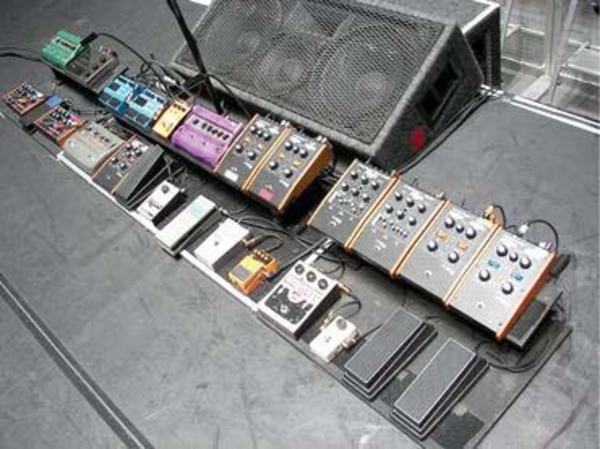
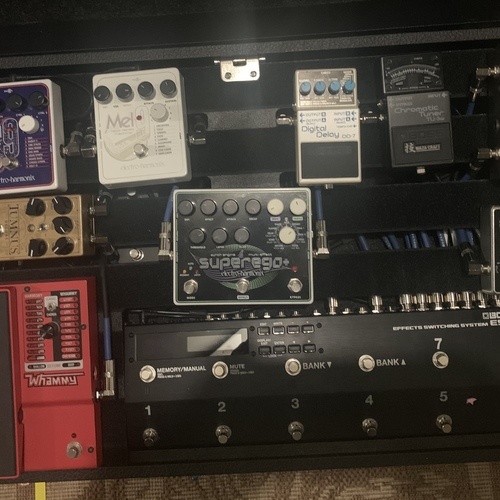
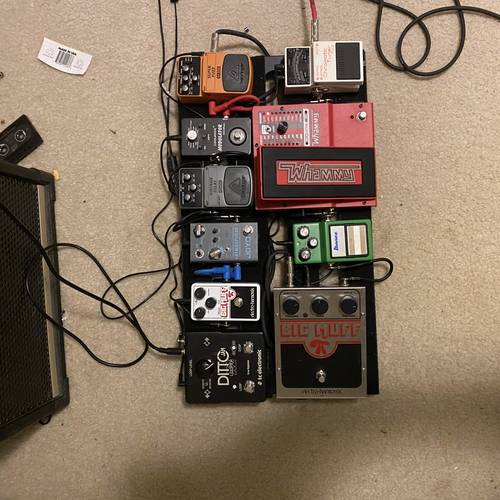
An Electro-Harmonix Big Muff Pi can be seen in this picture of John Frusciante's pedalboard. Electro-Harmonix also confirms the use of the Big Muff Pi.
In addition to the English Muff'n, John has also toured and recorded with the Micro Synthesizer, Big Muff Pi (both USA and Russian), POG, Metal Muff, HOG, Holy Grail, and Deluxe Electric Mistress. That said, I'm sure you fru-heads are still going to email and tell me what I left out.


All I used in the White Stripes for seven years was an Electro-Harmonix Big Muff and the Whammy. So you might be hearing me building up to the note with the pedal.
I only used to have two in the White Stripes: a Big Muff and a Whammy pedal. That’s all I had! It’s kind of crazy to have all of these. But in 20 years of making recordings, you have all these different tones for different solos and songs.

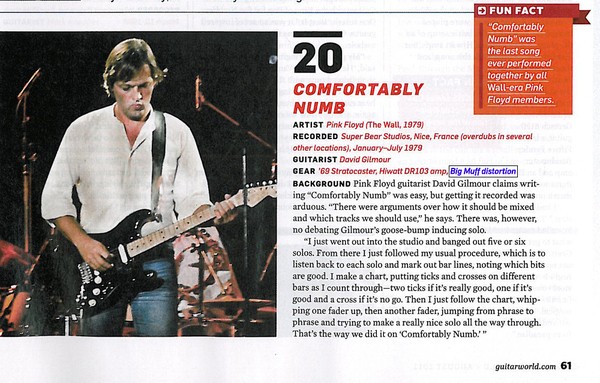
In Guitar World's “100 Greatest Classic Rock Guitar Songs of All Time!” article, Big Muff distortion is credited for Gilmour's distinctive sound on Comfortably Numb.


"Here's a short experimental video by Radiohead's Thom Yorke -- look carefully, and you'll spot his Frequency Analyzer, Stereo Polychorus, and Big Muff Pi."

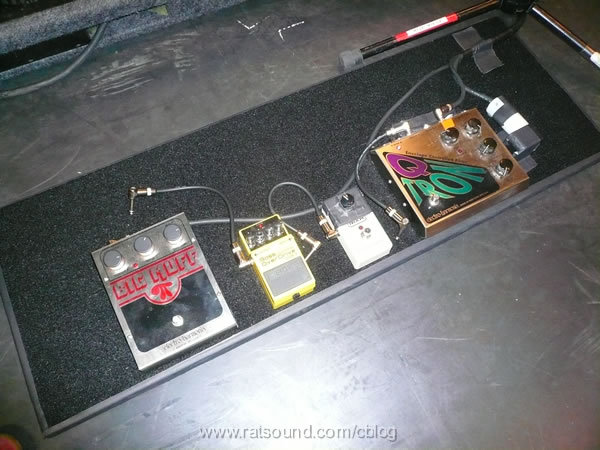
A photo of Flea's pedalboard shows he at one point used the Electro-Harmonix Big Muff Pi distortion pedal. More recent variations of his board don't include this pedal, however.

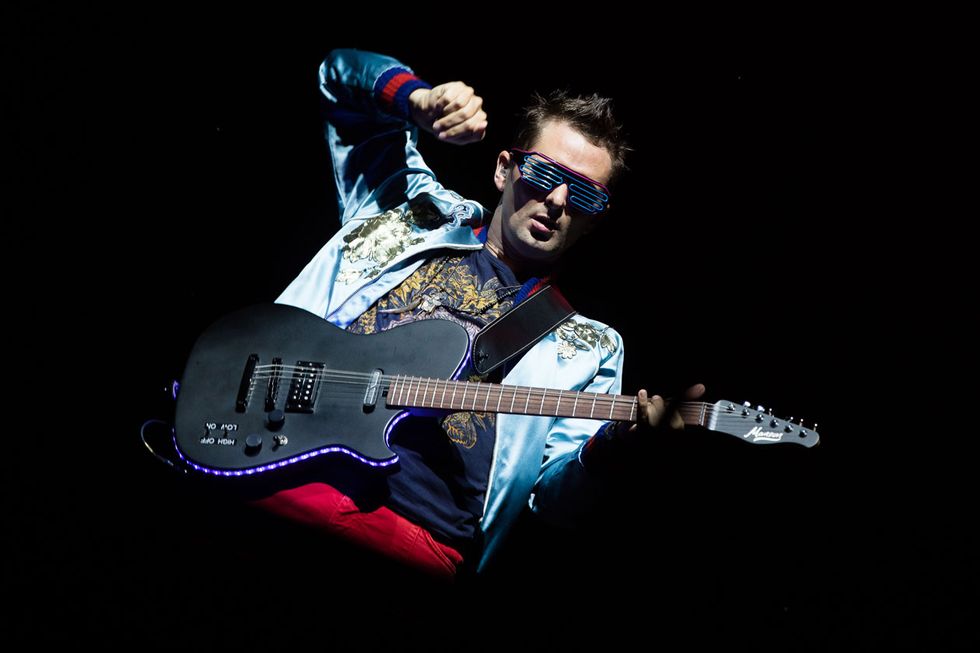
Listed among the pedals Matt used on Simulation Theory in this January 1, 2019 Premier Guitar interview.
Effects
Chase Bliss Warped Vinyl HiFi
Chicago Iron Tycobrahe Pedalflanger
DigiTech Whammy 5
Electro-Harmonix Big Muff
Eventide Space Reverb
JHS Pedals VCR Ryan Adams Signature Volume/Chorus/Reverb
JHS Pedals Colour Box Preamp
MXR Dyna Comp Mini Compressor


“My old man showed me how to play barre chords, and that's when things started getting really heavy,” remembered Dimebag of his early years playing. But I think the turning point came when I discovered an Electro-Harmonix Big Muff Fuzz. Feedback! Distortion! Dude, that was all she wrote.”


Trent Reznor is confirmed to use the Electro-Harmonix Big Muff Pi, as evidenced by its inclusion in the Fragility Tour program's partial list of equipment used to record "The Fragile," according to nin.wiki.
.jpeg?v=1784994498)
.jpeg?v=1784994498)
According to this article found on groundguitar.com, it mentions that Jerry Cantrell used a Electro Harmonix Big Muff Pi pedal on his solo album, “Boggy Depot."

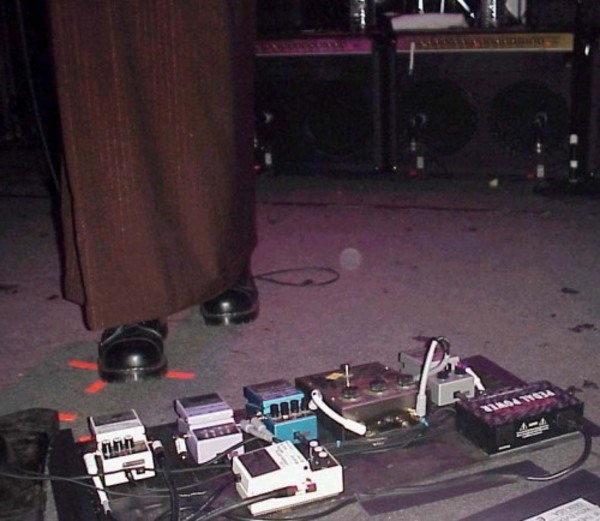
You can see him play the NYC reissue Big Muff in 2000.


TalkBass user funkytoe, who knew Burton personally, recalled a Big Muff with a pi symbol in multiple TalkBass threads.
"Cliff Burton's gear" Comment #31, January 17, 2008
If you want to know what gear Cliff used, you need to be specific about time.
In the later days with Metallica, he had moved on to Aria basses and mesa or ampeg amps.
Around the "Kill em All" time, Cliff was still using his burgundy (oxblood) Rickenbacker 4001. It had a Gibson EB pickup at the neck and a hot Dimarzio pickup at the bridge. He called the Dimarzio his "secret weapon." Cliff's guitar tech at that time was Chuck Martin at ABC Music in Castro Valley, California. He might be able to give you more specifics about exactly what Cliff used pickup-wise.
Cliff's amp was a Sunn Colliseum Lead head with various cabs. The one I remember most was this big 2 x 18 cab. I don't think Cliff used 10 inch speakers prior to the time he switched to Mesa.
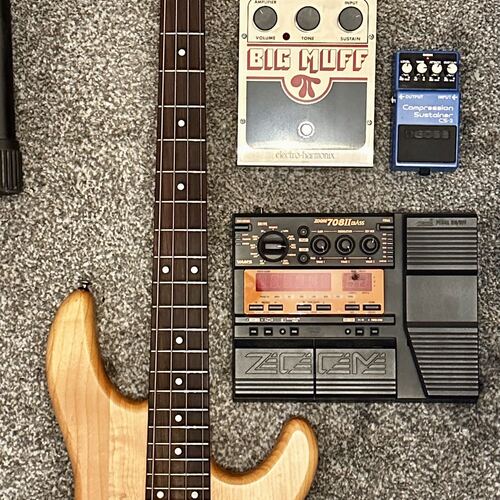
I remember 3 effect pedals. (1) EH Big Muff Pi. I distinctly remember the Pi symbol on that pedal; (2) EH Bass Balls and (3) Morley Power Wah Fuzz. He may also have had a power wah boost, but I am certain he was playing with a Power Wah Fuzz in his Trauma/early Metallica period.
Hope that helps your quest for tone.
"Cliff Burton's gear", Comment #79, December 23, 2008
FC Bass said:
BTW: I bought a Morley PWF a while ago, with the big muff after the Morley you have instant Cliff sounds :bassist: awesome! (Much better than the PWB)
Absolutely correct. Chrome Morley Power Wah Fuzz followed by EH Big Muff PI is what Cliff used in his Trauma/Early Metallica days and is the key to his sound (apart from his hands, attack, etc.)
"Cliff Burtons Rickenbacker", Comment #3, April 23, 2009
For the Maxwell tapes, Cliff played his Ric though Jim Martin's Morely Power Wah Fuzz, an Electro Harmonix Bass Balls and a EH Big Muff PI. I know this because I have been to Maxwell with both Jim and Dave on many occasions and have my own memories of Cliff's gear in this regard.
"Burton's tone with this head", Comment #6, September 1, 2010
Before Cliff hooked up with Metallica and finally got the label money to buy tube amps, he played solid state Sunn heads and cabs. His tone was nearly identical to his later tone with Metallica.
Cliff's tone was not in his amp. It was in his hands (and to some extent his pedals) and the aggressive way he played.
If you want Cliff's tone, you are better off getting an old Tel Ray Morely pedal (either a Power Wah Volume or Power Wah Fuzz), a vintage Electro Harmonix Big Muff Pi and Bass Balls. Those pedals and some practice will get you closer to Cliff's tone than any new bass head - guaranteed!
Bonus information: Equipboard user marijan_barac had a conversation with funkytoe, which made up the original content of this submission. What he wrote is preserved in its entirety below:
Guy who knew him personally as a friend and had seen his gear many times claims he remembers a distinctive PI symbol on the pedal. Also here is part of the conversation with him in which he cites Big Muff as Cliff's pedal: 'Yes I knew Cliff and saw his equipment many times over the years. Two of the first pedals I remember him getting were a Morley Power Wah Fuzz and an Electro-Harmonix bass balls. He used the Bass Balls briefly, but it did not get dirty enough for him. He tried a lot of Boss distortion pedals, but ended up choosing a Big Muff Pi. Cliff used that set up for quite a while with both his Randall and Sunn heads, at least up until the time he joined Trauma. After he switched to Mesa Boogie heads, he decided he liked the natural grind from the head better than the Fuzz sound from the Morley Power Wah Fuzz. So, he traded that for a Morley Power Wah Boost to help overdrive the front end of the Mesa head. In all the time Iknew him, he always had a Morley pedal on his Board. He also started experimenting with other pedals to replace the Big Muff Pi during the Metallica years. I remember a Tube Screamer for a while. Then he had a combination of a Tube Screamer and a Boss CS-1 Compression Sustainer going into the Morely Power Wah Boost. That is the last set up i remember him using. A Tube Screamer with a CS-1 and a Morley Power Wah Boost into a Mesa tube head.'
The DS-1 Distortion was Boss' only distortion pedal in the late 1970s, having been released in 1978. Based on this fact and the information above, Burton's Big Muff was either a V3, a V4 or a V5.
"Cliff Burton's Pedals Timeline.", Comment #1, April 23, 2009
Its probable that Cliff used a Morley Wah Boost and Big Muff With a CS-1 on his first gigs as seen here:
Within the linked photos, the 'flat chicken-head' knobs, pedal decals & silver, rectangular casing of the Big Muff can be made out, the much shorter length of the box in the second photo very much looking to be a generative upscaling error.
Album Usage
The Electro-Harmonix Big Muff Pi has been featured on the following albums:

party's over
Aziya (2024)

Weezer 30 (Anniversary Super Deluxe)
Weezer (2024)

STONE (Deluxe)
Baroness (2023)
Devoured
Kanadia (2021)

Samsara
Venom Prison & Venom Prison (2019)

Two Parts Together
Big Ups (2018)

Simulation Theory (Super Deluxe)
Muse (2018)
Horse Jumper of Love
Horse Jumper of Love (2017)
Chroma
Mt. Eddy (2017)

Drones
Muse (2015)
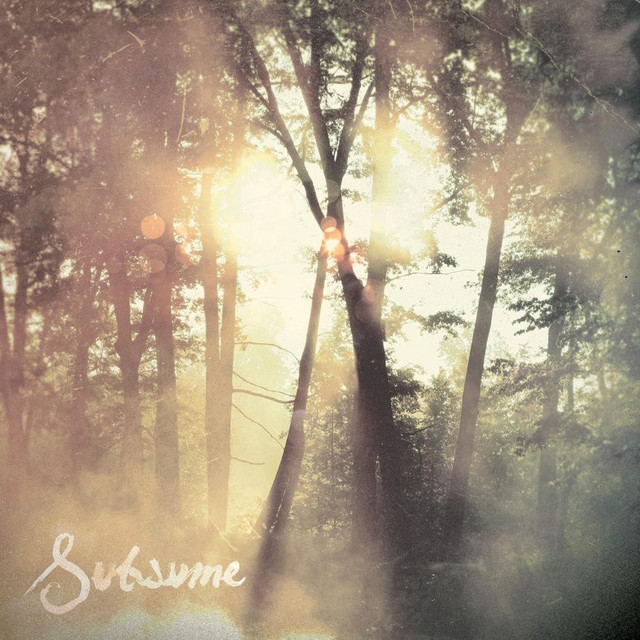
Subsume
Cloudkicker (2013)

Howl
Beware of Darkness (2012)
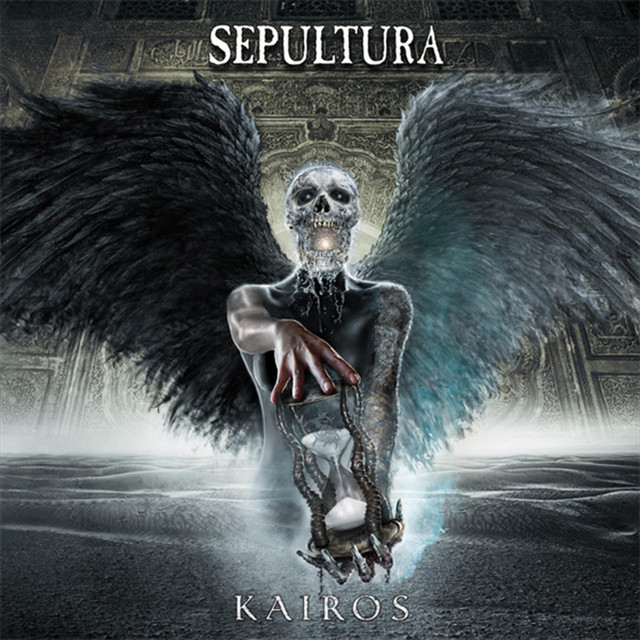
Kairos
Sepultura (2011)

Whatever People Say I Am, That's What I'm Not
Arctic Monkeys (2006)
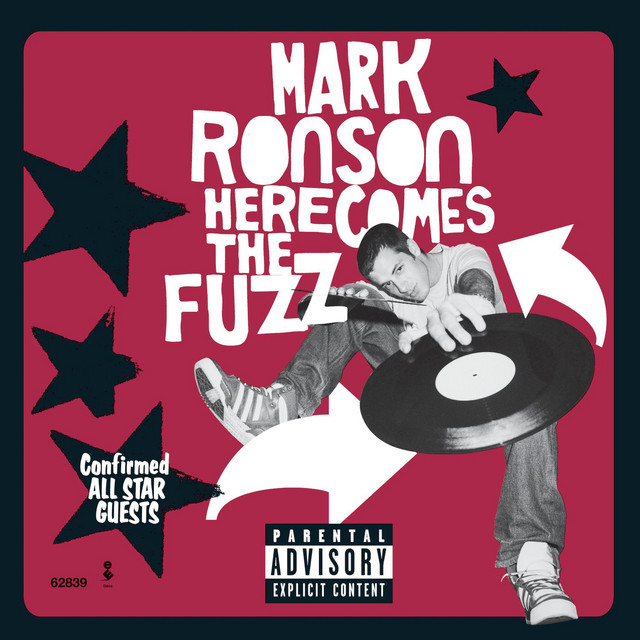
Here Comes The Fuzz
Mark Ronson (2003)

Strange Beautiful Music
Joe Satriani (2002)
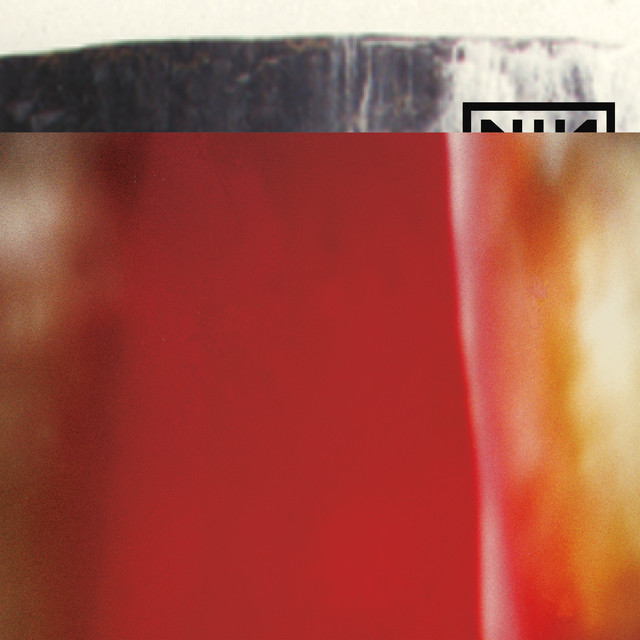
The Fragile
Nine Inch Nails (1999)

Boggy Depot
Jerry Cantrell (1998)

Pinkerton - Deluxe Edition
Weezer (1996)

Pinkerton
Weezer (1996)
Black Love
The Afghan Whigs (1996)

Korn
Korn (1994)
Pork Soda
Primus (1993)

Nevermind
Nirvana (1991)

Dreaming #11
Joe Satriani (1988)

Kill 'Em All (Remastered)
Metallica (1983)
Garlands
Cocteau Twins (1982)
Rock Until You Drop
Raven (1981)
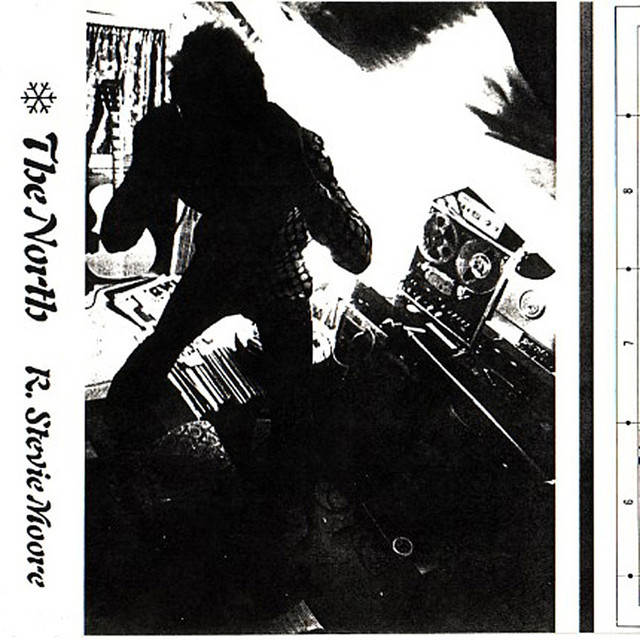
The North
R. Stevie Moore (1978)
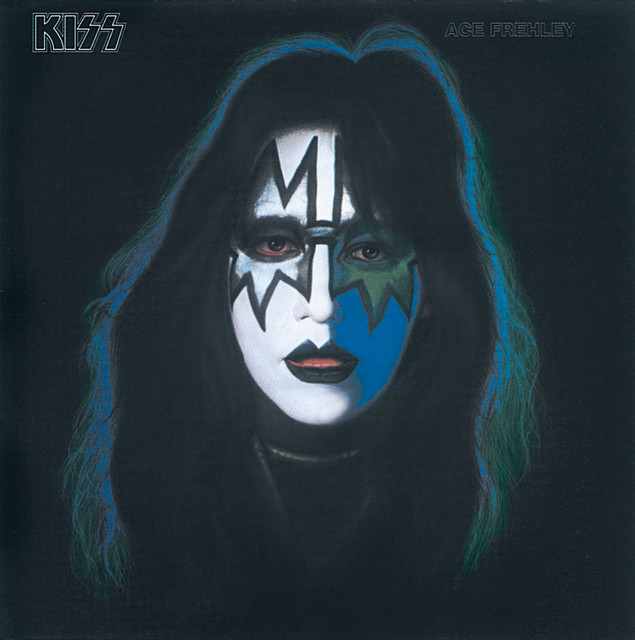
Kiss: Ace Frehley
Ace Frehley (1978)
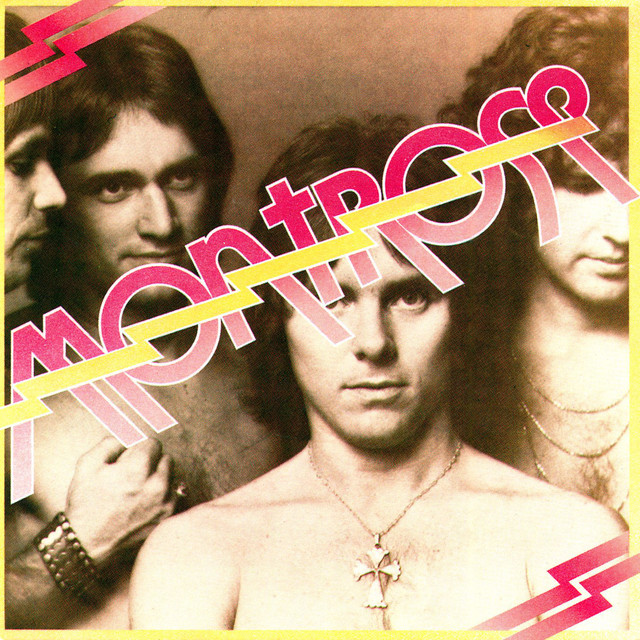
Montrose
Montrose (1973)
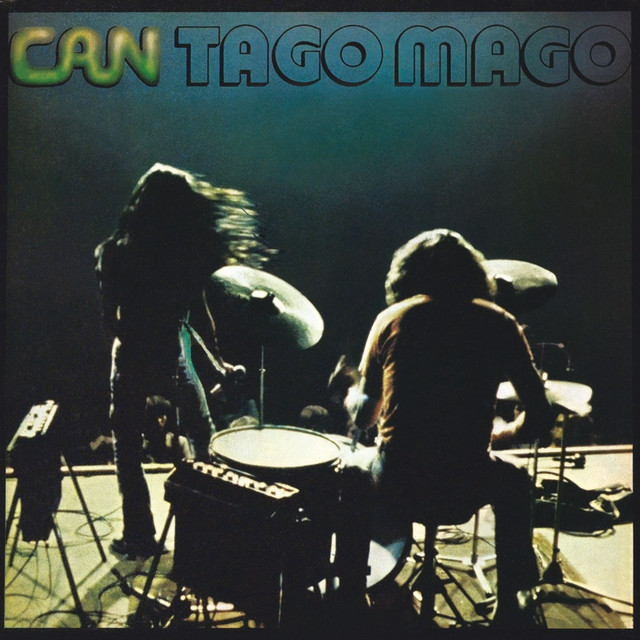
Tago Mago (40th Anniversary Edition)
Can & Can (1971)
Genre Usage
Based on how artists on Equipboard use this gear, it is most commonly found in the following genres.
Used With
Based on how musicians on Equipboard use Electro-Harmonix Big Muff Pi, it is most commonly used with the following gear.
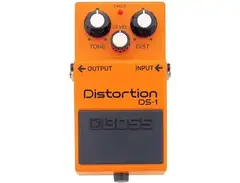

-s.webp?v=1784991509)
-s.webp?v=1784991509)
-s.webp?v=1784977217)

-s.webp?v=1784991509)
Community setups
Show yours


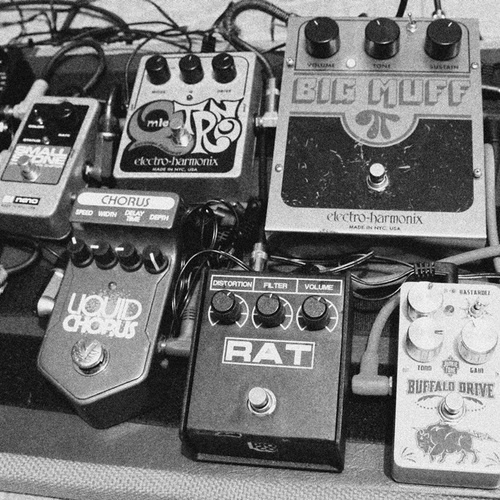

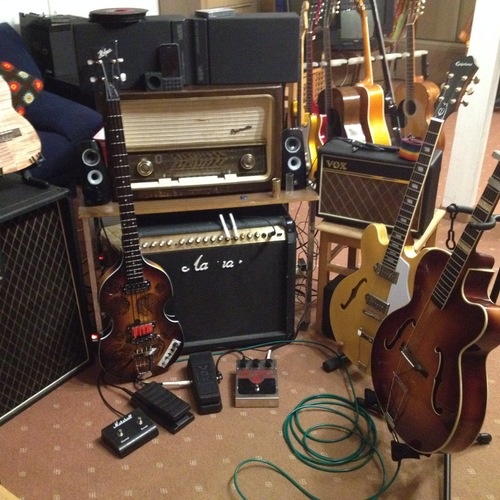


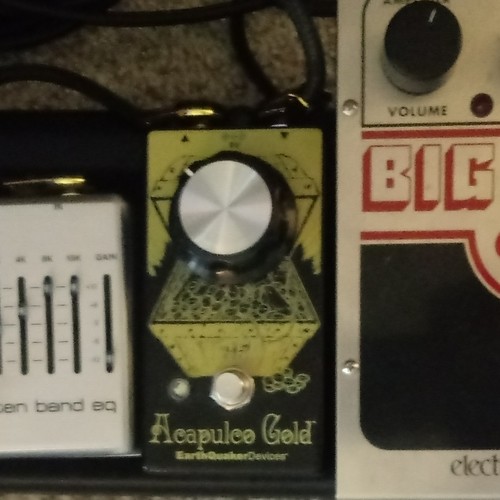

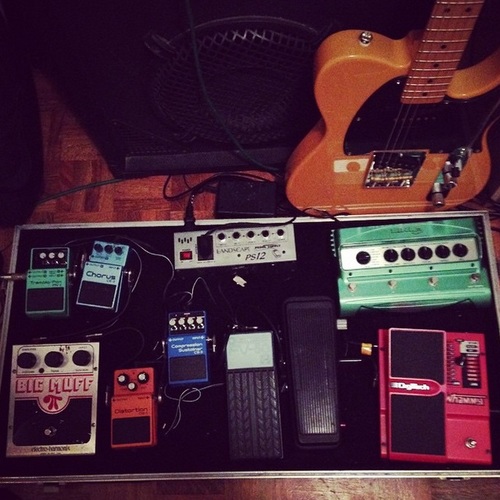

.jpg?v=1774320425)














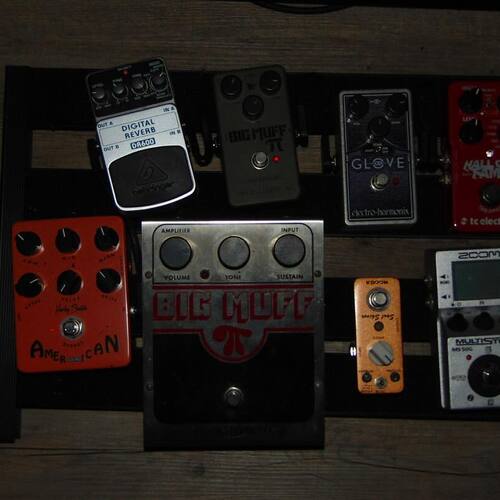

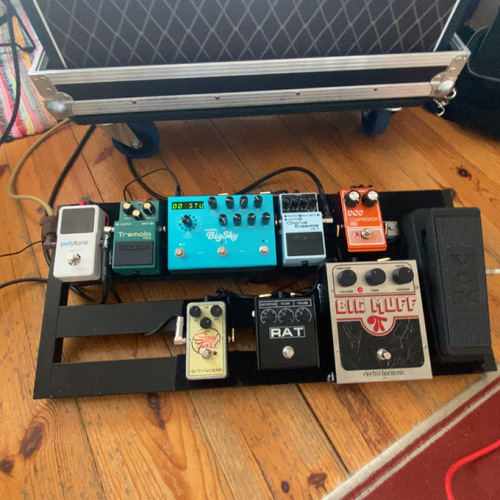


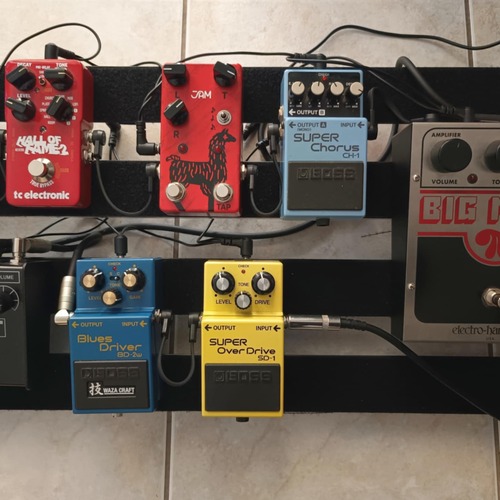
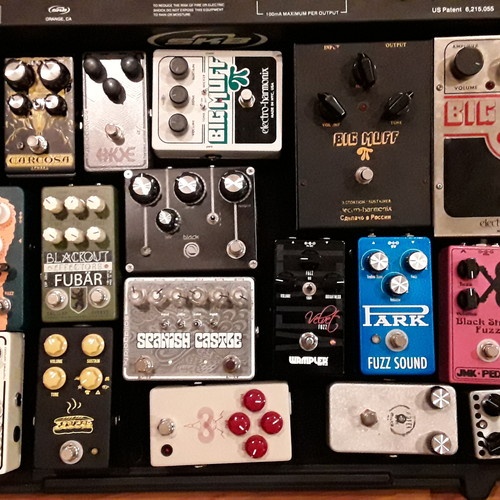



.jpg?v=1784315063)






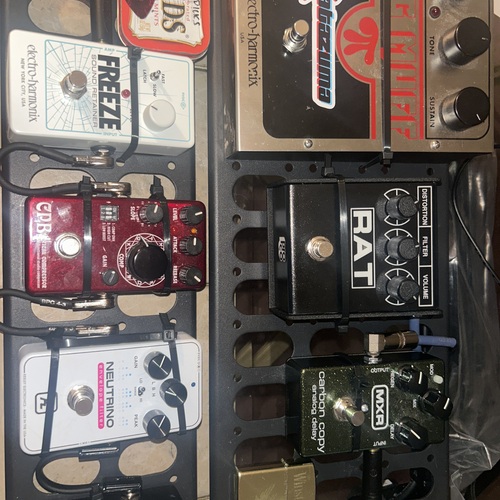
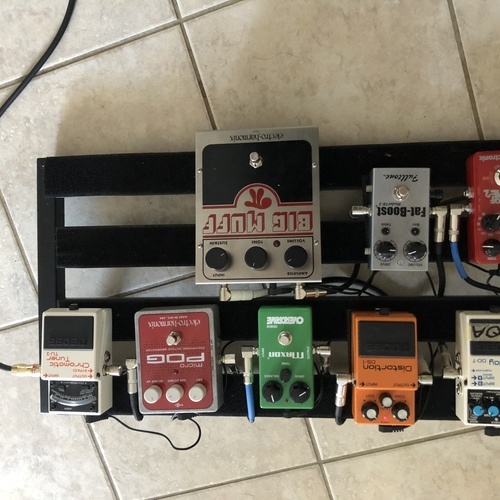

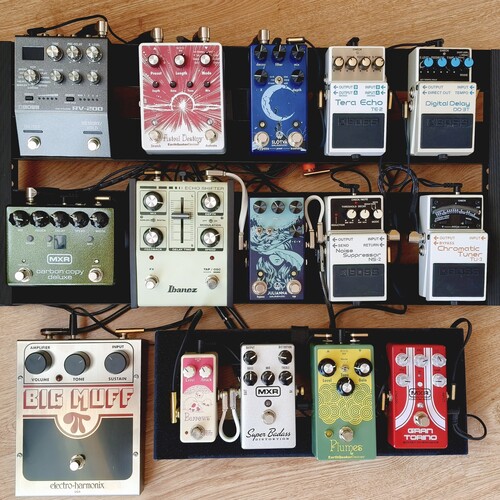
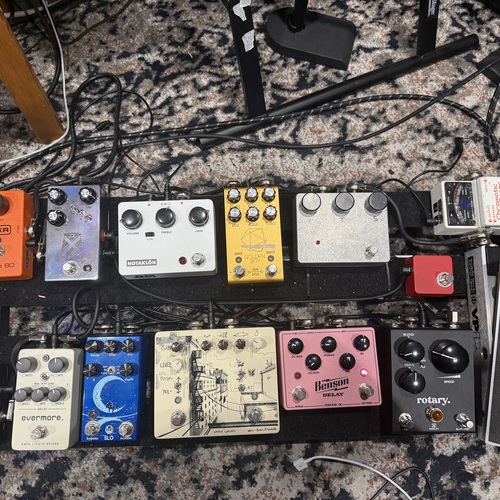
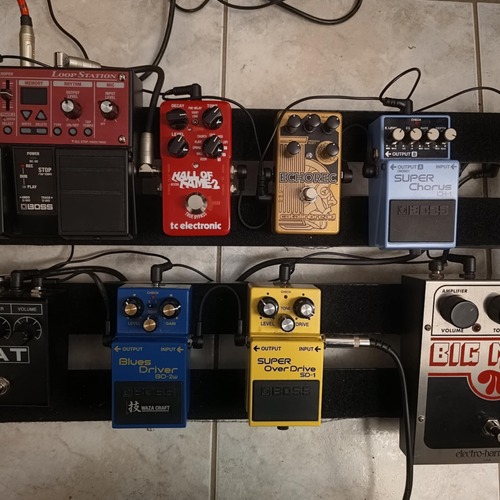
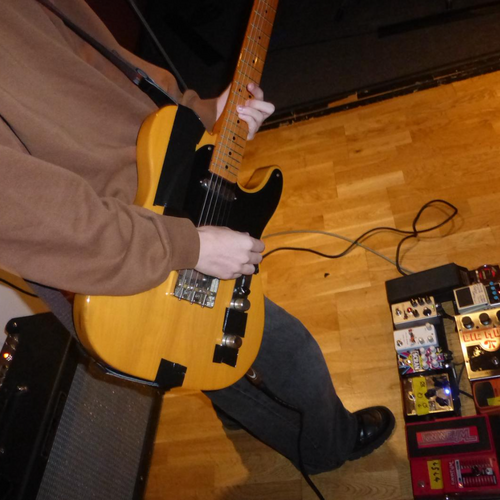
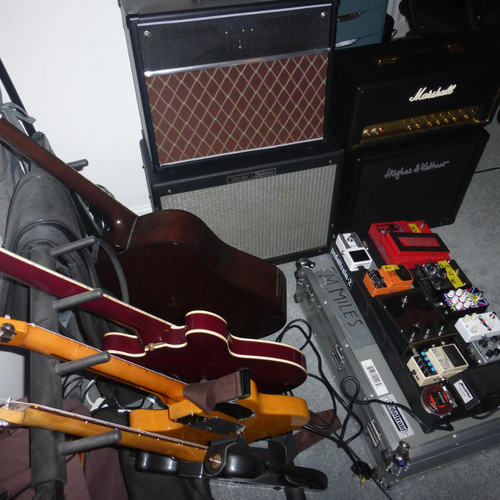

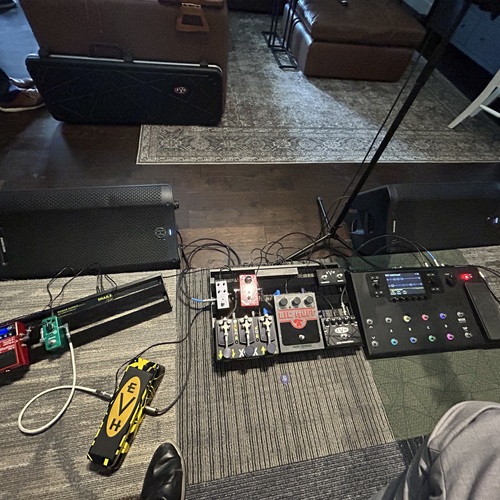

.jpg?v=1783112765)


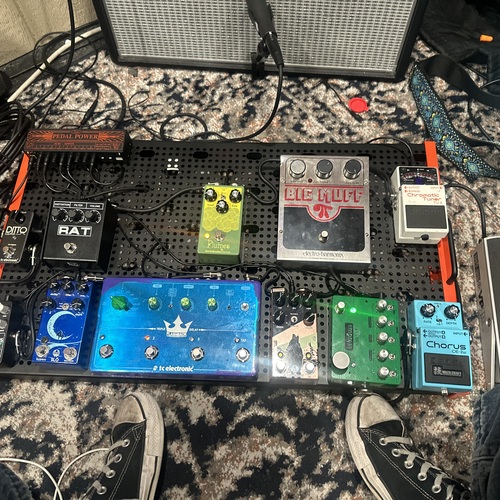

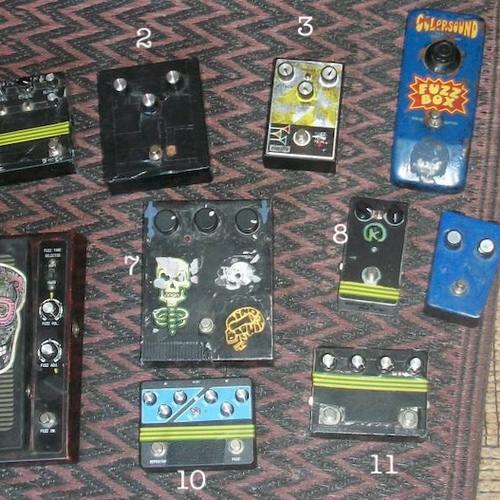
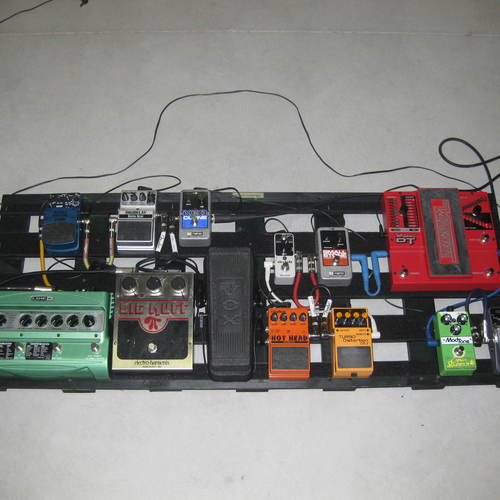
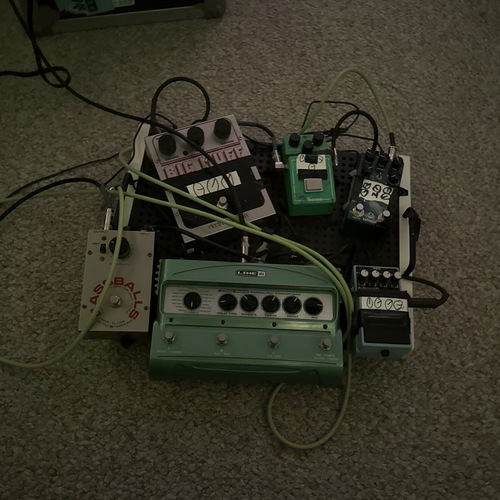
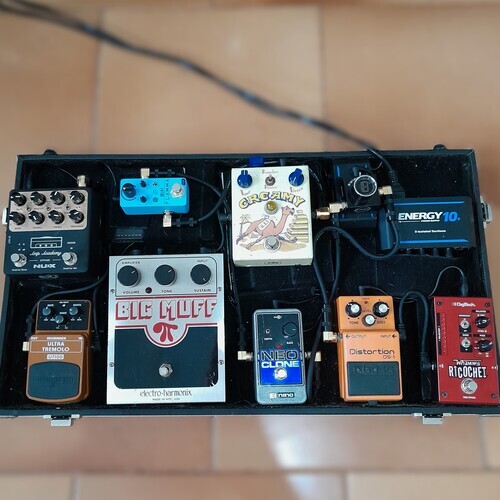

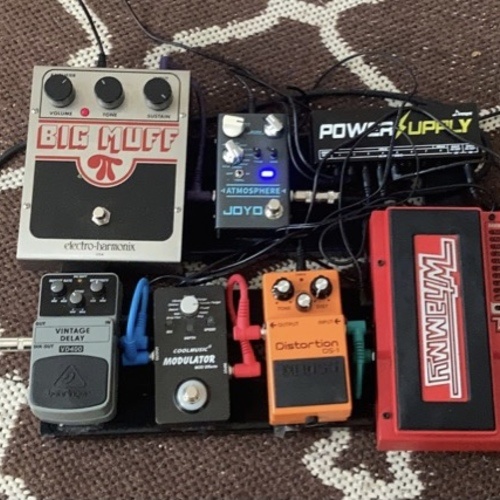




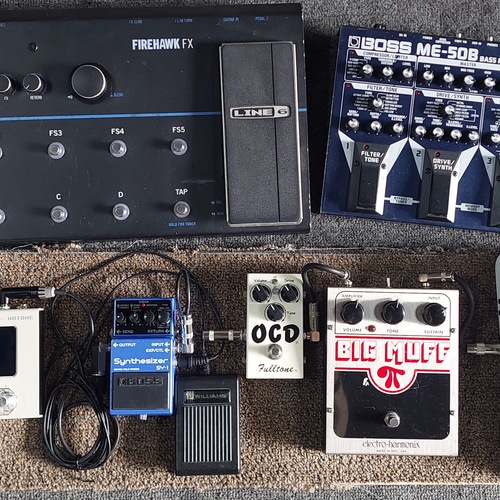

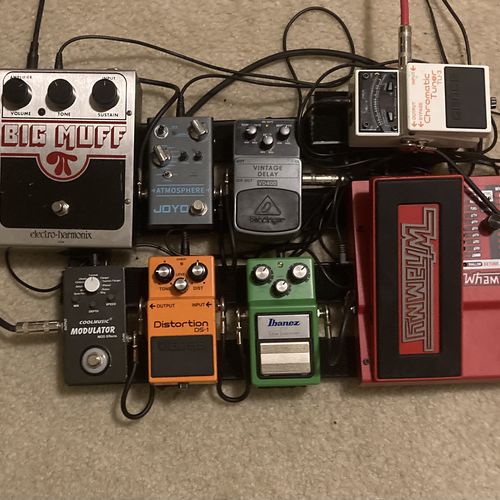

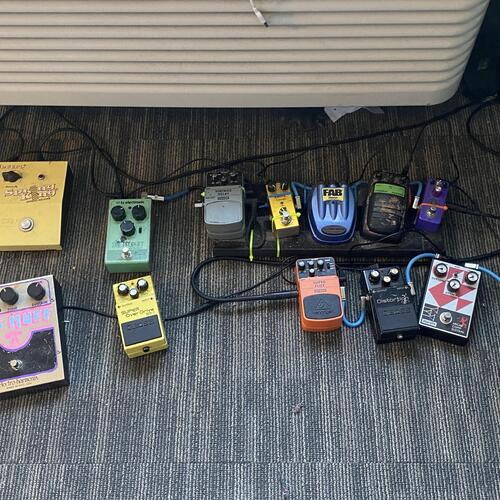
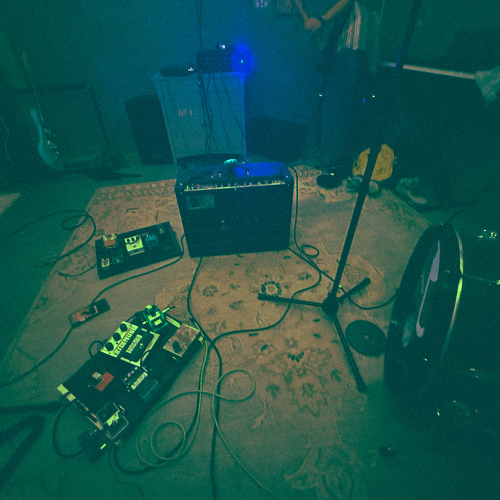
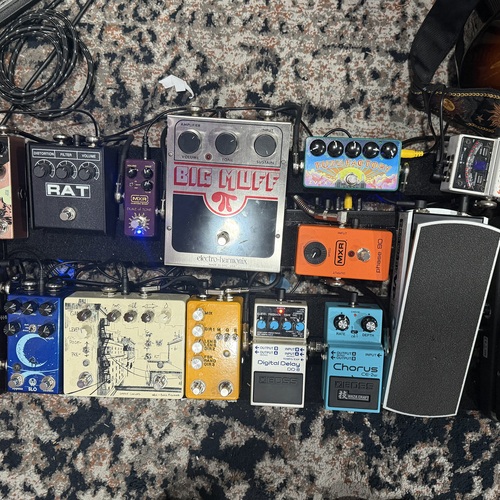
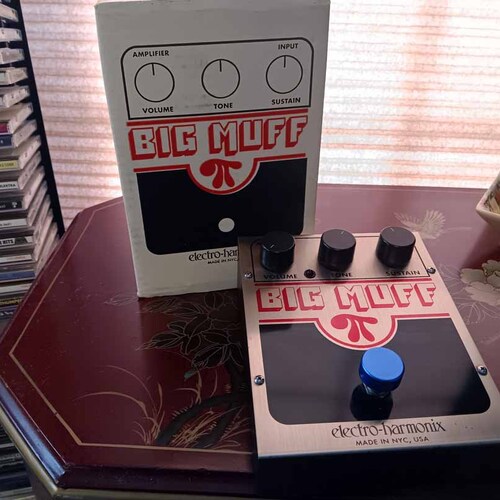
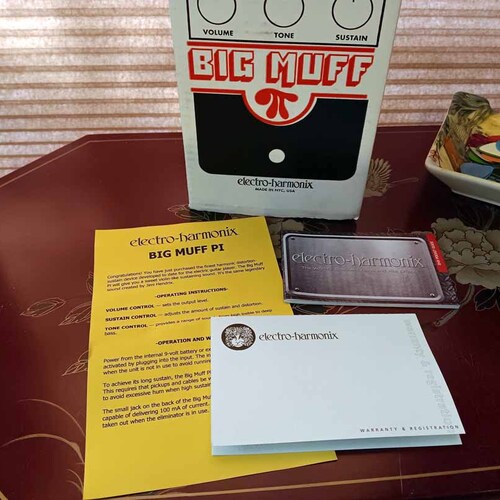
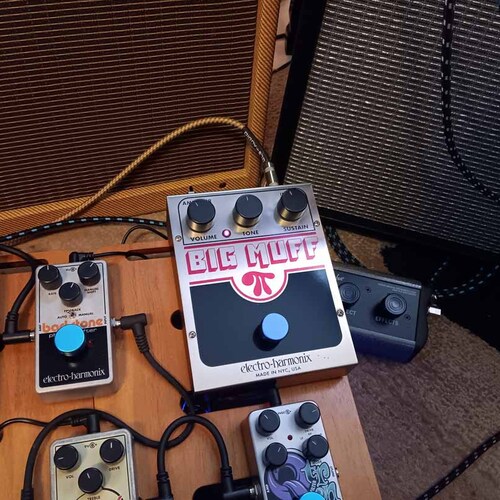


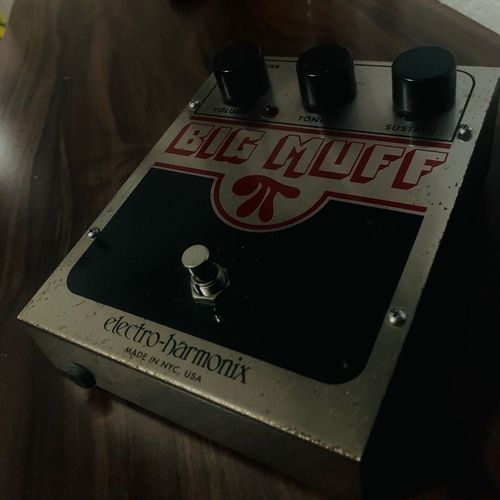

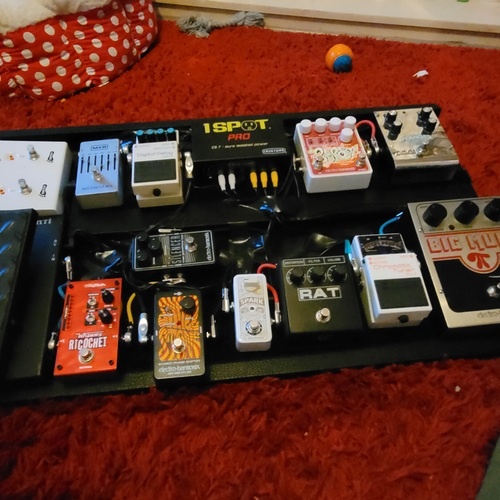
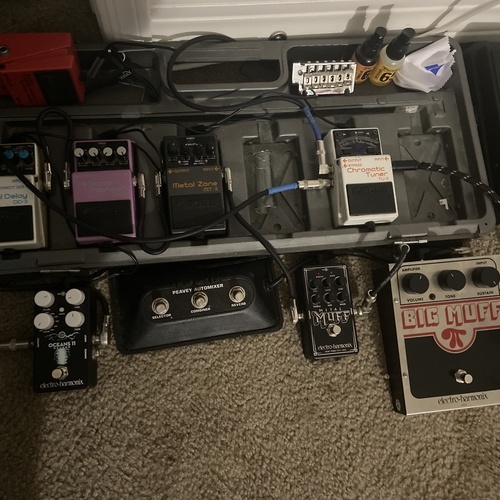



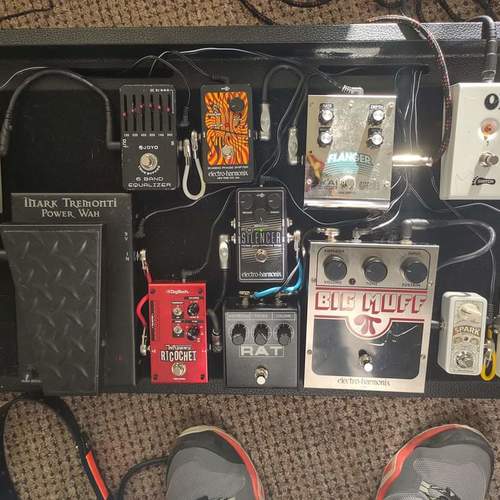
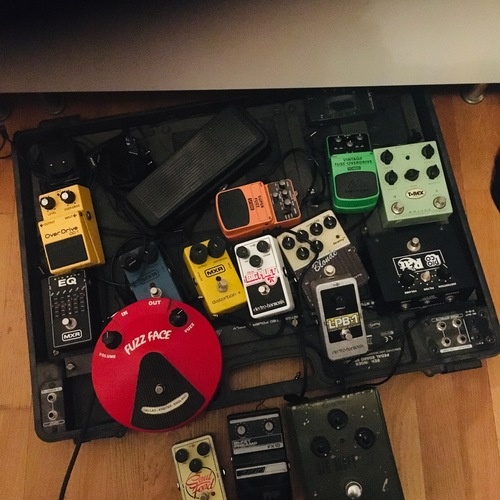
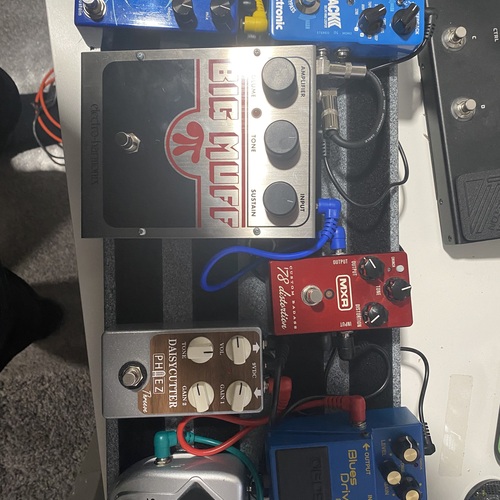
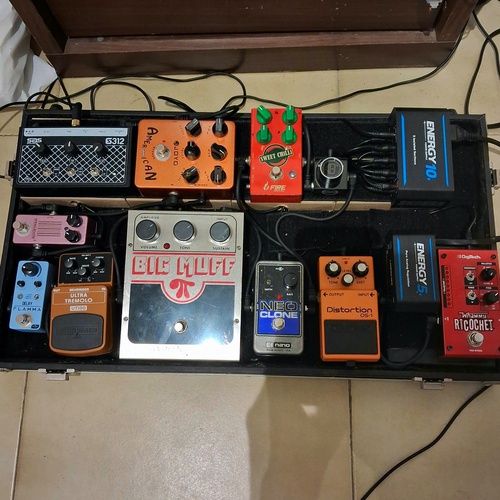

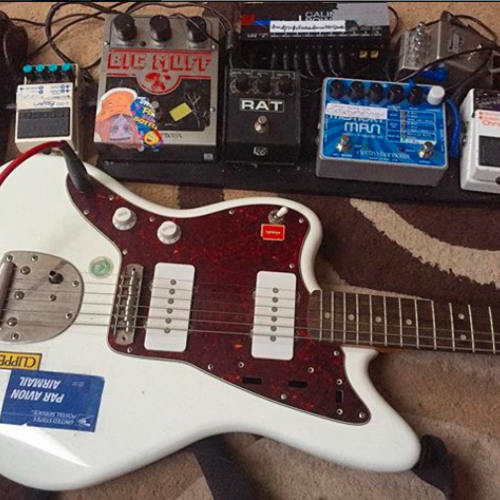



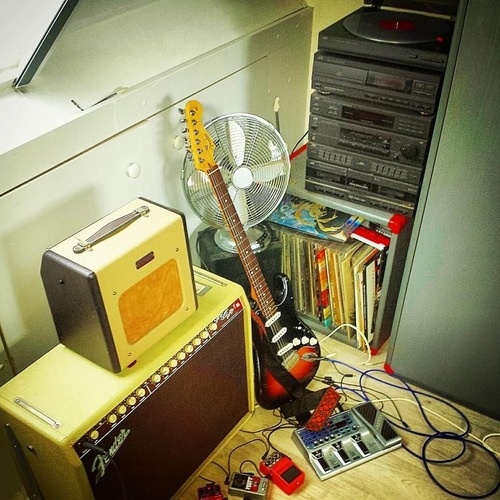

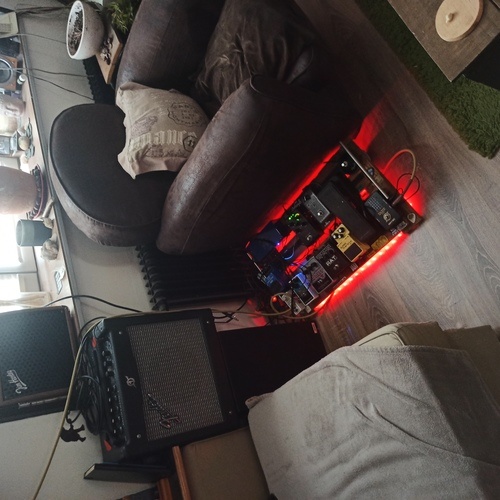
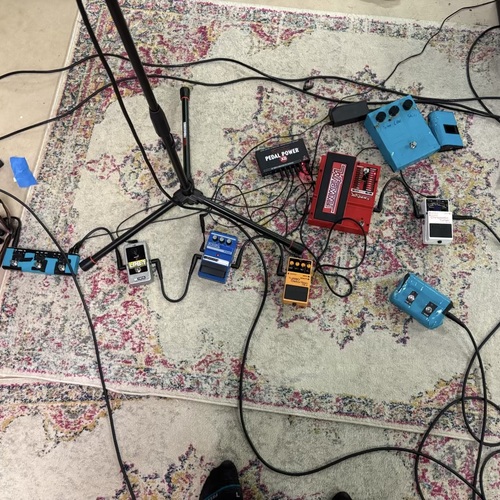
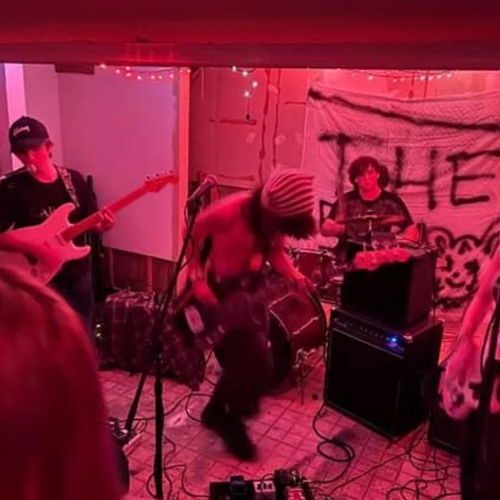




Similar
Add recommendation21 alternative and related items for Electro-Harmonix Big Muff Pi, curated by the Equipboard community.

$143.00
Boss' short lived take on a Big Muff style circuit, with bass and mid range EQ controls.

$77.00 - $149.00
The Gas Giant Fuzz is Pigtronix take on the Big Muff Pi, with a FET driven gate and an extra EQ toggle.

$52.00 - $59.80
The Matcha Cream is a much smaller pedal based on the iconic EHX Big Muff circuit. While its resale value is much lower than a genuine Big Muff, it offers a great fuzz tone at a much lower price (varying on the retailer).
-m.webp?v=1784988045)
$179.00 - $209.00
It’s a similar fuzz sound we’re all familiar with but at a higher end

$25.00 - $59.95

$85.00 - $108.90
A russian flavored muff. Follows the tonal qualities that the russian version of the pedals have
More Electro-Harmonix Fuzz Effects Pedals

$169.00 - $188.20
in Fuzz Effects Pedals Rank

$189.00
in Fuzz Effects Pedals Rank


$75.00 - $96.20
in Fuzz Effects Pedals Rank


$85.00 - $108.90
in Fuzz Effects Pedals Rank


$79.00 - $108.90
in Fuzz Effects Pedals Rank


$356.83
in Fuzz Effects Pedals Rank


$75.00 - $87.10
in Fuzz Effects Pedals Rank


$59.00 - $83.50
in Fuzz Effects Pedals Rank


$95.00 - $1,995.33
in Fuzz Effects Pedals Rank


$95.00 - $99.00
in Fuzz Effects Pedals Rank

$111.00 - $150.60
in Fuzz Effects Pedals Rank


$59.38
in Fuzz Effects Pedals Rank


$84.35 - $112.50
in Fuzz Effects Pedals Rank


$95.00 - $114.30
in Fuzz Effects Pedals Rank


$189.00
in Fuzz Effects Pedals Rank


-m.webp?v=1784991595)
$36.30 - $72.60
in Fuzz Effects Pedals Rank


$102.00 - $117.90
in Fuzz Effects Pedals Rank


$75.00 - $96.20
in Fuzz Effects Pedals Rank


-m.webp?v=1784991694)


$39.60 - $99.00


$99.00 - $131.50


$75.00 - $250.00


$69.00 - $85.30

$139.00 - $174.20


$123.68 - $136.10


$39.60 - $286.00


$81.00 - $116.10


.jpeg?v=1784893208)


Accessories & Related Items



-s.webp?v=1784977369)
-s.webp?v=1784991548)




Gear Guides
.jpg)







Most Popular Fuzz Effects Pedals
Most Popular Brands
-
Added to Equipboard on by
equipboardGearIQ 4934
-


