
Jerry Garcia
guitarist / vocalist in Grateful Dead
Jerry Garcia's Gear


Visible in the bottom right corner of this August 11, 1987 photo from Red Rocks. According to this historical article by Janet Furman (founder of Furman Sound) and this Dozin.com page, Garcia used the MC-2300 live starting in the early 70s.
Excerpt from "History of Furman Sound and its Grateful Dead Roots"
Not every Dead concert was recorded to 16 track. I only traveled with them for those that were, or occasionally I came along as the equipment tech. One memorable tour in July, 1973 included a stop at the Watkins Glen Summer Jam, held at the famed auto raceway. This all day outdoor concert featured just three super groups – the Grateful Dead, the Band, and the Allman Brothers. But that bill was enough to attract the largest crowd in rock history, if not in all of American history – 600,000, easily topping Woodstock’s smaller but better remembered crowd of 300,000. The Dead would need a massive amount of amplification to reach all those people. At the time, they insisted on using only McIntosh 2300 power amps, an audiophile rather than pro audio product, made in small quantity and hard to find on short notice. The McIntosh factory happened to be near Watkins Glen, in Binghamton in upstate New York. We were already backstage at the concert, and every road in the area was clogged with concert traffic. My assignment was to get five more of those giant amps, any way I could. Sam Cutler, the former Rolling Stones road manager now working for the Grateful Dead, handed me $6000 in cash and the use of a helicopter and pilot. Though it was a weekend and the McIntosh factory was closed, I tracked down the owner at his home. The pilot flew me from the venue to downtown Binghamton. Helicopter landings there were not an everyday affair, and there was great media interest. Flashbulbs popped and reporters stuck microphones in my face. In the summer heat, I was wearing only shorts and a concert T-shirt, with the cash wadded up in my pocket. I met up with the owner, who drove me to the factory and sold me the amps off the production floor. We drove back to town in his station wagon, his wife and kids aboard on their way to a summer vacation, and transferred the amps into the copter. At over 100 lbs each plus two people, it was a heavy load for a small helicopter. We had a very scary moment as we took off, coming within inches of crashing into a highrise building. But back at Watkins Glen, the sight of that enormous crowd from the air was unforgettable. In the moment I landed, delivering the goods, I became an instant hero.
Dozin.com
03/23/75. Mesa/Boogie MkI as pre-amp > MC2300 > 3 2x12's
(...) 5/77. 1 (silverface)Twin Reverb as pre-amp > McIntosh MC2300 power amp > 3 JBL 2x12's; BF Twin as reserve backup head
(...) Feb. to Mar. '80 JGB tour Mesa Boogie MkIIa head> MC2300> Hard Trucker JBL 3x12
Find it on:


-m.webp?v=1775890821)
Jerry Garcia had Alembic Guitars' Doug Irwin custom build a new guitar to use in 1979 after his Travis Bean guitar. He named the guitar 'Tiger' for the unique mother-of-pearl inlay of a Japanese-style drawing of a Tiger. More details can be read on this page.
Find it on:

In 1967, Jerry switches to 2 amps, a fender twin and showman head which fed a 2-15" speaker cabinet.
Find it on:


Can be seen using it in various photos and footage from 72-74, 8/27/72 "Sunshine Daydream" movie, 4/21/72 Beat Club footage. Its believed the pedal is "Wah+Vol", giving it the "swell" sound.
Find it on:
-m.webp?v=1783777396)
"The gain /distortion sound went to a Boss HM-2, thats right Heavy Metal 2. He also added a BOSS OS-2 Overdrive/Distortion PEDAL and a Overdrive pedal, OD-1 both these pedals are yellow. After each of these he placed a Boss GE-7 Graphic Equalizer to shape the sounds of these pedals."
Find it on:

You can see clearly in this pic of his pedals that its a Phase 100. He used it on songs like Candyman, Victim or the Crime, Crazy Fingers, and sometimes Sugaree.
Find it on:

Jerry Garcia used the MXR Distortion + (Script Logo) for enhancing his leads and gain. This information is detailed in the "Dead Gear" section on Epicdimensions, which also mentions other effects in his setup, including the MXR Analog Delay, MXR Phase 100 (Script Logo), Mutron III envelope filter, and Mutron Octave Divider.
Find it on:


Jerry Garcia can be seen playing a Gibson SG Standard in this photo.
Find it on:


See 2nd top item in rack behind Jerry in photo...
Also see here for more info and photos of the rack http://wald-electronics.com/amphistory.html. He started using the trio live about 92-3 and belive settled on a speaker emulation system after experimenting with different mic'd cabs and cab emulation.
I beliVe two other guitarists with grateful dead also bought a trio but don't have sources for that.
Find it on:

Here in this webpage it shows pictures of Jerry on stage with pedals behind him on his racks 3rd photo down shows his mid-late 80s early 90s pedal rig with the boss oc-2 octave pedal.
Find it on:

According to Jerry Garcia's official site, one of Jerry's guitars, nicknamed Alligator, was a 1957 Fender Stratocaster. Jerry's site writes "Over the years, the guitar was repeatedly customized and updated. Along with these structural modifications, this Strat was easily identified by its prominent stickers–namely the alligator holding a knife and fork, dancing across the pick guard."
Find it on:


"Garcia's Effects. MXR Distortion + Script Logo for leads and gain. MXR Analog Delay- the green one with 3 knobs. MXR Phase 100 Script logo -( think candyman lead) Mutron lll envelope filter- there is no other like it. Mutron Octave Divider"
Find it on:

Here in this webpage it shows pictures of Jerry with his pedals behind him 3rd photo down shows his mid-late 80s early 90s pedal rig with the boss od-2 turbo overdrive.
Find it on:

According to this Reverb.com entry, by Resonance Guitars, Jerry Garcia used this Mu-Tron III Envelope Filter.
Find it on:

Here he is playing a Starfire.
Find it on:


In a photo from a Google search, Jerry Garcia's rack setup includes a Mu-Tron Octave Divider, positioned to the left of his Mu-Tron III. Garcia began using this pedal possibly in 1976, with confirmed usage from 1977 through the mid to late 1980s.
Find it on:

According to Guitar Aficionado's article about Jerry's guitars, Garcia picked up a Travis Bean while his custom Irwin guitar Wolf was being repaired. The TB500 was one he purchased later.
In 1976, while Wolf was being repaired, he discovered a new company making guitars in the San Francisco Bay Area: Travis Bean, named after its main luthier and founder. Garcia initially mocked the aluminum necks featured on Travis Bean’s guitars, but he was pleasantly surprised after trying one and eventually added two Travis Bean models — a TB1000A with humbuckers and a TB500 with single-coil pickups — to his arsenal. Garcia performed with these guitars often during the late Seventies and even had the TB500 modified with the same buffered effect loop installed in Wolf as well as a unity-gain buffer made by John Cutler.
Find it on:

Here in this webpage it shows pictures of Jerry with his pedals behind him. 3rd photo down shows his mid-late 80s early 90s pedal rig with the boss overdrive od-1
Find it on:
-m.webp?v=1783894929)
Jerry Garcia used a Martin D-18 acoustic guitar during the recording sessions for "Workingman's Dead" and "American Beauty," as detailed in the guitar history on Dozin.
Find it on:
-m.webp?v=1783929061)
One of his favourite acoustic guitars. Played in this video on "Hard Time"
Find it on:

1967-Guild and then in the summer he switched to a black 1957 Gibsons Les Pauls with P90's with covers removed and Bigsby tremolo
Find it on:

According to Jerry Garcia's official site, one of Jerry's guitars, nicknamed Wolf, was a Doug Irwin Commission. Jerry's site writes "A bloodthirsty cartoon wolf sticker Jerry placed below the tailpiece served to name the guitar and was later inlaid in the body by Irwin."
Find it on:

1968 - Gold-top Les Paul with P-90 single coil p/u's. 3 Twin Reverbs, 2 Fender 4x12 cabinets, JBL D120 speakers
Find it on:

Rosebud was Irwin’s masterpiece, delivered in late 1989 with MIDI controls built in. Everything he learned about guitars went into Rosebud. It was named for the inlaid dancing skeleton on the cover plate that Irwin referred to as “The Saint,” but Jerry nicknamed “Rosebud”—possibly as a nod to Orson Welles’ Citizen Kane. It is almost the twin of Tiger, but two pounds lighter at 11.5 lbs. due to the hollowed-out flame-maple core. Rosebud immediately became Jerry’s main guitar for all but Jerry Garcia Band shows, where he still played Tiger for another year.
Find it on:

After spending years building custom interiors for Caribbean yachts, Stephen Cripe decided to try his hand at crafting guitars. He studied the "Dead Ahead" video until he wore it out, and replicated Irwin’s Tiger—with some flourishes of his own. In 1993 he sent the completed guitar off to the Grateful Dead offices. Jerry quickly pronounced the piece "the guitar I've always been waiting for" and began playing it exclusively.
Built totally by feel, the instrument honored Jerry’s interest in preserving the rainforests, using recycled rosewood originally harvested in Brazil for the fingerboard. Cripe constructed the neck with an unusual accuracy in the higher end, which allowed Jerry to play where he usually avoided. For the body, Cripe reused East Indian rosewood taken from a bed once used by opium smokers in Asia—acknowledging the irony, but insisting it was about the quality of wood. It came to be called Lightning Bolt due to the inlay that Cripe designed.
Find it on:

A jumbo style acoustic guitar with a cutaway was one of four custom guitars built by the Yairi luthiers for Jerry. All four feature graphite necks made by the Modulus Guitar Company of San Rafael, CA. This particular guitar became the basis for the GY-2 production model made by Yairi. (https://www.rukind.com/viewtopic.php?t=11489)
Find it on:

Here in this webpage it shows pictures of Jerry with his pedals behind him 3rd photo down shows his mid-late 80s early 90s pedal rig with 2 boss ge-7's
Find it on:

Jerry Garcia had the guitar in 1972 Custom build by Luthier Dan Earlwine https://www.lespaulforum.com/forum/showthread.php?17446-Question-for-Dan-Jerry-Garcia The guitar is a black walnut strat body with a deep belly cut, maple neck with Indian rosewood numbers inlays for fret markers, Gibson Stop Tailpiece, and Tune-o-Matic bridge. Guitar body came from the same slab of wood as Albert King's "Lucy"
Find it on:

Garcia seen playing a Martin 00-45 in this photo during filming of rehearsal of “Candyman” for American Beauty album. (From Amazon series “Long Strange Journey.”) In another photograph I have, Garcia (without beard) is playing the same beautiful Martin 00-45.
Find it on:

In 1979, Jerry Garcia used an Ibanez Musician guitar during his performances with the band Reconstruction, as documented in the Jerry Garcia guitar history on Dozin.
Find it on:
This is a community-built gear list for Jerry Garcia.
- Find relevant music gear like Microphones, Guitars, Amplifiers, Effects Pedals, and other instruments and add it to Jerry Garcia.
- The best places to look for gear usage are typically on the artist's social media, YouTube, live performance images, and interviews.
- To receive email updates when Jerry Garcia is seen with new gear, follow the artist.
-
Added to Equipboard on by
.jpg?v=1783892434) gchiaren
gchiarenGearIQ 37596
-
Updated
Discography
Folk Time
1962
Hooteroll? +2
1972
Garcia
1972
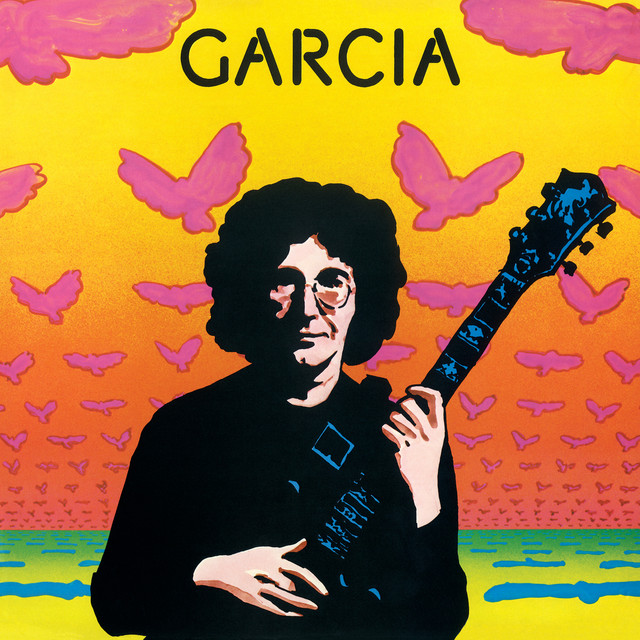
Garcia (Compliments) (Expanded)
1974
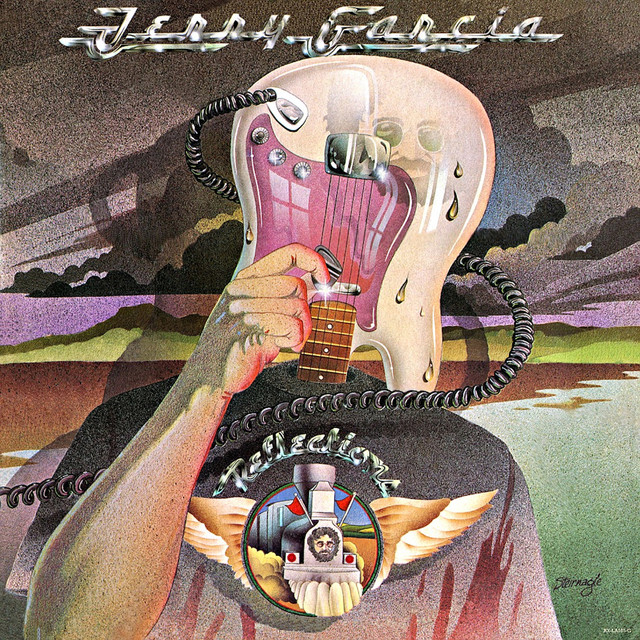
Reflections (Expanded)
1976
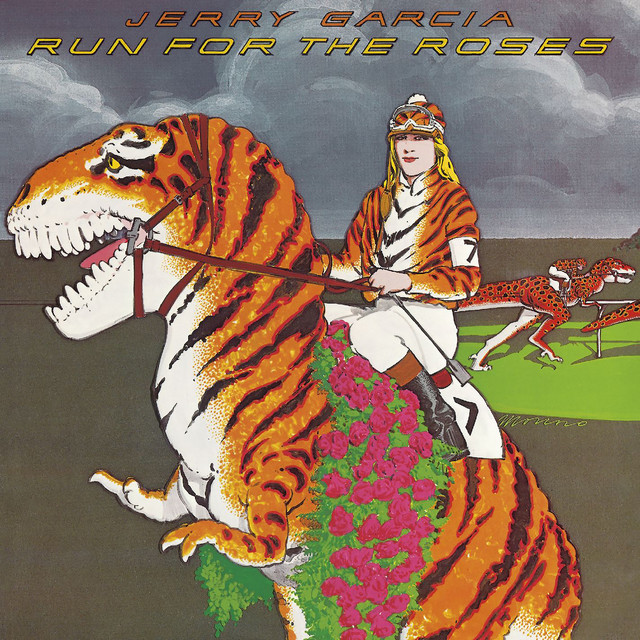
Run for the Roses (2018 Remaster)
1982
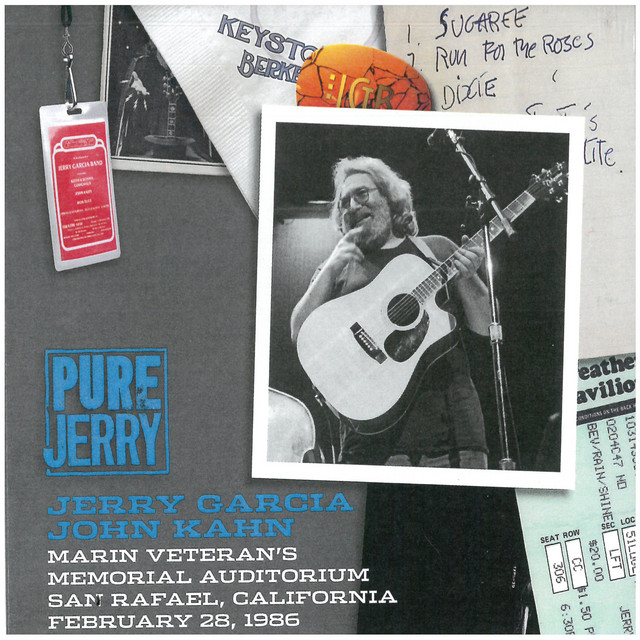
Pure Jerry: Marin Veteran's Memorial Auditorium, San Rafael, California, February 28, 1986
1986
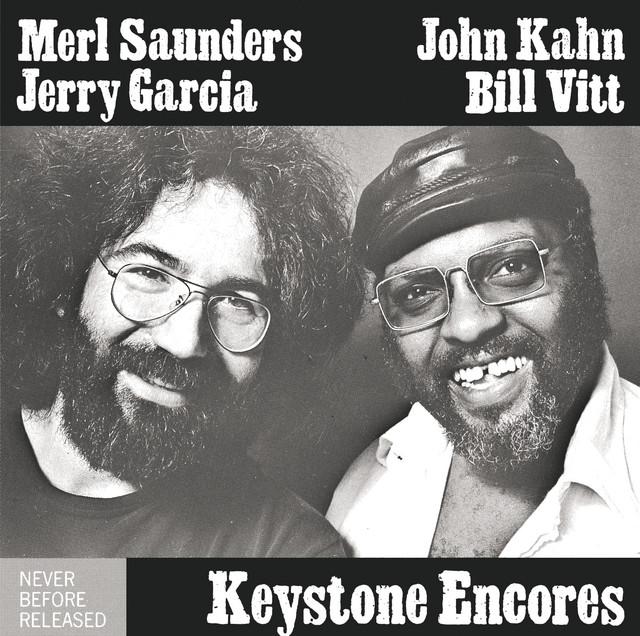
Keystone Encores
1988
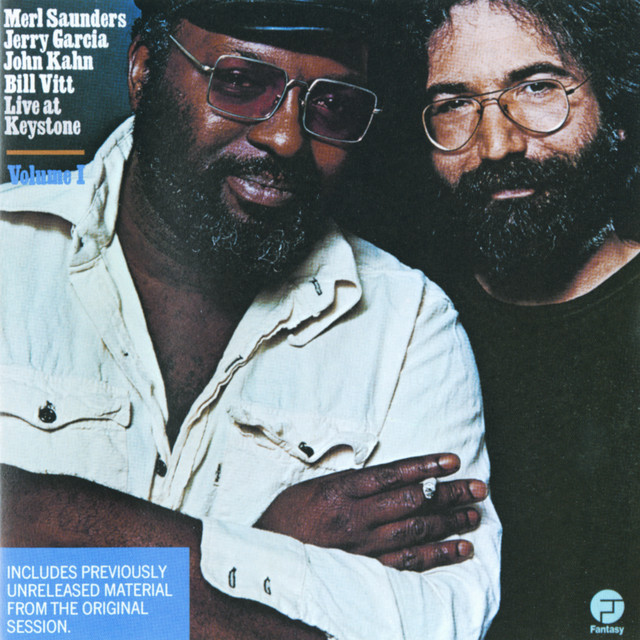
Live At Keystone, Volume 1
1988
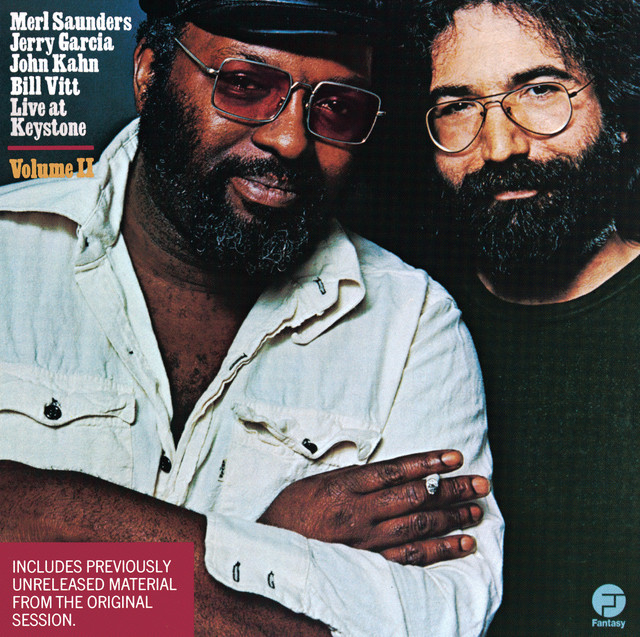
Live At Keystone, Volume 2
1988
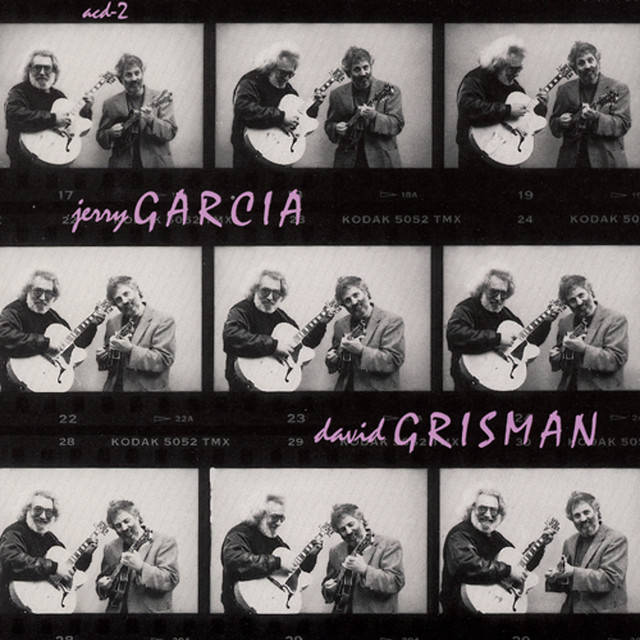
Jerry Garcia & David Grisman
1991
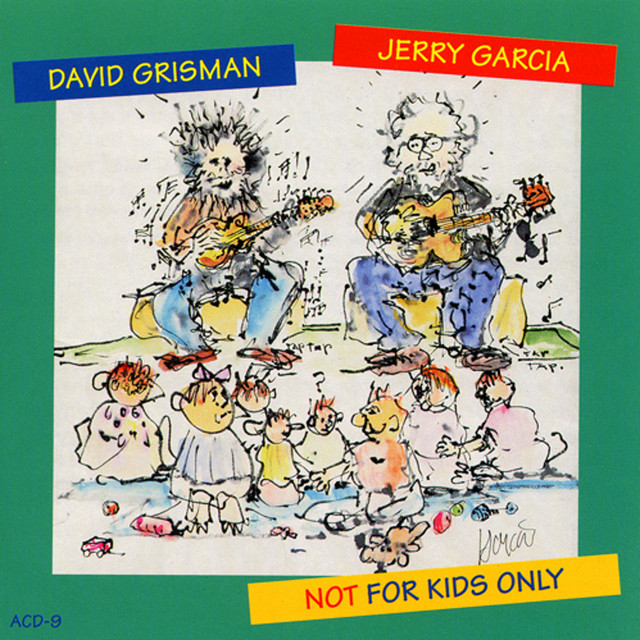
Not For Kids Only
1993
Album Credits
-
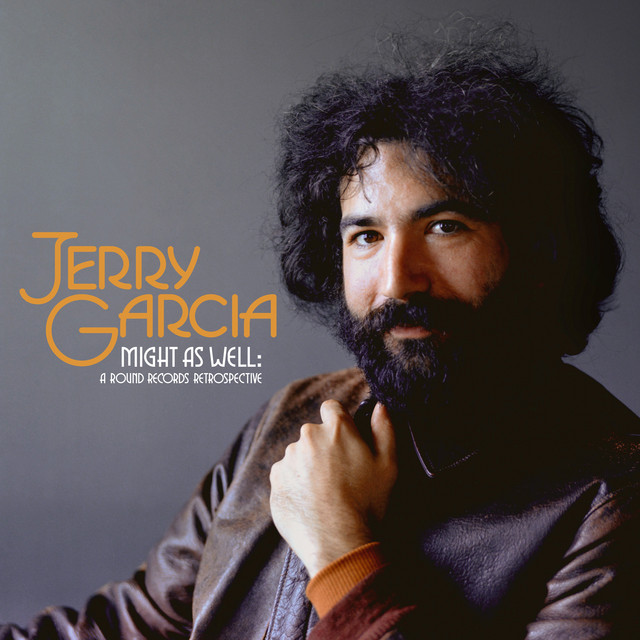
Might As Well: A Round Records Retrospective
Jerry Garcia · 2023
Mixing Engineer -
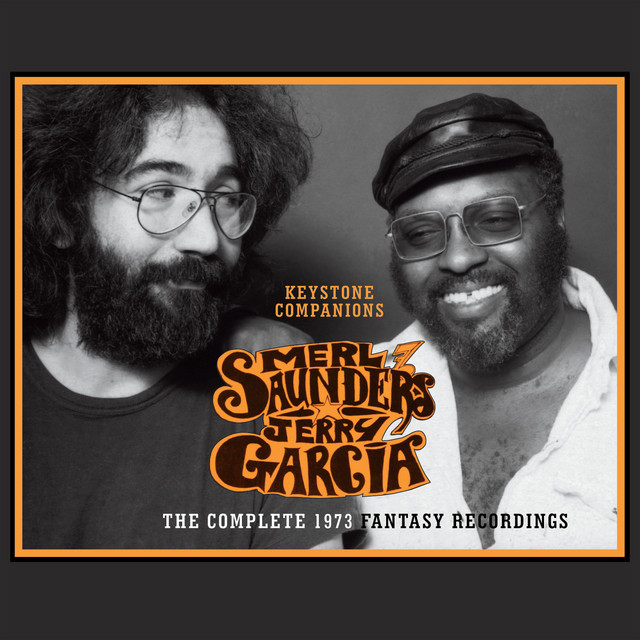
Keystone Companions: The Complete 1973 Fantasy Recordings
Jerry Garcia & Merl Saunders · 2012
Producer -
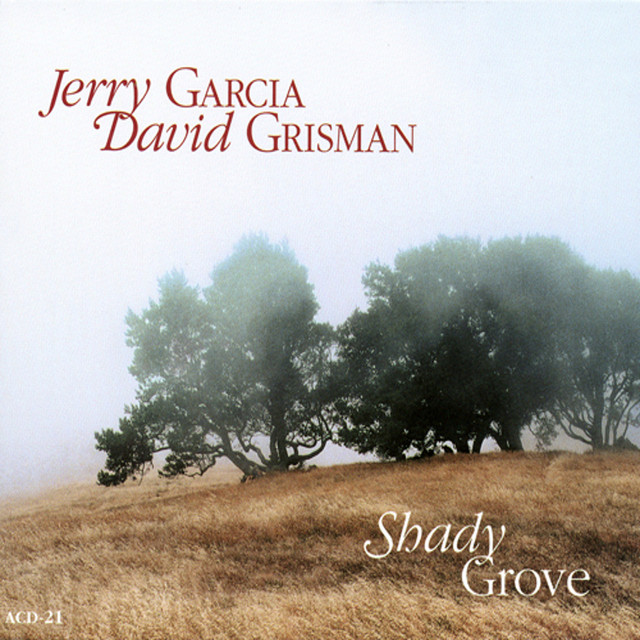
Jerry Garcia & David Grisman · 1996
Producer -
Jerry Garcia & David Grisman · 1991
Mixing Engineer Producer -
Jerry Garcia · 1972
Mixing Engineer -
Bob Weir · 1972
Mixing Engineer








.webp)