
Pricing and availability
We compare 600+ stores and found this item at 1 store. Prices updated .
Store
Reviews
Price




Average Price: $61
Standard/Professional
$50
$176+
Price Tier
Budget
Standard
High-end
* Product prices and availability are updated by Equipboard every 24hrs and are subject to change. Equipboard may receive compensation for purchases made at participating retailers linked on this site. This compensation does not affect what products or prices are displayed, or the order of prices listed. For more information, please refer to our affiliate disclosure.
Description
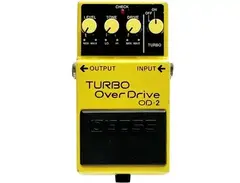
The Boss OD-2 Turbo Overdrive is a stalwart in the world of guitar effects pedals, standing as a proud successor to the iconic Boss OD-1. Born between the years of 1985 and 1995, this pedal not only delivers the revered classic OD-1 tone, but also packs a second mode for those seeking higher gain and additional distortion. Whether you're a collector hunting for made-in-Japan gems or a guitar warrior assembling a formidable pedalboard, the Boss OD-2 Turbo Overdrive is a coveted piece of gear.
Key Features:
- The successor to the legendary Boss OD-1 Overdrive
- Offers classic OD-1 tone
- Features a second mode with higher gain and more distortion
- Japanese-made, sought after by collectors and musicians alike
Product specs
| Brand | Boss |
| Model | OD-2 Turbo OverDrive (Black Label) |
| Finish | Yellow |
| Year | 1985 - 1988 |
| Made In | Japan |
| Categories | Distortion Pedals, Overdrive and Boost Pedals |
FAQs
-
What is the difference between the Boss OD-2 Turbo OverDrive and a standard overdrive pedal?
-
The Boss OD-2 Turbo OverDrive offers a "Turbo" mode that provides increased gain and sustain, making it suitable for heavier music styles. This feature distinguishes it from standard overdrive pedals, which typically offer a more subtle, less aggressive overdrive.
-
Can the Boss OD-2 Turbo OverDrive be used for both rhythm and lead guitar parts?
-
Yes, the Boss OD-2 is versatile enough for both rhythm and lead guitar. The standard mode is ideal for crunchy rhythm tones, while the Turbo mode enhances sustain and gain for lead solos.
-
Is the Boss OD-2 Turbo OverDrive suitable for playing blues music?
-
The Boss OD-2 can be used for blues music, especially in its standard mode, which offers a warm, natural overdrive that complements the expressive dynamics typical of blues guitar playing.
-
Does the Boss OD-2 Turbo OverDrive work well with a clean amplifier?
-
Yes, the Boss OD-2 Turbo OverDrive pairs well with a clean amplifier, adding overdrive and sustain without altering the amp's inherent tonal characteristics.
-
What power supply does the Boss OD-2 Turbo OverDrive require?
-
The Boss OD-2 Turbo OverDrive requires a 9V power supply, either from a 9V battery or a compatible AC adapter, such as the Boss PSA series.
Videos

Reverb
Boss OD-2 Turbo Overdrive | Reverb Demo Video
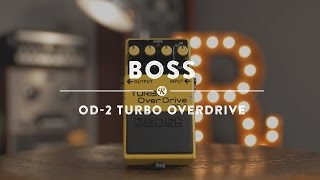
Boss OD-2 Turbo Overdrive | Reverb Demo Video
Reverb

Is This The Most Underrated Drive Pedal Ever?! - BOSS OD-2 TURBO OverDrive Demo

JamesHoodMusic
Vintage Classics | BOSS OD-2 TURBO Overdrive | Pedal Demo

JimijaymesGuitarist
TURBO Pedals are BETTER - Boss OD-2 TURBO Over Drive

TheSuperFunAwesomeHappyTimePedalShow
Boss OD-2 Turbo Overdrive Demo

Joe Perkins
![Video thumbnail for Boss OD2 Turbo Overdrive - One of Boss' Best Drive Pedals [due a reissue?] by John Nathan Cordy](https://img.youtube.com/vi/5KXMQgjHk4w/mqdefault.jpg)
Boss OD2 Turbo Overdrive - One of Boss' Best Drive Pedals [due a reissue?]

John Nathan Cordy
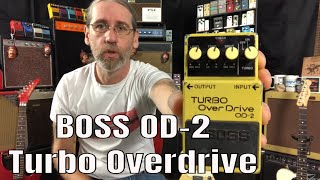
BOSS OD-2 Turbo Overdrive demo

Ben Coombs
Boss Turbo Overdrive OD-2 - is it good for metal? (Pedal Vault)

Dome
Reviews
PROS
-
Two distinct overdrive types with Turbo On/Off switch
-
Can achieve a very thick sound bordering on distortion
-
Offers both a classic Boss OD-1 tone and a higher gain option
-
Enhances the tone of Strat-type guitars through solid-state amps
-
Durable and reliable enclosure design
-
Can be modded for improved output and compatibility with PSA type 9v adapters
-
Useful for a wide range of musical styles
-
Turbo setting allows for easy channel switching while playing
-
Provides versatility with the ability to stack with other pedals
CONS
-
Finding gain unity can be challenging
-
May have reliability issues with a chance of not working properly
-
Some players may find better options available now
-
The pedal's output may vary unexpectedly between uses
Owner Insights
We analyzed real musician discussions from forums and Reddit to find what players love, question, and tweak about Boss OD-2 Turbo OverDrive.
Features and functionality
-
The original OD-2 can't boost the signal above unity, unlike the OD-2R, which allows signal boosting for driving amps.
Source -
Turbo mode significantly thickens and compresses the sound, a tone used by Prince for his lead parts in the 80s and 90s.
Source -
Unity volume can be challenging to achieve, often requiring settings between 3 o'clock and fully turned up, particularly at mild gain settings.
Source
Setup and maintenance
Comparisons
Use cases and applications
-
The OD-2 is noted for its fuzz-like clipping, offering a dynamic, harsh base mode and an extremely compressed turbo mode.
Source -
Owners achieve a bright, cutting tone using Turbo mode with tone and drive maxed, especially with modified Strat guitars featuring P90 pickups and 500K pots.
Source -
Turbo mode edges into distortion territory, offering a more aggressive sound ideal for specific performance contexts.
Source
User experience
-
Owners report sustained functionality after decades, with one having bought it 25 years ago for $40 and another for 13€ in today's value, highlighting its durability.
Source -
A Keeley Compressor Plus effectively boosts the OD-2, enhancing its tonal qualities, especially when placed first in the drive chain.
Source -
Owners appreciate the pedal's aged aesthetic, which adds a unique, vintage look to their setup.
Source
Critic Reviews
4.0 out of 5
Based on 9 Reviews and 51 Ratings

15320
Great Dirtbox With Minor Flaws
In terms of tonal character, it should be noted that the OD-2 produces two types of overdrive, accessible via the Turbo On/Off switch. With the Turbo switch turned off, the sound is reminiscient of a darker-voiced SD-1. It retains the slightly aggressive edge of the Super Overdrive, presumably the result of asymmetrical clipping, rather than the smooth sound of symmetrical clipping a la the Tubescreamer.
However, turn the Turbo switch on, and this is where the magic really starts to happen. Suddenly, the pedal produces a very thick sound bordering on distortion that absolutely saturates both rhythm and lead playing. As with the SD-1, on most settings it's not so heavy that it drowns out the individual notes in a strummed chord, but it's definitely a much fatter sound than the Super Overdrive, rich with harmonic overtones.
But just when you're starting to fall in love with the pedal, things get sticky. The OD-2 has one major quirk that you'll probably discover pretty quickly if you spend even a little time playing through it. Finding "gain unity" (or the point where the volume coming out of your amp when the effect is on is equal to the volume coming out of your amp when the off) is a very tricky prospect. And just when you think you've got it figured out, beware: I've had this pedal set so it sounds exactly as I want it to, then transported it from a practice space to a show without changing the settings at all, only to turn it on and find that the effected signal's volume is dramatically lower than the clean sound when the pedal is off. Oddly, I've never found that the pedal seems too loud--the mystery problem usually results in not being able to wring quite enough volume out of it, to the point where the clean/dirty sounds feel totally out of balance... Read More

41031
This was a really thorough review of a ubiquitous, mass market pedal we all owned at some point in our careers. Thanks for doin' it up right.
15320
No worries, Jim. I'm pleased to be able to add to any useful dialogue about a "lost" classic. (Still don't know why these aren't being manufactured anymore, though I guess the new SD-1W has incorporated some of the features found in the OD-2. Yet to get my hands on that one, though.)
38
The tonal character I was looking for.
Playing a Strat type of guitar into a solidstate ( used for busking ) amp I needed a lot of tube character from a pedal. I tried a lot of very well known go to pedals but they all failed miserably ( not enough character ). The Boss OD-2 and 2r worked brilliantly giving that Fender woody neck pick up sound and distinctive fat string tone. I used both pedals stacked eg. OD2, Level - max, Tone - 2 O'clock, Drive - 9 O'clock,... OD-2r, Level - 1 O'clock, Tone - 2 O'clock, Drive - 12 O'clock . I use a foot switch to activate the OD-2r's turbo setting. There's not enough gain in the OD2 with the Drive set low hence that's why it's maxed out.


200
An old friend...
This pedal used to belong to my dad and has been passed down onto me. The turbo setting is never turned off and it produces a great rich distortion. The only problem however is that it has a %70 chance of working (that's why they released the OD-2R) so I can never really rely on it as my main pedal. Never the less, it is still my favourite (though not the best) and I shall continue using it, maybe I'll even fix it...

71
Was great
I bought this pedal in the mid 80's and by that time it was cool and a better option than the Super OverDrive from Boss since the turbo option gives you more versatility, and make your guitar sound sharp as a knife. Now I thing there are plenty of other options to chose.

2532
If you were looking for another overdrive pedal today, what would you be considering?
71
I do not have now a favorite OD pedal, but you can check in youtube for instance that there are a lot of shootout videos making comparisons between different manufacturers and models. So, what I meant is that now you have a lot of options to see what would give you the sound you like.

213
It's classic...
... and i changed my review. I'm using it more and more, and I've found out some good settings. Tone knob on the dark zone, and Turbo on.

130
Good!
I use it as a boost for my solos. It can do the job for one channel amp but don't bet much on it :D .

Artist usage
Add artist
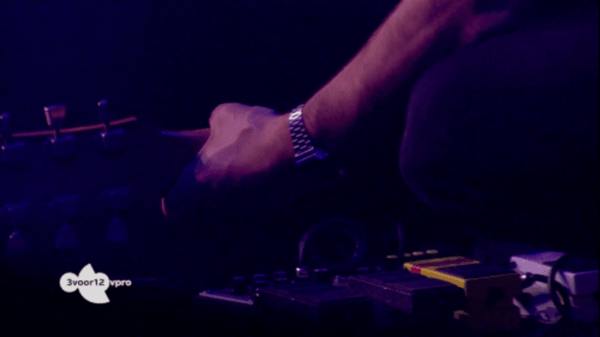
according to the king of gear (https://thekingofgear.com/jonny/effects), Jonny used the boss od-2 live in 2015 and 2017.


"I had the yellow OS-2 overdrive/distortion pedal, the OD-2 Overdrive pedal; actually that’s how I got the riff to The Smiths song ‘London’, (sings riff), I had the CE-2 chorus pedal, the white GE-6 EQ, the BF-2 purple Flanger and when the very first grey reverb pedal came out, the RV-2, I got that. I still own it. It sounds really good."
In his new book a pedalboard of the smiths board can be found, od2 shown as being used.

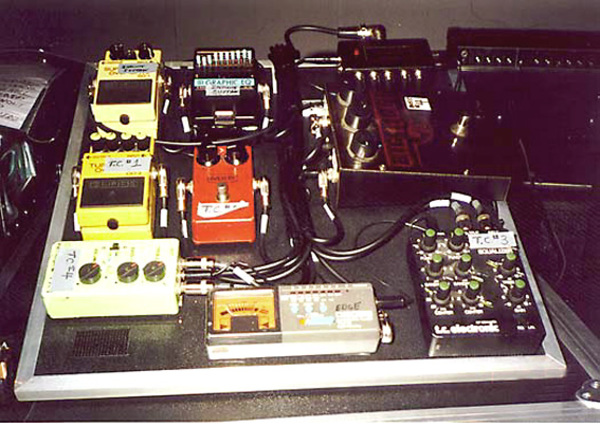
The Edge uses the Boss OD-2 Turbo OverDrive, as seen in the photo where it is placed beneath the SD-1.


When it comes to effects, Prince seems to like Boss, all of them! While it very well could be that Prince owns the entire Boss line of effects, he is commonly seen with an OD-2 turbo overdrive.

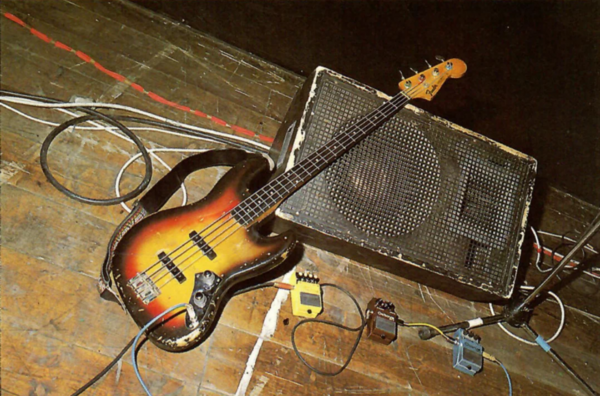
In a photograph of Jaco Pastorius's equipment during his 1986 tour in Italy, three Boss pedals are visible, including the Boss OD-2 Turbo OverDrive.

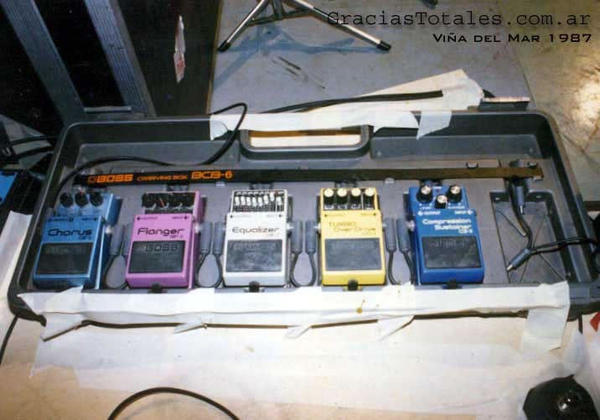
Usado en viña del mar 1987. Misma pedalera usada con soda en los 80s


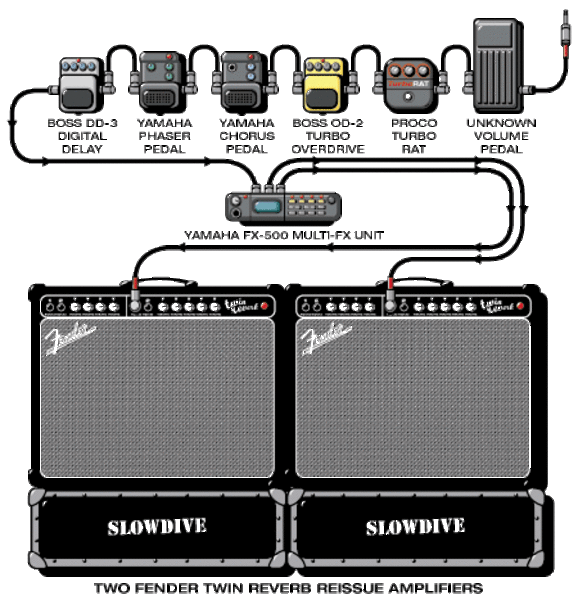
Neil Halstead of Slowdive used the Boss OD-2 Turbo OverDrive pedal in his 1993 rig, as detailed in an article on Guitar.com.


Here in this webpage it shows pictures of Jerry with his pedals behind him 3rd photo down shows his mid-late 80s early 90s pedal rig with the boss od-2 turbo overdrive.


He talks about how he's trying to incorporate more boss pedals into his sounds and at 2:09 the overdrive can be seen.


On a detailed gear diagram of Rachel Goswell’s 1993 Slowdive stage setup it's shown that Boss OD-2 is one of the effects before her amp.


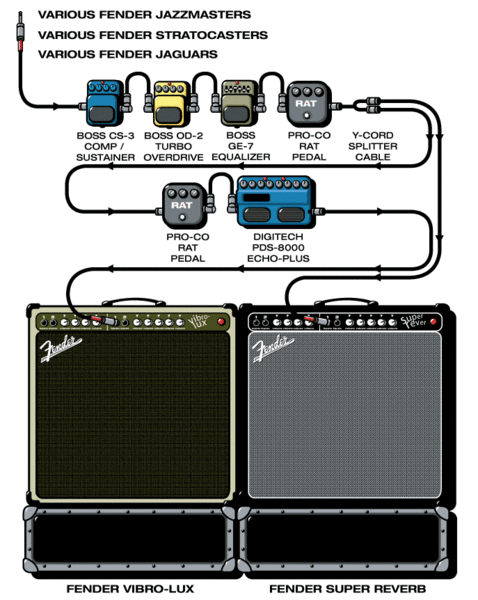
Ira uses a Boss OD-2 pedal, according to Guitar Geek.
Album Usage
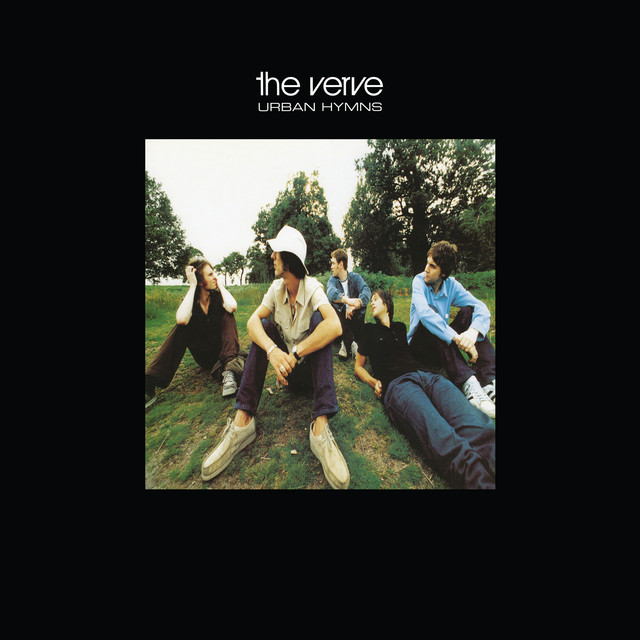
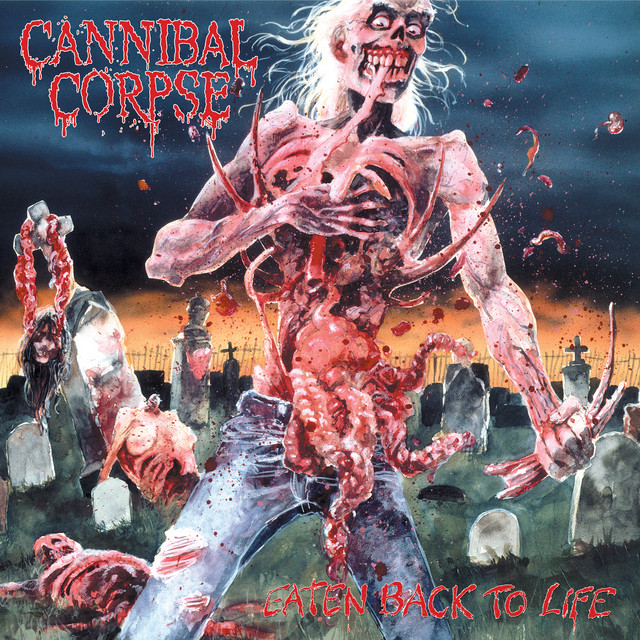
The Boss OD-2 Turbo OverDrive has been featured on the following albums:

Genre Usage
Based on how artists on Equipboard use this gear, it is most commonly found in the following genres.
Used With
Based on how musicians on Equipboard use Boss OD-2 Turbo OverDrive, it is most commonly used with the following gear.

-s.webp?v=1785077860)



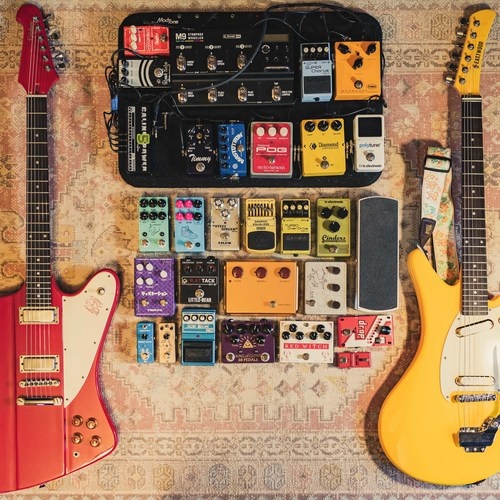
Community setups
Show yours








Similar
Add recommendation3 alternative and related items for Boss OD-2 Turbo OverDrive, curated by the Equipboard community.

$100.75 - $120.99

$121.69

$61.52 - $309.99
More Boss Overdrive Effects Pedals
$100.75 - $120.99
in Overdrive Effects Pedals Rank


-m.webp?v=1785107676)
$149.00 - $186.99
in Overdrive Effects Pedals Rank


$266.63
in Overdrive Effects Pedals Rank


$89.00 - $109.99
in Overdrive Effects Pedals Rank


$59.00 - $69.99
in Overdrive Effects Pedals Rank


$127.00 - $144.00
in Overdrive Effects Pedals Rank


$155.00 - $249.99
in Overdrive Effects Pedals Rank


$136.44 - $208.99
in Overdrive Effects Pedals Rank


$209.00 - $274.99


.jpeg?v=1784987634)

$100.59


$64.99 - $100.00


$129.00 - $169.68


-m.webp?v=1785063627)
$95.00 - $399.52
in Overdrive Effects Pedals Rank


-m.webp?v=1784905094)
$733.00
in Overdrive Effects Pedals Rank


$180.00 - $216.75
in Overdrive Effects Pedals Rank


$139.00 - $999.99
in Overdrive Effects Pedals Rank


$65.00
in Overdrive Effects Pedals Rank


$179.00 - $229.99
in Overdrive Effects Pedals Rank


.jpg?v=1785070565)

$102.50 - $185.00
in Overdrive Effects Pedals Rank


$99.00 - $143.00
in Overdrive Effects Pedals Rank


$159.99 - $179.00
in Overdrive Effects Pedals Rank


$183.99 - $229.99
in Overdrive Effects Pedals Rank

-m.webp?v=1785106947)
$84.99 - $125.00
in Overdrive Effects Pedals Rank


$208.62
in Overdrive Effects Pedals Rank


$270.79
in Overdrive Effects Pedals Rank


$190.00 - $229.99
in Overdrive Effects Pedals Rank


$159.00 - $315.00
in Overdrive Effects Pedals Rank


$122.69 - $181.00
in Overdrive Effects Pedals Rank


$654.63
in Overdrive Effects Pedals Rank


$89.00 - $109.99
in Overdrive Effects Pedals Rank


$199.00 - $287.00
in Overdrive Effects Pedals Rank


Accessories & Related Items


Gear Guides



.webp)



Most Popular Overdrive Effects Pedals
Most Popular Brands
-
Added to Equipboard on by
julianwolf2GearIQ 13060
-


