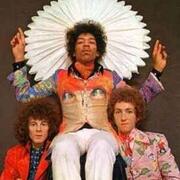
Jimi Hendrix
Jimi Hendrix's Gear


Music Radar mentions Jimi's most famous Strat in this article "Fender's Artist Relations manager said there was one other instrument he'd like me to look at. This turned out to be Hendrix's most famous guitar – the white 1968 Fender Stratocaster that Jimi had played at Woodstock in 1969."
Find it on:


According to the Metropolitan Museum of Art where the original was exposed:
*Though known for playing Fender Stratocasters, Jimi Hendrix played this Gibson Flying V extensively from 1967 to 1969. He probably used it on his 1967 BBC Radio 1 sessions and 1968’s Electric Ladyland, notably for his solo on “All Along the Watchtower.” Hendrix modified the nut and strap button and painted the instrument himself using nail polish. When Hendrix gave the guitar to Mick Cox of the Irish band Eire Apparent in 1969, Cox refinished it in black and removed the original design. In the 1990s, session musician Dave Brewis acquired the instrument and restored Hendrix’s original paint job.
Technical Description: Mahogany body and neck, rosewood fingerboard; 24¾ in. scale; black finish painted with psychedelic design, set neck with pearloid dot inlays; rounded arrow-shaped headstock with gold Gibson logo stamped on truss rod cover; two humbucking pickups, three-way selector switch, two volume controls and one tone control; nickel tune-o-matic bridge, Vibrola vibrato tailpiece, pickup covers, and Kluson tuners, black plastic knobs, large three-ply white & black plastic pickguard; original sunburst refinished in black, restored psychedelic paint job, nut and strap button modified for left-handed playing*
https://www.metmuseum.org/art/collection/search/754368
This guitar is also reffered to as the "Love Drops" Flying V because of the writing on the bottom right of the guitar.
Find it on:


"Custom built by Gibson specially for Jimi in 1969. All hardware is gold plated, and the guitar was left-handed and equipped with a tremolo bridge. Jimi played it during the Isle of Wright concert on “Red House”."
Find it on:


Jimi's first ever Fender Stratocaster was a white 1964 model with rosewood fingerboard. He obtained it in New York, from Manny's Music, with funds from his girlfriend Carol Shiroky. It cost $289. He actually bought it from Jeff Baxter, later of Steely Dan, who was working at Manny's as an assistant, and he remembers the incident clearly. Citation for this information can be found in several pages (including 61 and 62) of the book Jimi Hendrix Gear.
Find it on:


In the book Jimi Hendrix Gear by Harry Shapiro, Michael Heatley, Roger Mayer, they mentioned that Jimi owned a one-pickup 1956 model of the Silvertone Danelectro. It was one of the guitars that he had the longest, it stayed with him several years. He called the guitar "Betty Jean" after his girlfriend, and left the guitar with her mother when he went off to the Army in 1960.
Find it on:

According to a Christies auction, Jimi Hendrix used a 1966 Marshall Super Lead 100 Watt amplifier head in several concerts from 1967 to 1969.
According to the auction, here are some of the details of the amp head: "...Serial No. 7026, with black covering, front with white plastic Marshall logo, plexiglas control panel with six rotary controls, four inputs, two switches and indicator light, with white stencil lettering J.H.EXP. on the top in two places..."
"...this was likely to be one of the first Marshall amps that Hendrix ever owned and could have been one of three Marshall amps purchased by the Jimi Hendrix Experience on 11 October, 1966."
Marshall have used this amp as a template for their production of a limited edition handwired Jimi Hendrix Signature Super 100JH head.
Find it on:

Although there isn't much to be found about this guitar, it did clearly belong to Jimi Hendrix. It can be seen in his famous '12-string blues' intro to 'a film about Jimi Hendrix', made 3 years after his dead.
The guitar currently resides in the Rock and Roll Hall of Fame Museum in Cleveland, Ohio. Video, see 1:38 https://rockhall.com/inductees/the-jimi-hendrix-experience/video/9199/
Also note the special design of the pickguard and the way bridge is used for the octave strings and the tailpiece for the regular strings, which can also be seen in the video, and on this photo. http://www.zemaitisclub.com/hendrix-zemaitis-japan-magazine.htm People who are familiar with Tony Zemaitis will also recognize his signature 'Fleur-de-Lise' on the headstock.
As Tony Zemaitis was 'but' a man in his shop who build all his guitar by hand and not a man with a factory, not that many are around, so it is very unlikely there is one like it. Which also explains why it doesn't have a name or a type.
The song he plays, Hear My Train a Comin, can also be found on the album 'Blues'
More 'subjective' information can be found on this add for a replica, although it seems quite legit. http://www.maverick-music.com/dave-of-england-2/dave-of-england-zemaitis-replica-jimi-hendrix-1960-12-string-photos-of-tony-z
Find it on:

According to this Epiphone article, in the late 1960s Jimi Hendrix acquired this Epiphone FT79 acoustic guitar. The guitar has serial #62262, and was built in NY in 1951 (original source here).
The Bonhams auction site has this interesting note about the guitar: "Jimi Hendrix owned this guitar for a three-year period (longer than any other documented Hendrix guitar)..."
Find it on:

Jimi acquired new Fender Dual Showman amps in 1968. He would typically use three of these 100 watt amps with cabinets containing two 15-inch J.B.Lansing speakers. These amps were used in the studio, and on the 1968 Experience tour, together with Marshalls and Sunn. Source Jimi Hendrix: Electric Gypsy by Harry Shapiro.
Find it on:

Vintage Guitar magazine created a "25 Most Valuable Effects" list and coming in at number 3 is the Univox Uni-Vibe pedal. "Vintage" writes in this article "If Hendrix touched it, you can bet it’s enshrined as effects legend. Created to replicate the sound of japanese radios picking up radio Moscow, the ’Vibe – manufactured for Univox by the Shin-Ei corporation of Japan – was really a four-stage phaser with four pairs of light bulbs and cells for a liquid, juicy tone that hooks plenty of players from the first moment they hear it, and which caught fire big-time in the late ’60s. To hear the original, check out Hendrix’s “Voodoo Chile,” “The Wind Cries Mary,” or his performance of the “Star Spangled Banner” at Woodstock.."
Find it on:

Jimi's main guitar for his gigs in Little Richard's backing band. Also used on at least one other occasion for his solo/Experience career. The accompanying picture was taken at the Symphony Hall in Newark, New Jersey on the 5th of April 1968.
Find it on:

In this photo Hendrix can be seen playing through a Sunn 100s amplifier driving four Sunn 100s 2x15" cabinets. In 1968 Hendrix had agreed to a 5 year endorsement contract with Sunn amplifiers.
Find it on:

Hendrix can be seen here playing his Fender Princeton Reverb (68’ Silverface) which was listed on Reverb.
Find it on:

From a Gibson article "Hendrix's Gibson Guitars" written by Daniel Eriksson in June 2014:
"Jimi Hendrix did own a 1955 Les Paul Custom that he would flip over and play lefty. From what I’ve been able to gather it appears as if Hendrix himself only used the Les Paul Custom briefly during a few months in 1968. It seems as if Jimi was trying out the guitar as a replacement for the Flying V. But after having gone back to the Flying V for a while, Hendrix moved on to the SG Custom. During his famous Woodstock performance you can see the LP Custom being played by Jimi’s old pal Larry Lee. The guitar is equipped with a Bigsby and 2 P-90 pickups, and it’s currently owned by the EMP Museum in Seattle."
The source photo shows the guitar as it is in the EMP Museum in Seattle.
Find it on:


In this stage photo of Jimi Hendrix during his days as a sideman you can clearly see a non-descript 1x15 cabinet with no logo or visible controls to his left, partially off camera. It is certainly the Supro Thunderbolt bass amplifier he reputedly used during his time with Little Richard and the Isely Brothers. The thunderbolt has a very distinct look from the front, like a speaker cabinet without a head on top (the amp is loaded on the bottom of the cab with all 2 controls accessible from the rear, not a great design, but since it only sounds really good for guitar with volume and tone at 10 it probably didn't matter to JH). In the January 2003 issue of Vintage Guitar, Christopher Tackett closed his article on the vintage Thunderbolt with the following statement, "Jimi Hendrix owned a S6420 Thunderbolt, and Jimmy Page used Supro amps for recording much of the early Led Zeppelin material. Whether or not he used a Thunderbolt is unclear, but his playing on “Heartbreaker” sure sounds like one."
Find it on:

In Michael Heatley's book "Jimi Hendrix Gear", he discusses Hendrix's Martin D-45, which is said to be used on the recording of The Cry of Love album, on page 106.
Find it on:

In the 1968 live performance in Denmark, as shown in Maxwell Hepcat's YouTube video, Jimi Hendrix can be seen using Fender 346 Medium Celluloid Guitar Picks. It's noted that Hendrix and The Experience often carried thousands of medium-gauge picks on tour.
Find it on:
-m.webp?v=1783162819)
Used for the Olympic Studios sessions of Axis: Bold as Love and Electric Lady Land. It was auctioned via Bonhams on November 21, 2004, only to be reauctioned via Julien's on April 27, 2007
Bonhams
A Jimi Hendrix Daytona red Fender Mustang guitar,
1966, serial number 126288, with guitar case, with an affidavit from John Mitch Mitchell, who was formerly the drummer with Jimi Hendrix Experience that states the guitar was used by Jimi Hendrix at the Olympic Studio, London for the recording of "Alxis Bold as Love" and "Electric Lady Land" and was used by him on these two album.
The guitar is part of the L series, which were among the last Fenders made before the company was taken over by CBS and these style of guitars are regarded as some of the best guitars made by the company.
Julien's
1966 Red Fender Mustang, serial number 126288, solid maple neck and body, 22 fret rosewood fret board, double cutaway body, the nut has been flipped to accommodate the fact that the guitar has been
Pictures of the guitar can be found here, here, here and here.
Find it on:

Music Radar confirms Jimi's use of this pedal by saying "For anyone too stoned to remember, we can confirm that the original Vox V846 was the wah used by Jimi Hendrix for Voodoo Chile at Woodstock in 1969."
Find it on:

There are couple of photos dating circa 1964 of Jimi playing what’s either a dark blue, or a black-colored Fender Jaguar with dot inlays.
Tappy Wright who was Hendrix’s roadie at the time owned another Fender Jaguar which supposedly belonged to Jimi, and was given to him by Brian Jones of the Rollings Stones. This is almost certainly not the same guitar, as this one has square inlays according to the photos from the auction.
Find it on:

Jimi famously used Marshall JTM 45/100 heads. The 100 watt version of the JTM45. Specially the 1966 JTM 45/100.
Find it on:

White 3-Pickup Gibson SG was played by Hendrix in Stockholm 1969. You get a perfect look at it at 0:24 (To avoid errors, click on the link to watch the video).
Also here you can see him play it on the Dick Cavett Show 1969.
Find it on:

He used a mix of gauges to create his own “custom set”. Rj Ronquillo has a good youtube video on the specific gauges. On rotosounds website he is listed as an artist, it seems he used rotosounds earlier in his career.
Find it on:

Used to mic Hendrix's guitar amp and for the vocals on Electric Ladyland, as stated by recording engineer Eddie Kramer in this November 2005 Sound on Sound interview.
When asked about the techniques used to record Hendrix's guitar, Eddie Kramer's response is concise and to the point. "I'd stick a bloody mic in front of it and hope for the best," he jokes. "Nah, generally speaking it was either a 67 or [a Beyer] M160 or a combination of both, which I still use today. It might be slightly different, of course, but the basic principle's the same — a ribbon and a condenser, along with compression and EQ and reverb. All that stuff was always added during recording." (...) Hendrix recorded all of his vocals for the album at the Record Plant, and as usual a Beyer M160 was the mic of choice while a three-sided screen provided him with the desired privacy. "He'd always face the other way," says Kramer. "He hated to be looked at. He was very shy about his vocals. The truth was, he had a great style and I loved his vocals, but he hated them. He was so embarrassed by them. 'Oh man, was that OK?' 'Yeah man, it's cool.' 'No, I've got to do another one.' 'OK.' Jimi was not a great vocalist in the classic sense, but his vocal style suited what he did to the nth degree. I mean, it was very emotional and very personal, and I can't think of anybody else doing what he did. He was eminently capable, and the singing was an integral part of what he was doing, because he would often take a guitar solo and sing the melody line in unison with that solo — which is an old jazz trick — and it was wonderful."
Find it on:



Used to mic Hendrix's guitar amp, as stated by recording engineer Eddie Kramer in this November 2005 Sound on Sound interview. Note that the first sentence of the following excerpt pertains to Electric Ladyland.
While Hendrix's amp was screened off in the studio and miked with Neumann U67s, Mitch Mitchell's kit was positioned on a riser within a roofed, open-sided booth to give it depth and miked with a combination of U67s and AKG C12s. (...) When asked about the techniques used to record Hendrix's guitar, Eddie Kramer's response is concise and to the point. "I'd stick a bloody mic in front of it and hope for the best," he jokes. "Nah, generally speaking it was either a 67 or [a Beyer] M160 or a combination of both, which I still use today. It might be slightly different, of course, but the basic principle's the same — a ribbon and a condenser, along with compression and EQ and reverb. All that stuff was always added during recording."
Find it on:

On page 48 of the book Jimi Hendrix Gear they mention Curtis Knight bought Jimi a sunburst Fender Duo-Sonic as a gift. Knight got the guitar in exchange for refunding an airline ticket for a friend. Jimi played this guitar with Curtis Knight and the Squires.
Find it on:

In this photo of Jimi Hendrix and The Who, Hendrix can be seen holding a Rickenbacker electric guitar.
Find it on:

Jimi Hendrix used this guitar at the Miami Pop Festival in 1968. It was burned on stage. Later, the guitar was given to Frank Zappa, who repaired the guitar. The guitar was used on stage multiple times. Dweezil Zappa, son of Frank, now owns it.
Find it on:

Hendrix can be seen in this image with a Fender Precision Bass.
Find it on:


"In 1967 Jimi started using a Sound City stack for concert performances, it comprised one 100 watt amplifier with two 4x12" speaker cabinets."
-from "Electric Gypsy" by Shapiro and Glebeek, 1992, p. 639
Find it on:
This is a community-built gear list for Jimi Hendrix.
- Find relevant music gear like Guitars, Amplifiers, Effects Pedals, and other instruments and add it to Jimi Hendrix.
- The best places to look for gear usage are typically on the artist's social media, YouTube, live performance images, and interviews.
- To receive email updates when Jimi Hendrix is seen with new gear, follow the artist.
Discography
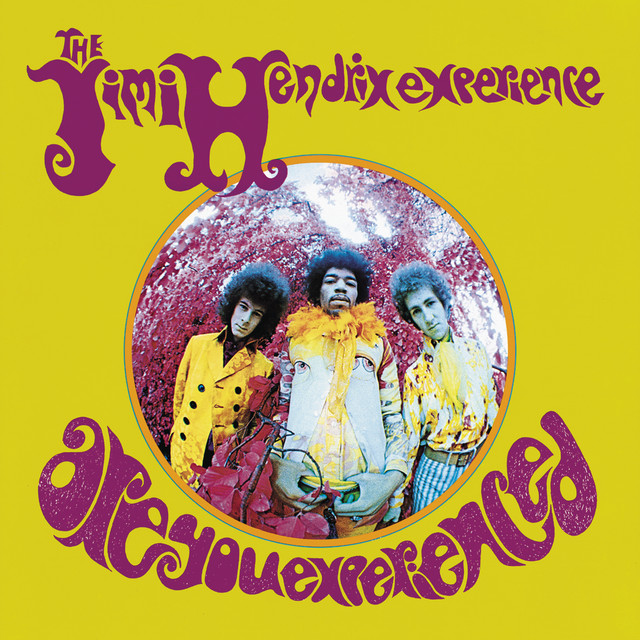
Are You Experienced
1967
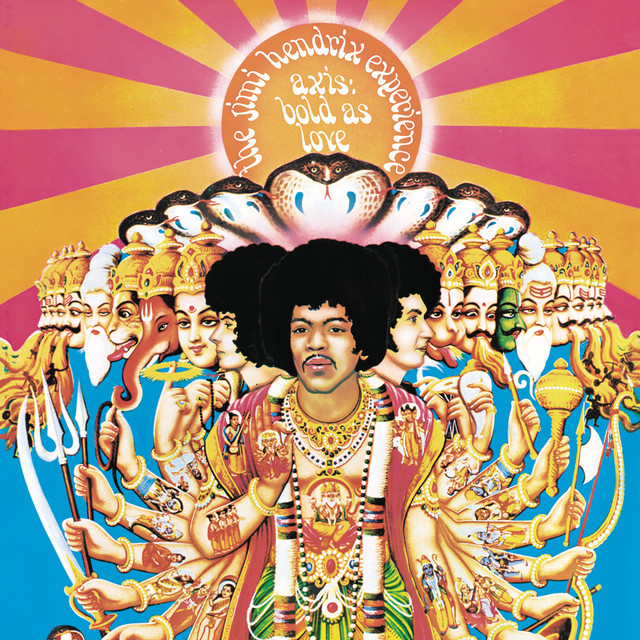
Axis: Bold As Love
1967
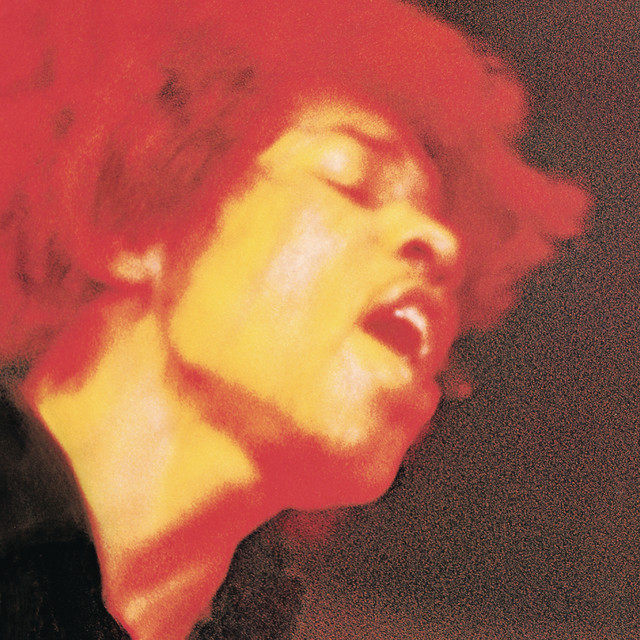
Electric Ladyland
1968
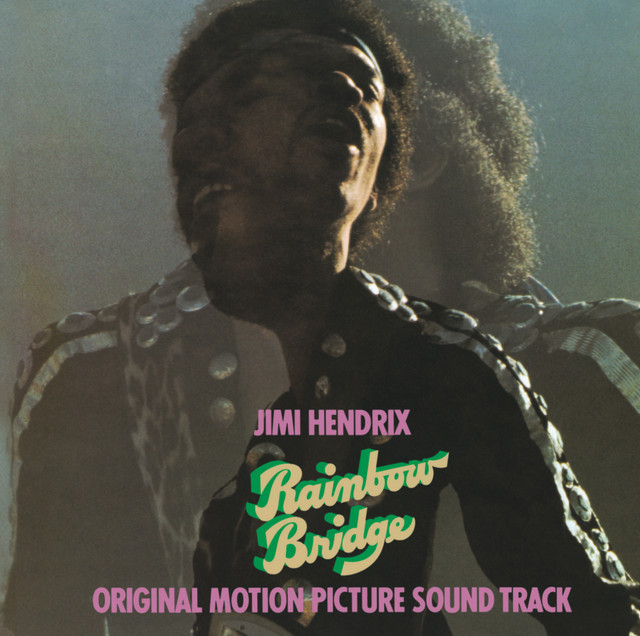
Rainbow Bridge
1971
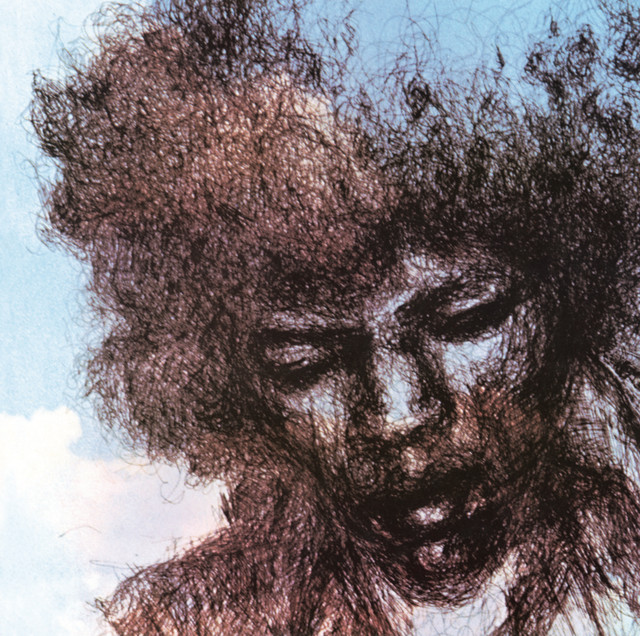
The Cry of Love
1971
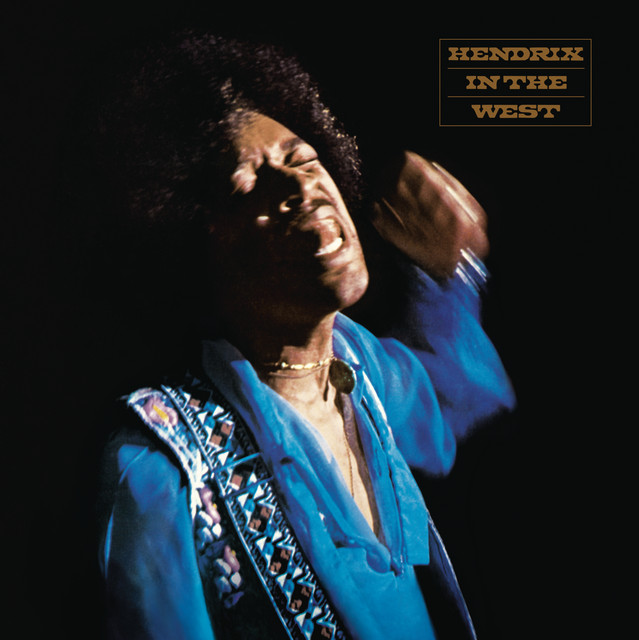
Hendrix In The West
1972
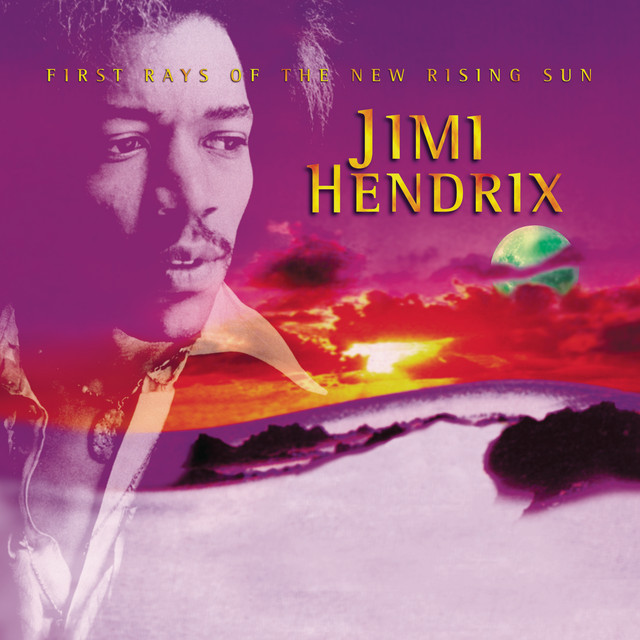
First Rays Of The New Rising Sun
1997
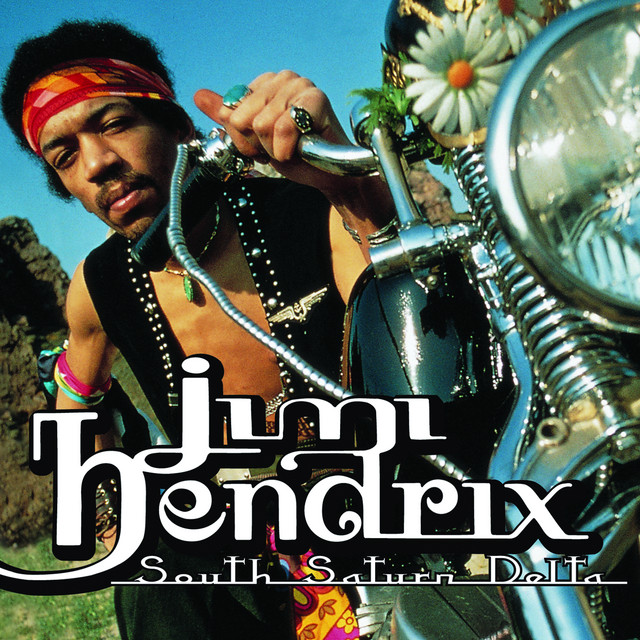
South Saturn Delta
1997
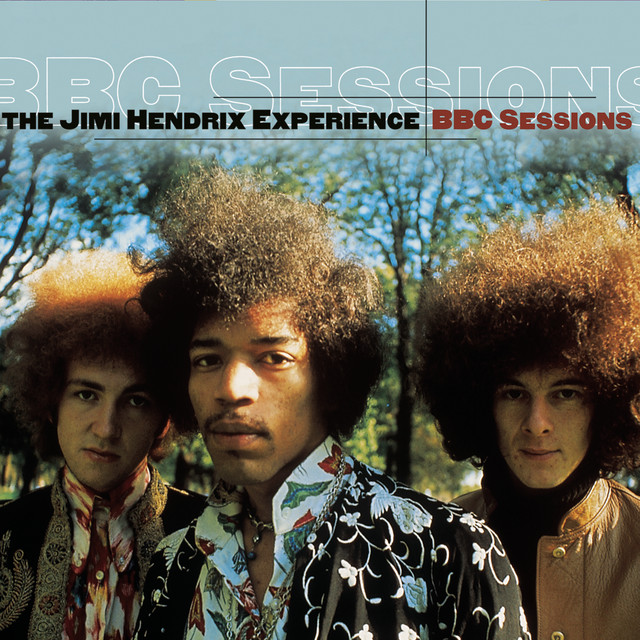
BBC Sessions
1998
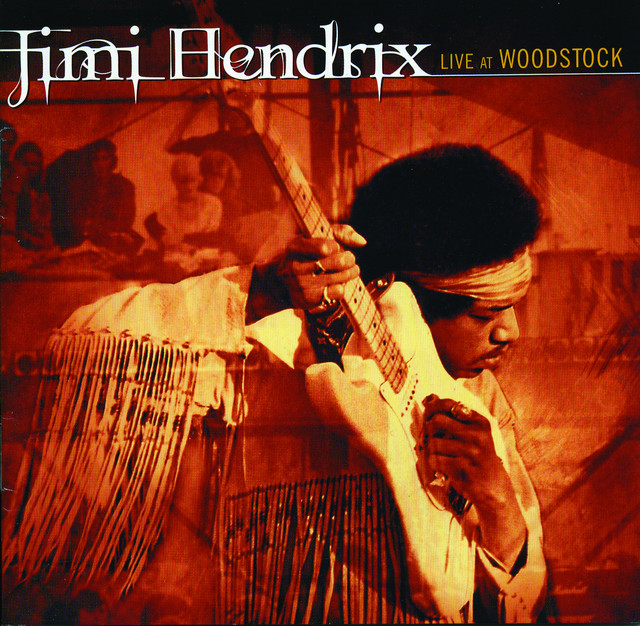
Live at Woodstock
1999
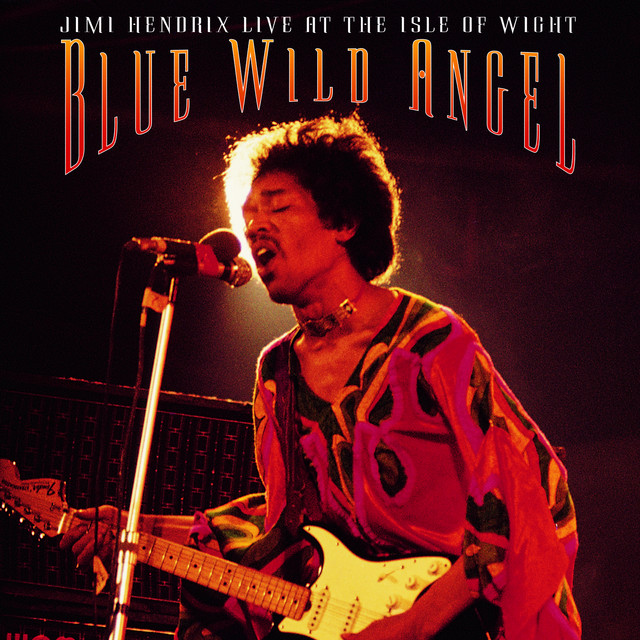
Blue Wild Angel: Jimi Hendrix At The Isle Of Wight
2002
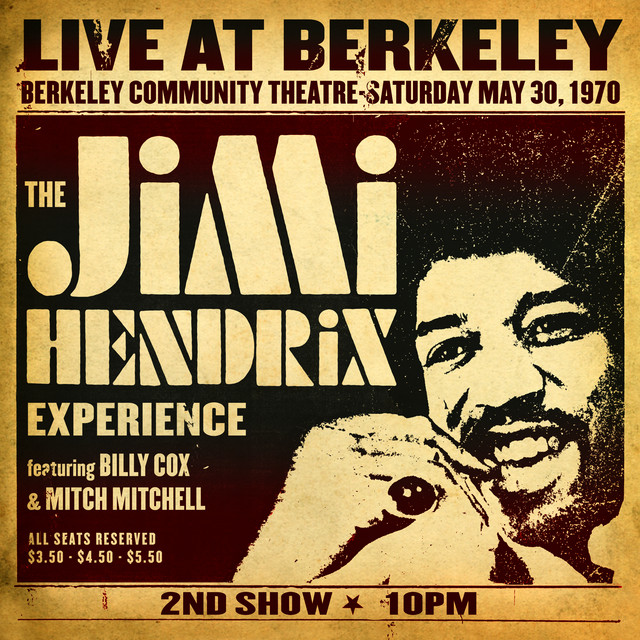
Live At Berkeley
2003
Album Credits
-
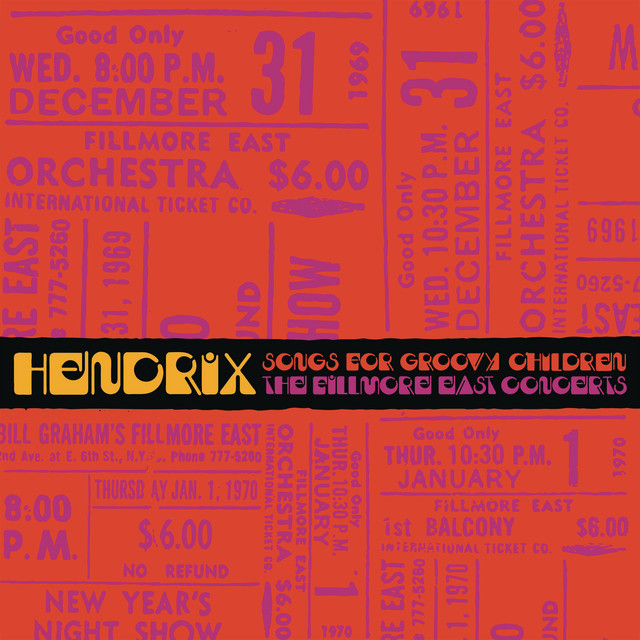
Songs For Groovy Children: The Fillmore East Concerts
Jimi Hendrix · 2019
Mixing Engineer Producer -
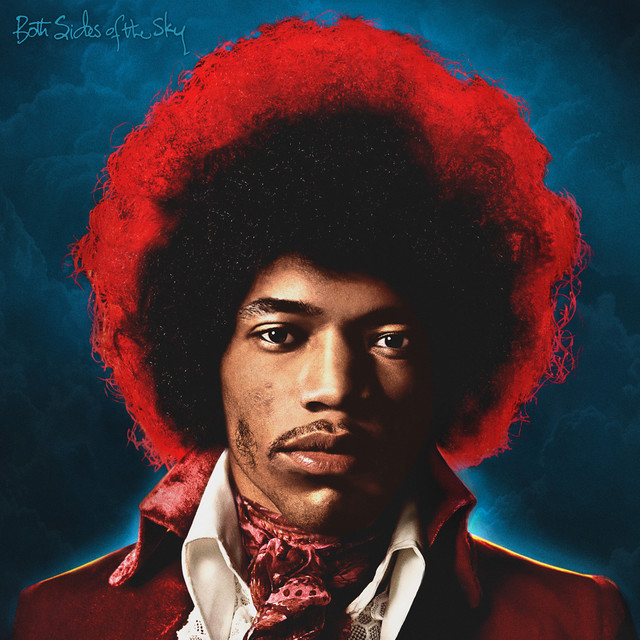
Jimi Hendrix · 2018
Producer -
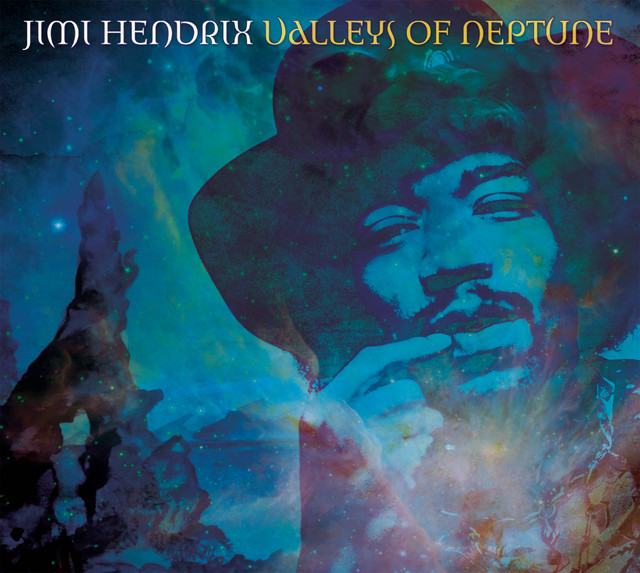
Jimi Hendrix · 2010
Producer -
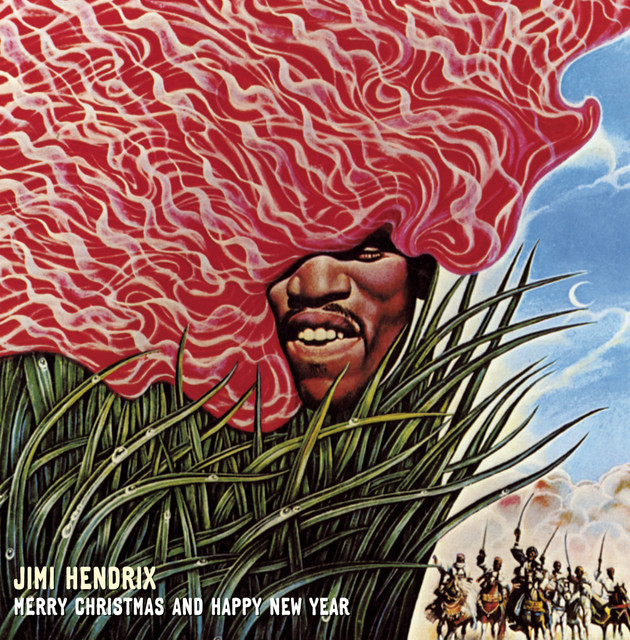
Merry Christmas And Happy New Year
Jimi Hendrix · 1999
Producer -
Jimi Hendrix · 1997
Mixing Engineer Producer -
First Rays Of The New Rising Sun
Jimi Hendrix · 1997
Mixing Engineer Producer -
Jimi Hendrix · 1971
Mixing Engineer Producer -
Jimi Hendrix · 1971
Producer