
Tom Robinson
British singer-songwriter, bassist and radio presenter
Genre
Group
Credits
Genre
Group
Credits
Tom Robinson's Gear


Although Tom owns an SBX80, swears by an RE501 Chorus Echo and is recording much of his current song with a Juno 106, it's the Drumatix and TB303 Bassline which he finds indispensable.
Find it on:


-m.webp?v=1783782139)
'I look forward to people like Roland coming in on the act with something a bit more affordable — meantime I've got the Boss DSD 2 sampling pedal which is great fun!!'
Find it on:

Although Tom owns an SBX80, swears by an RE501 Chorus Echo and is recording much of his current song with a Juno 106, it's the Drumatix and TB303 Bassline which he finds indispensable.
Find it on:
-m.webp?v=1783868177)
Although Tom owns an SBX80, swears by an RE501 Chorus Echo and is recording much of his current song with a Juno 106, it's the Drumatix and TB303 Bassline which he finds indispensable.
Find it on:

Although Tom owns an SBX80, swears by an RE501 Chorus Echo and is recording much of his current song with a Juno 106, it's the Drumatix and TB303 Bassline which he finds indispensable.
Find it on:

Although Tom owns an SBX80, swears by an RE501 Chorus Echo and is recording much of his current song with a Juno 106, it's the Drumatix and TB303 Bassline which he finds indispensable.
Find it on:
-m.webp?v=1783781971)
'After Sector 27 fell through I moved to Hamburg to get away from it all, taking my Portastudio, Bassline, Chorus Echo and the trusty TR808 on which I eventually wrote "War Baby". (I've since switched to a TR606 Drumatix because it's quicker to programme and you can use it anywhere: it's powered by batteries as well as a mains adaptor, and you just plug headphones in the back.)'
Find it on:

'I bought a Linn Drum when I'd made some money from "War Baby", but I sold it again and went back to the Drumatix. Actually the Linn was rather hard to sell by then...'
Find it on:

"Well there'd been these rumours of a new Roland Reverb for months and as luck would have it the first SRV-2000s arrived in the shops just as we were finishing the new studio. We got one at the beginning of August and my engineer and I have been using it pretty constantly ever since."
Find it on:

Value for money is clearly a touchstone for Tom:
"I try always to stick to a Policy of 'if it costs over £100, don't buy it.' You get more music for your money that way."
The studio's effect rack bears witness to the theory, for sitting alongside the ubiquitous Drawmer noise gates and Yamaha REV7 reverb, is that same company's budget-priced multi-effects unit, the SPX 90:
"If you could only have one effect, it'd have to be that — as an all-rounder, I much prefer it to the REV7, though there are some effects you can only get on that — the 7's great for really short, ambient things, like bass drum reverb."
Find it on:

Value for money is clearly a touchstone for Tom:
"I try always to stick to a Policy of 'if it costs over £100, don't buy it.' You get more music for your money that way."
The studio's effect rack bears witness to the theory, for sitting alongside the ubiquitous Drawmer noise gates and Yamaha REV7 reverb, is that same company's budget-priced multi-effects unit, the SPX 90:
"If you could only have one effect, it'd have to be that — as an all-rounder, I much prefer it to the REV7, though there are some effects you can only get on that — the 7's great for really short, ambient things, like bass drum reverb."
Find it on:
-m.webp?v=1783323321)
DDL duties fall to yet another Yamaha, the D1500:
"Which I got when they dropped its price to about £300 — it was such an incredible bargain, I couldn't resist it.'
Find it on:

A Bel BD80 four-second sampler earns its place in the rack:
"As a kind of palette knife — you know, you've got a backing vocal multitracked, so you scoop it up with this, and dump it wherever you want over the master tape."
Find it on:

"High-frequency crosstalk on some of the channels, so you'd get a cabasa coming down the guitar line, but a factory mod took care of that. I also had to get another modification done privately, because the Soundtracs doesn't have any facility for switching between the NS10s and the Tannoys..."
Find it on:

"It's 10 if it's a day, so to top it up, I've got a pair of TC Electronics parametrics. Oh, and a pair of dbx 160X compressors, because they're gentle, and cheap. Here's a tip — get Turnkey's catalogue, even if you aren't going to buy anything from them. I didn't know what compressors were for until I'd read that."
Find it on:

The mix'n'match approach extends to the actual recording process itself: to inject variety into a guitar part, for example, Tom will have the verses played on an SG through a JC120, and the chorus on a Fender Strat, close-miked through a 50 watt Marshall 'for raunch.' Though he has been known on occasion to use a cheaper method of obtaining that overdriven sound.
Find it on:


-m.webp?v=1783921774)
The mix'n'match approach extends to the actual recording process itself: to inject variety into a guitar part, for example, Tom will have the verses played on an SG through a JC120, and the chorus on a Fender Strat, close-miked through a 50 watt Marshall 'for raunch.' Though he has been known on occasion to use a cheaper method of obtaining that overdriven sound.
Find it on:
-m.webp?v=1783921603)
For nestling in one corner of the storage room, next to boxes of Shure SM58s (still his favourite mike in defiance of the engineer who makes him use one of the two Neumann 87s the studio has on loan) is an archetypal home recordist's set-up. A Casio CZ101 synth, Roland and Korg drum machines, a Yamaha QX7 sequencer, and a Fostex 250 Portastudio. The only outboard gear is an Accessit reverb — "too semi pro for Mick to pinch for the studio." Nearby rests the original TRB Fender P Bass and two guitars, a Fender Tele and a Squier copy. Typically, Tom prefers the sound of the copy.
Find it on:

For nestling in one corner of the storage room, next to boxes of Shure SM58s (still his favourite mike in defiance of the engineer who makes him use one of the two Neumann 87s the studio has on loan) is an archetypal home recordist's set-up. A Casio CZ101 synth, Roland and Korg drum machines, a Yamaha QX7 sequencer, and a Fostex 250 Portastudio. The only outboard gear is an Accessit reverb — "too semi pro for Mick to pinch for the studio." Nearby rests the original TRB Fender P Bass and two guitars, a Fender Tele and a Squier copy. Typically, Tom prefers the sound of the copy.
Find it on:

For nestling in one corner of the storage room, next to boxes of Shure SM58s (still his favourite mike in defiance of the engineer who makes him use one of the two Neumann 87s the studio has on loan) is an archetypal home recordist's set-up. A Casio CZ101 synth, Roland and Korg drum machines, a Yamaha QX7 sequencer, and a Fostex 250 Portastudio. The only outboard gear is an Accessit reverb — "too semi pro for Mick to pinch for the studio." Nearby rests the original TRB Fender P Bass and two guitars, a Fender Tele and a Squier copy. Typically, Tom prefers the sound of the copy.
Find it on:
-m.webp?v=1783846413)
For nestling in one corner of the storage room, next to boxes of Shure SM58s (still his favourite mike in defiance of the engineer who makes him use one of the two Neumann 87s the studio has on loan) is an archetypal home recordist's set-up. A Casio CZ101 synth, Roland and Korg drum machines, a Yamaha QX7 sequencer, and a Fostex 250 Portastudio. The only outboard gear is an Accessit reverb — "too semi pro for Mick to pinch for the studio." Nearby rests the original TRB Fender P Bass and two guitars, a Fender Tele and a Squier copy. Typically, Tom prefers the sound of the copy.
Find it on:


-m.webp?v=1783921570)
For nestling in one corner of the storage room, next to boxes of Shure SM58s (still his favourite mike in defiance of the engineer who makes him use one of the two Neumann 87s the studio has on loan) is an archetypal home recordist's set-up. A Casio CZ101 synth, Roland and Korg drum machines, a Yamaha QX7 sequencer, and a Fostex 250 Portastudio. The only outboard gear is an Accessit reverb — "too semi pro for Mick to pinch for the studio." Nearby rests the original TRB Fender P Bass and two guitars, a Fender Tele and a Squier copy. Typically, Tom prefers the sound of the copy.
Find it on:

The mix'n'match approach extends to the actual recording process itself: to inject variety into a guitar part, for example, Tom will have the verses played on an SG through a JC120, and the chorus on a Fender Strat, close-miked through a 50 watt Marshall 'for raunch.' Though he has been known on occasion to use a cheaper method of obtaining that overdriven sound.
Find it on:

"Originally I used to write all my songs on a 144 Portastudio, but since then I moved up to the Fostex 250. The Fostex gives a much cleaner sound, due to their choice of Dolby C which I much prefer to DBX and also the heads last much longer. I went through two sets of heads on my original Portastudio, so be very wary if you're offered a second hand one. It's worth carefully checking the condition of the heads."
Find it on:

"The choice of console came down to Soundcraft or Soundtracs and I chose the Soundtracs CM4400 after arranging an all-in deal with Don Larking at Luton. The advantage with buying a ready-made package is that you know that you can just plug it in and it'll work. The desk has computerised muting and routing and it's never caused any problems other than confusing a few outside engineers who weren't used to it. You can set up the mutes for a mix and then step through manually which is almost as good as automation. Another advantage apart from the good price is that you can use the monitor channels as extra line inputs on remix. We've had to get the desk modified for -10dB operation to make it compatible with everything else we've got. It's a good desk but it's not perfect. For example, as you buy it, the Solo level is much too loud and so someone has to go inside with a soldering iron and modify it. There's no switching for alternative sets of monitors and no way of patching in your cassette machine; we've had to use an extra patch bay to get around this. Another major beef was the amount of crosstalk the desk had when it came and when I complained about it, Soundtracs came down and did a standard mod, but why they didn't tell us about this in the first place I don't know. The worst problem was channels leaking on to the auxiliary busses and that gremlin is still present, albeit to a very small extent since the mod. I also use external parametrics to lift the top end as the internal EQ doesn't do quite what I want. You can't beat it for the money though; you get a computer and a free patchbay. You can't go wrong."
Find it on:
-m.webp?v=1783781999)
"My desk top monitors are Yamaha NS10Ms with the obligatory tissue paper. The NS10 has become an industry standard so even though I'm not a great fan of the sound, I think it's a good choice simply for that reason. I would have liked a pair of AR18s but the silly sods have stopped making them now. My engineer Nick Godfrey, who I stole from Red Bus, is instrumental in getting top class results and is very exacting. He can even tell when I've left a pair of cans on in the same room as I'm recording a Marshall stack! So if he thinks the equipment is OK, then I'm happy."
Find it on:

"The other useful piece of gear that Tandy do is the PZM, and what a bargain that is! Until I borrowed a couple of Neumann U87s, I used those for vocals and they are amazing. Even the popping is minimal if you stick on that little foam Hitler moustache thing that they give you. I find you have to sing close up to it if you aren't going to record the room sound but it's not a problem. They're also great for congas; I just stick a pair on the glass screen in front of the player."
Find it on:
-m.webp?v=1783921090)
"The other useful piece of gear that Tandy do is the PZM, and what a bargain that is! Until I borrowed a couple of Neumann U87s, I used those for vocals and they are amazing. Even the popping is minimal if you stick on that little foam Hitler moustache thing that they give you. I find you have to sing close up to it if you aren't going to record the room sound but it's not a problem. They're also great for congas; I just stick a pair on the glass screen in front of the player."
Find it on:
This is a community-built gear list for Tom Robinson.
- Find relevant music gear like Microphones, Guitars, Amplifiers, Effects Pedals, Bass Guitars, Software Plugins and VSTs, Keyboards and Synthesizers, Instruments, and other instruments and add it to Tom Robinson.
- The best places to look for gear usage are typically on the artist's social media, YouTube, live performance images, and interviews.
- To receive email updates when Tom Robinson is seen with new gear, follow the artist.
Discography
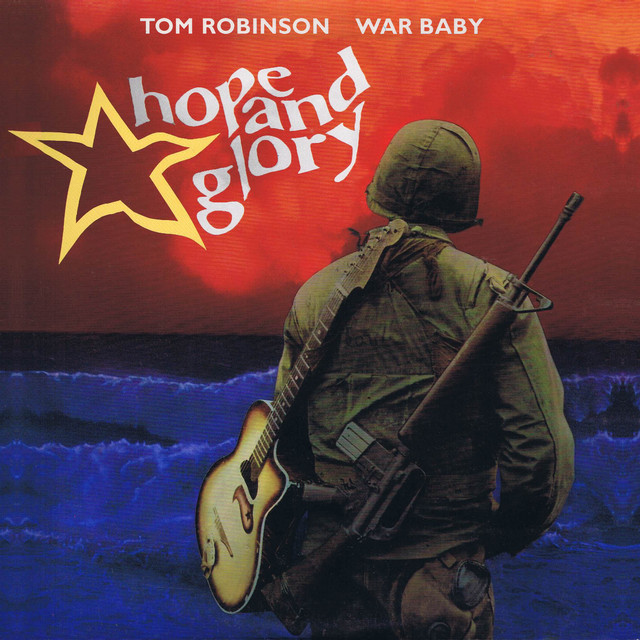
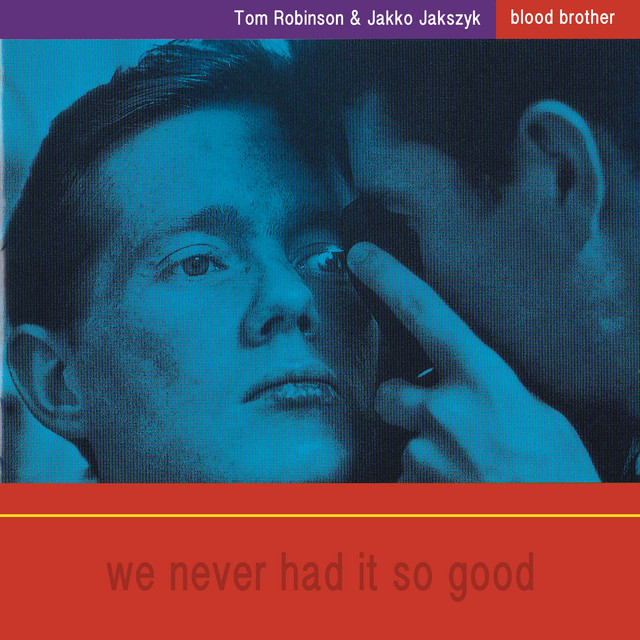
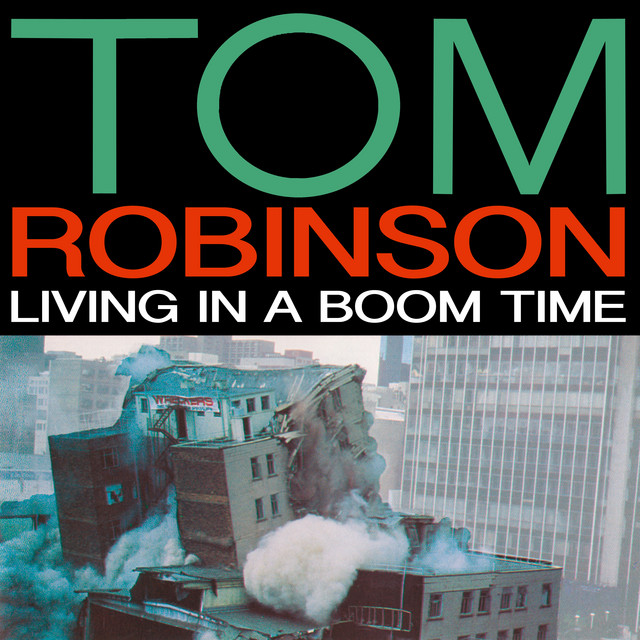
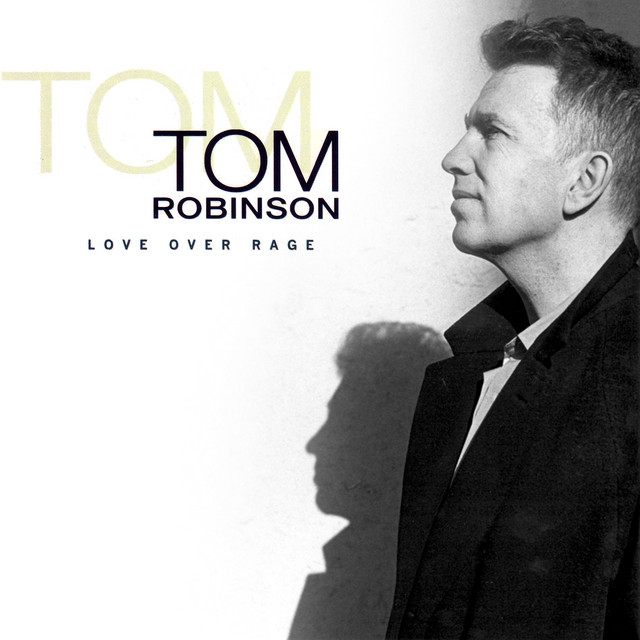
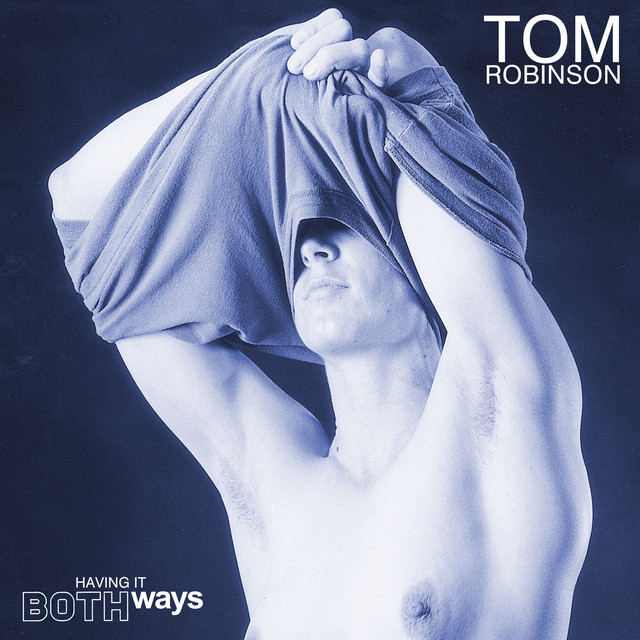
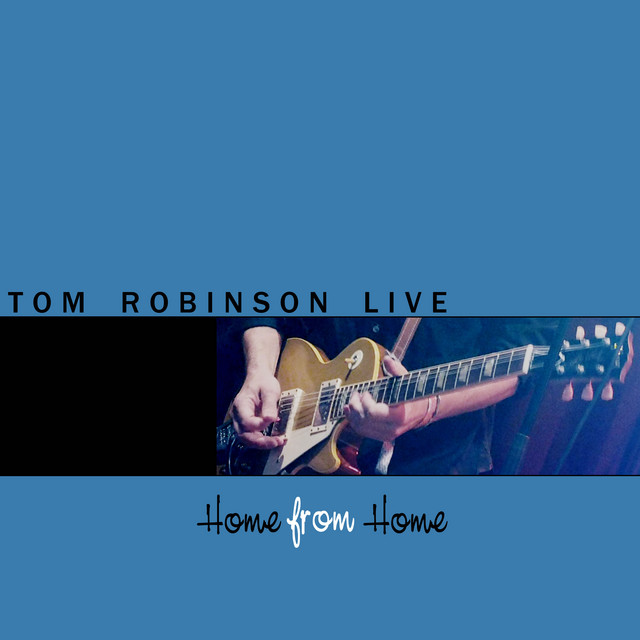
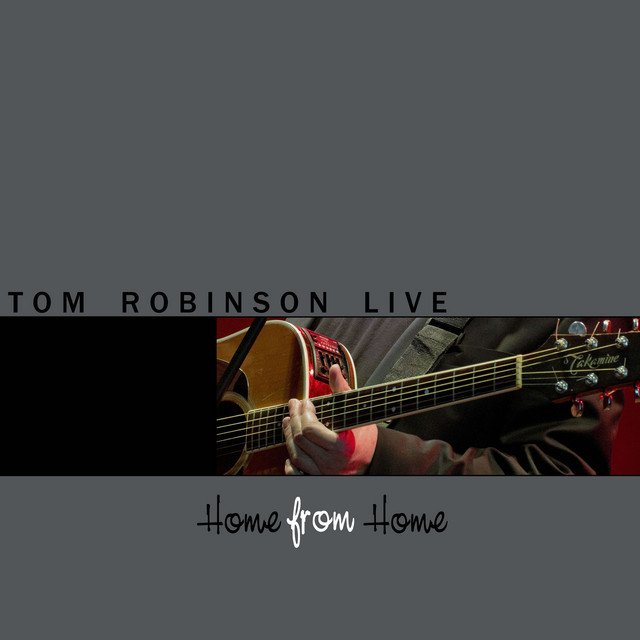

Album Credits
-
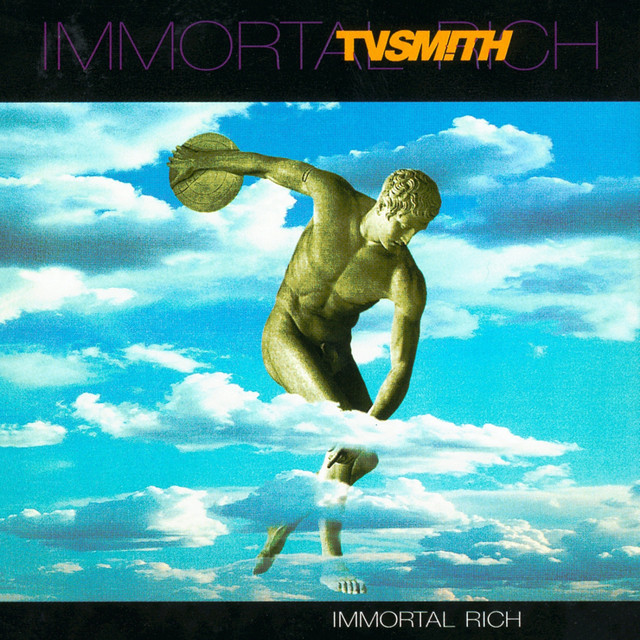
TV Smith · 1994
Producer Programmer -
Tom Robinson · 1986
Producer









.webp)