
Tom Waits
Role
Genre
Group
Role
Genre
Group
Tom Waits' Studio Equipment



Used for vocals on The Heart of Saturday Night, Small Changes, Foreign Affairs, Blue Valentine and Heartattack and Vine, as stated by producer "Bones" Howe in this February 2004 Sound on Sound interview.
Tom Waits's voice itself is a unique instrument. For that, Howe went back to his old standby, the classic RCA 77 DX ribbon mic. "The 77s have three cardioid settings," he explains. "V1 and V2 were different low-end cutoffs, and 'M' was for music recording. The V1 setting had a high cutoff, which made it good for radio announcing; the V2 position left a lot more low end in there and made it a great vocal microphone." The signal ran through a UREI 1176 compressor/limiter set with what Howe swears are the best parameter settings that can be configured on it for vocals: threshold/attack at 6, release at 7, and a 12:1 compression ratio. "Tom popped and spat a lot when he sang, so the 77 was perfect, because it's very hard to pop that microphone, so you didn't need a pop filter. Plus he liked to get right on the mic, so he would sit at the piano and I hung it from a boom so it would hang down in front of him. On some tracks we'd set it up directly in front of the band and he's stand in front of the drums and sing. On 'Step Right Up' you can almost hear him flipping pages of lyrics. He was always surrounded by the music and the records sound like it. We never used headphones. Never."
A 1176 was also used for vocals on Bone Machine, as stated by engineer Biff Dawes in this February 6, 2015 Mix Online interview.
"Prairie Sun had a lot of good outboard equipment, too,” the engineer continues. “Along with the Neve mic pre’s, I would have also used an LA-2A or 1176 on his vocal.”
Find it on:


Used to record Bone Machine, as stated by engineer Biff Dawes in this February 26, 2015 Mix Online interview.
The album was recorded on a Studer A80 24-track machine, with Dolby SR selectively used on certain tracks.
The same A80 was used to record Mule Variations, as stated by producer Jacquire King in this interview from issue 9 of Audio Technology Magazine.
As a result of using these various room mics, King sometimes ended up with a full 24-track, which meant that choices had to be made upon which room mics to use. The 24-track that was used was a late ‘70s Studer A80 MkIII, with BASF 900 tape, no Dolby, 30ips, recorded at +6, "hit very hard, which gives more tape compression". The album was mixed to analogue, an Ampex ATR102, on a half-inch tape running at 30ips, without Dolby.
Find it on:


Used for the stereo mix of Mule Variations, as stated by producer Jacquire King in this interview from issue 9 of Audio Technology Magazine.
"I also used a Neve 33609 for bus compression over the stereo mix."
Find it on:


Documented in this page from the website Tom Waits Library.
BF (1987): "Likening the sterile confines of the studio to an emergency ward, Waits seems intent on performing some very unorthodox operations. Take "Innocent When You Dream," which appears in two disguises on Frank's Wild Years. The "barroom version" puts across the melancholy melody (reminiscent of a mournful Irish drinking song) by way of pump organ, upright bass, violin and piano. A second version closes out side two, stripped down and scratched up enough to inspire visions of an ancient Victrola. Says Waits: "The '78 version' of that was originally recorded at home on a little cassette player ["the Tascam 244, the one with the clamshell holster"]. I sang into a seven-dollar microphone and saved the tape. Then I transferred that to 24-track and overdubbed Larry Taylor on upright, and then we mastered that. Texture is real important to me; it's like attaining grain or putting it a little out of focus. I don't like cleanliness. I like surface noise. It kind of becomes the glue of what you're doing sometimes."(Source: "Better Waits Than Ever" Music & Sound Output: Bill Forman. Vol. 7, No. 11. October, 1987)
BF (1987): "But don't expect '78 versions' of any of these new songs, for Waits' Tascarn four-track is gone, clamshell holster and all. "Stolen in New York," he shakes his head, suppressing a smile. "That's why I left - they beat me up." (Source: "Better Waits Than Ever" Music & Sound Output: Bill Forman. Vol. 7, No. 11. October, 1987)
Find it on:

Used for vocals on Bone Machine, as stated by engineer Biff Dawes in this February 6, 2015 Mix Online interview.
"Prairie Sun had a lot of good outboard equipment, too,” the engineer continues. “Along with the Neve mic pre’s, I would have also used an LA-2A or 1176 on his vocal.”
It was also used for vocals on Mule Variations, as stated by producer Jacquire King in this interview from issue 9 of Audio Technology Magazine.
"Tom’s vocals were always recorded with an Neumann M49, through a Neve mic pre and Teletronic LA2A tube limiter – although we often altered the sound of it afterwards."
Find it on:

Used extensively on Mule Variations, as stated by producer Jacques King in this interview from issue 9 of Audio Technology Magazine.
Acoustic guitars were miked with a Neumann KM84 or AKG 451, guitar amps were either a Shure SM57 or Sennheiser 421, bass amp with a Neumann U47, and acoustic bass with an Neumann M49, U47 or 582, routed via a Neve 2254 compressor.
In the far left of this image of Prairie Sun Studios' Studio A, the 2254 is seen to be the E version.
Find it on:


Used for sampling into Pro Tools for Mule Variations, as stated by producer Jacquire King in this interview from issue 9 of Audio Technology Magazine.
All this tape detail brings us to the questions about the reasons for Mule Variations’ analogue bias, whether Waits is an analogue stalwart, and if so, why his interest in using ProTools?
Jacquire King: "I think Tom definitely feels that analogue has a better overall sound, though I don’t think he looks down on digital. For this album he wanted to experiment with playing loops, and the possibility of changing the arrangements on the songs. I suspect he’d been hearing from friends and associates how powerful ProTools was and wanted to check it out. But the overall sound of the album is analogue. ProTools is just a component. I did some loops, such as Tom’s mental hotel bashing on Big In Japan, the Optigan keyboard sound on Lowside Of The Road, and the vinyl needle sound on Black Market Baby. On Filipino Box Spring Hog I actually changed the arrangement of some of the overdubs, though the drum and vocal performance are true to the take. In the latter track there were also some voices that Tom had recorded into a small toy sampler for kids, and I sampled that into ProTools. All this was manipulated in ProTools and then laid back to tape.
"I have a large ProTools system – 24 I/O, with three 888 interfaces and 40GB of hard drive space. I just love the things I can do with it, in terms of looping, vocal comping, pitch correction, changing arrangements and so on. I’m not a big fan of ProTools’ plug-ins though. I believe real life analogue effects sound better. I love the way analogue sounds. What’s so great is that it’s possible to get a reaction from analogue, by overloading the tape. Also analogue reigns supreme for transient sounds, like drums and percussive-type things. But the advantages ProTools offers you, in terms of being able to manipulate sound and fine tune things, are awesome. So I strongly believe in using them both together. Because I did almost only looping, I used ProTools very minimally on Mule Variations."
King laid down all ProTools elements to the analogue 24-track for the mix, which also took place at Prairie Sun, without automation.
Find it on:
This is a community-built gear list for Tom Waits.
- Find relevant music gear like Microphones, Guitars, Amplifiers, Effects Pedals, Pianos, Keyboards and Synthesizers, and other instruments and add it to Tom Waits.
- The best places to look for gear usage are typically on the artist's social media, YouTube, live performance images, and interviews.
- To receive email updates when Tom Waits is seen with new gear, follow the artist.
-
Added to Equipboard on by
.jpg?v=1782968794) gchiaren
gchiarenGear IQ 37552
-
Updated
Discography
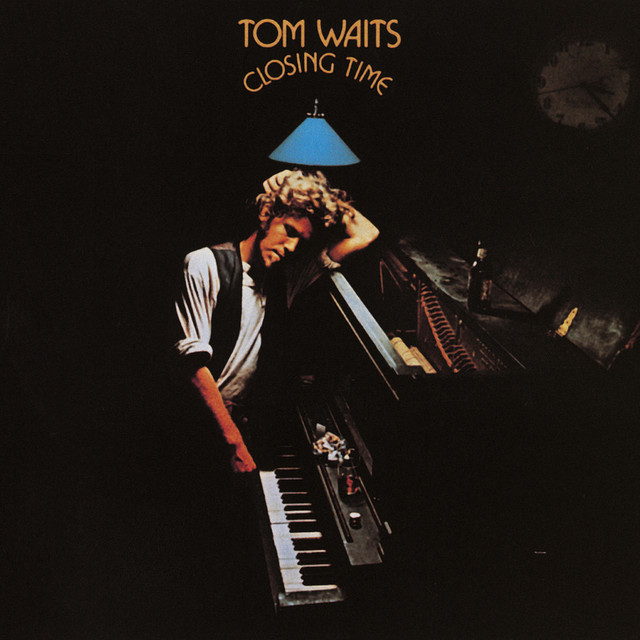
Closing Time (Remastered)
1973
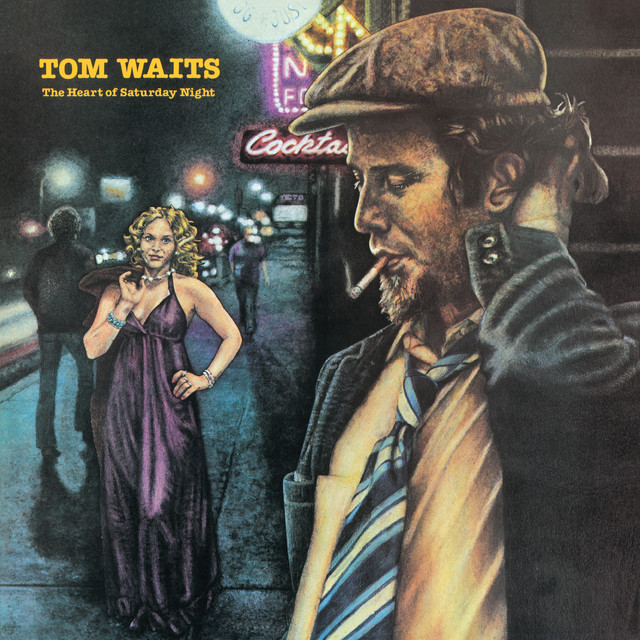
The Heart Of Saturday Night (Remastered)
1974
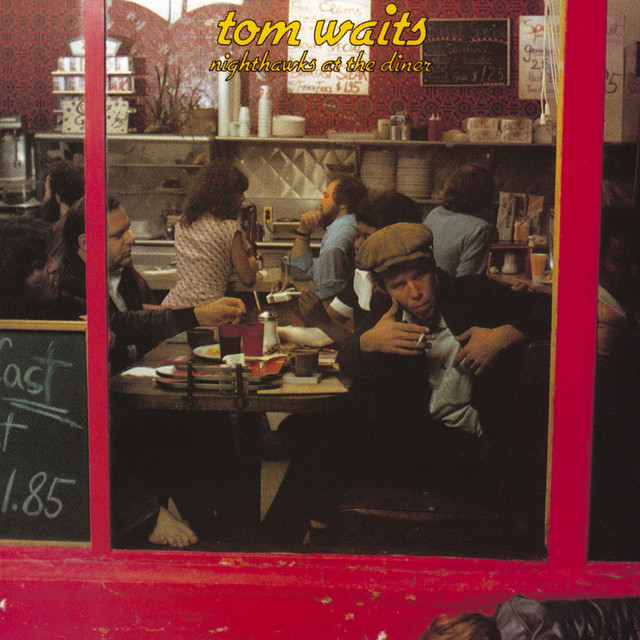
Nighthawks At The Diner (Remastered)
1975
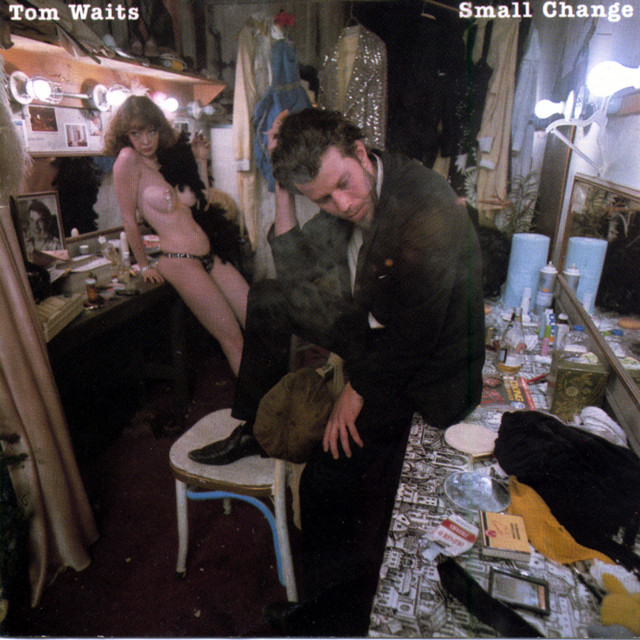
Small Change (Remastered)
1976
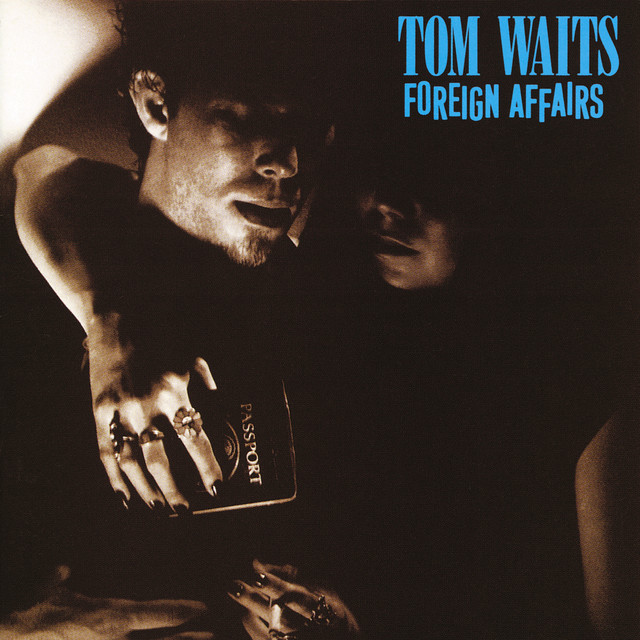
Foreign Affairs (Remastered)
1977
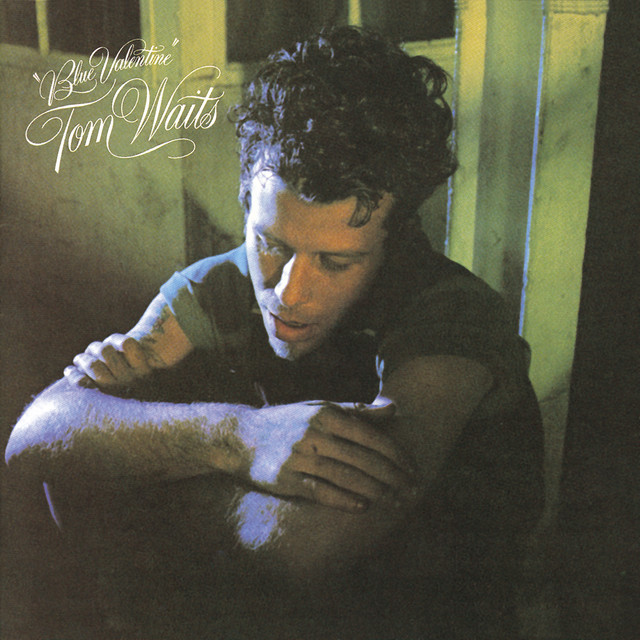
Blue Valentine (Remastered)
1978
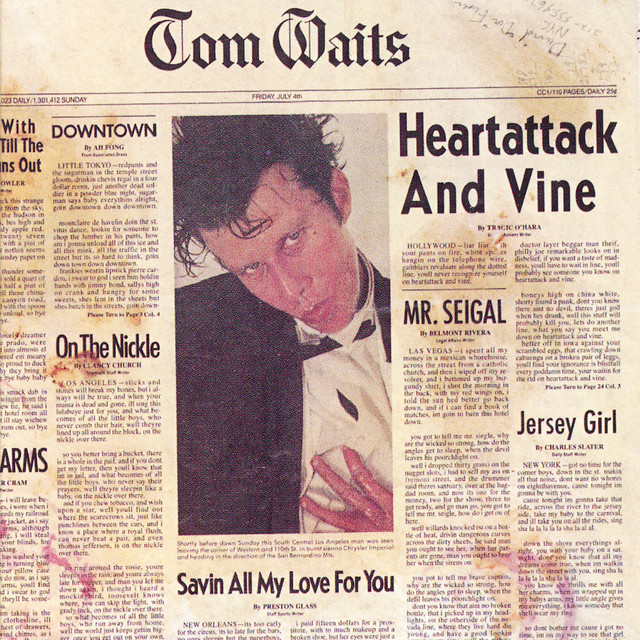
Heartattack And Vine (Remastered)
1980
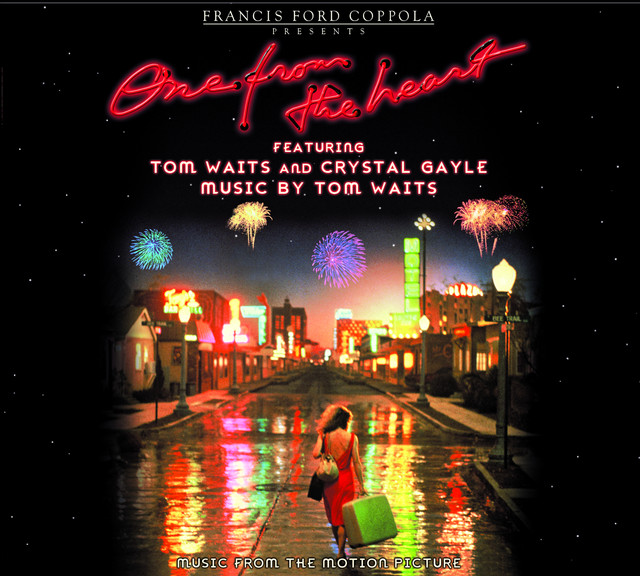
Music From The Original Motion Picture "One From The Heart"
1982
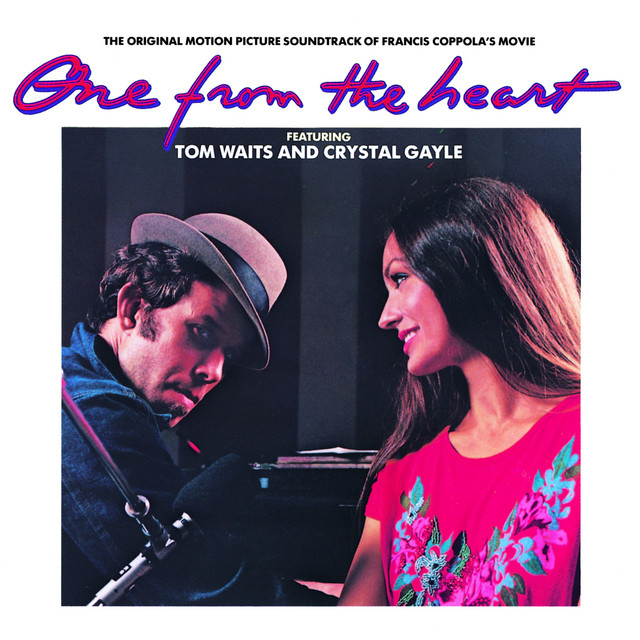
The Original Motion Picture Soundtrack of Francis Coppola's Movie ONE FROM THE HEART
1982
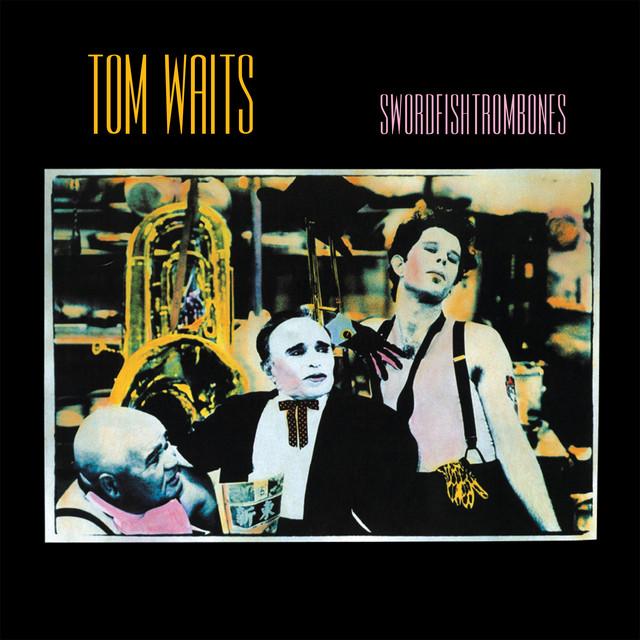
Swordfishtrombones (2023 Remaster)
1983

Rain Dogs (2023 Remaster)
1985
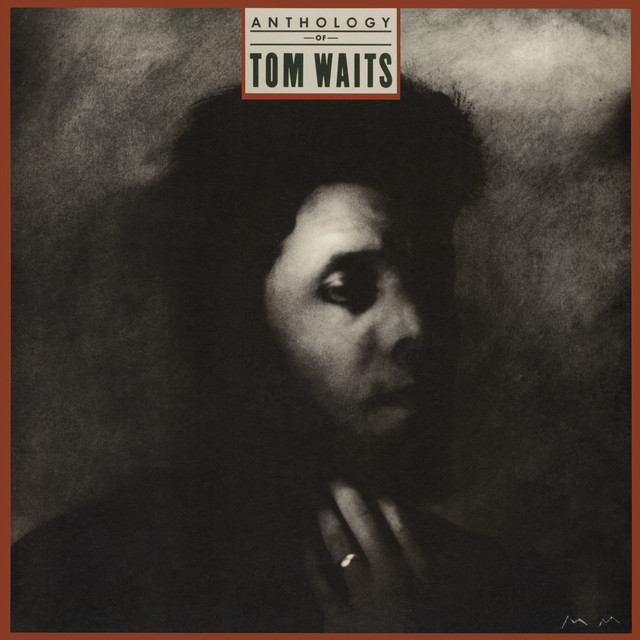
Anthology Of Tom Waits
1985
Album Credits
-
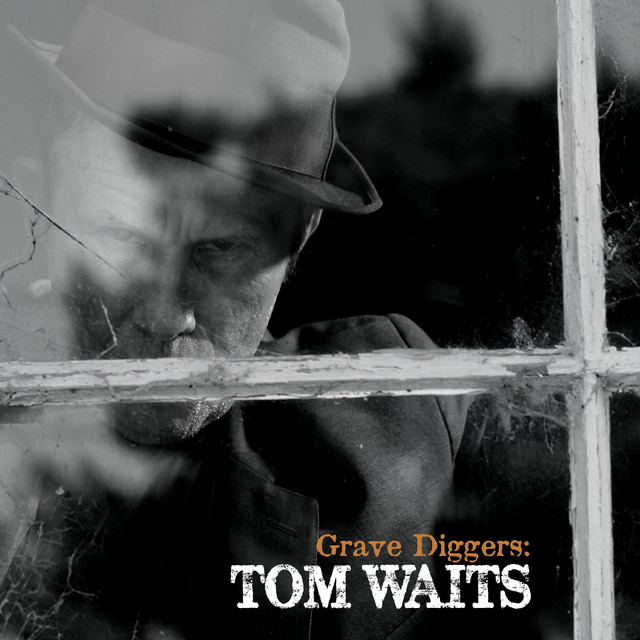
Tom Waits · 2022
Producer -

Metric · 2012
Producer -

Primus · 2006
Producer -
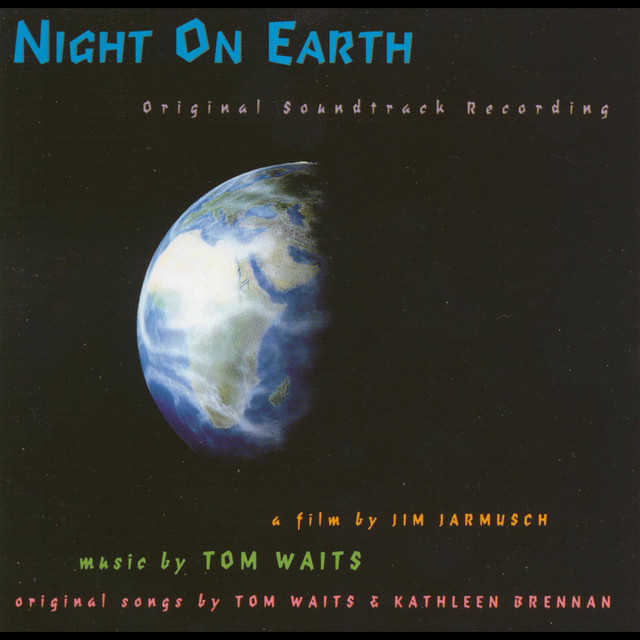
Tom Waits · 1991
Producer -
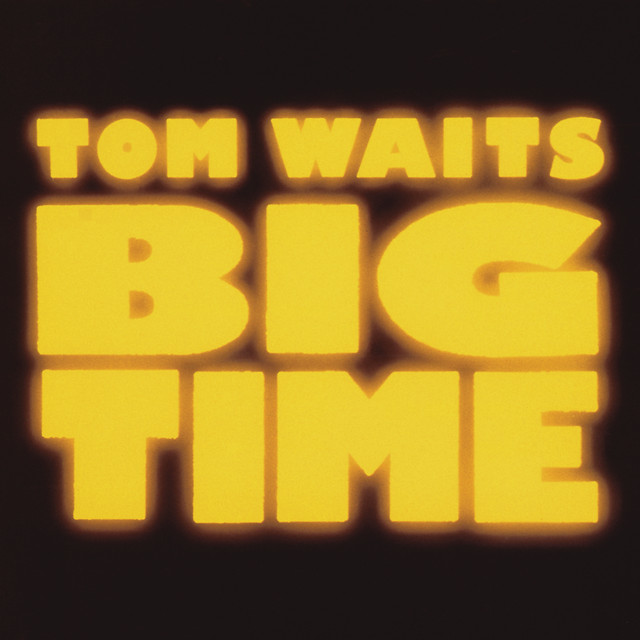
Tom Waits · 1988
Producer



.jpeg?v=1783265544)


