

Pricing and availability
We compare 600+ stores and found this item at 1 store. Prices updated .




Average Price: $776
Budget/Beginner
$799
$2000+
Price Tier
Budget
Standard
High-end
* Product prices and availability are updated by Equipboard every 24hrs and are subject to change. Equipboard may receive compensation for purchases made at participating retailers linked on this site. This compensation does not affect what products or prices are displayed, or the order of prices listed. For more information, please refer to our affiliate disclosure.
Description
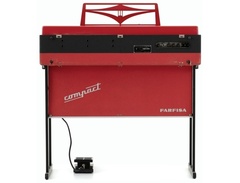
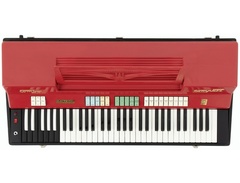
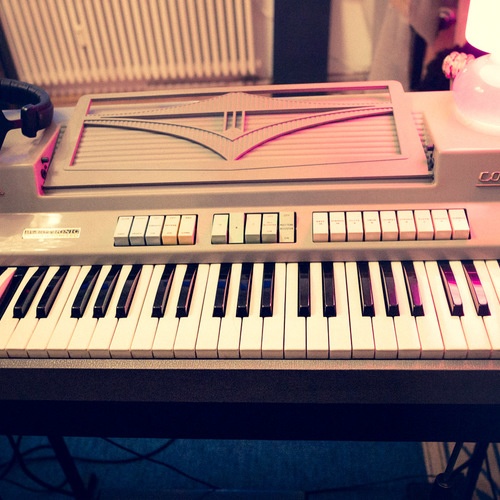
The Farfisa Combo Compact debuted in the mid-1960s and made a splash on the scene immediately. Boasting loud colors, a rough sound, and a price the touring musician could afford, the Compact Combo quickly became one of the prominent combo organs of the ‘60s.
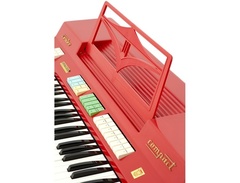
The organ came in two color choices, red or gray, with red being more common.
Product specs
| Brand | Farfisa |
| Model | Combo Compact Organ |
| Finish | Blue with Black-White / White-Black Keys, Gray with Black-White / White-Black Keys, Red with Black-White / White-Black Keys |
| Year | 1964 - 1968 |
| Made In | Italy |
| Categories | Organs |
| Analog / Digital | Analog |
| Key Size | Full Size |
| Keyboard Action | Synth Action |
| Number of Keys | 61 Keys |
FAQs
-
What type of sound can I expect from the Farfisa Combo Compact organ?
-
The Farfisa Combo Compact is known for its distinctive, aggressive, and raspy tone, making it ideal for classic rock and psychedelic music. Its sound is often described as more raw and vibrant compared to other organs like the Vox Continental.
-
How many keys does the Farfisa Combo Compact have?
-
The Farfisa Combo Compact features a full-size keyboard with 61 keys, offering a wide range for expressive playing.
-
Is the Farfisa Combo Compact organ suitable for live performances?
-
Yes, the Farfisa Combo Compact is designed for live performances with its durable build and full-size keybed, making it a favorite among touring musicians in the 1960s and 1970s.
-
Is the Farfisa Combo Compact an analog or digital organ?
-
The Farfisa Combo Compact is an analog organ, which contributes to its warm and distinctive sound character.
-
What is the keyboard action like on the Farfisa Combo Compact?
-
The Farfisa Combo Compact features a synth action keyboard, providing a light and responsive touch suitable for fast playing styles.
Videos

picure
Farfisa Combo Compact Demo (SOLD!)
Farfisa Combo Compact Demo (SOLD!)
picure
Farfisa Combo Compact Repair - Part 1

Vintage Vibe
Farfisa compact combo demo

Dustin Altick

1964 Farfisa Combo Compact Demonstration and Repair

Vintage Keys Studio
Farfisa Combo Compact Jam In The Key Of E

Vox Jaguar Videos
Farfisa Combo Compact - Exploring the Presets - MVM #68

Midiverse - TV
Reviews
Owner Insights
We analyzed real musician discussions from forums and Reddit to find what players love, question, and tweak about Farfisa Combo Compact.
Value and pricing
-
Non-working Farfisa Compact organs can be found for 300-500 Euros, though restoration is challenging.
Source -
An $850 price for a Farfisa Compact is considered fair, though additional repair costs should be anticipated.
Source -
Farfisa Compact organs typically range from 1000-1500 Euros for a stage-ready model, depending on condition and location.
Source
Features and functionality
-
The Korg Vox Continental features a waterfall-style keybed reminiscent of traditional organs, enhancing playability for classic organ techniques.
Source -
The Crumar Mojo is praised for its Farfisa Compact emulation, with identical tone to the original Compact Deluxe.
Source -
Internal spring reverb and tone boost knee lever significantly enhance the sound and presence of Farfisa Compacts.
Source -
Compacts with germanium transistors offer "fuzzy warm goodness," unlike later silicon models, which sound cleaner.
Source -
The Yamaha Reface YC, when set to mode F and paired with Catalinbread Echorec and a wah pedal, closely replicates Richard Wright's Pink Floyd sounds.
Source -
Owners appreciate the drawbars on the Mojo, which act like switches when pulled halfway, similar to the Nord series.
Source
Comparisons
-
The Farfisa VIP series is noted for durability and often includes a drum machine, making it a robust alternative to the more delicate Compact.
Source -
Korg's modern Vox Continental is praised for its versatility, offering Farfisa, Vox, and B-3 sounds with a waterfall keybed, ideal for glisses and swoops.
Source -
FAST, Duo, and VIP models offer similar sounds to the Compact but differ in pricing, with FAST generally costing less and Duo/VIP models more.
Source -
Nord Electro models offer a tactile experience with buttons emulating Farfisa switches, and later versions include optional hardware drawbars for a more authentic feel.
Source -
The Mojo's Vox emulation is noted to have 6 drawbar settings, matching the original Italian Vox Continental's sound closely.
Source
User experience
Setup and maintenance
-
Real Farfisa organs may require specialized maintenance, often needing a few hundred dollars in repairs.
Source
4.5 out of 5
Based on 0 Reviews and 5 Ratings
Artist usage
Add artist

Turner can be seen in this photo with a Farfisa Combo Compact organ.

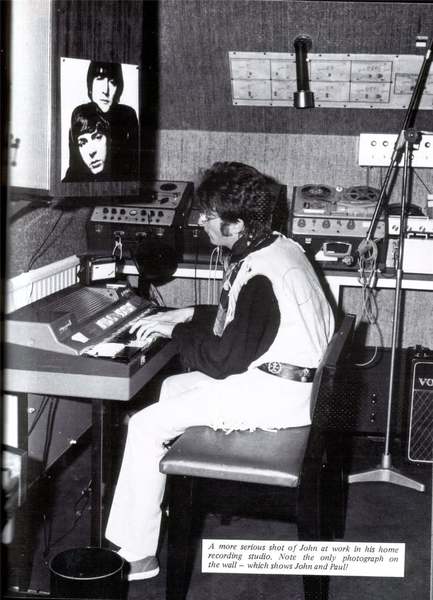
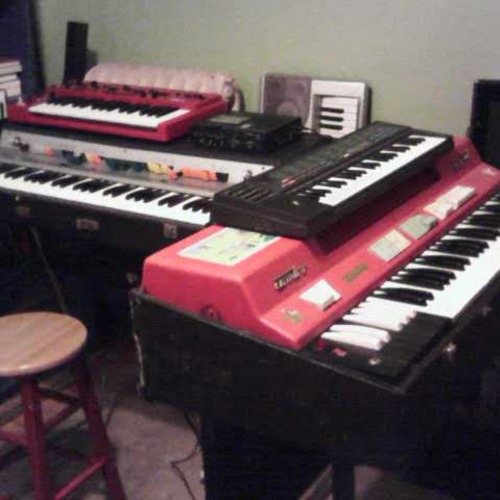
John had a red Farfisa Combo Compact organ in his home studio.
.jpeg?v=1783814913)
.jpeg?v=1783814913)
In the early days of the band, Wright dabbled with brass before settling on Farfisa electric organs as his main instrument onstage. He originally owned a single-manual Combo Compact model, which was used for early recordings of "Interstellar Overdrive",[67] and later upgraded to a dual-manual Compact Duo. During the 1960s, Wright relied heavily on his Farfisa fed through a Binson Echorec platter echo, as heard on the Ummagumma live album.[66] On later tours, the instrument was fed through a joystick control allowing the signal to be sent through up to six speakers in an auditorium, which was called the "Azimuth Coordinator".[71] Wright stopped using the Farfisa after The Dark Side of the Moon, but revisited it in later years, playing it on Gilmour's On An Island tour. It was recorded for the sessions that eventually became The Endless River.[72]
Wright's Hammond M-102 organ, used on Pink Floyd: Live at Pompeii. Wright played the piano and Hammond organ in the studio from the start of Pink Floyd's recording career; using the Hammond's bass pedals for the closing section of "A Saucerful of Secrets".[73] He used a Mellotron in the studio for some tracks, including Ummagumma's "Sysyphus" and on the "Atom Heart Mother" suite. For a brief period in 1969, Wright played vibraphone on several of the band's songs and in some live shows, and reintroduced the trombone on "Biding My Time".[74] He started using a Hammond organ regularly on stage alongside the Farfisa around 1970[75] and a grand piano became part of his usual live concert setup when "Echoes" was added to Pink Floyd's regular set list. All three keyboards are used in the concert film Pink Floyd: Live at Pompeii.[a]
In the 1970s, Wright began using synthesizers such as the VCS 3, ARP String Ensemble and Minimoog, which were featured on "Shine on You Crazy Diamond". Wright wrote the closing part of the track alone, and included a brief extract of the band's early single "See Emily Play" on the Minimoog towards the end.[79] He used a number of electric pianos during the 1970s, including a Wurlitzer fed through a wah-wah pedal on "Money"[80] and an unaccompanied Rhodes introduction for "Sheep" on Animals.[81]
From the 1987 Momentary Lapse of Reason tour onwards, Wright and touring keyboardist Jon Carin favoured Kurzweil digital synthesizers, including the K2000 keyboard and K2000S rack module for reproducing piano and electric piano sounds.[82] Wright retained the Hammond along with a Leslie speaker, playing it onstage and using it during the Division Bell sessions.[83]

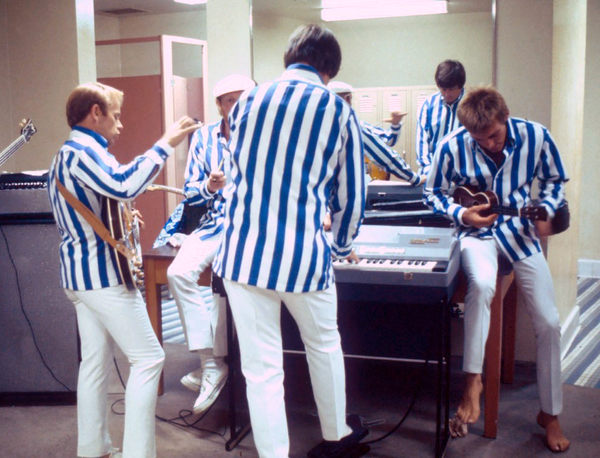
In this photo from 1967, Wilson can be seen playing a Farfisa Combo Compact organ backstage with the Beach Boys in Hawaii.


Philip Glass is seen in the 3rd and 5th photographs on this interview page sitting behind a Farfisa Combo Compact organ (probably the grey version). It seems very likely that the bigger Combo Compact was too troublesome to repair, too expensive to acquire, or too much organ for what the ensemble required and so the smaller Mini Compact was seen more often in live and rehearsal media of the PGE during this time. Philip Glass writes about such topics in his 2015 memoir "Words Without Music."
http://www.paristransatlantic.com/magazine/interviews/landry.html


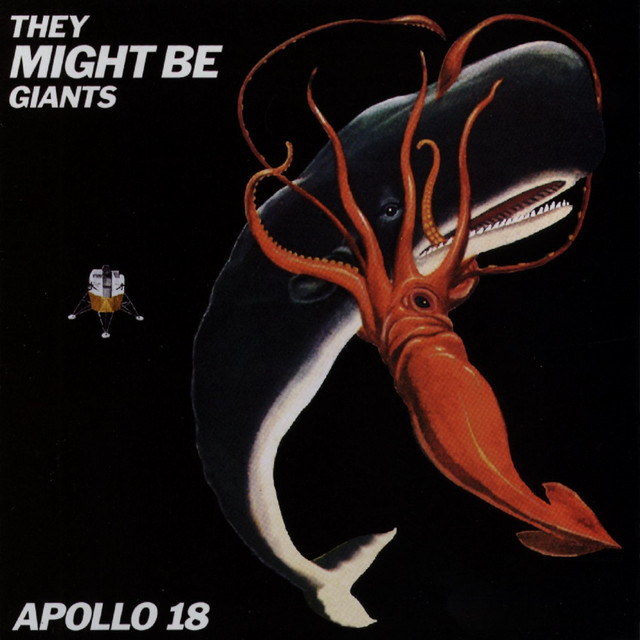
John Linnell played a red Farfisa Compact in the early days of They Might Be Giants, as well as in his previous band, the Mundanes. It was used on many very early demos and some studio recordings, most notably "Twisting". There are no known usages of this organ by John Linnell beyond 1990, although it's possible it might've seen use on Apollo 18.

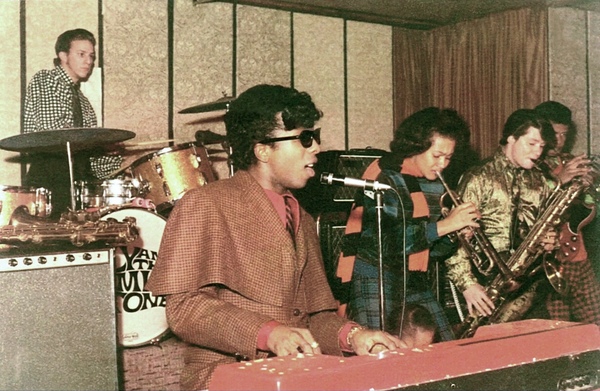
Sly Stone can be seen here playing a Farfisa Combo Compact with Sly and The Family Stone. The photo looks to be from the band’s early years, and Sly would later use the Farfisa Professional organ as his primary touring keyboard.

.jpg)
Visible in this Instagram post and featured in this one.


you can see kyle playing it throughout the whole video.

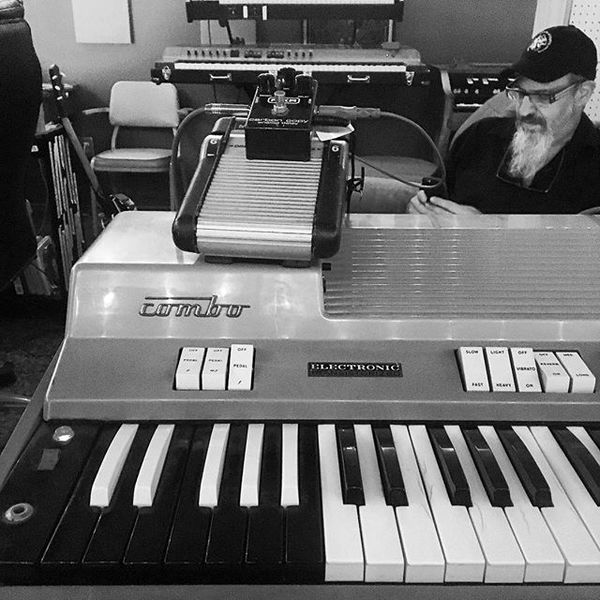
In this photo, which got posted on Quesada's Insatagram profile, one of the items that can be seen is the Farfisa Compact Combo.

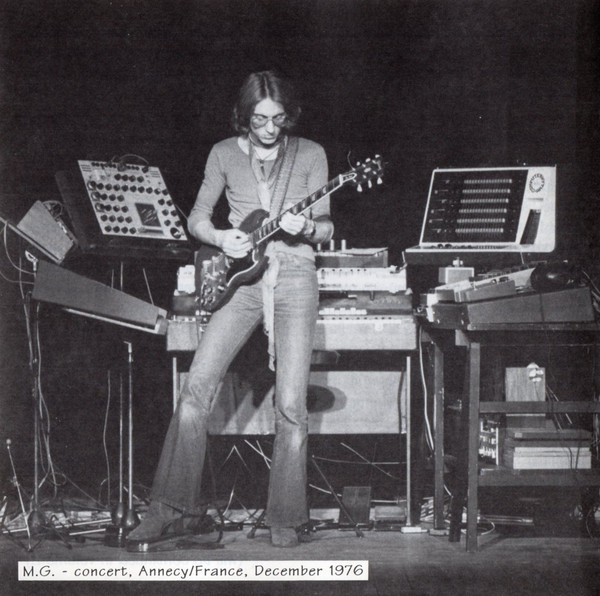
In this photo on the center, behind him, there's a Farfisa Compact


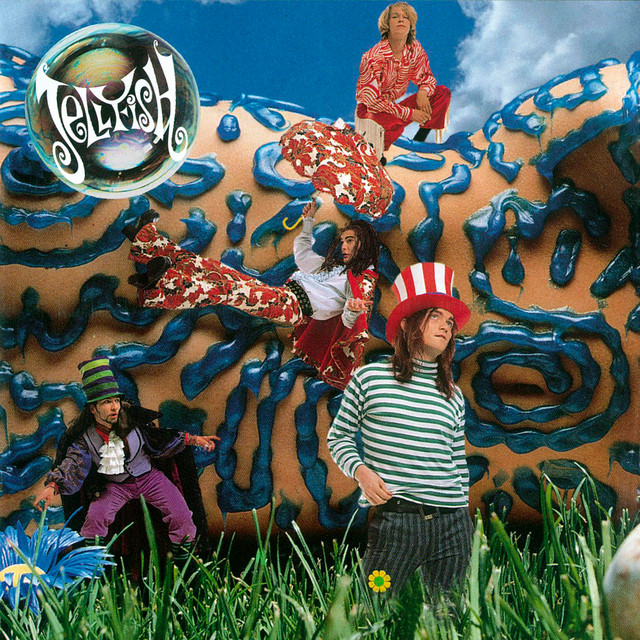
In the video titled "Jellyfish's 'Bellybutton' | Inside the Album with Roger Joseph Manning Jr. - Produce Like A Pro," at the 4:29 mark, Roger Joseph Manning Jr. discusses using the Farfisa Combo Compact organ in the song "The Man I Used to Be" from the album Bellybutton. This serves as confirmation of the instrument's use by the artist, as documented by the source, Produce Like A Pro.
Album Usage
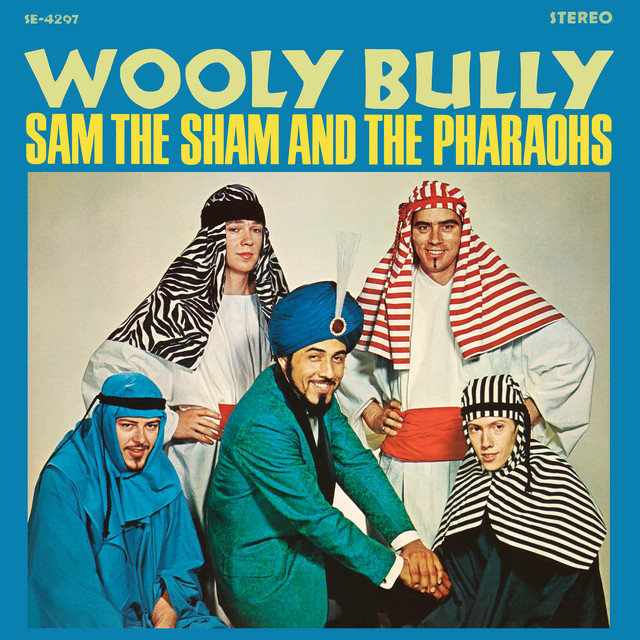
The Farfisa Combo Compact has been featured on the following albums:
Genre Usage
Based on how artists on Equipboard use this gear, it is most commonly found in the following genres.
Used With
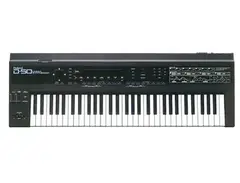
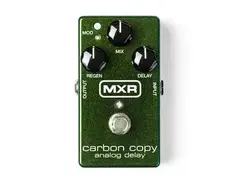
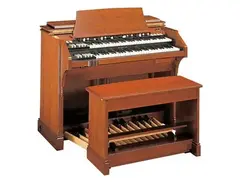
Based on how musicians on Equipboard use Farfisa Combo Compact, it is most commonly used with the following gear.




Community setups
Show yours
Similar
Add recommendation1 alternative for Farfisa Combo Compact, curated by the Equipboard community.

$834.57
Both the Combo Compact and Compact Deluxe were a part of Farfisa’s Compact line. The organs look and sound nearly identical, however the Compact Deluxe has additional voices such as the 2-2/3' footage with an independent "brilliant" tab. Later models, such as the Combo Deluxe Compact I, also include a rhythm section (drum machine) of brush cymbal and drum.
More Farfisa Organs


.jpeg?v=1783814913)


$834.57
in Organs Rank


$1,193.94
in Organs Rank


$1,200.00
in Organs Rank


-m.webp?v=1767878190)


-m.webp?v=1783782875)


$354.00 - $499.99
in Organs Rank


Accessories & Related Items



Most Popular Organs
Most Popular Brands
-
Added to Equipboard on by
 adamziolkowski
GearIQ 604
-


