Peter Gabriel
formerly of Genesis
Role
Genre
Role
Genre
Peter Gabriel's Gear


In this 1982 documentary on the making of Gabriel's fourth album, we see a shot of several pieces of gear set up in his then-home studio. At the 13:49 mark, there's a clear shot of Peter singing into his SM-57.
Find it on:


Gabriel uses a CP80 in this 1978 performance on Rockpalast. Peter can be seeing playing it at 17:50. Confirmation of this being a CP80 can be found when his bandmate plays it at 8:39 and 25:30.
Find it on:


In this Sound On Sound article, it reads, "'The live room had a PA system that we also used as an echo chamber,' Killen recalls, 'and the control room was where Peter had his keyboards — an Emulator, a Fairlight, a Prophet 5 and a Yamaha CP70 — in addition to some percussion instruments and a bunch of guitars.'"
Find it on:


"Peter had brought most of his normal writing setup to these places. This includes an Akai MPC3000 or MPC60 -- he likes to have a modular drum machine," says Chappel, in this article.
Find it on:

In this 1982 documentary on the making of Gabriel's fourth album, we see a shot of several pieces of gear set up in his then-home studio. At the 10:52 mark, there's a clear shot of the Acousticomputer unit.
Find it on:

At the beginning of this article, there is a photo of Gabriel with a Fairlight, as the caption underneath confirms.
Find it on:



In this Sound On Sound article, it is stated that Gabriel owns a Kurzweil K2600.
Find it on:
-m.webp?v=1784214499)
This Sound On Sound article states: "'More Than This' is one of the tracks that came out of Gabriel's unorthodox guitar experiments (see box), as is 'No Way Out', on which he is credited as playing Telecaster."
Find it on:


This blog entry on the iZotope website indicates that their software is used at Gabriel's Real World Studios. It says, "We recently found out that iZotope’s RX 4 audio enhancement and repair software is now a staple toolkit in Real World Studio’s post-production set-up since the team saw the impressive results Peter Gabriel’s engineer Dickie Chappell had produced when he used RX to clean up some old recordings."
Find it on:

In this video tour of Gabriel's writing room at his Real World Studios, engineer Dicky Chappell shows the then-still functioning OXF-R3 board. (A tweet from 2013 shows that the board stopped functioning around that time, and was sold off for charity.)
Find it on:

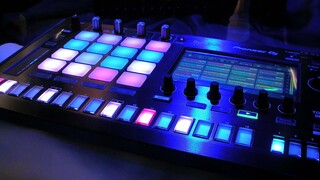
In this video tour of Gabriel's writing room at his Real World Studios, engineer Dicky Chappell is showing the camera man around the main work space. An MPC 4000 (identifiable by the blue pads, knobs, and sliders) is visible in the foreground for a good minute or so from the 3:11 mark onward.
Find it on:

"For Gabriel's voice, Chappell often used a Sony C800 valve mic in combination with a Shure SM58, run through external mic amps like the Amek or Neve," this article states.
Find it on:

-m.webp?v=1784201048)
This photo shows a RhythmTech Ergonomic Tambourine attached to the side of Gabriel's keyboard rig.
Find it on:


"The only new things were the Emulator II and the Linn 9000, though I didn't have time to get into the Linn properly before I started recording. Part of the catch with these things is that you do need time to get to know them. If the equipment arrives after you've started recording, you have to take it out of the studio to get to grips with it, which I didn't feel like doing in this instance."
Find it on:

"There's one synth that I'd used a little bit on my first album, but which Daniel Lanois re-introduced me to, and that is the Yamaha CS80. It has a great breathiness to it — human breath and its musical uses have always fascinated me — and a kind of organic character which I like."
Find it on:

In this 1982 documentary on the making of Gabriel's fourth album, we see a shot of several pieces of gear set up in his then-home studio. At the 10:57 mark, there's a clear shot of the RMX16 reverb unit.
Find it on:
-m.webp?v=1784213851)
In this 1982 documentary on the making of Gabriel's fourth album, we see a shot of several pieces of gear set up in his then-home studio. At the 10:50 mark, there's a clear shot of the 15-80S delay unit.
Find it on:

In this 1982 documentary on the making of Gabriel's fourth album, we see a shot of several pieces of gear set up in his then-home studio. At the 11:04 mark, there's a clear shot of the LM-1.
Find it on:

In this video tour of Gabriel's writing room at his Real World Studios, engineer Dicky Chappell is showing the camera man around the main work space. In the center hangs an LK-44, which Chappell explains (from the 8:37 mark onward) is used to quickly play back MIDI that is captured during Gabriel's writing sessions.
Find it on:

In this video tour of Gabriel's writing room at his Real World Studios, engineer Dicky Chappell is showing the camera man around the main work space. Chappell name-checks SuperCollidder at the 11:40 mark.
Find it on:
-m.webp?v=1784213826)
This article states that Gabriel uses a Shure SM58 microphone for recording vocals.
Find it on:


This Sound On Sound article states that Gabriel owns a Clavia Nord Lead.
Find it on:

This Sound On Sound article states,"Peter's original demos of his songs had consisted of a Linn 9000 drum pattern and chord progressions on the Prophet 5 or CP70..."
Find it on:

Peter Gabriel is associated with the Dave Smith Instruments Prophet '08 Synthesizer, as noted by Dave Smith Instruments.
Find it on:

Peter Gabriel uses the Dave Smith Instruments Poly Evolver Synthesizer, as noted by Dave Smith Instruments.
Find it on:

In the YouTube video "Peter Gabriel Secret World Live 2012 Blu-ray Bonus - Red Rain," Peter Gabriel is seen using the Korg 01/W Pro X synthesizer during his performance.
Find it on:

"In the end we got so fed up with it that we hired in a Mitsubishi 32-track digital, which had sufficient tracks for us to do everything on one reel. The Mitsubishi worked well for us. I'd love to do an A-B against the Sony system."
Find it on:

"The album wasn't mastered digitally. We started off working with a Sony PCM-F1, but we had some problems putting clicks on it, and the half-inch analogue proved more reliable, so we used that."
Find it on:

In this 1982 documentary on the making of Gabriel's fourth album, we see a shot of several pieces of gear set up in his then-home studio. At the 10:49 mark, there's a clear shot of his CR-78.
Find it on:
This is a community-built gear list for Peter Gabriel.
- Find relevant music gear like Microphones, Pianos, Keyboards and Synthesizers, and other instruments and add it to Peter Gabriel.
- The best places to look for gear usage are typically on the artist's social media, YouTube, live performance images, and interviews.
- To receive email updates when Peter Gabriel is seen with new gear, follow the artist.
Discography
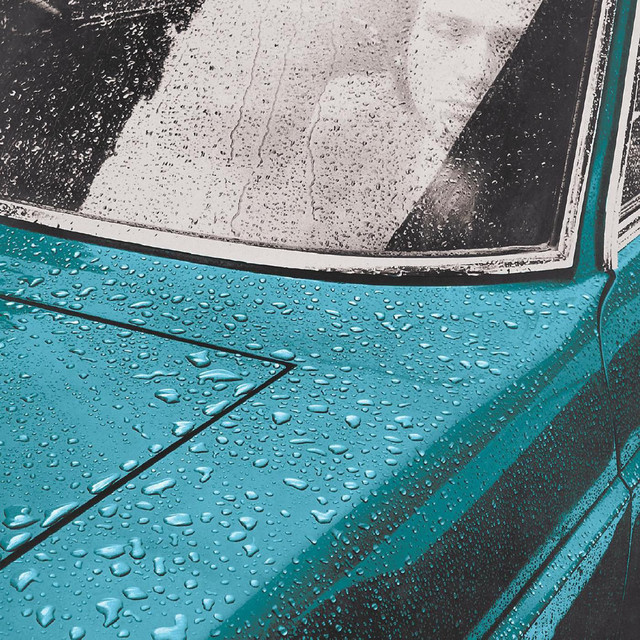
Peter Gabriel 1: Car (Remastered Version)
1977
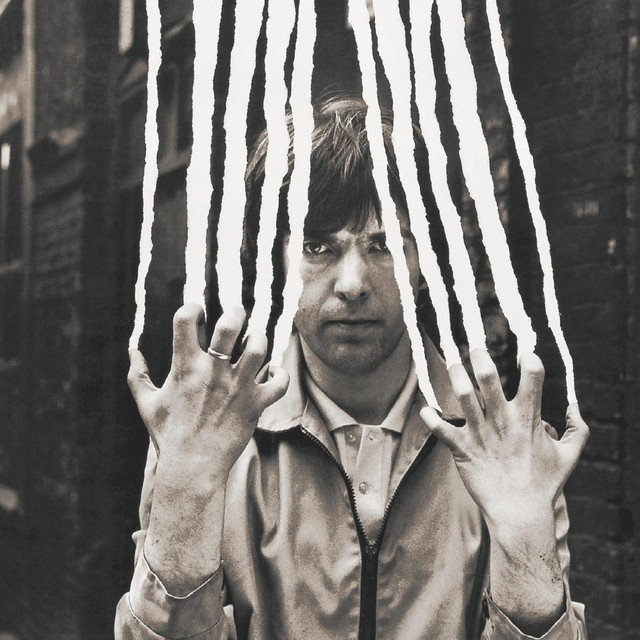
Peter Gabriel 2: Scratch (Remastered Version)
1978
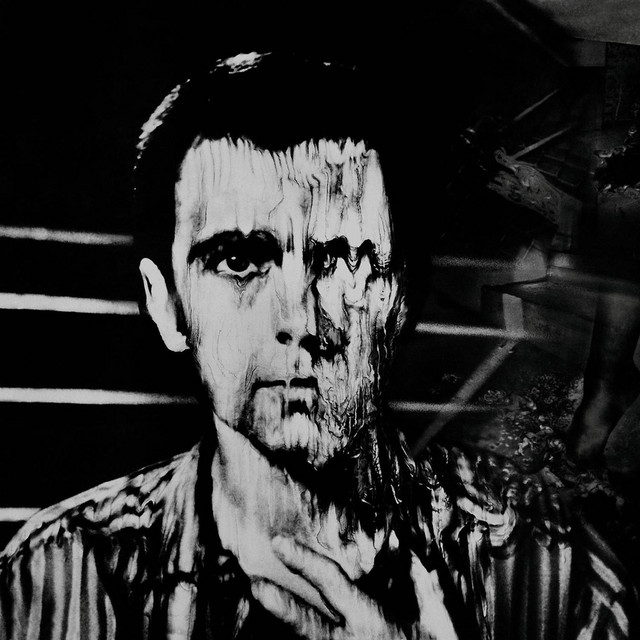
Peter Gabriel 3: Melt (Remastered Version)
1980
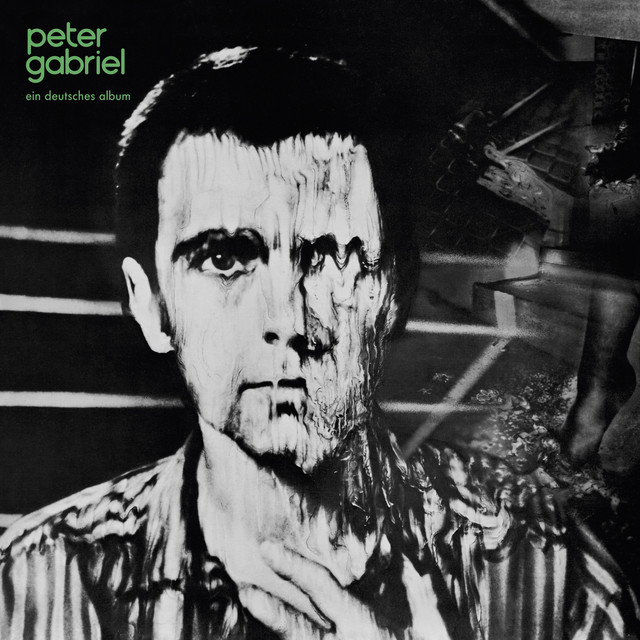
eine deutsches album
1980
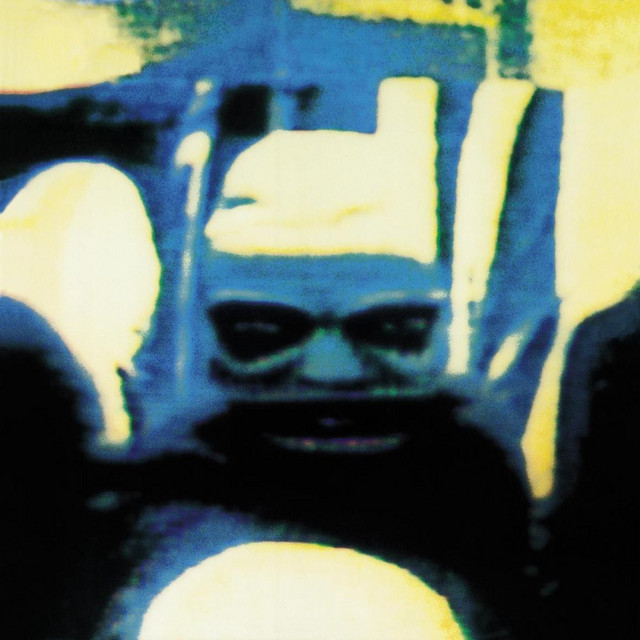
Peter Gabriel 4: Security (Remastered Version)
1982
deutsches album
1982
Plays Live
1983
Birdy: Music from the film
1985
Birdy
1985
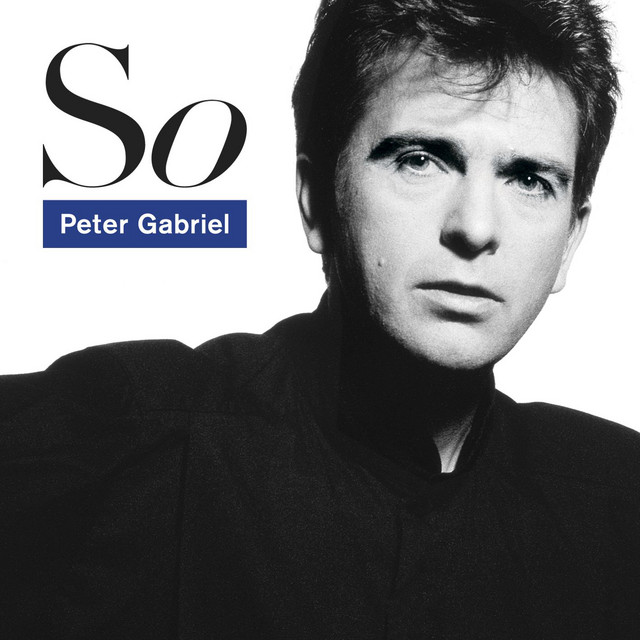
So (25th Anniversary Deluxe Edition)
1986
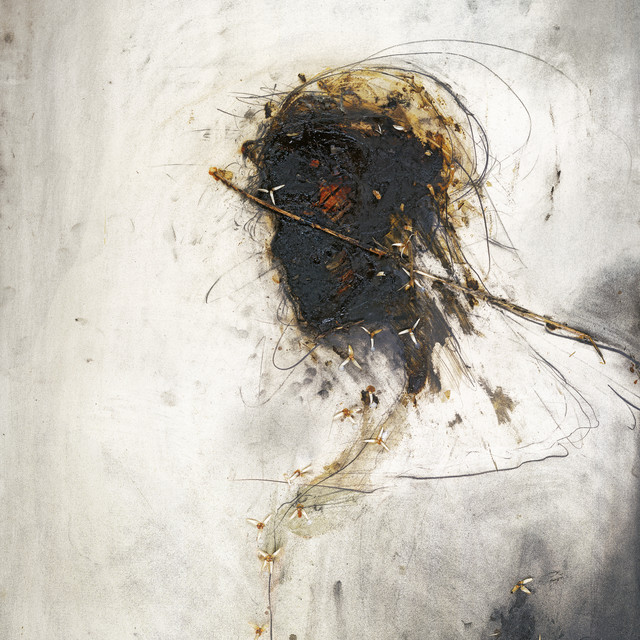
Passion: Music for The Last Temptation of Christ
1989
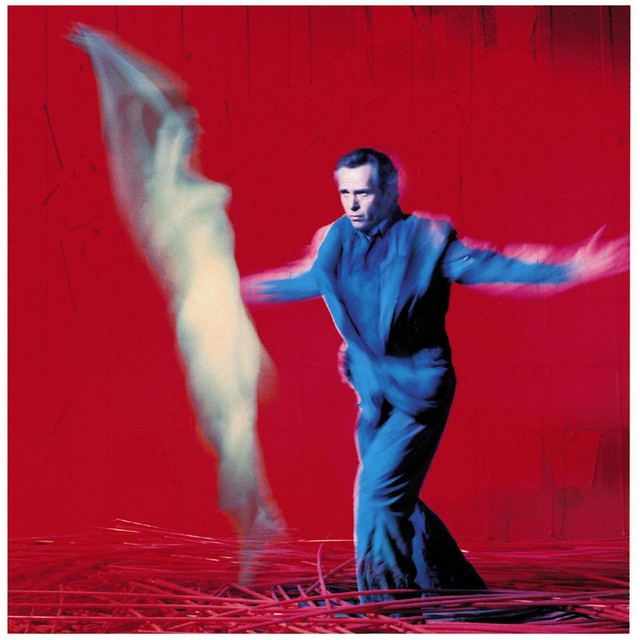
Us (Remastered Version)
1992
Album Credits
-
Peter Gabriel · 2026
Producer Programmer -
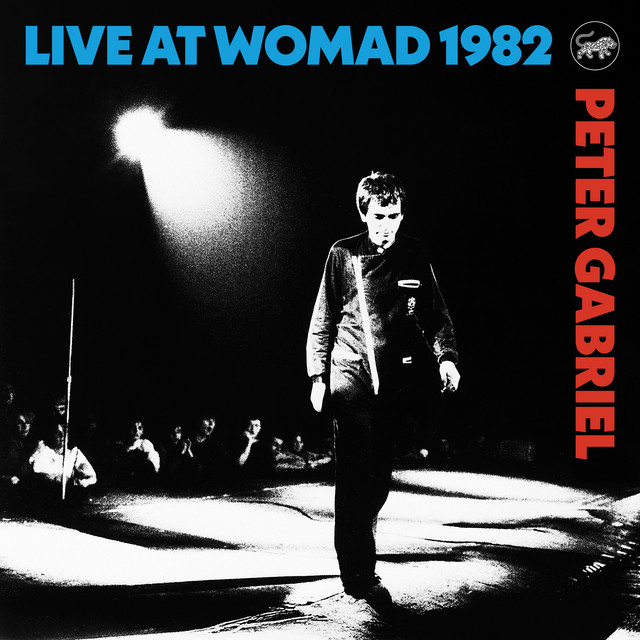
Peter Gabriel · 2025
Producer -
Peter Gabriel · 2023
Producer Programmer -
Peter Gabriel · 2023
Producer Programmer -
Peter Gabriel · 2023
Producer Programmer -
Peter Gabriel · 2023
Producer Programmer -
Four Kinds of Horses (Dark-Side Mix)
Peter Gabriel · 2023
Producer Programmer -
Peter Gabriel · 2023
Producer Programmer -
Peter Gabriel · 2023
Producer Programmer -
Peter Gabriel · 2023
Producer -
Peter Gabriel · 2023
Producer -
Four Kinds of Horses (Bright-Side Mix)
Peter Gabriel · 2023
Producer Programmer