The Ultimate Shotgun Mic Guide: From Whispers to Roars


By Gear Experts
By Gear Experts
Table of Contents

Equipboard
Equipboard is the world's largest community of artists and their gear. Read our review process.
We are reader-supported. When you buy through links on our site, we may earn an affiliate commission. Learn more.
Our Picks

Rode NTG5 Shotgun Condenser Microphone Kit
Best for Professional Field Recording: The RØDE NTG5 delivers exceptional sound quality in a remarkably compact package, making it the perfect companion for documentary filmmakers and field recordists who need professional results without shoulder fatigue.
Read more


Best for Professional Film and Broadcast: The Sennheiser MKH 416 has maintained its legendary status for decades as the go-to shotgun microphone for film, television, and broadcast applications, delivering unmatched reliability and consistent performance in virtually any environment.
Read more

Behringer Video Mic MS Dual-capsule Condenser Microphone
Best Budget Option: The Behringer Video Mic MS offers impressive versatility and functionality at an entry-level price point, making high-quality directional audio accessible to beginners and budget-conscious content creators.
Read more

Best Compact Professional Option: The Audio-Technica AT875R packs professional shotgun performance into the shortest full-featured shotgun microphone in its class, making it ideal for videographers working in tight spaces or with lightweight rigs.
Read more
Best for Content Creators: The RØDE VideoMic NTG brilliantly bridges the gap between on-camera microphones and professional studio tools, offering unprecedented versatility for content creators who work across multiple platforms and recording environments.
Read more
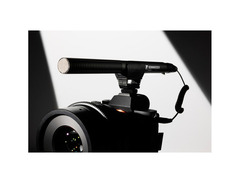
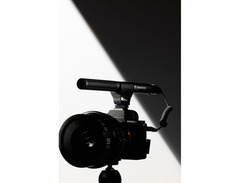
Sennheiser MKE 600 Shotgun Microphone
Best for Documentary Fieldwork: The Sennheiser MKE 600 excels in field recording scenarios thanks to its dual power options and exceptional sound quality, making it the ideal companion for documentary filmmakers and journalists working in remote locations.
Read moreIf you've ever tried recording audio outdoors or in a busy environment, you know how frustrating unwanted background noise can be. That's where shotgun microphones come in. These specialized tools are crucial for capturing clean, focused sound in challenging acoustic environments, whether you're filming a documentary, recording a podcast, or capturing nature sounds.
In this comprehensive guide, we'll walk you through everything you need to know about shotgun microphones and help you select the perfect one for your specific needs and budget.
What is a Shotgun Microphone?
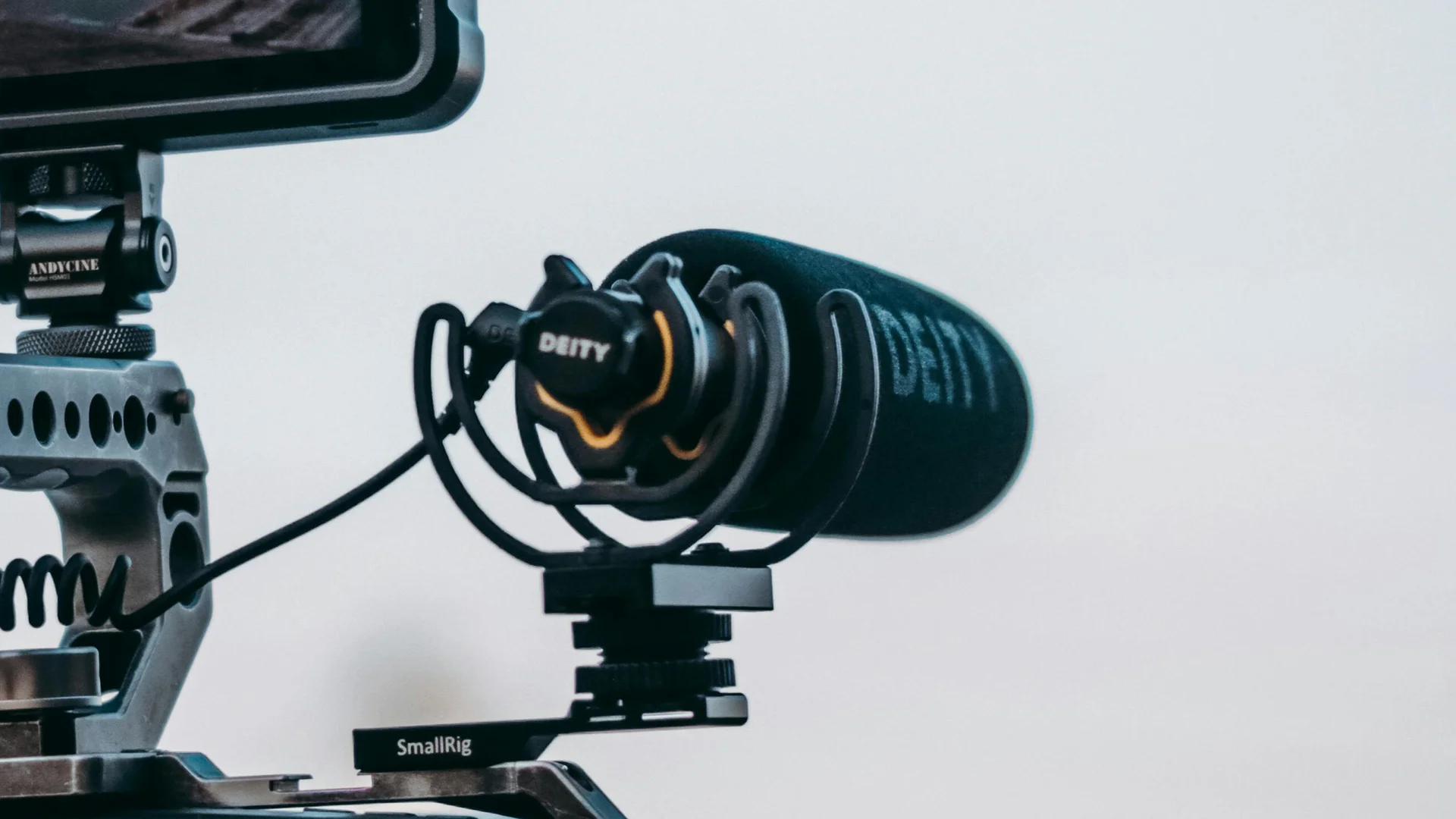
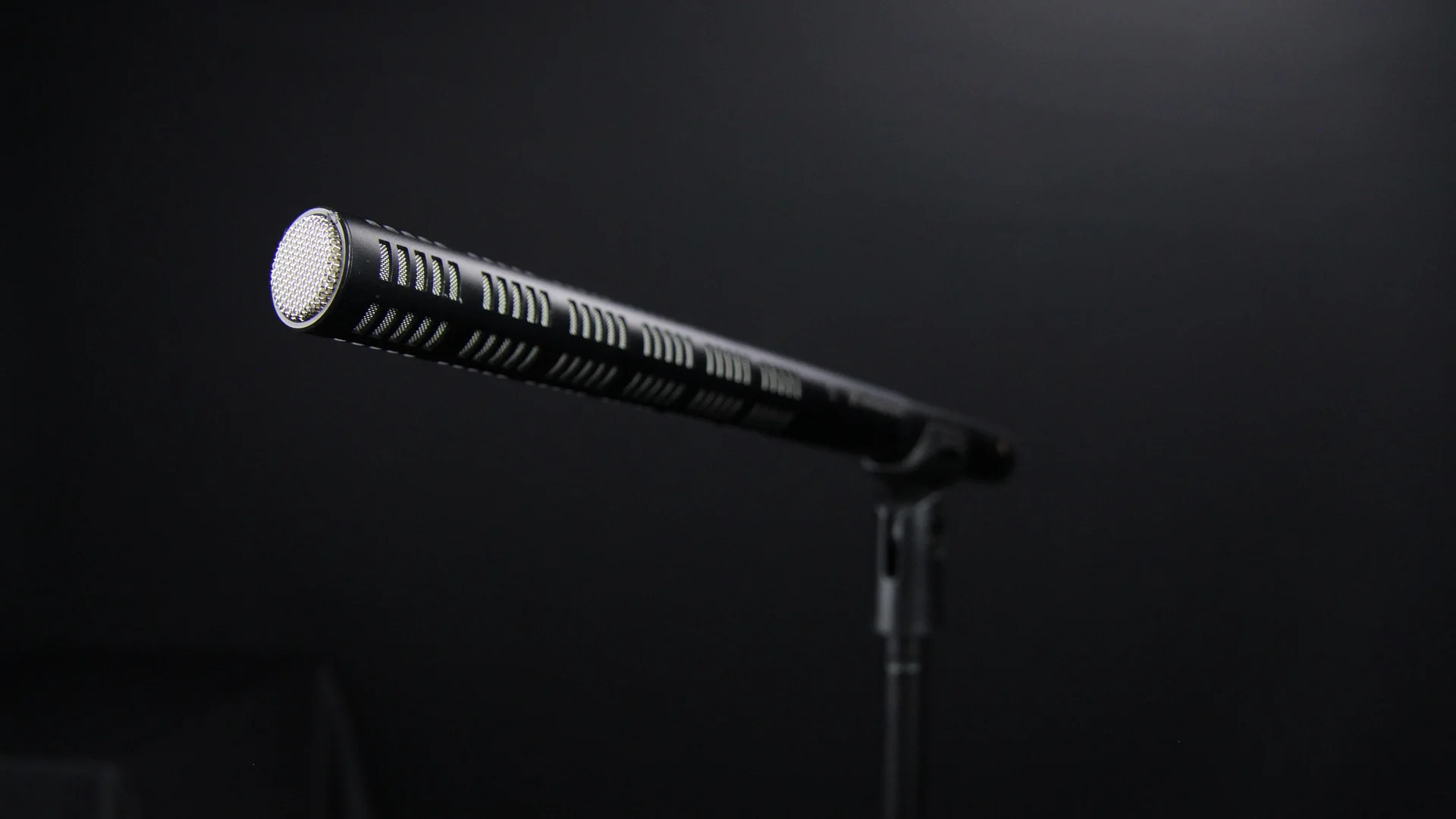
A shotgun microphone is a highly directional microphone designed to capture sound from a specific area while rejecting off-axis noise. Named for their long, slender appearance similar to a shotgun barrel, these microphones excel at focusing on sounds directly in front of them while minimizing pickup from the sides and rear.
The magic behind shotgun microphones lies in their acoustic design. They typically feature a supercardioid or lobar pickup pattern created by a combination of a standard condenser capsule and an interference tube. This tube contains a series of slots or ports that cause sound waves arriving from the sides to cancel each other out through phase interference, while allowing on-axis sound to pass through unimpeded.
This selective pickup makes shotgun microphones invaluable for a wide range of applications. They're the go-to choice for film and television production, where dialogue needs to be isolated from ambient noise. Field recordists use them to capture distant wildlife sounds.
How to Choose a Shotgun Mic
Selecting the right shotgun microphone involves understanding several key factors that affect performance. Let's break these down into clear, practical considerations to help you navigate your options.
Use Case
Your specific application should be the primary factor guiding your choice. Different shotgun microphones excel in different scenarios:
Filmmaking and video production typically benefit from longer shotgun microphones with extremely tight pickup patterns, often mounted on boom poles and operated by a dedicated sound person. These provide the best isolation of dialogue in unpredictable environments.
Vlogging and run-and-gun video usually requires compact, camera-mounted shotgun microphones that don't need external power sources. These are designed to reject ambient noise while remaining portable and unobtrusive.
Podcasting and voiceover work can utilize shotgun microphones to minimize room reflections and background noise, though in controlled environments, large-diaphragm condensers might be preferable.
Field recording and nature sound capture often demands shotgun microphones with excellent off-axis rejection and very low self-noise to capture subtle sounds at a distance.
Pickup Pattern
While all shotgun microphones are directional by nature, the specific pickup pattern can vary significantly between models. The most common patterns found in shotgun microphones are:
Hypercardioid patterns offer good directionality with wider acceptance angles, making them more forgiving for less experienced operators or when capturing moving subjects. These work well for close to medium-distance recording.
Lobar or ultracardioid patterns provide extreme directionality with very narrow acceptance angles, ideal for isolating distant sounds or recording in extremely noisy environments. These require more precise aiming but offer superior off-axis rejection.
Some premium shotgun microphones offer switchable patterns, allowing you to adapt to different recording scenarios.
Mounting Style
How you'll mount your shotgun microphone affects both its performance and your workflow:
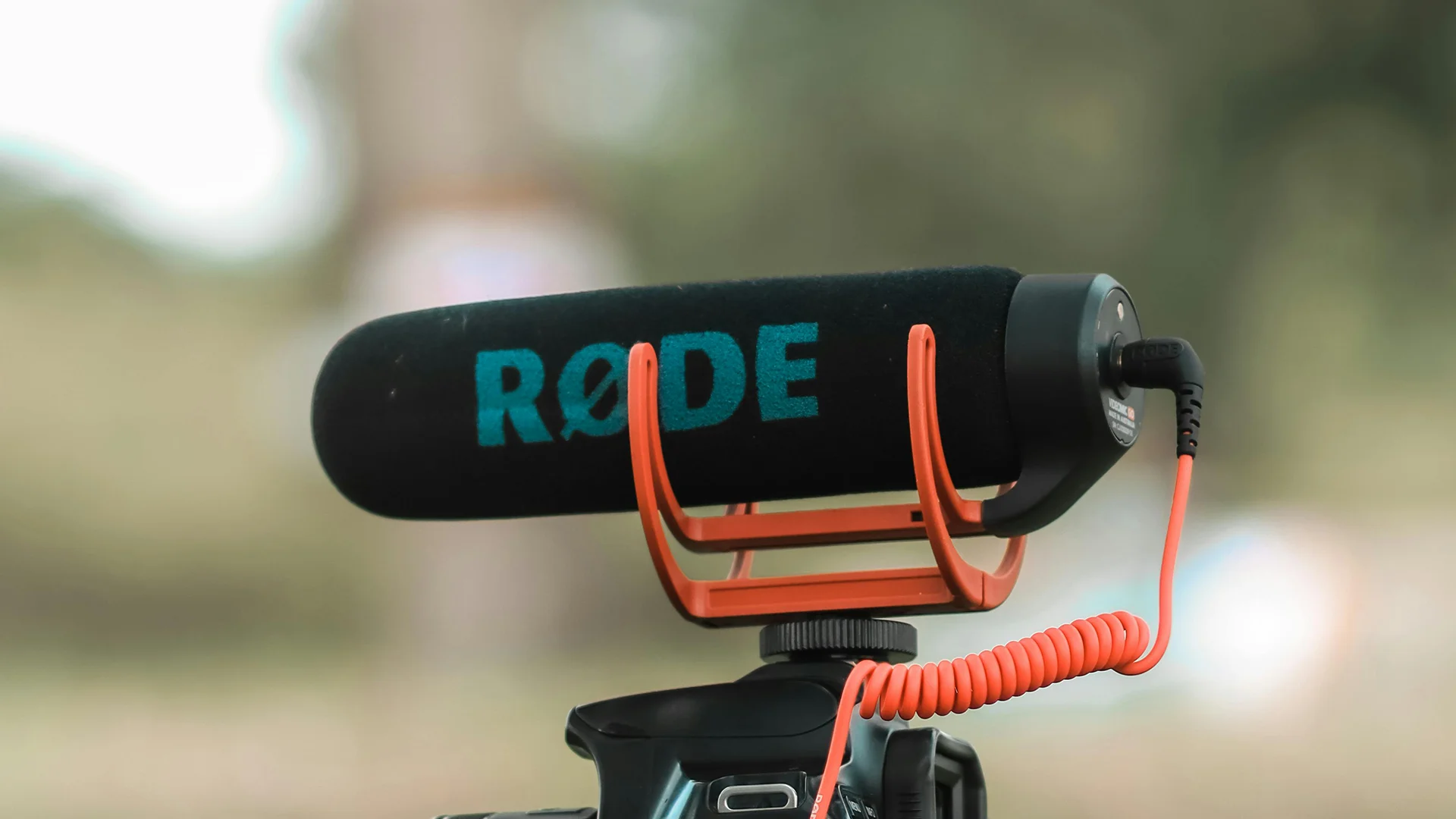
On-camera mounting requires compact size, light weight, and often built-in shock mounting to minimize handling noise. These microphones typically have shorter interference tubes and thus less extreme directionality compared to boom-mounted options.
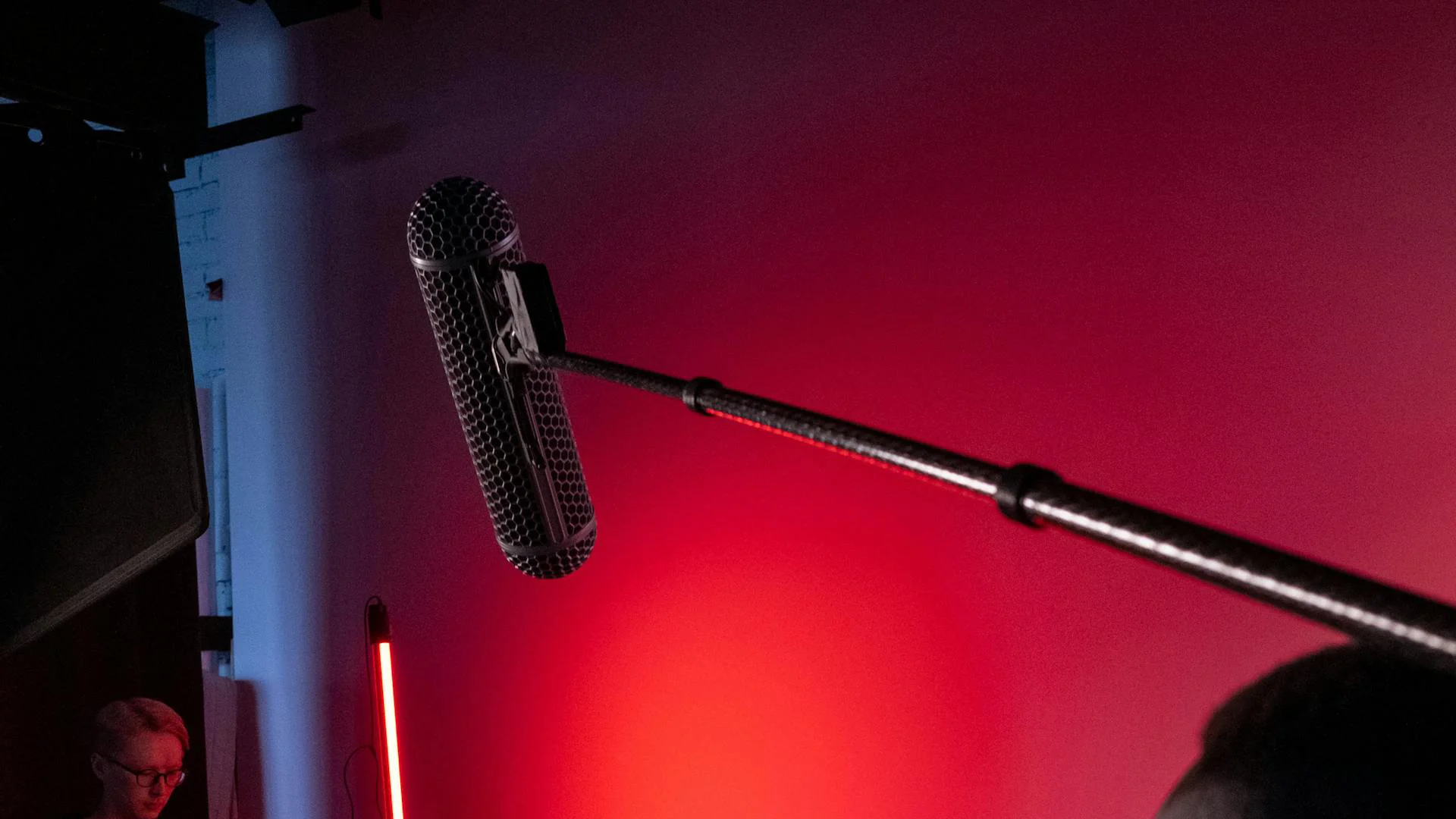
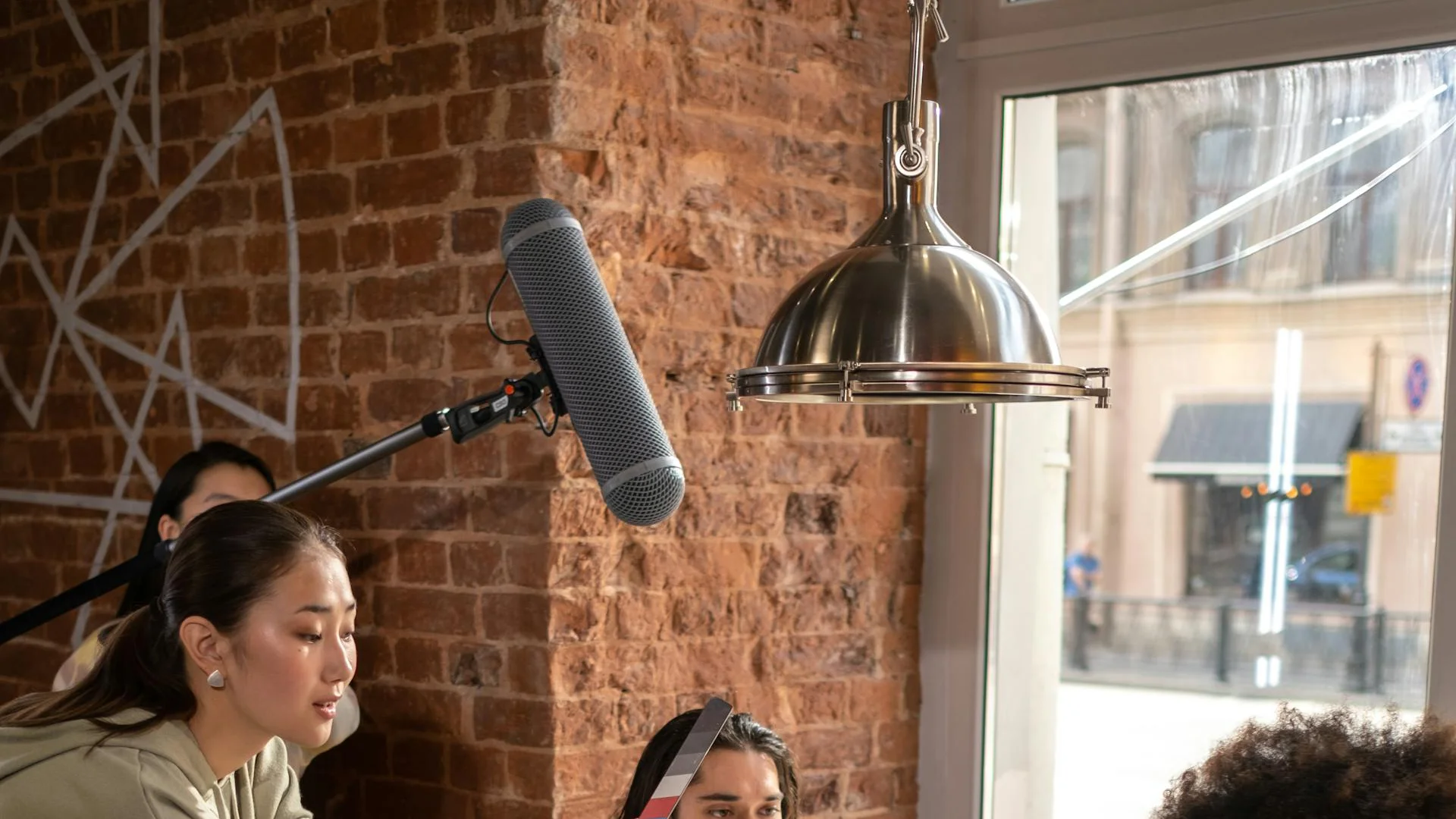
Boom pole mounting allows for optimal microphone placement, typically above and slightly in front of the subject, just outside the frame. Boom-mounted shotguns can be larger and heavier, with longer interference tubes for better directionality.
Handheld operation requires consideration of handling noise and comfortable grip designs. Some shotgun microphones include integrated handles or can be paired with specialized grip systems.
Stand mounting works well for controlled environments like podcast studios or voiceover booths, where consistent positioning is desired.
Power Requirements
Shotgun microphones require power to operate, and the power method affects both performance and convenience:
Phantom power (typically 48V provided by a mixer, recorder, or camera) is the professional standard, offering the best performance and eliminating battery concerns. However, it requires compatible equipment and possibly additional adapters or preamps.
Battery power provides convenience for field recording and compatibility with devices that don't supply phantom power. Battery life becomes a critical consideration, and some microphones offer both battery and phantom options for flexibility.
Plug-in power (sometimes called "mic bias") is a lower-voltage power standard used by some consumer devices, particularly DSLR cameras and portable recorders. Microphones designed for this power source typically draw less current but may offer reduced performance compared to phantom-powered alternatives.
Build Quality
When you're recording in unpredictable environments, from dusty deserts to humid rainforests, your microphone's construction becomes much more than a spec sheet detail. Professional shotgun microphones typically feature metal bodies that withstand the inevitable knocks and drops of field recording, while consumer models often use plastic to reduce cost and weight. Pay close attention to connection points and switches, as these are typically the first failure points when a microphone ages.
Weather resistance varies dramatically between models, with premium options often incorporating specialized RF-biased capsules that perform reliably in humidity that would cripple conventional designs.
The quality of shock mounting directly affects handling noise rejection, while thoughtful cable design with reinforced exits and gold-plated connectors prevents failures at the worst possible moment.
Frequency Response
Think of a microphone's frequency response as its sonic fingerprint, shaping how it interprets the world. While many manufacturers advertise wide frequency ranges like "20Hz to 20kHz," these numbers tell only part of the story. What matters more is how the microphone balances different frequencies within that range.
Professional shotgun microphones typically offer relatively flat responses that faithfully reproduce sounds without heavy coloration, though many incorporate a gentle presence boost around 2-8kHz that enhances speech clarity without becoming harsh. This subtle lift can make dialogue cut through background noise more effectively, especially in documentary or field recording situations.
Low-frequency handling varies dramatically between models, with some offering switchable high-pass filters that tame wind noise and handling rumble without affecting the primary sound source.
Noise Floor & Sensitivity
The self-noise and sensitivity of a shotgun microphone become particularly important when recording quiet sources or working at a distance:
Self-noise (measured in dB-A) represents the microphone's inherent electrical noise. Professional shotgun microphones typically offer self-noise figures below 15 dB-A, with premium models achieving figures as low as 8-10 dB-A. Lower self-noise is particularly valuable for nature recording, ASMR content, or any application requiring high signal-to-noise ratios.
Sensitivity (typically measured in mV/Pa) indicates how effectively the microphone converts acoustic energy into electrical signal. Higher sensitivity means stronger output levels from quiet sounds, reducing the need for preamp gain and potentially improving overall signal-to-noise ratio.
Maximum SPL handling becomes relevant when recording very loud sources. This specification indicates how loud a sound the microphone can capture before distortion occurs.
The relationship between these specifications affects the microphone's performance in different scenarios. For distant sound capture, both low self-noise and high sensitivity become crucial, while for close-miking loud sources, maximum SPL handling might be more important.
Budget Expectations
The shotgun microphone market presents a clear progression of performance tied to investment level. Entry-level options deliver respectable directionality and sound quality that vastly outperforms camera-mounted microphones, making them suitable for creators just starting their audio journey. These more affordable mics typically trade metal construction for plastic and have higher self-noise, but perform admirably in controlled environments.
As you move into mid-range territory, you'll notice significantly improved build quality, lower self-noise, and more precise off-axis rejection. Many professionals consider this range the sweet spot of value, often delivering most of the performance of premium options without the corresponding price tag.
The professional tier brings refinements in every aspect of performance, with robust construction designed to withstand punishing field conditions, while premium models represent the pinnacle of acoustic engineering with extremely low self-noise and precise directionality that can mean the difference between a usable recording and a failed session when working in challenging environments.
Top Shotgun Mics
After exploring the key factors to consider when choosing a shotgun microphone, let's dive into specific recommendations across different price points and applications. Each of these microphones has earned its place through a combination of performance, reliability, and value.
Rode NTG5 Shotgun Condenser Microphone Kit
5.0 (1)
The Premium Lightweight Performer










Average Price: $467
High-end/Boutique
$100
$401+
Budget
Standard
High-end
- Comparable or superior to higher-priced models (e.g., Sennheiser 416)
- Excellent sound quality for VO/narration with better rejection than CAD, SM7B
- Perfectly balances low-end presence and reduces harsh sibilance
- Natural sound, easy to EQ for different voices, versatile for indoor/outdoor use
- See 4 more
- Some units may suffer from sudden noise issues
- Reported failures include skreechy sound and only noise after short use
- Potential reliability concerns with multiple reports of similar problems
Design and Build Quality
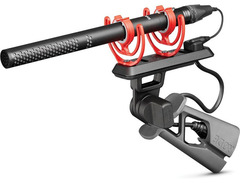
The most striking thing about the RØDE NTG5 is its incredibly lightweight design. Weighing just 76 grams (2.68 oz), it's almost half the weight of comparable professional shotgun microphones. This might seem like a minor detail until you've held a boom pole for hours on end during a documentary shoot. Despite its featherweight construction, the NTG5 doesn't compromise on durability. The aircraft-grade aluminum housing provides excellent protection while contributing to its impressively low weight.
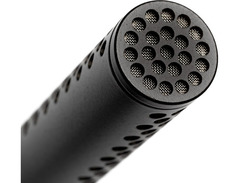
RØDE has implemented a clever acoustic design with the NTG5. Rather than using a traditional linear slot interference tube, it features a revolutionary acoustic port design that contributes to a more natural off-axis response. This means that sounds from the sides sound less colored and unnatural than with many traditional shotgun microphones, a significant advantage when recording in environments where not all sound comes from directly in front of the microphone.
Sound Performance
Where the NTG5 truly shines is in its acoustic performance. With an impressively low self-noise of just 10dBA, it's among the quietest shotgun microphones in its class. This low noise floor makes it particularly well-suited for capturing subtle environmental sounds or distant dialogue where gain needs to be increased.
The frequency response of the NTG5 is remarkably flat and neutral across the spectrum, with just a gentle presence rise that enhances clarity without becoming harsh or sibilant. The low-frequency response is particularly well-controlled, with natural-sounding bass that doesn't become boomy or muddy.
Off-axis rejection is another area where the NTG5 excels. It effectively minimizes side pickup while maintaining a natural tone for sounds that do come from off-axis, resulting in more usable recordings even in challenging acoustic environments.
Practical Features
RØDE has clearly designed the NTG5 with real-world use in mind. The included WS10 windshield provides good protection against light wind, while compatibility with RØDE's more substantial blimp windshield systems ensures you're covered for more challenging conditions.
The microphone ships with a complete kit including a pistol grip shock mount, a PG2-R Pro Cable, and a secure storage pouch. This comprehensive package means you have everything needed to start recording immediately.
Power requirements are standard 48V phantom power, delivered through the industry-standard XLR connection. The NTG5's efficient circuitry draws minimal current, making it friendly to portable recorder batteries when powering via phantom power in the field.
Sennheiser MKH 416-P48U3
5.0 (4)
The Industry Standard Workhorse



Average Price: $951
High-end/Boutique
$100
$401+
Budget
Standard
High-end
- Elevates sound quality for YouTube videos and voiceovers
- Highly directional, ideal for commercials and promo work
- Effective noise filtration for home studios
- Durable and reliable for on-set and field work
- See 4 more
- Requires practice to keep it trained on sound source
- Preamp quality is crucial for optimal performance
Legacy and Construction
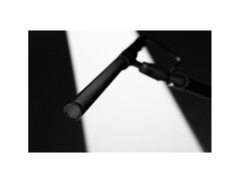
The MKH 416 has achieved something rare in the fast-moving world of audio technology: it has remained an industry standard for over 40 years. This remarkable longevity speaks to its exceptional design and performance. The microphone has been used on countless Hollywood productions, documentaries, and broadcast events, earning the trust of audio professionals worldwide.
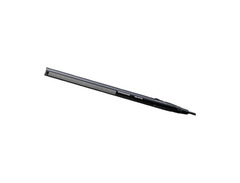
Built like a tank, the MKH 416 features a solid brass housing finished in matte black. This robust construction contributes to its legendary durability, with many units remaining in service for decades. The microphone's RF condenser design, which uses radio frequency technology rather than traditional DC polarization, makes it exceptionally resistant to humidity and temperature fluctuations. This unique technology is a key reason why the MKH 416 remains reliable even in harsh environmental conditions that would compromise other microphones.
Sound Characteristics
The audio signature of the MKH 416 has become something of a benchmark in the industry. It features a tight supercardioid/lobar pickup pattern that provides excellent rejection of off-axis sound, allowing it to focus precisely on the intended source even in noisy environments.
What makes the MKH 416 special is its particular combination of presence and clarity. The microphone has a characteristic slight boost in the midrange and high frequencies that enhances dialogue intelligibility without becoming harsh. This sonic profile cuts through ambient noise effectively and requires minimal equalization in post-production.
The MKH 416 boasts impressively low self-noise (just 13 dBA) and high sensitivity, allowing it to capture quiet sources cleanly. At the same time, it can handle sound pressure levels up to 130 dB SPL, making it versatile enough for everything from whispered dialogue to thunderous sound effects.
Versatility and Application
While primarily known as a boom microphone for film and television production, the MKH 416's versatility extends far beyond this application. It excels as a voiceover microphone, particularly for trailer and promo work where that authoritative "movie guy" sound is desired. Many radio stations rely on it for broadcast clarity, and it's even found use in studio recording for certain vocal and instrument applications where its directional properties help with isolation.
The microphone's relatively compact size (25cm/9.8" length) makes it manageable on a boom pole while still providing the excellent directionality typically associated with longer shotgun designs. This balance of size and performance contributes to its versatility across various recording scenarios.
Operating on standard 48V phantom power via its XLR connection, the MKH 416 integrates seamlessly with professional audio equipment. Its modest power consumption makes it practical for field use with portable recorders and battery-powered supplies.
See how artists use this




Behringer Video Mic MS Dual-capsule Condenser Microphone
The Budget-Friendly Starter

Average Price: $49
Budget/Beginner
$100
$401+
Budget
Standard
High-end
Design and Accessories
The Behringer Video Mic MS stands out in the budget category by offering features typically found in more expensive models. This compact shotgun microphone features dual capsule technology, allowing it to function in both mono and stereo modes. This flexibility is particularly valuable for content creators who work across different types of projects.
Straight out of the box, the Video Mic MS impresses with its comprehensive accessory package. It includes a shock mount to minimize handling noise, a foam windscreen for basic wind protection, and a 3.5mm TRS cable for connection to cameras and recorders. This all-in-one approach means beginners can start recording immediately without purchasing additional accessories.
The construction, while predominantly plastic to keep costs down, feels surprisingly solid. The matte black finish gives it a professional appearance that belies its budget status. At just 85 grams, it's lightweight enough for extended handheld use or mounting on smaller cameras without causing balance issues.
Performance and Functionality
For its price point, the Video Mic MS delivers remarkably clean audio. Its supercardioid pickup pattern effectively focuses on sound sources directly in front of the microphone while reducing ambient noise from the sides and rear. This directionality isn't as extreme as higher-end shotgun microphones, but it provides significant improvement over built-in camera microphones.
The switchable mono/stereo functionality adds valuable versatility. Mono mode works well for capturing dialogue and focused sounds, while stereo mode provides a wider soundstage that's useful for ambient recording and creating a more immersive audio experience.
Battery life is another strength, with the single AA battery providing up to 100 hours of operation. This long runtime ensures you won't find yourself constantly changing batteries during shoots. The microphone also features a power-saving auto-off function that activates when disconnected from a device, preventing battery drain when not in use.
Connectivity and Compatibility
The Video Mic MS is designed with broad compatibility in mind. Its 3.5mm output connects directly to DSLR cameras, mirrorless cameras, smartphones (with appropriate adapters), and portable audio recorders. This universal connectivity makes it accessible to creators using various recording setups.
An integrated 20dB boost switch helps when recording quieter sources or when connecting to devices with less sensitive preamps. This feature is particularly valuable when using the microphone with cameras that have notoriously poor preamps, as it allows you to reduce camera gain (and thus noise) while still achieving adequate recording levels.
The included shock mount fits standard camera hot shoes and also includes a 3/8" thread for mounting on boom poles or stands, adding to the microphone's versatility across different recording scenarios.
Audio-Technica AT875R
5.0 (1)
The Compact Professional


Average Price: $189
Standard/Professional
$100
$401+
Budget
Standard
High-end
- Operates effectively on low voltage power sources
- Compatible with various cameras without needing external power
- Excellent voice pickup even at a distance
- Solid build and lightweight, ideal for overhead mounting
- See 5 more
- Requires phantom power, necessitating spare batteries for recorders
- Sound rejection not as strong as higher-end models
- Needs a treated room for optimal indoor use
Size and Form Factor
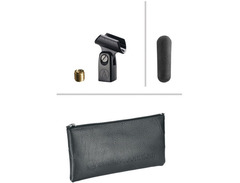
The most remarkable feature of the AT875R is undoubtedly its compact size. At just 175mm (6.9 inches) in length, it's significantly shorter than most professional shotgun microphones while still delivering the directional characteristics expected from this microphone type. This shorter length makes it perfect for use in confined spaces, on smaller camera rigs, or in situations where a full-sized shotgun would be unwieldy.
Despite its diminutive stature, the AT875R features robust metal construction that inspires confidence in professional settings. The matte black finish reduces reflections, an important consideration when working on film sets or in other environments where the microphone might be visible.
The microphone's light weight (80 grams/2.8 oz) contributes to its exceptional usability, reducing fatigue during long handheld sessions and minimizing the load on boom poles and camera mounts. This lightness, combined with its short length, makes it particularly well-suited for compact camera setups and gimbals where weight distribution is critical.
Audio Performance
Acoustically, the AT875R performs remarkably well for its size. It features a line plus gradient design that creates a tightly focused pickup pattern, effectively rejecting sounds from the sides and rear. While its directionality isn't quite as extreme as longer shotgun microphones, the practical difference is minimal in many real-world recording scenarios.
The frequency response is tailored for clarity, with a gentle rise in the presence region that enhances speech intelligibility without becoming harsh or brittle. Low-frequency response is well-controlled, providing fullness without excessive proximity effect or rumble.
With a self-noise figure of 17 dB SPL, the AT875R is respectably quiet, though not as silent as some premium options. In practical terms, this means clean recordings of dialogue and moderately quiet sources, though extremely subtle sounds might reveal the noise floor when significant gain is applied.
Professional Integration
As a professional tool, the AT875R integrates seamlessly into existing workflows. It operates on standard 48V phantom power via its XLR connection, drawing minimal current that won't quickly deplete portable recorder batteries.
The microphone's standard 21mm diameter allows it to work with common shock mounts and windshield systems, including both simple foam windscreens for light protection and full blimp systems for challenging outdoor conditions.
The AT875R's output is balanced and professional-grade, providing strong signal levels that work well with a wide range of preamps, from entry-level field recorders to high-end mixing consoles and audio interfaces.
Rode VideoMic NTG
3.0 (1)
The Hybrid Powerhouse

Average Price: $230
Standard/Professional
$100
$401+
Budget
Standard
High-end
Innovative Hybrid Design
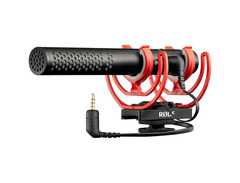
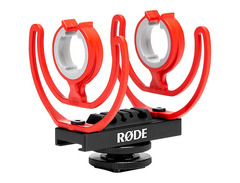
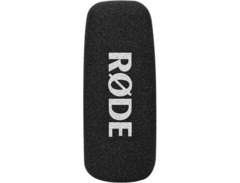
The VideoMic NTG represents a groundbreaking approach to microphone design, effectively combining the functionality of a camera-mounted shotgun microphone with that of a USB microphone. This hybrid nature makes it uniquely versatile for content creators who might be filming on location one day and recording voiceovers or podcasts the next.
Physically, the microphone strikes an excellent balance between size and performance. At 171mm (6.7") long, it's compact enough for on-camera use without being unwieldy, yet provides sufficient acoustic length for effective directionality. The aerospace-grade aluminum housing ensures durability while keeping weight to a minimum.
The innovative infinitely variable gain control deserves special mention. Unlike traditional stepped gain switches, this smooth control allows for precise level adjustment, making it easier to achieve optimal recording levels across various devices and acoustic environments.
Connectivity Revolution
Where the VideoMic NTG truly stands out is in its connectivity options. It features both a 3.5mm TRS output for camera connection and a USB-C output that turns it into a fully-fledged USB microphone for direct computer recording. This dual connectivity eliminates the need to own separate microphones for different recording scenarios.
The auto-sensing 3.5mm output automatically adjusts its output level based on whether it's connected to a camera, portable recorder, or smartphone, ensuring optimal signal levels without manual switching. This intelligent design reduces user error and streamlines workflow.
In USB mode, the microphone functions as a high-quality 24-bit/48kHz audio interface, complete with headphone output for zero-latency monitoring. This feature is particularly valuable for creators who need to monitor their audio while recording, whether for podcasts, voiceovers, or livestreaming.
Sound Quality and Features
Acoustically, the VideoMic NTG inherits technology from RØDE's professional NTG shotgun microphones. Its frequency response is remarkably flat with a gentle presence rise, delivering natural sound with excellent clarity. The controlled low-frequency response helps minimize rumble and handling noise.
The microphone includes a suite of practical features that enhance its real-world usability. The digital switching high-pass filter offers 75Hz and 150Hz options to reduce unwanted low-frequency noise. A high-frequency boost enhances clarity and detail when needed, particularly useful when using windshields that might otherwise slightly dampen high frequencies.
Safety channel recording on the 3.5mm output provides an additional recording track at a lower level, acting as an insurance policy against unexpected loud sounds causing distortion. This thoughtful feature has saved many recordings from clipping during unpredictable events.
The internal battery provides up to 30 hours of operation with on-the-go charging via USB-C, ensuring you won't run out of power during extended recording sessions.

Sennheiser MKE 600 Shotgun Microphone
5.0 (2)
The Versatile Field Recorder

Average Price: $315
Budget/Beginner
$499
$1500+
Budget
Standard
High-end
- Versatile power options with both internal battery and phantom power compatibility
- Exceptional side noise rejection and directional sound capture
- Outstanding battery life, lasting for days on a single AA battery
- Solid construction suitable for on-set and on-location use
- See 6 more
- The included shock mount is deemed inadequate by some users
- Potential ground noise issues when used with ungrounded power sources
- Lacks a microphone stand screw on the shock mount, limiting mounting options
Power Flexibility
The standout feature of the MKE 600 is undoubtedly its power flexibility. Unlike many professional shotgun microphones that require phantom power, the MKE 600 can operate either on standard 48V phantom power or with a single AA battery. This dual-power capability is invaluable for field recordists and documentary filmmakers who often work with different equipment setups or in locations where phantom power might not be available.
The battery performance is impressive, with a single AA providing approximately 150 hours of operation. A low-battery indicator light gives advanced warning when power is running low, preventing unexpected audio failures during critical recording moments.
This power versatility extends the microphone's compatibility to a wide range of devices, from professional XLR-equipped field recorders to consumer cameras with 3.5mm inputs (using appropriate adapters). This flexibility makes the MKE 600 an excellent "swiss army knife" microphone that can adapt to virtually any recording situation.
Field-Ready Construction
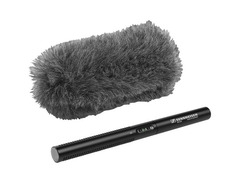
Sennheiser has clearly designed the MKE 600 with field use in mind. The all-metal housing provides excellent durability against the bumps and knocks inevitable during location recording. The matte black finish reduces visual reflections, an important consideration for video production.
The microphone features a standard XLR connection with gold-plated contacts for reliable connectivity and signal integrity, even in humid conditions. The attached XLR connector is solidly constructed with effective strain relief, reducing the risk of cable-related failures that can plague location recording.
At 256g (9oz), the MKE 600 strikes a good balance between substantial build quality and manageable weight for boom operation. The microphone's 330mm (13") length provides excellent directionality while remaining practical for field use.
Audio Characteristics
Sonically, the MKE 600 delivers the clean, focused sound expected from a professional shotgun microphone. Its supercardioid/lobar pattern provides excellent rejection of off-axis sound, allowing it to isolate desired sources even in noisy environments.
The frequency response is well-tuned for speech clarity, with a subtle presence boost that enhances intelligibility without becoming harsh or sibilant. Low-frequency handling is particularly impressive, with a controlled bass response that provides warmth without muddiness.
A switchable low-cut filter effectively reduces wind noise and handling rumble when activated, a feature particularly valuable for outdoor recording. This filter is implemented in the analog domain, ensuring it works regardless of whether the microphone is phantom or battery powered.
With a self-noise rating of 15 dB-A, the MKE 600 is sufficiently quiet for most field recording applications, including dialogue, ambience, and moderate-distance nature recording.
Pro Tips for Getting the Best Sound
Now that we've explored some excellent shotgun microphone options, let's focus on techniques to maximize their performance.
Placement is Everything
The single most important factor in capturing great sound with a shotgun microphone is proper placement. Unlike some other recording techniques, shotgun microphones follow a simple rule: closer is almost always better.
Position your shotgun microphone as close to the sound source as possible without entering the frame. For dialogue recording, the ideal placement is typically about 1-2 feet above the subject's head, angled down toward their mouth. This overhead positioning takes advantage of the chest cavity's natural resonance while minimizing breath noise.
Remember that while shotgun microphones reject sound from the sides, they're still sensitive to sounds directly behind the microphone. Be aware of what's happening in this "180° rear zone" and position yourself accordingly to minimize unwanted pickup. For moving subjects, developing good boom operation skills is invaluable.
Wind and Vibration Protection
Even the finest shotgun microphone becomes useless when battling the elements unprepared. Wind protection should match your conditions: foam windscreens for controlled indoor environments, furry "softies" for light outdoor work, and full blimp systems with windjammers for serious field recording. Similarly, proper shock mounting isolates your microphone from handling vibrations that can ruin otherwise perfect takes. Quality cables and connections complete this protection trinity, preventing the subtle degradation or sudden failures that often strike at the most critical recording moments. These protective elements aren't accessories but essential companions that allow your shotgun microphone to perform at its potential in real-world conditions.
Filtering and Monitoring
What you hear during recording shapes every decision you make. Quality closed-back headphones reveal the truth of your audio, exposing problems fixable in the moment but potentially catastrophic in post-production. High-pass filters serve as your first line of defense against low-frequency rumble from wind, handling, and distant traffic. Start with gentler settings (80Hz) for clean environments, increasing to 120Hz or higher as conditions deteriorate. Meanwhile, maintain recording levels peaking between -12dB and -6dB, providing sufficient headroom for unexpected sounds while staying well above the noise floor. This balance between technical precision and artistic judgment transforms good recordings into great ones.
Preamp Quality Matters
The preamp you choose acts as the crucial interpreter between your microphone and recording device. Clean, quiet preamps reveal the true character of your shotgun microphone, while inferior ones introduce noise and coloration that no amount of post-processing can fully remove. Match your microphone's output level to your preamp capabilities: higher output microphones forgive weaker preamps, while lower output models demand quality gain stages. For challenging combinations, consider in-line signal boosters that provide clean gain before the signal reaches problematic preamps. Remember that the quieter your recording environment and the more subtle your subject, the more significant your preamp quality becomes in capturing the moment.
Conclusion
Selecting the right shotgun microphone involves understanding both your specific needs and the unique characteristics of different models. As we've explored throughout this guide, these highly directional tools excel at capturing focused sound in challenging environments, but their performance varies significantly based on design, construction quality, and intended application.
For professional filmmakers and sound recordists demanding the absolute best, the Sennheiser MKH 416 continues to set the industry standard with its exceptional reliability and performance across virtually any recording scenario. Those seeking premium performance in a lighter package will find the RØDE NTG5 offers remarkable sound quality with significantly reduced weight.
Content creators looking for versatility should consider the RØDE VideoMic NTG, whose innovative hybrid design bridges the gap between on-camera and studio recording. For those working in the field with variable power options, the Sennheiser MKE 600 provides professional sound quality with both phantom and battery power capabilities.
Budget-conscious users have excellent options as well. The Audio-Technica AT875R delivers professional performance in an ultra-compact package at a mid-range price point, while the Behringer Video Mic MS offers impressive functionality at an entry-level price.
Ultimately, the best shotgun microphone is the one that meets your specific needs while fitting your budget and workflow. By understanding the key factors we've discussed and applying the practical techniques outlined, you'll be well-equipped to capture clean, focused audio that elevates your projects to a professional standard.
Top Ranked Condenser Microphones on Equipboard


-m.webp?v=1784818695)


About the authors
S. Jino is an accomplished multi-instrumentalist and music producer based in Kolkata, India, distinguished by his self-taught mastery and unique blend of technical acumen and musical performance. His extensive experience was forged through hands-on dedication, starting with the full restoration of a broken guitar. Jino's capabilities span keyboards, pedals, and advanced digital production, reflecting a comprehensive skill set developed independently. As a significant contributor to the music scene, Jino regularly performs with worship bands and college ensembles. He has also established himself as a reliable and authoritative professional in freelance mixing, mastering, and original music creation. Inspired by the innovative sounds of Brian May and David Gilmour, and influenced by Kolkata's vibrant metal community, Jino is committed to the intricate art of vintage gear restoration and the continuous exploration of music and technology fusion. His current professional setup, featuring a meticulously restored nameless guitar, a Fender Player Strat, and a Boss Katana 50. Read more
Giulio Chiarenza is the co-founder of Equipboard and a lifelong multi-instrumentalist with a deep passion for music gear. Born in Italy and raised in the U.S., he holds a Computer Science degree from The University of Texas at Austin and blends technical acumen with decades of hands-on experience across guitar, piano, drums, and electronic production. Early in his career, Giulio was signed to a San Francisco-based EDM label, releasing both remixes and original tracks. These days, he helps steer Equipboard’s vision while personally testing and reviewing gear. He's never too far from his go-to guitar: a vintage 1978 Fender Telecaster Custom. Read more
New in Condenser Microphones

$4,799.00 - $5,099.00


$479.00 - $599.00


$159.00 - $162.00
in Condenser Microphones Rank