Table of Contents

Equipboard
Equipboard is the world's largest community of artists and their gear. Read our review process.
We are reader-supported. When you buy through links on our site, we may earn an affiliate commission. Learn more.
Choosing the right mic shouldn't feel like decoding an engineering textbook. Yet for many musicians, podcasters, and content creators, the endless array of specifications, types, and technical terms can quickly become overwhelming. Whether you're recording vocals in a home studio, capturing sound for your podcast, or performing live on stage, understanding the differences between microphone types is crucial to achieving professional results.
The truth is, there's no single "best microphone" that works perfectly for every situation. Each type has its own unique strengths and weaknesses that make it ideal for specific applications. What works brilliantly for recording an acoustic guitar might fall flat when used to capture drums or spoken word.
Dynamic Microphones

When you picture a classic stage microphone in the hands of your favorite rock vocalist, chances are you're thinking of a dynamic mic. These workhorses of the audio world have earned their reputation through decades of reliable performance in the most demanding environments.
Think of dynamic mics like the trusty pickup trucks of the microphone world: rugged, dependable, and built to handle tough conditions without breaking a sweat. This is why bands like U2 and countless others rely on them night after night on tour.
How Dynamic Microphones Work
Dynamic microphones operate on a brilliantly simple principle. At the most basic level, they convert sound energy into electrical energy through motion. Sound is essentially vibrations traveling through air - pressure waves that we can hear. When you speak or play an instrument, you're creating these pressure waves. The microphone needs to capture these waves and transform them into electrical signals that can be recorded or amplified.
In a dynamic mic, this process begins with a thin membrane called a diaphragm that's attached to a coil of wire. When sound waves hit this diaphragm, they cause it to vibrate. As the diaphragm moves back and forth, so does the attached coil of wire, which is suspended within a magnetic field created by permanent magnets inside the microphone.
When a conductor (the wire coil) moves within a magnetic field, it generates an electrical current - a principle known as electromagnetic induction. This electrical current mirrors the pattern of the original sound waves, creating an electrical version of the sound that can be sent through cables to mixers, interfaces, or amplifiers.
Strengths of Dynamic Microphones
The beauty of dynamic microphones lies in their natural ability to handle extreme volumes. Place one in front of a screaming guitar amp or a powerful kick drum, and it'll capture that sound faithfully without distorting. This same design makes them naturally resistant to feedback on stage, a crucial advantage during live performances.
Another major benefit is their focused pickup pattern. Most dynamic mics primarily capture what's directly in front of them while naturally rejecting ambient noise from the sides and rear. For performers in noisy environments, this focused pickup means clearer sound with less unwanted background noise.
Limitations to Consider
- Cannot capture the same level of detail in high frequencies as condenser mics
- Require stronger sound sources to produce good signal levels
- Less ideal for capturing subtle nuances like whispered vocals or soft acoustic guitar
Popular Dynamic Microphone Models
| Model | Best For | Notable Feature |
|---|---|---|
| Shure SM58 | Live vocals | Legendary durability, distinctive ball grille |
| Shure SM57 | Guitar amps, snare drums | Industry standard for instruments |
| Electro-Voice RE20 | Broadcast, podcasting | Internal shock mounting, minimal proximity effect |
| Sennheiser MD421 | Versatile (drums to brass) | Five-position bass control |
| Shure SM7B | Vocals, broadcasting | Used on Michael Jackson's "Thriller", popular with podcasters |
For musicians performing live, a quality dynamic microphone is often the first and most essential purchase. Their ability to withstand the rigors of the road while delivering consistent, reliable sound makes them indispensable tools for performers in any genre.
Condenser Microphones
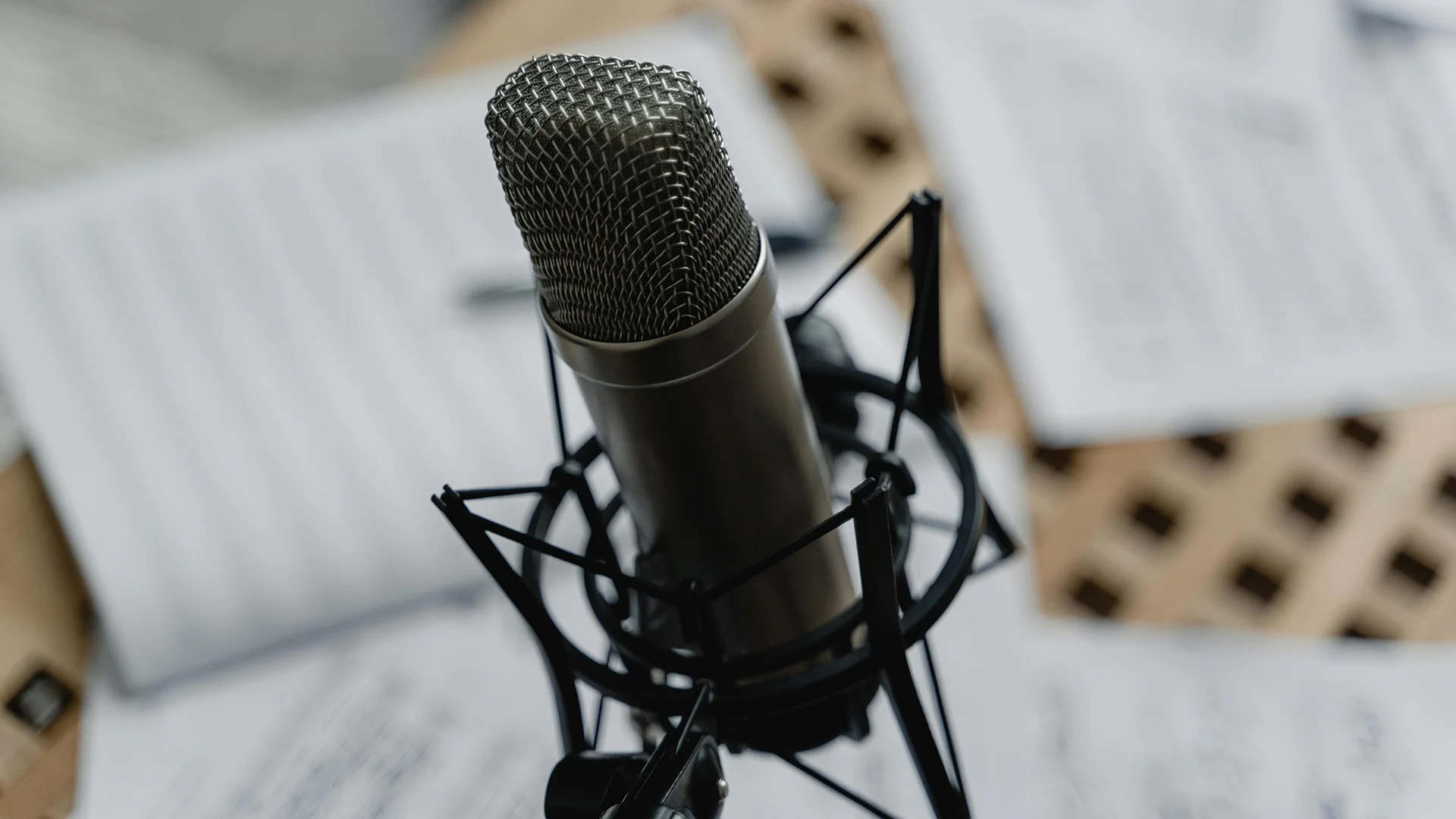
Walk into any professional recording studio, and you'll find condenser microphones taking center stage. While dynamic mics excel in live environments, condenser microphones reveal their magic when every subtle detail matters. They're the precision instruments that capture the breathy intimacy of a vocal performance or the complex harmonic overtones of an acoustic piano.
How Condenser Microphones Work
Unlike the mechanical simplicity of dynamic microphones, condensers operate on an electrical principle. They use two charged plates (a lightweight diaphragm and a backplate) that function as a capacitor. When sound waves hit the diaphragm, it moves relative to the backplate, changing the capacitance and creating an electrical signal. This elegant design allows condensers to be incredibly responsive to sound, capturing even the most delicate audio details with remarkable accuracy.
Exceptional Sensitivity and Detail
The extraordinary sensitivity of condenser microphones becomes immediately apparent the first time you use one. That gentle finger slide on an acoustic guitar string, the subtle breath intake before a vocal phrase, the natural resonance of a room - condensers capture these elements with stunning clarity. Their extended frequency response, particularly in the higher registers, adds a presence and air to recordings that many engineers describe as "professional sounding."
This sensitivity extends to transient response as well. When a drummer hits a snare or a guitarist plucks a string, there's an initial attack that happens incredibly quickly.
Potential Drawbacks
- Highly sensitive to room noise, air conditioning, computer fans, traffic
- More susceptible to damage from drops or impacts
- Require phantom power (usually 48V)
- Environment and room treatment becomes more critical
Large vs. Small Diaphragm Condensers
Condenser microphones generally fall into two categories: large-diaphragm and small-diaphragm. Large-diaphragm condensers, with capsules typically one inch or larger in diameter, often impart a flattering, warm quality to vocals and instruments. Their bigger diaphragms add a subtle coloration that engineers often seek for lead vocals and prominent instruments.
Small-diaphragm condensers, with their pencil-like shape and capsules usually half an inch or smaller, provide more accurate, neutral sound reproduction with excellent off-axis response. This makes them ideal for accurately capturing acoustic instruments, drum overheads, and ensemble recordings where precision matters more than character.
Popular Condenser Models
| Model | Type | Best For | Notable Feature |
|---|---|---|---|
| Audio-Technica AT2020 | Large-diaphragm | Home studio vocals | Affordable entry point |
| Rode NT1 | Large-diaphragm | Quiet sources | Ultra-low self-noise |
| Neumann TLM 102 | Large-diaphragm | Vocals, instruments | Compact Neumann quality |
| Rode NT5 | Small-diaphragm | Stereo recording | Available as matched pairs |
| Shure SM81 | Small-diaphragm | Hi-hats, acoustic guitars | Unusually durable for a condenser |
| AKG C414 | Large-diaphragm | Versatile studio use | Multiple polar patterns and filters |
| Neumann U87 | Large-diaphragm | Professional studios | Industry standard, distinctive sound |
For many home recordists, a quality large-diaphragm condenser microphone represents the single biggest improvement they can make to their recording chain. When paired with proper room treatment and a decent preamp, these sensitive instruments can elevate recordings from amateur to professional-sounding with striking immediacy.
Ribbon Microphones
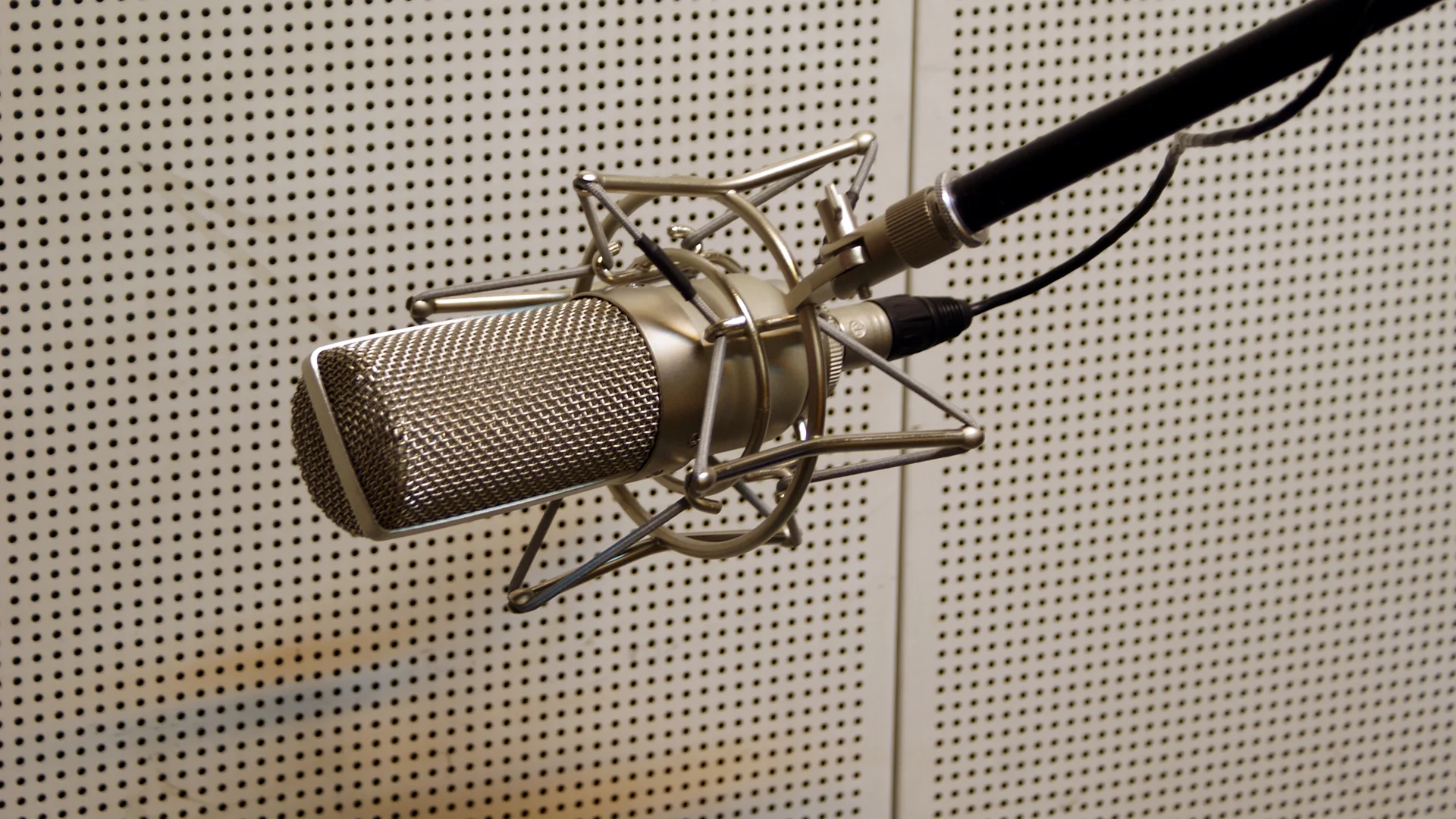
There's something magical about the sound of a ribbon microphone. While less common than dynamic or condenser mics, ribbons offer a distinctive character that many engineers and producers prize for adding vintage warmth to recordings. Spend some time listening to classic jazz recordings from the 1940s and 50s, or the intimate vocal performances of crooners like Frank Sinatra, and you're hearing the distinctive signature of ribbon microphones.
How Ribbon Microphones Work
These elegant devices represent one of the oldest microphone technologies still in regular use today. At their heart is an incredibly thin strip of corrugated aluminum (the "ribbon") suspended between the poles of a magnet. When sound waves cause this delicate ribbon to vibrate within the magnetic field, it generates an electrical current that mirrors the incoming sound vibrations.
The Signature Ribbon Sound
The resulting sound character is unmistakable: warm, smooth, and natural, with a quality that many describe as more faithful to how our ears actually perceive sound in a room. Where condensers might exaggerate high frequencies and dynamics sometimes lack detail, ribbons often capture a balanced, realistic representation that sits beautifully in recordings without requiring extensive equalization.
Bidirectional Pickup Pattern
Most traditional ribbon microphones feature a bidirectional (figure-8) pickup pattern, capturing sound equally from the front and back while rejecting sound from the sides. This natural pattern can be leveraged creatively in the studio, whether recording two vocalists face-to-face or capturing both direct sound and room ambience by positioning the null points (sides) toward unwanted noise sources.
Artists like Radiohead have embraced ribbons for their ability to deliver vintage tonality within modern productions.
Practical Challenges
- Extremely fragile ribbon elements vulnerable to air blasts, drops, or improper storage
- Passive ribbons produce weaker electrical signals requiring high-gain, low-noise preamps
- Can be damaged by phantom power if accidentally applied
- Historically limited to professional studios with high-end equipment
Modern Ribbon Microphones
| Model | Type | Best For | Notable Feature |
|---|---|---|---|
| Royer R-121 | Modern ribbon | Guitar cabinets | Sophisticated protection systems |
| AEA R84 | Vintage-inspired | Warm vocal recordings | Inspired by classic RCA 44 |
| Beyerdynamic M160 | Hypercardioid ribbon | Drum overheads, guitar amps | Unique hypercardioid pattern |
| Golden Age Project R1 Active MK3 | Active ribbon | Budget-conscious studios | Active electronics boost output |
The ribbon microphone renaissance continues to grow as more engineers discover their unique ability to add dimension and character to recordings that might otherwise sound too sterile or harsh. While they may never be as common as dynamics or condensers, their distinctive sonic signature ensures they'll remain valuable tools in recording studios for generations to come.
USB Microphones

The digital revolution has transformed countless industries, and audio recording is no exception. USB microphones represent one of the most significant democratizations of recording technology, bringing quality audio capture within reach of creators who might have been intimidated by traditional recording setups.
How USB Microphones Work
These innovative devices combine a conventional microphone element (usually a condenser, though sometimes dynamic) with built-in electronics: a preamp, an analog-to-digital converter, and a USB interface, all in one convenient package. This integration eliminates the technical barriers that once made quality recording the exclusive domain of studios and audio professionals.
Simplicity and Convenience
For podcasters, YouTubers, streamers, and musicians working on demos, USB microphones offer an elegant solution to a once-complex problem. Where traditional recording setups require understanding signal flow, impedance matching, and gain staging, USB microphones simplify the process to plugging in a single cable and pressing record. This accessibility has fueled the explosive growth of content creation across platforms, allowing voices to be heard with clarity that was once difficult to achieve without significant investment.
Cost-Effective Quality
Perhaps the most compelling advantage of USB microphones is their affordability. By combining multiple components into one unit, they often represent better value than buying separate microphones, interfaces, and preamps.
Limitations to Consider
- Cannot be upgraded incrementally like traditional recording chains
- Built-in converters typically don't match quality of dedicated audio interfaces
- Latency issues can occur, especially on computers with limited processing power
- Limited ability to record multiple sources simultaneously
- Not suitable for complex multi-microphone setups
Popular USB Microphone Models
| Model | Best For | Notable Feature |
|---|---|---|
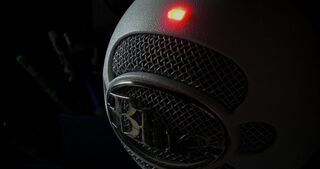
| Blue Yeti | Versatile content creation | Multiple pickup patterns (cardioid, bidirectional, omnidirectional, stereo) |
| Rode NT-USB | High-quality audio | Professional-grade condenser performance |
| Audio-Technica AT2020USB+ | Studio-quality recording | Based on popular AT2020 condenser |
| Shure MV7 | Hybrid setups | Both XLR and USB outputs |
Despite these limitations, USB microphones represent an excellent starting point for many content creators. Their combination of quality, convenience, and affordability removes significant barriers to entry for podcasters, streamers, remote workers needing better audio for video conferences, and musicians recording demos.
Lavalier Microphones
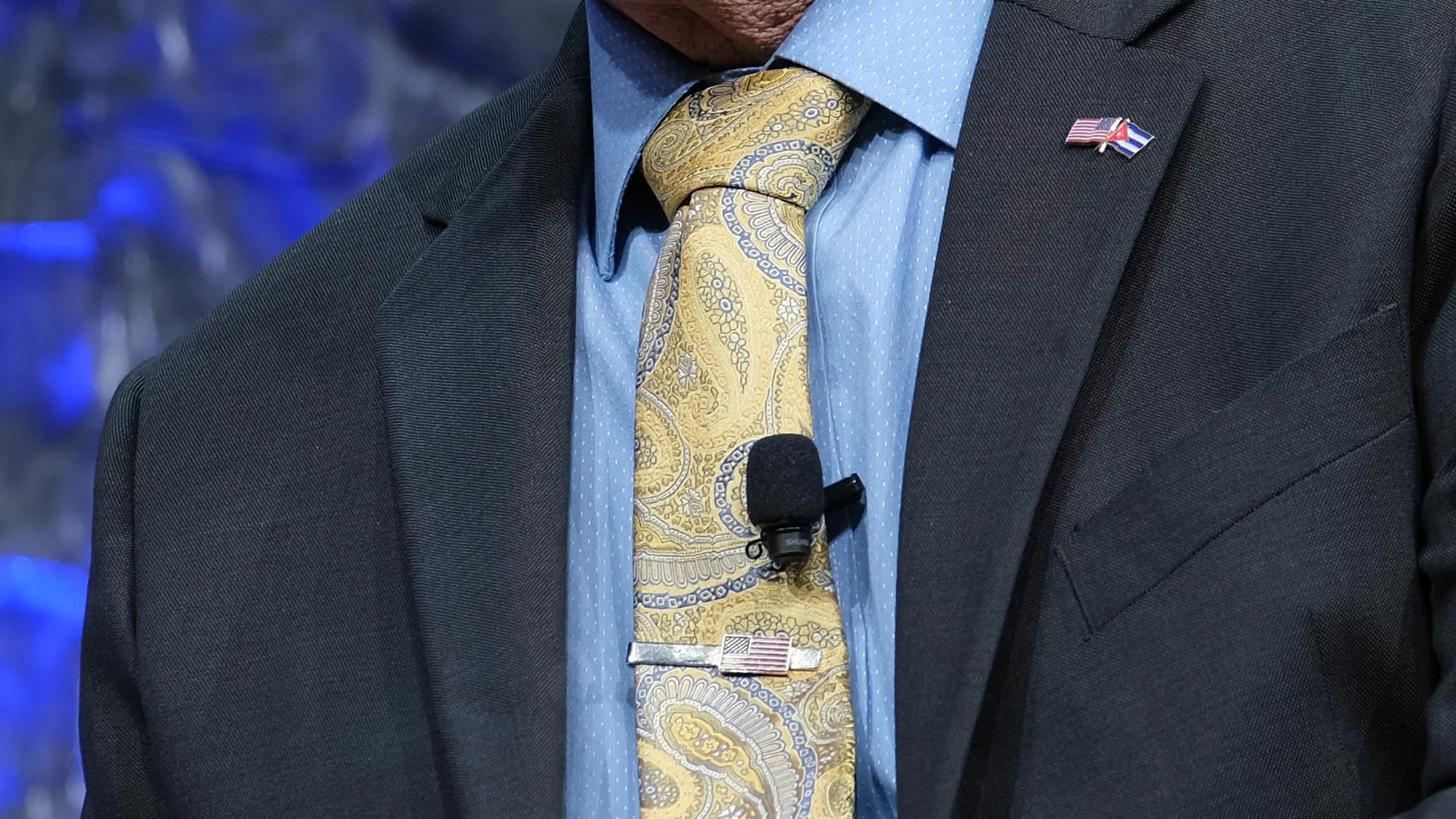
When recording for video production or live presentations, traditional studio or handheld microphones often create more problems than they solve. The visual intrusion of a large microphone in frame can distract from the content. This is where lavalier microphones become invaluable tools in the filmmaker's and content creator's arsenal.
How Lavalier Microphones Work
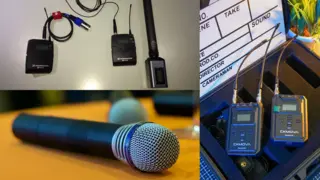
Lavalier microphones (often called "lav mics" or "lapel mics") have transformed how we capture audio for video. These tiny devices, often no larger than a paper clip, clip directly onto clothing, allowing for hands-free operation while remaining visually unobtrusive. Their small size belies their importance - in many professional productions, they're the primary audio source for dialogue and interviews.
Most lavaliers use miniaturized condenser capsules connected to wireless transmitter packs that send the signal to a receiver connected to a camera or recording device. This wireless freedom allows subjects to move naturally without being tethered to recording equipment, crucial for everything from documentary interviews to theatrical performances.
The Advantages of Lavalier Microphones
The greatest strength of lavalier microphones lies in their consistent audio capture. By maintaining a fixed position relative to the speaker's mouth, they provide steady volume levels even as the subject moves, turns their head, or gestures. This consistency eliminates many of the volume fluctuations that plague recordings made with stationary microphones as subjects naturally shift position during conversations.
Challenges of Using Lavalier Microphones
- Susceptible to clothing noise and rustling as subjects move
- Highly sensitive to wind when used outdoors
- Placement requires skill to balance audio quality and visibility
- Can pick up necklaces, clothing materials, or body movements
Popular Lavalier Microphone Models
| Model | Best For | Notable Feature |
|---|---|---|
| Rode Wireless GO II | Content creators | Compact transmitters with built-in recording |
| Sennheiser ME2 | Broadcast applications | Professional reliability |
| Countryman B3 | Theater, film | Ultra-small size for concealment |
Shotgun Microphones
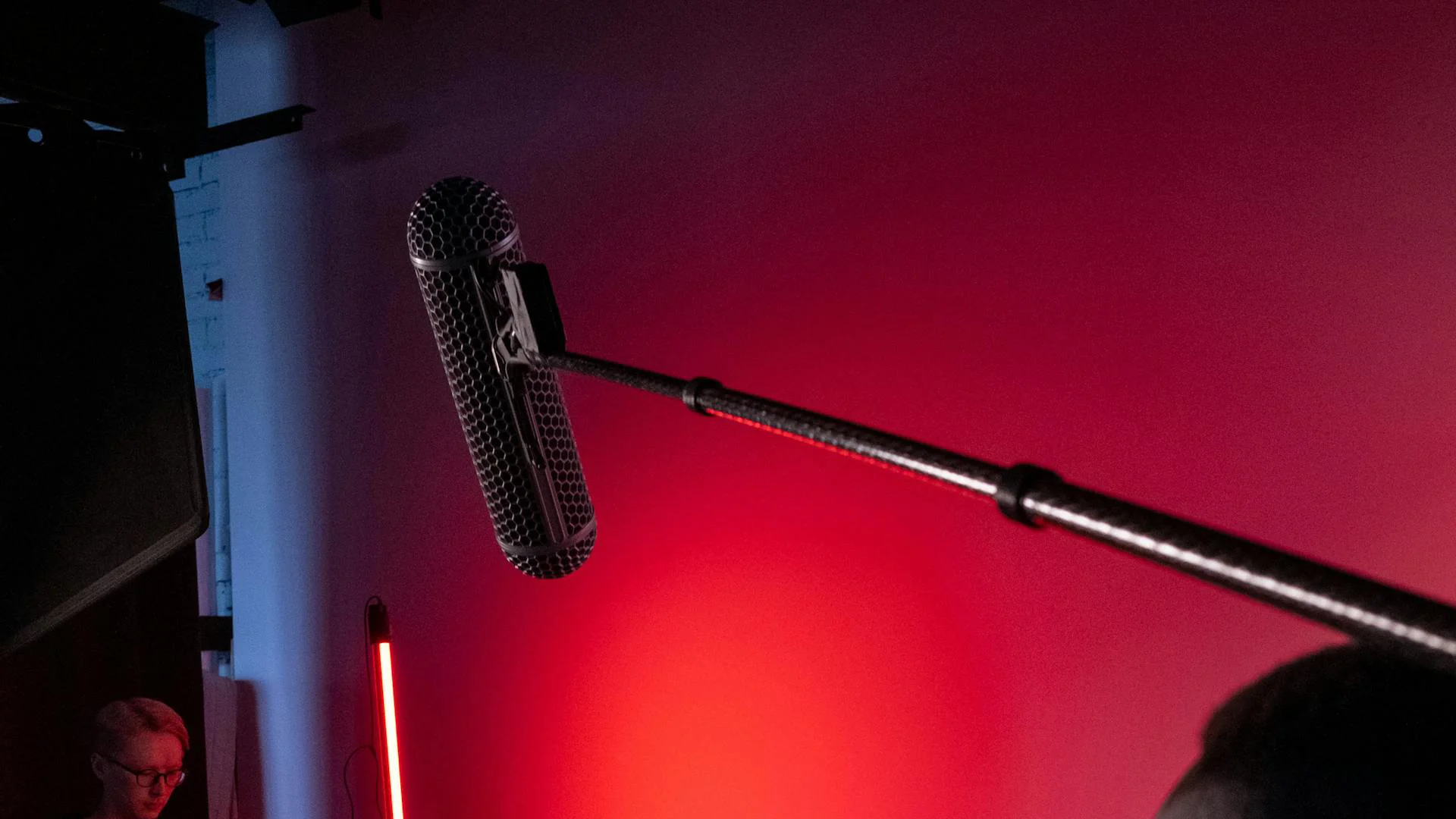
Shotgun microphonesrepresent a completely different approach to solving location audio challenges. These specialized mics are essential tools for filmmakers, field recordists, and broadcast professionals who need to capture sound from a distance while minimizing background noise.
How Shotgun Microphones Work
These distinctive long, slender microphones use an interference tube design with slots or ports along the side that cancel out sounds coming from off-axis sources. This creative acoustic engineering creates a highly directional pickup pattern that focuses on what the microphone points toward while rejecting surrounding noise.
The term "shotgun" comes from the long, barrel-like interference tube that extends in front of the actual microphone capsule. This tube isn't merely for show; it's an integral part of how these microphones function, creating a specific acoustic environment that selectively reinforces on-axis sound while canceling sound arriving from the sides.
The Advantages of Shotgun Microphones
For filmmakers, this directionality solves the fundamental challenge of capturing clean dialogue in unpredictable environments. By precisely aiming a shotgun microphone at the speaking subject, sound recordists can achieve remarkable separation between wanted dialogue and unwanted background noise, even from a distance that keeps the microphone out of the camera frame.
The "reach" of shotgun microphones - their ability to capture relatively clear audio from a distance - makes them invaluable for film production where hiding lavalier microphones isn't practical, such as wide shots or scenes with visible costume areas where lavaliers couldn't be concealed. This same quality makes them essential tools for capturing nature sounds, sporting events, and other situations where close microphone placement isn't possible.
Limitations of Shotgun Microphones
- Can produce unnatural, hollow sound in small, reflective indoor spaces
- Physical length creates handling challenges in cramped spaces
- Highly susceptible to wind noise without proper protection
- Requires precise aiming to capture intended source
- Limited stereo imaging capabilities
Popular Shotgun Microphone Models
| Model | Best For | Notable Feature |
|---|---|---|
| Rode VideoMic Pro+ | DSLR videography | Camera-mountable with auto power |
| Sennheiser MKE 600 | Prosumer and professional | Balanced sound quality |
| Audio-Technica AT897 | Independent creators | Accessible price point with good performance |
Understanding Polar Patterns

When choosing a microphone, understanding polar patterns is just as important as knowing the microphone type. These patterns determine where and how a microphone captures sound, making them crucial to achieving the results you want in any recording or performance situation.
| Polar Pattern | Description | Best For | Example Microphones |
|---|---|---|---|
| Cardioid | Heart-shaped pattern that focuses on sound from the front while rejecting sound from behind. Most commonly used pattern. |
|
Shure SM58, Audio-Technica AT2020 |
| Supercardioid | Tighter focus than cardioid with maximum rejection at 120° off-axis. Has a small area of sensitivity directly behind the mic. |
|
Shure Beta 58A |
| Hypercardioid | Even narrower pickup area than supercardioid with maximum rejection at 110° off-axis. Also has a rear lobe of sensitivity. |
|
Audix i5 |
| Omnidirectional | Picks up sound equally from all directions with no rejection. Captures natural, open sound including room acoustics. |
|
DPA 4060, Earthworks QTC40 |
| Figure-8 (Bidirectional) | Picks up sound equally from front and back while rejecting sound from the sides. Natural pattern for ribbon microphones. |
|
Royer R-121, Coles 4038 |
| Multi-Pattern | Microphones with switchable polar patterns, offering versatility for different recording situations. |
|
Audio-Technica AT4050, Neumann U87 |
Choosing the Right Pattern for Your Needs
When deciding which polar pattern best suits your needs, consider several practical factors: How much separation do you need from other sound sources? Are you recording in a well-treated acoustic space or a problematic room with reflections? Do you want to include or exclude the natural sound of the environment? For live applications, how concerned are you about feedback?
Microphone Frequency Response
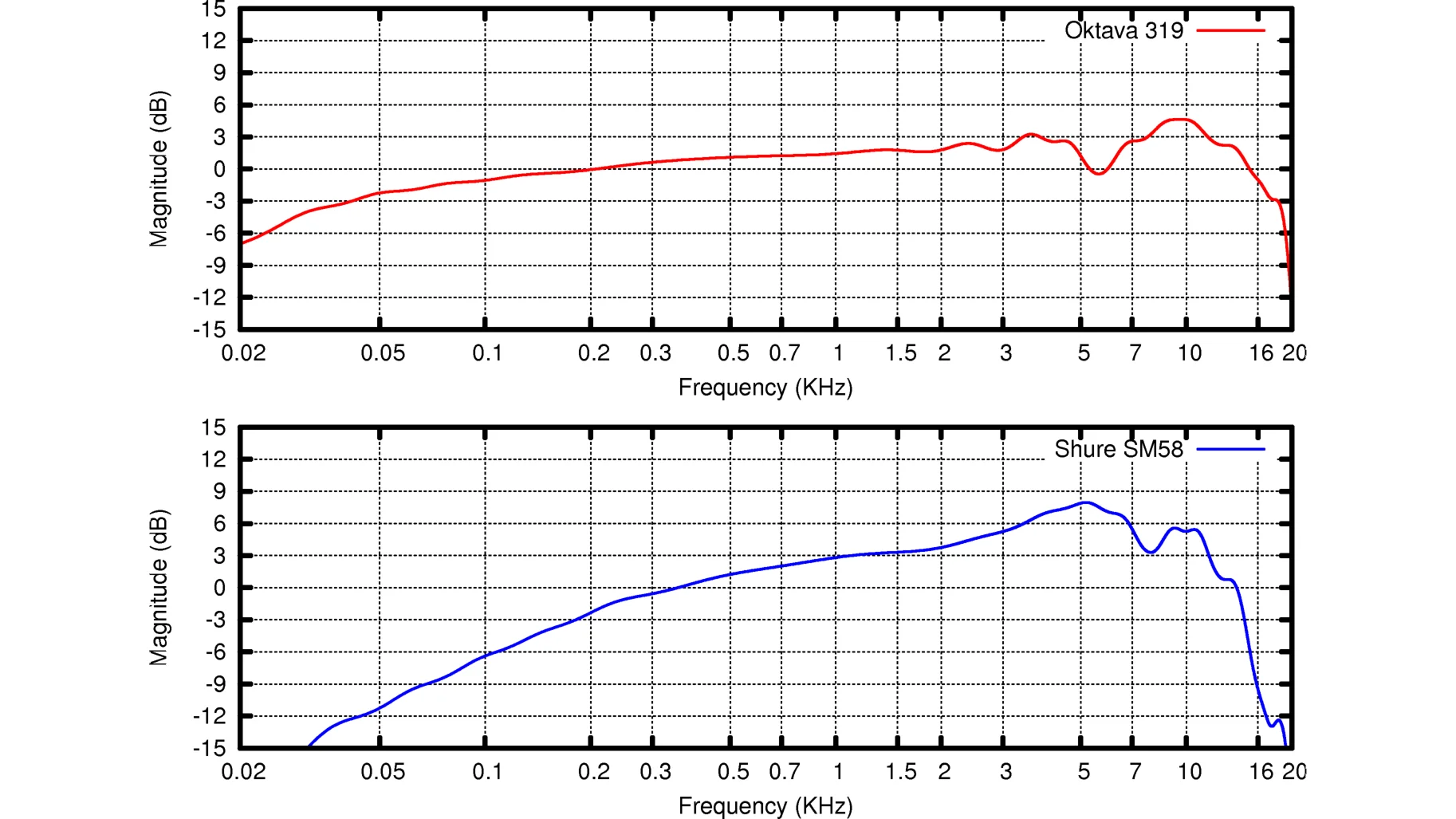
Another critical specification that influences a microphone's sound character is its frequency response. This often-overlooked aspect of microphone design fundamentally shapes how a microphone "hears" sound and dramatically affects its suitability for different applications.
What Is Frequency Response?
Frequency response describes how a microphone responds to different frequencies across the audible spectrum, typically represented as a graph showing sensitivity from 20Hz to 20kHz (the range of human hearing). This visual representation reveals which frequencies a microphone emphasizes, de-emphasizes, or reproduces flatly, giving engineers valuable insight into how it will color the sound.
A microphone's frequency response significantly shapes its sonic character and determines which applications it best serves. Some microphones aim for neutrality, while others deliberately enhance certain frequencies to flatter particular sources or address common issues in recording.
Flat vs. Colored Response
Flat response microphones attempt to reproduce all frequencies with equal sensitivity, providing the most accurate representation of the original sound. These precision tools are often preferred for critical recording applications where transparency is paramount, such as classical music recording, acoustic instrument documentation, or situations where post-production flexibility is essential. Microphones like the Earthworks QTC series or DPA 4006 exemplify this approach, delivering remarkably faithful reproduction without imposing a strong character on the source.
More commonly, microphones feature intentionally "colored" frequency responses that emphasize or de-emphasize certain frequency ranges. This deliberate voicing can be very useful for flattering particular sound sources or addressing common issues. The Shure SM7B, for instance, includes a presence boost that helps vocals cut through dense mixes, while many ribbon microphones feature a natural high-frequency roll-off that tames potentially harsh sound sources like brass instruments or bright guitar amplifiers.
Practical Applications of Frequency Response
Many professional microphones include switchable filters that modify their frequency response for specific applications. High-pass filters (also called low-cut filters) reduce unwanted low-frequency content like handling noise, room rumble, or the proximity effect, cleaning up recordings without affecting the essential character of the sound source. Some models offer multiple filter settings to accommodate different recording scenarios.
| Application | Ideal Frequency Response | Key Characteristics |
|---|---|---|
| Vocals | Presence boost (2-8kHz) with controlled low end |
|
| Acoustic Guitar | Balanced response with detailed high frequencies |
|
| Kick Drum | Strong low-end response with presence bump |
|
| Snare Drum | Mid and high-frequency emphasis for attack |
|
| Brass Instruments | Controlled high frequencies with good midrange |
|
| Woodwinds | Detailed high-mids with smooth high end |
|
| Podcasting/Voiceover | Enhanced presence with low-end warmth |
|
Frequently Asked Questions
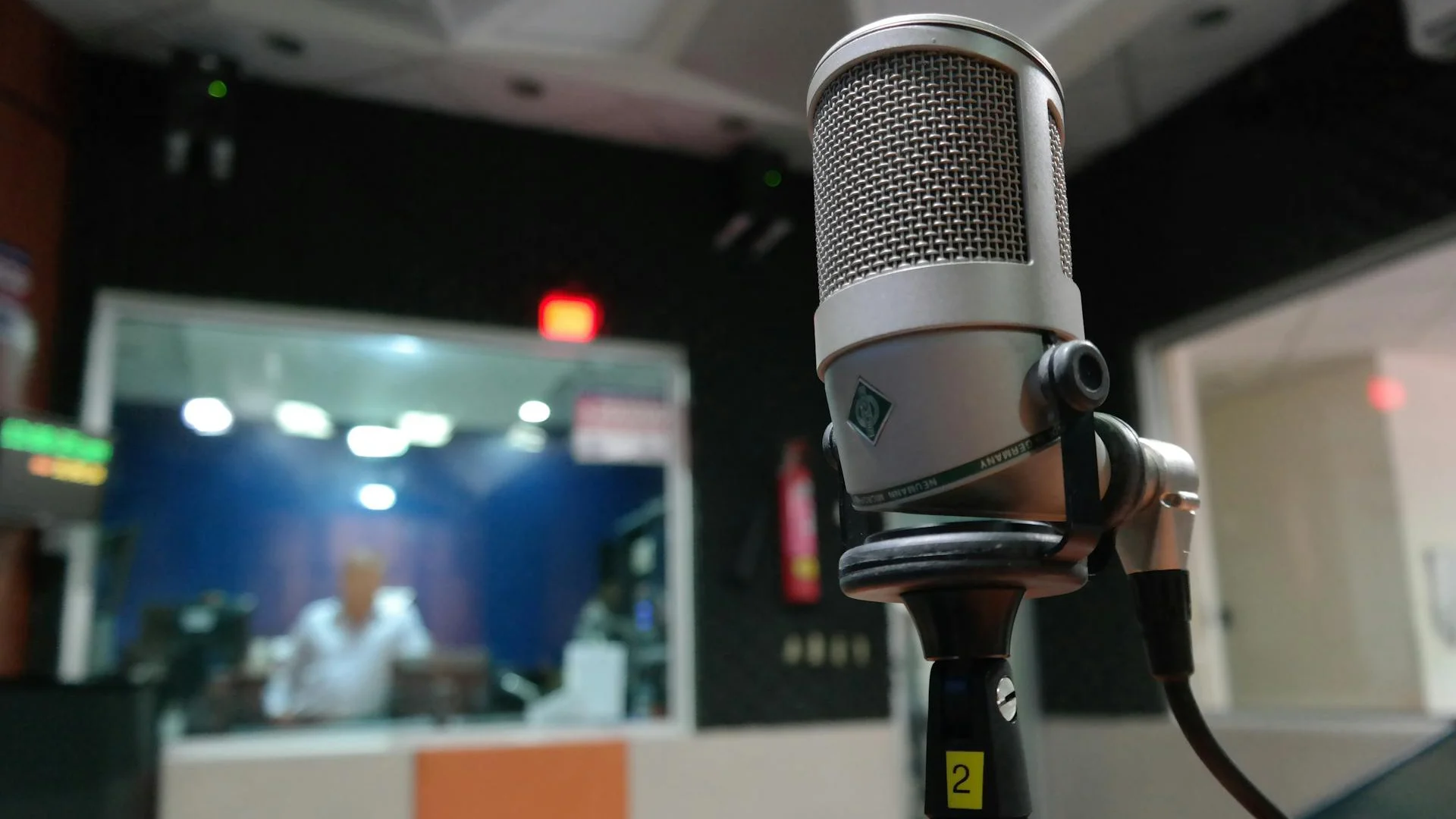
Which microphone type is best for beginner home recording?
A large-diaphragm condenser microphone like the Audio-Technica AT2020 offers excellent versatility for vocals and instruments at an accessible price point. Pair it with a basic audio interface for a solid starter setup.
Do I need different microphones for streaming and podcasting?
While you can use the same microphone, podcasting typically benefits from the richer sound of a dynamic mic like the Shure MV7, while long-form streaming might prioritize the lighter weight and lower handling noise of a condenser on a boom arm.
Can I use USB microphones for professional recording?
Yes, high-end USB microphones can produce professional results, especially for voice work. However, traditional XLR microphones offer more flexibility as your needs grow and generally represent the professional standard.
How important is room treatment compared to microphone quality?
Very important. An average microphone in a well-treated room will usually produce better results than an expensive microphone in an untreated, reflective space with background noise.
Should I buy one expensive microphone or several more affordable ones?
For most creators, having 2-3 different types of microphones (perhaps a dynamic, a condenser, and a specialty mic) offers more flexibility than one premium model. Diversify first, then upgrade as you identify specific needs.
Do microphones wear out or expire?
Quality microphones are durable investments. Many vintage microphones from the 1950s and 60s still perform excellently today. With proper care, a good microphone can last decades.
Why do some cheap microphones sound better than expensive ones on my voice?
Voice compatibility with microphones is highly individual. Sometimes a microphone's specific frequency response complements your unique voice better, regardless of price. Trust your ears over specifications.
Final Thoughts
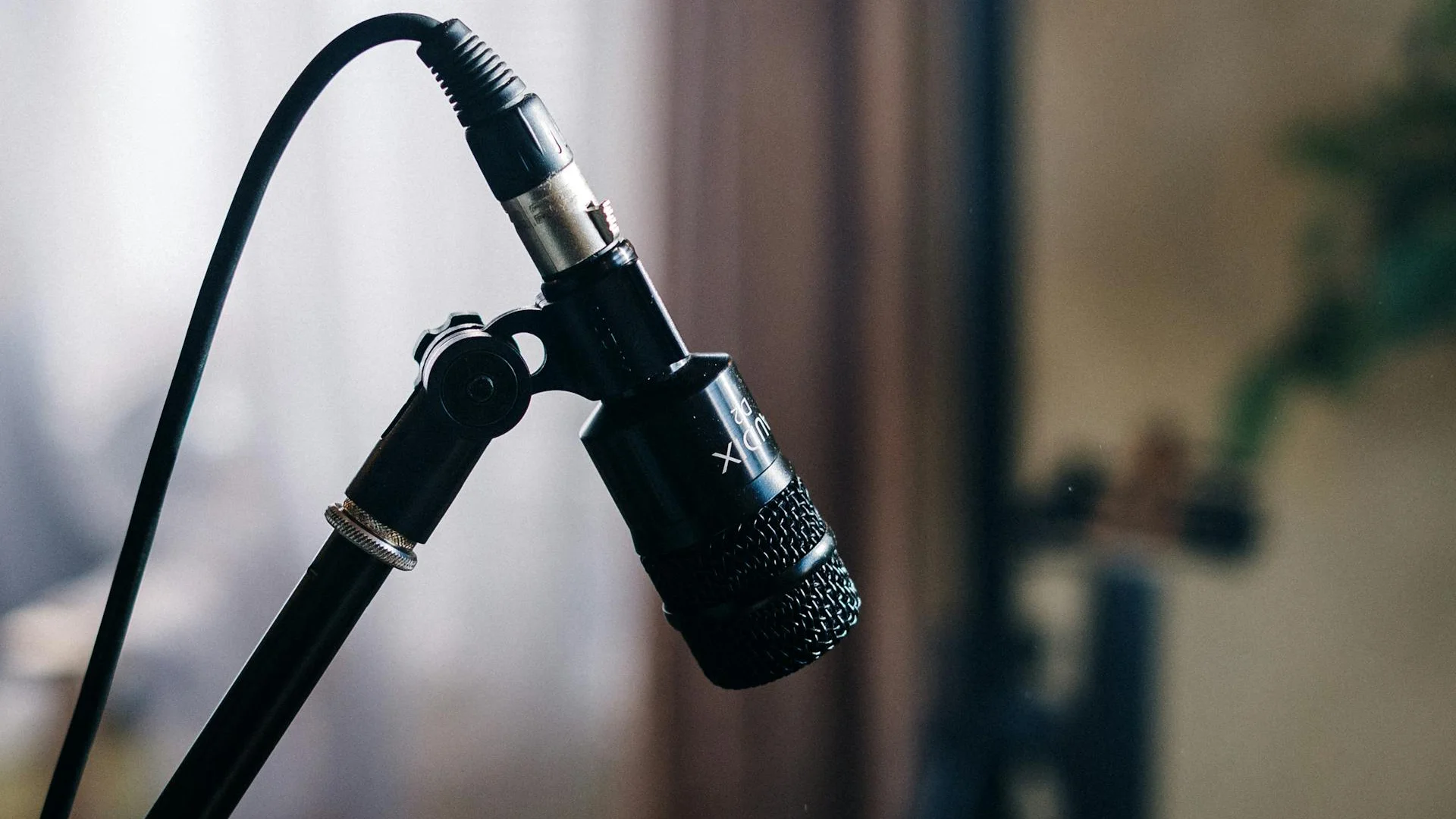
Throughout this guide, we've explored the diverse world of microphones, from rugged dynamics to sensitive condensers, vintage-sounding ribbons to convenient USB options, and specialized tools like lavaliers and shotguns. We've also covered the crucial concepts of polar patterns and frequency response that further shape a microphone's performance.
The most important takeaway is that there is no "best microphone" in absolute terms, only the best microphone for your specific application, environment, and subject. Even with limited resources, understanding these fundamental differences helps you make smarter choices about which tools to invest in first.
Remember that technique often matters more than equipment. An experienced engineer with an SM57 will usually get better results than a novice with a $3,000 boutique microphone. As you grow in your recording journey, your ears will develop alongside your technical knowledge.
Whether you're just starting out or looking to expand your microphone collection, the knowledge in this guide should help you navigate the options with greater confidence. Don't be afraid to experiment, as personal preference plays a significant role in microphone selection, and sometimes unexpected choices yield the most inspiring results.
Top Ranked Condenser Microphones on Equipboard


-m.webp?v=1784871528)


About the authors

S. Jino is an accomplished multi-instrumentalist and music producer based in Kolkata, India, distinguished by his self-taught mastery and unique blend of technical acumen and musical performance. His extensive experience was forged through hands-on dedication, starting with the full restoration of a broken guitar. Jino's capabilities span keyboards, pedals, and advanced digital production, reflecting a comprehensive skill set developed independently. As a significant contributor to the music scene, Jino regularly performs with worship bands and college ensembles. He has also established himself as a reliable and authoritative professional in freelance mixing, mastering, and original music creation. Inspired by the innovative sounds of Brian May and David Gilmour, and influenced by Kolkata's vibrant metal community, Jino is committed to the intricate art of vintage gear restoration and the continuous exploration of music and technology fusion. His current professional setup, featuring a meticulously restored nameless guitar, a Fender Player Strat, and a Boss Katana 50. Read more
New in Condenser Microphones, Ribbon Microphones & More

$4,799.00 - $5,099.00


$479.00 - $599.00

$3,799.00 - $4,999.00


$159.00 - $162.00
in Condenser Microphones Rank