By Gear Experts
Table of Contents

Equipboard
Equipboard is the world's largest community of artists and their gear. Read our review process.
We are reader-supported. When you buy through links on our site, we may earn an affiliate commission. Learn more.
Our Picks

TC Electronic Flashback 2 Delay
The affordably-priced Flashback 2 shines when it comes to tonal versatility. TonePrint feature is well done, letting you download delays designed by pros. Throw in a 40 second looper, and you’ve got digital delay done to perfection.
Read more


The Eventide Rose may be the ultimate delay pedal, with unmatched versatility, expression pedal compatability, and outstanding modulation.
Read more

Empress deliver an amazing boutique delay with astounding versatility from 12 algorithms which you can tweak parameters on all day long.
Read more
With 200 presets and a 30 second looper that can run pre or post delay, this workstation many consider to be the gold standard of delays. Its tone and build quality are amazing, and it is absolutely worth the premium.
Read more-l.webp?v=1783635805)
Pristine digital delay, accurate modeling of 30 vintage and modern delays and echoes, expanded looper capabilities, reverb, and enhanced connectivity. While still a bit pricey, the DL4 MkII elevates its predecessor's legacy with significant upgrades.
Read more
The Vapor Trail is a great analog delay that is true bypass and has great tones.
Read more

Delay pedal with 4 modes, including a clean digital delay, a warm analog, and an extraordinarily trippy Lo-Fi mode. Also one of the best looking pedals of any type.
Read more
Eventide TimeFactor Twin Delay
With dual independent delays that can be customized in millions of ways, the TimeFactor Twin is one of our absolute favorites if you want a full featured delay with a 12 second looper included.
Read more
Boss' DD-500 is the flagship delay from the legendary company and they have nailed it with 12 delay modes, an easy to read LED screen, MIDI interface, and looping capabilities.
Read more
Electro-Harmonix Stereo Memory Man with Hazarai
8 presets and a 30 second looper make this a good option if you don't need something as expansive as the Strymon or Eventide but still like a lot of bells and whistles from a great manufacturer.
Read more
Electro-Harmonix Deluxe Memory Boy
A classic used by artists the world over, this analog delay is great for organic analog tones with tap tempo and modulation effects.
Read more
EarthQuaker Devices Avalanche Run V2
This stereo reverb and delay combination creates absolutely beautiful modern delay sounds.
Read more
100% pure, warm analog delay, with an amazingly affordable price tag considering how good it sounds.
Read more
For a simple, no-frills delay, it’s hard to beat the Donner Yellow Fall Delay. Shockingly low price for a unit of this quality.
Read moreTC Electronic Flashback 2 Delay
4.5 (69)
The Flashback 2 shines when it comes to tonal versatility.







Average Price: $110
Standard/Professional
$100
$251+
Budget
Standard
High-end
- High-quality delays rivaling more expensive pedals
- TonePrint app offers additional effects like Chorus
- Versatile with multiple delay types including 2290, analog, and tape
- Mash feature allows expression pedal-like control
- See 6 more
- Loop length limited to 40 seconds
- Cannot use delay effects over loop
- Tap-tempo functionality can be cumbersome
- Mash and Tap Tempo cannot be used simultaneously
- See 4 more
| Bypass | true bypass, buffered bypass |
| Analog/Digital | digital |
| Mono/Stereo | stereo |
| Current Draw | 100ma |
Max Delay Time: 6 seconds (40 seconds with the Flashback X4, and 7 seconds with the Flashback Mini)
Looper: Yes, 40 seconds
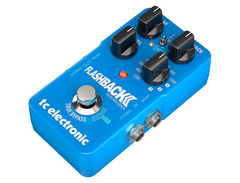
TC Electronic keeps making great pedals. This trend continues with the TC Electronic Flashback 2 Delay and Looper Effect Pedal. The Flashback 2, like Line 6’s DL4, is a versatile delay pedal. It can do many things well.
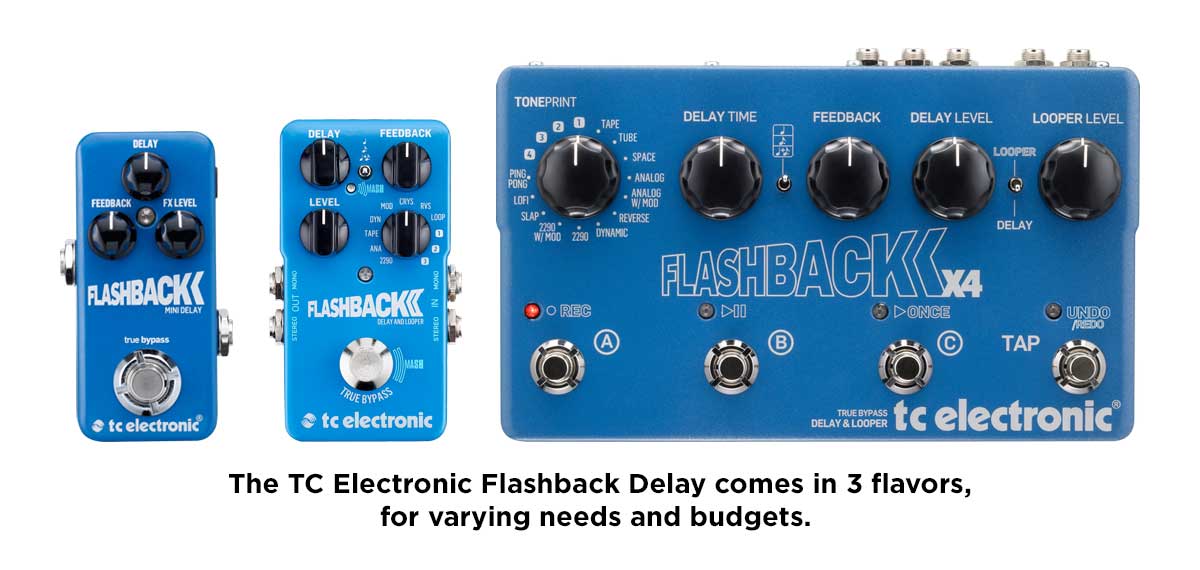
An important thing to note is that the Flashback actually comes in 3 flavors. If you don’t need the looper functionality, then we strongly suggest you go with the budget-friendly Flashback Mini. Conversely, if you want more features and have the cash to spare, you’ll want to look at the larger Flashback X4.
The TC Electronic Flashback 2 is the second version of the very popular original Flashback delay pedal. It has all the features of the first model, plus some new ones. The most notable new feature is the MASH footswitch control, which I will explain shortly.
You can think of the Flashback 2 as a more compact Line 6 DL4. The lower right knob lets you select between seven built-in delay types: 2290, Analog, Tape, Dynamic, Modulation, Crystal (which has this shimmery/spacey thing going on), and Reverse; the 2290 setting is particularly highly praised as a fantastic clean delay.
One feature that makes the Flashback stand out from the rest is the TonePrint feature. All three versions of this pedal can connect to your computer using USB. You can load different delay settings made by the pros. This feature could have been a problem if not done right, but TC Electronic did a great job with it.
Want a delay custom-made by Steve Morse or Omar Rodríguez-López? Plug in your pedal via USB, download the TonePrint, and start playing. It’s very easy and intuitive to use.
You have three TonePrint slots in this pedal. While you play, you can switch between these three slots. You can also use the normal built-in delay settings.
Another similarity with the DL4 is that it has a looper. However, the looper on the Flashback is not as good as the DL4’s. Think of it more as a bonus, rather than a core feature.
The strength of the Flashback is the tonal versatility; there are definitely much better loopers out there. If looping matters to you, the low price of the Flashback will leave you money to buy a TC Electronic Ditto. That said, this pedal offers a generous 40 seconds of loop time.
The MASH feature is interesting. Your experience may vary in how useful it is, but we had fun using it. If you give the pedal’s footswitch a quick tap, it turns the pedal on and off (like any other stompbox). However, if you apply sustained pressure to the footswitch, it basically acts like an expression pedal.
There is an LED in the middle of the pedal. It shines brighter when you apply more pressure. This also changes the delay sound more and more.
It can do some cool things. It can hold your last delay repetition forever. You can change the pitch of the delays. It can add a synth-like shimmer. It also offers many other fun modulations.
One minor annoyance of the Flashback 2 is tap-tempo is not built in - or rather, it’s not fully self contained. When you’re running the pedal mono, you’re able to use the stereo input jack to plug in a footswitch for tap-tempo.
As far as digital delays go, the sound quality of the TC Electronic Flashback is one of the best. It has made its way onto the pedalboards of the stars, including Joe Perry, Albert Lee, Troy Van Leeuwen, and Steve Morse.
Bottom line: The Flashback gets our wholehearted recommendation. If anything, the question is which of the siblings in the Flashback family should get a home on your pedalboard.
If you want a good digital delay and a decent looper, get the Flashback 2. It is affordable. If you only need a digital delay and not the looper, consider the Flashback Mini. You’ll save about $50 and still enjoy the TonePrint feature.
If money is not a problem, and you have space on your pedalboard, consider the Flashback X4. It offers a more modern and better sound than the DL4.
Provided you don’t mind the digital flavor, it’s hard to argue this is not an outstanding pedal. With so many features in one pedal, its great sound and value make the Flashback a clear winner.
See how artists use this






Boss DD-7 Digital Delay
4.5 (530)
A squeaky clean and long digital delay.

- Richness and clarity in tone enhances guitar sound
- Intuitive controls offer tonal variety
- Durable and reliable build quality
- Versatile delay options from short to long
- See 6 more
- Tap tempo can be confusing and less user-friendly
- Analog mode lacks convincing warble of true analog delays
- Some find the reverse setting and modulation underwhelming
- Lacks external tap tempo without additional equipment
- See 4 more
| Bypass | buffered bypass |
| Analog/Digital | digital |
| Mono/Stereo | stereo |
Max Delay Time: 6.4 seconds
Looper: Yes, 40 seconds
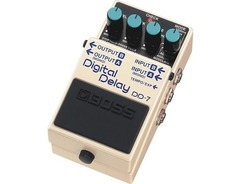
Boss has been making some of the best delay pedals for decades - DD-2, DD-3, DD-5, DD-6, DD-7, DD-20... enough choices to make your head spin. Luckily for us, they have outdone themselves with each new iteration. Case in point is the Boss DD-7 Digital Delay. We thought that the delay pedal was as good as it was going to get but Boss has made a great product even better.
Boss has been making some of the best delay pedals for decades - DD-2, DD-3, DD-5, DD-6, DD-7, DD-20... enough choices to make your head spin. Luckily for us, they have outdone themselves with each new iteration. Case in point is the Boss DD-7 Digital Delay. We thought that the delay pedal was as good as it was going to get but Boss has made a great product even better.
First, we just have to say the DD-7 looks cool with its white, black and blue color scheme. It’s practical because it helps the different letters stand out and be easy to read. The other pedals on this list have some trouble with this. The DD-7 packs in quite a lot of features that we will get into shortly.
Coming to build quality, this is a pedal that has been built like a tank. This is true for almost all Boss products. The DD-7 can handle a lot of abuse before it breaks or gets damaged.
As we mentioned earlier, Boss has a history of making great delay pedals and the DD-7 is no different. It has bettered its predecessors by offering up to 6.4 seconds of delay which is unheard of in a pedal. This really expands the possibilities and allows you to create some really unique and otherworldly tones. The delay also comes in two modes: modulation delay and analog delay. While modern music enthusiasts will love the modulation delay, classic music lovers will appreciate the analog delay.
Another useful feature is the stereo output capability of this pedal. This allows you to create some mind-bending stereo sweeping and panning effects which is unheard of in a pedal at this price point.
The DD-7 is also very adaptable. You can connect it to an expression pedal and an external footswitch. This lets you control different sound settings quickly, which is very helpful when performing live.
It can send both dry and wet signals at the same time. This makes it great for both the stage and a recording studio.
Finally, an onboard looper that can save sounds for up to 40 seconds is a useful feature. It is great to have this in a compact and affordable package. The icing on the cake is that it is virtually noise free and produces one of the cleanest outputs we’ve experienced.
Getting the DD-7 to sound exactly like you want it to is pretty easy. There are four knobs that allow you to tailor the sound to a very fine level.
The first knob E.LEVEL controls the effect level and is basically like a volume control. Set it at the 12 o clock position and you get the same level as the input sound and it can be reduced or increased from here.
The second knob F.BACK is the feedback knob and this controls the number of time the delayed sound repeats itself. Keep in mind that this knob does not work when using the hold mode (i.e. looper).
The third knob, D.TIME, is the one you will likely use often. It controls the delay time. The last knob MODE allows you to select the various modes such as modulate, analog, reverse, etc.
No product can be perfect and as good as the DD-7 is, there are still some things it can do better:
- Drains batteries quite quickly, but this can be mitigated by going with a power supply.
- Operation is a little less intuitive than a similar digital pedal like the TC Flashback.
- Difficult to change settings on the fly without using an expression pedal that must be bought separately.
Bottom Line: There is no doubt that this is a rock-solid choice for a delay pedal, especially at this price point. It's that good and will last you for many years. Boss has a very long and rich history of delighting guitarists and the DD-7 proudly carries out that task with even more oomph. It's a mainstay on pro pedalboards - Josh Homme, Steve Vai, Joe Perry, Paul Banks of Interpol, Ryan Adams, and more.
See how artists use this






Eventide Rose
Incredibly versatile delay with beautiful modulated sounds.




Average Price: $303
High-end/Boutique
$100
$251+
Budget
Standard
High-end
- Exceptional sound quality with clean delay lines
- Versatile tone range, suitable for diverse musical styles
- Intuitive controls, including a guitar/line level switch
- Supports creative exploration with modulation and presets
- See 5 more
- Mono output limits stereo possibilities
- Complexity can be daunting for beginners
- Aesthetic may not appeal to all users
| Bypass | true bypass, buffered bypass |
| Analog/Digital | hybrid, digital |
| Mono/Stereo | mono |
| Current Draw | 500 ma |
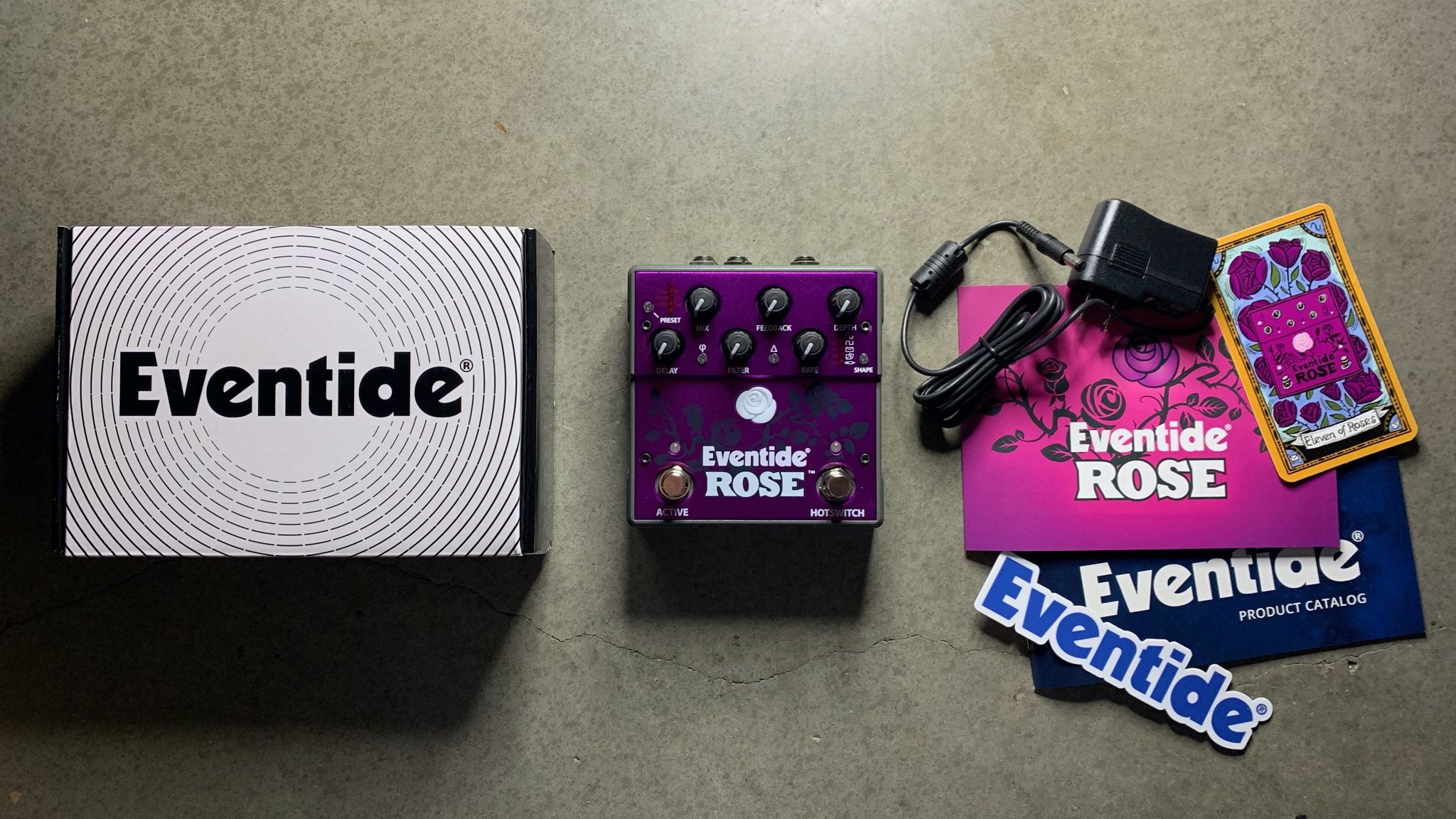
The debate of whether analog delay is better or digital delay is better will probably go on forever. Eventide opted not to take a side in this dispute and instead has made a hybrid pedal that has the best of both worlds. This method has created a guitar pedal that is very versatile. It can produce a wide range of sounds.
The Eventide Rose is a guitar pedal that keeps the signal path analog pedal and adds a digital delay pedal on top. This digital line has five sources of modulation. Together, this setup can create some amazingly diverse types of sounds.
The delay has a very wide range starting from 10 milliseconds all the way up to 10 seconds. Using specific modulation settings, you can extend this to 50 seconds which is just mind-bending. The shortest delay times can be used to create comb filtering, chorus and flanging effects.
There are six knobs that help you take full command of this pedal. The delay knob is multifunctional. Press it and turn it to set a range and then turn it normally to fine tune the time within that range.
The time multiplier does what it says. It multiplies the set time by a factor of between 2 and 5.
The mix knob sets the percentage of wet signal going through and there is a standard feedback knob as well. The properties of the modulation can be set by using the rate and depth knobs.
You can store five banks, each with five presets. This gives you a total of 25 sounds.
You can quickly switch between presets in a bank using the Hotswitch. You can also morph between presets using an expression pedal. In short, you can set it up to create everything from the simplest sound effects to mind-boggling ones.
The two footswitches and the optional expression pedal let you use delay in ways that many guitarists do not know. It also works great with a bass guitar. The Rose is not inexpensive. If it is worth it totally depends on you.
If you enjoy experimenting with sound, this pedalboard is a great investment. It offers many sonic options for creating new sounds. If on the other hand, you use delay sparingly then this pedal might be overkill for you. If you want a very versatile delay pedal and don’t mind the price, we recommend this one.
Bottom Line: The Eventide Rose is a worthy addition to any pedalboard. It is the last modulated delay pedal you will ever need. It is an expensive pedal but consider it an investment in your music. The possibilities are almost endless.
This pedal will take your gig's music to a whole new level. It would have been the best delay pedal if it were priced lower. Other than that, this pedal is excellent.
See how artists use this

.jpg)



Empress Echosystem
5.0 (23)
Astounding versatility from 12 algorithms which you can tweak parameters on all day long.



Average Price: $474
High-end/Boutique
$100
$251+
Budget
Standard
High-end
- Replaces multiple delay pedals with extensive features
- Dual delay allows for unique sound customization
- Offers 35 onboard presets, adjustable to user preference
- Multiple parameter changes assignable to an expression pedal
- See 6 more
- Firmware updates via SD card can be complex for some
- Learning curve due to complex functionalities
- Lack of screen may complicate parameter identification
- Cannot use MIDI and expression pedal simultaneously
- See 1 more
| Bypass | true bypass, buffered bypass |
| Analog/Digital | digital |
| Mono/Stereo | stereo |
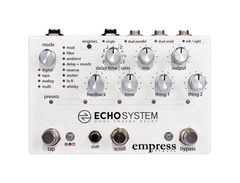
The first thing that will grab your attention rather forcefully is the aesthetics of the Empress Effects Echosystem. It has gorgeous exterior that does justice to its insane capabilities. The light metallic color makes it look like an expensive piece of art rather than a piece of musical gear and for that matter. There is no screen but it is not much of an inhibition.
The first learning curve may seem tricky. However, after spending an hour with this unit, everything will be clear.
The build quality is excellent. This product can handle almost anything a guitarist might use it for regularly.
The LEDs shine brightly. Everything is clearly labeled and spaced out well. This design allows for easy adjustments, even in dim lighting, like on a dark stage.
The Echosystem uses a careful method for signal processing. It provides some of the best delay effects we have heard in a while. Instead of a single algorithm driving the entire unit, the Empress Effects Echosystem has 12 separate algorithms. This makes each type of delay have its own unique and specific character. Another advantage of this approach is that the sound quality is simply breathtaking. You can easily get lost in the depth and elegance of each type of delay. Furthermore, it is quite customizable and flexible as well. You can adjust every setting on the best delay pedals very precisely. This lets you create unique and personal sounds.
The sheer number of available delay effects is staggering too. Just to put this into perspective, there are 4 different tape delay effects alone. Overall, there are more than 36 types of delays in all which would take a lifetime to get through. You also have the option of saving 35 presets so that once you have a sound dialed in just right, you can save it for future use.
The one thing that the Echosystem offers that no one else is offering currently is constant firmware updates. Empress are very active on their forums and always lend an open ear to their users. In the rare occurrence of you finding an issue, chances are pretty high that it will be quickly fixed.
Bottom line: This pedal has great analog delay effects and some of the best digital delay effects. It really stands out. With features like buffered bypass and full bypass, the Echosystem is a must-have for every guitarist's pedal board. The Empress Effects Echosystem is innovative and highly dependable and its flexible features make it a bonafide winner.
See how artists use this







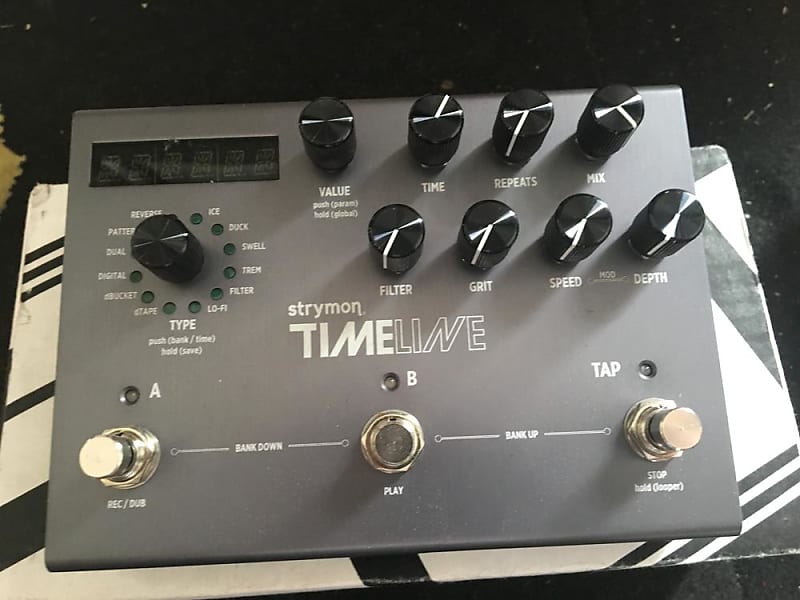
Strymon TimeLine
5.0 (291)
200 presets and a 30 second looper that can run pre or post delay make this the gold standard of delays.


Average Price: $420
High-end/Boutique
$100
$251+
Budget
Standard
High-end
- Exceptional sound quality, perfect for both live and studio use
- 200 factory presets provide a wide range of tones
- Unique, organic layering capabilities with its loop machine
- High-quality modulated echoes and pitch-shifted effects
- See 6 more
- Can be complex to tweak for those new to multi-delay pedals
- Some find programming and preset management unintuitive
- Limited looping recording time
- Clean sound may not suit those looking for gritty delay tones
- See 5 more
| Bypass | true bypass, buffered bypass |
| Analog/Digital | digital |
| Mono/Stereo | stereo |
Looper: Yes, 30 seconds with the ability to run pre or post delay.
It is a solidly built unit and even the most enthusiastic guitarist will have a tough time putting a dent into this beauty. The build quality is just so exceptional and everything looks and feels exquisite. Turning the knob gives a satisfactory response and that brings us to how easy it is to use. Do not get us wrong. This delay pedal is loaded to the hilt with features including a looper but the way everything is laid out and managed seems so organic that even amateur guitarists will be able to set up the Strymon Timeline Delay without any issues. This is a very capable delay pedal that can make you happy irrespective of which effect type you have your mind set on. If you want a truly amazing delay pedal that can handle analog effects with aplomb few pedals are as good as this one.
Using the Strymon Timeline Delay was very easy. I could make detailed changes to the sound with no effort at all. It helped me get the sound just right.
The layout and the old-school LCD screen are very helpful. However, it is the structure that matters most. Anyone with basic knowledge of delay can make this pedal sound great.
You can adjust at least 8 settings for each effect. You can save these settings in one of the 200 memory slots.
This lets you recall them when you need to. There are many possibilities with sound. Your creativity will be what puts obstacles in your way.
Its connectivity options are great too including MIDI capabilities. You can connect a MIDI controller to it to make switching between the presets quite easy. An expression pedal can also be connected to precisely control certain parameters while playing live. Overall, this is one of the most intuitive and easy to use feature-loaded delay pedals that we came across.
The Strymon Timeline Delay makes great analog sounds. This puts it among the best delay pedals available today. They are as warm and colorful as a true analog pedal’s sound.
It is a solidly built unit and even the most enthusiastic guitarist will have a tough time putting a dent into this beauty. The build quality is just so exceptional and everything looks and feels exquisite. Turning the knob gives a satisfactory response and that brings us to how easy it is to use.
Do not get us wrong. This delay pedal has many features, including a looper. The layout is so simple that even beginner guitarists can set up the Strymon Timeline Delay easily.
This is a very capable delay pedal that can make you happy irrespective of which effect type you have your mind set on. If you want a truly amazing delay pedal that can handle analog effects with aplomb few pedals are as good as this one.
See how artists use this

.jpg)





Line 6 DL4 MkII
5.0 (4)
Pristine digital delay, 30 vintage and modern delays and echoes, expanded looper, and enhanced features.
-s.webp?v=1783635805)

Average Price: $238
Standard/Professional
$100
$251+
Budget
Standard
High-end
- Compact, pedalboard-friendly design
- Doubles the amount of delay sounds and extended looper time
- Easy to program with a wide variety of effects options
- High build quality and durability for live performance
- See 6 more
- Some users find the interface non-intuitive and hard to navigate without help
- Preset management can be clumsy and lacks software editing
- Software glitches reported, causing reliability issues
- Indicator lights management could be better designed
| Bypass | true bypass, buffered bypass |
| Analog/Digital | digital |
| Mono/Stereo | stereo |
Looper: Yes, 240 seconds (up to hours with microSD)
The Line 6 DL4 MkII is part delay pedal, part looper, and arguably one of Line 6’s most successful effect pedals, now with significant upgrades over the original. If you’re the type of person to look at the pedalboards of the pros, you don’t have to look long before spotting one of these green boxes in the wild ( John Mayer, Coldplay’s Jonny Buckland, John Frusciante, Joe Perry, and Thom Yorke all use it, to name a few).
Quick Hits - What’s New in the MkII:
- 30 delay models: 15 new from the HX family, alongside the original 15 legacy models.
- Expanded looper: 240 seconds of memory, expandable with a microSD card.
- Reverbs: 15 new reverb models from Line 6’s HX effects.
- Enhanced connectivity: XLR microphone input, USB-C, MIDI In/Out/Thru, microSD slot.
- Selectable bypass modes: True, Buffered, and DSP Bypass.
- Smaller footprint: More pedalboard-friendly design.
- Six onboard presets: Up from three, with 128 total via MIDI.
They call this a “delay modeler,” which means that because of the digital circuitry, it is able to model or replicate 30 delay and echo effects (the left-most knob on this unit lets you select what delay to model). Sure, a purist in a studio setting might be able to tell that the DL4 MkII does not replicate the true warmth and character of vintage analog delays... and if you’re that type of tone snob, we suggest you own a true analog delay like the MXR Carbon Copy. However, the majority opinion is that the Line 6 DL4 MkII is a fantastic sounding delay unit, and does justice to the delays it attempts to replicate.
The enclosure is still sizable but more compact than the original, so be mindful of how much space you have on your pedalboard. For the versatility it offers, it’s a small price to pay. Not only are all of the presets customizable with the DELAY TIME, REPEATS, TWEAK, and TWEEZ knobs, but you now have 6 programmable preset slots to save your custom settings, tap tempo, and of course the outstanding looper function.
It’s worth talking about the looper - you get 240 seconds of memory to record your guitar playing (expandable with a microSD card), and loop it over and over. You can continue to overdub more and more on your original loop, essentially becoming a one-man-band. While it’s not a perfect looper, it’s generally great for most users, and will save you from buying a separate looper pedal.
One small gripe we have with the DL4 MkII is the usability is not as intuitive as we’d like. To fully understand and get the most out of it we had to run through the manual. For instance, the Line 6 DL4 MkII is now also a very capable reverb pedal with 15 reverbs... yet they’re not labeled on the unit itself (hence why Line 6 calls them "Secret Reverbs"). We can understand and appreciate not wanting to make the interface overly complex, but this pedal has so many cool features in it that accessing them all with no screen and just a few knobs can be an exercise in frustration.
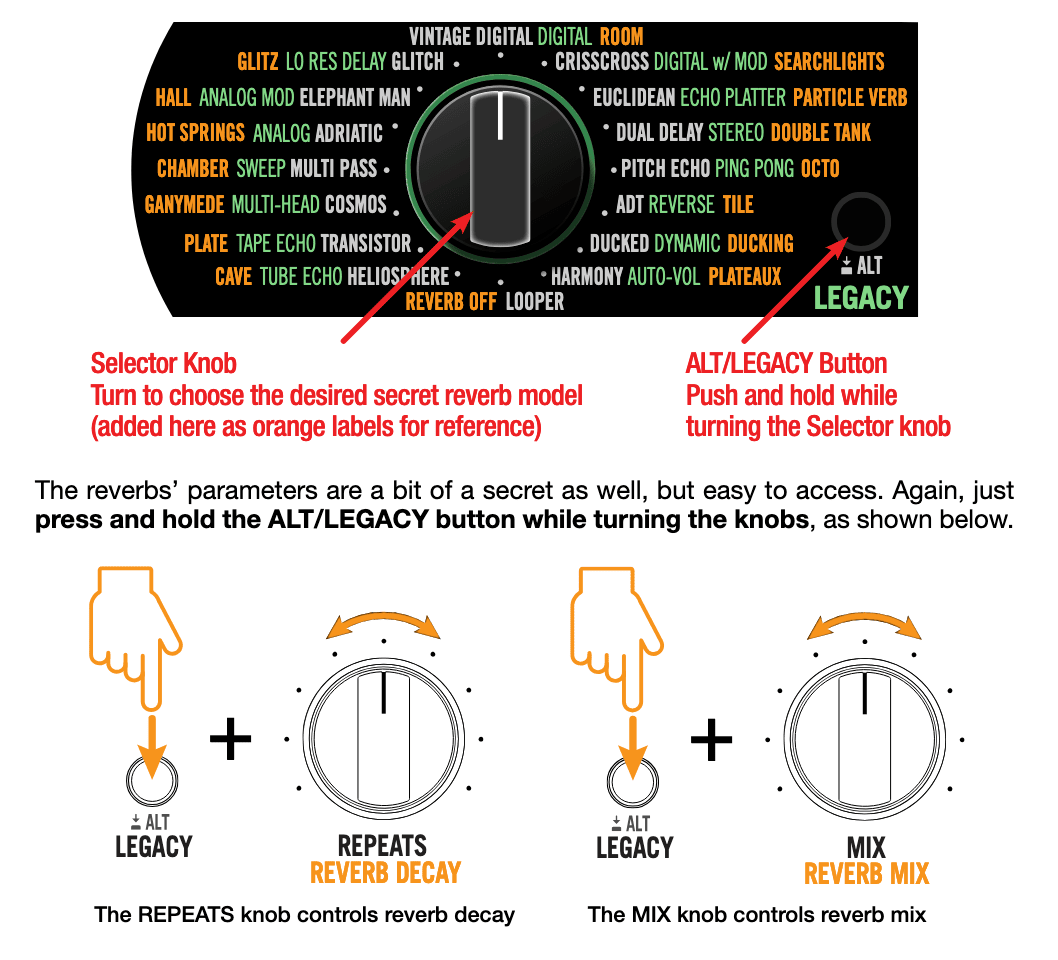
Bottom Line: While the price is still a bit steep, the DL4 MkII justifies its cost with a host of new features and improvements. Its ability to model a wide range of vintage and modern delays is unmatched, and the expanded looper, inclusion of reverb, and enhanced connectivity make it a worthy successor to the legendary original.
See how artists use this





Seymour Duncan Vapor Trail
4.5 (23)
Great analog delay that is true bypass and has terrific tones.

Average Price: $164
Standard/Professional
$100
$251+
Budget
Standard
High-end
- FX loop offers unique signal routing options
- 100% analog circuitry delivers authentic delay tones
- Capable of both short slapback and long ambient delays
- Brighter, clearer repeats compared to competitors
- See 6 more
- Requires TRS cable for FX loop, adding extra setup
- Some find the footswitch hard to press
- Feedback can build quickly, potentially overwhelming
- 9V power may introduce latency and darken tone
- See 1 more
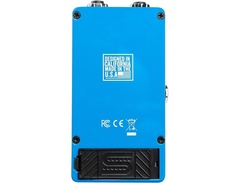
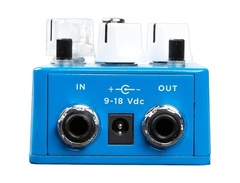
| Bypass | true bypass |
| Analog/Digital | analog |
| Mono/Stereo | mono |
| Current Draw | 11ma |
Max Delay Time: 600ms
Looper: No
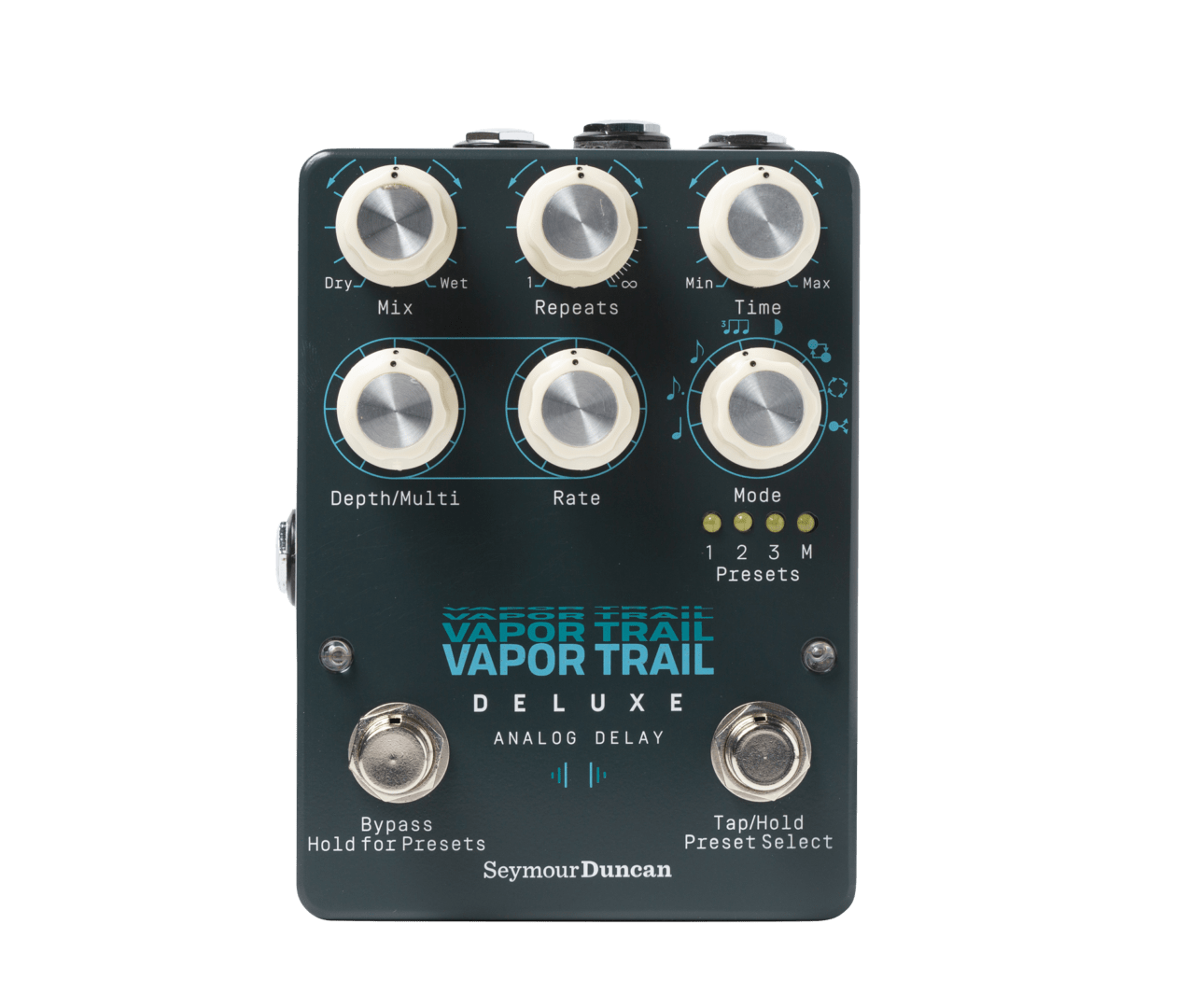
While being a revered name among guitarists, Seymour Duncan is known mostly for their pickups. They, however, have produced a few great pedals and the Vapor Trail is one of them. The great thing about this pedal is that it manages to achieve with perfection what many of its peers fail to achieve - produce an authentic vintage delay sound.
Another cool feature is the ability to mix the wet and dry signal precisely by using an external expression pedal. The downside to this pedal is that it is highly focused doing one thing and that is delivering a vintage sound, so if you’re looking for variety then this isn’t the best pedal for you.
By analog delay standards the price is quite affordable though which means that you can use it as a specialty pedal. Despite using an analog BBD chip, it is noise-free which usually happens to be the biggest problem traditionally associated with an analog circuit.
Another huge plus is the flashing light synced with the delay time - very useful when jamming with other musicians. While this pedal might not be for everyone, those looking for a smooth vintage sound will absolutely love the Vapor Trail. To top it all off, the color scheme and paint job is beautiful.
See how artists use this



.jpg)


.jpg?v=1783563118)
Walrus Audio ARP-87
4.5 (36)


Average Price: $197
Standard/Professional
$100
$251+
Budget
Standard
High-end
- Versatile delay options, suitable for various music styles
- Intuitive and user-friendly interface
- High-quality, creative lo-fi setting highly praised
- Excellent build quality and sound fidelity
- See 6 more
- Tap tempo can be inconsistent and require multiple taps
- Limited distinction between Digital and Analog modes
- Slapback mode considered unnecessary by some
- Lack of a dedicated time knob limits on-the-fly adjustments
- See 2 more
| Bypass | true bypass, buffered bypass |
| Analog/Digital | digital |
| Mono/Stereo | mono |
| Current Draw | 100ma |
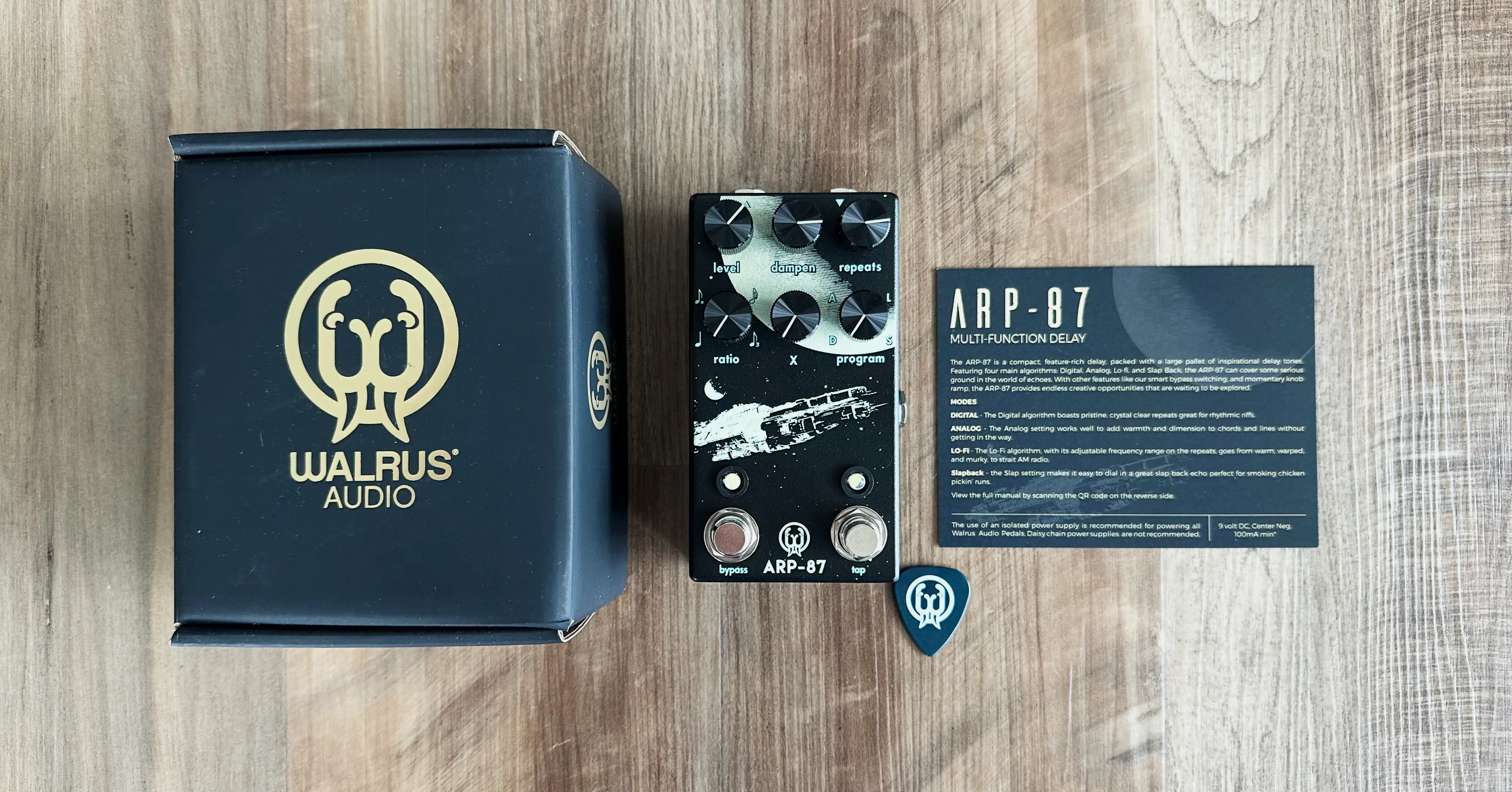
The Walrus Audio ARP-87 is a digital delay pedal with four primary algorithms - Digital, Analog, Lo-Fi, and Slapback. Let’s look past its stunning artwork to see why it’s worthy of being considered one of the best delay pedals around.
Unboxing a Walrus pedal is always a treat, revealing a luxurious cloth pouch, and a small reference card that quickly runs down the four delay algorithms. It’s got a great build quality, and the extremely high quality knobs are laid out intuitively. The artwork, as always from Walrus, is nothing short of mesmerizing, and we found ourselves admiring it even when the pedal wasn’t in use.
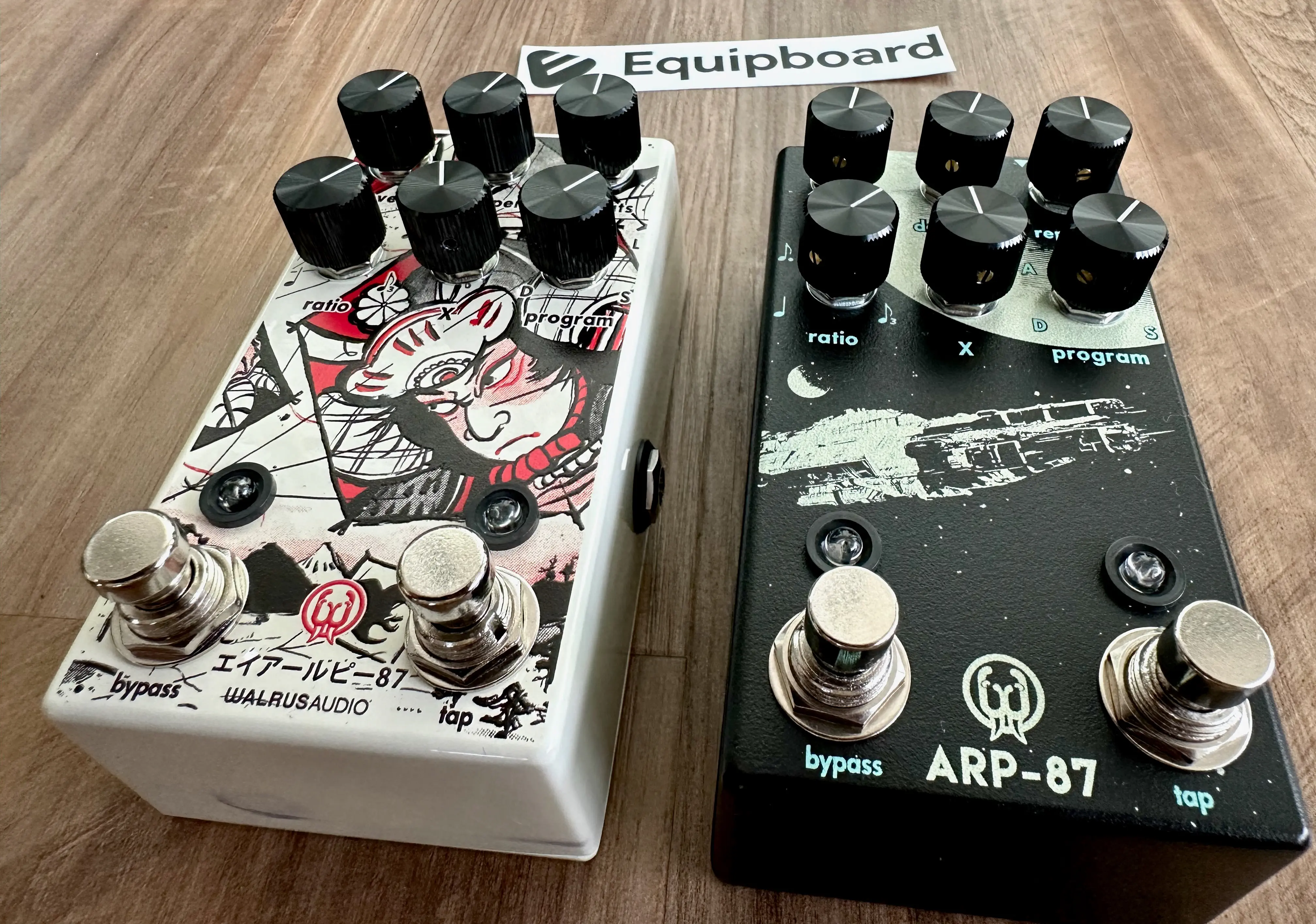
As mentioned, the program knob lets you choose between D (digital delay), A (analog delay), L (lo-fi), or S (slapback). The switch on the right is tap-tempo, and that’s the only way you can dial in the speed of the delay. You then use the ratio knob to change from quarter notes, to 8th, etc. Some view this as a pro, and some users lament the lack of a “speed” or “delay” knob. It took us a little bit of time to get used to, but after spending some time with the ARP-87 we like it just the way it is. The X knob is Walrus Audio’s “wildcard” knob, which changes a different parameter depending on what type of delay is selected. The momentary function to gradually ramp up feedback is another thoughtful touch, leading to some creative exploration.
Let’s talk about sound quality. Simply put, the ARP-87 sounds awesome. Each algorithm is very usable. Digital is pretty clean and pristine. Analog adds a touch of smooth warmth. Lo-Fi is absolutely awesome, and adds gritty, characterful echoes. Slapback mode, though widely considered the least interesting mode, offers a classic rockabilly charm. The modulation feature adds an trippy layer to every mode, making it a fantastic choice for ambient and experimental music.
If we had to knock it at all, we would say the overall character skews a bit dark, and there’s not a stark enough contrast between the Digital and Analog modes for our taste.
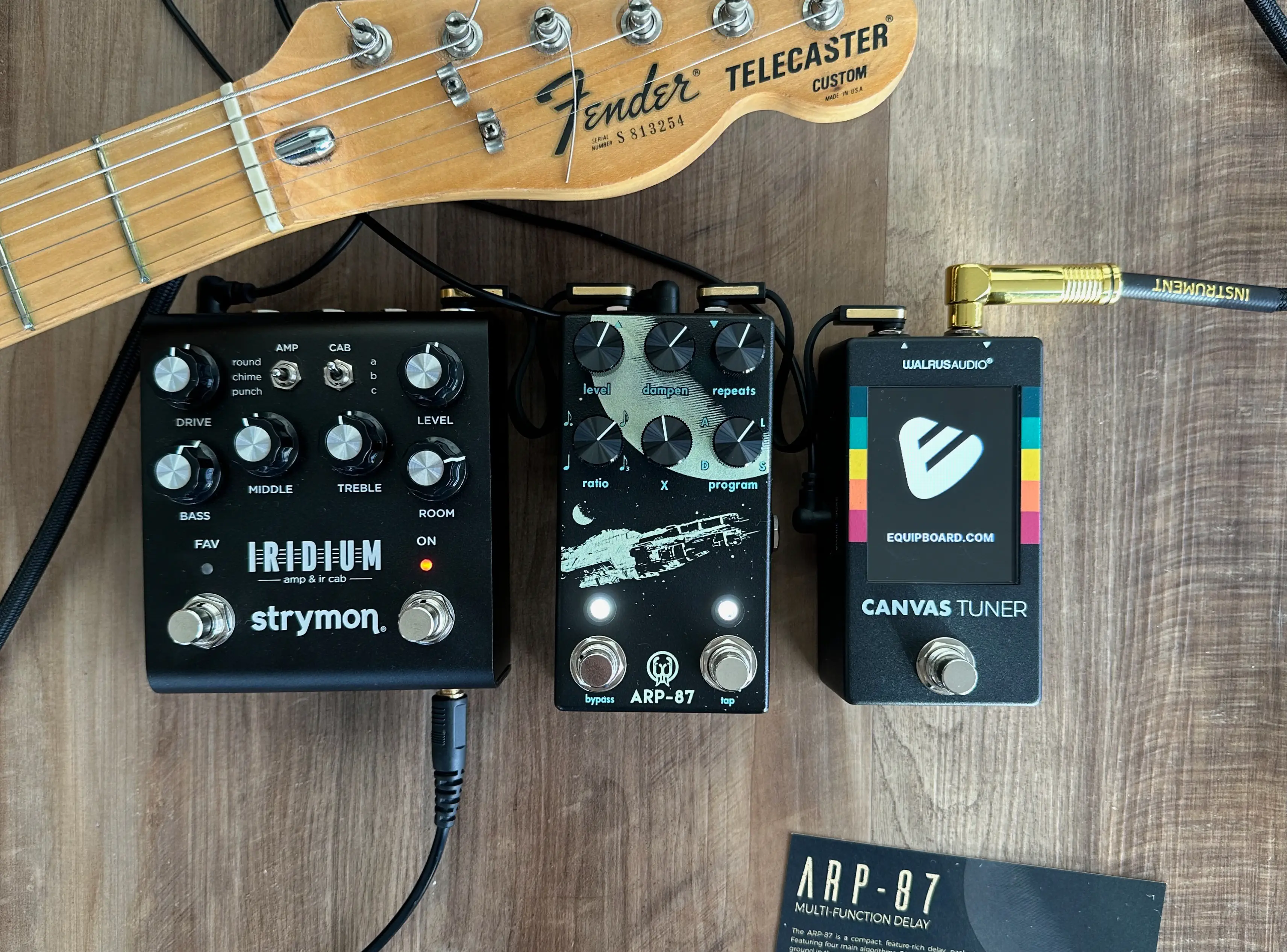
Bottom Line: the Walrus Audio ARP-87 is a high-quality digital delay pedal that offers a wealth of sonic possibilities. It's particularly well-suited for musicians who want a straightforward delay, that with a few twists and turns can get quite experimental and ambient. That said, the absence of a dedicated time knob for adjusting delay time can be limiting, especially if you need a delay for precise studio work. For its price point, however, the ARP-87 offers incredible value, especially if you're a fan of its unique Lo-Fi setting. All in all, the ARP-87 has all the makings of a modern classic and would be a nice complement to most pedalboards.
See how artists use this







Eventide TimeFactor Twin Delay
5.0 (75)
Dual independent delays that can be customized in millions of ways.


Average Price: $438
High-end/Boutique
$100
$251+
Budget
Standard
High-end
- Exceptional sound quality with clear, distinct delay types
- True stereo output with dual delays enhances depth and versatility
- Durable, serious build quality for long-term use
- MIDI compatibility for advanced setups
- See 6 more
- Not intuitive for beginners; steep learning curve
- Requires extensive manual consultation for setup
- Does not emulate analog delay sounds perfectly
- Minor latency when switching presets onstage
- See 3 more
| Mono/Stereo | stereo |
Delay Type: Digital Delay
Max Delay Time: 3 seconds
Looper: Yes, 12 seconds
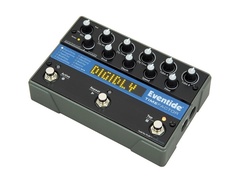
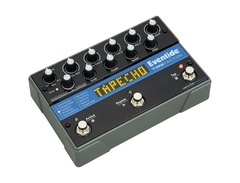
The great thing about modern electronics is that they can pack in hundreds of features in a tiny form factor and the Eventide TimeFactor Twin Delay Pedal is a great example of that. It is feature rich and has the ability to do some great delay effects right out of the box. Its biggest strength is the degree to which it can allow you to tweak and customize the sound without degrading the quality. There are two independent delays (hence the name Twin) that can each be up to 3 seconds.
Each delay can further be chosen from 10 awesome presets that are all very usable and can be used in stereo or mono mode. A 12-second looper, rugged build quality, true bypass, and the ability to connect to a computer via a USB port sweeten the deal even further.
You can update the software via USB, and also use Eventide’s H9 Control app to manage your delay presets. It is no doubt on the expensive side but well worth each penny if you crave the most tweakable digital delay out there.
See how artists use this



.jpeg?v=1783616645)



Boss DD-500 Digital Delay
4.5 (67)
12 delay modes, an easy to read LED screen, MIDI interface, and looping capabilities.


Average Price: $328
High-end/Boutique
$100
$251+
Budget
Standard
High-end
- High-quality sound with 32-bit processing for authentic EVH tones and more
- Versatile with 12 built-in delay patches offering dozens of distinct sounds
- Complex routing options, including multiple delays simultaneously
- User-friendly interface for both pedal adjustments and software integration
- See 6 more
- The level of tweakability may be overwhelming for some users, leading to complexity
- Shimmer mode and a few other effects considered inferior to competitor offerings
- Some users find the sound to be sterile without extensive tweaking
- Limited stereo delay options and no global killdry function for parallel effects routing
- See 1 more
| Bypass | true bypass, buffered bypass |
| Analog/Digital | digital |
| Mono/Stereo | stereo |
| Current Draw | 200ma |
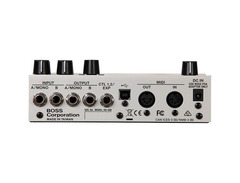
The DD-500 is Boss' flagship delay pedal. At its heart it is a multimode delay pedal but it actually is a lot more versatile and customizable than your average delay pedal. If you are looking for the ultimate delay pedal that money can buy then the Boss DD-500 should absolutely be on your short list.
As soon as you lay your eyes upon the Boss DD-500, you will realize that it is a premium product. It somehow manages to look powerful yet quite simple at the same time. You will not feel at all intimidated by this device. Everything is very neatly laid out and operating it is very intuitive. There is a main knob to the left of the screen which you can use to select a particular type of delay. Examples include shimmer, tape, dual, Tera Echo, slow, SFX, and so many more. Having the sounds of all these delay types available so easily is great but you might ask what is so special about them. It is their authenticity and the level of customizability that truly makes them shine. You can choose to modify many parameters to get the delay to sound just right. You can then save these on one of the banks for easy access later. The crisp and clear screen helps in this regards quite a lot. The phrase looper capability is another wonderful addition to this pedal.
Coming to the actual sound quality, it is just so sweet and full of life. This is technical wizardry at its best and I can’t imagine how Boss are going to better this one as it is damn near perfect. There is almost no noise and the build quality is excellent which allows you to play passionately without having to worry about damaging your precious and rather expensive pedal. The DD-500 is the closest a digital pedal has come to replicating the warmth of an analog delay pedal.
The stereo on this device isn’t true stereo which can be a bit annoying if you really want to get into heavy mixing. The lack of an inbuilt expression pedal also seems like an oversight. Apart from these minor quirks for which you can find workarounds, there is very little to complain about regarding the Boss DD-500.
See how artists use this

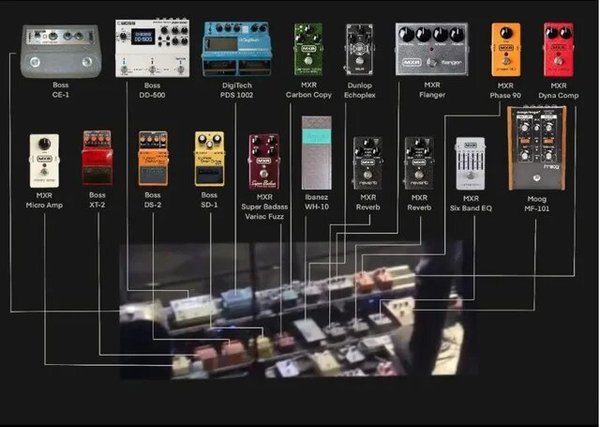




Electro-Harmonix Stereo Memory Man with Hazarai
4.5 (91)
8 presets and a 30 second looper make this a good option from a great manufacturer.


Average Price: $236
Standard/Professional
$100
$251+
Budget
Standard
High-end
- Versatile with modulation, delay, echo, reverb, chorus, phaser, and more
- Intuitive controls encourage exploration of tones
- Quality reverse delay effect, especially for ambient sounds
- Built-in looper extends functionality beyond delay
- See 6 more
- Steep learning curve, not beginner-friendly
- Large footprint may not suit smaller pedalboards
- Sensitivity of controls can lead to accidental extreme settings
- Limited to one preset save per mode
- See 6 more
| Bypass | true bypass |
| Analog/Digital | digital |
| Mono/Stereo | stereo |
Max Delay Time: 3 seconds
Looper: Yes, 30 seconds
The Electro-Harmonix Stereo Memory Man is a cool device that combines a capable delay pedal and a lengthy looper in a seamless manner and at a pretty decent price. The sounds you can get out of this pedal is matchless.
The reverse echo is a really cool feature which in combination with the 30 second looper can produce some really amazing sounds. The eight presets are programmable which allows you a great degree of tweaking.
It is a digital pedal which can be a sore point for analog enthusiasts, but this is one of the warmest sounding digital pedals and your audience will not have the slightest clue anyways. The sturdy metal construction, stereo operation, and true bypass complete this sweet package.
If you’re wondering what in the world Hazarai means like we were, this is according to founder of Electro-Harmonix Mike Matthews himself:
It means all the extra stuff. You know, give me a frank with all the Hazarai.
See how artists use this
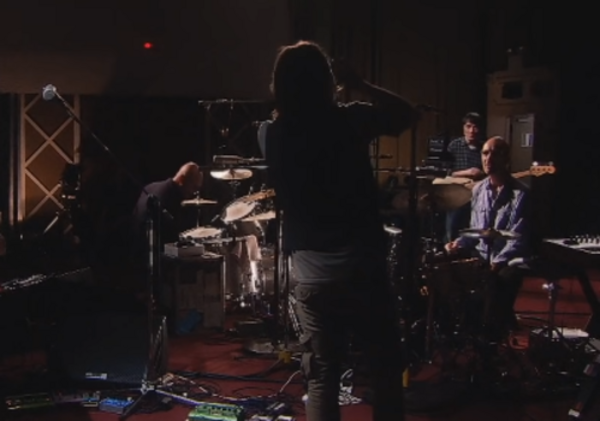



.jpg)

Electro-Harmonix Deluxe Memory Boy
4.5 (73)
Organic analog tones with tap tempo and modulation effects.


Average Price: $176
Standard/Professional
$100
$251+
Budget
Standard
High-end
- True analog delay with warm, vintage sound
- Tap tempo, tempo divide, effects loop, and expression pedal control for detailed sound shaping
- Analog sound with practical modern features like tap tempo at a competitive price point
- Built-in effects loop and modulation control add layers to sound
- See 5 more
- Some users report a steep learning curve to fully exploit its features
- Larger than a standard stompbox, may be an issue for pedalboard real estate
- Feedback for self-oscillation is limited, not suitable for those seeking long, bright repeats
- Noticeable white noise/hiss in delay repeats, especially at higher feedback settings
- See 2 more
| Bypass | true bypass |
| Analog/Digital | analog |
| Mono/Stereo | mono |
Max Delay Time: 700ms
Looper: No
Analog delay pedals are mostly pretty simple. By providing you loads of features and a very precise control over the depth and rate of delay, the Electro-Harmonix Deluxe Memory Boy bucks that trend. An external expression pedal can enhance this control even further, and we definitely recommend one.
It is a completely analog pedal and allows you to get a warm, somewhat dark and deep delay that can vary from subtle to mesmerizing. It sort of takes on a life of its own which can easily take you to Radiohead-ish territory, so if you’re looking for a more bright and clinical delay it’s best that you look elsewhere.
The tap tempo and subdivision selection is a game changer, and its inclusion is unheard of at this price point. If a very tweakable analog delay is what you’re after, this is one of the best pedals on the market for the money. Think of it like an MXR M169 Carbon Copy or Seymour Duncan Vapor Trail on steroids.
See how artists use this






EarthQuaker Devices Avalanche Run V2
4.5 (27)
Stereo reverb and delay combination creates absolutely beautiful modern delay sounds.



Average Price: $367
High-end/Boutique
$100
$251+
Budget
Standard
High-end
- Wide stereo image for reverb offers three-dimensional sound
- Versatile, suitable for both subtle and experimental sounds
- Can produce warm tones and organic sounding tones
- Tap tempo feature enhances usability
- See 6 more
- Delay is mono, lacking a ping pong effect
- Can sound compressed with too hot input signals
- Some users may find it not suitable for "gain" kind of tones
- Requires an expression pedal for full functionality
- See 6 more
| Bypass | true bypass, buffered bypass |
| Analog/Digital | digital |
| Mono/Stereo | stereo |
| Current Draw | 425ma |
Max Delay Time: 2 seconds
Looper: No
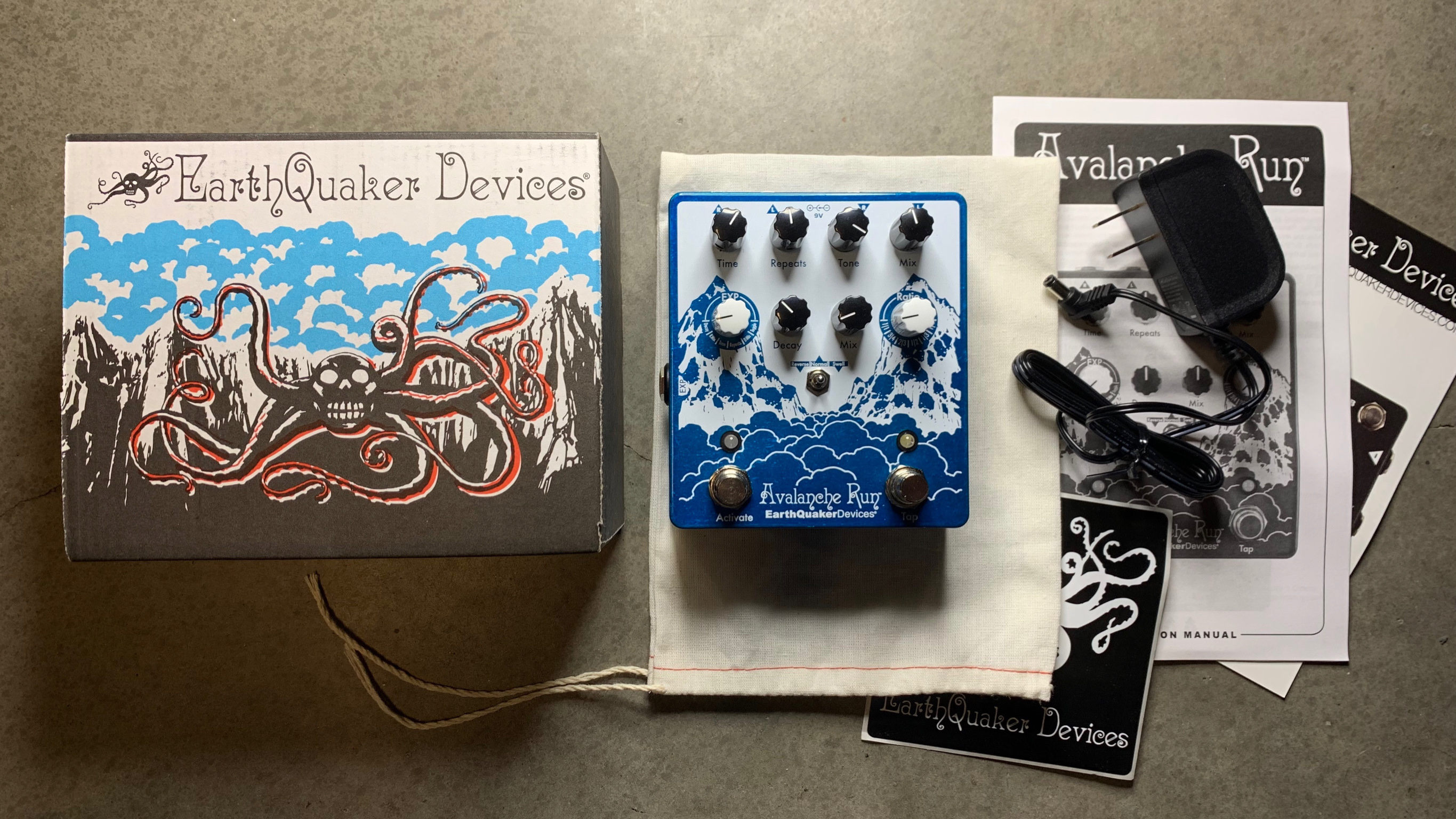
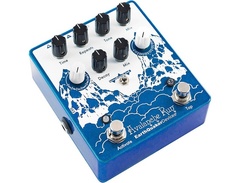
Rarely does a pedal get the name, looks and the features just right but when it happens, it is magical as is the case with the EarthQuaker Devices Avalanche Run V2. This is one of the most feature-rich pedal that offers both reverb and delay effects in the same enclosure.
It’s important to note that this is not your everyday “vanilla” type of digital delay pedal. The reverb/delay combo and that intangible EarthQuaker Devices “magic” makes the Avalanche Run V2 sound a certain way which you will either like or hate; if you happen to be in the former group - like us - then you are in for a treat (have a listen for yourself and try not to fall for this pedal).
The reverb alone makes this a truly awesome pedal but add the delay capabilities and this is a great option if you want to build a minimalist pedal board. Sadly, the Avalanche Run isn’t great at producing classic and vintage sounds but is the perfect companion for anyone into modern, experimental, or ambient soundscapes.
See how artists use this

.jpg)

.jpg)






MXR M169 Carbon Copy
4.5 (560)
100% pure, warm analog delay.


Average Price: $147
Standard/Professional
$100
$251+
Budget
Standard
High-end
- Warm, vintage sound enhances tone without overpowering
- Modulation button adds depth and versatility
- Works well with other pedals
- Oscillation feature for creative soundscapes
- See 6 more
- Lacks tap tempo for on-the-fly adjustments
- Internal trim pots for modulation adjustments less accessible
- Can sound dark or muddy with certain settings or setups
- Feedback can be harsh if not carefully dialed in
- See 3 more
| Bypass | true bypass |
| Analog/Digital | analog |
| Mono/Stereo | mono |
Max Delay Time: 600ms
Looper: No
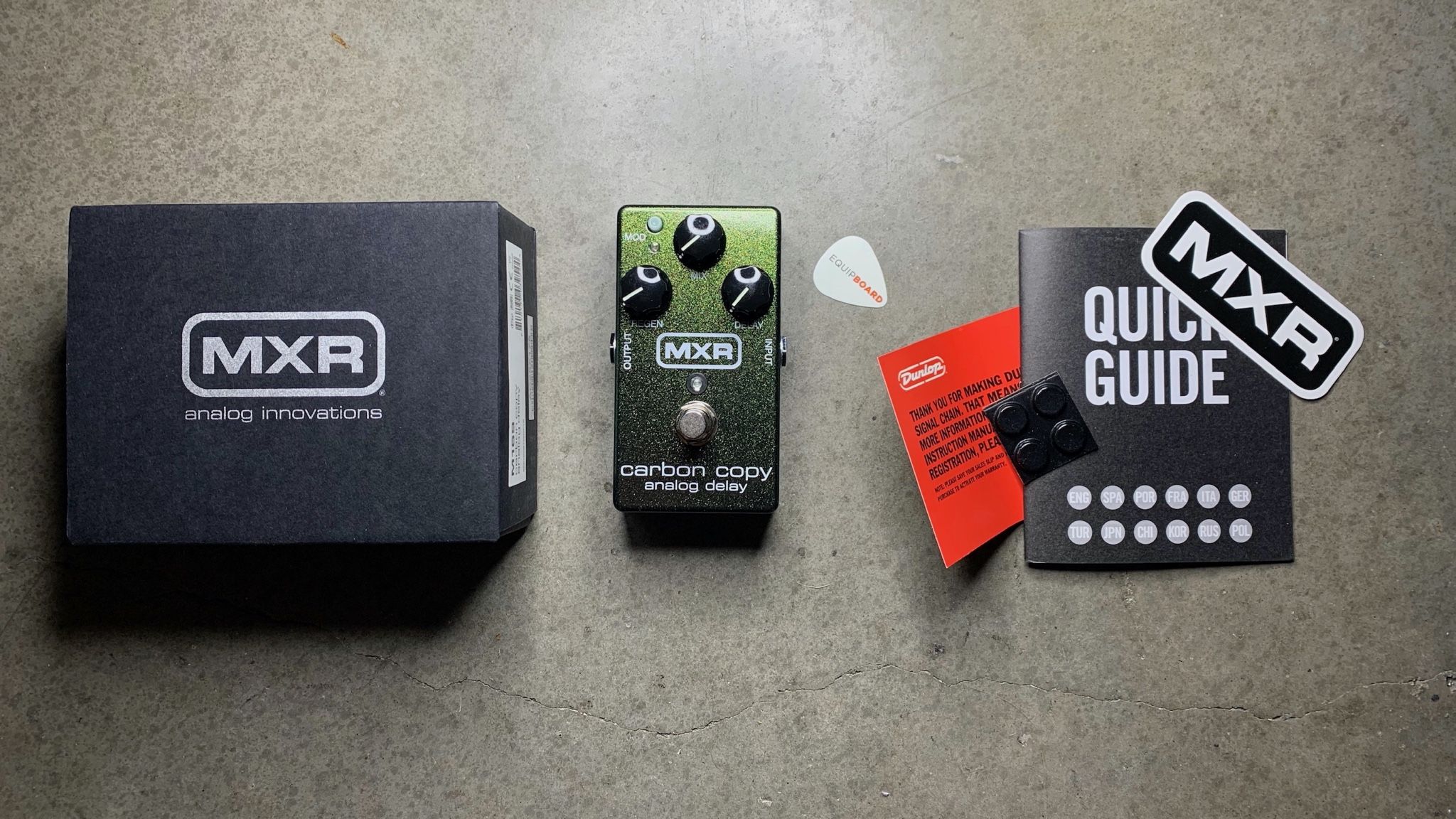
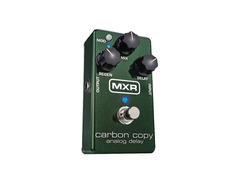
The MXR Carbon Copy is a no-frills true analog delay pedal, and an outstanding one at that. Why no-frills? With analog pedals you tend to give up the bells and whistles like looping and tap tempo.
This is absolutely a pedal for those who appreciate analog tone. Owners of this pedal describe the sound as “organic,” “lush,” “full,” “subtle,” and having “warm tonal characteristics.” With the Carbon Copy you get up to 600 milliseconds of delay time. From a usability standpoint, people like the relatively large size of the knobs, making it easy to dial in settings with your toe as you’re playing. And speaking of control, there are 3 knobs to play with: REGEN controls the amount of delay/repeats, MIX controls the level of delay, and DELAY controls the rate (there is also a MOD button which toggles the modulation feature). Build quality is great; MXR knows what they’re doing in this department.
Of course, analog delay is not for everyone. Some people might prefer the clearer and crisper tone a digital delay such as the Flashback and Boss DD-7 provide. Analog delay is susceptible to coloration, since every repeat of the sound reuses the previous repeat.
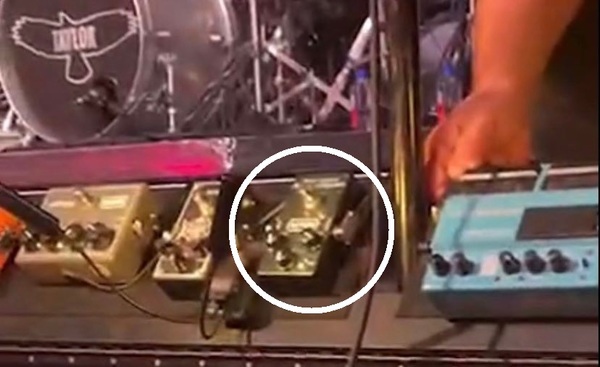
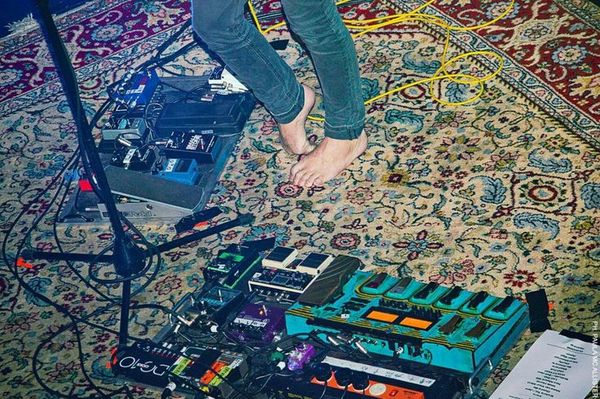
Bottom Line: For as good of a pedal as the Carbon Copy is, the price is not at all unreasonable. While not in the super-budget range, keep in mind you’re paying for a pedal that is widely regarded as the best analog delay pedal, and has found its way onto countless pedalboards of the pros. Billie Joe Armstrong, Billy Gibbons, Zakk Wylde, and Brad Paisley have made room on their pedalboards for the Carbon Copy.
With dozens of positive endorsements by pros and casual players alike, hundreds of near-perfect ratings, and overwhelming approval from our panel of reviewers, the MXR Carbon Copy is a no-brainer for anyone looking for a simple delay and one of the best analog delay pedals out there.
See how artists use this







Donner Yellow Fall
4.0 (64)
A simple, no-frills delay with a shockingly low price.

Average Price: $34
Budget/Beginner
$100
$251+
Budget
Standard
High-end
- Exceptional value for its price
- Sturdy build and reliable switches
- Easy and intuitive to use
- Supports experimenting with various delay effects
- See 4 more
- Misleadingly marketed as analog
- Pots are unresponsive at low settings
- Visibility issues with echo and feedback knob settings
- Loud "POP" noise when engaging the switch
- See 4 more
| Bypass | true bypass |
| Analog/Digital | analog |
| Mono/Stereo | mono |
Delay Type: Digital Delay, disguised as an Analog Delay.
Max Delay Time: 620ms
Looper: No
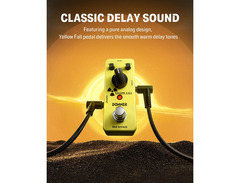
You won't believe how good the Donner Yellow Fall Delay sounds, especially when you see the price. You just can’t beat this for a simple delay pedal.
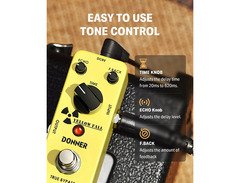
You get 3 knobs to play with: ECHO which controls the wet/dry mix, TIME lets you select 20-620ms delays, and FEEDBACK for the length of repetitions. Unfortunately the Echo and Feedback knobs are too small to be manipulated with your feet as you’re playing. This pedal is marketed as “True Bypass,” meaning it should not color your signal when inactive. Despite this claim, some users reported a slight bit of coloration, which we were not able to detect ourselves.
Some users have reported that this is not a true analog delay pedal, but rather a digital recreation. Still, it has drawn some comparisons to the analog tone of the MXR Carbon Copy, which is very high praise considering you can buy 4 of these for the price of one of those! Whether it’s true analog or not, it tends to sound darker than most digital delays, and the repeats are prone to artifacts from harmonic distortion, meaning Donner did a very good job with the sound.
Bottom Line: It’s easy to fall in love with this little pedal. Coming in at the lowest price and sporting a killer sound in a robust enclosure, we think this makes the perfect budget choice.

.jpg)

Best Delay Pedals
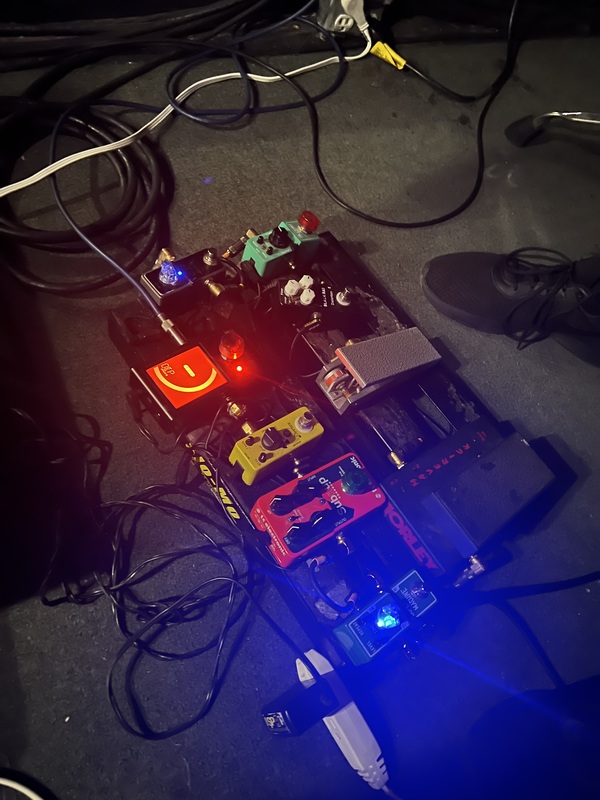
We’re here to help you figure out what the best guitar delay pedals are. If you’re thinking, “there is no such thing as the best pedal…” you are correct. Variety is the spice of a musician’s life, and there are dozens of great pedal options no matter what type of pedal you’re looking for. We aim to provide you with “can’t go wrong” delay pedal choices for different types of guitar players with varying budgets.
What Does a Delay Pedal Do?
Though the means of achieving the effect can get a bit complicated at times, the actual function of a delay pedal is pretty simple. Essentially, all the pedal really does is play back the notes that you’ve played. A good example of this effect would be something like guitar riff in the opening of Sublime’s April 26, 1992 or the majority of the lead guitar work of U2’s guitarist The Edge.
However, this effect also has a few other interesting uses. For example, when set to more subtle settings delay can work wonders in filling out your lead tone for solos. This technique is actually commonly used in almost every genre, though it seems to be most common in country.
Also, a delay pedal opens up a lot of interesting uses when used as a way to enhance rhythm guitar work. For example, when using Jimi Hendrix-esque barre chords (F-Major shape with the thumb wrapped around the neck to hit the bass note on the 6th string) you can have a sound almost similar to a bass player and rhythm guitar player working in close conjunction. That technique offers up a lot of flexibility in what your rhythm section can accomplish, as it gives the bass guitarist more room to emphasize certain intervals in the song.
What to Look for in a Delay Pedal
While the things that apply to shopping for other pedals apply here as well (build quality, size, features, cost), perhaps the biggest consideration is akin to one of the greatest debates in audio of all time; analog vs. digital.
Analog vs. Digital Delay: As you probably guessed, this has to do with the circuitry that’s causing the delay to happen.
Digital Delay is controlled by a computer chip, i.e. pure logic, 1’s and 0’s. It’s a more perfect delay, since it’s algorithmic. Digital adds no coloration to the sound. Whether this is a good or bad thing depends on the guitarist; sometimes we want a pure unadulterated sound, and sometimes we want some dirt and artifacts. Objectively, the benefits of digital delays are much longer delay times, and more versatility, i.e. the delays can be processed with other effects like reverse echo, stereo delay, tap tempo, looping, etc.
Analog Delays have more character, but are less perfect. If you think of the delay time as a clock, every repeat of the sound reuses the previous repeat, thus potentially introducing coloration and imperfections. Also, delay times are going to be shorter. Some guitar players seek this out, claiming analog delays have, “natural dark and murky warmth to them that really thickens up your signal.” Depending what signal you are feeding into your delay pedal, you might want to avoid analog. For instance, if you’re feeding it a big/thick or distorted sound, the harmonics will have to be reproduced on every repeat, and this can cause some unpleasant results.
It comes down to personal taste, and your existing rig. If you have a relatively clean signal and don’t need an immensely long delay, analog might be preferable since it will add some character and warmth. If on the other hand you want long delays, or are feeding a very dirty signal into your delay pedal, you might opt for a digital delay that won’t introduce any unwanted surprises with every repeat. Still not satisfied? We go into more depth on this topic in this article and video.
Versatility: An analog delay pedal tends to be simpler, i.e. it just serves as a delay pedal. Digital delay pedals have the advantage of offering more features - looping, reverse, tap tempo to name a few. This is exactly why you’ll often see guitarists recommend that you have both types of delay pedals on your pedalboard; analog for quality and warmth, and digital for the versatility and bells & whistles.
Looper: It’s not uncommon for digital delay pedals to include a looping function. A looper allows you to record anything for a specificed amount of time, which will just be repeated (looped) over and over. For instance you can record a rhythm riff, loop it and then play lead over it. It’s how musicians like Ed Sheeran can become a one-man band. If you want to seriously get into looping, we recommend a dedicated looper pedal (we have a guide to choosing the best looper pedal here). But if you just want to play around with it or are ok with shorter loops, you’ll appreciate the loop function included with many digital delay pedals.
Build Quality and Size: How important delay is to your style and sound will dictate if you need to pay close attention to build quality and size of the pedal. As with any pedal you shop for, if you’re going to be playing live and stomping on it night after night you’ll want to make sure it can take a good beating and remain functional. A less robust build quality usually means a much more affordable pedal, so make sure that’s something you really require. Regarding size, the more feature-laden a delay pedal is, the larger it will be (thus taking up more space on your pedalboard), and typically more expensive. One of the pedals we recommend actually comes in three different size variations.
Cost: Price can often be the deciding factor, so we made sure to select pedals in different price ranges. Whether you’re looking for a starter delay pedal, or something to invest in and keep on your pedalboard for years to come, our picks have you covered with some options.
How We Tested Delay Pedals
We’ve got several guitarists on Equipboard’s editorial team, and boy do we love pedals! To bring you the best delay pedals out there, we keep current and extensively research new products. We periodically review and revise this list as new pedals are released.
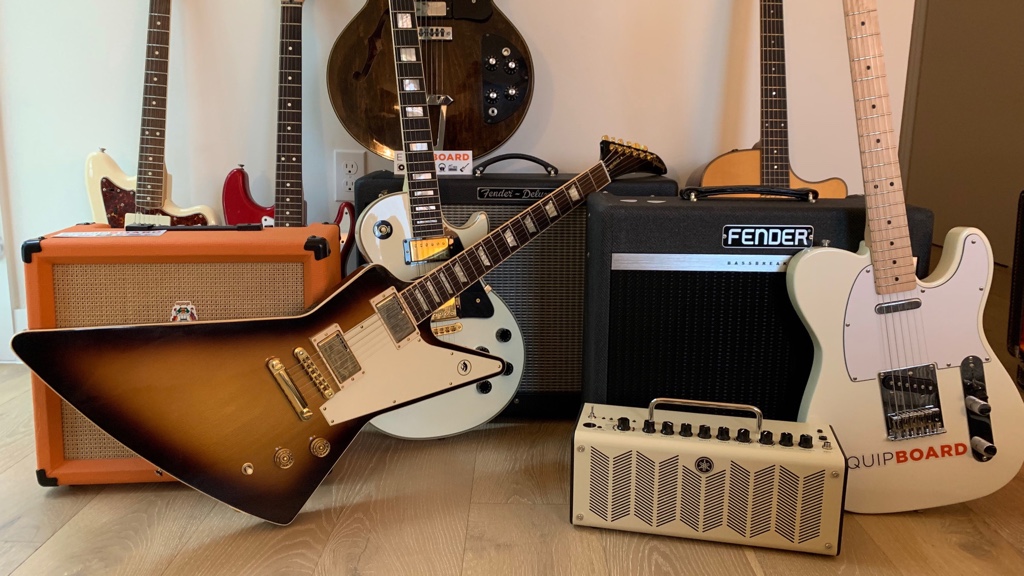
We ran these delays through our tube amps, solid-states, and even headphone amplifiers. In terms of electric guitars, we used a variety of single-coil and humbucker pickups, as well as solid body, semi-hollow, and hollow body guitars.
For this particular test, we had an Orange Crush 30 watt combo amp (which has a nice clean channel that takes pedals very well), and a Fender Hot Rod DeVille 60 watt combo amp. We tested with many guitars, but with delay the choice of guitar matters a little less. For the record, we used a Gibson ES-325, a Gibson Bill Kelliher Golden Axe Explorer, and a Tele Custom.
Delay Pedals That Didn't Make the Cut
As we test delay pedals, not all of them make the cut. We'll make notes of those here.
Fender Mirror Image Delay
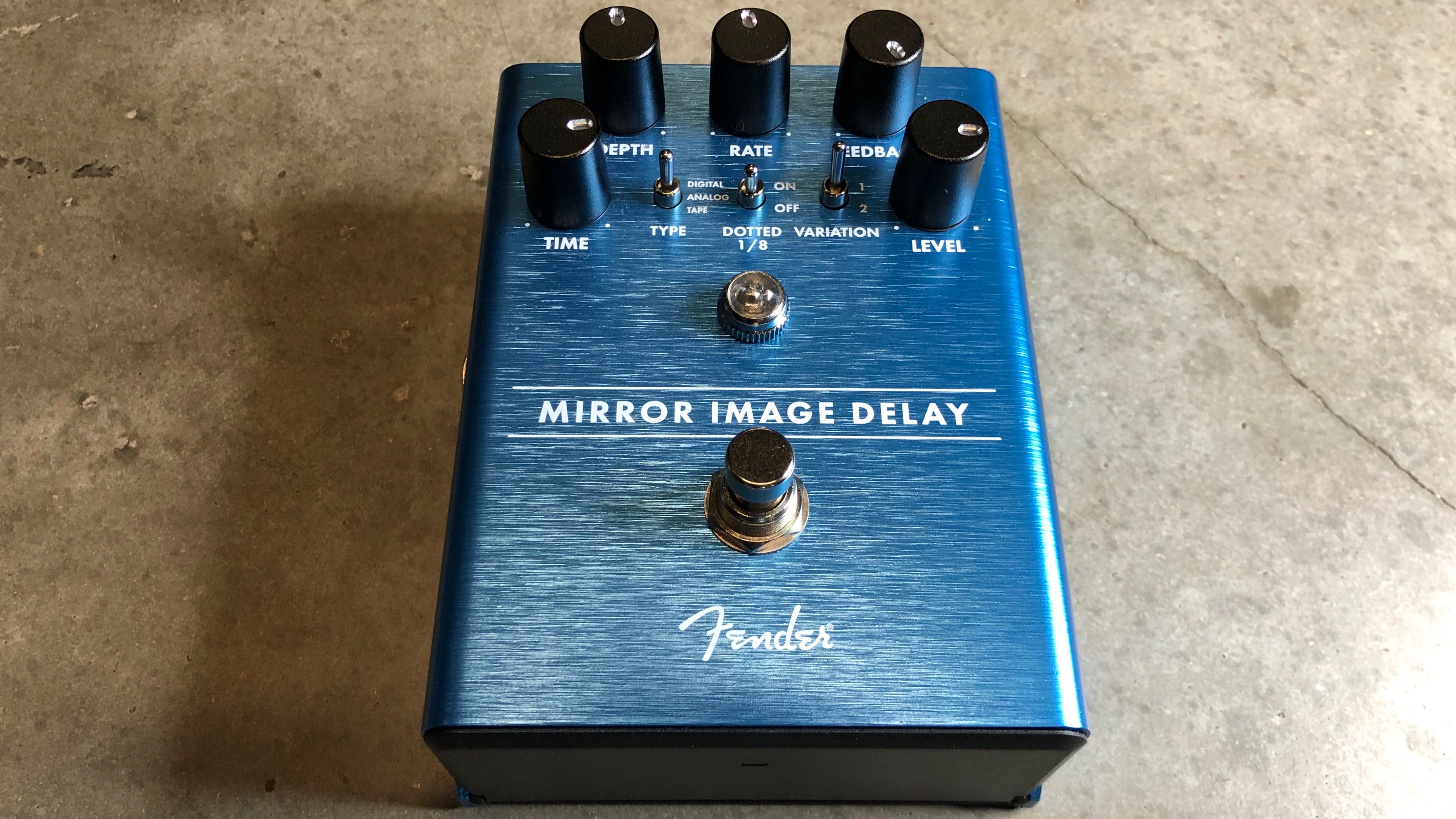
The Mirror Image Delay is interesting. It's not the most traditional delay pedal, in that there's simply not a whole lot of delay on tap. Instead, the Mirror Image seems to focus more on layering other effects on top of the delay.
Honestly that's the biggest detractor in our eyes; to have a fraction of the delay available in other pedals you need to set the LEVEL (i.e. wet/dry mix) and FEEDBACK knobs all the way up.
That said, the Mirror Image can be fun. It has three delay modes, DIGITAL, ANALOG & TAPE, and each has two subtle variations. The DEPTH and RATE knobs let you dial in a hybrid pitch modulation/warble/flange type quality to the delay repeats.
Unfortunately Fender's Mirror Image Delay sits somewhere in No Man's Land with a delay that's lacking and other effects that you'd be better off buying individual pedals for, or a multi-fx unit.
Which Delay Pedals Are Used by the Most Pro Artists?
Ever wonder what your favorite artists have on their pedalboards? Well, we crunched the numbers on Equipboard to reveal some fun facts about the most used delay pedals.
1. Line 6 DL4
- John Mayer can be seen using a DL4 in this photo.
- John Frusciante has a DL4 on his pedalboard, as seen in this article from Guitarist magazine.
- Noel Gallagher's pedalboard for High Flying Birds includes the DL4.
2. Boss DD-3
- Matt Bellamy's DD-3 can be seen up close here, along with his knob settings for the songs Micro Cuts, Map of the Problematique, and Hysteria.
- Dave Grohl has a Boss DD-3 on this version of his pedalboard.
- Slash's DD-3 can be seen at 5:35 of this video detailing his signal chain. His guitar tech says, "...they work, they sound the way we're looking for, real simple. Got about two places I use it in the set right now, and you know, good delay."
3. MXR Carbon Copy
- Wayne Sermon's BiLT Relevator guitar has a built-in MXR Carbon Copy, as he details in his Rig Rundown.
- Joe Perry's MXR Carbon Copy can be seen in this video rundown of his pedals, used for a "quick slap delay."
- Billy Gibbons' guitar tech shows he uses an MXR Carbon Copy delay in his Rig Rundown, used for "a slap."
And for the boutique delay pedals most used by pros:
Strymon TimeLine
Users include: John Mayer, Noel Gallagher, Eric Johnson, Chris Shiflett (Foo Fighters)
Strymon El Capistan dTape Echo
Users include: Dan Auerbach, Joe Perry, Jeff Beck, Billy Corgan
Eventide TimeFactor
Users include: John Mayer, Russell Lissack (Bloc Party), John Petrucci, Peter Frampton
Maestro Echoplex
Users include: Mike Campbell, Albert Lee, Eric Johnson, Eddie Van Halen
Red Panda Lab Particle Granular Delay
Users include: Josh Klinghoffer (Red Hot Chili Peppers), Brad Delson (Linkin Park), Troy Van Leeuwen (Queens of the Stone Age)
Top Ranked Delay Effects Pedals on Equipboard
-m.webp?v=1783647708)


Recent updates
Jul 29, 2024
Updated our recommendation of the Line 6 DL4 with the DL4 MkII, which has been vastly improved from the original. We also included the Walrus ARP-87 as one of our favorite digital delay pedals.
About the authors
Michael R. Pierce is the co-founder of Equipboard and a lifelong musician with over 25 years of experience as a guitarist and gear enthusiast. He blends solid music theory chops (thanks to formal training in guitar, piano, and trumpet) with real-world experience, always exploring and experimenting across genres like rock, blues, and hip-hop. Michael launched Equipboard in 2013 after graduating from The University of Texas at Austin, leveraging his unique blend of musical passion, technological acumen, and community building. His current go-to rig features a Fender American Original ‘50s Telecaster, Analogman King of Tone, Strymon Flint, and a Fender ‘57 Custom Champ. Read more
Giulio Chiarenza is the co-founder of Equipboard and a lifelong multi-instrumentalist with a deep passion for music gear. Born in Italy and raised in the U.S., he holds a Computer Science degree from The University of Texas at Austin and blends technical acumen with decades of hands-on experience across guitar, piano, drums, and electronic production. Early in his career, Giulio was signed to a San Francisco-based EDM label, releasing both remixes and original tracks. These days, he helps steer Equipboard’s vision while personally testing and reviewing gear. He's never too far from his go-to guitar: a vintage 1978 Fender Telecaster Custom. Read more
Comments
Sign Up or Log In to add comments
4
Hey, Thanks for this article. Really this Goods are very informative and helpful for me. and It is beneficial for my guitar and my website.
Thanks.

1765
Loved this guide, super helpful, thank you! I think you convinced me to keep my Line6 DL4, and sell my Boss DD-6 (at least I think that's the one I have) in favor of a MXR Carbon Copy so I can experience some of that analog delay goodness everyone seems to be so fond of ;)

838
Has anyone tried the T-Rex Replicator Tape Echo? Other than the price tag is it a good pedal?

55
I have two Strymon pedals (Orbit dBucket Flanger and the Blue Sky Reverberator) and they are fantastic......I can imagine that the delay pedal is just as great. Knocking it for the price? Yeah, I know Strymon is steep, but their pedals are worth the money you put into them. I'd probably get the El Capistan if I already didn't have a great combo in my Boss DD-5 and EHX Deluxe Memory Man. I love the combo of the digital with Analog........I actually like my DMM as well as your "best of the best" pick. It's got the chorus and vibrato modulation with a couple more bells and whistles than the MXR Carbon Copy.. Regardless, thanks for the article.

483
Great read but having a Line6 M9 which really is a DL4 plus. I find the Flashback more a value and more versatile if not better sounding. I should own a Flashback 4 which is even with the DL4 in price and options. For flexibility I am using the Flashback and Flashback mini. With the TonePrint software I can deep edit my delays to sound like I want to hear them. Sure this can be done on the DL4 but the TonePrint software is so much easier. The DL4 has a darker tone impact on the overall tone compared to the Flashback which also seems to be more articulate than the DL4. Thanks for the article as it was fun to read.

1871
I share links from Equipboard to my students all the time, and the one I can say everyone likes the most (including myself!) is this one article about delays. Thanks for helping the guitar community around the globe! \m/

4934
Updated our recommendation of the Line 6 DL4 with the DL4 MkII, which has been vastly improved from the original. We also included the Walrus ARP-87 as one of our favorite digital delay pedals.
New in Delay Pedals


$259.00 - $285.00


$203.00 - $249.00


$133.00 - $241.99