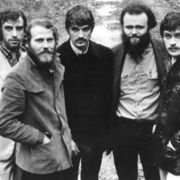
David Crosby
Genre
Credits
Genre
Credits
David Crosby's Gear


Crosby states that he played a Gretsch Tennessean with The Byrds.
Find it on:


In a user-uploaded photo on TinyPic, David Crosby is seen with his Alembic Custom 12-String Guitar during a session with Crosby, Stills & Nash.
Find it on:


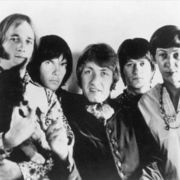
In this image of the Byrds c. 1965 David Crosby can be seen playing his pale J-50. He later removed the pickguard.
Find it on:

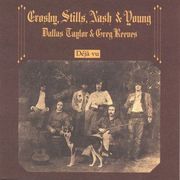
David playing a Martin D-45 and singing with the rest of C,S,N & Y
Find it on:


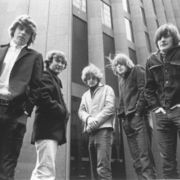
Seen with The Byrds at the 1967 Monterey Pop Festival
Find it on:
-m.webp?v=1784459251)
David Crosby late sixties or so with a Martin D-28
Find it on:

In the Rolling Stone article "A True Deja Vu: David Crosby's Triumphant Solo Return," David Crosby is seen playing a Fender Stratocaster electric guitar.
Find it on:
-m.webp?v=1784473589)
Used for vocals on Lighthouse, as stated by engineer Fab Dupont in this October 24, 2016 Mix Online interview, this October 28, 2016 ProSoundNetwork interview (an abridged version of the Mix Online article), and this December 2016 Sound on Sound interview. Crosby is photographed recording with the mic in this August 7, 2020 Facebook post by Lauten Audio.
Mix Online
Dupont, commenting on the vocal mics used in the ‘Lighthouse’ recording sessions said, “There was the Eden, which is all the lead vocals, and all the lead harmonies were done with the Eden. The Eden is the sound of the vocals.” David Crosby added, “With the Eden mic, Fab Dupont was able to capture the best vocal sound I’ve ever had in my entire career.”
When asked how the lead vocal mic was chosen out of Groove Masters’ vast vintage mic selection, Dupont elaborated, “Basically what happened is David didn’t know me, Michael brought me in, and so on the first day David sees the Eden and is like, ‘What’s that?’ He says, ‘I record here all the time. There’s microphones here I love. I want to use those,’ and I said, ‘Okay, cool, no problem. I’ll put those up, but would you mind trying this one? Because I think you’d like it.’ He said, ‘Okay, sure, because, you know, why not?’ I asked the assistant, I said, ‘What’s David’s favorite mic here?’ and that’s how the [Neumann] U 47came up. Then, I took the 47 that was his favorite 47 from all the vintage 47s in this 47 museum and then put the Eden up and recorded him singing into both, and then he picked the Eden. That’s how the Eden became the microphone for the record.”
“David, who has no allegiance to anything, just immediately loved the Eden right away,” Dupont adds, “wanted one for himself immediately, and he has choice, you know? He can do whatever he wants. Yeah, there is something very special about that mic on vocals.”
Sound on Sound
Since I had little info about the place before I showed up, I had decided to plan ahead and bring some of my own stuff just in case. I brought my Lauten Eden prototype and a couple of Lauten Atlantis mics, a Dangerous compressor, BAX EQ and Source, three pairs of Focal Spirit Pro headphones so we could all listen to the same thing when tracking and a Universal Audio Apollo Twin just in case. We ended up using all of it. Including the Twin.
Halfway through the third or fourth day, on the louder songs, I started to develop a distaste for the tone of the vocal booth that the vocal rig was in. I anticipated some grief at the mixing stage trying to remove the low-mid bump and some of the reflections that came out in higher keys. I had made the mistake of gauging the vocal sound on the quiet, super-intimate songs and had not checked a louder one before I settled for it (won’t do that again). So, to the team’s great dismay and much teasing, I relocated the whole rig to David’s side of the live room. I liked the new location so much better that I wanted to recut whatever vocals we had already done. I was instantly declared certifiably insane by everyone and we just cut the subsequent vocals in the new location. So, if you pay attention you’ll hear two different lead vocal colours throughout the record. See if you can figure out which is which. In the end, David was kind enough to declare that he thought the vocal sound was the best he ever had in his career. Joy and happiness.
(...) Although Groovemasters had a dizzying array of choices for microphones, including David’s reportedly favourite U47 in the whole world and more 251s than I had seen in one place myself, I chose to use my Eden. I knew from working on the design of it with Brian at Lauten Audio that it would be great for David. Of course it would have to be David’s choice, so I also put his favorite U47 up. I put the two mics next to each other, and I set them up so that I could run them through identical preamps and easily insert my Dangerous Compressor and BAX EQ on either of them instantly. Consoles are good for this stuff. I had the Dangerous Compressor running in dual-mono mode, with the left side set as a limiter feeding the right side set as a compressor. And then I used the BAX and its 18kHz band for shine and the filters for a clean top and bottom. It worked like a charm.
(...) For background vocals, I organised a system where each singer would sing each layer into the Eden from up close, then the 47 from up close, then the Eden from far away and last 47 from far away. It was a bit tedious to keep track of and I got plenty of rough handling from David about it. Until he heard it. It sounded just like the old CSN but super-present and without muddy bunching up: no peaks, a super-smooth blend and and clean ambient vibe for days. Of course the sessions quickly started to look like a very tall house of cards, but with just two singers it was the fastest and most beautiful way I found to do it.
Find it on:

"I have a Gibson J200 that the Custom Shop made for me, a rosewood J200. The Custom Shop still builds some really fine guitars."
Find it on:


Used for acoustic guitar on Lighthouse, as stated by engineer Fab Dupont in this October 24, 2016 Mix Online interview and this December 2016 Sound on Sound interview. Crosby is photographed recording with the mic in this August 7, 2020 Facebook post by Lauten Audio.
Mix Online
Lauten Audio’s Atlantis FC-387 microphones were also used to record acoustic guitars in combination with vintage microphones.
Sound on Sound
Since I had little info about the place before I showed up, I had decided to plan ahead and bring some of my own stuff just in case. I brought my Lauten Eden prototype and a couple of Lauten Atlantis mics, a Dangerous compressor, BAX EQ and Source, three pairs of Focal Spirit Pro headphones so we could all listen to the same thing when tracking and a Universal Audio Apollo Twin just in case. We ended up using all of it. Including the Twin.
Find it on:

Crosby has a "favorite" U47 at Groove Masters Studio and it was used for background vocals on Lighthouse, as stated by engineer Fab Dupont in this October 24, 2016 Mix Online interview, this October 28, 2016 ProSoundNetwork interview (an abridged version of the Mix Online article), and this December 2016 Sound on Sound interview.
Mix Online
Dupont, commenting on the vocal mics used in the ‘Lighthouse’ recording sessions said, “There was the Eden, which is all the lead vocals, and all the lead harmonies were done with the Eden. The Eden is the sound of the vocals.” David Crosby added, “With the Eden mic, Fab Dupont was able to capture the best vocal sound I’ve ever had in my entire career.”
When asked how the lead vocal mic was chosen out of Groove Masters’ vast vintage mic selection, Dupont elaborated, “Basically what happened is David didn’t know me, Michael brought me in, and so on the first day David sees the Eden and is like, ‘What’s that?’ He says, ‘I record here all the time. There’s microphones here I love. I want to use those,’ and I said, ‘Okay, cool, no problem. I’ll put those up, but would you mind trying this one? Because I think you’d like it.’ He said, ‘Okay, sure, because, you know, why not?’ I asked the assistant, I said, ‘What’s David’s favorite mic here?’ and that’s how the [Neumann] U 47came up. Then, I took the 47 that was his favorite 47 from all the vintage 47s in this 47 museum and then put the Eden up and recorded him singing into both, and then he picked the Eden. That’s how the Eden became the microphone for the record.”
“David, who has no allegiance to anything, just immediately loved the Eden right away,” Dupont adds, “wanted one for himself immediately, and he has choice, you know? He can do whatever he wants. Yeah, there is something very special about that mic on vocals.”
Sound on Sound
Since I had little info about the place before I showed up, I had decided to plan ahead and bring some of my own stuff just in case. I brought my Lauten Eden prototype and a couple of Lauten Atlantis mics, a Dangerous compressor, BAX EQ and Source, three pairs of Focal Spirit Pro headphones so we could all listen to the same thing when tracking and a Universal Audio Apollo Twin just in case. We ended up using all of it. Including the Twin.
Halfway through the third or fourth day, on the louder songs, I started to develop a distaste for the tone of the vocal booth that the vocal rig was in. I anticipated some grief at the mixing stage trying to remove the low-mid bump and some of the reflections that came out in higher keys. I had made the mistake of gauging the vocal sound on the quiet, super-intimate songs and had not checked a louder one before I settled for it (won’t do that again). So, to the team’s great dismay and much teasing, I relocated the whole rig to David’s side of the live room. I liked the new location so much better that I wanted to recut whatever vocals we had already done. I was instantly declared certifiably insane by everyone and we just cut the subsequent vocals in the new location. So, if you pay attention you’ll hear two different lead vocal colours throughout the record. See if you can figure out which is which. In the end, David was kind enough to declare that he thought the vocal sound was the best he ever had in his career. Joy and happiness.
(...) Although Groovemasters had a dizzying array of choices for microphones, including David’s reportedly favourite U47 in the whole world and more 251s than I had seen in one place myself, I chose to use my Eden. I knew from working on the design of it with Brian at Lauten Audio that it would be great for David. Of course it would have to be David’s choice, so I also put his favorite U47 up. I put the two mics next to each other, and I set them up so that I could run them through identical preamps and easily insert my Dangerous Compressor and BAX EQ on either of them instantly. Consoles are good for this stuff. I had the Dangerous Compressor running in dual-mono mode, with the left side set as a limiter feeding the right side set as a compressor. And then I used the BAX and its 18kHz band for shine and the filters for a clean top and bottom. It worked like a charm.
(...) For background vocals, I organised a system where each singer would sing each layer into the Eden from up close, then the 47 from up close, then the Eden from far away and last 47 from far away. It was a bit tedious to keep track of and I got plenty of rough handling from David about it. Until he heard it. It sounded just like the old CSN but super-present and without muddy bunching up: no peaks, a super-smooth blend and and clean ambient vibe for days. Of course the sessions quickly started to look like a very tall house of cards, but with just two singers it was the fastest and most beautiful way I found to do it.
Find it on:

On this live version of Turn your back on love, we can see David Crosby playing a Gibson L5S with its recognizable low impedance pickups. He plays it on many other song during this '82 live.
Find it on:

Used on the vocals for Lighthouse, as stated by mix engineer Fab Dupont in this December 2020 Sound on Sound interview. An image of the settings for the "Lead Aux" send can be found here.
Once I got the centre of the mix feeling record-like, the rest came together quickly. The 12-strings were double-tracked and got panned full stereo. Easy. The electric sat nicely a bit to the left, with slightly too much reverb, for sauce. The background vocals were just submixed to logically musical groups and all high-passed quite high, with not much life left below 400Hz. Some of them needed extra sheen when blended with the rest and I used the 16kHz band of the UAD Pultec Pro for that. No compression, no tuning, no phase tricks, just the singers and a bit of the same reverbs as the rest of the track.
As always when mixing, things that sounded perfect two hours ago feel like they need love right now. Everything is relative in mixing, like in love. So once all instrumental tracks got cleaned up and the centre beefed up, the lead vocal felt like it needed to be opened up. It felt dull. My go-to plug-in for this is the UAD Pultec Pro, using the 5kHz and the 10 or 12 kHz bands. Of course, once you start pushing the shine, you get into balance problems in the rest of the spectrum. Then you need to de-ess, and then stuff sticks out, so you need to compress a little... and then you’re screwed.
My aim was to stay true to the tone that David fell in love with during the tracking sessions, so I kept the processing to a minimum, constantly checking the bypassed sound to make sure the rest of the track was not skewing the vocal in the wrong direction. After I got the top I wanted with the Pultec, I beefed up the very low to rebalance the tone, and then I high-passed the whole track with a Sonnox Oxford EQ (thus achieving kind of a modern, more controlled, version of cutting and boosting the same frequency on a Pultec) and I set up an Oxford Compressor for the couple of peaks that resulted from boosting the high end. I also added a short Haas-style delay to push the sound slightly backward and lose a tiny bit of the presence and crudeness of the fairly close miked vocal (this one was tracked in the booth, not in the live room). I ended up dulling the guitars a bit to allow for the vocal to stay closer to the original. In the end, nothing sounds absolutely perfect in solo but it all sounds pretty glorious ‘in the sauce’, and the world only gets to hear the sauce. But not you! You’re special. I took the time to print both raw and processed stems so you can be ahead of the rest of the world and hear pre- and post-mix tones on every track of ‘The Things We Do For Love’. They are available here for free: http://puremix.net/crosbystems.
Find it on:

Used live for vocals with Crosby, Nash & Young, as mentioned by monitor engineer Rance Caldwell on the official Audix artist page for Crosby, Stills & Nash.
Rance states, "With the exception of just one mic, everything on CSN's stage is Audix. D6 on the kick; D2s for snare and rack toms; D4s on the floor toms; SCX1 on the hat; CX-111s for the overheads; and D3s for the guitar amplifiers. And for those golden CSN vocals, OM6s and OM7s."
Find it on:

Used to record the vocals on "Suite: Judy Blue Eyes", as stated by engineer Bill Halverson in this August 2010 Sound on Sound interview.
"After Stephen had recorded his acoustic guitar part, he, David and Graham were ready to sing, and for that I was ready. We had done all kinds of jingles in the little room at Heider's, from the Anita Kerr singers to Jan and Dean, and so I just took the Neuman U67, opened it all the way around [ie. put it into omni mode], gave them three sets of headphones and went, 'Sing!' Singing into the one mic, they moved around a bit. They didn't need any music; they were rehearsed, they knew the lyrics, and while harmonising with each other they were also in the process of amazing each other."
Find it on:

Used for vocals on "Sky Trails", as featured in this July 28, 2016 Facebook post by collaborator Becca Stevens.
A very good day's work with the Crozcodile. Thank you Evanna #Manley for letting us use this beautiful mic. Rumor Mill Recording David Crosby Manley Labs
Find it on:

Used for backing vocals on Becca Stevens' "Heather's Letters to Her Mother", as is visible in this Instagram story post from the week of April 28, 2019. It is catalogued in the "RECORDING 1." highlight folder.
Find it on:



Mentioned by monitor engineer Rance Caldwell on the official Audix artist page for Crosby, Stills & Nash.
Rance adds, "Beyond the stage, Audix is an important part of what the band does in their home studios as well. Graham Nash and David Crosby each have a pair of SCX1s they record with, as does Stephen Stills who also used his CX-111s and D2s on his album Man Alive released last September."
Find it on:
-m.webp?v=1784459446)
Used live for vocals with Crosby, Nash & Young, as mentioned by monitor engineer Rance Caldwell on the official Audix artist page for Crosby, Stills & Nash.
Rance states, "With the exception of just one mic, everything on CSN's stage is Audix. D6 on the kick; D2s for snare and rack toms; D4s on the floor toms; SCX1 on the hat; CX-111s for the overheads; and D3s for the guitar amplifiers. And for those golden CSN vocals, OM6s and OM7s."
Find it on:

Used live for his guitar amps with Crosby, Nash & Young, as mentioned by monitor engineer Rance Caldwell on the official Audix artist page for Crosby, Stills & Nash.
Rance states, "With the exception of just one mic, everything on CSN's stage is Audix. D6 on the kick; D2s for snare and rack toms; D4s on the floor toms; SCX1 on the hat; CX-111s for the overheads; and D3s for the guitar amplifiers. And for those golden CSN vocals, OM6s and OM7s."
Find it on:




In this picture, David used Gibson L-5 CES in a rare Wine Red finish Monteray Pop Festival 1967.
Find it on:
-m.webp?v=1784386616)
Mr. Crosby is seen playing a Gretsch White Falcon with the Byrds circa late ‘65.
Find it on:

Mr. Crosby and Mr. Mcguinn acquired a pair of Rickenbacker 370s, a Jetglo 6 string and a Mapleglo 12 string in late ‘65 I believe. Both guitars are visible in pictures circa late ‘65 – early-mid ‘66.
Find it on:
This is a community-built gear list for David Crosby.
- Find relevant music gear like Microphones, Guitars, Amplifiers, Effects Pedals, Software Plugins and VSTs, Keyboards and Synthesizers, Instruments, and other instruments and add it to David Crosby.
- The best places to look for gear usage are typically on the artist's social media, YouTube, live performance images, and interviews.
- To receive email updates when David Crosby is seen with new gear, follow the artist.
Discography
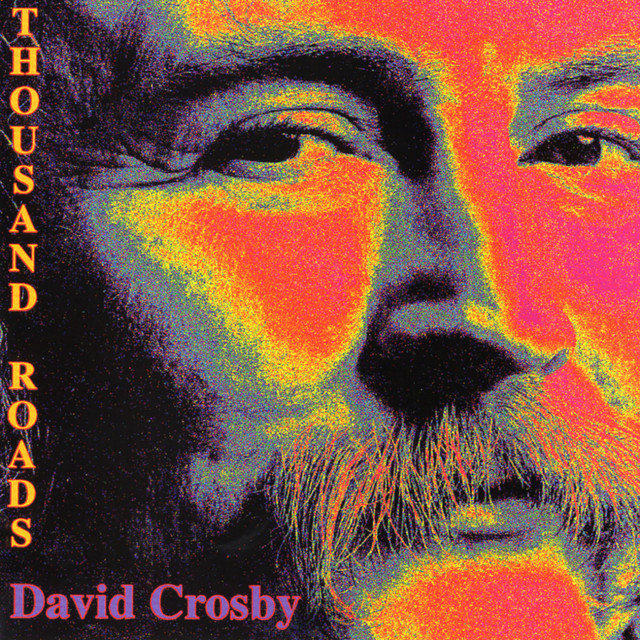
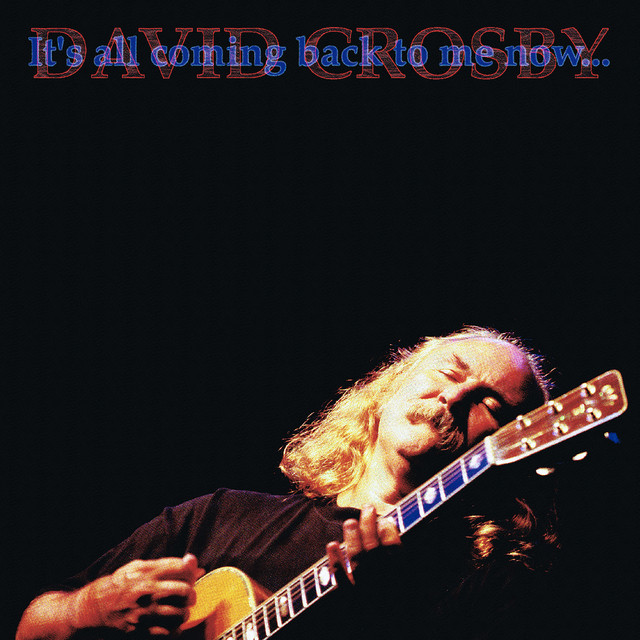
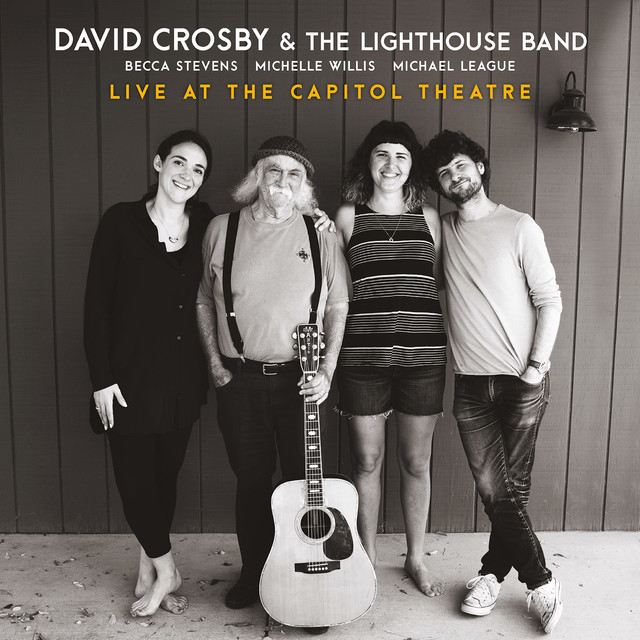
Album Credits
-
David Crosby · 2018
Producer -
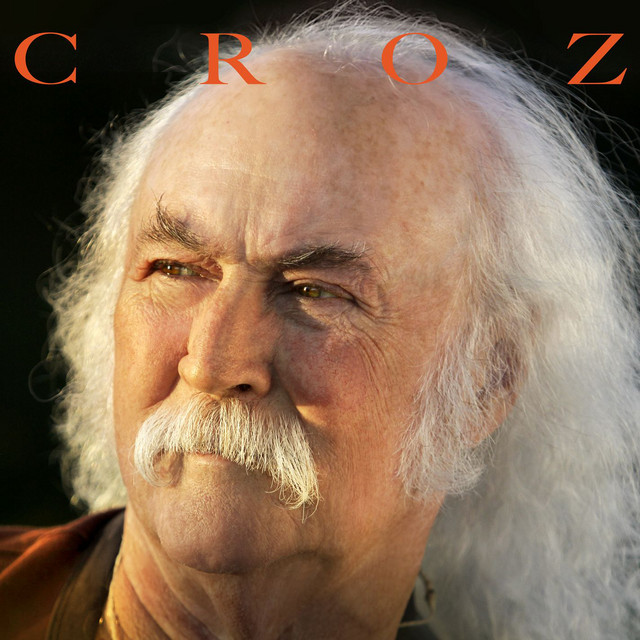
David Crosby · 2014
Producer -
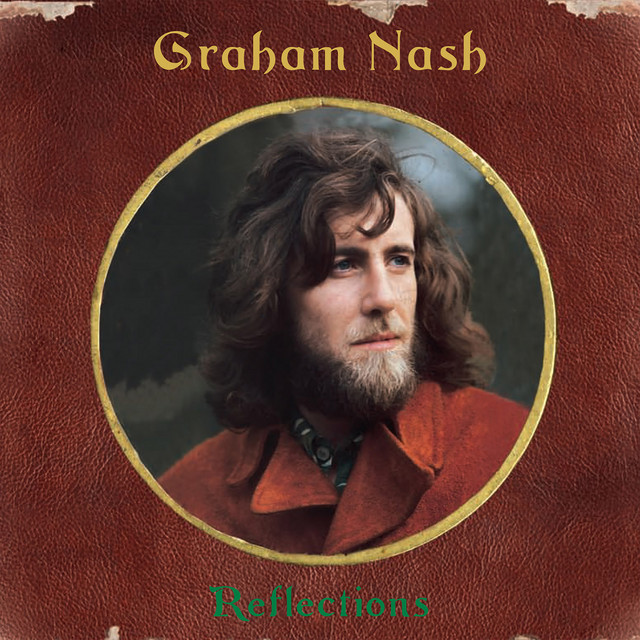
Graham Nash · 2009
Mixing Engineer Producer -
David Crosby · 1989
Producer -
If I Could Only Remember My Name
David Crosby · 1971
Producer -
Joni Mitchell · 1968
Producer






.jpeg?v=1776173010)