Herbie Hancock
US jazz pianist, keyboardist, bandleader and composer
Herbie Hancock's Gear


On VSL's official website, you can see a picture of Herbie Hancock with a Vienna Instruments Symphonic Cube.
Find it on:


"In the early years, I was using the facility solely to put ideas down on tape. Had I not set up my own home studio, a lot of valuable ideas would have gotten lost. Soon I added a mixing console, the Soundcraft 2400, which gave me the ability to mix my musical ideas and complete preproduction for albums such as Thrust, Treasure Chest, and the soundtrack for Death Wish."
Find it on:


Herbie Hancock is credited with Mac Plus in the liner notes for Perfect Machine.
Find it on:

The album Thrust lists him as using an "ARP String Synthisizer".
Find it on:


Can be seen throughout video rocking the 2018 Roland AX-Edge. 6:37 has a good close up.
Find it on:


Hancock recorded a demo discussing and using the Echoplex EP-3 tape delay.
Find it on:
-m.webp?v=1783229484)

Herbie Hancock collaborated with MasterClass to create the course "Herbie Hancock Teaches Jazz," as highlighted in the official trailer available on YouTube.
Find it on:

Used on Perfect Machine, as specified in Herbie Hancock’s Electronic Instrument Glossary from September 14, 2016.
Kurzweil K-250 – First released in 1984, this sampler synthesizer was able to produce sound derived from sampled sounds without the need of a disk drive. It featured both acoustic and ROM sounds built in with twelve-voice polyphony. Herbie used this instrument on his album Perfect Machine in 1988.
Find it on:

Used on "Future Shock", as specified in Herbie Hancock’s Electronic Instrument Glossary from September 14, 2016.
Memorymoog – This polyphonic synthesizer was first made in 1982 and offered greater preset storage capacity and better sound than its competitors. This instrument was used by Herbie on the tune “Future Shock” for the album of the same name.
Find it on:

Used on Perfect Machine, as specified in Herbie Hancock’s Electronic Instrument Glossary from September 14, 2016.
Roland MKS-80 Super Jupiter – Made in 1984, this synthesizer is a refined Jupiter 8 in a standalone module. It had no keyboard connected to it, and any instrument run through this synthesizer was done so using external cables. It was used by Herbie on his 1988 album Perfect Machine.
Find it on:

Used on Lite Me Up and more, as specified in Herbie Hancock’s Electronic Instrument Glossary from September 14, 2016.
Synclavier Digital – First made in 1979, this digital polyphonic sampling synthesizer was known as the top of the line and could cost as much as $200,000. It featured a full-size weighted keyboard with sixty-four note polyphony. Herbie first used this instrument on his 1982 album Lite Me Up.
Find it on:

Used on Directstep, as specified in Herbie Hancock’s Electronic Instrument Glossary from September 14, 2016.
Yamaha CS-80 – A polyphonic analog synthesizer released in 1977 that featured eight-voice polyphony and a basic memory system to remember the musician’s settings for each sound. Herbie used this instrument on his 1978 album Directstep.
Find it on:

Used for Dedication, as specified in Herbie Hancock’s Electronic Instrument Glossary from September 14, 2016 (originally from the "2013 Sony Box Set Liner Notes").
Shure Reverberation Mixer – This is a mixer you would see with any standard PA system. It allows for multiple instruments or microphones to be plugged into the unit, and the ability to control reverb, volume and more in the sound produced. Herbie used this mixer on his 1974 album Dedication.
Find it on:

Used on Lite Me Up, as specified in Herbie Hancock’s Electronic Instrument Glossary from September 14, 2016.
Moog Source – A monophonic analog synthesizer that was the first synthesizer to offer patch memory storage. Herbie used this instrument on his 1982 album Lite Me Up.
Find it on:

Used on Perfect Machine, as specified in Herbie Hancock’s Electronic Instrument Glossary from September 14, 2016.
Yamaha DZ7llFD [sic] – This updated version of the DX-7 held 64 voices in internal memory and another 64 voices in a RAM/ROM cartridge that could be accessed. In dual mode, one could layer these voices in different combinations and create a variety of sounds not available on the standard DX-7. This was used by Herbie on his 1988 album Perfect Machine.
Find it on:

Used for Monster, as specified in Herbie Hancock’s Electronic Instrument Glossary from September 14, 2016 (originally from the "2013 Sony Box Set Liner Notes").
Steiner EVI – An electronic valve trumpet using a similar concept to the Lyricon in that the mouth piece could measure the amount of air pressure being used, and a button near the thumb controlled the octave. This instrument was played by Herbie on his 1980 album Monster.
Find it on:

Used on Sound-System, as specified in Herbie Hancock’s Electronic Instrument Glossary from September 14, 2016.
E-MU 4060 Digital Keyboard – Released in 1976, this polyphonic keyboard controller included the ability to sample sounds and also featured a built-in sequencer. It could serve as a controller because of its ability to act as a trigger for other synthesizers if connected to them. Herbie used this instrument on his 1984 album Sound-System.
Find it on:

Used for "Rough", as specified in Herbie Hancock’s Electronic Instrument Glossary from September 14, 2016.
alphaSyntauri – A digital, polyphonic synthesizer released in 1980. It was the first electronic instrument to be based off a home computer and also resembled one. Herbie used this instrument on the 1983 album Future Shock for the tune “Rough.”
Find it on:

Used for "Rain Dance", as specified in Herbie Hancock’s Electronic Instrument Glossary from September 14, 2016.
ARP 2600 – This analog, monophonic, patch-cable synthesizer was first released in the early 1970s and had the look of an old telephone patch board. This instrument was used on the 1973 album Sextant for the tune “Rain Dance.”
ARP Keyboard Model 3604 – Just as you would use your keyboard to operate your home computer, the ARP keyboard serves as the controller for the ARP 2600.
Find it on:

Used on Sunlight and more, as specified in Herbie Hancock’s Electronic Instrument Glossary from September 14, 2016.
Sennheiser Vocoder VSM201 – This synthesizer was designed specifically to be used with the voice via a microphone. It has the look of a standard PA unit with the ability to use controls normally found on a keyboard synthesizer with the human voice to alter the sound. Herbie first used the Vocoder for his vocals on his 1978 Sunlight album.
Find it on:

Used on Village Life, as specified in Herbie Hancock’s Electronic Instrument Glossary from September 14, 2016.
Yamaha DX-1 Digital – This polyphonic digital synthesizer was the equivalent of two DX-7s put together and was the biggest and most expensive synthesizer in the DX line. Herbie used this on his 1984 album Herbie Hancock And Foday Musa Suso: Village Life.
Find it on:

Used on Perfect Machine, as specified in Herbie Hancock’s Electronic Instrument Glossary from September 14, 2016.
Yamaha TX-816 – A digital synthesizer that takes its form as a rack unit simulates having eight DX-7s in one. This allows a musician to store and carry as many sounds as they like without needing several instruments to create them. It also features eight audio outputs and is compatible with all other DX synthesizers. Herbie used this on his 1988 album Perfect Machine.
Find it on:

Used on Monster, as specified in Herbie Hancock’s Electronic Instrument Glossary from September 14, 2016.
Linn LM-1 – This was the first drum machine to use digital samples of real drums and also had the ability to be programmed. This was used by Herbie on his 1980 album Monster.
Find it on:

Used on Magic Windows, as specified in Herbie Hancock’s Electronic Instrument Glossary from September 14, 2016.
Linn Drum – This drum machine released in the early 1980s featured 15 drum sounds sampled from real drums and a sequencer. It was the successor to the LM-1. Herbie used this instrument on his 1981 album Magic Windows.
Find it on:

Used on Monster, as specified in Herbie Hancock’s Electronic Instrument Glossary from September 14, 2016.
Roland CR-78 – A drum machine released in 1978 featuring analog sounds with digital controls and 34 preset rhythms. This instrument was used by Herbie on his 1980 album Monster.
Find it on:

Was used on "Future Shock" album (1983), according to Herbie Hancock’s Electronic Instrument Glossary (2016-09 from liner notes of 2013):
Oberheim DMX – A programmable, digital drum machine released in 1981 that featured 24 individual drum sounds and eight-sound polyphony. Michael Beinhorn used this instrument on the 1983 album Future Shock.
Find it on:

Herbie Hancock played the Mellotron on the tune Hidden Shadows for the 1973 album Sextant, as stated in "Herbie Hancock’s Electronic Instrument Glossary" (2016-09 based on liner notes from 2013):
"Mellotron – This electro-mechanical polyphonic keyboard, released in the 1960s, is in a class all its own. This instrument uses the technology of a sampler and a piano and looks like an organ. A key pressed causes this instrument to read a piece of magnetic audio tape and play back a preset sample lasting eight seconds. This instrument is played by Herbie on the tune “Hidden Shadows” for the 1973 album Sextant."
Additional information from another source. Herbie Hancock's use of the Mellotron sounds is also detailed in this page dedicated to the instrument used in music albums: https://www.planetmellotron.com/revh1.htm#hancock
"[...] on Hornets, [...], only uses the Mellotron on one track. Hidden Shadows features more of those volume-pedalled and/or pitchbent strings, but adds flute chords to the mix, [...]"
Find it on:



According to SynthMuseum, Herbie Hancock owned the 3rd Oberheim Four Voice that was produced (Stevie Wonder got the 1st one, then Chick Corea got the 2nd one).
Famous Fingers Who Played This Instrument? [...], Chick Corea - the second one one made, [...], Herbie Hancock - the third one made, [...], Stevie Wonder - the first one made, [...]
Find it on:

At 3:37 you can see Herbie jamming with a Axis Keytar.
Find it on:
This is a community-built gear list for Herbie Hancock.
- Find relevant music gear like Pianos, Keyboards and Synthesizers, Microphones, and other instruments and add it to Herbie Hancock.
- The best places to look for gear usage are typically on the artist's social media, YouTube, live performance images, and interviews.
- To receive email updates when Herbie Hancock is seen with new gear, follow the artist.
-
Added to Equipboard on by
 simfonik
Gear IQ 2532
-
Updated
Discography
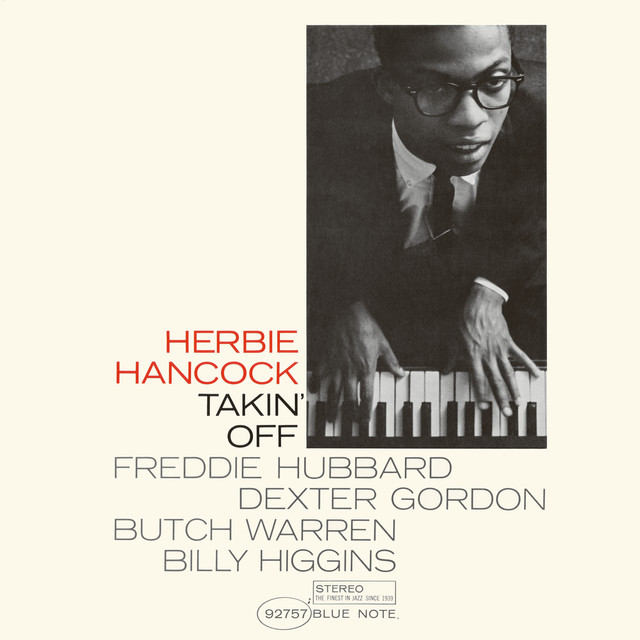
Takin' Off (Expanded Edition)
1962
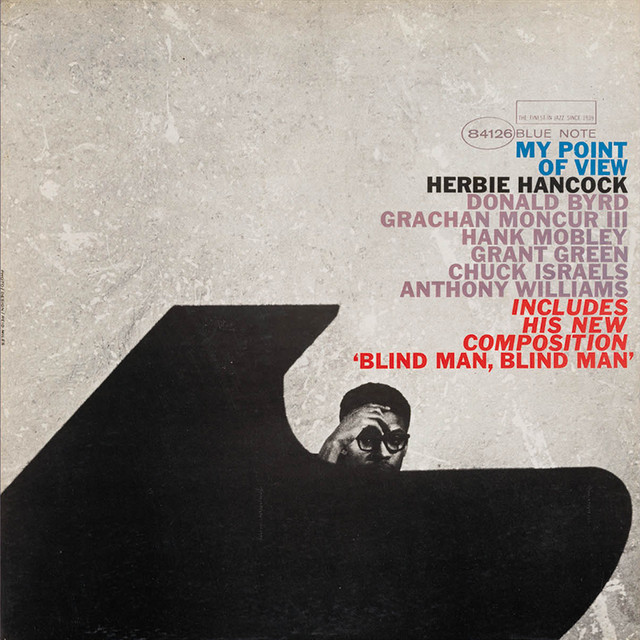
My Point Of View (Expanded Edition)
1963
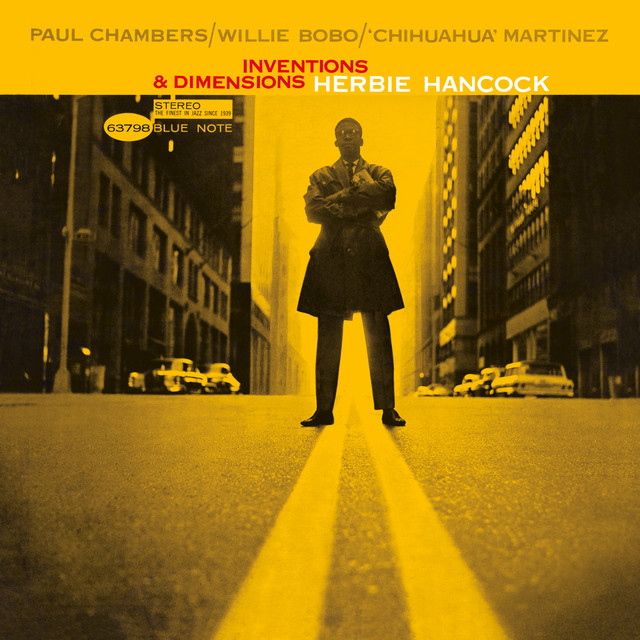
Inventions And Dimensions (Expanded Edition)
1963
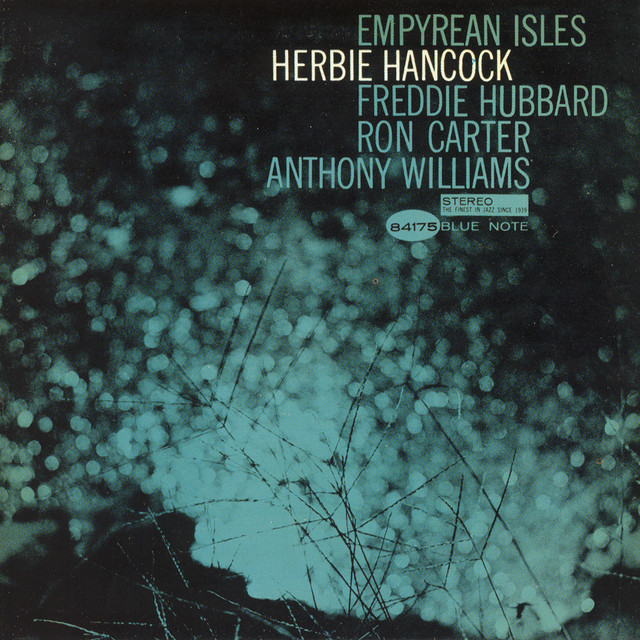
Empyrean Isles (Expanded Edition)
1964

Maiden Voyage (Remastered 1999/Rudy Van Gelder Edition)
1965

Blow-Up (Original Motion Picture Soundtrack)
1967

Speak Like A Child (Expanded Edition)
1968
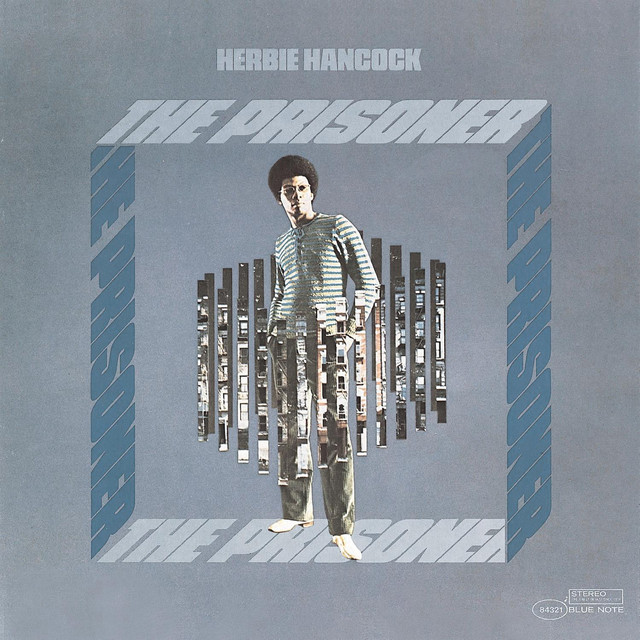
The Prisoner
1969
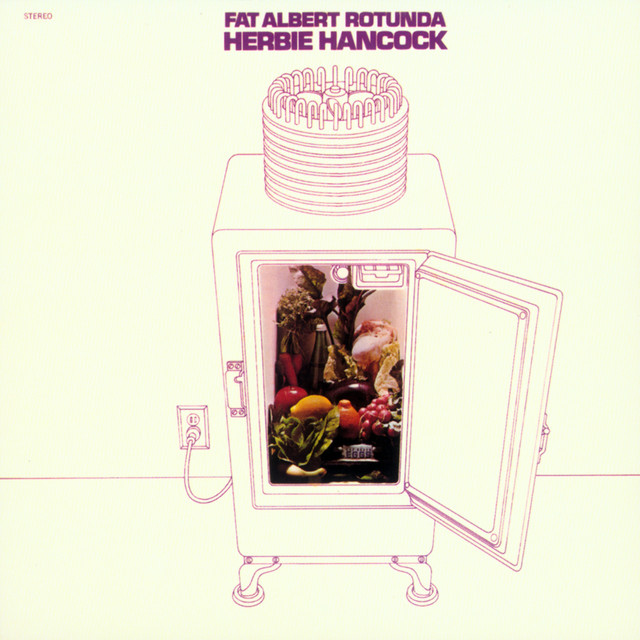
Fat Albert Rotunda
1969
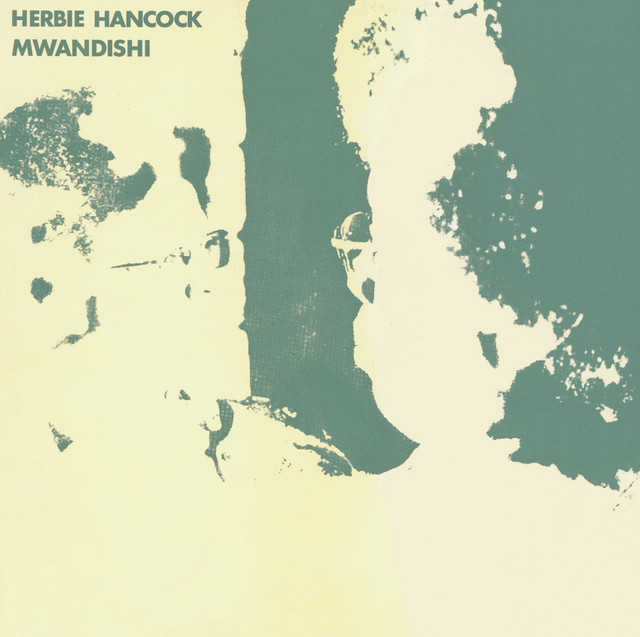
Mwandishi
1971
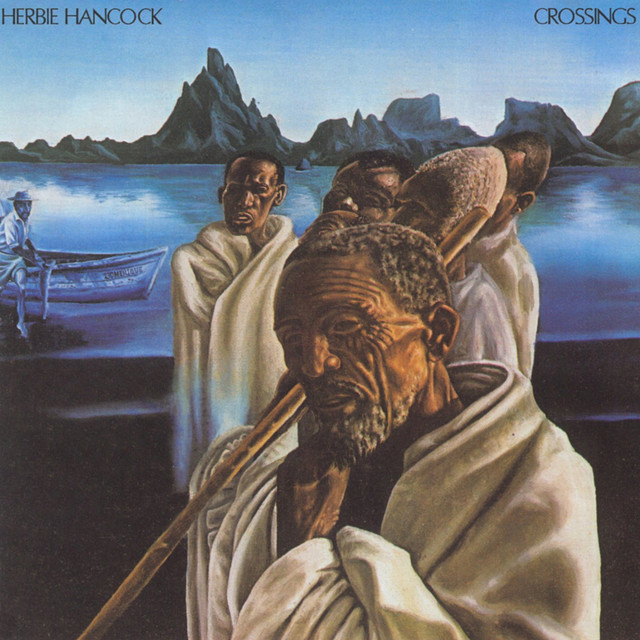
Crossings
1972
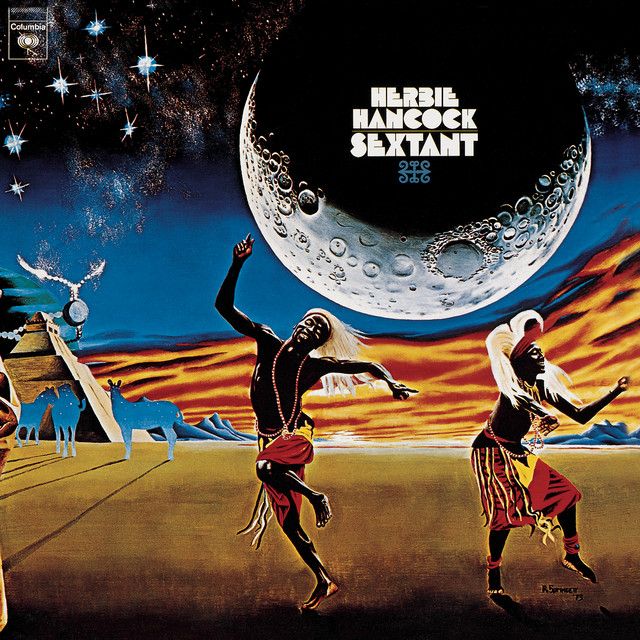
Sextant
1973
Album Credits
-
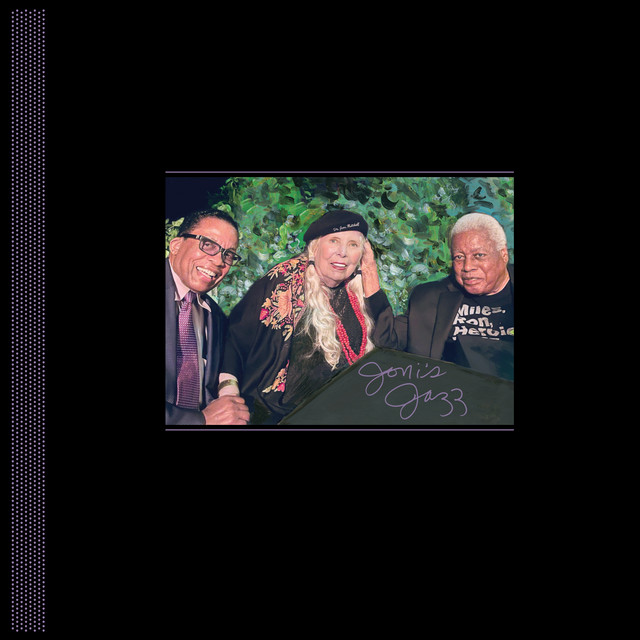
Joni Mitchell · 2025
Producer -
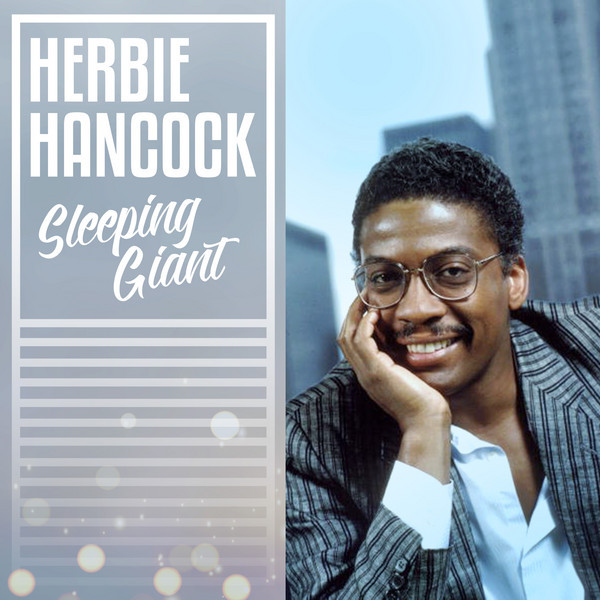
Herbie Hancock · 2018
Producer -

Les Incontournables du jazz : Herbie Hancock
Herbie Hancock · 2008
Producer -

Herbie Hancock · 2007
Producer -
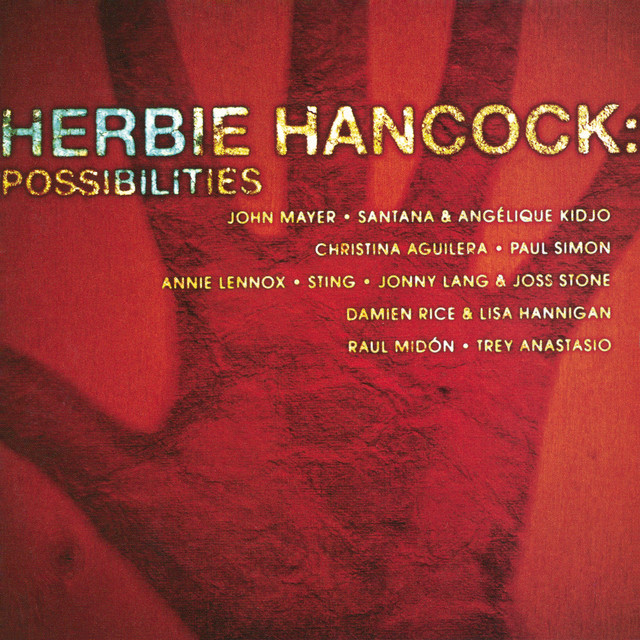
Herbie Hancock · 2005
Producer -
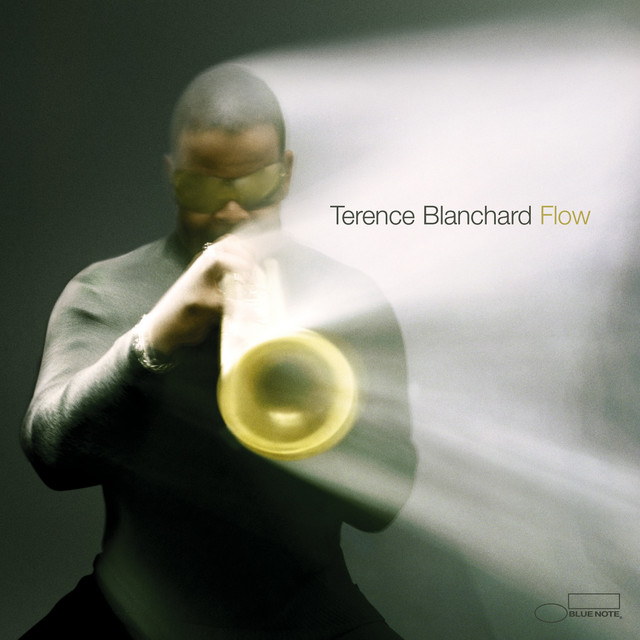
Terence Blanchard · 2005
Producer -
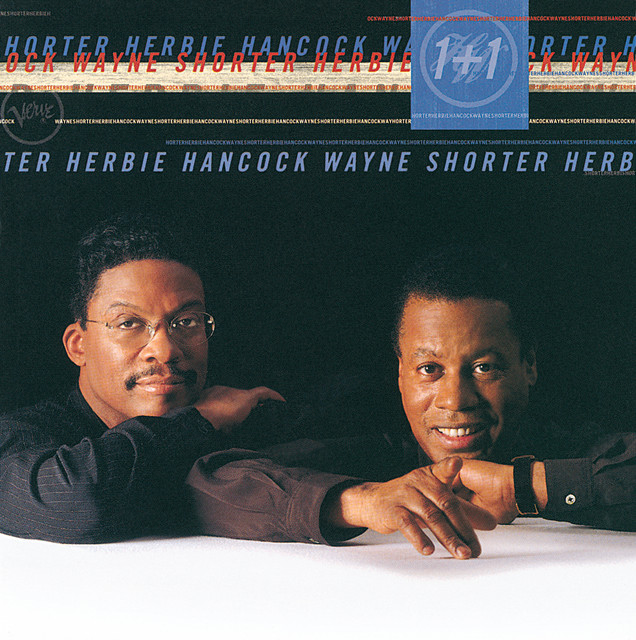
Herbie Hancock & Wayne Shorter · 1997
Producer -
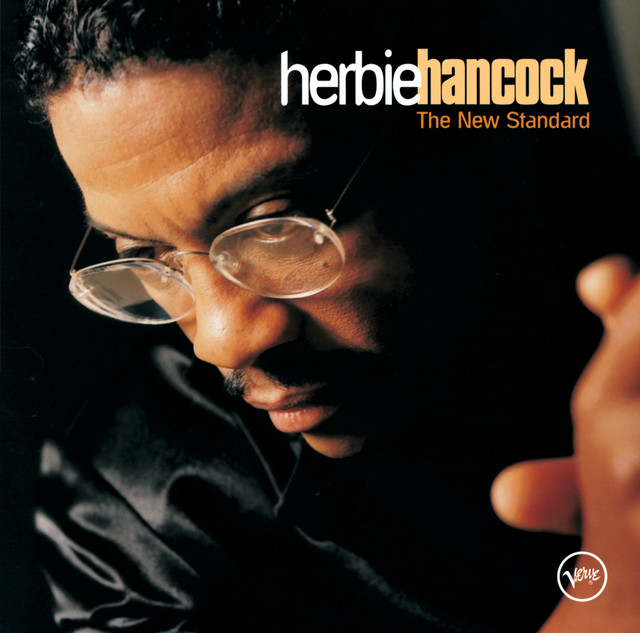
Herbie Hancock · 1996
Producer -
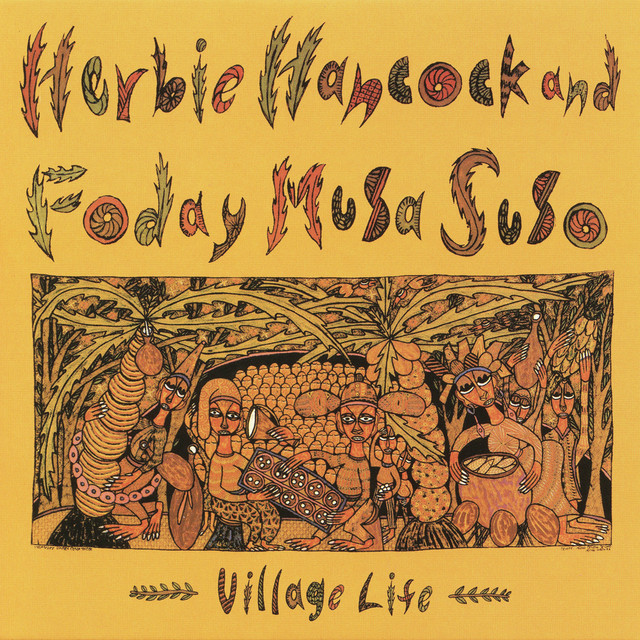
Herbie Hancock · 1985
Producer -
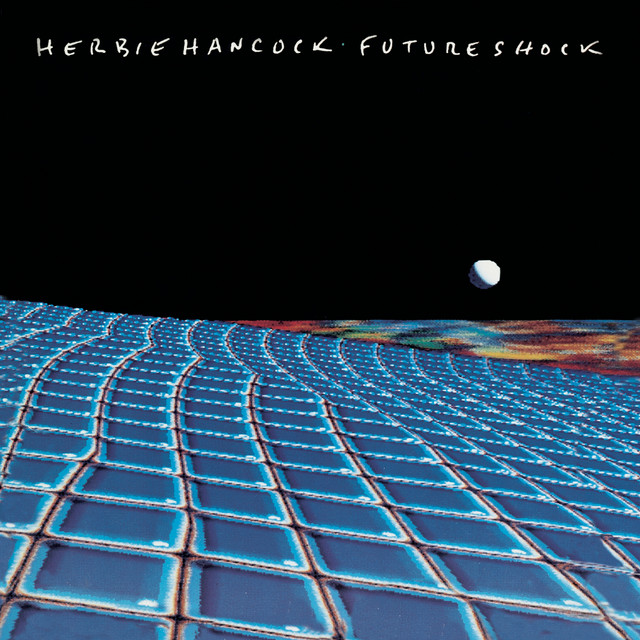
Herbie Hancock · 1983
Producer -
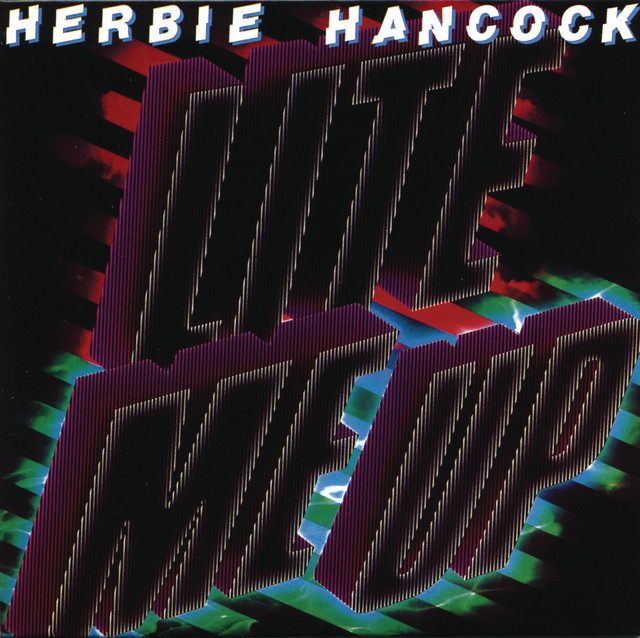
Herbie Hancock · 1982
Producer -
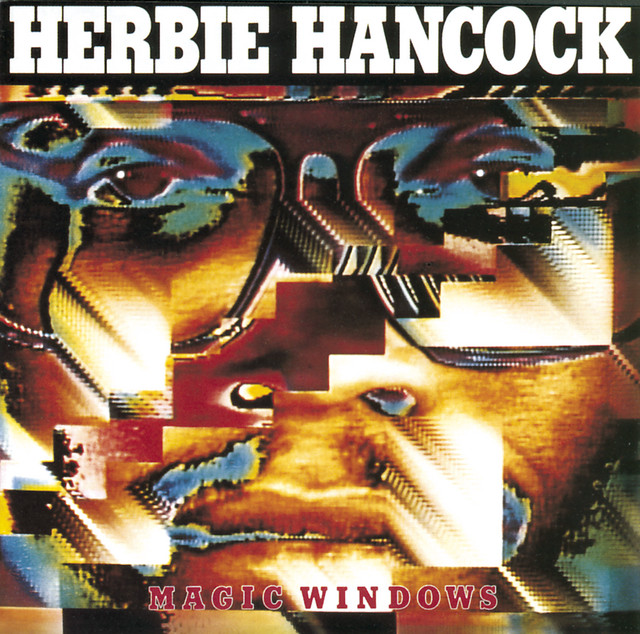
Herbie Hancock · 1981
Producer