
Jeff Beck
English rock guitarist
Role
Role
Jeff Beck's Amplifiers


"I have this one set at half-power, at 50 watts, running into a Marshall 1960B cabinet. So we're getting a little bit of speaker break up out of it. We're in the modern gain side of it, but if you notice the gain on it is actually quite low. And so the idea with this is to just have a slightly hairier sound out of this than what the Fender is doing. So it's just something to kick in, a little push over the cliff, as the great Nigel Tufnel once said. I was expecting this to be the main amp, but for some reason the Vibro-King is not the only amp he's using by any means. The way we're kind of selling on it now is that when he does kick this one it's going to be for the tunes that are kind of driving a little bit harder. But he is doing several tunes on this set that are more of a clean sound oriented thing so I think that's really more why. I don't think that he just likes the Fender over the Marshall. I just think that it fits the set better. This is defintiely the one that he likes to use quite a bit," says Jeff Beck's guitar tech.
Find it on:


In the article of Vintage Guitar (link below), there is said that Jeff Beck was using a couple of Fender Pro Juniors on the concert featured in the DVD "Rock ‘N’ Roll Party, Honoring Les Paul".
http://www.vintageguitar.com/9486/jeff-beck/
Beck continues to use Marshalls, specifically a JCM2000 that supposedly shares very little circuitry with retail models and that he boosts with a Klon Centaur. The man has also enjoyed a flirtation employing a pair of dimed Fender Pro Jr. amps, and let's not forget his trusty Magnatone models.
Find it on:


"This is the main [amp] here. What I'm doing is I'm running the speakers upstage facing away. I have another Vibro-King back there that I'm essentially just using as a speaker cabinet. So I have it unplugged and then I have a speaker cable running back there, and then through a female-to-female barrel jack it's just going straight into the speakers there," says Jeff Beck's guitar tech. The main settings used on this amp are dwell (1), mix (1), tone (1), volume (5), treble (7), bass (3), mid (9), speed (3.5), and intensity (1).
Find it on:

In the YouTube video "Rig Rundown - Jeff Beck," Jeff Beck discusses using the Marshall 2061X Handwired 20W Amp Head. He notes that the amp, with all settings cranked, delivers great sound despite needing to keep up with his other amplifiers in terms of volume.
Find it on:

Beginning at about 30 seconds in this youtube clip of Antonioni's "Blow Up," Jeff Beck (left) can be seen playing through his Vox AC30. Given the film's release date of 1966 and the cosmetics of the Yardbird's Vox backline I would date this AC30 to 1964.
Beck has said over the years that he ran Vox AC30s in the studio with the Yardbirds, and a key part of his sound during this period was a Tone Bender MK I.
Find it on:

Beck had switched to Marshall Super Leads by this point, aided by a wah pedal and a mysterious boost pedal that’s often discussed by Beck gear cognoscenti.
Find it on:

In the linked article you can see diagram of Jeff Beck's live setup from around 2003. It includes 3 Marshall JCM 2000 DSL 50 heads, one for the main sound, 2nd as a backup and 3rd as a slave for monitors.
His tech described the main one (marked as Proto 0001 on the diagram) as being a prototype version, different from what production models are. From 2010 interview with Steve Prior (link dead, archived version), Beck's tech at the time, for Guitar.com:
That’s what people don't understand really. How can I get that tone like Jeff Beck? You can’t because the amplifier you’ll never find anywhere else. If anything ever happened to that amplifier he'd be lost anyway. There’s just no amplifiers that sound like that one. Even Marshall don't know why it sounds the way it does. There’s a couple little extra components in the pre-amp gain stage, which shouldn’t really account for the sound of the amplifier. The amplifier is more bassy than any other DSL50. There are another DSL50s that don’t sound anything like it. It’s the first proto-type, so its circa 1994. He, alongside a few other guitarists, was given that one about 10 months before they revised the circuit board three or four times and then actually put that one into production. To this day that one still survives. The other nine that everybody else had all caught fire or developed faults, went straight back to Marshall, and then they fault-found as well as they could and ended up cleaning up the circuit board manufacturing techniques.
The backup head was a production model though:
Another Marshall DSL50, but it’s nothing like the original one. It’ll only be a backup for 10 seconds while I have the back off and put new tubes in. If it’s any more involved than that, he’ll have to just play that. Any one of the spares would be [suitable, but not as good] for the rest of the show. That’s the problem. We can’t, having tried and having researched the situation at great lengths with all the designers at Marshall, they can’t find any tangible reason why that amplifier sounds different to any other one.
Find it on:

halfway down the apge you'll see pictures of Jeff at The Boston Tea Party in 1969. The backling consists of a wall of plush amps. All the amps have 2 rows of channel controls with 3 master controls to the right by the power switch so they're probably P1000 guitar heads, which are fender twin reverb copies with master controls for reverb, trem depth and tremspeed.
Find it on:

Jeff Beck has been using the Magnatone Super 59 Amp on tour alongside his JTM45s over the past few years. This information is supported by a post from Magnatone Amplifiers.
Find it on:

Jeff Beck used a Princeton Reverb II in conjunction with a Twin to record his "Guitar Shop" album in 1989. "Beck chose not to go with his usual Marshalls when recording Guitar Shop, opting instead for a pair of eighties Fender combos - a Princeton Reverb II and a Twin. "The Princeton took care of tonal qualities that the other amp didn't have. It has an overload channel, so you can get midrange distortion. I tried recording using just the Twin, but without the Princeton the sound just vanished. (The engineer) noticed it right away and said "The sound isn't as good. You've got to put the Princeton back on". " (ed. Jeff Kitts, Guitar World Presents the 100 Greatest Guitarists of All Time, page 178)
Find it on:
-m.webp?v=1783203979)
Jeff Beck uses some Marshall 1960B cabs in his performance rig.
Find it on:


The 2266 can be seen multiple times (e.g. at 13:19) in the Live at Ronnie Scott's recordings. As stated bei Steve Dawson of Marshall he later switched to a 2466 model.
"He had the 50W 2266 and did use it but he found he needed a little more power because it's actually 35W clean. It was too late to get a 2466 to him (75W clean) which would probably have been perfect. He's using the 45/100 these days which is a parent of the 2466." - Steve Dawson
Find it on:

In a 2011 performance with Imelda May, Jeff Beck is seen using two Lazy J 20 1x12" Combo Amplifiers, as captured in a YouTube video by andron544.
Find it on:

In an Instagram post by therealsambora, Jeff Beck is seen using a Roland Micro Cube GX while teaching "Beck's Bolero" backstage.
Find it on:


In this this YouTube video (at 0:40) Jeff Beck can be seen playing with a pair of Fender Pro Junior amps. One of them a standard, tweed edition and the other Sonic Blue Relic edition.
In the interview for July-August 2010 edition of ToneQuest Report Beck's technician, Steve Prior explains that the Sonic Blue Junior Pro relic had original speaker replaced to Jensen P10R. He also says there's third, fail-safe tweed Pro Junior in the isolation box, and it's the same amp Beck had used extensively during recording of Emotion & Commotion album. The amp belong to the album producer Steve Lipson and it's "a very early tweed Pro Junior with one of the original blue Eminence Alnico speakers". The amps volume is set at around 3-4 and the Klon pedal is used to drive them.
Find it on:

In the July-August 2010 edition of ToneQuest Report Beck's technician says:
(Pro Junior) is also the same amp he used for most of the record, along with a Marshall Lead & Bass 20 and an amp that a friend of mine built here in London called a 'Lil Chopper - a 7 watt, Class A amp with a single EL84, 12AX7, and a tone stack you can switch in and out. It's a brilliant little thing with endless sustain if you need it, and it was used on the song "Nessun Dorma" from the new album.
Find it on:

Jeff Beck used the Magnatone Varsity Cathedral 15w amp on tour in 2014
Find it on:

Auctioned via Bonham’s on May 24, 2023.
Jeff Beck: A Ronnie Montrose Signature Model Amp Owned By Jeff Beck, made by Big Industries, retro-style with bright turquoise finish, accompanied by a letter of provenance, 10in x 5in x 8 1/2in (25.5cm x 13cm x 21.5cm)
Footnotes
Provenance:
Offered by Suzy O'Hara who was in a relationship with Jeff Beck from 1994-1996.
According to the vendor this amp was used by Jeff Beck when he travelled. Beck gifted the amp to her so that she could practice playing the Stratocaster guitar wherever she was.
Find it on:

In this blog post, it is confirmed that Jeff Beck used a Marshall JTM45 Tube Guitar Amp Head.
Find it on:
-m.webp?v=1783004456)
In this YouTube video we can see "El Becko" using a couple of Red Twins in conjunction of two Half Stacks Marshalls. The Twins can be seen pretty clearly at 9:30 into the video.
Find it on:
This is a community-built gear list for Jeff Beck.
- Find relevant music gear like Guitars, Amplifiers, Effects Pedals, and other instruments and add it to Jeff Beck.
- The best places to look for gear usage are typically on the artist's social media, YouTube, live performance images, and interviews.
- To receive email updates when Jeff Beck is seen with new gear, follow the artist.
Discography
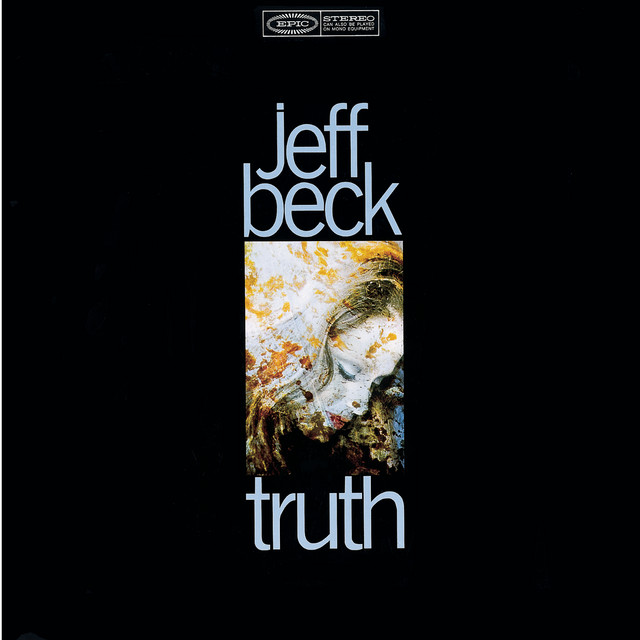
Truth
1968
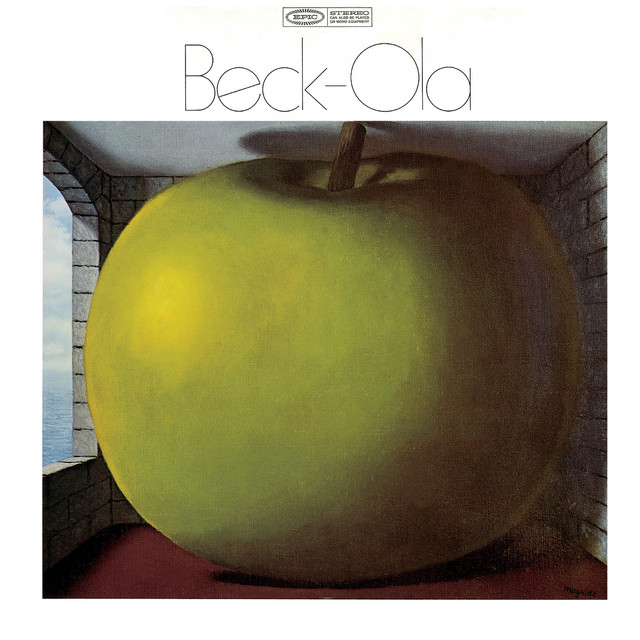
Beck-Ola
1969
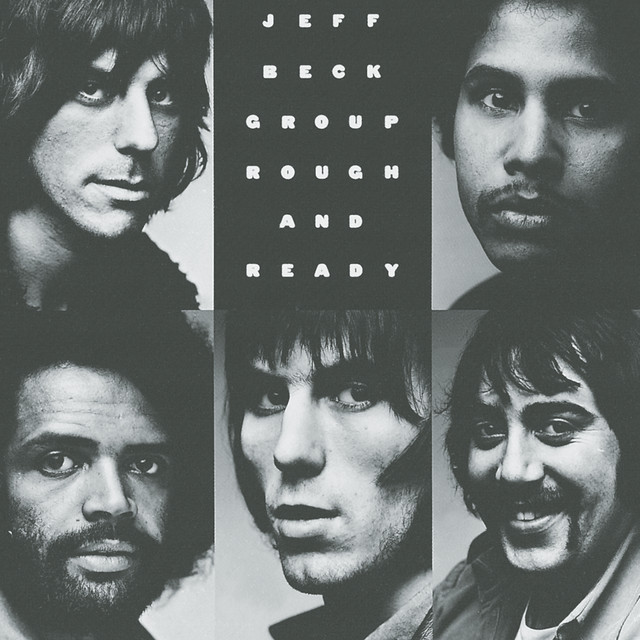
Rough And Ready
1971
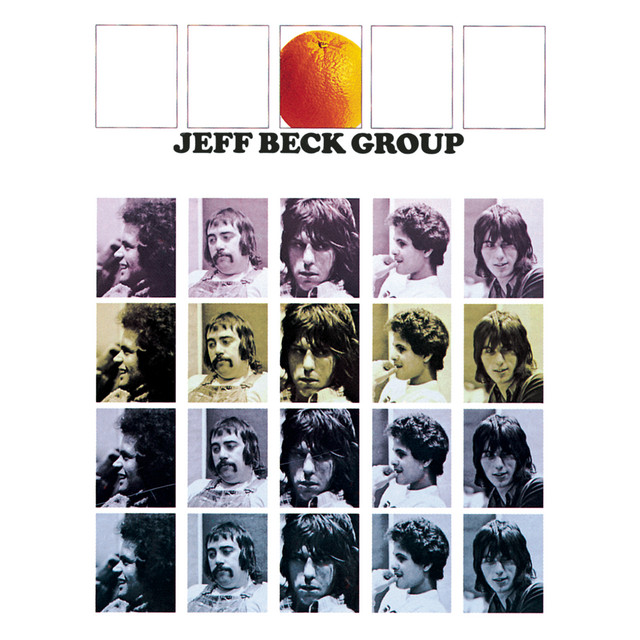
The Jeff Beck Group
1972
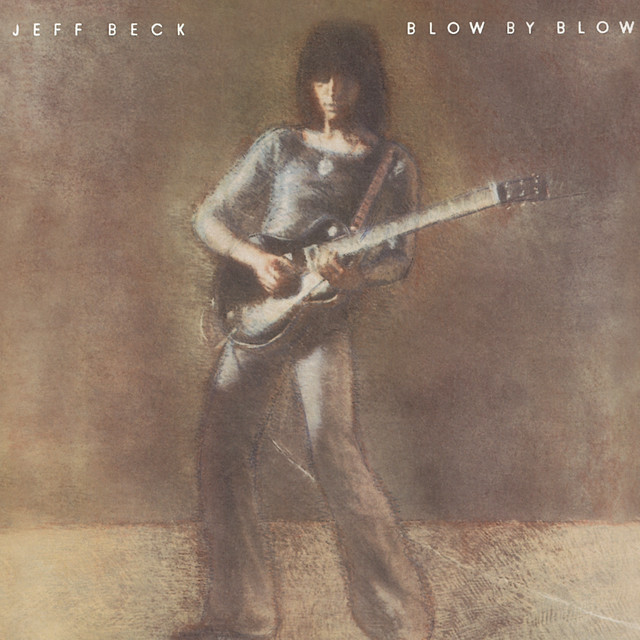
Blow By Blow
1975
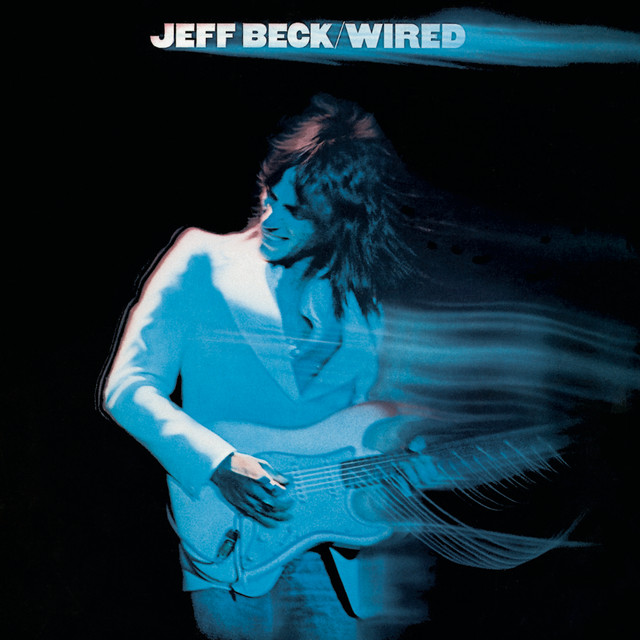
Wired
1976
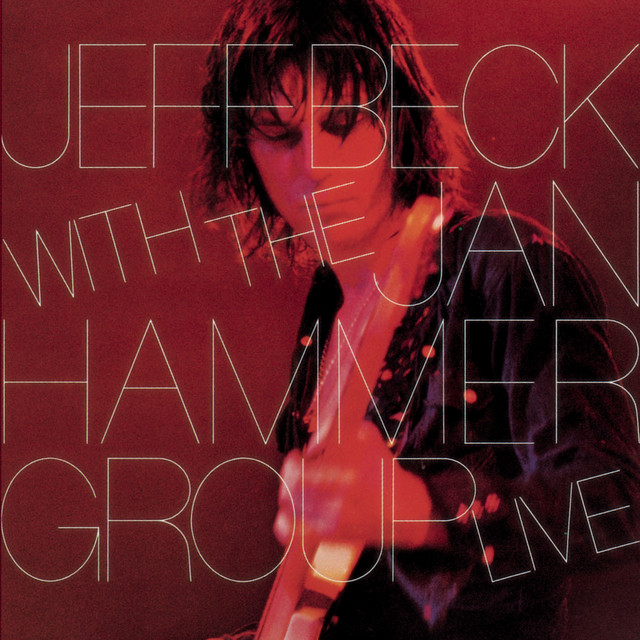
Jeff Beck With The Jan Hammer Group Live
1977
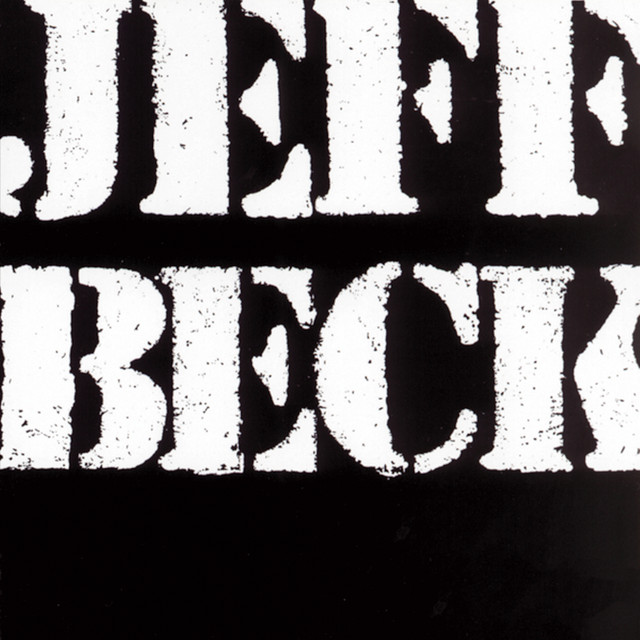
There And Back
1980
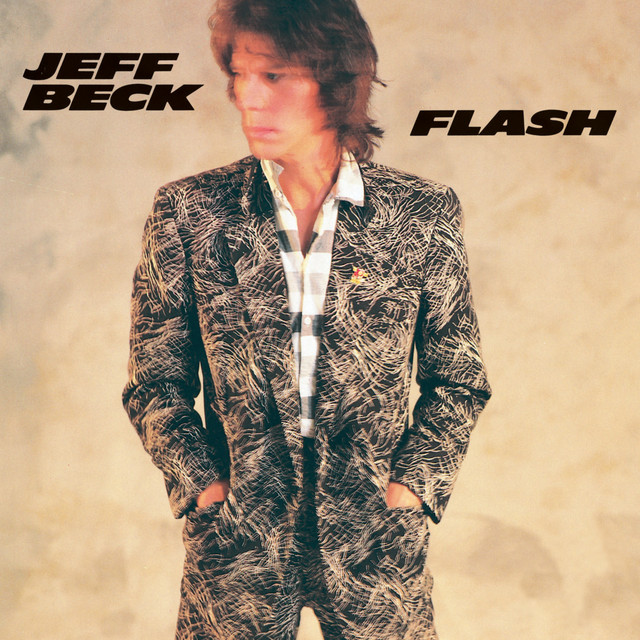
Flash
1985
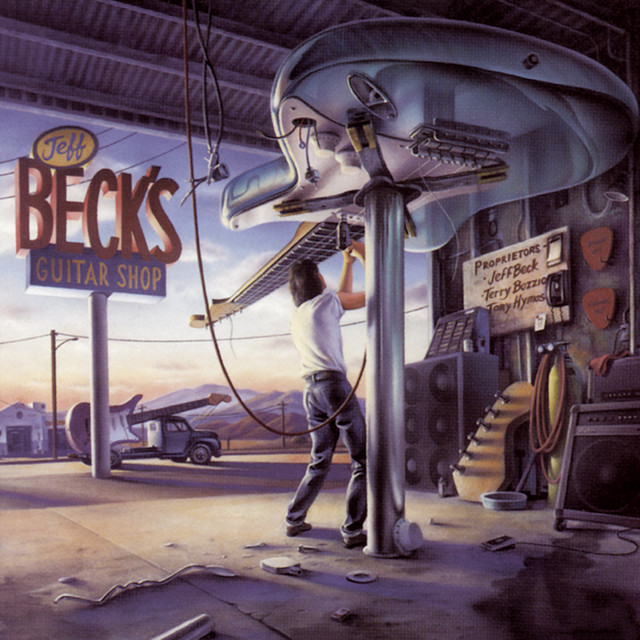
Jeff Beck's Guitar Shop With Terry Bozzio And Tony Hymas (with Terry Bozzio & Tony Hymas)
1989
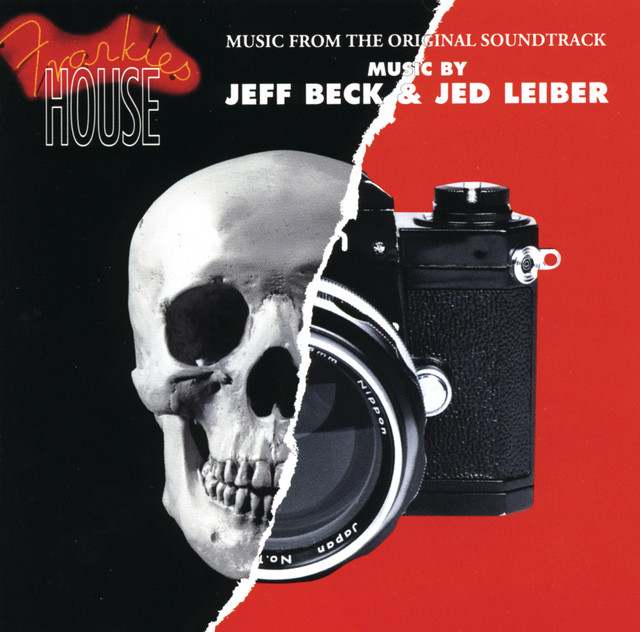
Frankie's House (Music From The Original Soundtrack)
1992
Crazy Legs
1993
Album Credits
-
My Friend Jack Eats Sugar Lumps - An Anthology
The Smoke · 2015
Producer -
Jeff Beck · 1985
Producer









.webp)