


Pricing and availability




* Product prices and availability are updated by Equipboard every 24hrs and are subject to change. Equipboard may receive compensation for purchases made at participating retailers linked on this site. This compensation does not affect what products or prices are displayed, or the order of prices listed. For more information, please refer to our affiliate disclosure.
Description
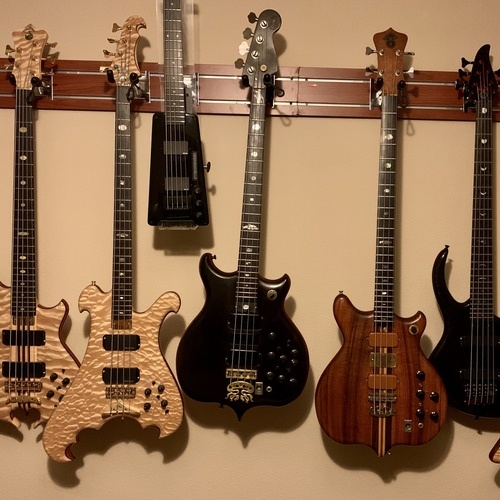
We've been making Series I basses longer than any other model in our catalog. In fact, we were making them before we even had model names or a catalog. The Series I is as much of a powerhouse today as it was back in 1972 and nothing short of a Series II even comes close.
The heart of the Series I bass is the pickups and electronics. We don't think of them as separate entities, the pickups and electronics work together as a system, a complete thought. The basis is faithful electronics reproduction of the mechanical string motion. The combination of single coil pickups and low-pass filter tone controls offer flexibilty, control and responsibility for your own tone.
Series I basses have been played by such varied musicians as Stanley Clarke, John McVie, and John Entwistle and you couldn't ever mistake's one's tone for another, as the Series I gives a natural sound that is truly a reflection of the emotion the player puts in to the music. You hear the player, not the bass.
Alembic wouldn't be Alembic without the beautiful woods. While they are pleasing to the eye, keep in mind that different combinations will shape the way the string behaves, thus influencing the tone. The neck woods are most dominant in the sound. We can help you choose the right woods for your custom bass.
There are a variety of body shapes for the Series I bass. Some are related to scale length, others to tradition, and others to personal taste. We have chosen to keep our model names tied to the electronics rather than the shape or scale length, so you will see short scale Series I basses with the default Small Standard shape and some with the Standard Omega shape. Long scale versions are found in Standard Point and Balance K Omega shapes. Still other variations exist and are yet to be created, but they are all still Series I basses.
Videos

Johnny Lee Long
Vintage Alembic Series "One"...demo
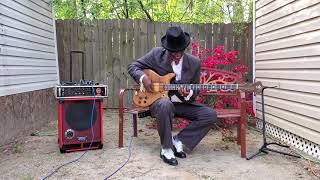
Vintage Alembic Series "One"...demo
Johnny Lee Long
Alembic Series 1 Bass - Bali Run by Fourplay

GeorgePriceBass
Alembic Series I Short Scale bass Sound example.

nsjmusic
![Video thumbnail for Level 42 - Take care of yourself [Bass Cover] - Alembic Series 1 by Marcus Bell Bass](https://img.youtube.com/vi/a7JR3AkOJJA/mqdefault.jpg)
Level 42 - Take care of yourself [Bass Cover] - Alembic Series 1

Marcus Bell Bass
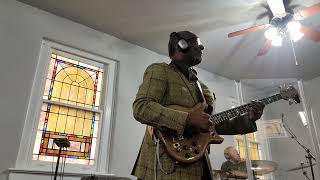
Alembic 1973 Series 1...There's only one
Johnny Lee Long
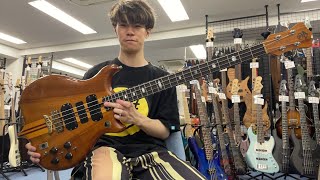
Alembic / Series-1 MSB【Test Play】

Bass Sound Maniac
Reviews
Owner Insights
We analyzed real musician discussions from forums and Reddit to find what players love, question, and tweak about Alembic Series I Bass.
Build quality
-
The Alembic Series I's fit and finish are highly praised, with meticulous attention to detail, although some find the electronics non-intuitive.
Source
Features and functionality
-
Owners note that the filter-based preamps on the Alembic can be challenging to master, potentially worsening the sound if not understood.
Source
Comparisons
-
While Alembics are highly crafted, many users feel that similar playing and sound qualities can be found in basses like the MIM Fender for less money.
Source
5.0 out of 5
Based on 1 Review and 5 Ratings

Artist usage
Add artist
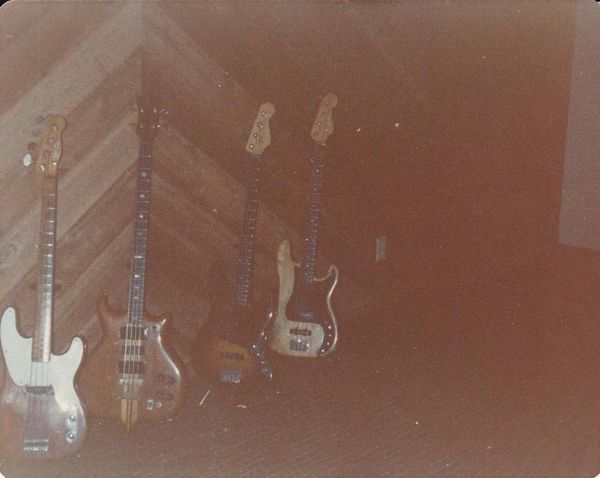
In a user-uploaded photo, Rob Grange is seen playing an Alembic Series I Bass.

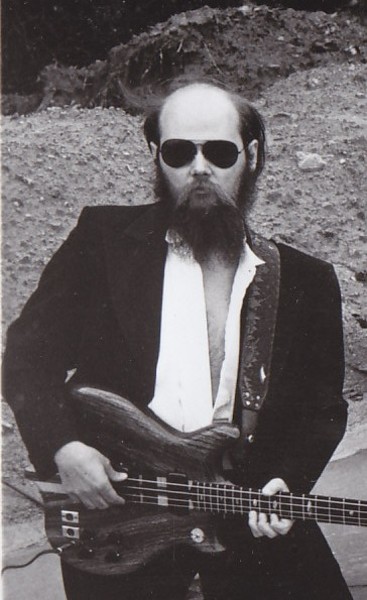
Andy West owned a custom Alembic Series I Bass with two XLR outputs, as evidenced by a user-uploaded photo on Jasobrecht. He sold it in the 1980s due to financial constraints.

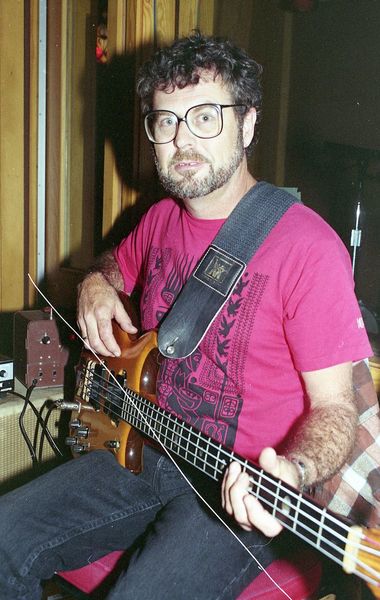
Mentioned in this March 1, 2019 al.com interview.
A vintage photo of Muscle Shoals Rhythm Section bassist David Hood with his Alembic bass. (Courtesy of Dick Cooper)
(...) Later, he acquired an Alembic bass and played that instrument on many of his recording sessions after 1976. "The guys in San Francisco that equipped the Grateful Dead made they [sic] Alembic instruments," Hood says. "I've still got mine. It's got a double-octave neck though and with arthritis in my wrists and shoulders I rarely play it, because it's not really comfortable to play. But it's a great sounding instrument."
This May 17, 2013 Bass Player interview specifies that Hood used the bass from 1976 to 1988.
From 1976 to 1988, he played an Alembic; he also occasionally plays a Kubicki Factor and a 1957 Fender Precision. (Hood’s Jazz Bass was stolen during the Traffic era.) He uses flatwound strings on the Lakland Osborn and the Precision, and roundwounds on the rest. For amplification, he favors a Gallien-Krueger head driving two Ampeg cabinets, each of which has two 12" speakers.
In this February 20, 2014 No Treble interview, Hood discusses his initial switch to the Alembic.
My first bass was a ’61 Fender Jazz. It took a long time, but I eventually got a really good sound with it. I worked with that bass for over 10 years so I knew how to make it sound right and I measured all other basses against that one. That bass got stolen on one of the Traffic tours in ’73 so I immediately went out and got two other Jazz basses. Then I got an Alembic and was able to get a really good sound with that one. People would come in to the studio and say, “Gosh, I thought you played a Fender. What’s that thing?” But it got a great sound, and as always, I was playing and working for the sound that came out of the speakers.
The "Bass FAQ" page of Hood's official website mentions that the '76 Alembic is "[a] veteran of 1,000 recordings, still a great sounding bass."

Here's Rodney playing an Alembic Series I with Funkadelic.

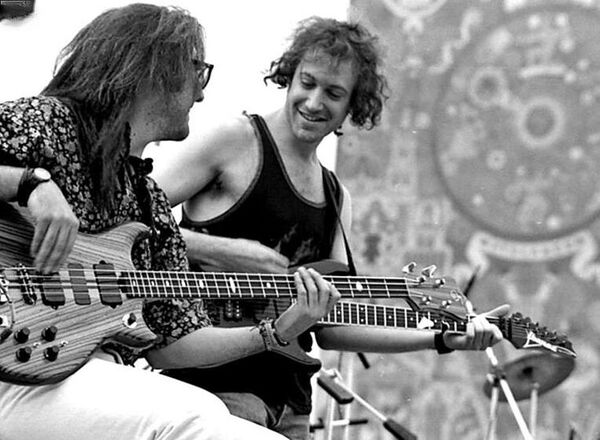
Sabo Romo uses the Alembic Series I Bass, as evidenced by an image of him playing the instrument and a video where he is seen using this bass (youtu.be/o8xaX4oQyxI).
In this youtube video at 22:55 Dan Horne talks about his bass


Album Usage
The Alembic Series I Bass has been featured on the following albums:
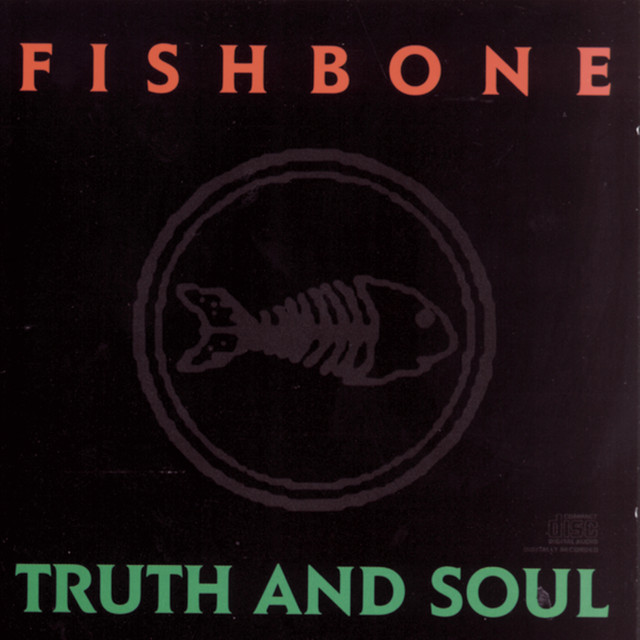

Genre Usage
Based on how artists on Equipboard use this gear, it is most commonly found in the following genres.
Used With
Based on how musicians on Equipboard use Alembic Series I Bass, it is most commonly used with the following gear.


Community setups
Show yours
More Alembic Electric Basses


.jpg?v=1783278406)


-m.webp?v=1754869779)


.jpg?v=1783193352)


$899.99
in Electric Basses Rank


-m.webp?v=1783263685)
$849.99
in Electric Basses Rank


$2,499.00 - $2,899.00
in Electric Basses Rank

-m.webp?v=1783323107)
$2,699.00 - $2,749.00
in Electric Basses Rank


$647.49 - $1,999.99
in Electric Basses Rank


$763.00 - $894.26
in Electric Basses Rank


$2,300.00
in Electric Basses Rank


$655.00 - $699.00
in Electric Basses Rank


$649.00 - $1,589.00
in Electric Basses Rank


$349.00 - $499.99
in Electric Basses Rank


$1,158.11 - $1,599.99
in Electric Basses Rank


$525.00 - $2,899.00
in Electric Basses Rank


$899.00
in Electric Basses Rank


$231.50 - $369.99
in Electric Basses Rank


$349.99 - $429.00
in Electric Basses Rank


$359.00 - $2,250.00
in Electric Basses Rank


Similar


Gear Guides
.webp)


Most Popular Electric Basses
Most Popular Brands


