

Pricing and availability
We compare 600+ stores and found this item at 1 store. Prices updated .
Store
Reviews
Price




Average Price: $7,762
High-end/Boutique
$2499
$4500+
Price Tier
Budget
Standard
High-end
* Product prices and availability are updated by Equipboard every 24hrs and are subject to change. Equipboard may receive compensation for purchases made at participating retailers linked on this site. This compensation does not affect what products or prices are displayed, or the order of prices listed. For more information, please refer to our affiliate disclosure.
Description
The Mellotron became more popular after the Beatles used it on several tracks. It was subsequently adopted by the Moody Blues, Genesis and King Crimson, and became a notable instrument in progressive rock. Later models such as the M400, the best selling model, dispensed with the accompaniments and some sound selection controls in order to be used by touring musicians. The instrument became less popular in the 1980s due to the introduction of polyphonic synthesizers and samplers, despite a number of high profile uses from Orchestral Manoeuvres in the Dark and XTC. Production of the Mellotron ceased in 1986, but it regained popularity in the 1990s, and was used by several notable bands.
Product specs
| Brand | Mellotron |
| Model | M400 |
| Finish | White |
| Year | 1970 - 1986 |
| Made In | United States |
| Categories | Keyboard Synths |
| Analog / Digital | Analog |
| Key Size | Full Size |
| Keyboard Action | Weighted |
| Polyphony | 35 Voices |
FAQs
-
What is the polyphony of the Mellotron M400?
-
The Mellotron M400 features 35-note polyphony, allowing each key to trigger a separate tape playback for a rich, full sound.
-
How does the Mellotron M400 produce its unique sound?
-
The Mellotron M400 uses analog tape loops for each key, playing pre-recorded sounds that provide its distinctive, vintage timbre.
-
Is the Mellotron M400 suitable for live performances?
-
Yes, the Mellotron M400 is often used in live settings due to its full-size weighted keys and unique sound, though its vintage nature requires careful handling.
-
What type of sound can I expect from the Mellotron M400?
-
The Mellotron M400 is known for its warm, orchestral sound, often used to replicate strings, choirs, and flutes with a distinct vintage character.
-
Does the Mellotron M400 require any special maintenance?
-
As a vintage instrument, the Mellotron M400 may require regular maintenance of its tape mechanisms and careful storage to preserve its functionality.
Videos

Bell Tone Synth Works
Inside a Mellotron M400: How the Mellotron Works
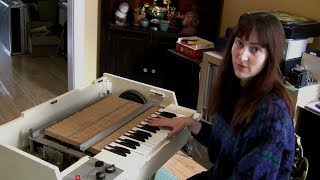
Inside a Mellotron M400: How the Mellotron Works
Bell Tone Synth Works
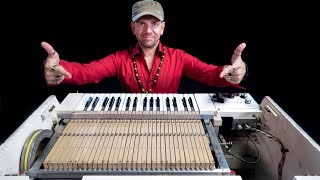
The Mellotron In Action

Doctor Mix
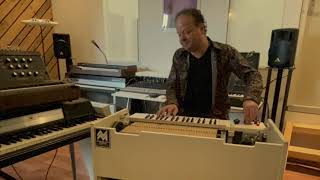
Nights In White Satin by the Moody Blues, on my Mellotron M400

Marco Hoogland - Iconic Vintage Keys and Synths
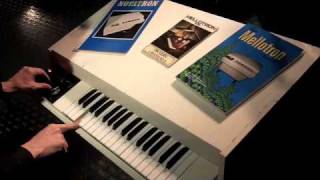
MELLOTRON M400

Red Dog Music
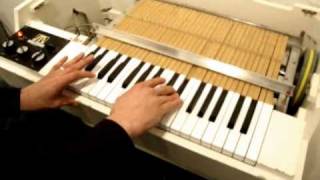
Production Room: Mellotron M400
Red Dog Music
Mellotron M400

Marius Leicht
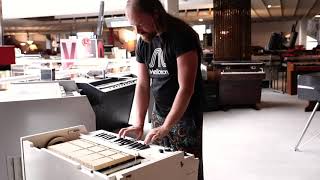
Exploring the Mellotron M400
Marius Leicht
Reviews
Owner Insights
We analyzed real musician discussions from forums and Reddit to find what players love, question, and tweak about Mellotron M400.
Features and functionality
-
Original M400 tapes sometimes lacked full octave recordings; for instance, low cello notes were replaced with upright bass due to cellist's tuning refusal.
Source -
The Mellotron produces a tactile sensation under the fingers, as players coax sounds rather than simply play notes, adding a unique layer to performance.
Source -
The MicroFreak uses pitch-shifting from a single sample, which can result in unnatural sounds at octave extremes compared to dedicated Mellotron models with individual samples per note.
Source
Comparisons
-
The M4000D lacks the pitch control found on original Mellotrons, a feature important for certain classic rock sounds like "2000 Light Years From Home".
Source -
The Studiologic Sledge and Korg Modwave Module are alternatives for Mellotron sounds, with the Sledge known for strong strings and flute emulation, priced used around $600.
Source
Use cases and applications
-
Known for inspiring sounds, the M4000D is favored by fans of subtle Mellotron use in AIR, Beck, and Elliott Smith records.
Source -
A single note, like the top D on solo flute, can evoke strong audience reactions, making it powerful for live performances.
Source -
Steven Wilson's live setup uses Apple MainStage with a Behringer master keyboard for authentic Mellotron sounds, indicating a cost-effective option for live performances without standalone units.
Source
Build quality
-
The M4000D is praised for its high build quality, akin to premium guitars like Fender Stratocasters, despite functional alternatives being available at lower costs.
Source
Value and pricing
-
While priced around $4,000, some users have acquired the M4000D for $2,300, considering it more reasonable for its quality and inspiration factor.
Source -
The Roland JV/XV series offers Mellotron sounds via expansion cards but only samples 3 notes per voicing, potentially reaching the cost of a Micro or M2D with hardware and cards.
Source
User experience
-
Playing the Mellotron involves an active feel where keys connect to a rubber drive wheel, pulling tape through, unlike passive keyboards like the Hammond.
Source -
The Mellotron can unpredictably change sound quality mid-performance, requiring players to adapt to its idiosyncrasies, like a violinist's chair sound on the F2 note.
Source
5.0 out of 5
Based on 1 Review and 8 Ratings

1963
Mellotron M400
I have three and they are a pillar of my sound. I have used them on every album Ive ever recorded or produced.
Artist usage
Add artist
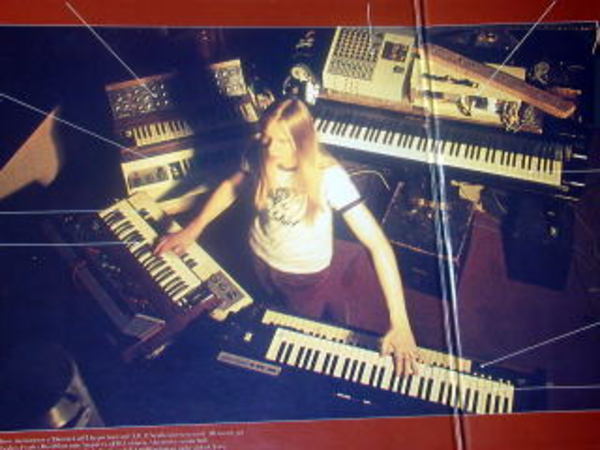
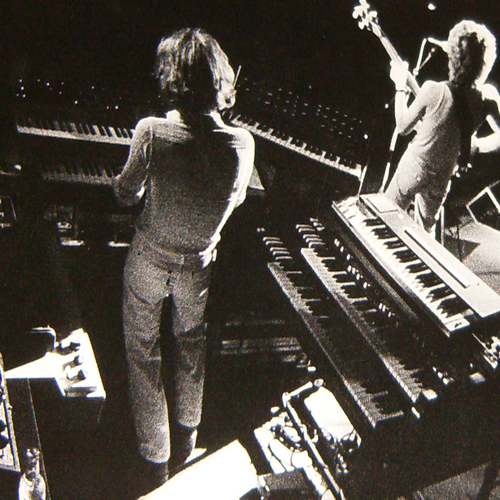
Behind Rick in this image you can spot an Mellotron M400.


In the 1976 concert video "Genesis - In Concert 1976 - Fly On A Windshield / Carpet Crawlers," Tony Banks can be seen using the Mellotron M400, showcasing its integral role in the band's live performances.


Used on "Please Wake Me Up" and "Everything You Can Think", as documented extensively in this page from the website Tom Waits Library.
NN: "I was just checking out your excellent Mellotron-related website when I came across the page about the Chamberlin Music Master. What a cool instrument. Tom Waits has a Music Master. Apparently he saw an ad in his local Recycler-type of paper and went to find out what this thing was. The previous owners were a couple of "surfer" types that would just turn the thing on a revel in the sound effects (there's a fireworks or FX tape on this one). Tom reportedly paid something like $400 for it. Tom uses it quite a bit! Most recently he put down some tracks using the Music Master's "vibraphone" sound, and you will probably hear it on Tom's releases in the Spring of 2002. Tom also has an M400 he likes very much, by the way." (Source: email as published on: Ken Leonard's Mellotron page. Subject: Music Master/Tom Waits Date: Wed, 2 Jan 2002 14:37:55 -0600)
(...) TW (1987): "Kathleen started out with the melody on that (Please Wake Me Up). It's just a little lullaby of some kind. With mellotron, baritone horn, upright bass." (Source: "From the set of Ironweed, Tom Waits talks with Rip Rense" New York Post: Rip Rense. Early 1987)
TW (1987): "The mellotron, I've been hearing about over the years, and I've always been afraid of it. You know, when you hit a key, you actually get that particular note taped on a particular instrument. So when you hit the note, it feels like you're tapping somebody on the shoulder and they begin to play. It's very real. Dream real. Most of the instruments on the tracks, though, can be found in any pawn shop. I haven't completely joined the 20th century." (Source: "From the set of Ironweed, Tom Waits talks with Rip Rense" New York Post: Rip Rense. Early 1987)
MR (1987): "Cohorts include guitarist Marc Ribot, percussionist Michael Blair, bassist and horn arranger Greg Cohen, Ralph Camey on saxophone and William Schimmel on a variety of equipment, from accordion to Leslie bass pedals. Waits' instruments include pump organ, guitar, mellotron, even something called the optigon." (Source: "Tom Waits is flying upside down (on purpose)" Musician: Mark Rowland. October, 1987)
BF (1987): "Waits had his own arsenal of prehistoric keyboards, the type you don't find on records these days. There's his wheezing pump organ, his plodding Mellotron, his tacky Farfisa and, of course, the Optigon."(Source: "Better Waits Than Ever" Music & Sound Output: Bill Forman. Vol. 7, No. 11. October, 1987)
TW (1987): "I've always liked the Mellotron as well. The Beatles used it a lot, Beefheart used it a lot. They're real old and they're not making them anymore. A lot of them pick up radio stations, CB calls, television signals and airline transmitting conversations. And they're very hard to work with in the studio because they're unsophisticated electronically. So it's almost like a wireless or a crystal set."(Source: "Better Waits Than Ever" Music & Sound Output: Bill Forman. Vol. 7, No. 11. October, 1987)
TW (1989): "I love that thing the Mellotron so much. I just used one yesterday. (Its owner) guards it with his life because it's such an exotic bird, it's a complete dinosaur, and every time you play it it diminishes. It gets old and eventually will die, which makes it actually more human, you're working with a musician that is very old, he's only got a couple more sessions left. It increases the excitement of it. And that great trombone sound... Those Mellotrons, the first time I actually played one, it really thrilled me. It's like you touched somebody on the shoulder, everytime I touch you on the shoulder I want you to play a note. It was that real." (Source: "Eavesdropping on Elvis Costello and Tom Waits" Option Magazine. July/ August, 1989)
PD (2002): To add to the songs' (Alice/ Blood Money) other-wordliness, Waits uses the Mellotron (an early synthesiser), which had its heyday in the 1970s in bands such as the Moody Blues, and his latest "found objects", such as a 1929 pneumatic calliope (an old circus instrument with 57 whistles) and a dried boomerang seed pod from a rare Indonesian tree." (Source: "Lying in Waits" The Age (Australia) by Patrick Donovan. Published: May 10, 2002)


Wilson can be seen playing a purple Mellotron M400 at 1:37 in this video.


Towards the middle of this page, there is a photo of Greg Lake with a Mellotron M400.


... This is the story of Tangerine Dream’s Ricochet.... The array of electronic equipment used by Tangerine Dream on that tour was formidable indeed. For its time it looked nothing short of a futuristic world controlled by machines. For the die hard rig fanatics, an approximate list of the machines used by the three members of the group at the Coventry Cathedral show included:
.jpg?v=1783265544)

Apart from the Chamberlain and an Emulator 2, other keyboards featured on Woodface include a Mellotron, a Baldwin Electronic harpsichord, an old Cox organ, a Hammond, a Prophet 5, and a Piano Optigan, "a very trashy organ brought out in the '60s which reads a kind of optical disk. It sounds very low-fi but is very atmospheric. There are what you could call 'samples' on them of things like brass bands playing. It's pretty wild."

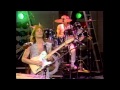
At :29 of this live performance of "Into the Lens" by Yes, Downes can be seen with a Mellotron M400 to his right.

You can hear the mellotron throughout the song

:format(jpeg):mode_rgb():quality(90)/discogs-images/R-16286346-1606591645-2807.mpo.jpg)
He's credited with "Mellotron Flute" in the liner notes.


Andy: "We got our Mellotron for £250 a few years ago — they're very much in neglect. This one has, I expect, had its fair share of being bucked on stage by members of King Crimson during 25-minute versions of 'Devil's Triangle'. I put this song together all on the Mellotron, but I've had the tune knocking about for ages and would bash it out on piano whenever we were in the studio — it's vaguely reminiscent of 'Marjorine' by Joe Cocker, for some reason. So I built this thing up on the Mellotron, and it reminded me of the seaside, especially the seaside in winter when everything's shut up."


Toward the end of the century, when Isao Tomita sat down to record the piece, he had before him a thicket that included a Moog synthesizer, comprising (among many other things) a 914 extended range fixed filter bank, two 904-A voltage-controlled low-pass filters, nine 901-B oscillators, four 911 envelope generators, five 902 voltage-controlled amplifiers, a 950 keyboard controller and a 6401 Bode ring modulator; several tape recorders, among them an Ampex MM-1100 16-track and a Sony TC-9040 4-track; two Sony MX-16 mixers; an AKG BX20E Echo unit; an Eventide Clockworks Instant Phaser; two Binson Echorec 2 units; and the electronic keyboard instrument known as a Mellotron.
Album Usage
The Mellotron M400 has been featured on the following albums:

Trouble On Big Beat Street
Pere Ubu (2023)
The End (Live)
Black Sabbath (2017)

Mande Um Abraço Pra Velha
Os Mutantes (2014)

Sunflower Stories
Robin Guthrie (2010)
Nervous Cop
Nervous Cop (2004)
It's A Wonderful Life
Sparklehorse (2001)
"A" E O "Z"
Os Mutantes (1992)
Woodface
Crowded House (1991)
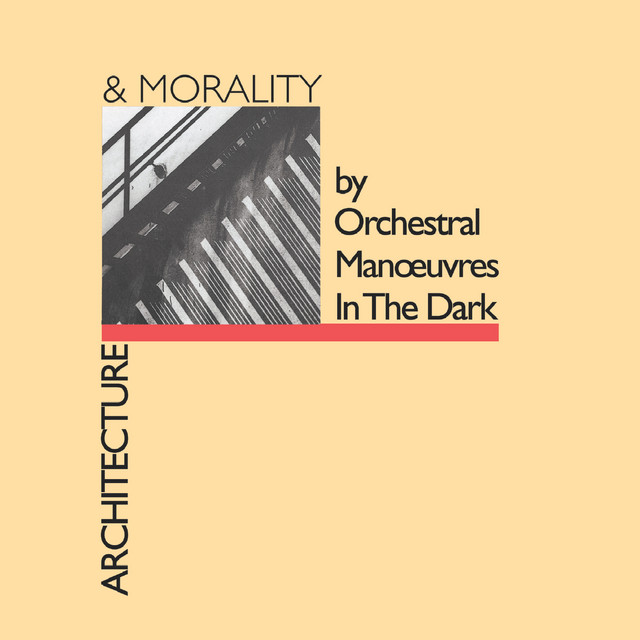
Architecture And Morality
Orchestral Manoeuvres in the Dark (1981)
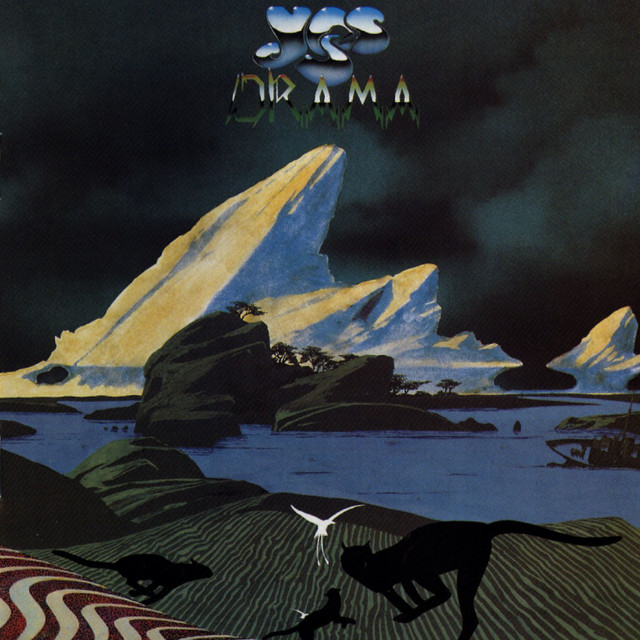
Drama
Yes (1980)
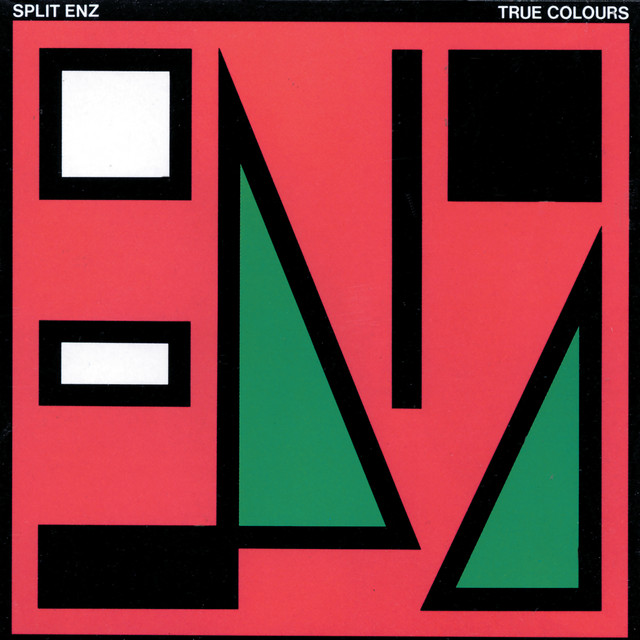
True Colours
Split Enz (1980)

Oxygène
Jean Michel Jarre (1976)
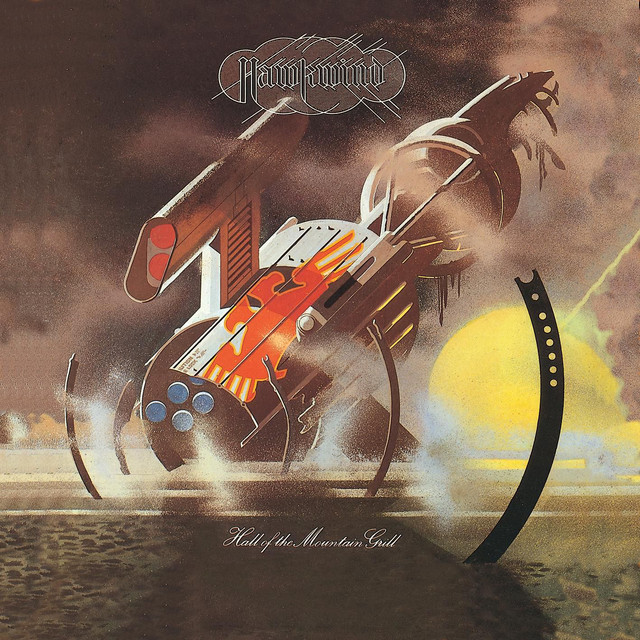
Hall of the Mountain Grill
Hawkwind (1974)
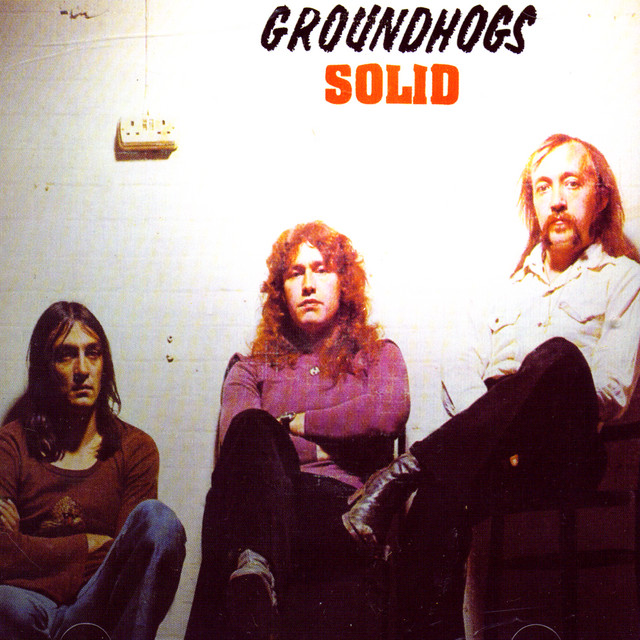
Solid
The Groundhogs (1973)
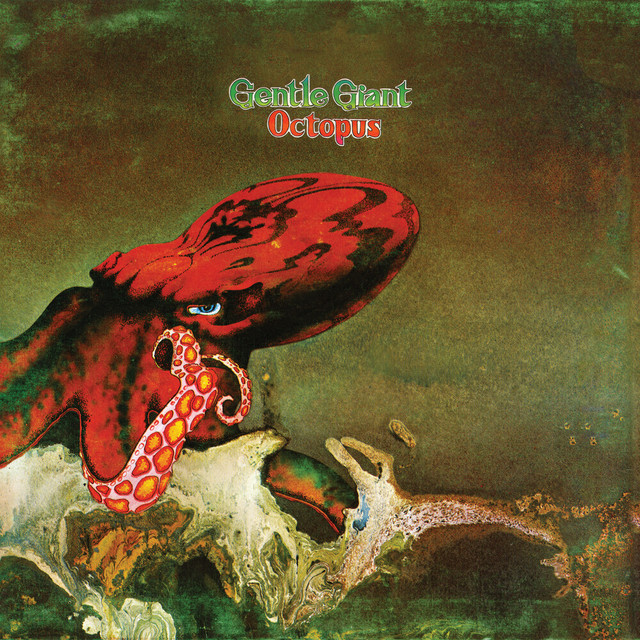
Octopus (Steven Wilson Mix)
Gentle Giant & Steven Wilson (1972)
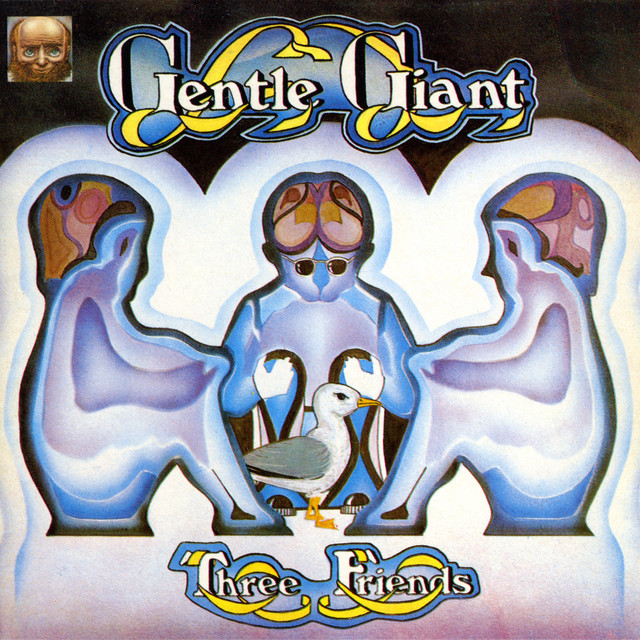
Three Friends
Gentle Giant (1972)
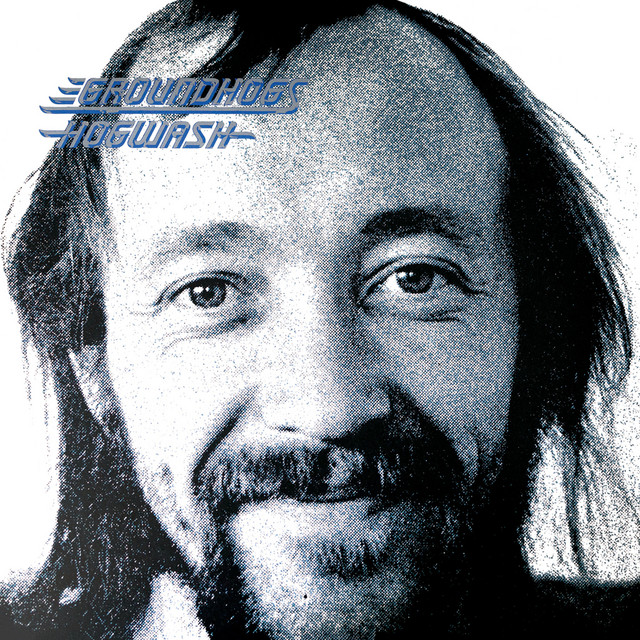
Hogwash
The Groundhogs (1972)
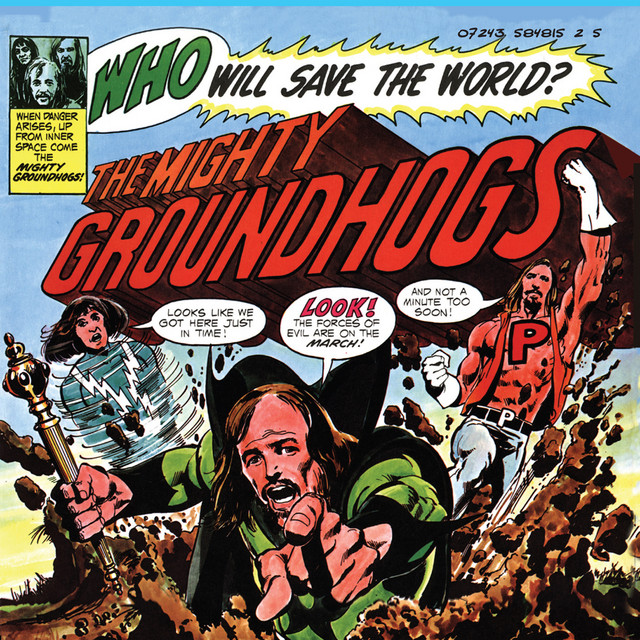
Who Will Save the World? The Mighty Groundhogs (50th Anniversary Edition)
The Groundhogs (1972)
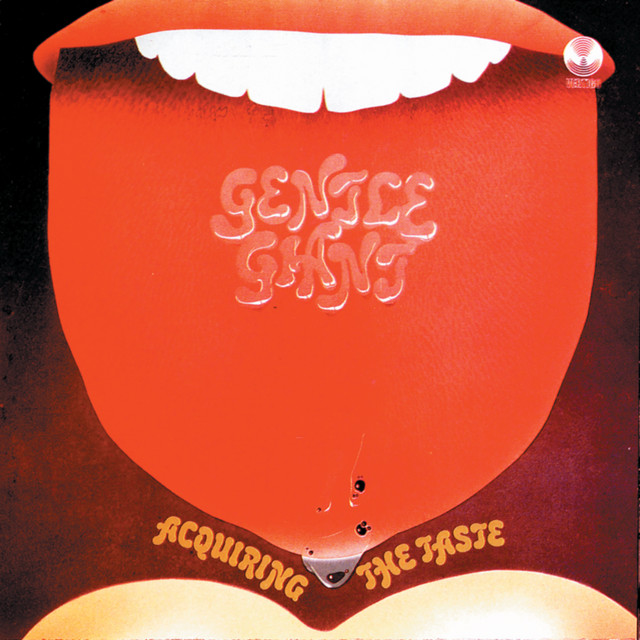
Acquiring The Taste
Gentle Giant (1971)
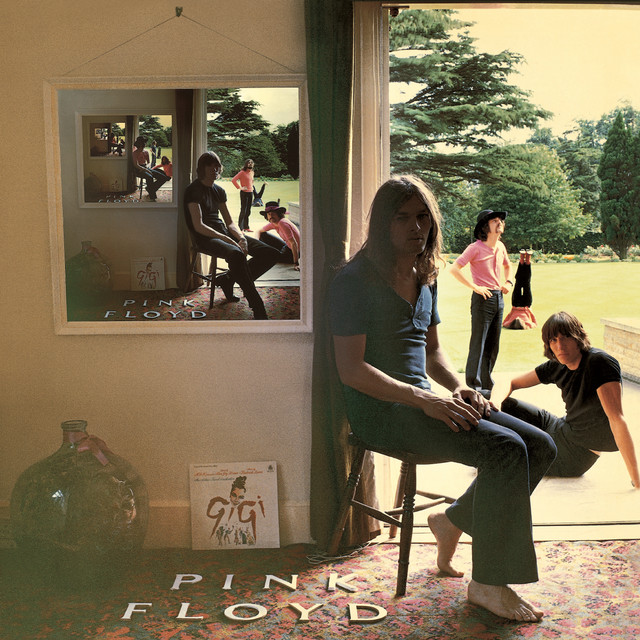
Ummagumma
Pink Floyd (1969)
Genre Usage
Based on how artists on Equipboard use this gear, it is most commonly found in the following genres.
Used With
Based on how musicians on Equipboard use Mellotron M400, it is most commonly used with the following gear.


-s.webp?v=1779983696)


Community setups
Show yours
More Mellotron Vintage & Electric Pianos

$2,900.00
in Vintage & Electric Pianos Rank


$1,699.99
in Vintage & Electric Pianos Rank


$2,100.00
in Vintage & Electric Pianos Rank


$3,461.85
in Vintage & Electric Pianos Rank

$2,100.00
in Vintage & Electric Pianos Rank


$3,678.95
in Vintage & Electric Pianos Rank

.jpeg?v=1783065966)

$61.85 - $906.26
in Vintage & Electric Pianos Rank


$3,850.00
in Vintage & Electric Pianos Rank


$2,800.00
in Vintage & Electric Pianos Rank


$2,950.00
in Vintage & Electric Pianos Rank


$6,495.00
in Vintage & Electric Pianos Rank


$2,600.00
in Vintage & Electric Pianos Rank

.jpg?v=1782146465)


$4,100.00
in Vintage & Electric Pianos Rank


$5,000.00
in Vintage & Electric Pianos Rank


$906.26
in Vintage & Electric Pianos Rank
.jpg?v=1783265555)


$3,000.00
in Vintage & Electric Pianos Rank


$1,350.00
in Vintage & Electric Pianos Rank


$2,988.88
in Vintage & Electric Pianos Rank


$11,050.00
in Vintage & Electric Pianos Rank


in Vintage & Electric Pianos Rank

.jpg?v=1783299754)


$29.99 - $1,850.00
in Vintage & Electric Pianos Rank


in Vintage & Electric Pianos Rank


-m.webp?v=1783177267)
$3,678.95
in Vintage & Electric Pianos Rank


.png?v=1783065795)

$2,579.37
in Vintage & Electric Pianos Rank


$2,250.00
in Vintage & Electric Pianos Rank


$20,736.43
in Vintage & Electric Pianos Rank
-m.webp?v=1782572148)
$3,999.97
in Vintage & Electric Pianos Rank


$1,718.39 - $2,499.00
in Vintage & Electric Pianos Rank


in Vintage & Electric Pianos Rank

$4,800.00
in Vintage & Electric Pianos Rank


in Vintage & Electric Pianos Rank


Accessories & Related Items


Similar


Most Popular Vintage & Electric Pianos
Most Popular Brands
-
Added to Equipboard on by
 haas123
Gear IQ 21966
-


