Tom Waits
Role
Genre
Group
Role
Genre
Group
Tom Waits' Gear

-m.webp?v=1783609125)
In this source, Tom Waits is pictured holding and playing a Danelectro 5005 Convertible guitar with a pickup in it in white finish.
Find it on:


In this source picture, Tom Waits is photograph singing and playing a Harmony H44 Stratotone.
Find it on:


Tom Waits plays a beat-up Gibson L-1 on Late Show with David Letterman.
Find it on:

Used for vocals on The Heart of Saturday Night, Small Changes, Foreign Affairs, Blue Valentine and Heartattack and Vine, as stated by producer "Bones" Howe in this February 2004 Sound on Sound interview. It is visible in "Bones Howe's layout diagrams for the Foreign Affairs sessions at Wally Heider Studio 4, showing the layout for the jazz band recordings" and the "[d]iagram for the Foreign Affairs sessions at Wally Heider Studio 4 showing the layout used for the orchestral track recordings" from the same interview.
Tom Waits's voice itself is a unique instrument. For that, Howe went back to his old standby, the classic RCA 77 DX ribbon mic. "The 77s have three cardioid settings," he explains. "V1 and V2 were different low-end cutoffs, and 'M' was for music recording. The V1 setting had a high cutoff, which made it good for radio announcing; the V2 position left a lot more low end in there and made it a great vocal microphone." The signal ran through a UREI 1176 compressor/limiter set with what Howe swears are the best parameter settings that can be configured on it for vocals: threshold/attack at 6, release at 7, and a 12:1 compression ratio. "Tom popped and spat a lot when he sang, so the 77 was perfect, because it's very hard to pop that microphone, so you didn't need a pop filter. Plus he liked to get right on the mic, so he would sit at the piano and I hung it from a boom so it would hang down in front of him. On some tracks we'd set it up directly in front of the band and he's stand in front of the drums and sing. On 'Step Right Up' you can almost hear him flipping pages of lyrics. He was always surrounded by the music and the records sound like it. We never used headphones. Never."
In this interview from the March/April 2008 issue of Tape Op Magazine, Howe stated the following, which affirms the use of the 77-DX on Waits' recordings.
My favorite mic was the [RCA] 77-DX, and I used it for vocals on everything I did. Years later I tried to find those mics and only a couple of people had them. They wanted a lot of money to rent them. Ribbon mics were amazing for brass, saxophone and vocals.
Find it on:
-m.webp?v=1783636711)
Waits can be seen playing a Gibson Hummingbird in this photo.
Find it on:


Mentioned in this interview from the October 1987 issue of Musician Magazine, as documented in this page from the website Tom Waits Library.
MR (1987): "Not too surprisingly. Waits prefers "mostly tube stuff' to digital equipment. Microphones of choice include a Ribbon ("Dave Garroway") and RCA high-impedance mikes; Waits usually sings through a Shure Green Bullet (used mostly by harmonica players). Also an Altec 21D vocal mike- "because Sinatra used it." On guitar, Waits likes his Gretsch New Yorker "with old strings" played through an old Fender tweed basement amp. When recording, he says he uses a lot of heavy compression with room sound; to do that he'll sometimes push the track into the room through Auratone speakers, and then mike that. It's not his only technique, "but I don't want to give away all my secrets." (Source: "Tom Waits is flying upside down (on purpose)" Sidebar. Musician: Mark Rowland. October, 1987)
Find it on:

Tom Waits was seen playing a '65 Deluxe Reverb Amp for his performance of "Lie To Me" on Letterman in 2006. The faceplate can be seen at 1:56 of the video.
Find it on:


Used on "Earth Died Screaming", "The Ocean Doesn't Want Me", "In the Colosseum", "Crossroads", "The Last Rose of Summer", "Carnival", "Black Market Baby", "Everything You Can Think", "Reeperbahn", "Barcarolle", "Everything Goes to Hell", "Coney Island Baby" and "Starving in the Belly of a Whale", as documented extensively in this page from the website Tom Waits Library.
Derk Richardson (1992): One of the dinosaurs Waits reclaimed on Bone Machine is the Chamberlain, a pre-synthesizer keyboard that taps into analog tape loops of pre-recorded material. TW: "It's stunning, really, I have like 70 voices on the instrument, from horses to rain, laughter, thunder, seven or eight different trains, and then all the standard orchestral instruments. It's a good alternative if you don't like the sound of the more conventional state-of-the-art instruments - sometimes it's like they've had the air sucked out of them." (Source: "Composer, musician, performer, actor Tom Waits..." Pulse!: Derk Richardson. September, 1992)
Jim Jarmusch (1992): Explain the Chamberlain. The first keyboard sampling instrument. The Chamberlain 2000. TW: It's a 70-voice tape loop, it's a tape recorder, an elaborate tape recorder with a keyboard. JJ: What year was it made? TW: I think maybe '60, '61 or '62. Musicians were afraid it was gonna put 'em out of business, because it was too real. It was like, oh my god... And if somebody had one of these, why ever hire a band? It's too perfect... JJ: Yeah, but that's what they say about synthesizers now. And people would still rather hear the real instruments. TW: A lot of scores are done on a synthesizer. JJ: I like the Chamberlain because it sounds like it breathes somehow. Maybe it's the action of the keys that you once showed me that cause a delay, so that it changed the way you played. TW: It changes the physicality of your approach to the instrument, because the keyboard is not easy (to play). It goes down too far, your fingers get stuck down there and can't get back up. JJ: They were made in L.A.? TW: Yeah. By Richard Chamberlain. Not the actor (laughs). There's a bicycle chain in it, and if the tape gets on the other side of the chain it can damage the tape. Tchad Blake actually spent four or five hours working on it, repairing it. (That's why I say) there are no gamblers in 'Chamberlain Pass'. You get decorated for valor. It's like operating on a flamingo. You don't even know where the heart is, nothing. If you touch there, you know, the world will end. If you touch this tape here, I dunno, you may lose your hand. It has that kind of danger about it. JJ: How do you program tapes on it? TW: They just move to a different place on the tape. They give you about a 12-second sample that's the length of time it takes for the tape to move through the head, and give you about three feet of quarter-inch tape. JJ: You've got two of them, right? TW: I've got one Mellotron and one Chamberlain, and the Chamberlain I have is a prototype. So it's made with found electronic objects. JJ: How many were made? TW: Well, ultimately it was mass produced, and they were out there like Fender Rhodes, only on a much smaller scale. But they were marketed, advertised and sold in music stores, and they had displays, and everyone heard this name Chamberlain. JJ: Did you use it on 'Bone Machine'? TW: Only on two songs, on "The Earth Died Screaming" and "The Ocean Doesn't Want Me". JJ: What other stuff did you use it on previously? TW: I used it a lot on "Frank's Wild Years". (Source: "Tom Waits Meets Jim Jarmusch" Straight No Chaser magazine (UK) Vol. 1, Issue 20 Jim Jarmusch. October, 1992 (published early 1993))
Jim Jarmusch (1992): "You have a Mellotron, and of course, the Chamberlain 2000. TW: Ah, the Chamberlain. It has a full sound effects bank that's thrilling. It has the sound of Superman leaving the window. It has storms. It has wind, rain and thunder. There are three keys right next to each other. What I have is a prototype, so its got whatever he discovered. In fact on some of 'em even, at the end of the sample you hear, "Okay, that's enough." You hear the engineer. JJ: Seriously? Where did you find it? TW: I bought it from three surfers who lived in Westwood who had a full state of the art room filled with every current -- they had decambodeizers -- JJ: Deneutralizers. TW: They had the Tascam 299 with a 300 count back -- JJ: With a hertz shifter. TW: Yeah. JJ: Hooker Headers on it. TW: They were laughing at the Chamberlain. I would have none of it. JJ: Ridiculing it? TW: Ridiculing it. I said, "I will take this from you." I got it for three grand. JJ: They know who you were? TW: No. I was just a guy. They were playing it and laughing at all the sounds it made, and I let them laugh knowing it would soon be mine and I would treat it better. JJ: They probably laughed that you paid that much for it. TW: Yeah. JJ: Little did they know. But then, they'll never know. TW: They'll never know. It's got a variety of trains, it's a sound that I've become obsessed with, getting an orchestra to sound like a train, actual train sounds. I have a guy in Los Angeles who collected not only the sound of the Stinson band organ, which is a carnival organ that's in all the carousels, the sound from that we used on 'Night on Earth', but he also has pitched four octaves of train whistles so that I can play the train whistle organ, which sounds like a calliope. It's a great sound."(Source: "Tom Waits Meets Jim Jarmusch" Straight No Chaser magazine (UK) Vol. 1, Issue 20 Jim Jarmusch. October, 1992 (published early 1993))
Robert Palmer (1993): "Ever since his film score for Mr. Coppola's "One From the Heart" (1982) and his own ground-breaking album "Swordfishtrombones" (1983), he has been resolutely broadening his musical palette, gravitating toward odd instruments (including a wheezing old proto-synthesizer called the chamberlain and a percussive sound sculpture known as the conundrum) and sonic textures." (Source: "Tom Waits, All-Purpose Troubadour" Robert Palmer, The New York Times: November 14, 1993) Mark Richard (1994): "Yet here we are, in the control room where Mike Kloster, the second engineer, is patching in Waits' Chamberlain Music Master 600, a broken-lidded, organ-like contraption with over 70 sounds and voices on tape loops. Waits bought it from some surfers in Westwood who were making fun of the instrument. "I saw it and said, 'I'll take you home now, dear'," Waits recalls. Waits is hoping to coax a woman's voice from the machine, but its wooden pins and spinning chain-driven gears and tape loops are visibly dusty and brittle." (Source: "The music of chance" Spin Magazine: Mark Richard. June, 1994)
Tom Waits (1996): "In 1985, I answered an ad in The Recycler, and bought a Chamberlin Music Master 600from two teenage surfers in Westwood, California. The Chamberlin, created by Richard Chamberlin (not Dr. Kildare), is an early 60s analog synthesizer that stores all of its voices (over 60 in total) on tape loops, and with a series of pulleys and chains and springs plays an eleven second "memory" of prerecorded sound stored on the tape. Then a spring snaps it back to the beginning, and it's ready to play again. It's a keyboard instrument, and I believe I own one of the early prototypes, because the "preset" instrument menu is written in longhand. It contains some of the most haunting sounds I have ever encountered, including an operatic human voice (both male and female), Portamento trombone, pizzicato violin, chimes, gong, squeaking door, thunder and rain, train whistles and chugs, acoustic bass, cello, clarinet, applause and various birds and dogs. The Rube Goldberg mechanism inside is as fascinating as the curiously strange sounds it holds in its tape bank." (Source: "Sound Hound": Foreword by Tom Waits to Bart Hopkin's book/ CD: "Gravikords Whirlies & Pyrophones - Experimental Musical Instruments." Publisher: Ellipsis Arts. October, 1996)
NN: "I was just checking out your excellent Mellotron-related website when I came across the page about the Chamberlin Music Master. What a cool instrument. Tom Waits has a Music Master. Apparently he saw an ad in his local Recycler-type of paper and went to find out what this thing was. The previous owners were a couple of "surfer" types that would just turn the thing on a revel in the sound effects (there's a fireworks or FX tape on this one). Tom reportedly paid something like $400 for it. Tom uses it quite a bit! Most recently he put down some tracks using the Music Master's "vibraphone" sound, and you will probably hear it on Tom's releases in the Spring of 2002. Tom also has an M400 he likes very much, by the way." (Source: email as published on: Ken Leonard's Mellotron page. Subject: Music Master/Tom Waits Date: Wed, 2 Jan 2002 14:37:55 -0600)
Find it on:

Used for the electric guitar on Bone Machine, as stated by engineer Biff Dawes in this February 26, 2015 Mix Online interview.
Dawes describes what he recalls about placing those mics in 1992: “Usually I would take Tom’s guitar direct and I would close mike his amp [either a Princeton Tweed or a Fender Deluxe Reverb],” he says. “Sometimes I would tape mics to the guitar, and then we would add in the more distant mics from the room. Prairie Sun has a wide selection, so we used a lot of Neumanns: U 67s, U 87s, M 49s, that kind of thing."
Find it on:

Mentioned in this interview from the October 1987 issue of Musician Magazine, as documented in this page from the website Tom Waits Library. It is erroneously transcribed as "basement".
MR (1987): "Not too surprisingly. Waits prefers "mostly tube stuff' to digital equipment. Microphones of choice include a Ribbon ("Dave Garroway") and RCA high-impedance mikes; Waits usually sings through a Shure Green Bullet (used mostly by harmonica players). Also an Altec 21D vocal mike- "because Sinatra used it." On guitar, Waits likes his Gretsch New Yorker "with old strings" played through an old Fender tweed basement [sic] amp. When recording, he says he uses a lot of heavy compression with room sound; to do that he'll sometimes push the track into the room through Auratone speakers, and then mike that. It's not his only technique, "but I don't want to give away all my secrets." (Source: "Tom Waits is flying upside down (on purpose)" Sidebar. Musician: Mark Rowland. October, 1987)
Find it on:

In this live photo, Waits can be seen playing a 1942 Gibson ES-150.
Find it on:

Used as a vocal mic, as mentioned in this interview from the October 1987 issue of Musician Magazine, as documented in this page from the website Tom Waits Library.
Microphones of choice include a Ribbon ("Dave Garroway") and RCA high-impedance mikes; Waits usually sings through a Shure Green Bullet (used mostly by harmonica players). Also an Altec 21D vocal mike- "because Sinatra used it."
Find it on:



Used for vocals and piano on Nighthawks at the Diner, as stated by producer "Bones" Howe in this February 2004 Sound on Sound interview.
For Waits' and Howe's first collaboration, it seemed logical to move up to the larger track configurations that were quickly becoming popular, and Heart Of Saturday Night and Nighthawks At The Diner, the first two albums they made together, in 1974 and 1975 respectively, were done on the 3M 16-track deck at Wally Heider's Studio 3. Nighthawks was an especially interesting project. (...) Howe used a similar microphone setup as for previous sessions, although he had to make a few exchanges based on what Record Plant had available those nights. Electro-voice RE16s replaced the Shures he was used to, and Howe set up a Shure SM57 for Waits's vocal. "It was easy to use as a hand microphone," he says. "I also had a RE16 for him to use if he wanted." Howe ran the 3M 16-track deck at 15ips. "I knew the high end sounded better at 30ips, but I didn't like how it emasculated the overall sound and thinned out the low end. All the jazz records I recorded I did at 15ips. I actually went from 15ips on tape right up to the moment I started working in digital."
The image shown from the interview is "Bones Howe's original layout diagram for the live recording that would become Nighthawks At The Diner."
Find it on:

Used on "Please Wake Me Up" and "Everything You Can Think", as documented extensively in this page from the website Tom Waits Library.
NN: "I was just checking out your excellent Mellotron-related website when I came across the page about the Chamberlin Music Master. What a cool instrument. Tom Waits has a Music Master. Apparently he saw an ad in his local Recycler-type of paper and went to find out what this thing was. The previous owners were a couple of "surfer" types that would just turn the thing on a revel in the sound effects (there's a fireworks or FX tape on this one). Tom reportedly paid something like $400 for it. Tom uses it quite a bit! Most recently he put down some tracks using the Music Master's "vibraphone" sound, and you will probably hear it on Tom's releases in the Spring of 2002. Tom also has an M400 he likes very much, by the way." (Source: email as published on: Ken Leonard's Mellotron page. Subject: Music Master/Tom Waits Date: Wed, 2 Jan 2002 14:37:55 -0600)
(...) TW (1987): "Kathleen started out with the melody on that (Please Wake Me Up). It's just a little lullaby of some kind. With mellotron, baritone horn, upright bass." (Source: "From the set of Ironweed, Tom Waits talks with Rip Rense" New York Post: Rip Rense. Early 1987)
TW (1987): "The mellotron, I've been hearing about over the years, and I've always been afraid of it. You know, when you hit a key, you actually get that particular note taped on a particular instrument. So when you hit the note, it feels like you're tapping somebody on the shoulder and they begin to play. It's very real. Dream real. Most of the instruments on the tracks, though, can be found in any pawn shop. I haven't completely joined the 20th century." (Source: "From the set of Ironweed, Tom Waits talks with Rip Rense" New York Post: Rip Rense. Early 1987)
MR (1987): "Cohorts include guitarist Marc Ribot, percussionist Michael Blair, bassist and horn arranger Greg Cohen, Ralph Camey on saxophone and William Schimmel on a variety of equipment, from accordion to Leslie bass pedals. Waits' instruments include pump organ, guitar, mellotron, even something called the optigon." (Source: "Tom Waits is flying upside down (on purpose)" Musician: Mark Rowland. October, 1987)
BF (1987): "Waits had his own arsenal of prehistoric keyboards, the type you don't find on records these days. There's his wheezing pump organ, his plodding Mellotron, his tacky Farfisa and, of course, the Optigon."(Source: "Better Waits Than Ever" Music & Sound Output: Bill Forman. Vol. 7, No. 11. October, 1987)
TW (1987): "I've always liked the Mellotron as well. The Beatles used it a lot, Beefheart used it a lot. They're real old and they're not making them anymore. A lot of them pick up radio stations, CB calls, television signals and airline transmitting conversations. And they're very hard to work with in the studio because they're unsophisticated electronically. So it's almost like a wireless or a crystal set."(Source: "Better Waits Than Ever" Music & Sound Output: Bill Forman. Vol. 7, No. 11. October, 1987)
TW (1989): "I love that thing the Mellotron so much. I just used one yesterday. (Its owner) guards it with his life because it's such an exotic bird, it's a complete dinosaur, and every time you play it it diminishes. It gets old and eventually will die, which makes it actually more human, you're working with a musician that is very old, he's only got a couple more sessions left. It increases the excitement of it. And that great trombone sound... Those Mellotrons, the first time I actually played one, it really thrilled me. It's like you touched somebody on the shoulder, everytime I touch you on the shoulder I want you to play a note. It was that real." (Source: "Eavesdropping on Elvis Costello and Tom Waits" Option Magazine. July/ August, 1989)
PD (2002): To add to the songs' (Alice/ Blood Money) other-wordliness, Waits uses the Mellotron (an early synthesiser), which had its heyday in the 1970s in bands such as the Moody Blues, and his latest "found objects", such as a 1929 pneumatic calliope (an old circus instrument with 57 whistles) and a dried boomerang seed pod from a rare Indonesian tree." (Source: "Lying in Waits" The Age (Australia) by Patrick Donovan. Published: May 10, 2002)
Find it on:

The bass pedals were used for the bassline of "Hang On St. Christopher" and "Straight to the Top (Rhumba)", as documented on this page from the website Tom Waits Library.
TW (1987): "Little Jamaican shoeshine music, there (Hang On St. Christopher). Kind of a depraved Vaudeville train announcer. Ummm. . . It was really great to see Bill Schimmel, classically trained at Juilliard, on his hands and knees, playing the pedals of the B-3 organ with his fists. Working up a sweat. It was worth it just for that. Has kind of a little bit of a North African horn action going on --- that's Ralph Carney and Greg Cohen." (Source: "From the set of Ironweed, Tom Waits talks with Rip Rense" New York Post: Rip Rense. Early 1987)
MR (1987): "Cohorts include guitarist Marc Ribot, percussionist Michael Blair, bassist and horn arranger Greg Cohen, Ralph Camey on saxophone and William Schimmel on a variety of equipment, from accordion to Leslie bass pedals. Waits' instruments include pump organ, guitar, mellotron, even something called the optigon." (Source: "Tom Waits is flying upside down (on purpose)" Musician: Mark Rowland. October, 1987)
TW (1987): "I want to take the Leslie bass pedals and raise them up to a kitchen table so you can play them with your fists (on stage). Which is what we did in the studio on "Hang On St. Christopher."* I'm trying to put together the right way of seeing the music. I worry about these things. If I didn't, it would be easier.*" (Source: "Tom Waits is flying upside down (on purpose)" Musician: Mark Rowland. October, 1987)
Q (1987): Still, a bassline played using the footpedals of a Hammond organ? TW: "I used upright bass for so long, it's hard for me to find an electric bass that I like," he explains. "So that was the closest I could get. It's like a drum with a note in it, you know, real fat and out of focus. Bill Schimmel, the accordion player, played them with his hands. I'm thinking of taking them on the road and raising them to the level of a marimba." (Source: "Better Waits Than Ever" Music & Sound Output: Bill Forman. Vol. 7, No. 11. October, 1987)
TW (1987): "Things that happened in those sessions were really good. Especially when people were playing instruments they weren't familiar with. I had Ralph Carney, the sax player, on several cuts where he played three saxes at once. And then Bill Schimmel playing the pedals, Greg Cohen playing alto horn... Sometimes approaching an instrument you're unfamiliar with, the discovery process is good."(Source: "Better Waits Than Ever" Music & Sound Output: Bill Forman. Vol. 7, No. 11. October, 1987)
Find it on:

Used for vocals on The Heart of Saturday Night, Small Changes, Foreign Affairs, Blue Valentine and Heartattack and Vine, as stated by producer "Bones" Howe in this February 2004 Sound on Sound interview.
Tom Waits's voice itself is a unique instrument. For that, Howe went back to his old standby, the classic RCA 77 DX ribbon mic. "The 77s have three cardioid settings," he explains. "V1 and V2 were different low-end cutoffs, and 'M' was for music recording. The V1 setting had a high cutoff, which made it good for radio announcing; the V2 position left a lot more low end in there and made it a great vocal microphone." The signal ran through a UREI 1176 compressor/limiter set with what Howe swears are the best parameter settings that can be configured on it for vocals: threshold/attack at 6, release at 7, and a 12:1 compression ratio. "Tom popped and spat a lot when he sang, so the 77 was perfect, because it's very hard to pop that microphone, so you didn't need a pop filter. Plus he liked to get right on the mic, so he would sit at the piano and I hung it from a boom so it would hang down in front of him. On some tracks we'd set it up directly in front of the band and he's stand in front of the drums and sing. On 'Step Right Up' you can almost hear him flipping pages of lyrics. He was always surrounded by the music and the records sound like it. We never used headphones. Never."
A 1176 was also used for vocals on Bone Machine, as stated by engineer Biff Dawes in this February 6, 2015 Mix Online interview.
"Prairie Sun had a lot of good outboard equipment, too,” the engineer continues. “Along with the Neve mic pre’s, I would have also used an LA-2A or 1176 on his vocal.”
Find it on:

Used to record Bone Machine, as stated by engineer Biff Dawes in this February 26, 2015 Mix Online interview.
The album was recorded on a Studer A80 24-track machine, with Dolby SR selectively used on certain tracks.
The same A80 was used to record Mule Variations, as stated by producer Jacquire King in this interview from issue 9 of Audio Technology Magazine.
As a result of using these various room mics, King sometimes ended up with a full 24-track, which meant that choices had to be made upon which room mics to use. The 24-track that was used was a late ‘70s Studer A80 MkIII, with BASF 900 tape, no Dolby, 30ips, recorded at +6, "hit very hard, which gives more tape compression". The album was mixed to analogue, an Ampex ATR102, on a half-inch tape running at 30ips, without Dolby.
Find it on:

Used for vocals on Bone Machine, as stated by engineer Biff Dawes in this February 6, 2015 Mix Online interview.
"Prairie Sun had a lot of good outboard equipment, too,” the engineer continues. “Along with the Neve mic pre’s, I would have also used an LA-2A or 1176 on his vocal.”
It was also used for vocals on Mule Variations, as stated by producer Jacquire King in this interview from issue 9 of Audio Technology Magazine (which specifies the 1073).
"Prairie Sun has three separate buildings. There’s Studio A, which has a Trident TSM desk, Studio B with a Neve Custom 80 desk from the early ‘70s that came from Pete Townshend’s Eel Pie Studios and that has 1073-style EQ and mic pre modules. Then there’s a converted barn that contains three live rooms. We only used Studio B and the converted barn, which had a huge room that we used as an echo chamber, a medium-sized room of 35ft by 20ft, and a small room of 12ft by 15ft and a 15ft high ceiling – that was called the Waits Room, because Tom likes to record in there a lot. There is no acoustic treatment, just a concrete floor, and big double doors that open right into the driveway by which you enter the ranch. Almost all of Tom’s parts, including the vocals, were recorded in that room. In all, 90% of the recording took place in the barn, which is about 50 yards from the control room, so we needed to have a good communication set-up. We had about 20 Neve 1073/1272-style outboard mic preamps in the barn, so that the mic signal could bridge the 50 yards and come into the desk at line level. (...) Tom’s vocals were always recorded with an Neumann M49, through a Neve mic pre and Teletronic LA2A tube limiter – although we often altered the sound of it afterwards."
Find it on:

Used for the acoustic guitar on Mule Variations, as stated by producer Jacques King in this interview from issue 9 of Audio Technology Magazine.
Acoustic guitars were miked with a Neumann KM84 or AKG 451, guitar amps were either a Shure SM57 or Sennheiser 421, bass amp with a Neumann U47, and acoustic bass with an Neumann M49, U47 or 582, routed via a Neve 2254 compressor.
Find it on:

Used for vocals and piano on Nighthawks at the Diner, as stated by producer "Bones" Howe in this February 2004 Sound on Sound interview. The image shown from the interview is "Bones Howe's original layout diagram for the live recording that would become Nighthawks At The Diner."
For Waits' and Howe's first collaboration, it seemed logical to move up to the larger track configurations that were quickly becoming popular, and Heart Of Saturday Night and Nighthawks At The Diner, the first two albums they made together, in 1974 and 1975 respectively, were done on the 3M 16-track deck at Wally Heider's Studio 3. Nighthawks was an especially interesting project. (...) Howe used a similar microphone setup as for previous sessions, although he had to make a few exchanges based on what Record Plant had available those nights. Electro-voice RE16s replaced the Shures he was used to, and Howe set up a Shure SM57 for Waits's vocal. "It was easy to use as a hand microphone," he says. "I also had a RE16 for him to use if he wanted." Howe ran the 3M 16-track deck at 15ips. "I knew the high end sounded better at 30ips, but I didn't like how it emasculated the overall sound and thinned out the low end. All the jazz records I recorded I did at 15ips. I actually went from 15ips on tape right up to the moment I started working in digital."
An SM57 was later used for the electric guitar on Mule Variations, as stated by producer Jacques King in this interview from issue 9 of Audio Technology Magazine.
Acoustic guitars were miked with a Neumann KM84 or AKG 451, guitar amps were either a Shure SM57 or Sennheiser 421, bass amp with a Neumann U47, and acoustic bass with an Neumann M49, U47 or 582, routed via a Neve 2254 compressor.
Find it on:
-m.webp?v=1783609036)
Used for the piano on Nighthawks at the Diner and "the orchestral track recordings" of Foreign Affairs, as is visible in producer "Bones Howe's original layout diagram for the live recording that would become Nighthawks At The Diner" (pictured) and Howe's "[d]iagram for the Foreign Affairs sessions at Wally Heider Studio 4 showing the layout used for the orchestral track recordings" from this February 2004 Sound on Sound interview. The microphone later would be used for Waits' vocals on the soundtrack of One from the Heart and the electric guitar on Bone Machine, the latter stated by engineer Biff Dawes in this February 26, 2015 Mix Online interview.
Dawes describes what he recalls about placing those mics in 1992: “Usually I would take Tom’s guitar direct and I would close mike his amp [either a Princeton Tweed or a Fender Deluxe Reverb],” he says. “Sometimes I would tape mics to the guitar, and then we would add in the more distant mics from the room. Prairie Sun has a wide selection, so we used a lot of Neumanns: U 67s, U 87s, M 49s, that kind of thing."
Find it on:

Used for the piano on the "jazz band recordings" of Foreign Affairs, as is visible in "Bones Howe's layout diagrams for the Foreign Affairs sessions at Wally Heider Studio 4, showing the layout for the jazz band recordings" (pictured) from this February 2004 Sound on Sound interview with producer "Bones" Howe.
Find it on:

Used for the piano on "the orchestral track recordings" of Foreign Affairs, as is visible in producer "Bones" Howe's "[d]iagram for the Foreign Affairs sessions at Wally Heider Studio 4 showing the layout used for the orchestral track recordings" from this February 2004 Sound on Sound interview. Howe specifies a Telefunken version while recounting the sessions for Ornette Coleman's The Shape of Jazz to Come and Change of the Century.
"I set them up in a square, one in each corner of an imaginary room in the studio, close together, all facing the centre of the square. I had set up the microphones before they got there: I had an RCA 77 on Ornette's alto sax — the white plastic one he was notorious for playing — and a 77 on Don Cherry's pocket trumpet, a Telefunken U47 on Charlie's bass, and the drums were miked with a U47 as an overhead and a 77 over the hat and snare. We were recording live to mono and two-track at the same time. I liked this setup so much that I made sure I wrote it down, and I still have that setup sheet to this day. I would use it to record a lot of albums."
Find it on:


Used for the electric guitar and some vocals on Bone Machine, as stated by engineer Biff Dawes in this February 26, 2015 Mix Online interview.
Dawes describes what he recalls about placing those mics in 1992: “Usually I would take Tom’s guitar direct and I would close mike his amp [either a Princeton Tweed or a Fender Deluxe Reverb],” he says. “Sometimes I would tape mics to the guitar, and then we would add in the more distant mics from the room. Prairie Sun has a wide selection, so we used a lot of Neumanns: U 67s, U 87s, M 49s, that kind of thing. (...) Rennick says that Waits used one main vocal mic pretty consistently at Prairie Sun: “He gave every vocal on one Neumann that we still own, an M 49,” Rennick says.
However, Dawes remembers switching things up more: “It depended on the song,” he says. “A ballad, we would have a nice warm condenser, and sometimes the louder pieces we might use a [Sennheiser MD] 421, a dynamic to cut through. There was no standard. On ‘I Don’t Wanna Grow Up,’ it probably would have been something like a 421 close to him, but there also would have been a 67 or something like that, two or three feet away."
Find it on:

Used for the electric guitar and most vocals on Bone Machine, as stated by engineer Biff Dawes in this February 26, 2015 Mix Online interview.
Dawes describes what he recalls about placing those mics in 1992: “Usually I would take Tom’s guitar direct and I would close mike his amp [either a Princeton Tweed or a Fender Deluxe Reverb],” he says. “Sometimes I would tape mics to the guitar, and then we would add in the more distant mics from the room. Prairie Sun has a wide selection, so we used a lot of Neumanns: U 67s, U 87s, M 49s, that kind of thing. (...) Rennick says that Waits used one main vocal mic pretty consistently at Prairie Sun: “He gave every vocal on one Neumann that we still own, an M 49,” Rennick says.
However, Dawes remembers switching things up more: “It depended on the song,” he says. “A ballad, we would have a nice warm condenser, and sometimes the louder pieces we might use a [Sennheiser MD] 421, a dynamic to cut through. There was no standard. On ‘I Don’t Wanna Grow Up,’ it probably would have been something like a 421 close to him, but there also would have been a 67 or something like that, two or three feet away."
The microphone would later be used for vocals on Mule Variations, as stated by producer Jacquire King in this interview from issue 9 of Audio Technology Magazine.
"Tom’s vocals were always recorded with an Neumann M49, through a Neve mic pre and Teletronic LA2A tube limiter – although we often altered the sound of it afterwards."
Find it on:
-m.webp?v=1783635902)
Used for some vocals on Bone Machine, as stated by engineer Biff Dawes in this February 26, 2015 Mix Online interview.
Rennick says that Waits used one main vocal mic pretty consistently at Prairie Sun: “He gave every vocal on one Neumann that we still own, an M 49,” Rennick says.
However, Dawes remembers switching things up more: “It depended on the song,” he says. “A ballad, we would have a nice warm condenser, and sometimes the louder pieces we might use a [Sennheiser MD] 421, a dynamic to cut through. There was no standard. On ‘I Don’t Wanna Grow Up,’ it probably would have been something like a 421 close to him, but there also would have been a 67 or something like that, two or three feet away.
A 421 was later used for the electric guitar on Mule Variations, as stated by producer Jacques King in this interview from issue 9 of Audio Technology Magazine.
Acoustic guitars were miked with a Neumann KM84 or AKG 451, guitar amps were either a Shure SM57 or Sennheiser 421, bass amp with a Neumann U47, and acoustic bass with an Neumann M49, U47 or 582, routed via a Neve 2254 compressor.
Find it on:

Used as a room mic for Mule Variations, as stated by producer Jacquire King in this interview from issue 9 of Audio Technology Magazine.
"Prairie Sun has three separate buildings. There’s Studio A, which has a Trident TSM desk, Studio B with a Neve Custom 80 desk from the early ‘70s that came from Pete Townshend’s Eel Pie Studios and that has 1073-style EQ and mic pre modules. Then there’s a converted barn that contains three live rooms. We only used Studio B and the converted barn, which had a huge room that we used as an echo chamber, a medium-sized room of 35ft by 20ft, and a small room of 12ft by 15ft and a 15ft high ceiling – that was called the Waits Room, because Tom likes to record in there a lot. There is no acoustic treatment, just a concrete floor, and big double doors that open right into the driveway by which you enter the ranch. Almost all of Tom’s parts, including the vocals, were recorded in that room. In all, 90% of the recording took place in the barn, which is about 50 yards from the control room, so we needed to have a good communication set-up. We had about 20 Neve 1073/1272-style outboard mic preamps in the barn, so that the mic signal could bridge the 50 yards and come into the desk at line level. (...) Room mics for the drums were a pair of Neumann U87s and a pair of Neumann 582s, and often we’d open the doors from the live area into the echo chamber and put a Shure SM69 there. Another room mic that we used in the medium-sized room was the Neumann 582.
The reason for all the room mics is that Waits is not a fan of digital reverbs or delays. In some cases plate or spring reverbs were used, but preference was always given to the natural ambience of the room mics, which included the method of sending a signal back to the speakers in the live room and re-recording them."
Find it on:

Used for the mixdown of Mule Variations, as stated by producer Jacquire King in this interview from issue 9 of Audio Technology Magazine.
As a result of using these various room mics, King sometimes ended up with a full 24-track, which meant that choices had to be made upon which room mics to use. The 24-track that was used was a late ‘70s Studer A80 MkIII, with BASF 900 tape, no Dolby, 30ips, recorded at +6, "hit very hard, which gives more tape compression". The album was mixed to analogue, an Ampex ATR102, on a half-inch tape running at 30ips, without Dolby.
Find it on:

Used to record Mule Variations, as stated by producer Jacquire King in this interview from issue 9 of Audio Technology Magazine.
As a result of using these various room mics, King sometimes ended up with a full 24-track, which meant that choices had to be made upon which room mics to use. The 24-track that was used was a late ‘70s Studer A80 MkIII, with BASF 900 tape, no Dolby, 30ips, recorded at +6, "hit very hard, which gives more tape compression". The album was mixed to analogue, an Ampex ATR102, on a half-inch tape running at 30ips, without Dolby.
Find it on:

Used for the stereo mix of Mule Variations, as stated by producer Jacquire King in this interview from issue 9 of Audio Technology Magazine.
"I also used a Neve 33609 for bus compression over the stereo mix."
Find it on:
This is a community-built gear list for Tom Waits.
- Find relevant music gear like Microphones, Guitars, Amplifiers, Effects Pedals, Pianos, Keyboards and Synthesizers, and other instruments and add it to Tom Waits.
- The best places to look for gear usage are typically on the artist's social media, YouTube, live performance images, and interviews.
- To receive email updates when Tom Waits is seen with new gear, follow the artist.
-
Added to Equipboard on by
.jpg?v=1783632898) gchiaren
gchiarenGear IQ 37588
-
Updated
Discography
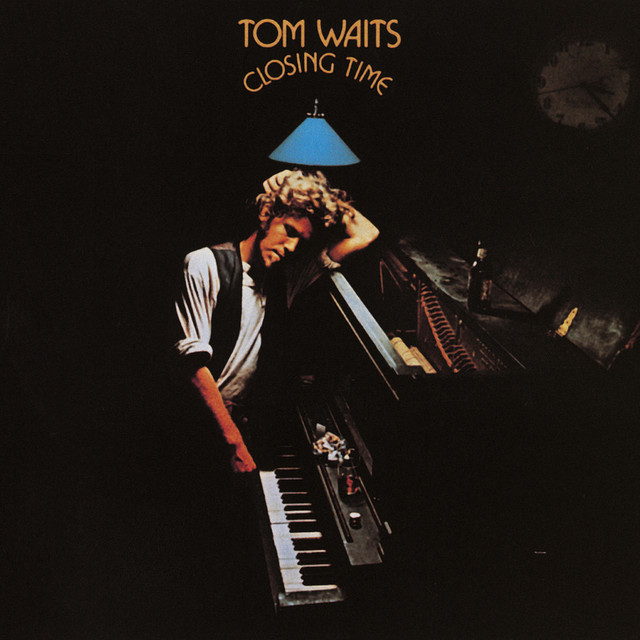
Closing Time (Remastered)
1973
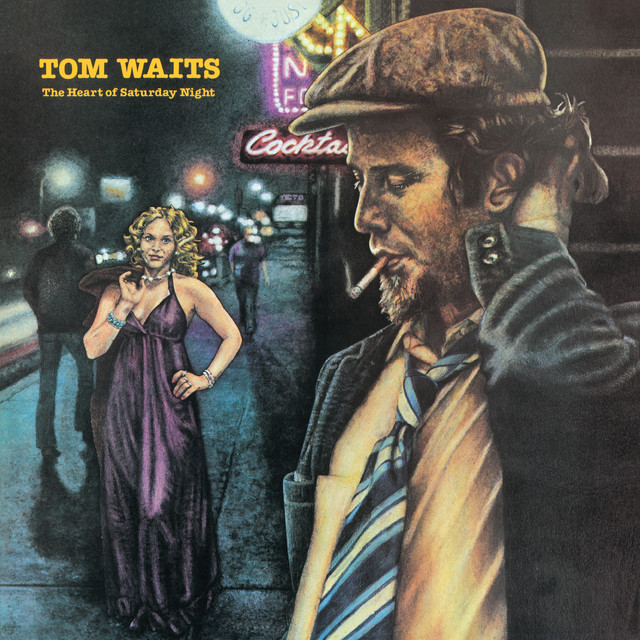
The Heart Of Saturday Night (Remastered)
1974
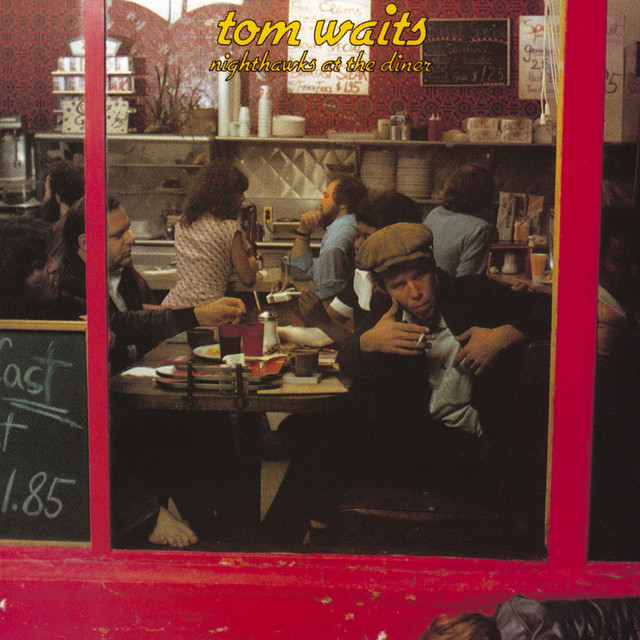
Nighthawks At The Diner (Remastered)
1975
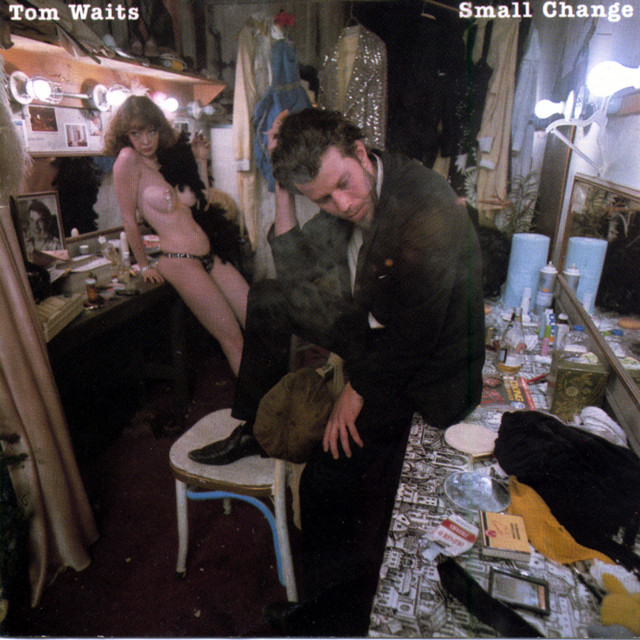
Small Change (Remastered)
1976
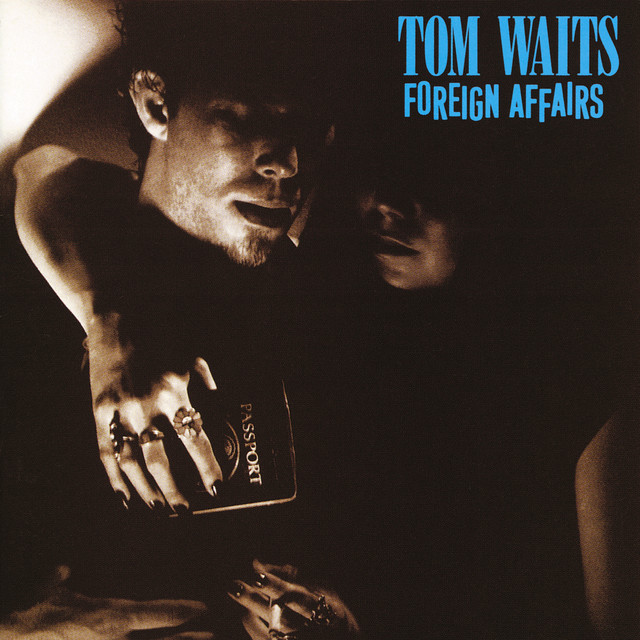
Foreign Affairs (Remastered)
1977
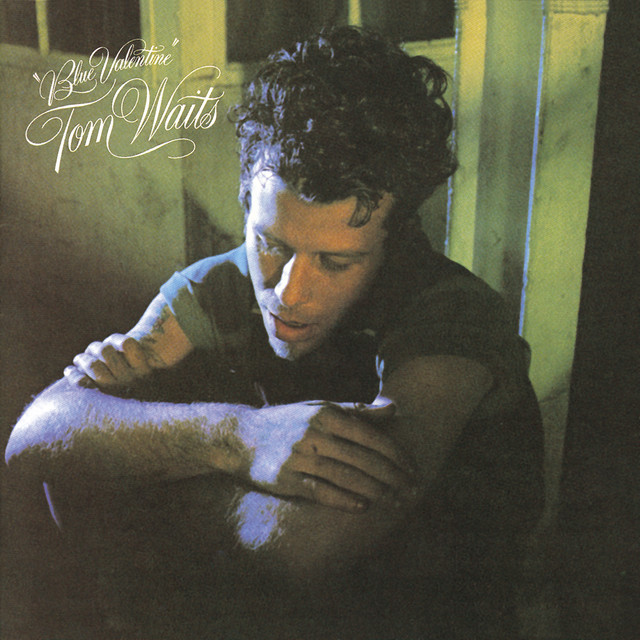
Blue Valentine (Remastered)
1978
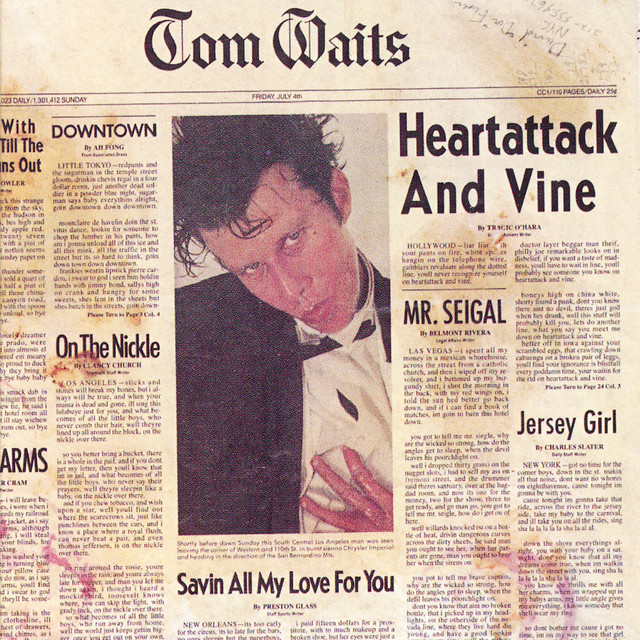
Heartattack And Vine (Remastered)
1980
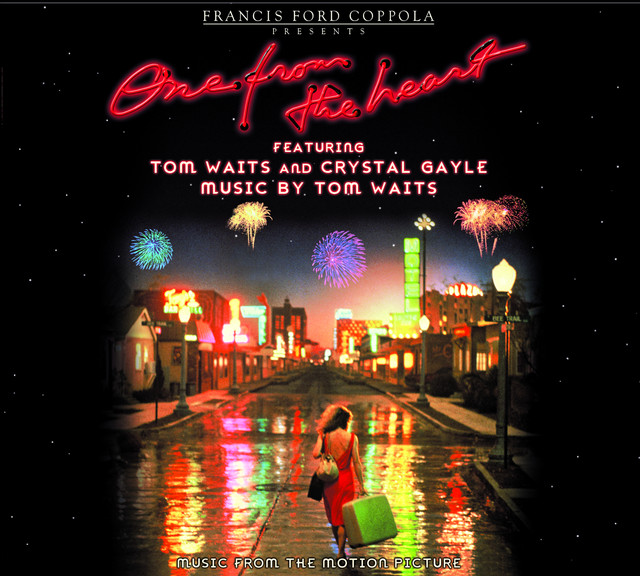
Music From The Original Motion Picture "One From The Heart"
1982
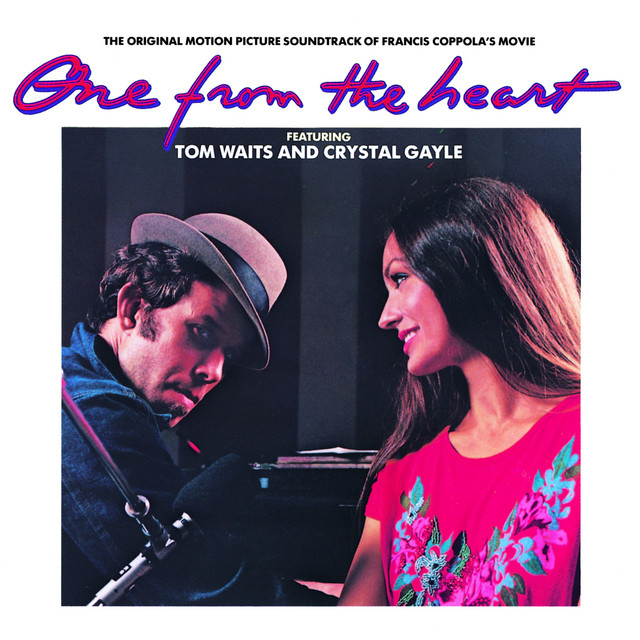
The Original Motion Picture Soundtrack of Francis Coppola's Movie ONE FROM THE HEART
1982
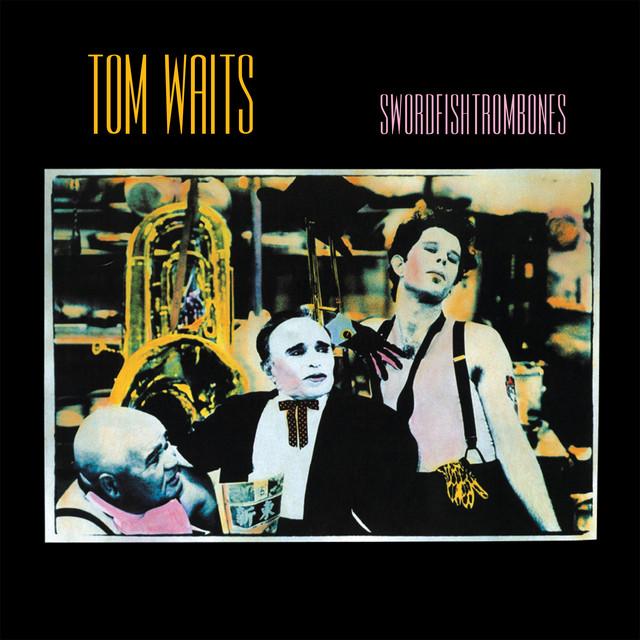
Swordfishtrombones (2023 Remaster)
1983

Rain Dogs (2023 Remaster)
1985
Anthology Of Tom Waits
1985
Album Credits
-
Tom Waits · 2022
Producer -

Metric · 2012
Producer -

Primus · 2006
Producer -
Tom Waits · 1991
Producer -
Tom Waits · 1988
Producer



.jpeg?v=1783650129)