Joe Satriani
Role
Role
Joe Satriani's Gear


"I have been using D'Addario strings for longer than I can remember. I started out like anybody else thinking, 'How am I ever going to afford the strings that I want?' Musicians go through, unfortunately, trying all sorts of strings. It's an expensive proposition to 'try' new strings for a while. It's devastating when you can only afford a few packs and then they break or they go bad after a couple of songs. So we're always on a quest for strings that not only sound well but also perform really well in the real world. Whether it be during intense rehearsals, intense practicing on a stage, in a tiny place or in a big place with weather changes, whatever, playing in the backyard, or playing the back of a truck in February in Manhattan. Whatever it is you got to do, those strings are your life line."
Find it on:


-m.webp?v=1784334211)
Used on Not of This Earth, Surfing With the Alien, the Dreaming #11 EP and Flying In A Blue Dream. Satriani's X100 was later modeled in IK Multimedia's AmpliTube for his signature pack, released July 8, 2020. In this September 25, 2020 IK Multimedia interview, "Joe Satriani on budget gear like the Rockman - Satch LIVE on AmpliTube Joe Satriani", Satriani explains that the X100 was part of his low-tech, contrarian recording ethic at the time, being used with a Neve preamp to boost its levels. Other sources are as follows:
Is that you on the harmonica?
Yeah, but it 's a joke. I'm playing it through a Bullet microphone hooked to a Rockman. I stumbled across the idea when Jagger was looking for a wild sound while we were rehearsing for his tour. He had a harmonica and I said, "Why don't you play it through this?"
Guitar Player, July 31, 2007, "Joe Satriani Reflects on 20 Years of Surfing With the Alien"
Did you have a game plan for the album’s guitar tones?
By the time I started making solo records, I had developed some pretty bad attitudes towards vintage gear and the vintage cognoscenti. I think it stemmed from the fact I was working at a vintage guitar store—Second Hand Guitars in Berkeley—and I was broke. But back then, I only thought about music. So, in a way, I became “Mr. Contrarian” when it came to tone. With Surfing, I went in with a Roland JC-120 and a ’68 Marshall half-stack that was modded with a master volume. I also used original Chandler Tube Drivers, a Boss DS-1 and an SD-1, a Scholz Rockman, a Nomad amplifier, and a borrowed bass amp.
For vintage tone guys, this was blasphemy. You don’t get big guitar sounds from Boss pedals and a Rockman! People always asked me if I wanted to borrow their Hiwatts and Les Paul Juniors, and I’d always say “no.” As long as the material you’re presenting asks for an interesting take, then you can go cheap or expensive. It doesn’t matter whether you use a ’55 Strat or a Kramer Pacer.
Did the Rockman tones make you play differently?
Oh, yeah. Take the solo on “Crushing Day,” for example. That was the only worked-out solo on the record, and it sports a very obvious Rockman tone. But I like the way the Rockman just emasculates the tone. I could never have played the solo the way I did with natural tube distortion through a 4x12 cabinet, because there would be too much sonic information. The low strings would be huge and boomy, and the high-end would be screaming. But the Rockman creates a “tunnel vision” of sound that evens everything out. The low notes and high notes were all equal volume. So for legato technique, it was great. It kind of makes you feel like Allan Holdsworth!
Do those sounds still hold up for you?
Most of them do. There are some Rockman tones from Not of This Earth that I don’t feel were the best application, but by the time I did Surfing, I had refined my Rockman use to the point of feeling emboldened. You have to remember—we didn’t have the budget to spend a week getting guitar sounds. There weren’t six different speaker cabs and a bunch of exotic amplifiers lying around. We had a modest studio with a small amount of time and a tight schedule.
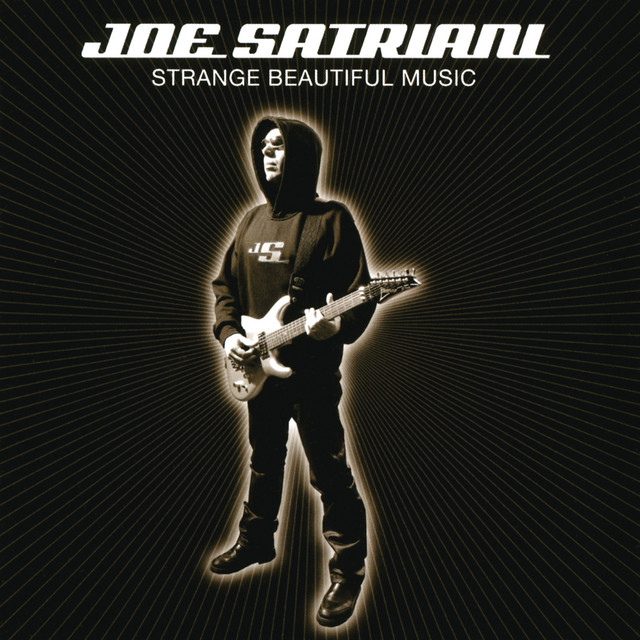
Strange Beautiful Music: A Musical Memoir by Joe Satriani and Jake Brown (April 8, 2014)
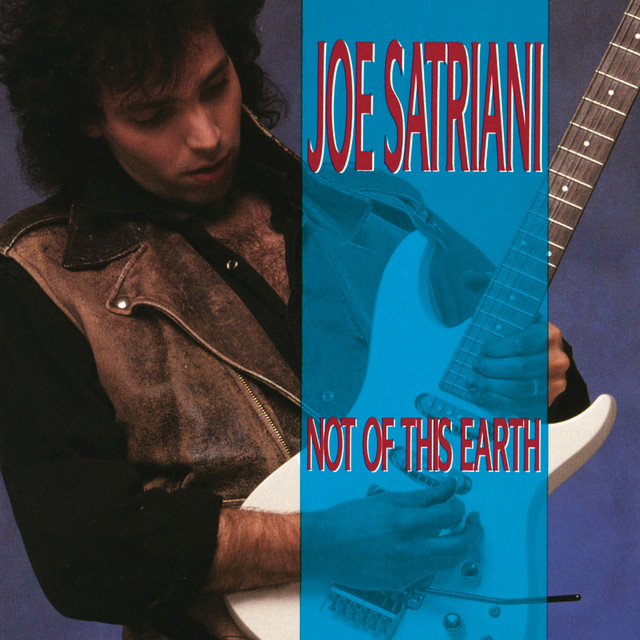
Not of this Earth—1985-1986
For the ’85 studio sessions, I started plugging my guitars into a Tom Scholz Rockman, which I really liked as a direct amplifier, primarily because my record didn’t sound like traditional rock music at the time. I had played through 100-watt Marshalls for a good five years already, and I was getting kind of tired of the straight-ahead guitar-into-a-Marshall approach. My competitors were all doing that—they were in studios with their Marshalls turned all the way up, trying to continue the dream of the late sixties and early seventies. And I thought what would really sound more modern to me, especially if I had some drum tracks that were drum machines, would be to get the guitar into that space as well. So if I’ve got a drum machine and a synthesizer, how could I get the guitar to sound like it’s coming from the same space as them?
That’s where the Rockman came in. It sounded like it was coming from the same aural space as the Prophet-5 synthesizer and the Oberheim DX we were using. It made them more mixable, to my ear, and they presented a more unified sonic sound. We rarely used big amps—we were using very small one- and two- speaker Fender amps for this stuff. The sound seemed to be more easy to place; I liked the fact that it was somewhat compressed, and the drums were very much like that as well, because they were coming from a drum machine and already had a sort of recorded sound.
John Cuniberti: Throughout the album’s recording, there would be occasions where Joe would need to get close to his amplifier for a particular sound, but it was very rare. Even then, he was using foot pedals for distortion and setting his amp up clean. He never really took to the loud amplifier-standing-in-the-room kind of approach.
John wasn’t always a fan of me using small amps, and I remember there were moments when we would definitely argue back and forth about it, because John had a long history of getting great guitar sounds out of amps, so he was pushing for using mics. I remember I showed up for that record without an amp, and John asked, “What do you mean?” And I said, “I want to use whatever the smallest little amp is you’ve got,” because I was really Mr. Antithesis, and I just didn’t want to waste time getting a big rock sound because I thought it would never fit. As we got deeper into recording for the record, I think he understood that sometimes the part would sound better technically if it was played through the Rockman. But other times he would provide me a more upscale path and say, “I know what you want. Let me show you how to do it better,” and we’d go direct. He introduced me to going into a vintage mic pre, directly to tape, and then using very expensive signal processors to recreate stereo chorus and delay. So we wound up using that instead of the Rockman. It was a balance, back and forth.
Along with the Rockman, my go-to traditional amplifier was the Roland JC-120. We used it quite a bit, and I still have that amp; it’s fantastic. It wasn’t really great at distorted guitar sounds, because it had this high end that revealed itself as being a transistor amp. But for clean sounds it was excellent, because it had a quick, snappy, transient response in the high end, and it had that unusual, wide stereo chorus effect. It’s a unique acoustic phenomenon, and recording it is tricky, but we got good at it. I found some small silver-faced Fender amps in the closets at Hyde Street that I would borrow sometimes, and if I needed a Marshall, I still had my half stacks.
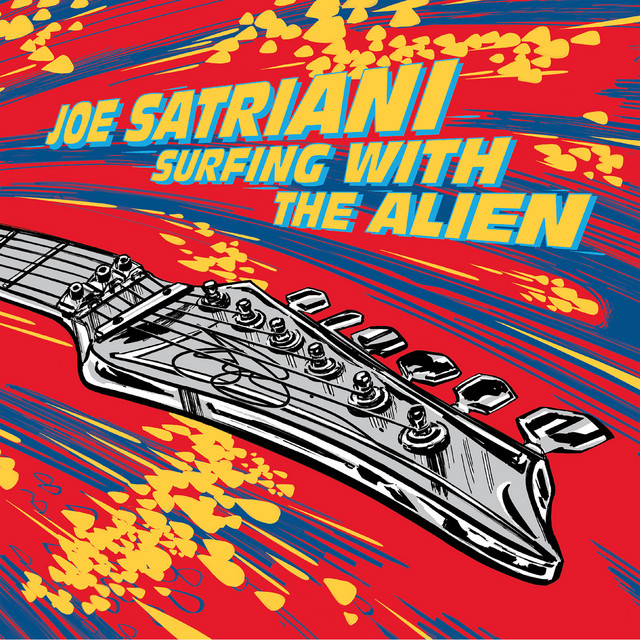
Surfing with the Alien—1987
“Always with Me, Always with You” began as a love song for my wife, Rubina. I remember composing most of it in my Berkeley apartment one afternoon. The chord sequence uses suspended triads arpeggiated over a major-key bass line. On top of that, a lyrical melody in counterpoint with the arpeggios, and a little pitch axis B-section. There’s even some two-handed tapping in there as well! John, Jeff, and Bongo Bob Smith helped me keep the end result sweet and as light as a feather by adding the perfect accompaniment and a unique final mix. All the guitars were recorded using a Rockman, and then straight into mic pres on that song—no amps!
With a song like “Circles,” I’m using dyads to create a harmonized melody against an exotic rhythm section that shifts gears suddenly with Jeff Campitelli’s amazing footwork on the kick drum. It’s a crazy arrangement that was a lot of fun to work out in the studio. DI guitars for the main melody, amped-up rhythm guitars combined with the Rockman for the solo. For me, it was a new way of combining melody, rhythm, and harmony to create a memorable hook. The trippy ending with all the swirling percussion and sound effects completes the song’s fantasy.
Launching the Silver Surfer
Postscript: Late in 1987, just before everything was about to “pop,” Guitar Player magazine asked me to record an original piece of music for a Soundpage to be included in the February 1988 issue where I was to grace the cover—my first! I jumped into the studio with John and Jeff and recorded two pieces of music: “The Power Cosmic,” a solo guitar piece, and what would become a hit for me, “The Crush of Love,” a soul song with a lilting wah-wah melody over a funky bass and fat backbeat. With my new Ibanez 540 Radius guitar in hand, Rockman amp, and Casio CZ-101 keyboard, we recorded and mixed the new music in a few hours at Hyde Street Studios. It eventually was added to a live EP called Dreaming #11 that was released about a year later. The live performances, recorded at the California Theatre in San Diego, featured Stuart Hamm on bass and Jonathan Mover on drums, my touring band that year.
The Gear: Album by Album
Not of This Earth 1986: ’83 Kramer Pacer, Boogie Body and Rubina-painted Strat- type electrics, ’67 Marshall Super Lead, ’78 Marshall MKII 100-watt head, Roland JC-120, Scholz Rockman, silverface Fender Princeton Reverb amp, Boss DS-1, OD-1, BF-2, and CE-2 pedals
∗∗
Surfing with the Alien 1987: two ’83 Kramer Pacers, Boogie Body and Rubina- painted Strat-type electrics, vintage Coral Sitar, ’67 Marshall Super Lead, ’78 Marshall MKII 100-watt head, Roland JC-120, Gorilla practice amp, Scholz Rockman, original Chandler Tube Drivers, Cry Baby wahs, Boss DS-1, DD-2, OD-1, and CE-2 pedals
∗∗
Dreaming #11 EP 1988: Ibanez JS1 Prototype “Black Dog,” Scholz Rockman, ’64 Fender P-Bass; live rig: Ibanez JS1; ’67 Marshall Super Lead, ’78 Marshall MKII 100-watt head, Cry Baby wahs, Boss DS-1, DD-2, and CE-1 pedals
∗∗
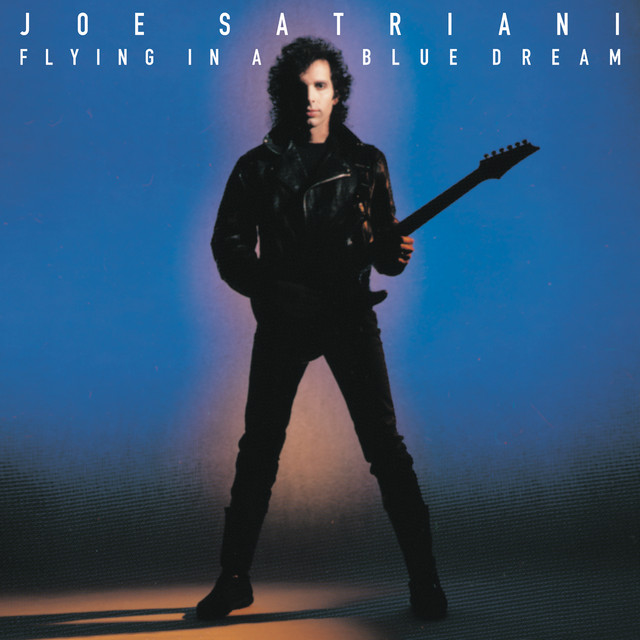
Flying in a Blue Dream 1989: Ibanez JS1 Prototype “Black Dog,” white Ibanez JS1, ’83 Kramer Pacer, Boogie Body Strat-type electric, Fender ’63 reissue Stratocaster, ’64 Fender P-Bass, ’71 Marshall Super Lead, ’78 Marshall MKII 100-watt head, Roland JC 120, Gorilla practice amp, Scholz Rockman, Mesa Boogie Mark llc 100-watt head, Deering 6-string banjo, Cry Baby wahs, Boss DS-1, OD-1, and CE-2 pedals
MusicRadar, February 1, 2017, "Joe Satriani talks Surfing With The Alien track-by-track"
Ice 9 (...) “On that one, I'm using a Boss DS-1 and the overdrive, OD-1, I think. I'm playing my ’60s P-Bass, but I think that's where the rhythm guitars are the DS-1, so they're a bit crunchier. For the solos, I believe it's a Rockman [headphone amp], and we just used one channel of the Rockman and put it up on the middle, flat and dry. I mean, that's about as dry as I've ever recorded. Simple legato technique and just crazy all over the place.
Crushing Day (...) “This song definitely, out of all of them, echoed the time. It had that early-’80s metal sound to it and strictness. It had more Rockman on it than it should have had, and it had tuning issues because it was done as a demo. And then by the time we decided to put it on the album, we had run out of money and so we didn't have time to replace parts again.
KVR Audio, August 23, 2020, "Songs in Isolation: An Interview with Joe Satriani"
What about the gear that was modeled?
That was an interesting process. We had some audio stems and the pedals I used, like the original Rockman 2 [sic] driver DS1 overdrive, that I sent them off to IK in Italy. I thought that was really necessary.
My original Marshall head was a '71 Super Lead that had been modified by a local Bay Area guitar player/engineer named Todd Langer. He had added a gain stage to the front of the amp, kind of a master volume thing. That amp did a lot of the heavy Marshall lifting. We would put it together with the Rockman. I'd go into the Rockman and either stereo or mono with no delay and the output would go into a Neve preamp that John had pulled out of a console and put into a discrete case with the shortest cables possible. We got that Rockman to sound like it was a cool amp by recording it like it was an amp.
So, some of the songs, like Ice 9 has a Roland DS1 distortion pedal into the Marshall mic'd up by a (SM) 57. The melody tones went into the Rockman, tube driver. The last solo is with Doug Doppler's little Gorilla amp that I borrowed without asking him one afternoon (laughs). I think that last solo we recorded in Studio D was with a talkback mic. We wanted to use the gear in non-traditional ways to create a special voice for the albums.
Find it on:


"The JVM410, I have three clones of each other. These are modified by Santiago Alvarez, the Head Engineer for Marshall - also a really good guitar player. He's been working on these things for me for over a year. We've kept the basic design of the 410s, which is four channels and three modes for each channel, so you do get a lot of flexibility. Any working guitarist out there is going to love the fact that it's pretty much got the history of Marshall tones in one head. I'm using about four different settings right now. So I'm using a clean channel, one for a sort of overdriven 800 tone, then two settings in an overdrive channel. My gig is mainly playing melodies and solos full time, so I don't do a whole lot of rhythm work during the show. What Santiago is able to do with the existing 410 is get rid of a lot of the inherent compression that was a little more popular a couple of years ago. So now it's an ultra punchy, super dynamic amplifier. We got it way more quiet, and we got rid of the reverbs and we put it four noise gates - one for each channel. We reshaped the resonance and the presence controls so that they would be a lot more friendly for me. Basically I didn't want the presence to be so harsh and I wanted the resonance to be a little more flexible, let's say, not so overwhelming in the 100-hertz area. Other than that, I'm using just one head during the show and two cabinets. We keep a half step back for guests: John Petrucci was playing through that one the other night in New York City. A spare head is always available just in case something gets finicky with this one. All the heads go into that to keep the power regulated. For the tubes, I don't think we change anything about them, they're EL34s 12AX7s. I don't think in the last twelve months we ever tried anything else, like 6L6s or KT80s. We've kept the EL34s for the whole thing."
Find it on:


"These things were called super harmony machines and they actually have this one program in here- they actually have two programs that I really like. One was sort of like a self-tuning feature that I used on the song, "Down, Down, Down" many years ago. But the other thing that's really cool is that it provides this very interesting E minor chord harmony that we use on the melodies for the song "Why.""
Find it on:

The DS-1 was a staple of Satriani's lead tone until the development of his signature distortion pedal, the Vox Satchurator. It is clearly visible on his pedalboard at 7:47.
Find it on:

"A lot of people know me for my lead distortion tones, but actually I've been using overdrive pedals since the Surfing record all the way up through the Chickenfoot record, the tour and even the new Chickenfoot sessions. The Ice 9 captures the best of my vintage and modern overdrive pedals, and it improves a lot of troubling issues intial pedals had. The Ice 9 is a great versatile sounding pedal and I'm having a great time using it on tour right now."
Find it on:
-m.webp?v=1784546369)
At 6:46 of this "Rig Rundown" with Premier Guitar, Joe says "Before on tours I used to travel with 75-watters, and 20-watters and 25s and 30s, and I finally figured out it's a better idea to go with the straighter head 1960B cabinets and tune the heads, so to speak, so that wherever you go in the world you’re going to find this cabinet. This is the most prevalent cabinet for Marshall. I've been really liking this cabinet a lot, more than in the past when I had a softer sound. I think especially with the edition of keyboards now, we're a five-piece band, these cut a lot more so I do like them. They should be 80-watt speakers."
Find it on:

In this Guitar Player interview, Satriani states that he “ha[s] a few original Peavey 5150s”. The article goes on to share signal chains from Satriani's personal notebook, which reveals that the 5150s were used on "Smooth Soul" and "Forever and Ever".
“Smooth Soul”
Melodies: MCO#1, Peavey 5150 Solo: KSR Orthos Rhythm Guitars: Gibson Custom Shop goldtop, Korg G4 Rotary Speaker, Fender ’59 Tweed Twin, Wells amp into Fender Deluxe
(...) “Forever and Ever”
Intro/Outro Guitar/Rhythm Guitars: JS25ART #47, Mezzabarba M Zero Melody: MCO #1, Peavey 5150 Solo: JS25ART #47, Peavey 5150
Another one of Satriani's Peavey 5150s was sold on Reverb.com via Bananas at Large.
Find it on:
-m.webp?v=1784556109)
Mentioned in this 2007 Guitar Player interview.
By the time I started making solo records, I had developed some pretty bad attitudes towards vintage gear and the vintage cognoscenti. I think it stemmed from the fact I was working at a vintage guitar store—Second Hand Guitars in Berkeley—and I was broke. But back then, I only thought about music. So, in a way, I became “Mr. Contrarian“ when it came to tone. With Surfing, I went in with a Roland JC-120 and a ’68 Marshall half-stack that was modded with a master volume. I also used original Chandler Tube Drivers, a Boss DS-1 and an SD-1, a Scholz Rockman, a Nomad amplifier, and a borrowed bass amp.
Satriani also mentions the JC-120‘s use on Surfin’ With the Alien in this 2012 interview with Vintage Guitar magazine, where it is erroneously transcribed as the then nonexistent JC-20.
Parts of Surfin’ With the Alien were done with a JC-20 [sic] and the DS-1 instead of the Marshall stack.
Find it on:

"Well, when I'm at home, there are two ways I do it. I've got my Marshall heads that have recording outputs, which are really amazing sounding. The recording out feature on the new Marshall heads is so reliable and it sounds organic. So if I really want the amp head sounds, I'll do that.
But I'll tell you what I started doing about two years ago, is recording DI and using software guitar amplification, primarily because I thought if I put in a performance that's a once-in-a-lifetime performance on this particular song, I'm going to want to keep it. And I don't trust doing it here at home. But if I record it direct, it'll sit there in the session and then when we get to a real studio and we've got the real band recorded with microphones and a big room, we can re-amp that performance, and re-record it. And that's what we did quite a bit for the Black Swans and Wormhole Wizards record. There are quite a few songs that I had recorded using SansAmp or Guitar Rig, but they were all recorded DI. I would monitor those software patches at home, and then when we got to Skywalker, we either used a combination of those software guitar patches, or we would send the DI out into Marshall amps and different speakers and mic them anyway we want based on what we had captured from the band.
(...)
I remember the first time we used a SansAmp, John and I were recording Flying in a Blue Dream, and they had just created one and he was hip to the idea of 'hey let's use SansAmp so we get out of the hassle of trying match guitar parts in different studios,' because we were kind of moving around a lot at the time. One song might get recorded in three places and he was thinking this was going to be insane for Joe's guitar sound unless we can take it with us. And we had done that before, going directly into mic pres or using the Tom Scholz Rockman and we tried every little funny piece of gear, because we were trying to do anything that was the antithesis of mic'ing up a Marshall stack."
Find it on:

"But I'll tell you what I started doing about two years ago, is recording DI and using software guitar amplification, primarily because I thought if I put in a performance that's a once-in-a-lifetime performance on this particular song, I'm going to want to keep it. And I don't trust doing it here at home. But if I record it direct, it'll sit there in the session and then when we get to a real studio and we've got the real band recorded with microphones and a big room, we can re-amp that performance, and re-record it. And that's what we did quite a bit for the Black Swans and Wormhole Wizards record. There are quite a few songs that I had recorded using SansAmp or Guitar Rig, but they were all recorded DI. I would monitor those software patches at home, and then when we got to Skywalker, we either used a combination of those software guitar patches, or we would send the DI out into Marshall amps and different speakers and mic them anyway we want based on what we had captured from the band."
Find it on:

"It's been great. I've been using it every night on stage. It's a fantastic distortion box. I'm so glad that the engineers at Vox could put so much technology into this. I mean every day I find something new about it that is really amazing. The craziest thing happened the other night, I was fooling around with the battery compartment, and the engineer put some things here that he thinks he only knows about, but I've discovered them. One of the things that is really amazing is one of his discoveries is put right inside of this distortion box, and he uses a patented feature called 'Satchmosis'."
Find it on:

"We have my little Peavey Mini Collosssal. This we use only for the harp mic for the harp solo in 'Big Bad Moon'. I believe that takes the direct out."
Find it on:

"I couldn't do without the JS1200. This one is a bit modified because we put a sustaining pickup. I use that on a couple of songs on the new record. Live I'm using it for the song 'Why' in just the regular single-coil tone. The 'Wind in the Trees' solo act uses the sustainer, and you can actually pick to sustain in the low, mids or high frequencies. That's fun to play with - it's very liberating. Of course, the neck and the body are identical to the 2400, so the playability is there. It has the same neck that is one the 1000s. It's a great guitar and it's beautifully red."
Find it on:

"This is one of the two prototypes that I had when developing the JS2400. So 24 frets instead of the usual 22, extra cut away. It has a new single coil pickup by DiMarzio and a Mo' Joe here in the bridge position. It pretty much functions like the JS1000s, except in this particular case without all the particular stuff I mentioned, the body is older and it's got a Bubinga stripe in the neck, and it's orange! I wanted to get it to look like this '73 Camaro that was painted in a hugger orange color. We decided not to put in the white stripe. But in the end it came out looking like Halloween candy. We just figured not many people would want to buy an orange guitar, but because it's older wood than I usually use it has just maybe 2% extra warmth to it or something. It doesn't cut as well but it's a little fatter sounding. It was done down at the LA custom shop. I think we made the right decision in sticking with bass wood and taking out the Bubinga stripe. I think it ultimately is a bit more musical sounding. Now, the problem that I've always found with 24-fret guitars is that when you take this whole ensemble here of pickup and pickup ring and you put it on here, it actually winds up moving your prime position back towards the bridge, not where it was originally placed. The tone suffers. That neck pickup sound, I think, is so important for all guitar players. I certainly use it a lot in my music. I just thought, 'Well I'm not going to give up my sound just for those two extra frets.' So I brought it to those guys to see what could we do to solve that problem. The realization is that you don't need a whole lot of wood after that last fret. Usually they put in a generous amount for another fret being there then you add the ring to this and this whole section would be back here - completely different tone. So this allows us here to get this pickup here right where a Humbucker's range of picking up the sound would be. It really makes the pickup function incredibly well. It sounds like a high-powered Strat; you can dial it down, put the high-pass filter in there and you do get a very beautiful Strat tone."
Find it on:

Used for the intro and outro of “Righteous” and breakdown rhythms of “Super Funky Badass”, as taken from Satriani’s personal notebook.
”Righteous”
Intro/Outro: MCO #1, Electro-Harmonix Microsynth, Strymon El Capistan, Marshall ’71 50-watt
(...) ”Super Funky Badass”
Breakdown Rhythms: Fender Custom Shop ’69 Strat (gold sparkle), Electro-Harmonix Mel9, Electro-Harmonix Micro POG, Roger Mayer Voodoo Vibe, Strymon El Capistan
Find it on:

"The Whammy pedal is used for the chorus on 'Revelation'."
Find it on:

"The Chorus pedal I use just a little bit in 'Crystal Planet' and a little bit in 'Wind in the Trees'."
Find it on:

"That’s an all-original Olympic White/maple-cap Strat. It’s really beautiful; take off the pickguard and you see the original color, it’s pretty stunning. I used that for the melody on “Two Sides to Every Story” on my last solo record. Fender guitars had all sorts of tonal qualities in different years, as their pickups got hotter or weaker, they used different woods and stuff. I relate to the ’60s Strats more than I do to ’50s Strats. I was kind of brainwashed earlier in my collecting career, thinking, “You had to have a ’55 and a ’56 or whatever.” But after owning so many, and getting rid of all of ’em, my Strats now start at ’60 and I’m still looking for perfect examples of ’64 through ’69 models, because that’s what I heard on records when I as a kid."
Find it on:

Powered by a Voodoo Lab Pedal Power 2 Plus, Satriani’s versatile pedalboard featured a Vox Big Bad Wah, Boss OC-2 Octave, Voodoo Lab Proctavia, Vox Saturator, Zvex Ringtone, Boss DM-2 Analog Delay, and two of the guitarist’s signature Vox Time Machine delay units
Find it on:

Sold on Reverb.com via Bananas at Large in 2017.
BOSS CS-3 Compression Sustainer Pedal (Joe Satriani Private Collection)(Pre-Owned)
Find it on:

Listed under Satriani's Fulltone artist page. It was used during the recording of Engines of Creation, as stated by Satriani in this interview. According to Guitar Geek, Satriani also used it in his 2000 rig.
Find it on:

Interviewer: What pedals did you use on this project [Engines of Creation]?
Satriani: We had much success with the Moogerfooger pedals, the Fulltone Ultimate Octave, a DigiTech Whammy pedal and a preamp called a Hafler Triple Giant.
Interviewer: Were there any in particular that really gave you that electronica feel?
Satriani: The Hafler Triple Giant had the most robotic distortion, totally devoid of warmth and feeling. But, in the context of a song like "Borg Sex," it was perfect!
Find it on:

Jan 31, 2018 - But Satch doesn't stay in one temporal plane very long, and he .... Main Guitar: JS25ART #47, Sola Sound/Colorsound Tone Bender Pro MKll, ... Melody/Solo/Intro/Outro: MCO#1, KSR Orthos, Wells Amp into Fender Deluxe cab Intro/Outro: ... KSR Orthos Rhythm Guitars: MCO #1, Dunlop EchoPlex Preamp, ...
Find it on:
-m.webp?v=1784546002)
A December 20, 2002 post in this Les Paul Forum thread by user Bluesbreaker59 mentions that Satriani purchased a MKIIC+ from him.
When I had my Mark II C+, it had the original STR 420's in it, which from what I was told by my Boogie dealer, is the holy Grail of Mesa tubes. However they ceased production on them, so I don't know how hard they would be to find. When I finally had to replace them, I just bought brand new Boogie 6L6 tubes and they sounded good, just not spectacular like the old 420's. Just my opinion.
When I sold my Boogie, the guitar shop put it on Ebay and got contacted by one of Joe Satriani's people, because I guess he, Petrucci, Kirk Hammett and a few select others are trying to hoard all the Mark II C+ 's in the world. I got $800, for it, the guitar shop got $1800, so if I were you I'd definitely hold onto that amp, and not let those shredders have it, they don't deserve everything.
Find it on:

"The Roger Mayer Voodoo Vibe is used for a solo in a song called 'Pyrrhic Victoria'."
Find it on:

As seen on his official website, Joe has a classic 1958 Gibson Flying V in his collection.
Find it on:





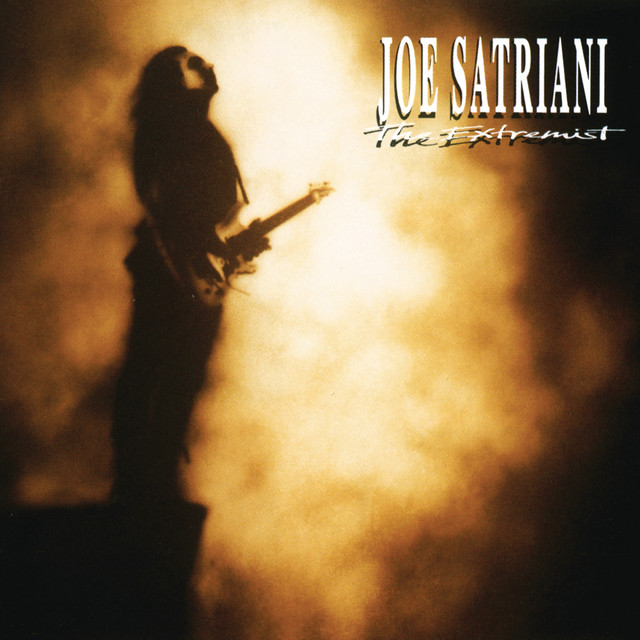
Satriani has been making heavy use of this ’58 Fender Esquire since recording the 1992 album The Extremist.
Find it on:


Ibanez Flanger on the Satriani's pealboard with Chickenfoot can be seen 2:41 into this video.
Find it on:

According to Gear Secrets of the Guitar Legends: How to Sound Like Your Favorite Players, Satriani used a PS-5.
Find it on:
This is a community-built gear list for Joe Satriani.
- Find relevant music gear like Guitars, Amplifiers, Effects Pedals, and other instruments and add it to Joe Satriani.
- The best places to look for gear usage are typically on the artist's social media, YouTube, live performance images, and interviews.
- To receive email updates when Joe Satriani is seen with new gear, follow the artist.
Discography
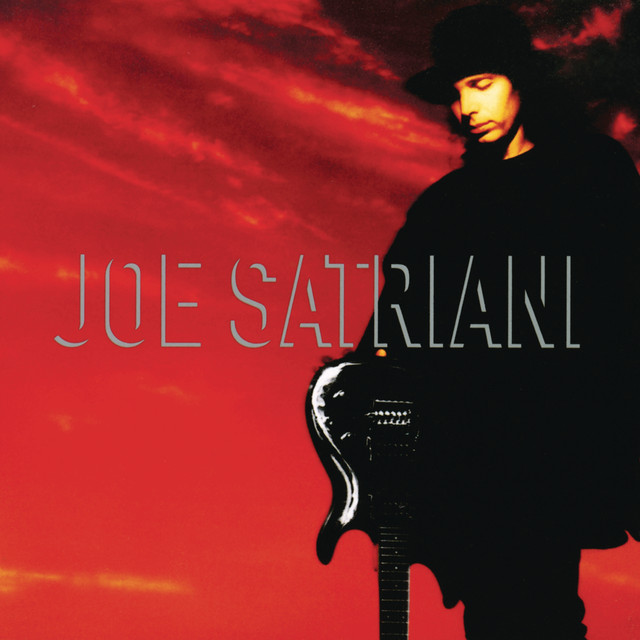
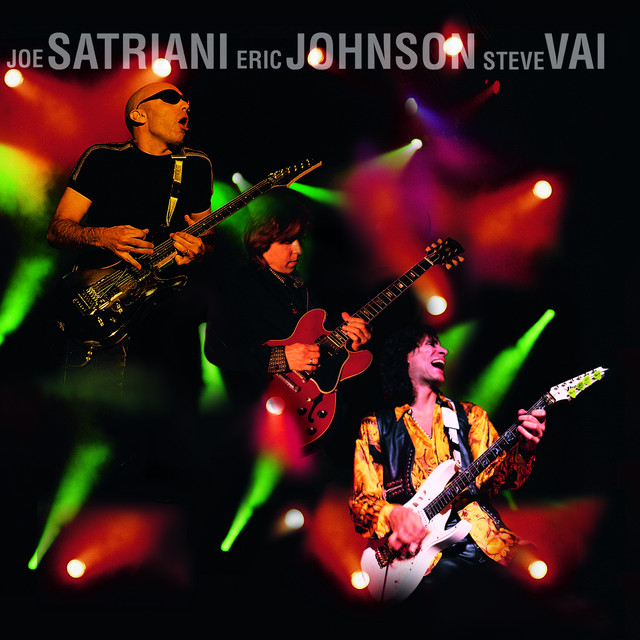

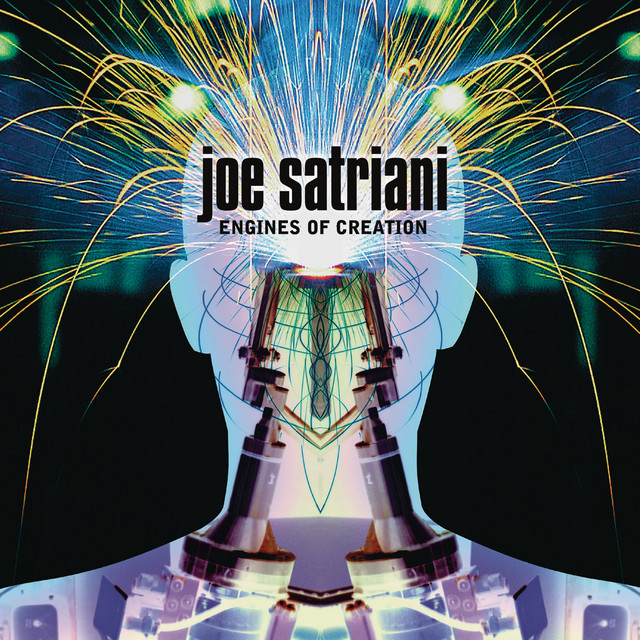
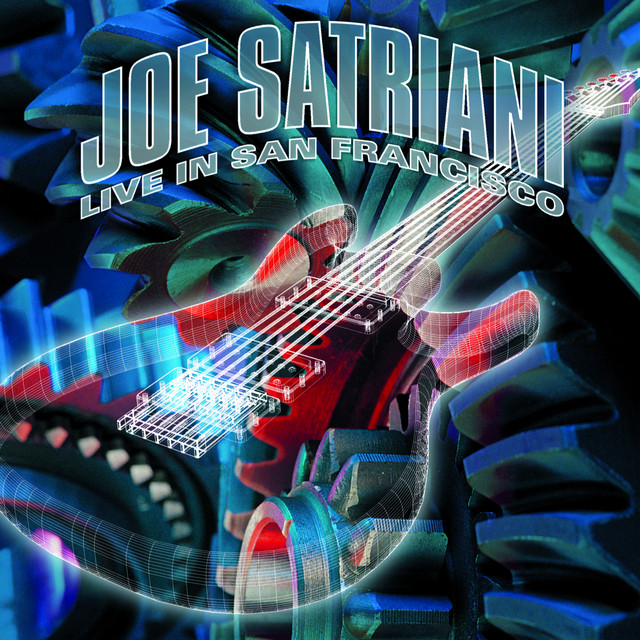
Album Credits
-
Always with Me, Always with You
Joe Satriani · 2024
Producer Programmer -
Joe Satriani · 2020
Producer Recording Engineer -
Bryan Beller · 2019
Recording Engineer -
Joe Satriani · 2018
Recording Engineer -
Joe Satriani · 2015
Producer -
Joe Satriani · 2013
Producer -
Joe Satriani · 2012
Producer -
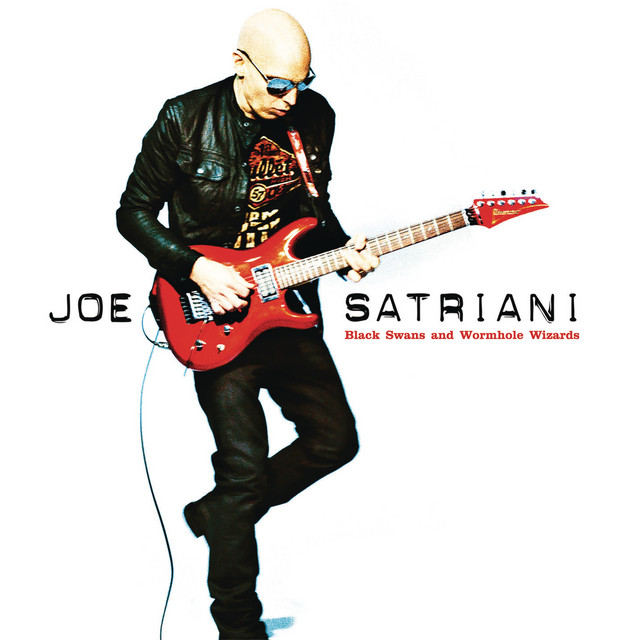
Black Swans and Wormhole Wizards
Joe Satriani · 2010
Producer -
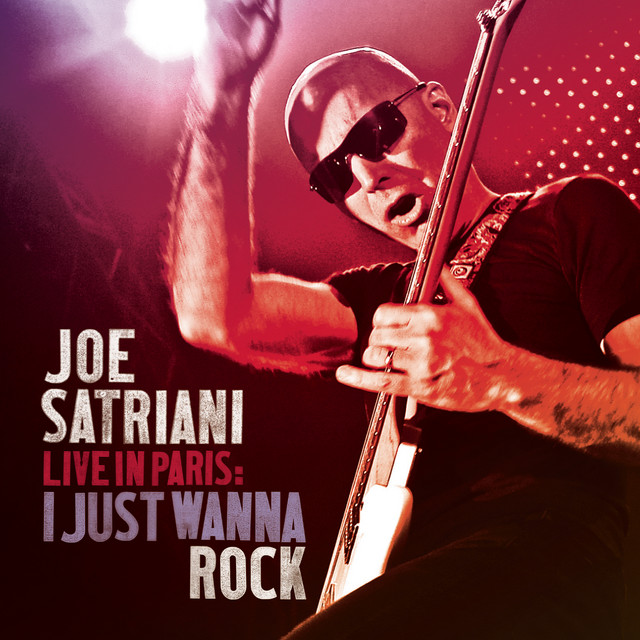
Live in Paris: I Just Wanna Rock
Joe Satriani · 2010
Producer -
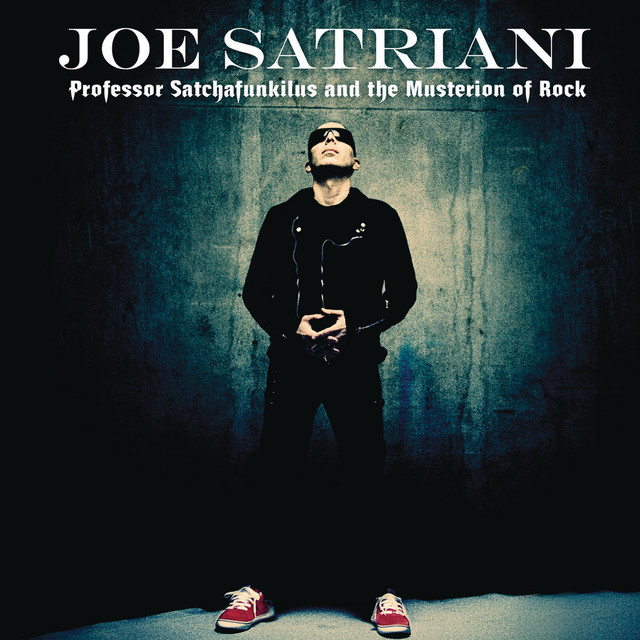
Professor Satchafunkilus and the Musterion of Rock
Joe Satriani · 2008
Mixing Engineer Producer -
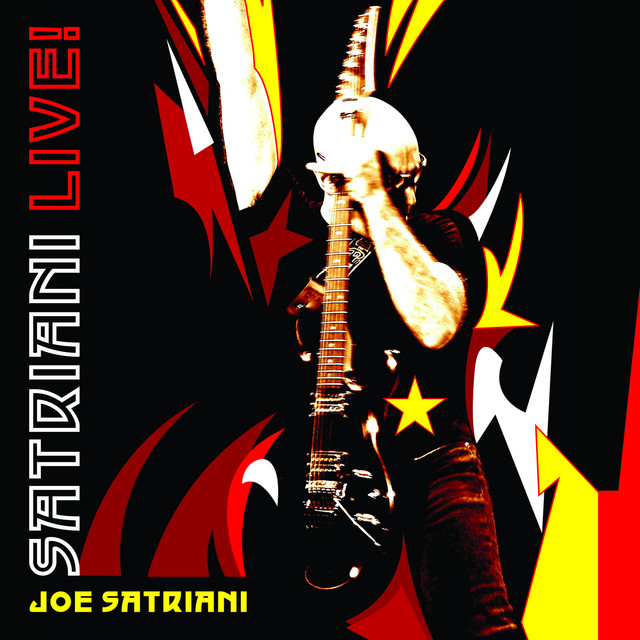
Joe Satriani · 2006
Producer -
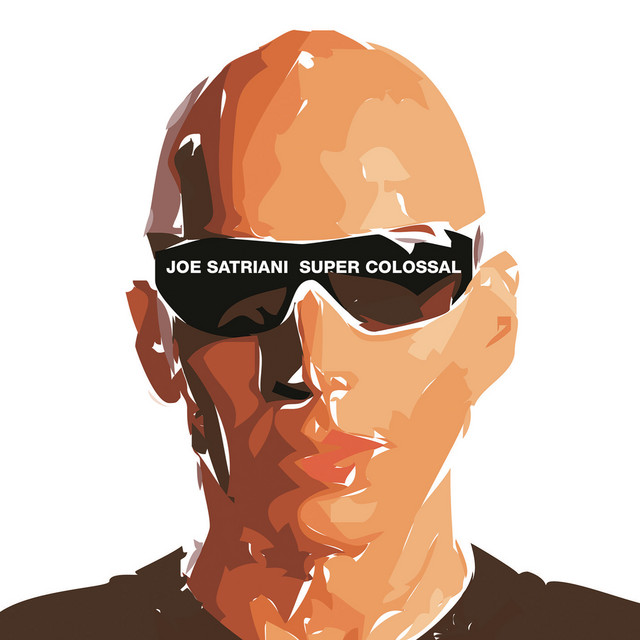
Joe Satriani · 2006
Engineer Producer







.webp)