-s.webp?v=1784334211)
-xl.webp?v=1784334211)
Pricing and availability




* Product prices and availability are updated by Equipboard every 24hrs and are subject to change. Equipboard may receive compensation for purchases made at participating retailers linked on this site. This compensation does not affect what products or prices are displayed, or the order of prices listed. For more information, please refer to our affiliate disclosure.
Description
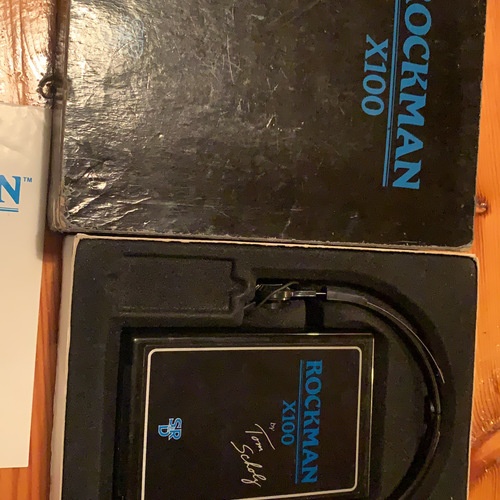
Plug in and rock out with the Scholz Research & Development Rockman X100 Headphone Amp, a revolutionary piece of gear that transformed the way guitarists practice and create music. Designed by iconic engineer Tom Scholz of Boston fame, this headphone amp is perfect for musicians who need to jam quietly yet crave the rich tones of a full setup. The Rockman X100 delivers four classic amp modes: Clean 1, Clean 2, Edge, and Distortion, each offering a distinct sonic palette for your guitar.
This compact powerhouse isn't just for private practice. It features a stereo chorus and a stereo echo, giving your sound a lush, ambient quality. The Rockman X100 is equipped with a 1/4" stereo output that can be connected to an external amp or mixing console, making it versatile for both home studio and stage environments. Additionally, it includes an auxiliary input, allowing you to play along with your favorite tracks or backing tracks effortlessly.
Key Features:
- Four amp modes: Clean 1, Clean 2, Edge, Distortion
- Integrated stereo chorus and echo effects
- 1/4" stereo output for external amp or console connection
- Auxiliary input for playing along with external audio sources
- Ideal for silent practice and portable use
- Designed by Tom Scholz, ensuring authentic and high-quality sound


Reviews
Owner Insights
We analyzed real musician discussions from forums and Reddit to find what players love, question, and tweak about Scholz Research & Development Rockman X100 Headphone Amp.
Comparisons
Mods and upgrades
-
Version 3 of the RMS X100 uses Spin FV-1 DSP for precise reverb and echo, offering adjustable parameters unlike earlier versions.
Source
Features and functionality
-
The Rockman X100’s unique sound stems from its onboard compressor with a high pass filter at 5KHz and a mid-range emphasizing preset EQ.
Source
User experience
-
RMS units are noted for having hi-fi output quality, contrasting with the original Rockman’s noisy output.
Source
5.0 out of 5
Based on 1 Review and 2 Ratings

128
The sounds of the album "Surfing with the alien".
I like this song. I don't like its power system, you have to power it with 8 1.5 volt batteries.
Artist usage
Add artist
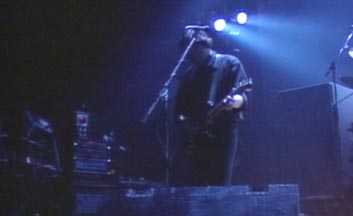
"Not much is known about the gear used for the About Face sessions. David began making demos in early 1983 then recorded sessions in Paris beginning in July 1983 and later in England. Most of the tracks were cut live with a full band, with additional multi tracking added later. David has stated he used a vibrato pedal for the synthesizer-like rhythm on Until We Sleep, running in time with the drum tempo. He also said he used a Rockman headphone amp for the outro solo on Blue Light, but that was only because they decided in the mixing stage to add a solo. David had no amplifier in the studio, so they plugged the Rockman straight into the mixing board. The Rockman was a miniture solid state amplifier simulator designed by Tom Scholz (of the band Boston) in 1982. It included two clean modes and distortion tones, along with a built in stereo chorus and echo. It could be played using headphones or plugged directly into a mixing board."
.jpeg?v=1784984769)
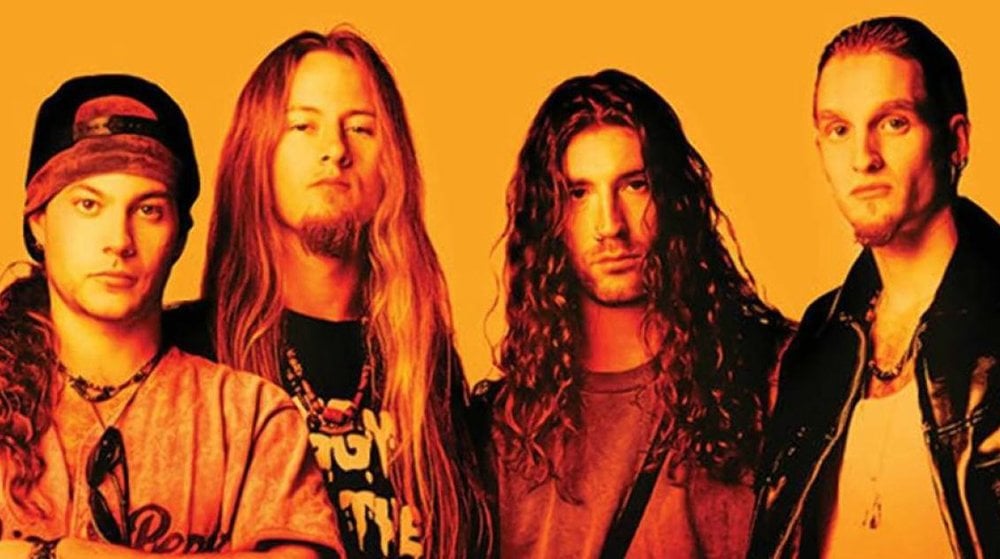
To get the thick guitar sound on Alice In Chain's 1992 album Dirt, Cantrell mixed three amps together - a Bogner Fish for the low end, a Bogner Ecstacy for the mid-range, and a Rockman Headphone amp for the high frequencies.


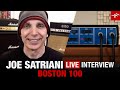
Used on Not of This Earth, Surfing With the Alien, the Dreaming #11 EP and Flying In A Blue Dream. Satriani's X100 was later modeled in IK Multimedia's AmpliTube for his signature pack, released July 8, 2020. In this September 25, 2020 IK Multimedia interview, "Joe Satriani on budget gear like the Rockman - Satch LIVE on AmpliTube Joe Satriani", Satriani explains that the X100 was part of his low-tech, contrarian recording ethic at the time, being used with a Neve preamp to boost its levels. Other sources are as follows:
Is that you on the harmonica?
Yeah, but it 's a joke. I'm playing it through a Bullet microphone hooked to a Rockman. I stumbled across the idea when Jagger was looking for a wild sound while we were rehearsing for his tour. He had a harmonica and I said, "Why don't you play it through this?"
Guitar Player, July 31, 2007, "Joe Satriani Reflects on 20 Years of Surfing With the Alien"
Did you have a game plan for the album’s guitar tones?
By the time I started making solo records, I had developed some pretty bad attitudes towards vintage gear and the vintage cognoscenti. I think it stemmed from the fact I was working at a vintage guitar store—Second Hand Guitars in Berkeley—and I was broke. But back then, I only thought about music. So, in a way, I became “Mr. Contrarian” when it came to tone. With Surfing, I went in with a Roland JC-120 and a ’68 Marshall half-stack that was modded with a master volume. I also used original Chandler Tube Drivers, a Boss DS-1 and an SD-1, a Scholz Rockman, a Nomad amplifier, and a borrowed bass amp.
For vintage tone guys, this was blasphemy. You don’t get big guitar sounds from Boss pedals and a Rockman! People always asked me if I wanted to borrow their Hiwatts and Les Paul Juniors, and I’d always say “no.” As long as the material you’re presenting asks for an interesting take, then you can go cheap or expensive. It doesn’t matter whether you use a ’55 Strat or a Kramer Pacer.
Did the Rockman tones make you play differently?
Oh, yeah. Take the solo on “Crushing Day,” for example. That was the only worked-out solo on the record, and it sports a very obvious Rockman tone. But I like the way the Rockman just emasculates the tone. I could never have played the solo the way I did with natural tube distortion through a 4x12 cabinet, because there would be too much sonic information. The low strings would be huge and boomy, and the high-end would be screaming. But the Rockman creates a “tunnel vision” of sound that evens everything out. The low notes and high notes were all equal volume. So for legato technique, it was great. It kind of makes you feel like Allan Holdsworth!
Do those sounds still hold up for you?
Most of them do. There are some Rockman tones from Not of This Earth that I don’t feel were the best application, but by the time I did Surfing, I had refined my Rockman use to the point of feeling emboldened. You have to remember—we didn’t have the budget to spend a week getting guitar sounds. There weren’t six different speaker cabs and a bunch of exotic amplifiers lying around. We had a modest studio with a small amount of time and a tight schedule.
Strange Beautiful Music: A Musical Memoir by Joe Satriani and Jake Brown (April 8, 2014)
Not of this Earth—1985-1986
For the ’85 studio sessions, I started plugging my guitars into a Tom Scholz Rockman, which I really liked as a direct amplifier, primarily because my record didn’t sound like traditional rock music at the time. I had played through 100-watt Marshalls for a good five years already, and I was getting kind of tired of the straight-ahead guitar-into-a-Marshall approach. My competitors were all doing that—they were in studios with their Marshalls turned all the way up, trying to continue the dream of the late sixties and early seventies. And I thought what would really sound more modern to me, especially if I had some drum tracks that were drum machines, would be to get the guitar into that space as well. So if I’ve got a drum machine and a synthesizer, how could I get the guitar to sound like it’s coming from the same space as them?
That’s where the Rockman came in. It sounded like it was coming from the same aural space as the Prophet-5 synthesizer and the Oberheim DX we were using. It made them more mixable, to my ear, and they presented a more unified sonic sound. We rarely used big amps—we were using very small one- and two- speaker Fender amps for this stuff. The sound seemed to be more easy to place; I liked the fact that it was somewhat compressed, and the drums were very much like that as well, because they were coming from a drum machine and already had a sort of recorded sound.
John Cuniberti: Throughout the album’s recording, there would be occasions where Joe would need to get close to his amplifier for a particular sound, but it was very rare. Even then, he was using foot pedals for distortion and setting his amp up clean. He never really took to the loud amplifier-standing-in-the-room kind of approach.
John wasn’t always a fan of me using small amps, and I remember there were moments when we would definitely argue back and forth about it, because John had a long history of getting great guitar sounds out of amps, so he was pushing for using mics. I remember I showed up for that record without an amp, and John asked, “What do you mean?” And I said, “I want to use whatever the smallest little amp is you’ve got,” because I was really Mr. Antithesis, and I just didn’t want to waste time getting a big rock sound because I thought it would never fit. As we got deeper into recording for the record, I think he understood that sometimes the part would sound better technically if it was played through the Rockman. But other times he would provide me a more upscale path and say, “I know what you want. Let me show you how to do it better,” and we’d go direct. He introduced me to going into a vintage mic pre, directly to tape, and then using very expensive signal processors to recreate stereo chorus and delay. So we wound up using that instead of the Rockman. It was a balance, back and forth.
Along with the Rockman, my go-to traditional amplifier was the Roland JC-120. We used it quite a bit, and I still have that amp; it’s fantastic. It wasn’t really great at distorted guitar sounds, because it had this high end that revealed itself as being a transistor amp. But for clean sounds it was excellent, because it had a quick, snappy, transient response in the high end, and it had that unusual, wide stereo chorus effect. It’s a unique acoustic phenomenon, and recording it is tricky, but we got good at it. I found some small silver-faced Fender amps in the closets at Hyde Street that I would borrow sometimes, and if I needed a Marshall, I still had my half stacks.
Surfing with the Alien—1987
“Always with Me, Always with You” began as a love song for my wife, Rubina. I remember composing most of it in my Berkeley apartment one afternoon. The chord sequence uses suspended triads arpeggiated over a major-key bass line. On top of that, a lyrical melody in counterpoint with the arpeggios, and a little pitch axis B-section. There’s even some two-handed tapping in there as well! John, Jeff, and Bongo Bob Smith helped me keep the end result sweet and as light as a feather by adding the perfect accompaniment and a unique final mix. All the guitars were recorded using a Rockman, and then straight into mic pres on that song—no amps!
With a song like “Circles,” I’m using dyads to create a harmonized melody against an exotic rhythm section that shifts gears suddenly with Jeff Campitelli’s amazing footwork on the kick drum. It’s a crazy arrangement that was a lot of fun to work out in the studio. DI guitars for the main melody, amped-up rhythm guitars combined with the Rockman for the solo. For me, it was a new way of combining melody, rhythm, and harmony to create a memorable hook. The trippy ending with all the swirling percussion and sound effects completes the song’s fantasy.
Launching the Silver Surfer
Postscript: Late in 1987, just before everything was about to “pop,” Guitar Player magazine asked me to record an original piece of music for a Soundpage to be included in the February 1988 issue where I was to grace the cover—my first! I jumped into the studio with John and Jeff and recorded two pieces of music: “The Power Cosmic,” a solo guitar piece, and what would become a hit for me, “The Crush of Love,” a soul song with a lilting wah-wah melody over a funky bass and fat backbeat. With my new Ibanez 540 Radius guitar in hand, Rockman amp, and Casio CZ-101 keyboard, we recorded and mixed the new music in a few hours at Hyde Street Studios. It eventually was added to a live EP called Dreaming #11 that was released about a year later. The live performances, recorded at the California Theatre in San Diego, featured Stuart Hamm on bass and Jonathan Mover on drums, my touring band that year.
The Gear: Album by Album
Not of This Earth 1986: ’83 Kramer Pacer, Boogie Body and Rubina-painted Strat- type electrics, ’67 Marshall Super Lead, ’78 Marshall MKII 100-watt head, Roland JC-120, Scholz Rockman, silverface Fender Princeton Reverb amp, Boss DS-1, OD-1, BF-2, and CE-2 pedals
∗∗
Surfing with the Alien 1987: two ’83 Kramer Pacers, Boogie Body and Rubina- painted Strat-type electrics, vintage Coral Sitar, ’67 Marshall Super Lead, ’78 Marshall MKII 100-watt head, Roland JC-120, Gorilla practice amp, Scholz Rockman, original Chandler Tube Drivers, Cry Baby wahs, Boss DS-1, DD-2, OD-1, and CE-2 pedals
∗∗
Dreaming #11 EP 1988: Ibanez JS1 Prototype “Black Dog,” Scholz Rockman, ’64 Fender P-Bass; live rig: Ibanez JS1; ’67 Marshall Super Lead, ’78 Marshall MKII 100-watt head, Cry Baby wahs, Boss DS-1, DD-2, and CE-1 pedals
∗∗
Flying in a Blue Dream 1989: Ibanez JS1 Prototype “Black Dog,” white Ibanez JS1, ’83 Kramer Pacer, Boogie Body Strat-type electric, Fender ’63 reissue Stratocaster, ’64 Fender P-Bass, ’71 Marshall Super Lead, ’78 Marshall MKII 100-watt head, Roland JC 120, Gorilla practice amp, Scholz Rockman, Mesa Boogie Mark llc 100-watt head, Deering 6-string banjo, Cry Baby wahs, Boss DS-1, OD-1, and CE-2 pedals
MusicRadar, February 1, 2017, "Joe Satriani talks Surfing With The Alien track-by-track"
Ice 9 (...) “On that one, I'm using a Boss DS-1 and the overdrive, OD-1, I think. I'm playing my ’60s P-Bass, but I think that's where the rhythm guitars are the DS-1, so they're a bit crunchier. For the solos, I believe it's a Rockman [headphone amp], and we just used one channel of the Rockman and put it up on the middle, flat and dry. I mean, that's about as dry as I've ever recorded. Simple legato technique and just crazy all over the place.
Crushing Day (...) “This song definitely, out of all of them, echoed the time. It had that early-’80s metal sound to it and strictness. It had more Rockman on it than it should have had, and it had tuning issues because it was done as a demo. And then by the time we decided to put it on the album, we had run out of money and so we didn't have time to replace parts again.
KVR Audio, August 23, 2020, "Songs in Isolation: An Interview with Joe Satriani"
What about the gear that was modeled?
That was an interesting process. We had some audio stems and the pedals I used, like the original Rockman 2 [sic] driver DS1 overdrive, that I sent them off to IK in Italy. I thought that was really necessary.
My original Marshall head was a '71 Super Lead that had been modified by a local Bay Area guitar player/engineer named Todd Langer. He had added a gain stage to the front of the amp, kind of a master volume thing. That amp did a lot of the heavy Marshall lifting. We would put it together with the Rockman. I'd go into the Rockman and either stereo or mono with no delay and the output would go into a Neve preamp that John had pulled out of a console and put into a discrete case with the shortest cables possible. We got that Rockman to sound like it was a cool amp by recording it like it was an amp.
So, some of the songs, like Ice 9 has a Roland DS1 distortion pedal into the Marshall mic'd up by a (SM) 57. The melody tones went into the Rockman, tube driver. The last solo is with Doug Doppler's little Gorilla amp that I borrowed without asking him one afternoon (laughs). I think that last solo we recorded in Studio D was with a talkback mic. We wanted to use the gear in non-traditional ways to create a special voice for the albums.


Purchased sometime before Eliminator, as stated by engineer Terry Manning in this February 15, 2005 ProSoundWeb forum reply.
[Tue, 15 February 2005 09:20]
tenaciousJay wrote on Mon, 14 February 2005 12:05
Terry I wonder if you could comment on the guitar sound in Eliminator. What I always heard it was all Rockman - but was there an amp mixed in as well? And thoughts on the direction of that album as a whole - it certainly was a huge change in sound, even if there were hints of it on earlier albums.
The full story of the making of Eliminator (the politics, the chicannery, the technical aberrations, the high social drama, the exodus, the payback) is one that I cannot tell. Even if I could, there certainly wouldn't be room for it here! It probably won't even make it into "the book" (or the movie). Just don't forget that truth is often stranger than fiction!
However, I will address certain specific musical or technical issues, and I'll begin with your guitar amp question.
THERE WAS ABSOLUTELY NO ROCKMAN USED ON THIS RECORDING!
Not a little bit, not a tiny bit; NOT ANY. I don't know how these stories get started. Billy may indeed have used Rockman at a later date, after I left the situation, but I did not allow it when I was working with him. He did bring one in to try, but I was not satisfied with the sound, compared to an amplifier.

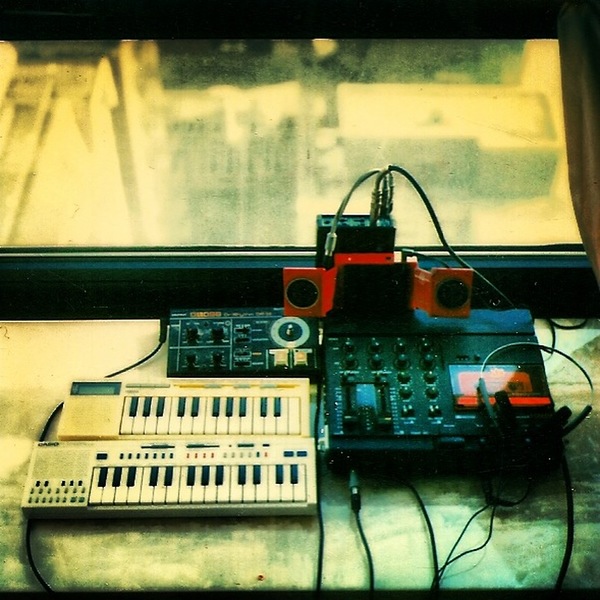
Visible in this photo of Stewart Copeland's "hotel rig" (or "suitcase studio") from around the Synchronicity tour, featured in the Police Vintage gallery section of his website. Also visible in a photo of his "Rhythmatist" writing setup (though it looks reversed) here
From Down Beat magazine May 1984 issue:
On the road Copeland figures out his new charts on his "suitcase studio" - a Yamaha HandySound HS-5O1 polyphonic mini-synth, a Casio PT2O monophonic mini-synth (that also plays chords), a BOSS Dr Rhythm, the Scholz Rockman (for studio effects), a Fostex X-15 Multi-tracker cassette recorder, Sanyo C mini-monitor speakers, and Sony headphones, plus a Fender Stratocaster for that dose of heavy metal.

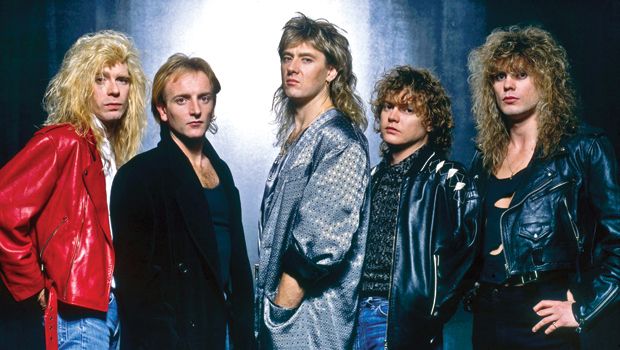
"[Interviewer:] From a guitar perspective, is it true that there are no traditional amps on Hysteria and that you and Steve Clark played all your parts through a Rockman unit, which is essentially a headphone amplifier?
[Collen:] Pretty much. I used a small Gallien-Krueger amp on the demo for “Love Bites,” which made it on to the record, and also on a bit of “Animal”—that little feedback thing in the intro is me leaning hard on the Krueger. But otherwise the sound is all Rockman. And the reason for that was there were so many layers of tracks, and the sound was so huge that if you had had a massive Marshall sound it wouldn’t have fit sonically. The guitars would have smothered the vocals and drums. They really had to fit in a specific slot. Plus, Steve and I weren’t playing straight power chords; we were doing all these inversions and partials and different things that required definition. That would have been lost with a big, overdriven-amp sound."

Tom Scholz, the creator of the Rockman X100 Headphone Amp, is highlighted on the Rockman website, showcasing his development of this influential piece of music gear.

"[Interviewer:] From a guitar perspective, is it true that there are no traditional amps on Hysteria and that you and Steve Clark played all your parts through a Rockman unit, which is essentially a headphone amplifier?
[Collen:] Pretty much. I used a small Gallien-Krueger amp on the demo for “Love Bites,” which made it on to the record, and also on a bit of “Animal”—that little feedback thing in the intro is me leaning hard on the Krueger. But otherwise the sound is all Rockman. And the reason for that was there were so many layers of tracks, and the sound was so huge that if you had had a massive Marshall sound it wouldn’t have fit sonically. The guitars would have smothered the vocals and drums. They really had to fit in a specific slot. Plus, Steve and I weren’t playing straight power chords; we were doing all these inversions and partials and different things that required definition. That would have been lost with a big, overdriven-amp sound."

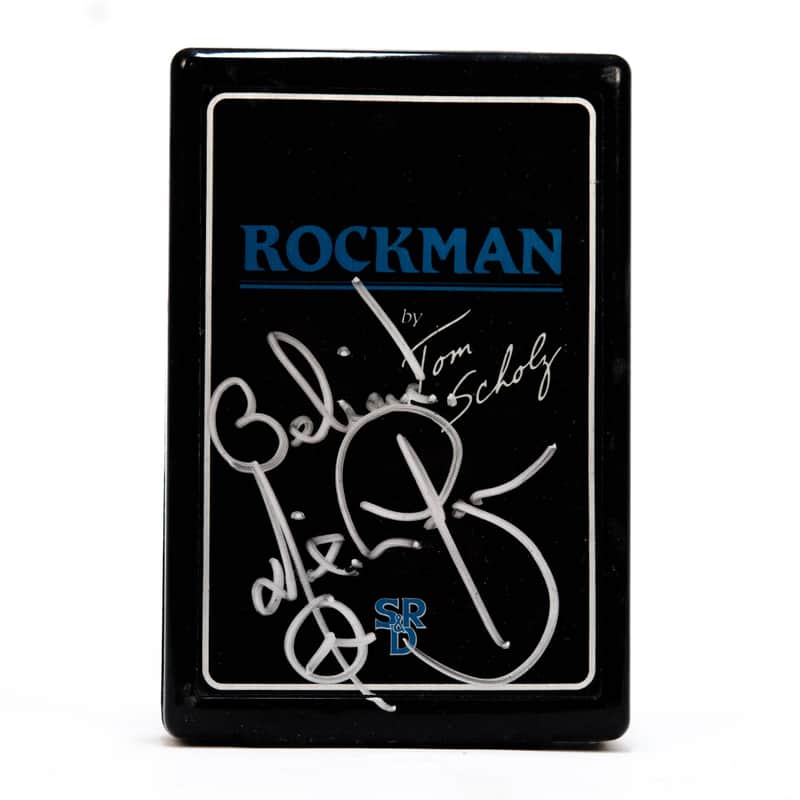
For sale is this RockMan Guitar Headphone Amp from the personal collection of guitarist Nils Lofgren.


Timony: What I like about this record is that we weren’t trying to force it. It was more like, “What do we have? What do we like?” The answer to, “What do we like?” was definitely late ’‘80s Heart, but we also had a bunch of songs that definitely didn’t fit into that. We also used this headphones amplifier called the Rockman. We read somewhere that Mutt Lange used it a lot on [the Def Leppard album] Hysteria. Tom Schultz from Boston invented it.
Wright: If you listen to the guitar sound on “More Than a Feeling,” it’s the same guitar sound on our song “Good Times” [laughs]. It’s just this little box you plug into and it goes straight into the computer.
Timony: And it’s got that great blend of chorus and distortion that’s so ’‘80s.
Wright: It’s so satisfying.


Album Usage
The Scholz Research & Development Rockman X100 Headphone Amp has been featured on the following albums:
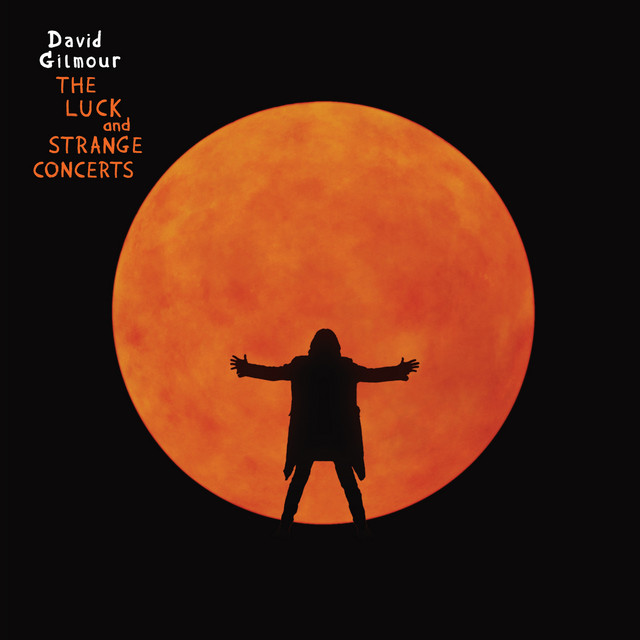
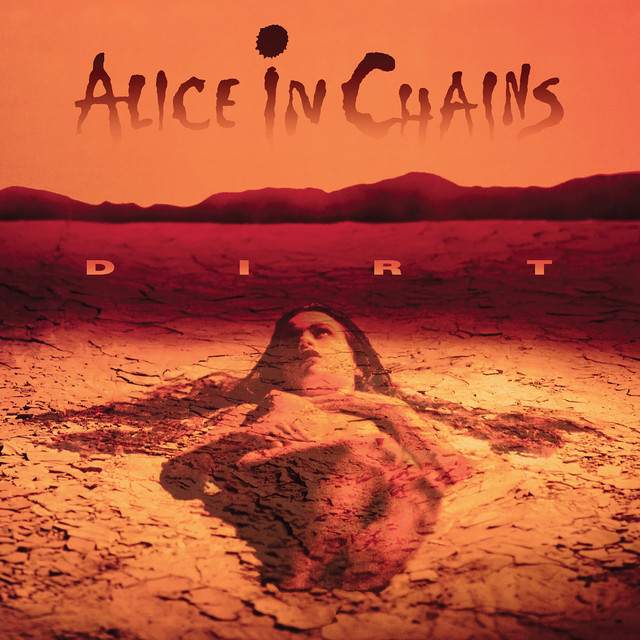
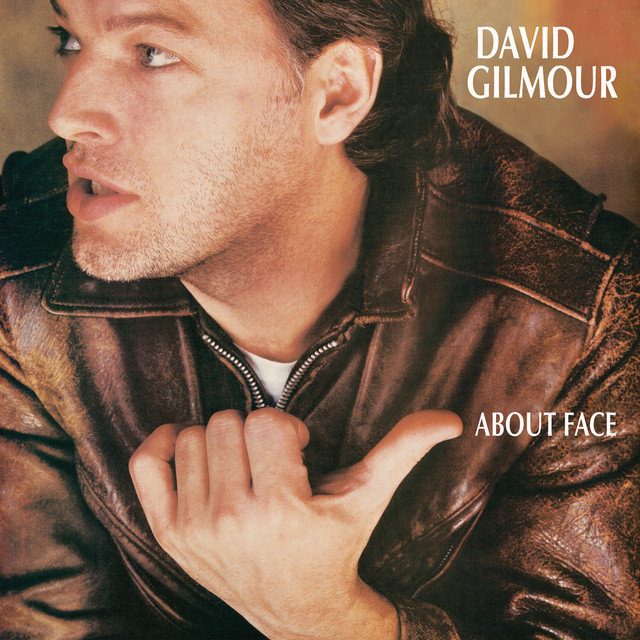
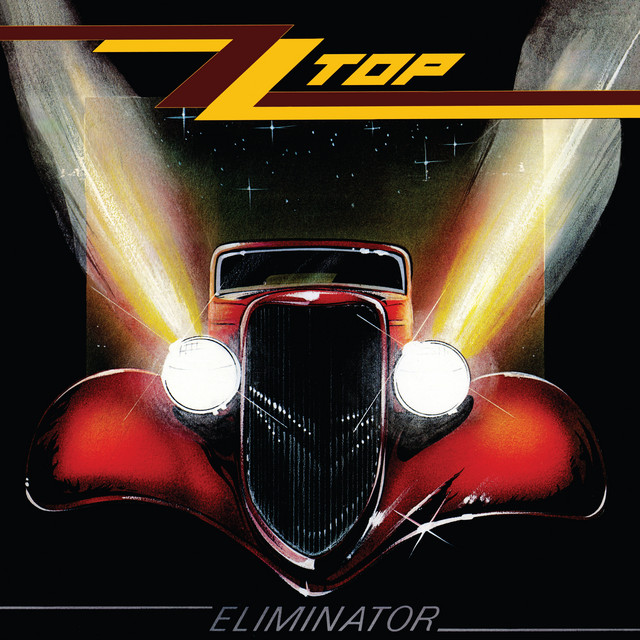
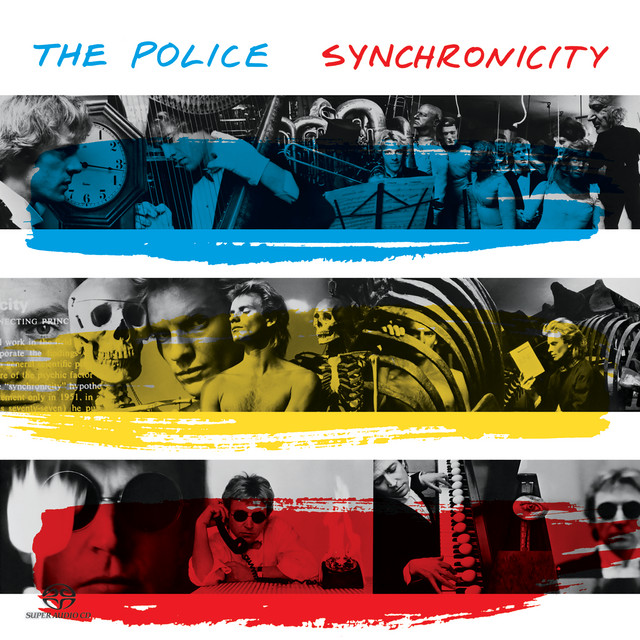
Genre Usage
Based on how artists on Equipboard use this gear, it is most commonly found in the following genres.
Used With
Based on how musicians on Equipboard use Scholz Research & Development Rockman X100 Headphone Amp, it is most commonly used with the following gear.



-s.webp?v=1784905114)
Community setups
Show yours
Similar
Add recommendation4 alternative and related items for Scholz Research & Development Rockman X100 Headphone Amp, curated by the Equipboard community.

$105.99


$169.73 - $315.99
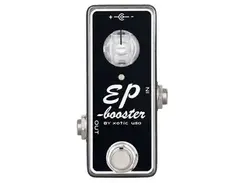
A new for 2025, pedal reissue of the Rockman X100 headphone amp.

An ultra rare, vintage copy of the Rockman X100, with similar effects.
More Scholz Research & Development Headphone Guitar Amplifiers

$119.00 - $129.99
in Headphone Guitar Amplifiers Rank


$71.00 - $200.97
in Headphone Guitar Amplifiers Rank


$35.00 - $90.00
in Headphone Guitar Amplifiers Rank
.png?v=1784896000)


$33.00 - $51.72
in Headphone Guitar Amplifiers Rank


$309.00 - $389.99
in Headphone Guitar Amplifiers Rank


$49.99 - $148.68
in Headphone Guitar Amplifiers Rank


$47.66
in Headphone Guitar Amplifiers Rank


$149.99 - $158.00
in Headphone Guitar Amplifiers Rank

$109.00 - $138.24
in Headphone Guitar Amplifiers Rank

$109.99 - $139.99
in Headphone Guitar Amplifiers Rank

$319.00 - $345.00
in Headphone Guitar Amplifiers Rank

.jpg?v=1784579605)

$28.00 - $50.35
in Headphone Guitar Amplifiers Rank

$31.45 - $40.00
in Headphone Guitar Amplifiers Rank

$79.00 - $109.00
in Headphone Guitar Amplifiers Rank
$105.99
in Headphone Guitar Amplifiers Rank

$14.82 - $29.00
in Headphone Guitar Amplifiers Rank

$41.00 - $79.99
in Headphone Guitar Amplifiers Rank

$23.90 - $39.99
in Headphone Guitar Amplifiers Rank

$148.19 - $207.01
in Headphone Guitar Amplifiers Rank

$99.00 - $159.00
in Headphone Guitar Amplifiers Rank


$18.90
in Headphone Guitar Amplifiers Rank


$109.00 - $139.99
in Headphone Guitar Amplifiers Rank

$40.00 - $44.97
in Headphone Guitar Amplifiers Rank


$58.00 - $69.00
in Headphone Guitar Amplifiers Rank

$37.00 - $50.99
in Headphone Guitar Amplifiers Rank

$47.85 - $52.60
in Headphone Guitar Amplifiers Rank

$51.88
in Headphone Guitar Amplifiers Rank

$135.00 - $399.99
in Headphone Guitar Amplifiers Rank

$37.00 - $59.99
in Headphone Guitar Amplifiers Rank


$87.00 - $129.99
in Headphone Guitar Amplifiers Rank


$32.99 - $38.99
in Headphone Guitar Amplifiers Rank

$118.54 - $119.99
in Headphone Guitar Amplifiers Rank

Gear Guides




Most Popular Headphone Guitar Amplifiers
Most Popular Brands
-
Added to Equipboard on by
 eyeseeofficial
GearIQ 161580
-


