Table of Contents

Equipboard
Equipboard is the world's largest community of artists and their gear. Read our review process.
We are reader-supported. When you buy through links on our site, we may earn an affiliate commission. Learn more.
Our Picks


In the guitar world, few phrases carry as much weight as "better than American Fenders" or "best bang-for-buck guitars ever made." These aren't just enthusiast hyperbole or vintage dealer marketing speak. They're genuine assessments of what happened when Fender, facing its darkest hour in the early 1980s, made an unlikely partnership with Japanese manufacturers that would fundamentally change how we think about guitar quality and value.
The irony is almost too perfect to believe. Just a decade earlier, Fender had been fighting tooth and nail against Japanese "lawsuit guitars" that were copying their designs with startling accuracy. Yet by 1982, Fender found themselves not just working with Japanese builders, but relying on them to restore their tarnished reputation.
This journey through Fender Made in Japan guitars will take you from the corporate boardrooms where desperate decisions were made, through the meticulous workshops of Fujigen Gakki, and into the hands of players who discovered that sometimes the best American guitars aren't made in America at all. We'll explore the legendary JV series that started it all, decode the factory transitions that matter to collectors, and examine why these instruments continue to punch above their weight class decades later.
Fender's Early 80s Crisis
By 1980, Fender was in serious trouble. The company that had revolutionized popular music with the Telecaster and Stratocaster was hemorrhaging credibility, market share, and respect from the very musicians who had made them famous.
The CBS Years Take Their Toll
The root of the problem traced back to CBS's acquisition of Fender in 1965. What started as a promising expansion had devolved into a cost-cutting nightmare that prioritized profit margins over the craftsmanship that built Fender's reputation. Quality control became inconsistent, with guitars leaving the factory that would have been rejected in Leo Fender's era. Players began to notice, and word spread quickly through music stores and recording studios that modern Fenders simply weren't what they used to be.
The situation became particularly embarrassing when vintage Fender guitars from the 1950s and early 1960s started commanding higher prices than new instruments. Musicians were actively seeking out older guitars, sending a clear message that newer didn't mean better when it came to Fender products.
The Japanese "Lawsuit" Era Exposes Weaknesses
Adding insult to injury, Japanese companies like Tokai, Greco, and Yamaha had begun producing remarkably accurate copies of classic Fender designs. These weren't cheap knockoffs but meticulously made instruments that often exceeded the build quality of contemporary American Fenders.
Musicians started buying these Japanese copies not just because they were less expensive, but because they were often superior instruments. Studio players, in particular, began reaching for Japanese-made guitars when they needed that classic Fender sound without the reliability concerns that plagued CBS-era instruments.
The Partnership and Factories
Faced with declining sales and a reputation crisis, Fender made a decision that seemed almost unthinkable at the time. Instead of continuing to fight Japanese manufacturers, they decided to join forces with them.
The Birth of Fender Japan
In 1982, Fender entered into a joint venture with two Japanese companies: Yamano Music and Kanda Shokai. This partnership created Fender Japan, a company that would handle manufacturing and distribution of Fender guitars specifically for the Japanese market. However, the implications of this arrangement would extend far beyond Japan's borders.
The genius of this partnership lay in its structure. Yamano and Kanda Shokai brought deep knowledge of the Japanese market and established relationships with high-quality manufacturers. Fender contributed their designs, specifications, and crucially, their commitment to authenticity that had been lacking in recent American production.
Fujigen Gakki: The Craftsmen Behind the Magic
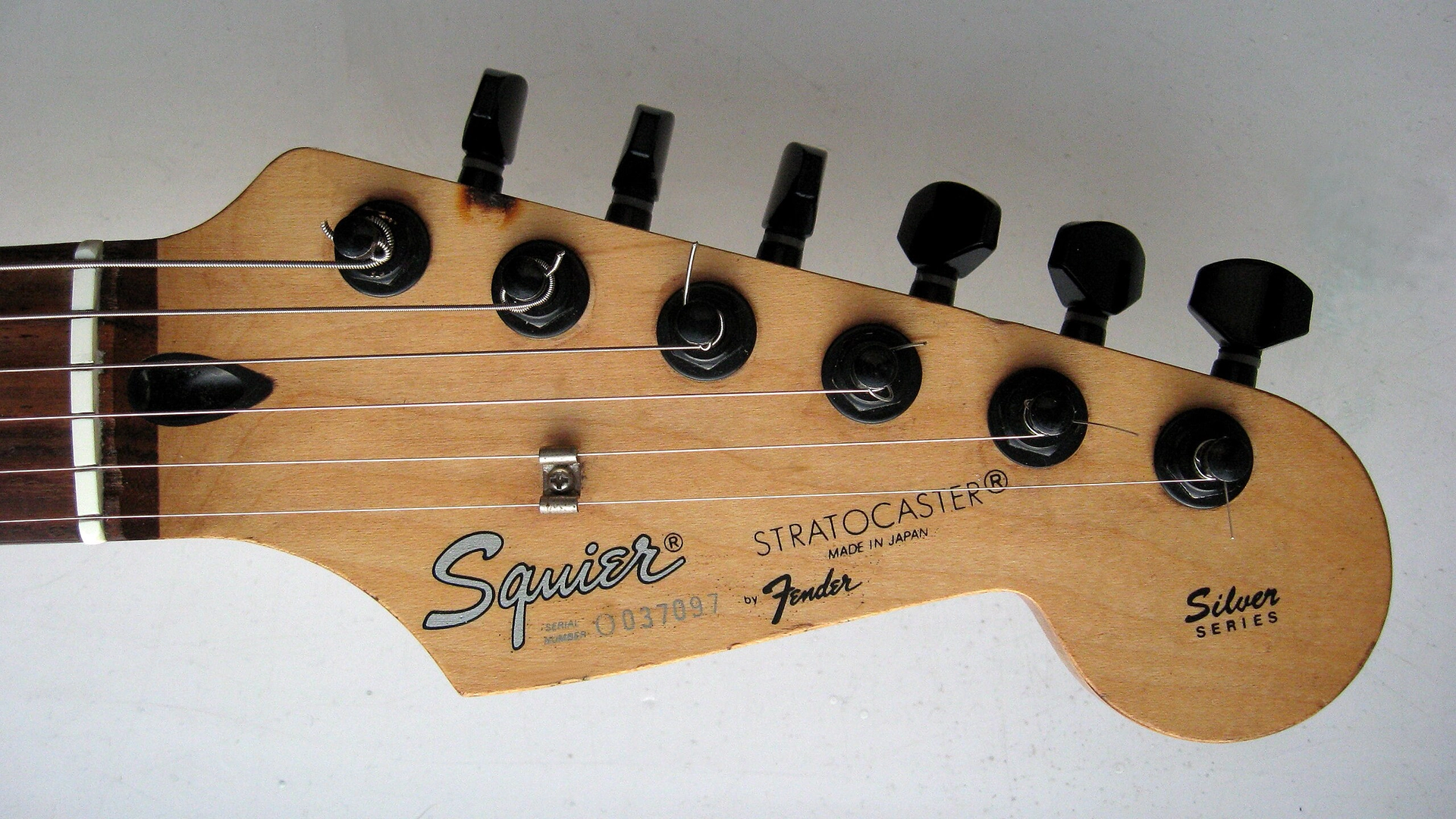
The manufacturing was initially contracted to Fujigen Gakki, a company already renowned for producing instruments for Ibanez and some of the very "lawsuit" guitars that had been embarrassing Fender. This wasn't a coincidence but a strategic choice. Fender recognized that Fujigen possessed the technical expertise and attention to detail that they desperately needed to restore their reputation.
Fujigen's approach to guitar building was methodical and uncompromising. Their workers were trained in traditional Japanese craftsmanship principles where precision and consistency weren't just goals but fundamental requirements. Every neck joint was fitted with obsessive care, every fret was leveled and polished to perfection, and every finish was applied with the kind of attention typically reserved for high-end acoustic instruments.
The factory's experience building lawsuit guitars proved invaluable. They already understood the subtleties that made vintage Fenders special and had developed techniques to replicate those characteristics consistently. When Fender provided them with original 1950s and 1960s instruments as reference models, Fujigen's craftsmen studied every detail with the intensity of art restorers.
The 1996 Transition: New Factories, Continued Excellence
In 1996, production shifted from Fujigen to Dyna Gakki and later to Tokai Gakki. This transition worried many collectors and players who feared a decline in quality, but these concerns proved largely unfounded. Both new manufacturers had established reputations for precision work and maintained the high standards that had made MIJ Fenders legendary.
Dyna Gakki, in particular, brought innovations in manufacturing efficiency without sacrificing quality. They developed new techniques for achieving vintage-accurate neck profiles and improved consistency in pickup installation and electronic shielding.
Understanding MIJ vs CIJ Labels
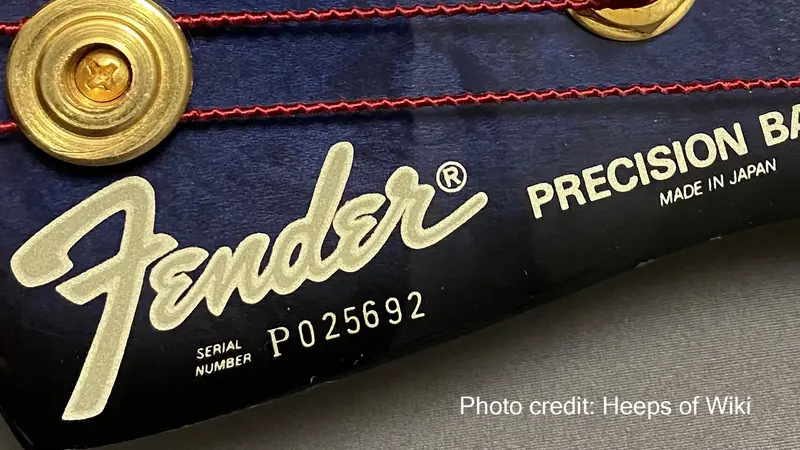
One source of confusion among collectors is the difference between "Made in Japan" (MIJ) and "Crafted in Japan" (CIJ) labels. The change from MIJ to CIJ in the late 1990s was primarily administrative rather than qualitative. New labeling regulations required the distinction, but the guitars themselves continued to be manufactured to the same exacting standards by the same skilled craftsmen.
Both designations represent instruments built with Japanese attention to detail and precision, though MIJ guitars from certain eras, particularly the early JV series, command higher collector premiums due to their historical significance rather than superior construction.
The Golden Age Product Lines

The early years of Fender Japan production yielded several series that have become legendary among players and collectors. Each line served different market segments while maintaining the exceptional build quality that became synonymous with Japanese Fender production.
JV Series: The Holy Grail of Reissues
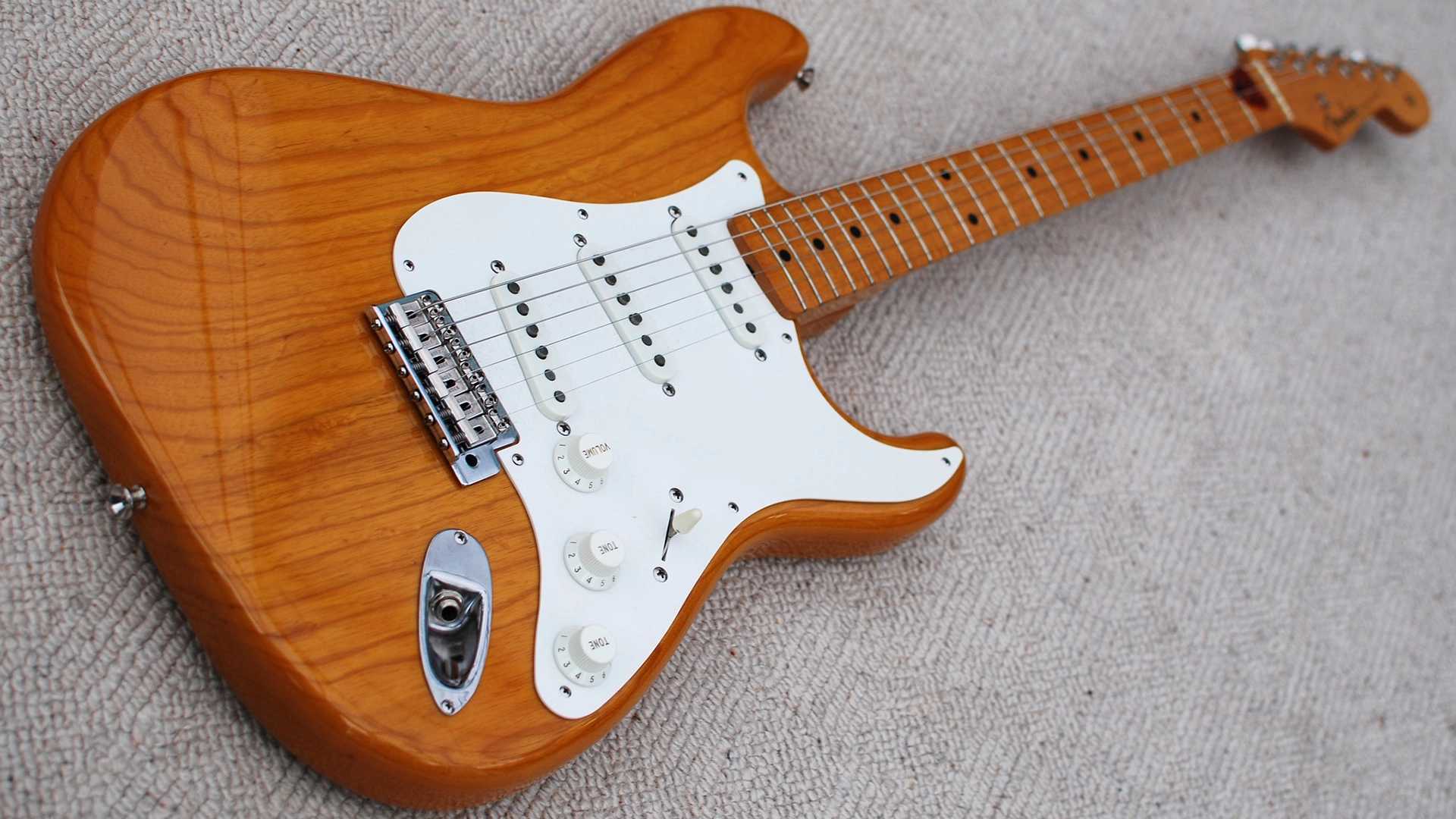
Launched in 1982, the JV (Japanese Vintage) series represents perhaps the most successful vintage reissue program in guitar history. These instruments weren't just inspired by classic Fenders; they were painstaking recreations that often surpassed their vintage counterparts in playability and reliability.
The JV series focused on the most coveted periods of Fender history: 1957 and 1962 Stratocasters, and 1952 Telecasters. Fujigen's craftsmen worked from original instruments, measuring everything from neck thickness at specific frets to pickup coil counts. The result was a series of guitars that captured the essence of vintage Fenders while offering the consistency that original instruments often lacked.
What set JV guitars apart was their commitment to authenticity in components. These instruments featured pickups wound to vintage specifications, often using the same suppliers as American Fender production. The electronics, from capacitors to potentiometers, were chosen for their tonal characteristics rather than cost considerations.
The attention to aesthetic details was equally impressive. Finish work on JV guitars matched the subtle color variations and aging patterns found on well-preserved vintage instruments. Even the hardware, from tuning machines to bridge saddles, was manufactured to replicate the feel and function of original components.
E-Series and Early Squier: Affordable Excellence
While the JV series targeted serious collectors and professional players, Fender Japan also produced more affordable instruments under both the Fender and Squier brands. The E-series Fenders and early Japanese Squier guitars offered remarkable value that challenged assumptions about what students and intermediate players could afford.
These instruments benefited from the same manufacturing processes and quality control standards as their more expensive siblings. The primary differences lay in simpler finishes, less exotic wood choices, and occasionally different pickup specifications. However, the fundamental construction quality remained uncompromised.
Many professional musicians discovered these affordable MIJ guitars and began using them as reliable backup instruments or even primary guitars when their sound and feel matched their needs. The stigma of playing a "student" guitar quickly evaporated when the instruments performed at professional levels.
Contemporary and Boxer Series: Modern Innovation
Not content to focus solely on vintage recreations, Fender Japan also developed original designs that incorporated modern features and playing styles. The Contemporary series introduced innovations like 24-fret necks, locking tremolo systems, and humbucking pickups while maintaining Fender's fundamental design aesthetics.
The Boxer series pushed even further into contemporary territory with aggressive styling and features designed for the emerging heavy metal and hard rock scenes. These guitars demonstrated that Japanese Fender production could innovate as effectively as it could replicate, creating instruments that met the needs of players exploring musical territories that Leo Fender never imagined.
These modern series proved particularly popular among session musicians and touring professionals who needed the reliability of Japanese construction combined with features that vintage-style guitars couldn't provide. The success of these lines also influenced American Fender production, with several Contemporary series features eventually appearing on USA-made instruments.
From "Crafted" Back to "Made in Japan"
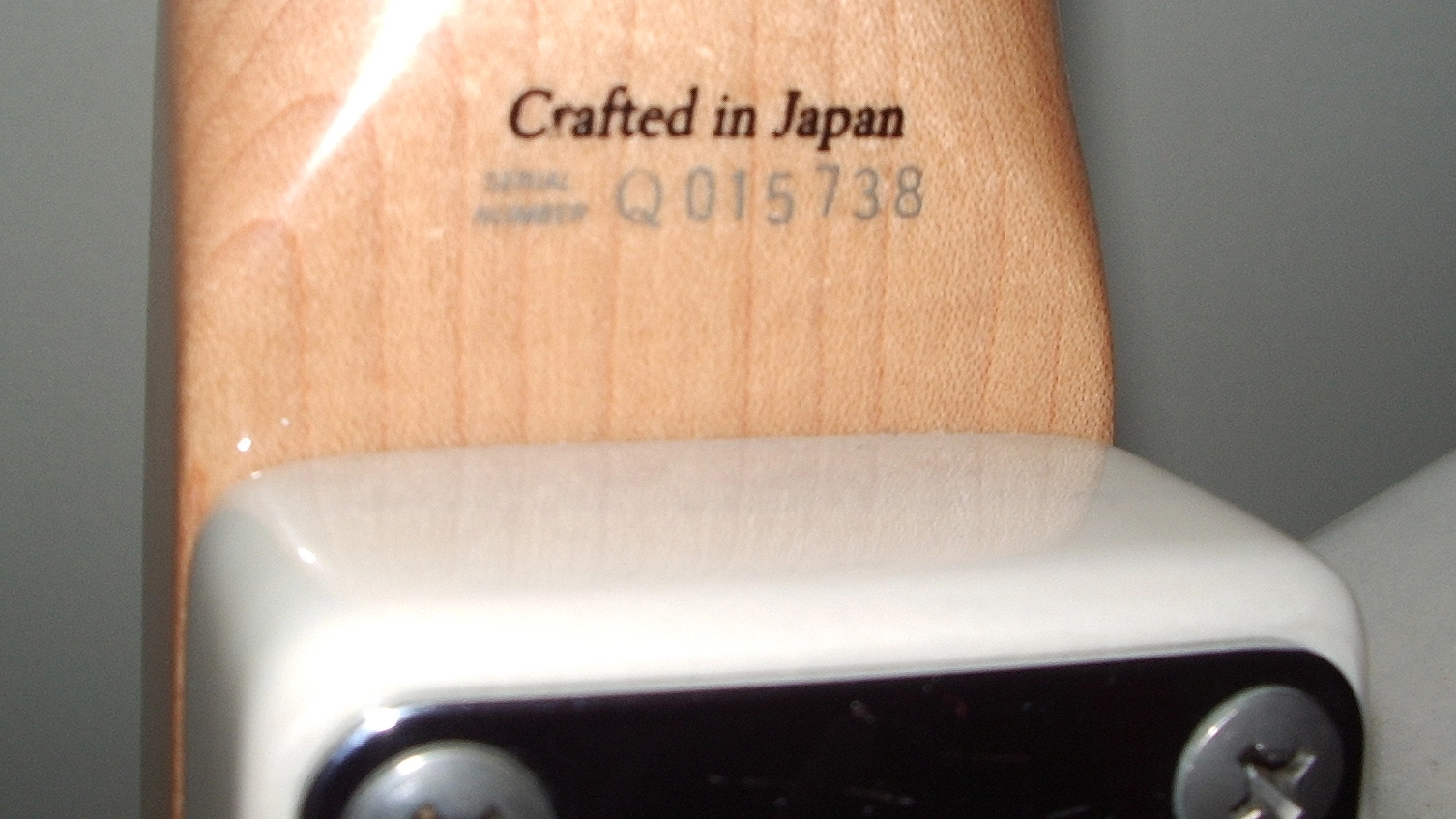
The relationship between Fender and Japanese manufacturing evolved significantly over the decades, reflecting changes in both companies' strategies and market conditions.
The End of the JV Partnership
The original joint venture arrangement that created the legendary JV series was always intended as a limited-time collaboration. As Fender stabilized its operations and rebuilt its reputation, the company began reassessing its global manufacturing strategy. The success of Japanese production had demonstrated that high-quality guitars could be built outside the United States, but Fender wanted more direct control over these operations.
Fender's Direct Oversight Era
When Fender assumed direct oversight of Japanese production, many observers worried that the change in management structure would affect quality. These concerns proved largely unfounded again, as Fender recognized that the manufacturing expertise and attention to detail that made MIJ guitars special couldn't be compromised without destroying the very reputation they were trying to maintain.
Today's MIJ Lineup: Bridging Past and Future
Modern Fender Made in Japan guitars continue the tradition of excellence while addressing contemporary player needs. The Traditional series maintains focus on authentic vintage recreations, using the same meticulous attention to detail that made the original JV guitars legendary.
The Hybrid series demonstrates innovative thinking by combining vintage aesthetics with modern playability features. These guitars might feature vintage-correct appearances with contemporary neck profiles, improved tremolo systems, or enhanced electronics that maintain classic tones while offering greater versatility.
Perhaps most intriguingly, the Aerodyne series showcases uniquely Japanese design sensibilities applied to classic Fender shapes. These instruments feature bound bodies, distinctive finish options, and proportional adjustments that reflect Japanese aesthetic preferences while maintaining unmistakable Fender DNA.
Timeline of MIJ Guitars
| Year | Event | Significance |
|---|---|---|
| 1982 | Fender Japan joint venture established | Partnership between Fender USA, Yamano Music, Kanda Shokai, and Fujigen Gakki begins |
| 1982-1984 | JV Series launched | Legendary "Japanese Vintage" series with JV serial numbers becomes highly collectible |
| 1984 | CBS sells Fender | MIJ guitars sold in US market while new American factory established |
| Mid-1980s | Contemporary and Boxer Series introduced | Modern features like 24 frets, locking tremolos, and humbuckers added |
| 1995 | First "Crafted in Japan" (CIJ) models appear | Dyna Gakki begins sharing production with Fujigen |
| 1996 | Production shifts to Dyna Gakki | Fujigen focuses on expanding own operations; CIJ labeling becomes standard |
| 1996 | Jag-Stang enters production | Kurt Cobain's hybrid design manufactured in Japan after his death |
| 2015 | Fender Japan joint venture ends | Fender assumes direct control through Fender Music Corporation Japan |
| 2017 | Made in Japan Traditional Series launched | Return to "Made in Japan" labeling celebrates 35th anniversary |
| 2019-2023 | Fender retail expansion in Japan | First official Fender shop opens in Osaka; Fender Flagship Tokyo launched in Harajuku |
Why MIJ Fenders Became Cult Classics
The enduring appeal of Fender Made in Japan guitars extends beyond simple build quality or historical curiosity. These instruments succeeded because they addressed fundamental needs that weren't being met by other options in the market.
Uncompromising Attention to Detail
Japanese manufacturing culture emphasizes precision and consistency in ways that profoundly influenced guitar construction. Every aspect of MIJ Fender production, from wood selection to final setup, received the kind of attention typically reserved for much more expensive custom instruments.
Fretwork on MIJ guitars became legendary among players who appreciated perfectly level and polished frets that made bending and vibrato techniques effortless. Neck joints were fitted with precision that eliminated the slight movements and inconsistencies that plagued some mass-produced guitars.
The finishing process deserves particular recognition. Japanese craftsmen developed techniques for achieving vintage-style finishes that aged naturally while providing modern durability. The result was instruments that looked authentic while standing up to the demands of regular playing and touring.
Unique Japan-Only Models
Some of the most sought-after MIJ guitars were never intended for export markets. Japan-only models like the Paisley and Floral Telecasters recreated some of Fender's most unusual vintage finishes with accuracy that bordered on obsession. These guitars became cult classics not just for their rarity but for their execution of challenging aesthetic concepts.
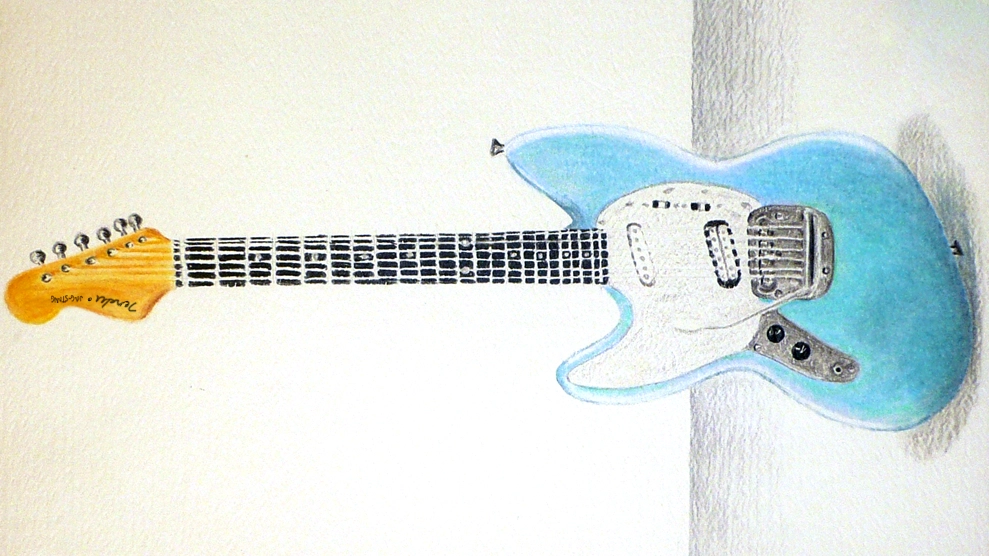
The Jag-Stang, developed in collaboration with Kurt Cobain, represented another uniquely Japanese approach to guitar design. This instrument combined elements from Jaguar and Mustang models in proportions that created something entirely new while remaining unmistakably Fender.
The Value Proposition That Changed Everything
Perhaps most importantly, MIJ Fenders offered American-level quality at significantly lower prices. This wasn't about cutting corners or using inferior materials, but about leveraging Japanese manufacturing efficiency and lower labor costs to make high-quality instruments accessible to more players.
The used market has been particularly kind to MIJ guitars. While vintage American Fenders appreciate rapidly in value, putting them beyond reach of many players, quality MIJ instruments remain accessible while offering comparable playing experiences.
Noteworthy MIJ Fender Artists
Fender Made in Japan guitars have found their way into the arsenals of artists across every conceivable genre, each discovering something unique in these meticulously crafted instruments.
Perhaps no artist is more closely associated with MIJ Fenders than Kurt Cobain, whose relationship with Japanese-made instruments helped define the sound of an entire generation. Cobain's MG-69 (Made in Japan) Fender Mustang, known as "Skystang I" and regularly used on the In Utero tour, became as iconic as the flannel shirts that characterized the grunge movement. What made Cobain's connection particularly significant was his role in creating the legendary Jag-Stang. Cobain worked directly with the Fender Custom Shop in 1993 to develop prototypes, though the production models were manufactured in Japan starting in 1996 after his death.
Jeff Beck's preference for MIJ Stratocasters demonstrated their versatility and superior craftsmanship, while Eric Johnson, renowned as one of the most discriminating tone-seekers in guitar history, also recognized their value. Eric Johnson's endorsement highlighted their impeccable playability and tonal precision, characteristics that aligned perfectly with his obsessive approach to achieving the perfect guitar sound.
The diversity of artists drawn to MIJ guitars speaks to their fundamental versatility. Musicians like Mike Stern and Jim Root have found these guitars suitable across many genres, from surf rock to indie, while Fender Japan maintains its own roster of signature artists, with Scandal guitarists Mami Sasazaki and Haruna Ono's designs highlighting the clean, contemporary lines that have become synonymous with MIJ guitars.
Conclusion
The story of Fender Made in Japan guitars is so much more than successful international manufacturing. It demonstrates how crisis can drive innovation, how cultural differences in craftsmanship can complement each other, and how the best solutions sometimes come from unexpected partnerships.
These instruments saved Fender's reputation at a crucial moment while establishing new standards for what players could expect from production guitars. The meticulous attention to detail, innovative design approaches, and commitment to authenticity that characterized MIJ production influenced guitar manufacturing worldwide.
Today, owning a Fender Made in Japan guitar means possessing a piece of this remarkable history. Whether it's a legendary JV series Stratocaster that rivals any vintage instrument, a Contemporary series guitar that pushed Fender into modern territory, or a current Traditional series model that maintains those exacting standards, these instruments represent the successful fusion of American design vision with Japanese craftsmanship excellence.
The legacy continues through current MIJ production, where the same principles of precision and attention to detail guide every step of the manufacturing process. For players seeking that perfect balance of vintage authenticity and modern reliability, or collectors looking for instruments that will appreciate in both value and playability, Fender Made in Japan guitars remain among the finest instruments ever produced.
Whether you're drawn to the historical significance of early JV models or the innovative spirit of contemporary MIJ designs, these guitars offer a direct connection to one of the most successful partnerships in musical instrument history.
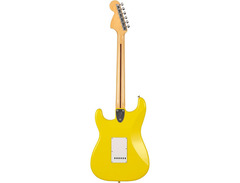
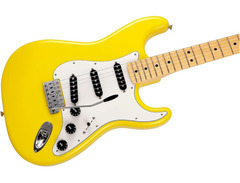
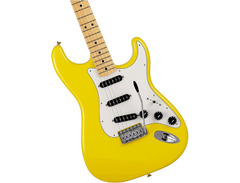
Fender MIJ Stratocaster
4.5 (10)





Average Price: $466
Standard/Professional
$400
$1001+
Budget
Standard
High-end
- Excellent build quality, surpassing some US models from the era
- Smooth, worn-in feel enhances playability
- Slightly smaller body and "Gibson" scale length suits diverse playing styles
- Good tuning stability when bridge is properly set up
- See 4 more
- Original electronics and wiring are considered cheap, often needing upgrades
- Inferior bridge metal affects sustain and acoustic tone
- Whammy bar design may require adjustment for comfort
- Heavy weight can be uncomfortable for extended play sessions
See how artists use this





.jpg)


Fender MIJ 1962 Telecaster Reissue
5.0 (6)


Average Price: $800
Standard/Professional
$400
$1001+
Budget
Standard
High-end


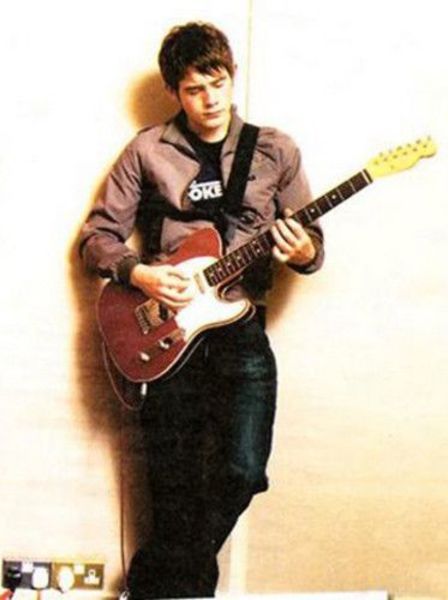
Fender TL-62 Telecaster Custom Reissue MIJ
5.0 (15)


Average Price: $800
Standard/Professional
$400
$1001+
Budget
Standard
High-end
- Lightweight solid body for comfortable long playing sessions
- Beautiful sunburst and Candy Apple Red finishes with high-quality craftsmanship
- Signature Telecaster twang with overwound pickups for extra punch
- Great value compared to USA models, offering similar quality at a lower price
- See 5 more
- Confusing Fender serial numbers make dating the guitar difficult
See how artists use this




.jpg)


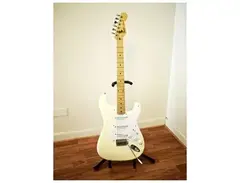
Fender Stratocaster Made In Japan
5.0 (6)

Average Price: $466
Standard/Professional
$400
$1001+
Budget
Standard
High-end
- Excellent build quality, surpassing some US models
- Comfortable neck, extremely playable even for those with shorter fingers
- Slightly smaller body with "Gibson" scale length suits many players
- Durable and reliable, lasting for years without issues
- See 4 more
- Stock pickups may require upgrading for some users' preferences
- Initial setup adjustments needed for optimal playability
- Quality may vary between different production years
See how artists use this


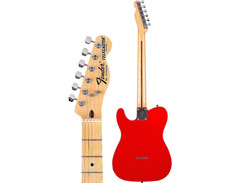
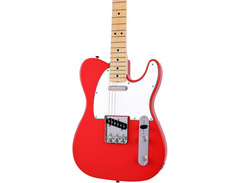
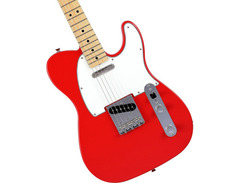
Fender Telecaster made in Japan
5.0 (1)
-s.webp?v=1784819452)
-l.webp?v=1784819452)
Average Price: $947
Standard/Professional
$400
$1001+
Budget
Standard
High-end
- Distinctive red color that stands out visually
- Oval C neck is super comfortable, accommodating various playing styles
- Wider nut width provides more room for finger placement
- Top loader bridge enhances ease of string bending
- See 3 more
- Some models can be heavy, which may affect playability over long sessions


Fender Made in Japan Mahogany Offset Telecaster
5.0 (4)
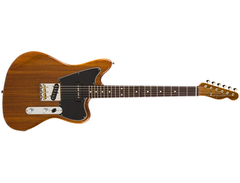
- Unique blend of Tele and Jazzmaster design
- Exceptional Japanese craftsmanship
- Rich, emotionally gripping tone
- Versatile P-90 and Tele bridge pickup pairing
- See 6 more
- Heavier body, varies in weight
- Truss rod adjustment requires neck removal
Fender Made in Japan Traditional '60s Jazzmaster
5.0 (1)

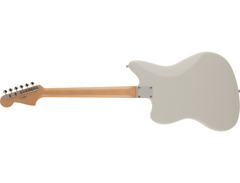

Average Price: $1,429
High-end/Boutique
$400
$1001+
Budget
Standard
High-end
- Stunning blue floral design stands out visually
- Excellent Japanese build quality, comparable to American models
- Comfortable neck with great fretwork and intonation
- Versatile sound, suitable for various musical styles
- See 3 more
- Stock pickups may not provide authentic Jazzmaster tone
- Tremolo can be unreliable and may require replacement or repair
- Some guitars need a setup shortly after purchase
- Bridge and tremolo often recommended for upgrades
- See 1 more


Fender Telecaster TL-62 Crafted in Japan
5.0 (2)


Average Price: $800
Standard/Professional
$400
$1001+
Budget
Standard
High-end
See how artists use this
.jpg?v=1784328048)



Top Ranked Solid Body Electric Guitars on Equipboard


About the authors

S. Jino is an accomplished multi-instrumentalist and music producer based in Kolkata, India, distinguished by his self-taught mastery and unique blend of technical acumen and musical performance. His extensive experience was forged through hands-on dedication, starting with the full restoration of a broken guitar. Jino's capabilities span keyboards, pedals, and advanced digital production, reflecting a comprehensive skill set developed independently. As a significant contributor to the music scene, Jino regularly performs with worship bands and college ensembles. He has also established himself as a reliable and authoritative professional in freelance mixing, mastering, and original music creation. Inspired by the innovative sounds of Brian May and David Gilmour, and influenced by Kolkata's vibrant metal community, Jino is committed to the intricate art of vintage gear restoration and the continuous exploration of music and technology fusion. His current professional setup, featuring a meticulously restored nameless guitar, a Fender Player Strat, and a Boss Katana 50. Read more
New in Solid Body Electric Guitars


$1,298.88 - $2,199.99
in Solid Body Electric Guitars Rank

-m.webp?v=1784817901)
$1,699.00 - $2,059.00


$1,179.00 - $1,299.99


$1,533.00 - $1,699.99


$2,999.00 - $5,760.00


$5,230.00 - $5,555.00


$2,977.00 - $3,599.99


$2,285.00 - $2,499.00


$1,655.00 - $1,799.00




.webp)
.webp)







.webp)