.webp)
Table of Contents

Equipboard
Equipboard is the world's largest community of artists and their gear. Read our review process.
We are reader-supported. When you buy through links on our site, we may earn an affiliate commission. Learn more.
When you think about rock's most legendary moments, one image towers above the rest: Jimi Hendrix on stage at Woodstock in 1969, his white Stratocaster wailing through "The Star-Spangled Banner". This wasn't just a performance; it was a defining moment in music history that cemented both Hendrix's status as the ultimate guitar icon and the Fender Stratocaster as rock's most revered instrument.
What made this particular guitar so special? Was it simply the right instrument at the right moment, or was there something magical about this Olympic White Stratocaster that helped create one of music's most unforgettable performances? In this article, we'll unpack the complete story of Hendrix's most legendary guitar and explore why it remains iconic over half a century later.
The Guitar That Shook the World
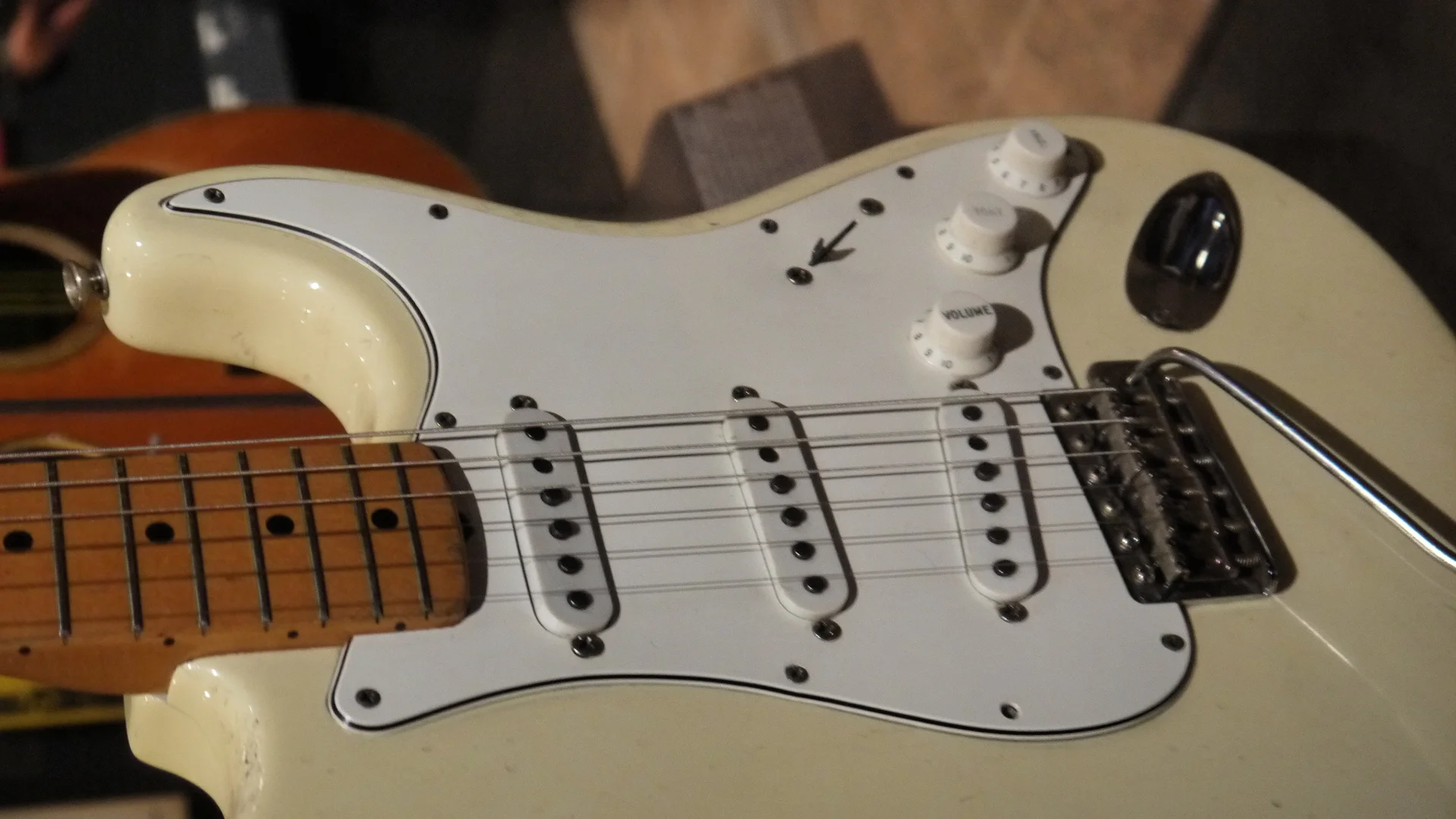
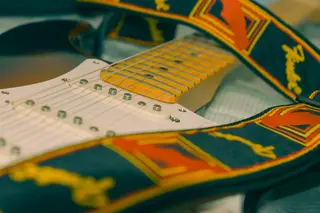
The star of that August morning wasn't just any guitar. It was a 1968 Olympic White Fender Stratocaster, and like its owner, it was anything but conventional. This particular Strat came with a maple neck and the classic single-coil pickups that would help define Hendrix's otherworldly tone.
What made this guitar truly unique was how Hendrix used it. As a left-handed player, he took a right-handed body and simply flipped it over, restringing it to suit his playing style. This seemingly simple modification had profound consequences for his sound.
[notebox:The reversed string orientation meant the lowest strings had the shorter scale length, while the highest strings had the longer length, creating a unique tension across the fretboard.
The pickups, originally angled to compensate for the normal string positions, were now reversed as well. This gave Hendrix's high strings a fuller, warmer tone, while his bass strings had more bite and clarity. Many guitarists today consider this reversed configuration essential to capturing the authentic Hendrix tone.
The Olympic White finish wasn't just an aesthetic choice either. Under the harsh stage lights and against Hendrix's colorful attire, the white body created a striking visual contrast that photographers couldn't resist. This visual element played a significant role in why this particular guitar became so iconic in photos and footage from the festival.
The Woodstock Moment
To understand why this guitar achieved legendary status, you need to understand the context of its most famous performance. It was August 18, 1969, and most of the massive Woodstock crowd had already left. Those who remained were exhausted, covered in mud, and questioning their decision to stay.
At around 9 AM Monday morning, Hendrix took the stage with his band. What followed was a performance that would transcend music and become a cultural touchstone. During his rendition of "The Star-Spangled Banner", Hendrix used his white Stratocaster to create something that had never been heard before.
Using feedback, distortion, and his whammy bar, Hendrix transformed the national anthem into a powerful commentary on the Vietnam War. The guitar's screams mimicked bombs falling, while feedback wails echoed the sound of missiles. It wasn't just music; it was a statement about the turbulent times Americans were living through.
This performance crystallized the Stratocaster's reputation as more than just an instrument. In Hendrix's hands, it became a tool for artistic expression and social commentary. The imagery of Hendrix with his white Strat, creating these revolutionary sounds, burned itself into the collective consciousness of a generation.
The cultural impact was immediate and lasting. Time magazine called it "the most electrifying moment of Woodstock," and even conservative critics acknowledged the artistic significance of what Hendrix had accomplished.
The Anatomy of the Hendrix Strat Tone
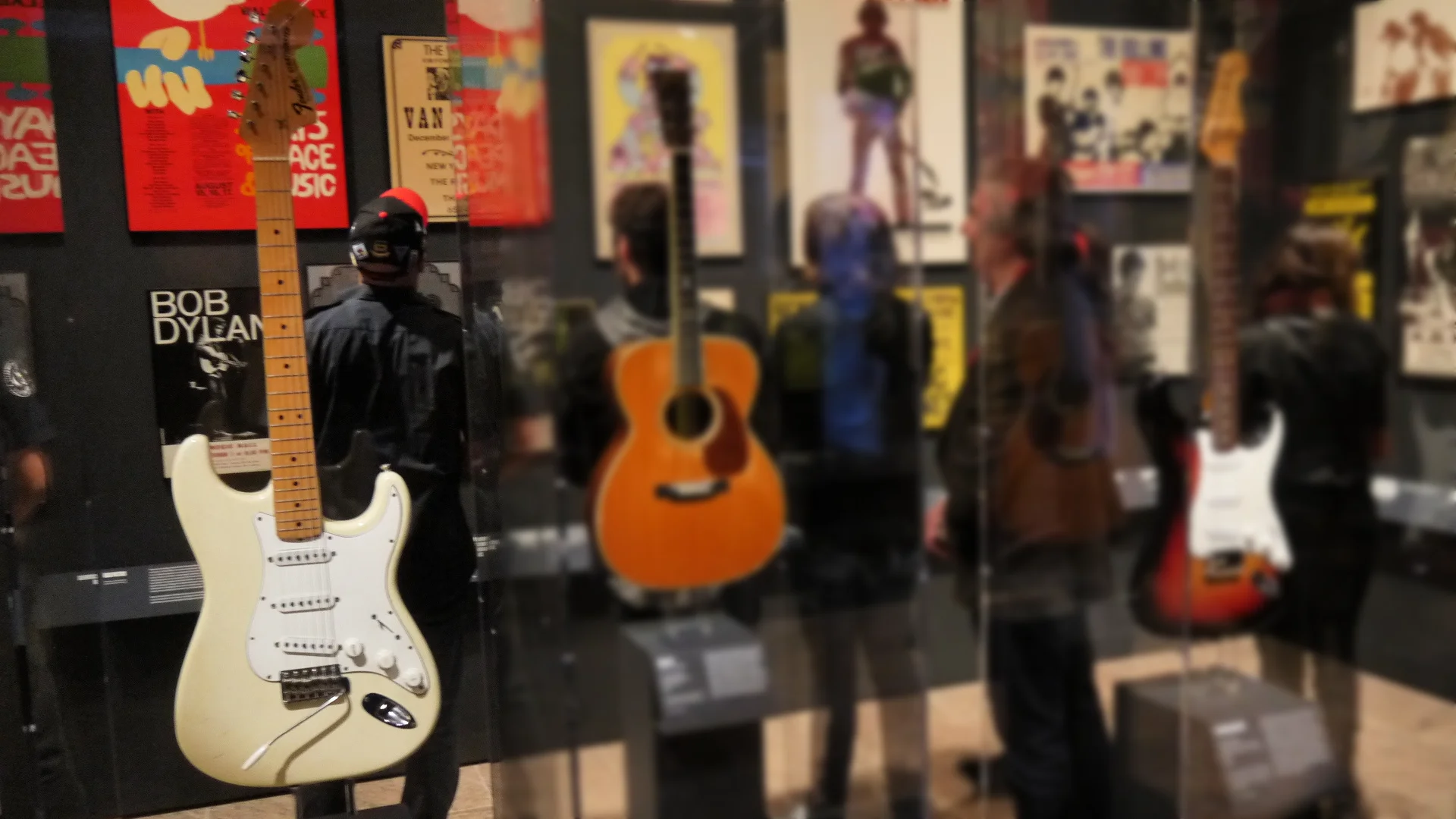
What made Hendrix's Stratocaster sound so distinctive? The answer lies in a perfect storm of technical elements and innovative playing techniques that came together to create his signature sound.
The Flipped String Tension
Perhaps the most significant factor was Hendrix's left-handed playing on a right-handed guitar. This reversal created unique string tensions that directly affected his tone. The high E string, normally the shortest on a Strat, became the longest, giving it a rounder, fuller sound. Conversely, the low E string became shorter, adding brightness and attack to his rhythm playing.
Pickup Angle Reversal
The standard Stratocaster pickup slant was designed to compensate for the natural volume differences between strings. When flipped, this angle was reversed, meaning the bass strings had less pickup coverage while the treble strings had more. This inversion contributed to Hendrix's ability to cut through the mix with lead lines while maintaining clarity on lower notes.
Marshall Stack Pairing
While the Stratocaster was crucial, Hendrix's choice of amplification was equally important. He primarily used Marshall Super Lead 100-watt heads with 4x12 cabinets. This combination provided the headroom necessary for his clean tones and the harmonic richness for his overdriven sounds. The Strat's single-coils pushed these amps into musical distortion, creating that legendary crunch.
Essential Effects
Hendrix's pedal board was relatively simple by today's standards but revolutionary for its time. His key effects included:
The Dallas Arbiter Fuzz Face provided his signature fuzzy distortion. The germanium transistors in this pedal reacted beautifully with the Strat's single-coils, creating a warm, singing sustain.
The Vox Wah pedal became an extension of his expression, allowing him to shape his tone in real-time. Combined with the Strat's inherent brightness, the wah created vocal-like qualities in his solos.
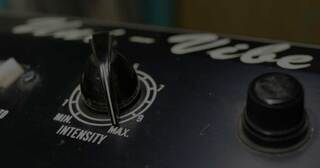
The Uni-Vibe added a swirling, three-dimensional quality to his sound, particularly evident on tracks like "Machine Gun". This effect worked exceptionally well with the Strat's clear, bell-like tones.
Where Is the Guitar Now?
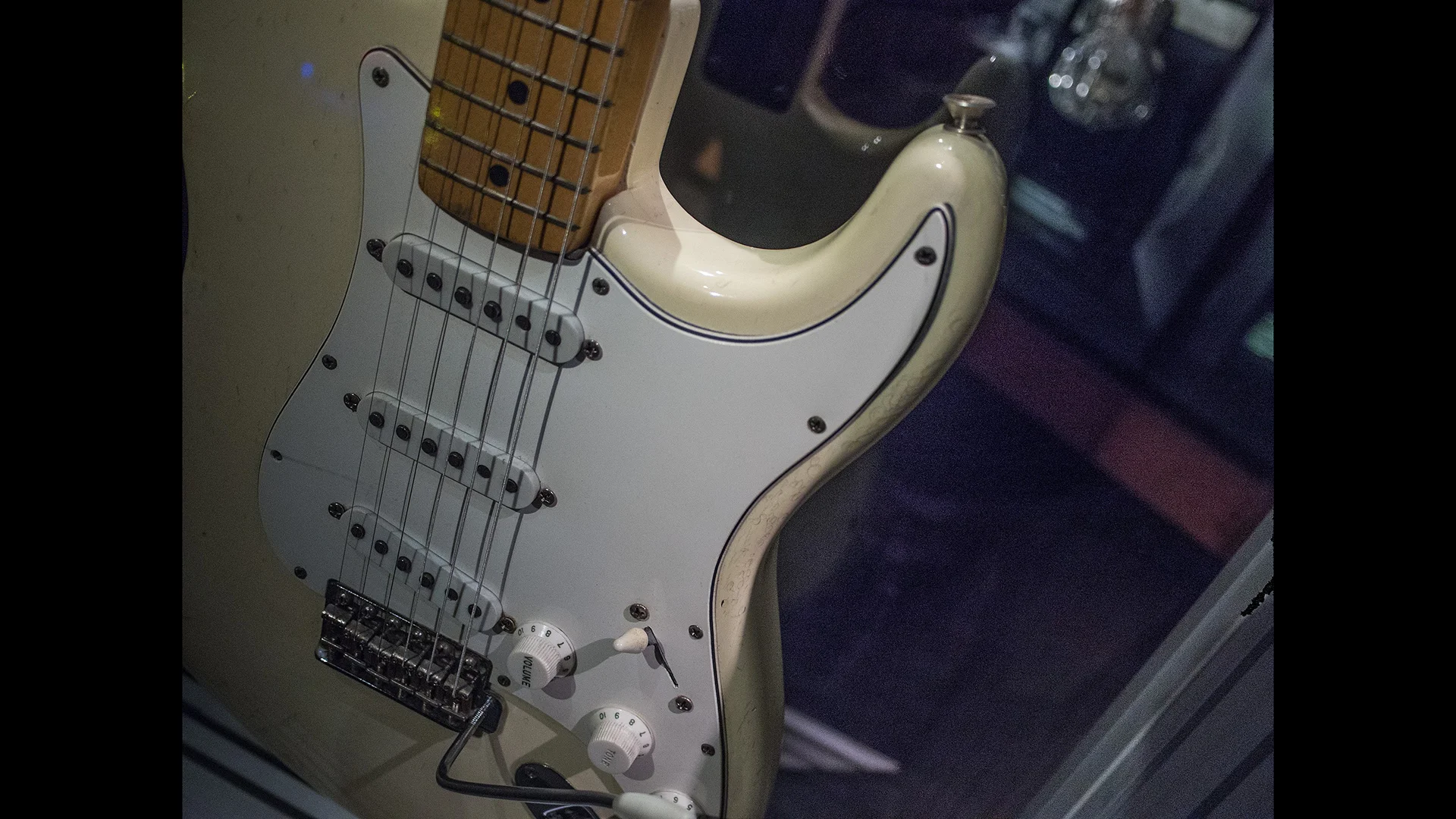
After that historic Woodstock performance, the white Stratocaster continued its journey through music history. Following Hendrix's untimely death in 1970, the guitar changed hands several times before finding its permanent home.
Initially, the guitar was retained by Hendrix's father, Al Hendrix, as part of Jimi's estate. In the early 1990s, it was consigned to Sotheby's auction house, where it caught the attention of serious collectors worldwide. The guitar's provenance was meticulously documented, with authentication from Hendrix's former guitar tech and band members confirming it was indeed the instrument used at Woodstock.
During this period, the guitar briefly belonged to Italian collector and Hendrix enthusiast Gabriele Ansaloni, who had amassed one of the world's most comprehensive collections of Hendrix memorabilia. However, the instrument's significance meant it wouldn't remain in private hands for long.
In 1991, Microsoft co-founder Paul Allen acquired the instrument for his personal collection. Allen, a passionate music fan and accomplished guitarist himself, recognized the historical significance of this particular Stratocaster. As the founder of what would become the Museum of Pop Culture (originally called Experience Music Project or EMP), Allen made this guitar one of the centerpiece exhibits of his museum.
Today, It's displayed alongside other Hendrix memorabilia, allowing visitors to see this piece of music history up close. The museum has taken extraordinary measures to preserve the instrument, maintaining its original condition including the wear patterns and modifications Hendrix made.
Other Notable Hendrix Guitars
While the Woodstock Stratocaster stands as Hendrix's most iconic instrument, his guitar collection included several other notable pieces that contributed to his legacy.
The Monterey Pop Stratocaster
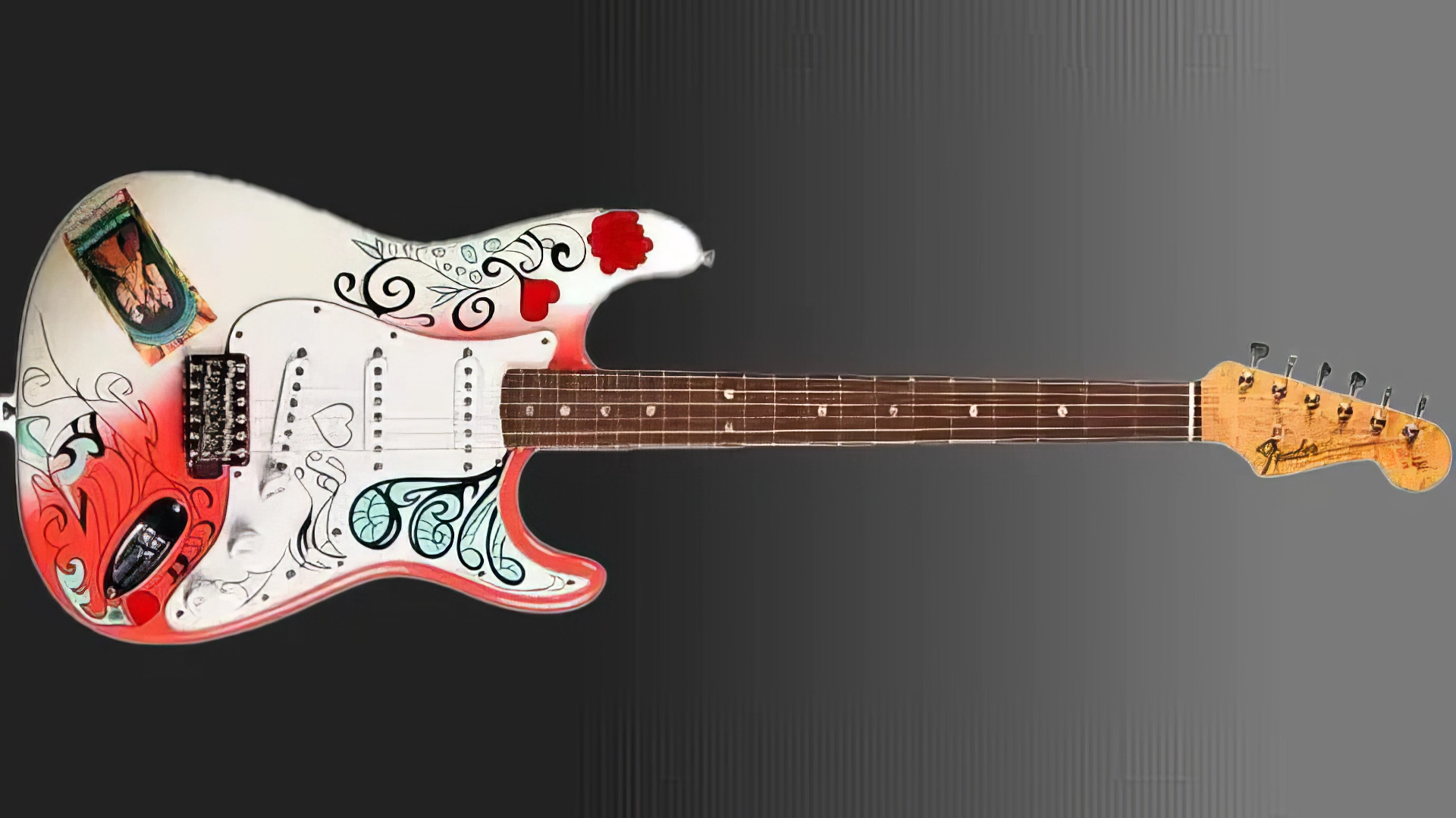
Perhaps the second most famous Hendrix guitar was the hand-painted Stratocaster he burned on stage at the 1967 Monterey Pop Festival. This theatrical destruction became one of rock's most memorable moments, symbolizing the psychedelic era's rebellious spirit. The charred remains of this guitar now reside in the Experience Music Project.
The Black Beauty Stratocaster
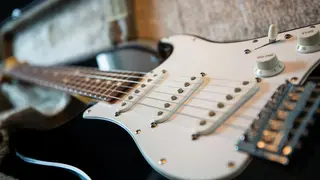
Hendrix's black Stratocaster was his primary recording guitar for much of 1969 and 1970. This instrument was used to record classics like "Voodoo Child (Slight Return)" and appeared in numerous studio sessions. Its all-black finish with white pickguard created a striking visual contrast to the Woodstock white Strat.
Gibson Flying V
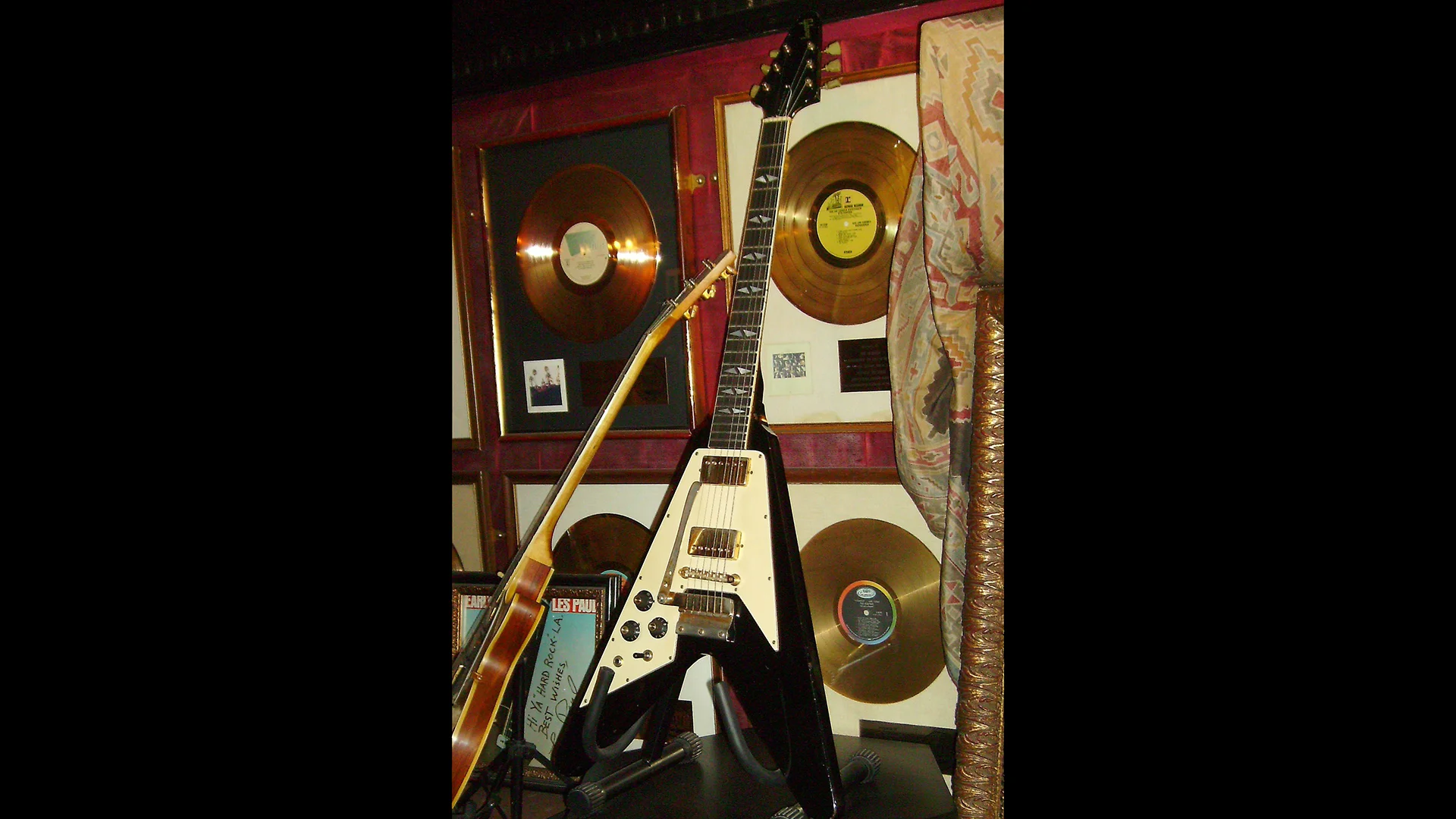
Breaking from his Stratocaster preference, Hendrix also played a 1967 Gibson Flying V, particularly during his Band of Gypsys period. This guitar offered a different tonal palette with its humbucker pickups, providing a thicker, more aggressive sound that suited the band's funkier direction.
Other Experiments
Throughout his career, Hendrix experimented with various guitars including a Fender Jazzmaster, Gibson SG, and Fender Duo-Sonic. However, none of these instruments achieved the same level of recognition as his Stratocasters. They served specific purposes in certain songs or sessions but never replaced the Strat as his primary instrument.
Want the Hendrix Sound? Here's What You Need
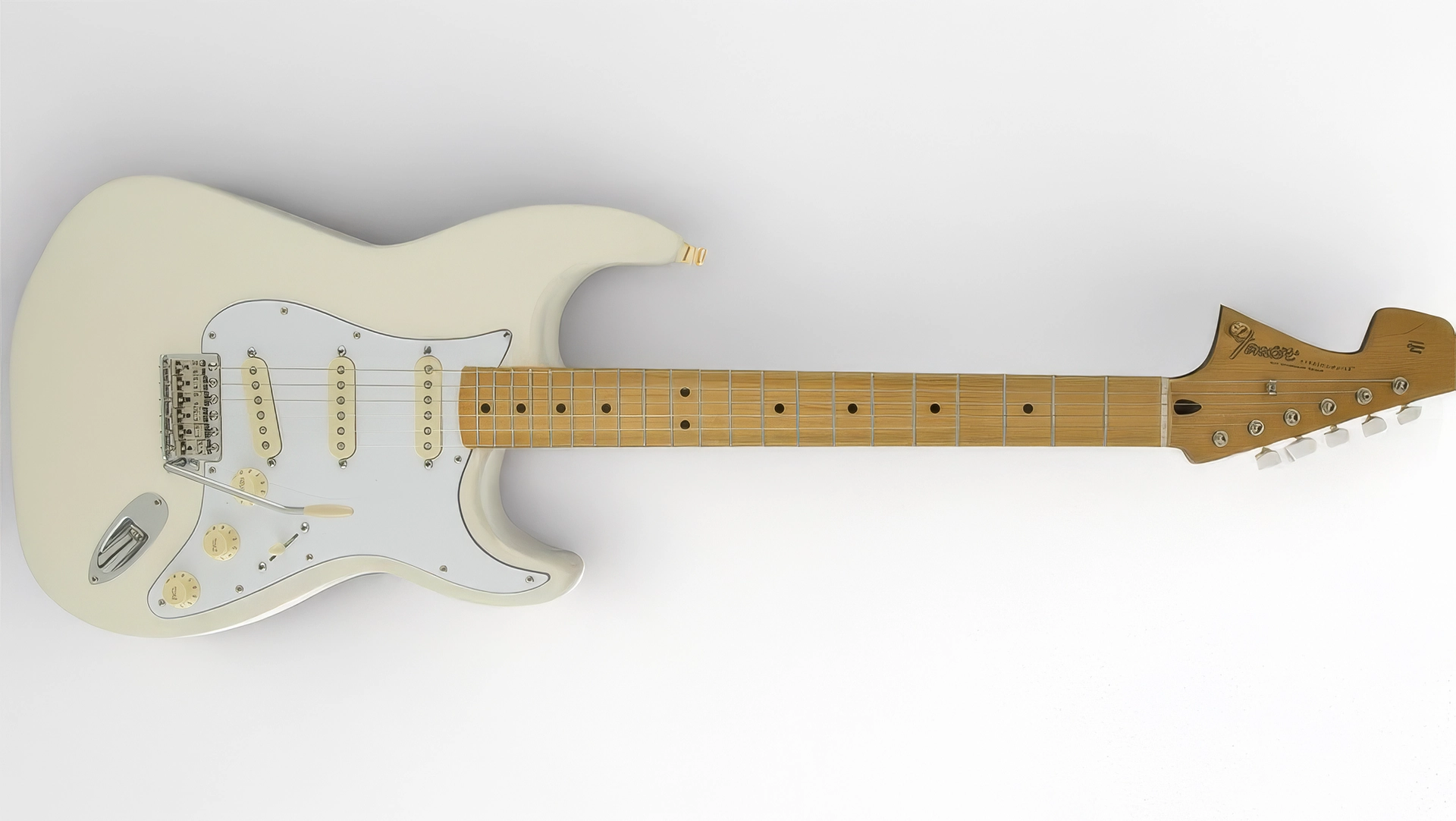
For guitarists looking to capture that legendary Hendrix tone, there are options at every price point. Here's a comprehensive guide to getting close to that Woodstock sound.
Budget Setup (Under $1,000)
Building a Hendrix-inspired rig doesn't have to drain your bank account. With careful selection of modern gear that captures vintage characteristics, you can get surprisingly close to those iconic tones without spending a fortune.
Guitar
A Squier Classic Vibe '60s Stratocaster offers authentic vintage-style features at an affordable price. Look for models with maple necks and vintage-style single-coil pickups. These instruments capture the essential Strat characteristics without breaking the bank.
Pedals
Start with a Dunlop Hendrix Fuzz Face Mini for that essential fuzzy distortion. Add a Vox V847A Wah pedal for those expressive sweeps. For the Uni-Vibe effect, consider the MXR Uni-Vibe which provides authentic swirl at a reasonable price.
Amp
The Boss Katana 50 Gen 3 offers excellent Marshall-style tones in its "Brown" channel. This versatile amp can handle everything from clean to heavily distorted sounds, making it perfect for exploring Hendrix's tonal range.
Intermediate Setup ($1,000-$3,000)
With a bit more budget, you can step into professional-grade territory. These options provide greater authenticity and reliability, perfect for gigging musicians who want that Hendrix vibe without vintage price tags.
Guitar
Step up to a Fender Player Stratocaster or Fender Vintera '60s Stratocaster. These Mexican-made instruments offer excellent build quality and authentic vintage specifications. The Vintera series particularly excels at capturing that classic '60s tone.
Pedals
Upgrade to the Dunlop JHF1 Hendrix Fuzz Face for more authentic germanium fuzz tones. The Fulltone Clyde Deluxe Wah offers enhanced control over your wah sound. For Uni-Vibe effects, the Drybell Vibe Machine 3 provides studio-quality modulation.
Amp
A Marshall Origin 20C delivers authentic British tube tone at manageable volumes. Pair it with a good 2x12 cabinet for that classic Marshall sound. For more versatility, consider the Fender '65 Deluxe Reverb which can be pushed into beautiful overdrive.
Ultimate Setup ($3,000+)
For those seeking the absolute closest experience to Hendrix's actual rig, these premium options represent the pinnacle of modern manufacturing and boutique craftsmanship. This is as close as you can get without owning the originals.
Guitar
The Fender Jimi Hendrix Stratocaster represents the pinnacle of production Strats. For the ultimate experience, seek out a Fender Custom Shop 1969 Stratocaster and then flip the strings around like Hendrix did.
Pedals
Invest in boutique recreations like the Analogman Sun Face for germanium fuzz perfection. The RMC Picture Wah offers the exact specs of Hendrix's original Vox wah. For the ultimate Uni-Vibe experience, the Shin-ei Vibe Bro reissue provides unmatched authenticity.
Amp
A Marshall Plexi Super Lead reissue delivers the exact amp Hendrix used. Pair it with a Marshall 1960A 4x12 cabinet for the full experience. Be prepared for serious volume; these amps were designed for stadium-sized venues.
Conclusion
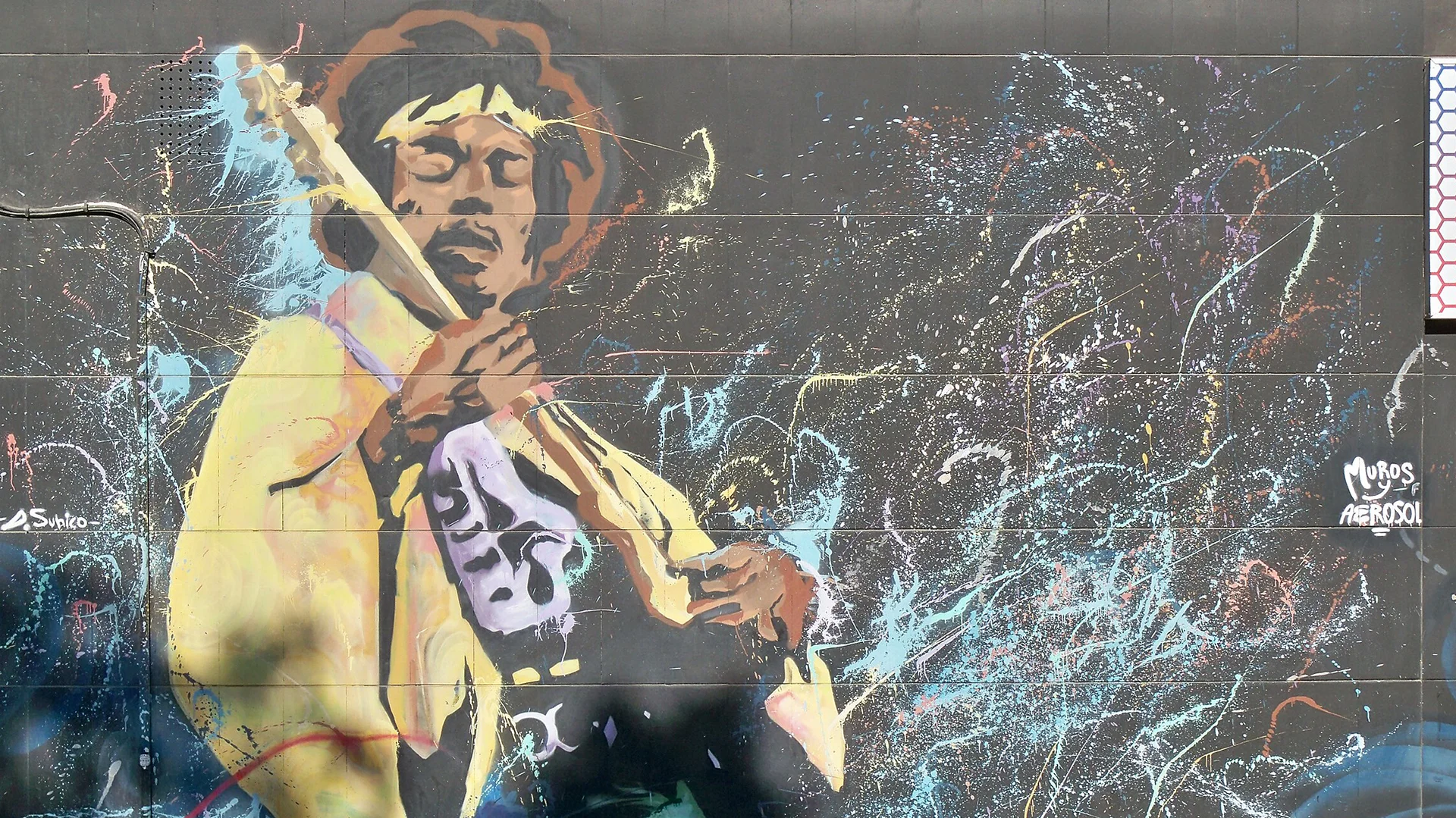
The white Stratocaster Jimi Hendrix played at Woodstock transcends its role as a mere instrument. It became a symbol of artistic expression, cultural revolution, and the limitless possibilities of electric guitar. From its reversed string configuration to its role in one of music's most iconic performances, this guitar helped reshape what was possible in rock music.
Today, whether displayed in a museum or inspiring new generations of players, the Woodstock Stratocaster continues to represent the pinnacle of guitar heroics.
For those seeking to capture even a fraction of that magic, remember that while gear is important, it was Hendrix's vision, creativity, and relentless experimentation that truly made the difference. The Stratocaster was his paintbrush, but the masterpiece was all his own.
Ready to start your own journey? Explore our complete guide to Fender Stratocasters and discover the perfect instrument to begin writing your own chapter in guitar history.
About the authors

S. Jino is an accomplished multi-instrumentalist and music producer based in Kolkata, India, distinguished by his self-taught mastery and unique blend of technical acumen and musical performance. His extensive experience was forged through hands-on dedication, starting with the full restoration of a broken guitar. Jino's capabilities span keyboards, pedals, and advanced digital production, reflecting a comprehensive skill set developed independently. As a significant contributor to the music scene, Jino regularly performs with worship bands and college ensembles. He has also established himself as a reliable and authoritative professional in freelance mixing, mastering, and original music creation. Inspired by the innovative sounds of Brian May and David Gilmour, and influenced by Kolkata's vibrant metal community, Jino is committed to the intricate art of vintage gear restoration and the continuous exploration of music and technology fusion. His current professional setup, featuring a meticulously restored nameless guitar, a Fender Player Strat, and a Boss Katana 50. Read more



.webp)
.jpg)



.webp)