The Roland TR-808 Story: Why This 40-Year-Old Drum Machine Still Rules

By Gear Experts
By Gear Experts
Table of Contents

Equipboard
Equipboard is the world's largest community of artists and their gear. Read our review process.
We are reader-supported. When you buy through links on our site, we may earn an affiliate commission. Learn more.
Our Picks
-l.webp?v=1784559385)





-l.webp?v=1784895740)

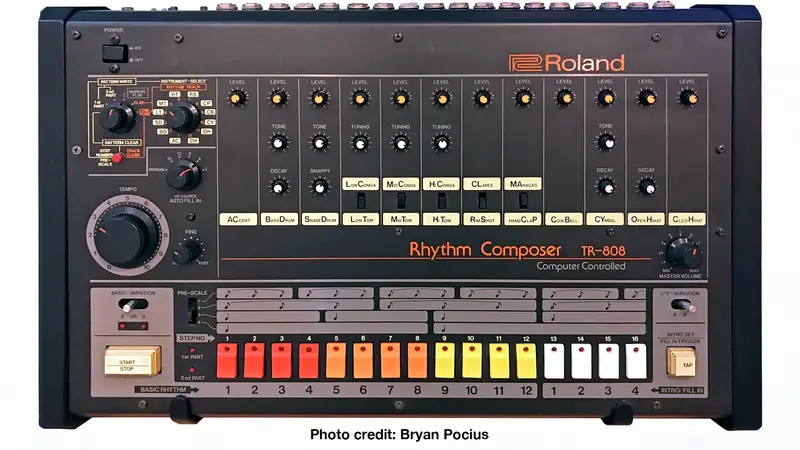
The number "808" doesn't just refer to a vintage drum machine anymore. It's become shorthand for a specific kind of bass that rattles car windows, shakes club floors, and defines entire genres. When producers talk about "808s," they're referencing a piece of equipment that was discontinued over 40 years ago but somehow sounds more relevant today than it did in 1980.
The Roland TR-808 Rhythm Composer was a commercial failure. Released in 1980 and discontinued by 1983, it sold poorly and was quickly replaced by sample-based drum machines that sounded "realistic." But those realistic machines faded into obscurity while the 808's synthetic, otherworldly sounds became the foundation of modern music. From hip-hop and trap to pop, techno, R&B, drill, and synthwave, the 808's influence is inescapable.
Origins: Roland, Kakehashi, and Analog Vision

The story of the TR-808 begins with Ikutaro Kakehashi, the founder of Roland Corporation and a visionary who believed electronic instruments should be accessible, expressive, and fun. In the late 1970s, drum machines existed but were expensive, limited, and often unreliable. Kakehashi wanted to create affordable rhythm tools that could give solo performers and small bands the power of a full drum kit.
The Analog Decision
Roland's engineering team made a crucial choice when developing the 808. Instead of using digital samples (which required expensive memory chips in 1980), they built purely analog synthesis circuits for each drum sound. This meant the kick drum wasn't a recording of a kick drum but rather a sine wave pitched down with a decay envelope. The snare combined filtered noise with a tonal oscillator. The hi-hats used six square wave oscillators to create metallic shimmer.
This analog approach gave the 808 its distinctive character but also meant it sounded nothing like acoustic drums. Early reviews criticized it for being too synthetic, too "fake." Drummers and studio musicians weren't impressed.
The DIN Sync Problem
One often-overlooked reason for the 808's initial commercial struggle was its timing technology. The TR-808 used DIN Sync, Roland's proprietary system for synchronizing equipment. This was the pre-MIDI era, and getting drum machines to talk to synthesizers or sequencers was complicated and expensive. You needed specific Roland gear or custom modifications to build a cohesive electronic music setup.
When MIDI was introduced in 1983, it quickly became the universal standard for electronic music communication. The 808, released three years too early, couldn't speak MIDI without modifications. This timing limitation meant the 808 was less appealing to professional studios that were beginning to embrace computer-based sequencing and integrated production workflows.
From Failure to Foundation
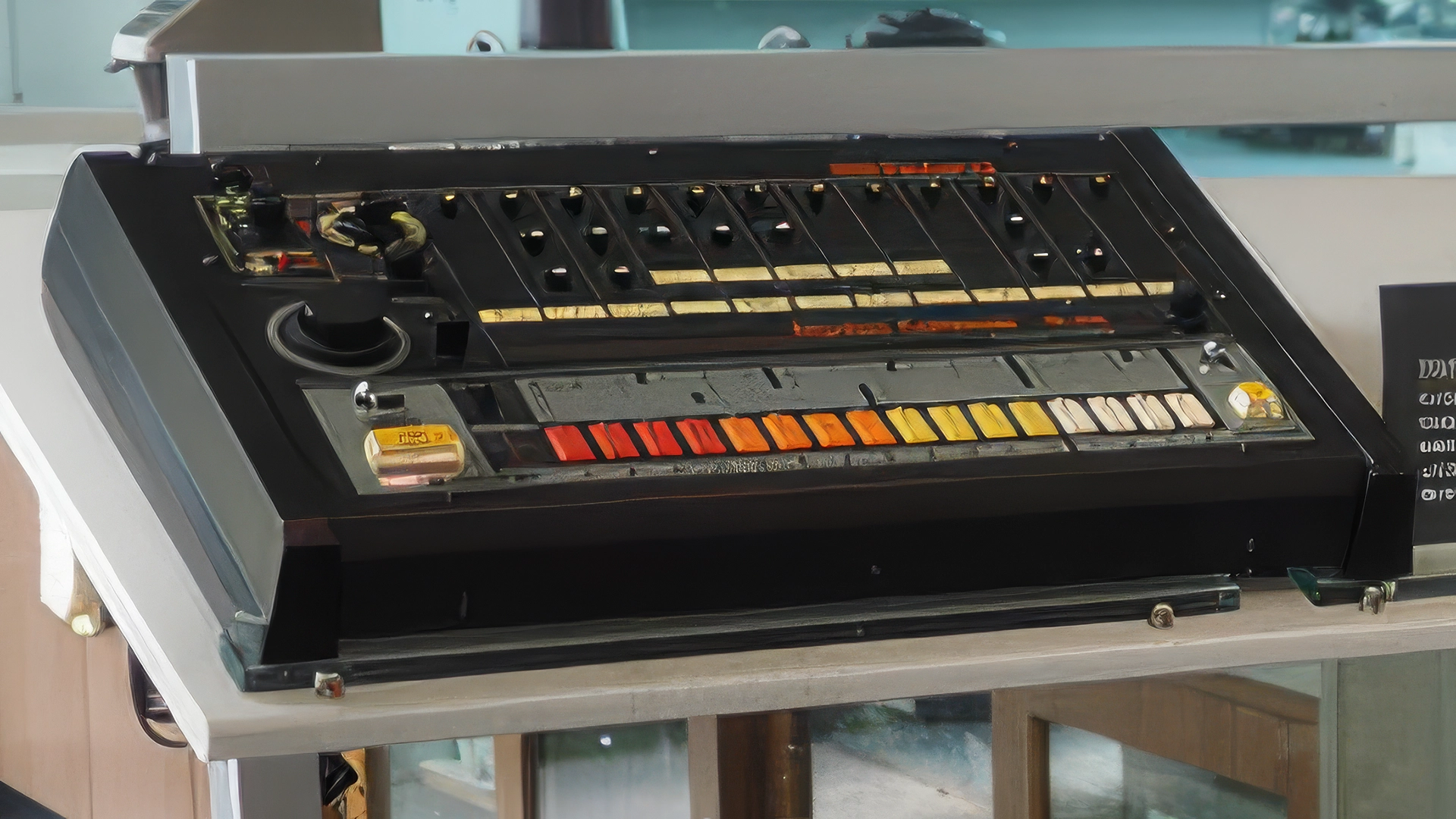
The LinnDrum, released in 1982, offered realistic sampled drum sounds and quickly became the professional standard. The 808 couldn't compete and was discontinued in 1983 after selling only around 12,000 units. Roland moved on to the TR-909 and other products.
But something unexpected happened. Those 12,000 units ended up in pawn shops, thrift stores, and bargain bins across America. Young producers with limited budgets could afford them. DJs and hip-hop producers in New York, Detroit, and Los Angeles started incorporating 808 sounds into their tracks. The synthetic quality that had been criticized as a flaw became a feature. The 808's booming, sub-heavy kick drum worked perfectly for club systems and car stereos.
| Year | Milestone |
|---|---|
| 1978 | Roland begins development of the TR-808 |
| 1980 | TR-808 officially released, retails for $1,195 |
| 1982 | Afrika Bambaataa releases "Planet Rock," establishing 808 in hip-hop |
| 1983 | TR-808 discontinued; units flood secondhand market |
| 1990s | 808 becomes foundational to Southern hip-hop, Miami bass, trap precursors |
| 2000s-Present | 808 bass becomes dominant sound in mainstream pop, trap, drill globally |
Inside the Sound: What Makes the 808 Unique
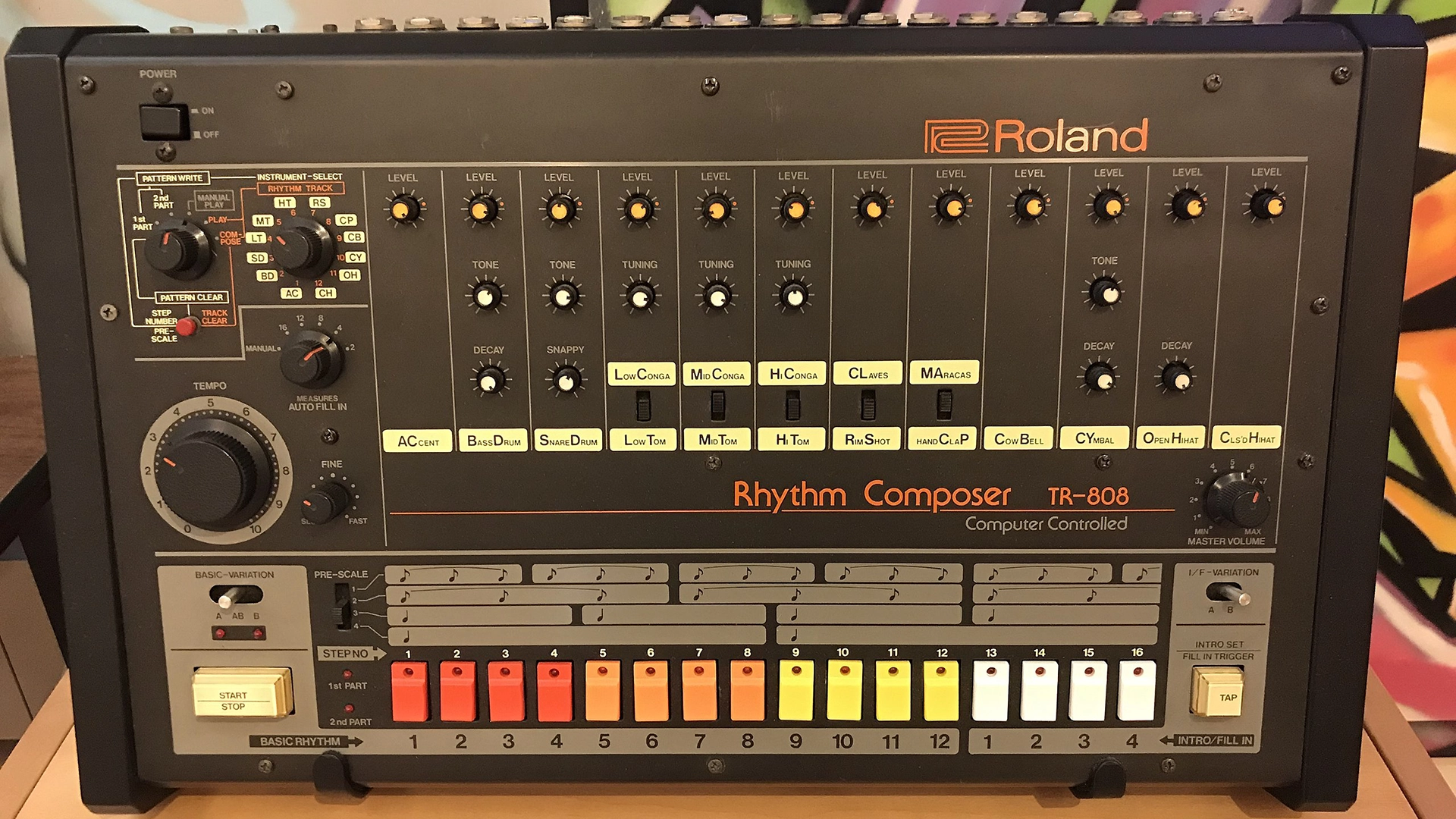
Understanding what makes the 808 special requires looking beyond the "it's analog" explanation. Plenty of gear is analog. The 808's magic comes from how its circuits behave and the specific design choices Roland's engineers made.
Non-Linear Analog Magic
Modern digital drum samples are consistent. Hit play on an 808 kick sample, and it will sound identical every time. A real TR-808 has subtle variations between units and even between individual hits on the same unit. This comes from component drift and circuit noise. Capacitors age differently, transistors have manufacturing tolerances, and temperature affects analog circuits.
The Kick Drum That Acts Like a Bass
The 808 kick is the sound that launched a thousand subgenres. It's built from a sine wave oscillator that sweeps from a higher pitch down to around 50-60 Hz, with a decay envelope controlling how long the tone rings out. The result is something that functions equally well as a kick drum or a bass note.
This sub-resonant decay is crucial. Unlike acoustic kick drums that have quick transient attacks and relatively short sustain, the 808 kick can be tuned to specific musical pitches and sustained for full beat lengths. When producers talk about "808 bass," they're often referring to kick drums tuned to the key of the track and programmed melodically.
Snare: Noise and Tone Combined
The 808 snare isn't trying to sound like a snare drum. It combines two elements: a filtered noise burst (similar to what you'd hear on actual snare wires) and two tuned oscillators that give it tonal body. You can adjust the balance between these elements using the tone control on the machine.
This hybrid approach means the 808 snare can sound crisp and sharp or deep and resonant depending on how it's tuned.
Clap, Cowbell, and Cultural Memes
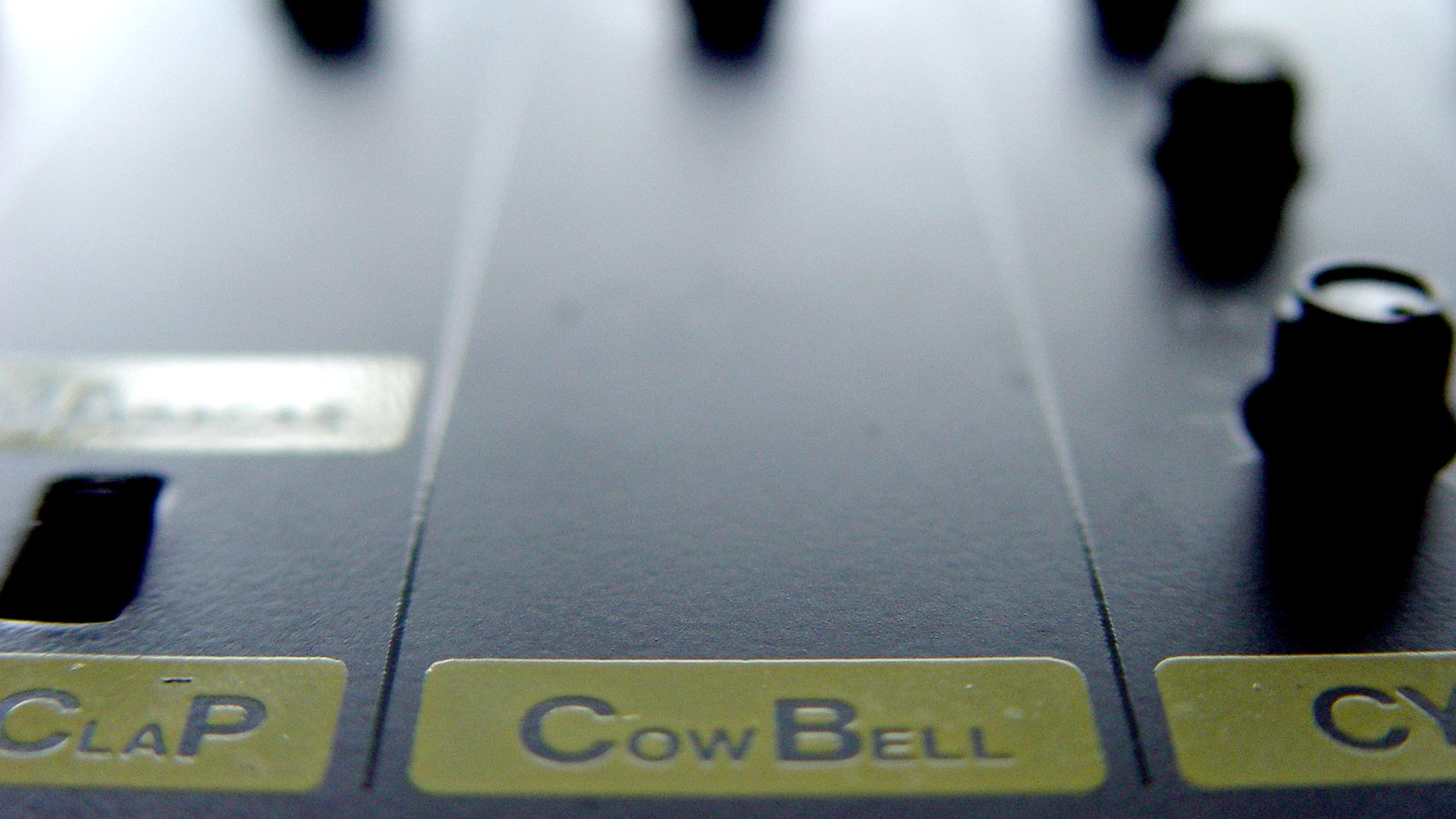
The cowbell is another standout. It's become a signature sound in Latin-influenced productions, trap, and even rock tracks looking for that specific metallic ring. The 808 cowbell's pitch and tone controls allow for surprising versatility, from tight rhythmic clicks to resonant bell tones.
Hats and Cymbals: Machine Groove Texture
The 808's hi-hats and cymbal sounds use multiple square wave oscillators tuned to create metallic, inharmonic timbres. The open hi-hat has a distinctive ringing quality, while the closed hat provides tight, crisp rhythmic definition.
Cultural Impact: From Underground to Global Blueprint
The 808's journey from commercial failure to cultural cornerstone is one of music history's most fascinating stories. It didn't conquer the mainstream through industry approval but through grassroots adoption by artists who heard possibilities others missed.
Early Adopters and Electro Pioneers
Afrika Bambaataa, working with producer Arthur Baker, created "Planet Rock" in 1982 using the TR-808 extensively. The track's futuristic, mechanical rhythm became the blueprint for electro-funk and early hip-hop production. That distinctive 808 kick pattern became instantly recognizable and widely imitated.
Marvin Gaye used the 808 on "Sexual Healing" (1982), bringing its sounds into R&B and demonstrating that the machine could work in sensual, organic contexts, not just robotic electronic music. Egyptian Lover and other West Coast electro artists made the 808 central to their sound, programming complex patterns that showcased the machine's rhythmic possibilities.
From Electro to Miami Bass to Hip-Hop Dominance
The 808 became foundational to Miami bass music in the mid-1980s. Producers discovered that the 808 kick, tuned low and sustained long, could create bass lines that were felt as much as heard. This physical impact made it perfect for car audio culture and outdoor parties where bass response was crucial.
Southern hip-hop producers in Atlanta, Houston, and Memphis adopted the 808 extensively throughout the 1990s and early 2000s. While East Coast hip-hop often favored sample-based production with live bass or jazz samples, Southern producers embraced the synthetic, electronic character of 808-driven beats.
Trap, Pop Charts, and Global Domination
The emergence of trap music in the 2000s made the 808 inescapable. Producers like Lex Luger, Shawty Redd, and Zaytoven built entire production styles around booming 808 bass, rapid hi-hat rolls, and sparse, hard-hitting arrangements. When trap crossed over into mainstream pop, the 808 came with it.
By the 2010s, 808 sounds appeared in pop tracks by artists who had no connection to hip-hop. Electronic producers incorporated them into house, techno, and experimental music. The sound that was too synthetic in 1980 had become the definition of contemporary bass in 2025.
Car Culture, Club Rigs, and the Physics of Sub Energy
Part of the 808's cultural significance comes from how it interacts with physical spaces and audio systems. The long, sustained sub-bass frequencies of an 808 kick aren't just heard; they're felt in your chest, in vibrating surfaces, through the air pressure changes they create.
Car audio culture embraced 808s because those low frequencies showcase subwoofer capabilities. Nightclubs with proper sound systems use 808-driven tracks to create visceral physical experiences. The 808 isn't just about tone or rhythm but about bass as a physical phenomenon.
Essential Listening Guide
Understanding the 808's cultural impact requires hearing it in context. Here are landmark tracks that showcase different eras and applications:
"Planet Rock" by Afrika Bambaataa and the Soulsonic Force (1982) established the 808 in hip-hop and electronic music. The mechanical precision and futuristic aesthetic defined electro-funk.
"Sexual Healing" by Marvin Gaye (1982) proved the 808 could work in sensual, sophisticated R&B contexts. The programmed drums don't feel cold but rather intimate and hypnotic.
"Love Lockdown" by Kanye West (2008) uses 808s melodically and emotionally, with tuned kick drums carrying the song's melancholic weight. This approach influenced an entire generation of producers.
"SICKO MODE" by Travis Scott (2018) showcases modern trap production with aggressive 808 slides, distortion, and multiple beat switches. The bass dominates the mix in ways that define contemporary hip-hop.
"Bad and Boujee" by Migos (2016) features the quintessential trap 808 sound: deep, tuned bass kicks with rapid hi-hat patterns creating rhythmic complexity over minimal melodic elements.
Selected Ambient Works 85-92 by Aphex Twin uses 808 sounds in experimental electronic contexts, proving the machine's versatility beyond club bangers and hip-hop.
Modern Artist Techniques
The 808's influence extends beyond its sounds being sampled or emulated. Understanding how innovative artists actually use these sounds can transform your own production approach.
Kanye West: Emotional 808 Bass Melodies
Kanye West's use of 808s shifted the paradigm from rhythmic foundation to melodic expression. Starting prominently with the "808s & Heartbreak" album (2008), Kanye and his collaborators tuned 808 kicks to specific pitches and programmed them as bass melodies rather than just kick patterns.
This approach treats the 808 kick as a synthesizer. The bass plays root notes, octaves, fifths, and sometimes more complex melodic movements. The key is sustaining notes long enough to be heard as tones while maintaining rhythmic pocket. Kanye's productions often feature 808 bass that's slightly distorted or saturated, adding harmonics that make the notes more defined on smaller speakers.
The emotional quality comes from note choice and phrasing. Minor key progressions, strategic use of rests, and dynamics (varying velocity or filter settings) give 808 bass lines expressive character. This technique has become standard in modern hip-hop and R&B production.
Metro Boomin and 808 Mafia: Slides, Glide, and Distortion
Producers like Metro Boomin and the 808 Mafia collective pushed trap production into new territory with aggressive 808 techniques. The signature move is the 808 slide: programming portamento or glide between notes so the pitch sweeps smoothly rather than jumping discretely.
This creates a fluid, almost vocal quality to the bass. Combined with distortion or saturation, these slides become aggressive, assertive elements that drive tracks forward. The technique requires careful tuning; slides work best over specific intervals (octaves, fifths, fourths) and need to be timed precisely with the rhythmic grid.
808 Mafia productions often feature heavily processed 808s that are barely recognizable as drum sounds anymore. Distortion, bit crushing, EQ manipulation, and layering transform the clean 808 kick into a bass instrument that's simultaneously organic and synthetic.
Daft Punk: Electro Sequencing and Sidechain Pump
Daft Punk brought 808 sounds back to their electro roots while incorporating modern production techniques. Their approach emphasizes sequenced patterns that are complex and evolving, with 808 drums programmed in ways that reference the machine's step-sequencer origins.
The duo's signature production technique involves heavy sidechain compression, where the 808 kick triggers compression on other elements in the mix. This creates the rhythmic "pumping" effect that's become synonymous with French house and electronic dance music. The kick doesn't just provide rhythm; it actively shapes the dynamics of every other sound.
Daft Punk's productions demonstrate that 808 sounds can coexist with live instruments, disco samples, and vocoder vocals while maintaining their electronic character. The key is mixing the 808 elements intentionally rather than trying to make them sound realistic or hide their synthetic nature.
Phil Collins: Hybrid Live Setup and Early Pad Adoption
Phil Collins was among the first major drummers to incorporate electronic drum sounds, including 808-style tones, into live performances. His approach wasn't about replacing acoustic drums but augmenting them with electronic sounds for specific sonic textures.
Collins used drum pads and triggers to access 808 sounds while playing traditional drums, creating hybrid setups that are now standard in modern drumming. The 808's sounds worked particularly well for adding low-end weight that acoustic kick drums couldn't achieve in certain mix contexts.
Gear: 808s You Can Buy Today

You don't need an original TR-808 to access its sounds, and honestly, most producers are better served by modern alternatives that offer more flexibility and integration with current production workflows.
Hardware Options for Hands-On Control
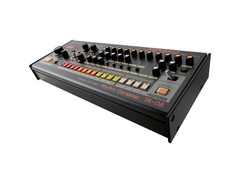
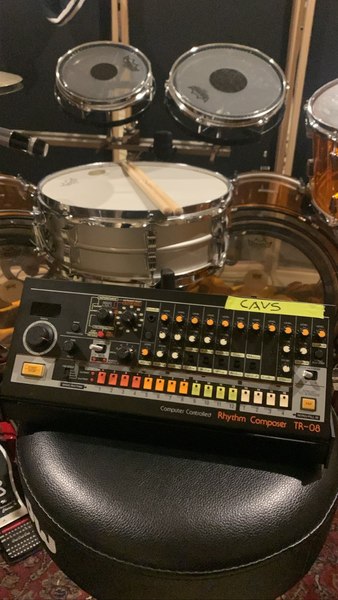
The Roland TR-08 is a compact, affordable Boutique series recreation that uses Roland's Analog Circuit Behavior technology to model the original 808's circuits. It includes MIDI, USB connectivity, and a built-in step sequencer. The TR-08 captures the character of the original while adding modern conveniences like pattern chaining, probability functions, and easy integration with DAWs.
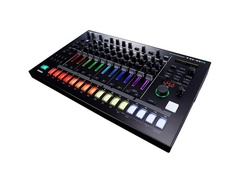
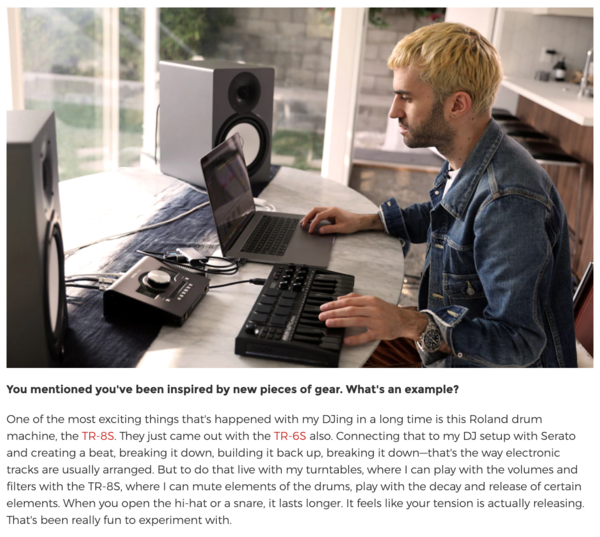
Roland's TR-8S is a more comprehensive rhythm performer that includes the 808 sounds alongside the 909, 707, and other classic Roland drum machines. It offers sampling capabilities, effects processing, and a more performance-oriented interface. For producers who want one box that covers multiple drum machine sounds, the TR-8S provides excellent versatility.
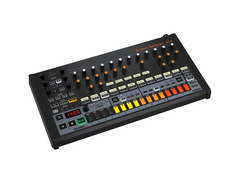
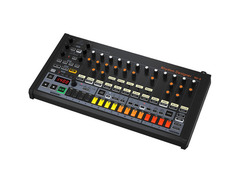
Behringer's RD-8-MKII offers an affordable alternative that aims for circuit-accurate analog recreation of the 808. It's full-sized with individual outputs for each drum voice, allowing detailed mixing and processing. The RD-8 demonstrates that 808-style sounds can be accessible at budget-friendly prices without sacrificing analog character.
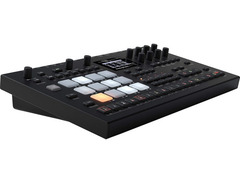
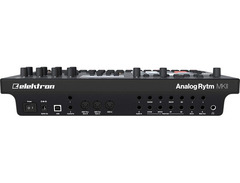
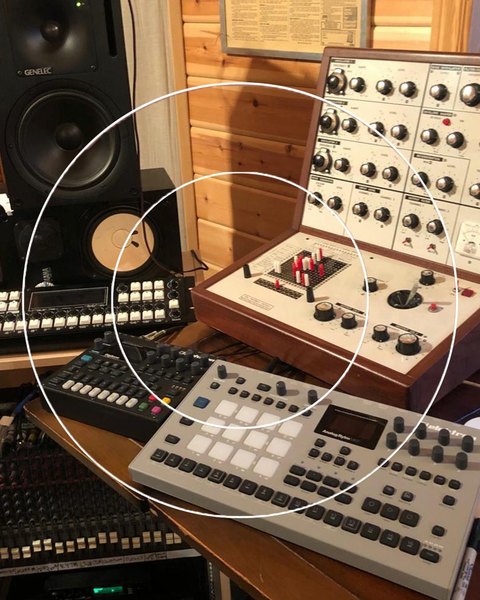
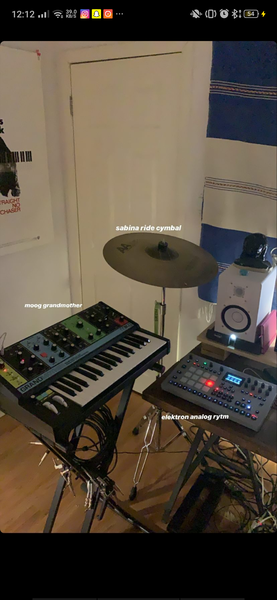
The Elektron Analog Rytm takes a different approach, offering analog drum synthesis that can create 808-style sounds while going far beyond them. It combines analog sound generation with digital features like sampling, parameter locks, and Elektron's powerful sequencer. For producers who want 808 sounds as part of a broader sonic palette, the Rytm excels.
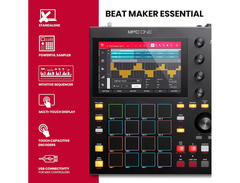
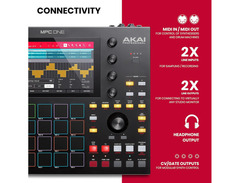
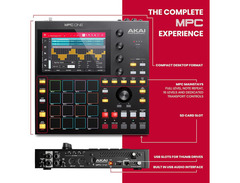
Modern Akai MPC models include extensive 808 sample libraries and the workflow benefits of the MPC platform. For producers already invested in the MPC ecosystem, these units offer 808 sounds alongside comprehensive sampling, sequencing, and beat-making tools.
Software Solutions for Studio Flexibility
Roland Cloud provides software versions of the TR-808 and other Roland classics. The 808 emulation is officially licensed and captures the original's character pretty accurately. The advantage is complete DAW integration, easy automation, and the ability to save and recall any setting.
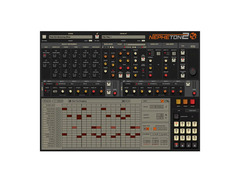
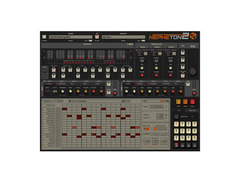
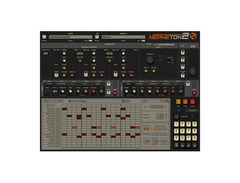
AudioRealism Drum Machine (ADM) and Nepheton offer detailed 808 emulations that model the analog circuits and provide extensive tweaking capabilities. These plugins focus specifically on classic drum machine sounds and often include modification options that wouldn't be possible on hardware.
Wave Alchemy and similar sample companies provide meticulously recorded 808 sample packs that capture different units and processing chains. For producers who prefer working with samples directly in their DAW, these libraries offer instant access without needing to understand synthesis or programming.
Most modern DAWs include stock 808 kits that are surprisingly usable. Logic Pro's Drum Machine Designer, Ableton's Drum Rack with included 808 samples, and FL Studio's extensive drum library all provide workable 808 sounds out of the box.
Production Guide: Using 808s in 2025
Having 808 sounds available is one thing; using them effectively in contemporary productions requires understanding both programming and mixing techniques that have evolved over decades.
Essential Programming Patterns
The foundation of effective 808 programming is understanding rhythmic placement and feel. The classic trap pattern features 808 kicks on the 1 and 3 (downbeats) with additional kicks on the "and" of 2 or other syncopated positions. This creates forward momentum while leaving space for hi-hats and snares.
Variation is crucial. Eight-bar loops that never change become monotonous. Successful 808 programming includes subtle variations: occasional double kicks, rests where kicks are expected, velocity changes that create dynamics. These micro-variations maintain listener interest without disrupting the groove.
Hi-hat programming in 808-driven productions has become increasingly complex. Rapid 32nd-note rolls, velocity automation creating crescendos, and subtle timing offsets (slightly behind or ahead of the grid) add human feel to programmed drums.
Bass Design: Mono, Glide, and Envelope Shaping
808 bass needs to be mono below about 150-200 Hz. Bass frequencies in stereo can cause phase cancellation and lose power on mono playback systems (which still includes many phones, Bluetooth speakers, and club systems). Use a stereo imaging plugin or EQ to ensure your low end is centered.
Glide time (portamento) determines how quickly the pitch slides between notes. Shorter glide times (10-30 milliseconds) create tight, connected bass lines. Longer glide times (50-150 milliseconds) produce the dramatic slides characteristic of trap and modern hip-hop. The key is matching glide time to tempo; faster tempos need quicker glides to stay rhythmic.
Envelope shaping controls the 808's attack and decay characteristics. A very short decay creates punchy kicks that work for uptempo tracks. Longer decays allow the bass to sustain and fill more sonic space, working better for slower tempos or sparser arrangements. Attack time affects punch: a completely instant attack can sound too aggressive, while 2-5 milliseconds of attack softens the impact slightly for a smoother sound.
Saturation and Harmonic Enhancement
Clean 808 bass disappears on small speakers because those speakers can't reproduce sub frequencies. Adding saturation generates upper harmonics that let listeners perceive the bass on any playback system. Subtle saturation maintains clarity; heavy distortion creates aggressive, fuzzy bass that works for certain genres.
Different saturation types create different harmonic profiles. Tape saturation adds warm, even harmonics. Tube saturation creates slightly edgier character. Digital clipping or bit crushing produces harsh, bright harmonics suitable for aggressive trap or industrial sounds. Experiment with saturation placement: before EQ for more dramatic effects, after EQ for more controlled enhancement.
Layering techniques can also add definition. Some producers layer a clean 808 sub bass with a mid-range synth bass playing the same notes. The sub provides weight while the mid-range element adds definition and presence. The key is ensuring both layers are in phase and tuned identically.
Mixing Cheatsheet for Modern Playback
| Technique | Application | Settings/Notes |
|---|---|---|
| High-Pass Filtering | Apply to all instruments except kick and bass | Cut below 100-120 Hz to give 808 exclusive sub region ownership |
| Sidechain Compression | Route 808 kick to trigger compression on bass, synths, pads | Fast attack (1-5ms), medium release (50-150ms), ratio 4:1 to 6:1 |
| Multi-System Referencing | Check mix on phone speakers, car stereo, cheap headphones, laptop | If bass line isn't clear on phone speakers, add harmonic content or adjust attack transient |
| EQ Notching | Separate 808 and other bass elements to different frequency centers | Example: 808 at 60 Hz, synth bass at 80-100 Hz to reduce masking |
| Mono Low End | Keep all frequencies below 150-200 Hz in mono | Prevents phase cancellation and maintains power on mono playback systems |
Live Performance Applications
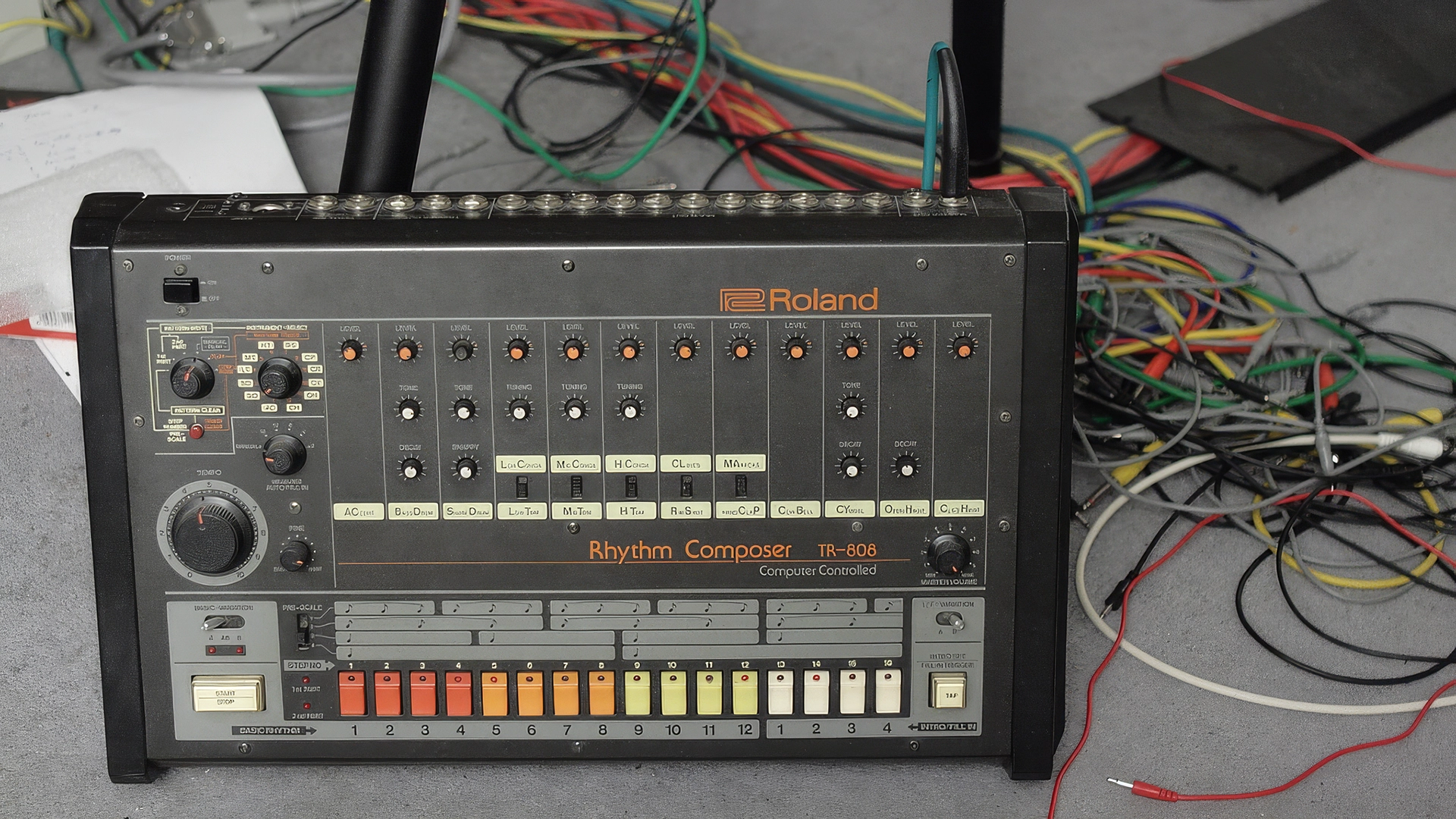
The 808's influence extends beyond studio production into live performance contexts, where its sounds enhance everything from hybrid drum setups to bass performances.
Hybrid Drummers and Electronic Percussion
Modern drummers increasingly incorporate 808 sounds into their setups using percussion pads and trigger modules. The Roland SPD-SX sampling pad is particularly popular, allowing drummers to trigger 808 kicks, snares, and hi-hats alongside acoustic drums.
This hybrid approach works especially well for genres where electronic and acoustic sounds need to coexist. A drummer might play a traditional groove on acoustic drums while triggering an 808 kick for specific sections that need sub-bass weight. The Alesis SamplePad offers similar functionality at a lower price point, making hybrid drumming accessible to more players.
Integration with acoustic drums requires careful sound design and mixing. Many hybrid drummers process their 808 samples to sit in different frequency ranges than their acoustic drums or use them sparingly for specific moments rather than throughout entire songs.
Bassists Adding Synth Sub
Electric bassists have discovered that adding 808-style sub frequencies can enhance their low-end presence without abandoning traditional bass playing. The Boss OC-5 octave pedal includes a "Poly" mode that can track complex bass lines and add a sub-octave that mimics the 808's low-frequency weight.
This approach works particularly well for bassists playing in modern R&B, hip-hop-influenced rock, or electronic music contexts where that sub-bass presence is expected. The key is blend control: subtle amounts of sub-octave add foundation, while too much can overwhelm the natural bass tone.
Some bassists use dedicated bass synthesizers like the Electro-Harmonix Micro POG or even run their bass into synthesizer modules that track pitch and generate 808-style kicks in time with their playing.
Keyboardists and Pad Controllers
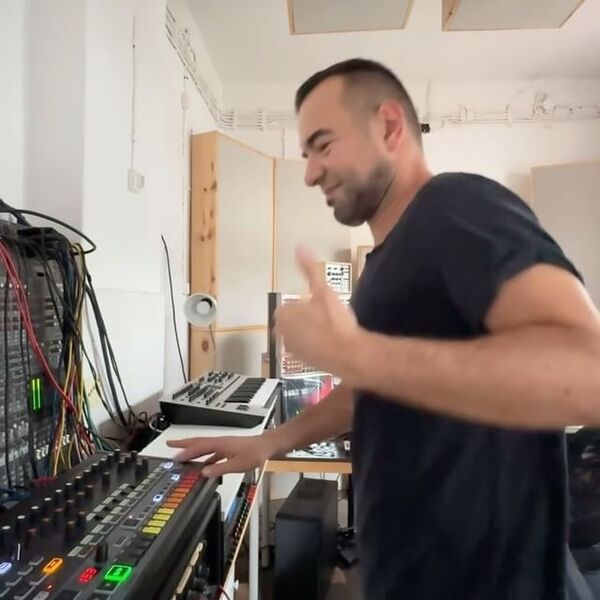
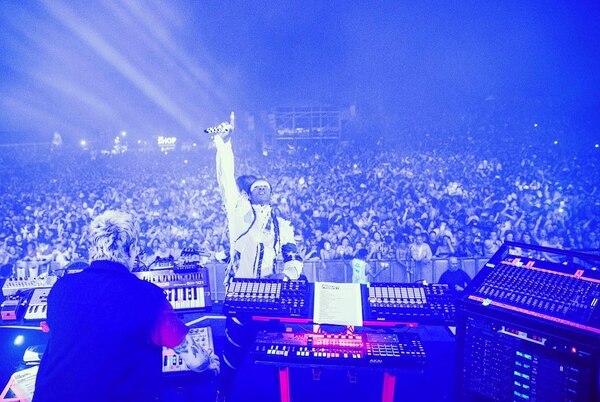
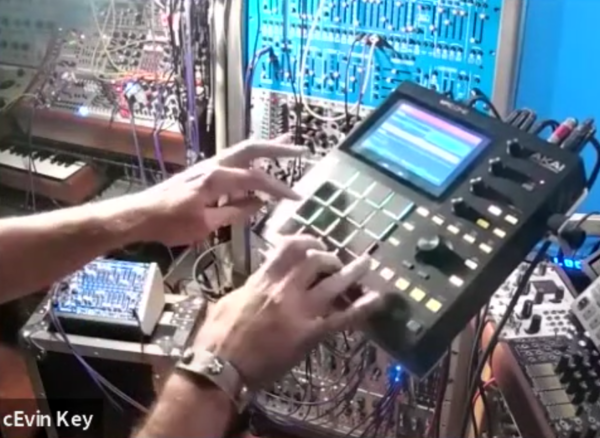
Keyboard players and electronic musicians often use pad controllers like the Ableton Push or Akai MPCs to trigger 808 samples in performance contexts. These controllers allow for dynamic triggering, with velocity sensitivity and pressure-responsive pads providing expressive control over the sounds.
Programming 808 samples across a pad controller creates an instrument that can be played rhythmically or melodically. A keyboardist might play chords with one hand while triggering 808 bass patterns with the other, creating complete arrangements in real time.
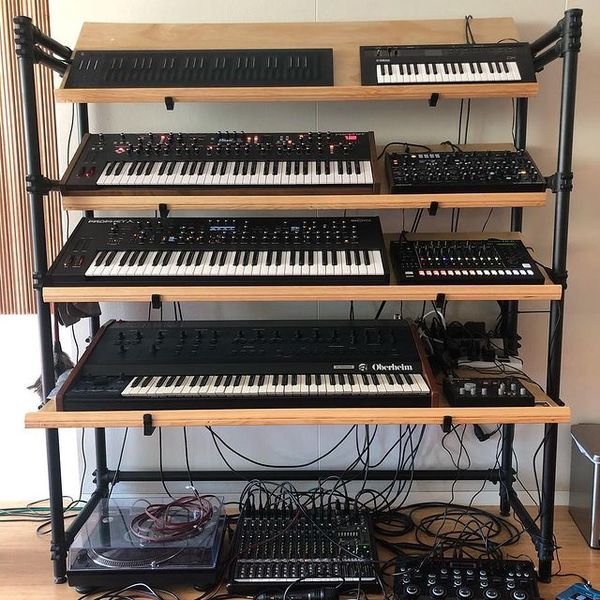
Integration with other keyboard setups often involves running the pad controller into a mixer alongside synthesizers and stage pianos, treating the 808 sounds as another instrument in the rig rather than a backing track element.
Guitarists and the 808 Drop Phenomenon
The "808 drop" has become a production cliche, but it's crossed into live guitar music in interesting ways. Some guitarists use pitch-shifting pedals to create sub-octave drops that mimic the 808's low-frequency impact.
The Electro-Harmonix POG2 or Chase Bliss Audio Generation Loss can create these sub-octave effects. The Meris Enzo synthesizer pedal can track guitar and generate actual 808-style kick sounds based on your playing. These pedals let guitarists incorporate electronic textures without abandoning their primary instrument.
Metal and progressive rock bands sometimes trigger 808 samples via MIDI foot controllers, syncing them to specific song sections for dramatic low-end accents.
Common Mistakes and Fixes
Even experienced producers make predictable errors when working with 808s. Recognizing and fixing these issues improves your mixes immediately.
| Common Mistake | Problem It Creates | The Fix |
|---|---|---|
| Not Tuning Your 808s | Clashes with bass lines, creates mud with chords, sounds wrong in unpredictable ways | Always tune to the key of your track (typically root note or fifth). Use frequency analyzer or tuner plugin to identify pitch. Pitch-shift to match song key. |
| Too Much Pure Sub Without Mid Harmonics | Bass sounds massive on good systems but completely disappears on phones, laptops, or smaller speakers | Add harmonic content through saturation, distortion, or layering. Test on phone speakers. Layer clean sub bass with mid-range synth bass (100-300 Hz) for clarity. |
| Overlayering and Frequency Congestion | Phase cancellation and frequency masking that makes bass less powerful, not more | Choose one primary 808 and commit to it. If layering, ensure elements occupy different frequency ranges (main 808: 40-80 Hz, mid-bass: 100-300 Hz). Use EQ to carve distinct spaces. |
| Ignoring Envelope and Phase Relationships | Layered sounds cancel each other out, long decays create mud or dissonance, bass doesn't sustain properly | Try phase inversion on one element if layered bass sounds thin. Adjust decay length based on tempo and note spacing. Ensure envelopes don't cause overlapping frequencies. |
Should You Buy a Real TR-808?
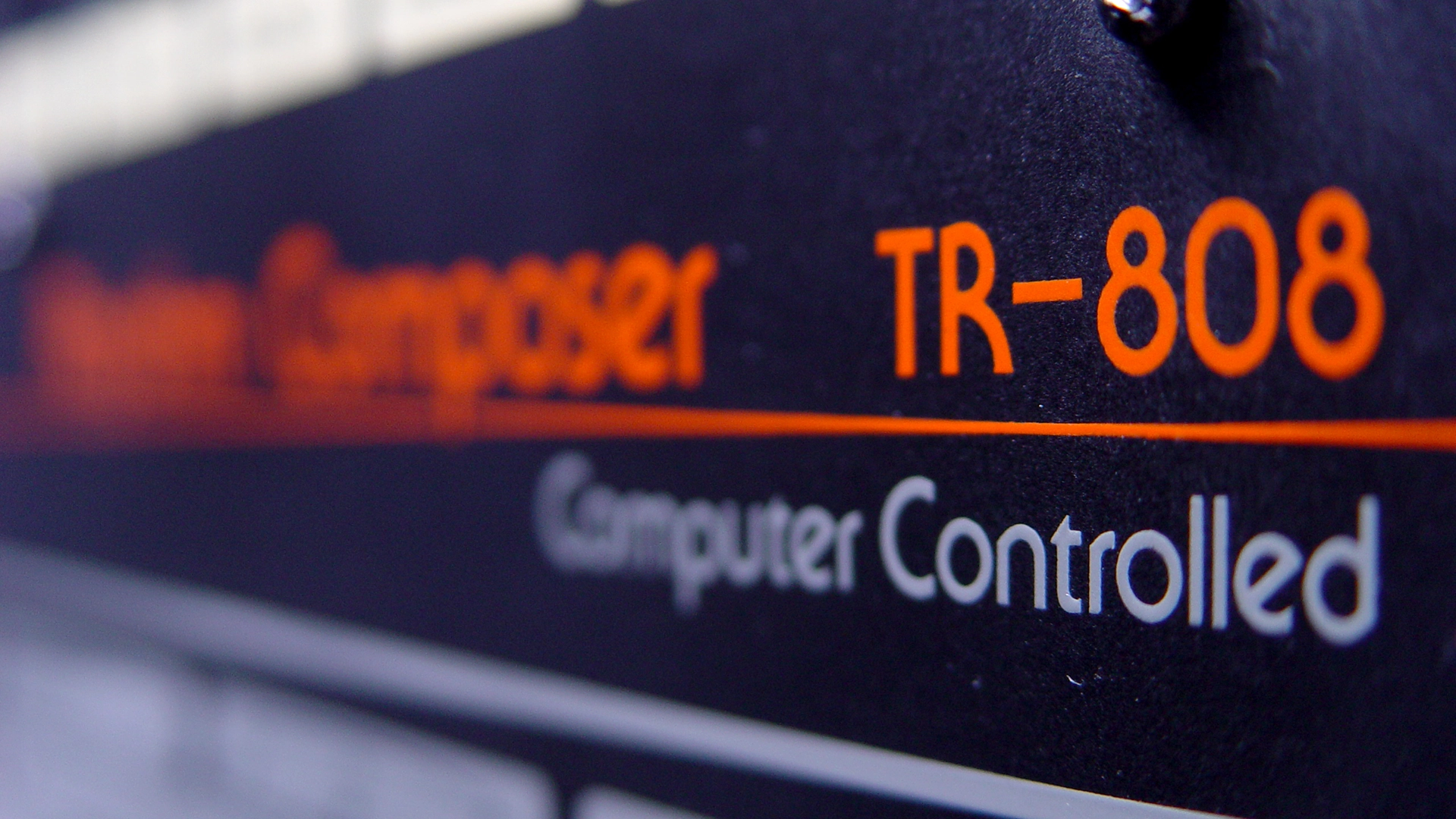
The question of whether to buy an original TR-808 comes down to your priorities, budget, and how you work.
The Collector Perspective
Original TR-808 units sell for thousands of dollars, with prices varying based on condition, modifications, and provenance. For collectors and those who value the historical and physical connection to music history, owning an original makes sense. There's something special about using the actual machine that created sounds you've heard on countless records.
However, collecting vintage gear and using it for practical production are different goals. Original 808s require maintenance, can be unreliable, lack modern connectivity, and need careful handling. They're also targets for theft and don't integrate seamlessly with computer-based production workflows.
The Practical Musician Perspective
For producers focused on making music rather than collecting gear, modern 808 emulations and sample libraries provide better value and functionality. Software versions offer perfect recall, automation, easy integration with DAWs, and often more sound-shaping options than the original hardware provided.
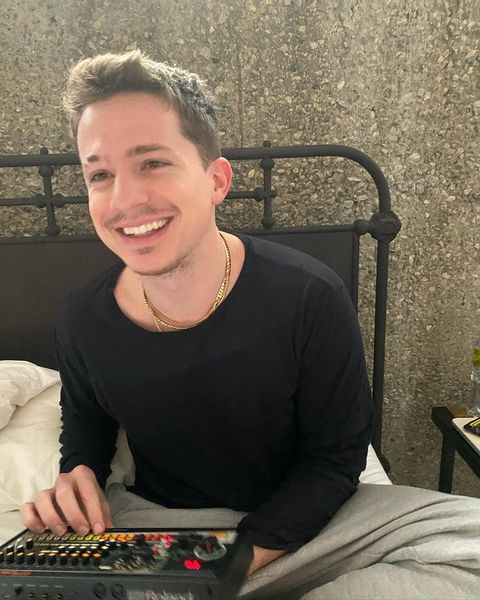
Hardware emulations like the Roland TR-08 or Behringer RD-8 deliver the hands-on experience and analog character at a fraction of the original's cost. You get physical knobs and buttons, the workflow benefits of dedicated hardware, and sounds that are effectively indistinguishable from vintage units in mix contexts.
The money saved by choosing modern alternatives can be invested in other gear, software, or simply kept in your pocket. There's no shame in using samples or software if they serve your music effectively.
Budget Tiers for Different Approaches
Entry-level options include free or included DAW drum kits, affordable sample packs, and free VST plugins. These provide entirely usable 808 sounds for learning and early productions. Focusing on programming and mixing skills matters more than having the "perfect" 808 sound at this stage.
Mid-tier options include paid sample libraries like those from Wave Alchemy, software emulations from Roland Cloud or AudioRealism, or hardware like the Roland TR-08. These provide professional-quality sounds and additional features that support more advanced production techniques.
High-end options include the Roland TR-8S, Elektron Analog Rytm, or vintage 808 units. These are justified when you've outgrown simpler tools, have specific workflow needs that hardware addresses, or simply prefer the experience of working with premium equipment.
Sample Legality and Provenance
Using 808 samples is industry standard and legally unproblematic when you're using properly licensed sample packs or sounds you've created yourself. The 808's sounds aren't copyrighted in a way that prevents sampling or emulation. Thousands of producers use 808 samples in commercial releases without legal issues.
However, purchasing from reputable companies ensures proper provenance and licensing. Companies like Splice, Loopmasters, and Roland's official sample packs provide clear licensing terms that allow commercial use. Free or sketchy sources might have unclear licensing or simply be lower-quality recordings.
Creating your own 808 samples from hardware or software you own is always safe legally and can result in unique sounds that aren't already on ten thousand other tracks.
Conclusion
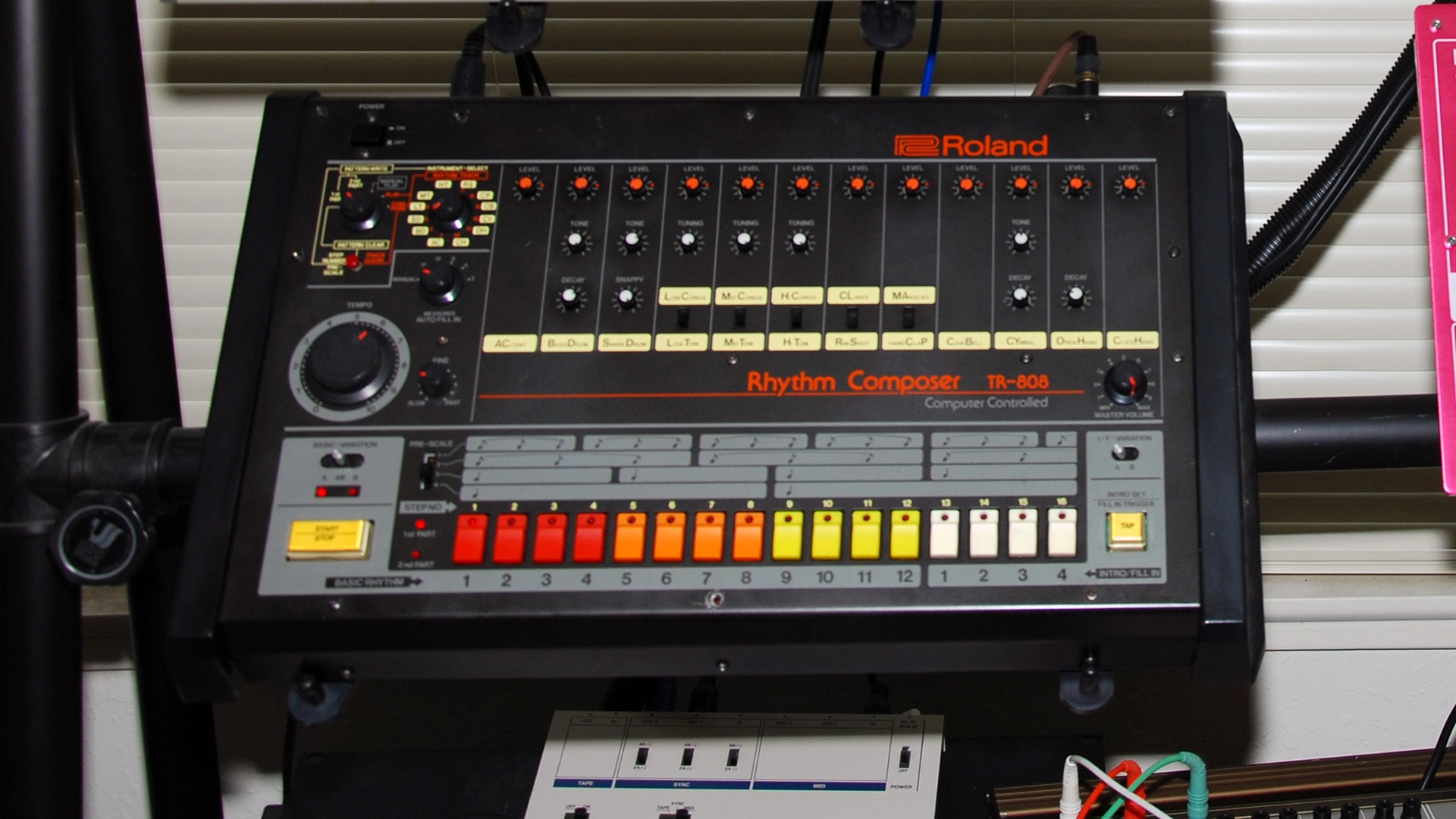
The TR-808 didn't just shape genres; it created them. A machine dismissed as too synthetic in 1980 became the sonic foundation of hip-hop, trap, pop, and electronic music worldwide. Its commercial failure put it in the hands of innovators who heard possibilities the industry missed, and those producers changed music forever.
Today, accessing 808 sounds is easier than ever. The Roland TR-08 and TR-8S deliver official emulations with modern connectivity. Behringer's RD-8 offers analog character at accessible prices. Software like Roland Cloud and countless sample libraries provide instant studio integration. Choose based on your workflow and budget, not hype or nostalgia.
What matters isn't which 808 you use but how you use it. Tuning your kicks to key, adding harmonic content for translation, programming with intention, and mixing with purpose separates amateur productions from professional results. The 808's sounds are tools, and like any tool, skill determines outcomes.
The 808's influence extends beyond the studio. Hybrid drummers trigger samples alongside acoustic kits, bassists add sub-weight to their tones, and electronic performers build entire setups around these classic sounds.
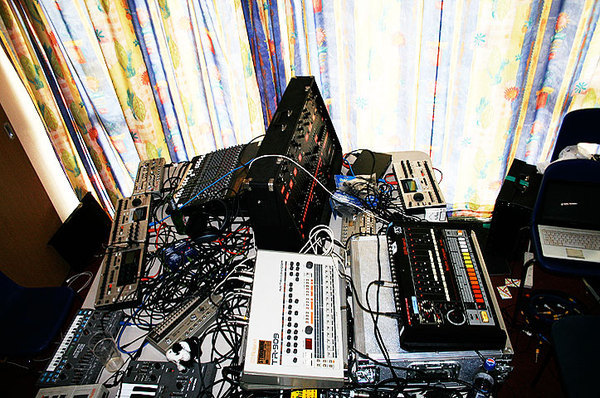
Roland TR-808 Rhythm Composer
5.0 (73)
-s.webp?v=1784559385)




- Iconic and timeless sound that defines pop and dance music genres
- Unique low and high-frequency sounds leave space in the midrange
- Analog sound provides an organic and rich audio experience
- Historical significance in early hip hop and techno music
- See 6 more
- Difficult to switch patterns without stopping playback
- Song sequencer may not appeal to everyone
- Volume and decay inconsistencies may require more effort to manage
See how artists use this


.jpg)


Roland Cloud TR-808
5.0 (4)




- Authentic recreation of iconic TR-808 sounds
- Seamless integration with DAWs for easy workflow
- Deep dynamic range for powerful bass
- Quick and impressive results with visual editor
- See 3 more
- Limited initial sound library
- Lack of guidance on acquiring additional sound packs
See how artists use this

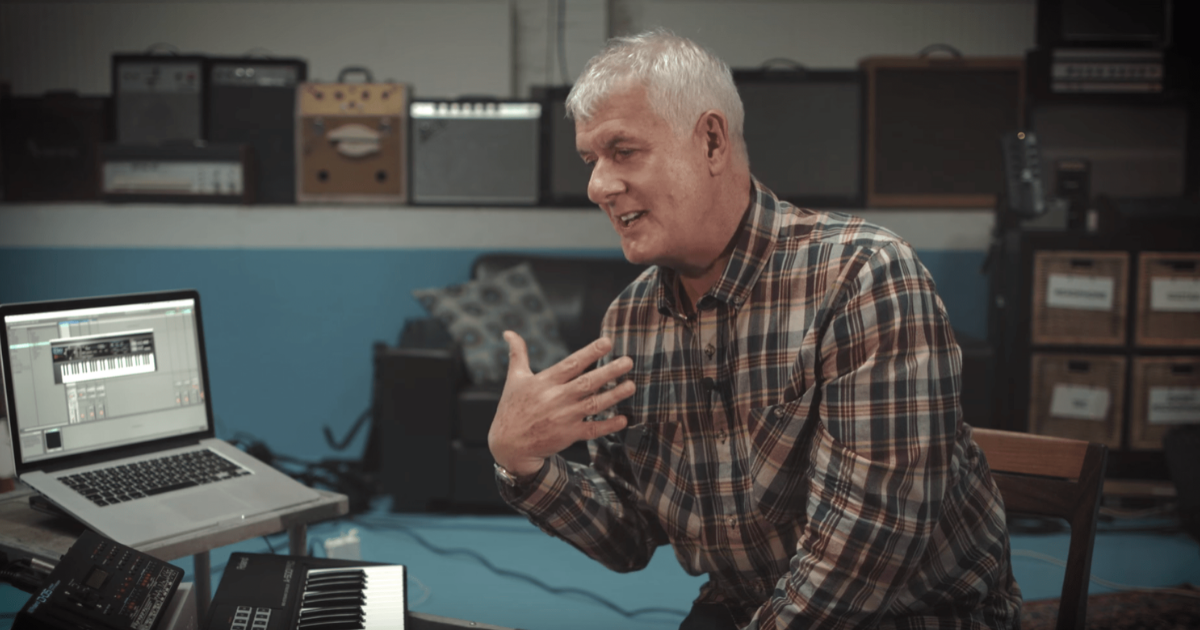




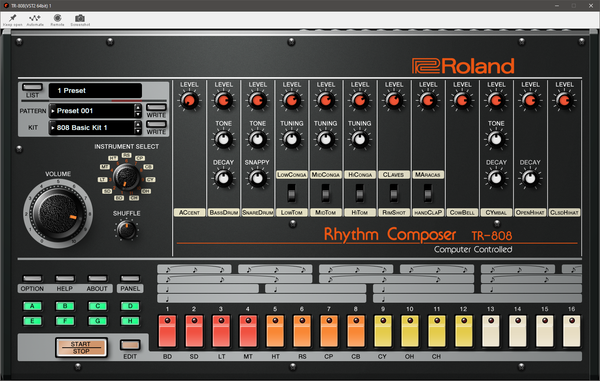
Roland TR-808 plugin
5.0 (1)

- Authentic reproduction of the iconic TR-808 sounds
- High-quality sound that matches the original hardware
- Seamless integration with DAWs
- Highly recommended by experienced users
- See 1 more
- Limited initial sound library
- Unclear process for purchasing additional sound packs
Roland Boutique TR-08 Rhythm Composer
4.5 (31)




Average Price: $448
Standard/Professional
$150
$601+
Budget
Standard
High-end
- Captures the authentic TR-808 sound and spirit
- Stand-up case adds portability and protection
- Intuitive workflow enhances the creative process
- Minimal menu diving with one-control-per-function design
- See 6 more
- Lacks individual outputs for each drum sound
- Cymbals and overall sound can be harsh and less gutsy
- Some learning curve for those new to drum machines
- Built-in speaker considered low quality
- See 4 more
See how artists use this




.jpg)

Roland AIRA TR-8S
5.0 (50)



Average Price: $810
High-end/Boutique
$150
$601+
Budget
Standard
High-end
- Contains all classic Roland drum machine sounds
- Ability to import and use custom samples
- Eight separate outputs for flexible routing
- Eight variations per pattern for advanced live performance
- See 6 more
- Lacks a song mode for arranging complete tracks
- Complex MIDI output settings can be tedious to configure
- Color scheme, particularly the bright green, is off-putting for some users
- Instrument pad sensitivity could be improved
- See 1 more
See how artists use this







Behringer RD-8
5.0 (22)
-s.webp?v=1784895740)


- Faithful recreation of the TR-808 with modern features like USB
- Easy for beginners to set up catchy beats quickly
- Direct, knob-per-function layout avoids menu diving
- Includes individual outputs for studio use
- See 6 more
- Faithfully reproduces some quirks and flaws of the original 808
- Interface can be tricky or cryptic for some users
- Limited percussion sounds can feel restrictive
- Cymbal sound lacks the authentic 808 character
- See 2 more
See how artists use this
.png?v=1784755332)

.jpg)




Elektron Analog Rytm MKII
5.0 (26)


Average Price: $1,416
High-end/Boutique
$150
$601+
Budget
Standard
High-end
- Unique analog sound with extensive tweakability
- Layering capability for tracks with samples enhances sonic possibilities
- Robust FX section with compressor, distortion, and overdrive
- Elektron sequencer offers advanced features like parameter locking
- See 6 more
- Learning curve can be steep for beginners
- Limited by a single LFO and filter per track
- Only one type of reverb and delay, limiting variety
- Mute mode malfunction reported by some users
- See 1 more
See how artists use this







Behringer RD-8 MKII
4.5 (3)
-s.webp?v=1784958355)
-l.webp?v=1784958355)
Average Price: $292
Standard/Professional
$150
$601+
Budget
Standard
High-end
- True analog sound captures the essence of the TR-808
- Offers sound shaping options beyond basic 808 samples
- Individual instrument outputs for advanced mixing setups
- More accessible programming compared to the original
- See 4 more
- Large footprint may not suit all studio spaces
- Limited sound tweaking compared to digital grooveboxes
- Mixer knobs instead of faders limit mixing precision
- Onboard filter can't be used with individual outs
- See 4 more

Akai MPC One
5.0 (16)


Average Price: $629
Standard/Professional
$399
$900+
Budget
Standard
High-end
- Versatile and powerful, suitable for a wide range of music production needs
- Enables MIDI file usage without a computer, ideal for composers
- More affordable yet maintains functionality for beatmakers
- Compact size perfect for minimal studio setups or on-the-go production
- See 4 more
- Steep learning curve initially
- Limited user guide effectiveness, requiring external resources for learning
- Some users may desire more I/O options
- Time stretching can introduce digital artifacts without updates
See how artists use this

.jpeg?v=1784894312)







AudioRealism ADM
5.0 (1)

D16 Group Nepheton 2


Average Price: $75
Standard/Professional
$59
$150+
Budget
Standard
High-end
- Offers great sounds and pattern presets for creative drum tracks
- Multi-output feature enhances customization of individual instruments
- Expanded sound-shaping tools offer flexibility and real-time tweaking
- Excellent for hip-hop, electro, and techno music production
- See 2 more
- Requires additional software for AAX format compatibility
- Lacks the visceral punch of a hardware 808
Top Ranked Drum Machines on Equipboard
-m.webp?v=1784559385)

-m.webp?v=1784978035)

-m.webp?v=1784905105)
About the authors
Giulio Chiarenza is the co-founder of Equipboard and a lifelong multi-instrumentalist with a deep passion for music gear. Born in Italy and raised in the U.S., he holds a Computer Science degree from The University of Texas at Austin and blends technical acumen with decades of hands-on experience across guitar, piano, drums, and electronic production. Early in his career, Giulio was signed to a San Francisco-based EDM label, releasing both remixes and original tracks. These days, he helps steer Equipboard’s vision while personally testing and reviewing gear. He's never too far from his go-to guitar: a vintage 1978 Fender Telecaster Custom. Read more
New in Drum Machines

$2,590.00 - $2,699.00

$639.00 - $779.00
in Drum Machines Rank

$459.00
in Drum Machines Rank


$333.00 - $459.00
in Drum Machines Rank


$149.00 - $199.00
in Drum Machines Rank


$266.00 - $299.00

$333.00 - $459.00
in Drum Machines Rank

$499.00
in Drum Machines Rank


$833.00 - $1,149.00
in Drum Machines Rank










.webp)