Sidechain Compression: What It Is and How to Use It


By Gear Experts
.webp)
By Gear Experts
Table of Contents

Equipboard
Equipboard is the world's largest community of artists and their gear. Read our review process.
We are reader-supported. When you buy through links on our site, we may earn an affiliate commission. Learn more.
Our Picks

Software: A powerhouse of precision and versatility that has become the go-to choice for professionals across genres.
Read more


Software: A dedicated sidechaining powerhouse that redefined the "EDM pump" effect.
Read more


Software: A stunning emulation that brings the magic of vintage German broadcast compression to modern production.
Read more

Vengeance Sound Multiband Compressor
Software: A precision-engineered multiband powerhouse that brings surgical control to dynamic processing.
Read more-l.webp?v=1784585214)
Hardware: A compression powerhouse that's shaped hit records for over five decades.
Read more
-l.webp?v=1784559423)

Hardware: A comprehensive mixing solution that brings legendary SSL compression to compact setups.
Read more
Behringer MDX2600 V2 Composer Pro-XL
Hardware: An affordable dual-channel compressor that brings hardware processing to project studio.
Read more
Hardware: A state-of-the-art compressor that brings unprecedented control to dynamic processing.
Read moreIn modern music production, few techniques have shaped contemporary sound quite like sidechain compression. If you’ve ever noticed how the music in your favorite electronic track seems to “breathe” with the kick drum or how vocals cut perfectly through a dense mix, you’re hearing sidechain compression at work. This powerful tool has evolved from a simple utility into an essential creative effect, transforming the way producers approach everything from basic mixing to sound design.
Whether you’re crafting energetic dance tracks, intimate acoustic recordings, or anything in between, mastering sidechain compression can elevate your music to the next level.
What is Sidechain Compression?
At its core, sidechain compression is an automated way to control the volume of one audio signal based on the presence of another. Unlike standard compression, which responds to the volume of the signal it’s processing, sidechain compression uses an external “trigger” signal to control the compression. This creates dynamic interplay, such as ducking a bassline every time the kick drum hits or letting vocals shine over a busy mix.
How It Works: Signal Flow

Understanding the flow of audio in a sidechain setup demystifies the process:
- Main Signal: The audio you want to compress (e.g., a bassline).
- Trigger Signal: The audio that controls the compression (e.g., a kick drum).
- Compressor: The tool that reduces the volume of the main signal when triggered.
For example, when sidechaining a synth pad to a kick drum, the pad’s volume dips every time the kick hits. This creates rhythmic space for both elements to coexist without competing in the mix.
Applications in Music Production
- Creating Space for Kick and Bass
The classic use of sidechain compression is to manage the low-end relationship between kick and bass. In electronic music, where both often occupy the same frequency range, sidechaining ensures the kick remains punchy while the bass provides consistent energy.
• Example: In EDM tracks like “Titanium” by David Guetta, the pulsing rhythm comes from aggressive sidechaining that ducks the bass and synth pads with every kick.
- Enhancing Vocal Clarity
In dense arrangements, vocals can struggle to stand out. By sidechaining background elements like pads or guitars to the vocal track, you create subtle dynamic movement that clears space for the voice to shine.
• Example: In pop productions, sidechaining ensures vocals remain prominent without compromising the instrumental mix.
- Adding Movement and Energy
Sidechain compression isn’t just functional—it’s a powerful creative tool. When applied to sustained sounds like pads or ambient effects, it creates rhythmic motion that adds life to otherwise static elements.
• Example: The dramatic pumping effect in tracks by Daft Punk or Avicii has become a hallmark of modern electronic music.
- Genre-Specific Techniques
• EDM: Heavy sidechaining for rhythmic pumping. • Rock: Subtle sidechaining for kick and bass clarity. • Hip-Hop: Tight rhythmic interplay between beats and vocals. • Pop: Invisible sidechaining to maintain vocal prominence. • Jazz: Gentle ducking for dynamic interplay between instruments.
Setting Up Sidechain Compression
Step 1: Choose Your Tools
• DAW Stock Plugins: Most DAWs like Ableton Live, Logic Pro, and FL Studio include built-in compressors capable of sidechaining. • Third-Party Plugins: FabFilter Pro-C 2 and Xfer LFO Tool offer advanced features for precision and creativity.
Step 2: Configure the Compressor
- Add a compressor to your main signal track (e.g., bassline).
- Route the trigger signal (e.g., kick drum) to the compressor’s sidechain input.
- Adjust settings to taste:
• Threshold: Determines when compression activates. • Ratio: Controls the intensity of compression. • Attack: Affects how quickly the compression kicks in. • Release: Sets how long the volume takes to return to normal.
Step 3: Fine-Tune Your Settings
• Start with a 4:1 ratio, fast attack, and medium release. • Experiment with release times to match your track’s tempo - longer releases create smoother transitions.
Essential Sidechain Compression Tools
Software:
Hardware:
- Universal Audio 1176LN
- dbx 160A Compressor
- SSL SiX Compact Mixer
- Elysia Alpha Compressor
- Behringer MDX2600 V2 Composer Pro-XL
From state-of-the-art plugins that offer unparalleled visual feedback and control to time-tested hardware units that have shaped hit records for decades, these tools represent the cutting edge of dynamic control across both digital and analog realms. Let's dive into the unique features and applications of each, exploring how they can elevate your sidechain compression game and bring new dimensions to your productions.
FabFilter Pro-C 2
4.5 (108)
The Professional's Swiss Army Knife








- Highly versatile with multiple presets for easy application across various uses
- Visual interface allows for intuitive understanding and adjustment of compression
- Unique Audition Triggering option to hear specific signal triggering
- Offers up to 4x oversampling for high-quality sound processing
- See 6 more
- -
| Plugin Format | VST, AU, AAX |
| Operating Systems | Mac, Windows |
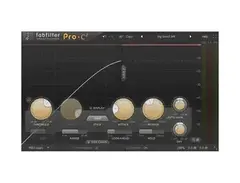
The Pro-C 2 takes the complexity out of professional-grade compression while packing serious processing power under the hood. What immediately catches your eye is the large, real-time waveform display that transforms your compression choices into clear visual feedback. This makes it much easier to understand exactly how your settings affect the audio, especially when working with complex sidechain relationships.
Features That Matter
The eight compression algorithms offer distinct characters, from clean modern dynamics control to vintage-style coloration. The intelligent auto-gain and auto-release functions adapt to your material, making it harder to get bad results even with dramatic settings. The variable knee control spans from hard-knee aggression to smooth transitions, while the oversampling options maintain clarity even during heavy processing.
Advanced Capabilities
The sidechain EQ section lets you precisely target which frequencies trigger the compression - particularly useful when you want only the kick's fundamental to duck the bass, not its beater click. The external sidechain input supports up to 32 channels, making it viable for complex surround and spatial audio work. The look-ahead feature, adjustable up to 20ms, helps catch fast transients that might otherwise slip through.
Use Cases
Pro-C 2 shines in electronic music production where precise ducking between kick and bass is crucial. The clean algorithms excel at transparent vocal compression in pop productions, while the character modes add pleasing coloration to drums and bass. In mastering, the precision controls and variable knee settings help achieve subtle dynamic control without obvious compression artifacts.
Who It's For
While beginners can get great results using the excellent presets, Pro-C 2 is really designed for professional producers, mixing engineers, and mastering engineers who need ultimate control. It's particularly valuable for anyone working across multiple genres who needs both transparent and characterful compression options in one tool.
See how artists use this




.jpg)





Xfer Records LFOTool
4.5 (206)
The Creative Rhythm Sculptor
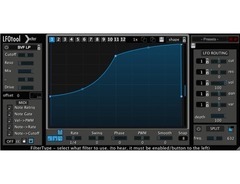
- Versatile for sidechaining and offers extensive modulation options
- Simplifies complex tasks like sidechaining without bus routing
- Offers a wide range of LFO shapes for creative sound design
- Includes useful trance gate and panning effects
- See 6 more
- Some users experience click noise with steep sidechain settings
- Learning curve might be steep without exploring its full potential
- Interface could be more user-friendly for beginners
| Plugin Format | AU, VST |
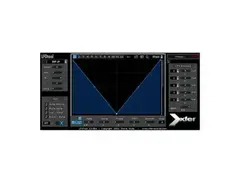
LFO Tool flips the traditional approach to sidechaining on its head by using customizable waveforms instead of audio triggers. What makes it special is how it combines precise rhythmic control with an incredibly intuitive interface. The large waveform editor lets you draw exactly the shape you want, making it feel more like sound design than technical processing.
Features That Matter
The multi-point envelope editor gives you complete control over your ducking curve's shape. Each curve point can be adjusted with mathematical precision, letting you create everything from smooth, musical volume changes to aggressive, stepped patterns. The tempo sync features lock your modulation to your project's BPM, with subdivisions from 1/64th notes to 4 bars.
Advanced Capabilities
Beyond basic volume modulation, LFO Tool can handle stereo width, filtering, and even per-channel processing. The multi-curve system lets you control up to six parameters simultaneously with different shapes. The preset morphing feature smoothly transitions between different curve shapes, perfect for building tension or creating complex evolving effects.
Use Cases
While it excels at classic EDM pumping effects, LFO Tool's precision makes it equally valuable for subtle mix movement in pop and hip-hop. The filter modulation creates evolving textures perfect for ambient and experimental music. In sound design, the multi-curve system generates complex modulations that would be difficult to achieve with traditional compressors.
Who It's For
Electronic music producers will find it indispensable for creating genre-defining pump effects. Sound designers appreciate its ability to generate complex, evolving modulations. It's particularly valuable for anyone who wants precise rhythmic control without dealing with traditional compressor parameters or audio routing.
See how artists use this




Audified U73b Compressor
5.0 (2)
The Vintage Character Compressor

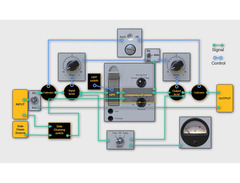


The U73b recreates a coveted piece of German broadcast equipment that played a key role in shaping the sound of European recordings in the 1960s and 70s. Unlike modern surgical tools, this plugin focuses on adding rich character and musical glue to your productions through its valve-style compression circuit.
Features That Matter
The interface stays true to the original hardware's minimalist approach, with just three main controls governing the compression characteristics. The input and timing controls interact in a way that creates natural, program-dependent compression. The output stage includes authentic transformer and tube saturation, giving that sought-after analog warmth when pushed hard.
Advanced Capabilities
The sidechain implementation adds modern flexibility to the vintage architecture. High-pass and low-pass filters in the sidechain path let you focus the compression response. The parallel compression option opens up new mixing possibilities while maintaining the original's character. The stepped attack and release controls, while simple, are carefully chosen to complement the compression circuit's natural program dependence.
Use Cases
The U73b excels at gluing submixes together, particularly drum buses where its natural program dependence helps create cohesive, punchy results. In mastering, it adds warmth and density without obvious compression artifacts. For modern genres, the sidechain mode creates uniquely characterful ducking effects that stand apart from cleaner digital tools.
Who It's For
Mix engineers looking to add authentic analog character to their productions will find this indispensable. It's particularly suited to those working with acoustic instruments, vintage-style productions, or anyone seeking to add organic warmth to digital recordings. While it can handle modern sidechain techniques, its true strength lies in its ability to make digital productions sound more analog and cohesive.
See how artists use this


Vengeance Sound Multiband Compressor
The Modern Mix Sculptor

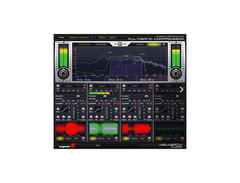
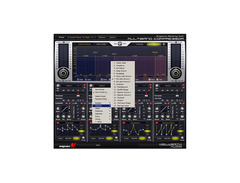
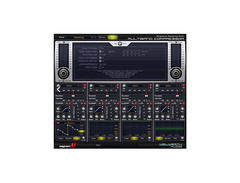
Vengeance's take on multiband compression brings the precision modern productions demand while keeping complexity under control. What sets it apart is how it manages to make frequency-specific sidechaining accessible, letting you create sophisticated dynamic relationships between different elements of your mix.
Features That Matter
The frequency analyzer provides real-time visual feedback across up to six adjustable bands. Each band features its own comprehensive compression section with independent sidechain inputs. The crossover filters use linear phase processing, ensuring transparent operation even during aggressive settings. The adaptive release feature intelligently adjusts to your material, helping maintain natural dynamics.
Advanced Capabilities
The mix can be split into multiple frequency ranges, each with distinct compression characteristics and sidechain sources. The mid-side processing capabilities let you handle the center and sides of your stereo field independently. The look-ahead feature ensures clean transient processing, while the oversampling options maintain clarity during heavy processing.
Use Cases
In EDM production, it excels at creating frequency-specific pumping effects where only certain parts of the spectrum duck against the kick. For mixing, it's invaluable when you need the low end of a bass to duck under a kick while keeping its high harmonics present. In mastering, the precise control over each frequency band helps achieve polished results without over-processing.
Who It's For
Professional producers working in electronic genres will find this essential for creating clean, powerful mixes. It's particularly valuable for anyone dealing with complex layered productions where traditional full-band sidechaining would be too heavy-handed. While the interface is intuitive, the depth of control makes it best suited for users who understand frequency-specific processing.
Universal Audio 1176LN
5.0 (26)
The Industry Legend
-s.webp?v=1784585214)


Average Price: $2,488
High-end/Boutique
$100
$501+
Budget
Standard
High-end
- Essential for FET compression, especially on voice tracks and snares
- Clean, fast compression with unique tone and character
- Adds rich tone and weight to signals, enhancing recordings
- Durable with robust metal enclosure and high-quality components
- See 4 more
- One unit had quality control issues with gain reduction and output levels
- Not all units consistently replicate the sound of original UREI 1176s
- Modification and repair can be costly if issues arise
- Potentially too aggressive, might not suit all tracks or styles
The 1176LN offers a perfect blend of versatility and character that's made it a studio staple since its introduction. What makes this FET compressor special is its extremely fast attack time - as quick as 20 microseconds - letting it grab transients in a way that remains unmatched by many modern units.
Features That Matter
The input and output stages contribute significantly to its signature sound. The Class A output amplifier adds subtle harmonics that become more pronounced as you push the unit harder. The compression ratio switches can be engaged simultaneously for the famous "all buttons in" setting, creating aggressive parallel compression effects that work brilliantly on drums.
Advanced Capabilities
While not designed specifically for sidechaining, modern studios often use two 1176s in series or parallel for advanced dynamic control. The unit's lightning-fast attack and release times make it particularly effective for precise gain reduction. The sidechain modification, while not standard, has become a common studio customization that expands its capabilities.
Use Cases
In modern sidechain applications, the 1176 excels at adding character to ducking effects. Its fast attack makes it perfect for taming peaks in bass instruments when triggered by kicks. The unit's natural compression characteristic works particularly well on vocals, helping them sit perfectly in dense mixes.
Who It's For
Professional studios and serious producers who value hands-on control and distinctive analog character. It's particularly suited to those working with live instruments and vocals who need both technical precision and musical color. While it requires some expertise to get the most from it, the results can add a professional sheen that's difficult to achieve with plugins alone.
See how artists use this





dbx 160A
4.5 (22)
The Reliable Workhorse
-s.webp?v=1784559423)
- Exceptional sound quality, adds a unique mojo
- Ideal for bass amplification and live performances
- Notably improves vocal, drum, and bass recordings
- Easy to dial-in settings for quick use
- See 5 more
- Inferior metering compared to other models
- Some find it limited for snare drum compression
- May require modifications (e.g., Jensen transformer) for optimal performance
The dbx 160A represents straightforward engineering done right. This single-channel compressor has earned its reputation through decades of reliable performance in studios worldwide. Its true strength lies in its predictable, precise response, making it a go-to choice for engineers who need consistent results without coloration.
Features That Matter
The VCA-based compression circuit provides ultra-fast attack times and clean gain reduction. The classic LED gain reduction meter offers instant visual feedback, making it easy to dial in exact amounts of compression. The "Infinity +" compression mode creates brick-wall limiting that's particularly useful for controlling peaks. The hard-knee response helps achieve aggressive control while maintaining transparency.
Advanced Capabilities
The unit's timing constants are program-dependent, automatically adjusting to the input signal for musical results. The sidechain input accepts balanced or unbalanced signals, making it flexible for various studio setups. The output gain compensation helps maintain consistent levels even during heavy compression.
Use Cases
The 160A shines on bass instruments, keeping low-end dynamics consistently controlled. In sidechain applications, it's particularly effective for creating clean, precise ducking effects without unwanted artifacts. Live sound engineers value its reliability for protecting speaker systems, while studio engineers appreciate its clean performance on individual tracks.
Who It's For
Professional studios and live sound applications where reliability and precision are paramount. It's especially valuable for engineers working with bass-heavy genres who need dependable dynamic control. While it might lack the character of some vintage units, its consistency makes it invaluable for technical applications.
See how artists use this







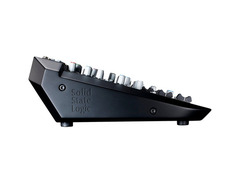
Solid State Logic Six
5.0 (1)
The Modern Classic


Average Price: $1,342
High-end/Boutique
$200
$1001+
Budget
Standard
High-end
- Delivers detailed, compelling final mixes with depth and width
- Analog version offers superior sound quality compared to software emulations
- Built-in G-bus compressor provides excellent sound dynamics
- Offers significant flexibility in routing and monitoring
- See 6 more
- Bus compressor may fail post-warranty, causing repair hassles
- Basic EQ and one knob compressor, requiring external solutions for detailed adjustments
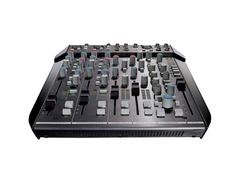
The SiX packs SSL's renowned SuperAnalogue technology into a format that fits modern hybrid workflows. While it's a complete mixer, the onboard compression capabilities make it stand out, delivering that famous SSL sound without requiring a full console investment. The G-series compressor circuit brings decades of hit-making heritage to a surprisingly compact form factor.
Features That Matter
Each channel includes a one-knob version of SSL's classic compressor. The streamlined controls mask sophisticated processing that automatically adjusts attack and release times based on the input signal. The bus compressor section delivers the glue and punch that made SSL famous, featuring additional controls for more precise shaping.
Advanced Capabilities
External sidechain inputs on the bus compressor section enable traditional ducking setups. The compressor's auto-makeup gain maintains consistent output levels, making it easier to compare compressed and uncompressed signals. The mix bus features parallel compression options, while the channel compressors can be used independently or in series with the main bus.
Use Cases
In modern studios, the SiX excels at adding cohesion to submixes through its bus compressor. The channel compressors handle individual track compression with characteristic SSL punch. For electronic music producers, the sidechain capabilities create everything from subtle dynamic control to aggressive pumping effects with authentic analog character.
Who It's For
Professional producers and engineers working in hybrid setups where quality analog processing is essential. It's particularly valuable for those who appreciate SSL's sonic signature but work primarily in-the-box. Home studio owners looking to add professional-grade analog compression to their setup will find it offers an excellent balance of features and footprint.
See how artists use this

.jpg)


Behringer MDX2600 V2 Composer Pro-XL
The Budget-Friendly Option


Average Price: $147
Standard/Professional
$100
$501+
Budget
Standard
High-end
- Enhances audio quality significantly for videos and live broadcasts
- Reduces post-processing workflow by over half
- Features like Expander/Gate, Compressor, and De-Esser improve sound precision
- Easy to set up and adjust with clear labeling on controls
- See 3 more
- Initial setup may introduce a slight but noticeable hiss if cables are faulty
- Sharp edges on the unit can be a safety hazard if not rack-mounted
The Behringer MDX2600 V2 Composer Pro-XL offers a budget-friendly entry into hardware compression. This dual-channel unit provides a range of dynamics processing features suitable for both studio and live use. Its program-adaptive compression circuitry aims to simplify operation, making it more approachable for those new to hardware processing.
Features That Matter
Each channel includes compression with adjustable threshold, ratio, and output controls. The auto mode attempts to simplify operation by automatically setting attack and release times based on the input signal[1]. An expander/gate section is included for noise reduction, while the "interactive knee" control allows for some variation in compression onset.
Additional Capabilities
The unit offers basic sidechain functionality with both internal and external triggering options. A simple enhancer circuit is included to potentially add high-frequency content. A peak limiter provides an extra stage of dynamic control, which can be useful for protecting against sudden transients in live situations.
Use Cases
In project studios, it can serve as an introductory hardware compressor for tracking and mixing. Live sound applications might include basic vocal compression or speaker protection. The dual-channel design allows for stereo operation on subgroups or main outputs.
Who It's For
Hobbyists and beginners looking to experiment with hardware compression without a significant investment. Small venue live sound operators who need basic dynamic control. While it lacks the precision and sound quality of professional-grade units, it offers hands-on experience with compression concepts for those primarily used to software plugins.
Considerations
Users should be aware that the build quality and overall sound character reflect its budget-friendly nature. While it offers many features on paper, the actual performance may not match higher-end units. It's best viewed as an educational tool or backup option rather than a primary compressor for critical professional work.
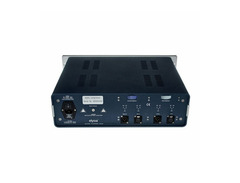
Elysia Alpha Compressor
5.0 (2)
The Mastering Maven

Average Price: $12,456
High-end/Boutique
$100
$501+
Budget
Standard
High-end
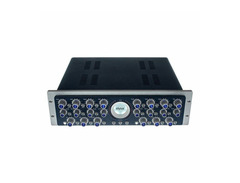
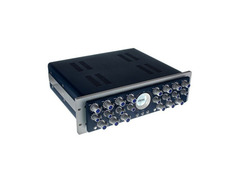
The Alpha Compressor redefines what's possible in hardware compression. This German-engineered unit combines mastering-grade precision with creative flexibility in ways that push the boundaries of analog processing. Its discrete Class-A signal path and transformerless design deliver exceptional clarity while maintaining analog warmth.
Features That Matter
The feed-forward and feed-back compression modes offer distinct dynamic responses. The attack time reaches down to an incredible 0.01ms, providing unprecedented transient control. The compression curve can be adjusted between hard and soft knee characteristics, while the integrated parallel compression lets you blend processed and dry signals directly at the unit.
Advanced Capabilities
The mid-side processing mode enables independent compression of center and sides. The intelligent auto-gain compensation system maintains consistent output levels across different settings. The sidechain section includes comprehensive filtering options with adjustable frequency and bandwidth controls. Real-time gain reduction metering provides detailed visual feedback of the compression behavior.
Use Cases
In mastering applications, it excels at both transparent dynamic control and creative sound shaping. For mixing, the mid-side capabilities make it invaluable for stereo bus processing. The sidechain filtering options enable frequency-conscious dynamic control that's particularly useful for managing complex low-end relationships in dance music.
Who It's For
Professional mastering engineers who demand the absolute highest quality analog processing. Mix engineers working on high-profile projects where sonic compromise isn't an option. While its depth of control might be overwhelming for beginners, experienced engineers will appreciate the precision and flexibility it offers.
See how artists use this



Common Questions About Sidechain Compression
Do I need plugins for sidechain compression?
No. Most DAWs include built-in compressors with sidechain capabilities. Plugins like FabFilter Pro-C 2 offer more advanced features but aren’t essential for great results.
What’s the difference between sidechaining and ducking?
Sidechaining is a broad term for using one signal to control another, while ducking specifically refers to reducing the volume of one sound (e.g., bass) when another sound (e.g., kick) plays.
Can sidechain compression be subtle?
Absolutely. In genres like rock or pop, sidechaining is often used subtly to improve mix clarity without creating an obvious pumping effect.
Tips for Mastering Sidechain Compression
- 1. Listen at Moderate Volumes: Your ears are most accurate at around 85 dB.
- 2. Use Sidechain EQ: Focus compression on specific frequencies to avoid unintended tonal changes.
- 3. Automate Parameters: Adjust thresholds or release times throughout your track for dynamic effects.
Conclusion
Sidechain compression is a cornerstone of modern music production, offering endless possibilities for both functional mixing and creative sound design. Whether you’re crafting an EDM anthem or a subtle acoustic mix, mastering this technique will help you create space, movement, and clarity in your tracks. Ready to elevate your productions? Start experimenting with sidechain compression today and discover the difference it makes in your music.
About the authors
S. Jino is an accomplished multi-instrumentalist and music producer based in Kolkata, India, distinguished by his self-taught mastery and unique blend of technical acumen and musical performance. His extensive experience was forged through hands-on dedication, starting with the full restoration of a broken guitar. Jino's capabilities span keyboards, pedals, and advanced digital production, reflecting a comprehensive skill set developed independently. As a significant contributor to the music scene, Jino regularly performs with worship bands and college ensembles. He has also established himself as a reliable and authoritative professional in freelance mixing, mastering, and original music creation. Inspired by the innovative sounds of Brian May and David Gilmour, and influenced by Kolkata's vibrant metal community, Jino is committed to the intricate art of vintage gear restoration and the continuous exploration of music and technology fusion. His current professional setup, featuring a meticulously restored nameless guitar, a Fender Player Strat, and a Boss Katana 50. Read more
Juan Spinelli is a multi-instrumentalist musician, but more of a guitarist than anything else. Based in Buenos Aires, Argentina, he started playing at a very early age and learned various instruments such as flute, clarinet, percussion, didjeridoo, cavaquinho, bass and more. Today, he also works as a music producer and sound engineer, collaborating in several projects in his city and with artists from all over the world. Read more