Eivind Aarset
Eivind Aarset's Gear


I have two pedalboards, one I control with my hands and another I control with my feet. My guitar goes into a Lehle D.Loop SgoS Effect Looper/Switcher, which has two loops. Loop A contains a Prescription Electronics Experience Octave/Fuzz, a Dunlop wah, a Boss OD- 2 Turbo OverDrive, and a Rat distortion. Loop B contains a Boss DD-5 Digital Delay, an Alesis Bitrman ModFX multi-effects processor, a Z.Vex Fuzz Factory, and an Electro- Harmonix Micro Synthesizer. The output of the Lehle goes to a Morley volume pedal, an Eventide PitchFactor, a Line 6 DL4 Delay Modeler, and a pair of GigRig HumDinger signal splitters that I use to send a mono feed to my amp—which is usually a Vox AC30—and a stereo feed to a MOTU Traveler FireWire Audio Interface and a MacBook running Ableton Live. I also have three Roland EV-5 expression pedals: One controls Feedback and Delay Level on the DL4, another controls various functions on the PitchFactor, and the third one is connected to a Logidy USB foot controller that I use along with a Korg nanoKONTROL to make real time adjustments in Live.
Find it on:


My guitar goes into a Lehle D.Loop SgoS Effect Looper/Switcher, which has two loops. Loop A contains a Prescription Electronics Experience Octave/Fuzz, a Dunlop wah, a Boss OD- 2 Turbo OverDrive, and a Rat distortion. Loop B contains a Boss DD-5 Digital Delay, an Alesis Bitrman ModFX multi-effects processor, a Z.Vex Fuzz Factory, and an Electro- Harmonix Micro Synthesizer. The output of the Lehle goes to a Morley volume pedal, an Eventide PitchFactor, a Line 6 DL4 Delay Modeler, and a pair of GigRig HumDinger signal splitters that I use to send a mono feed to my amp—which is usually a Vox AC30—and a stereo feed to a MOTU Traveler FireWire Audio Interface and a MacBook running Ableton Live.
Find it on:


At 0:17 minute mark, the EHX Superego Synth Engine is visible in his pedalboard.
Find it on:

The H9 app IPAD interface used for controlling the pedal item can be seen a lot of times into this video on the tablet located in the upper left toner of the table.
Find it on:
-m.webp?v=1784334563)
My guitar goes into a Lehle D.Loop SgoS Effect Looper/Switcher, which has two loops. Loop A contains a Prescription Electronics Experience Octave/Fuzz, a Dunlop wah, a Boss OD- 2 Turbo OverDrive, and a Rat distortion.
Find it on:


In this video, we can see that Aarset is playing through Fender Deluxe Reverb.
Find it on:


I have two pedalboards, one I control with my hands and another I control with my feet. My guitar goes into a Lehle D.Loop SgoS Effect Looper/Switcher, which has two loops. Loop A contains a Prescription Electronics Experience Octave/Fuzz, a Dunlop wah, a Boss OD- 2 Turbo OverDrive, and a Rat distortion. Loop B contains a Boss DD-5 Digital Delay, an Alesis Bitrman ModFX multi-effects processor, a Z.Vex Fuzz Factory, and an Electro- Harmonix Micro Synthesizer. The output of the Lehle goes to a Morley volume pedal, an Eventide PitchFactor, a Line 6 DL4 Delay Modeler, and a pair of GigRig HumDinger signal splitters that I use to send a mono feed to my amp—which is usually a Vox AC30—and a stereo feed to a MOTU Traveler FireWire Audio Interface and a MacBook running Ableton Live. I also have three Roland EV-5 expression pedals: One controls Feedback and Delay Level on the DL4, another controls various functions on the PitchFactor, and the third one is connected to a Logidy USB foot controller that I use along with a Korg nanoKONTROL to make real time adjustments in Live.
Find it on:


[...] From my Jan Braathen Stratocaster I go into a fuzz—I have gone back to the Prescription Electronics fuzz. The chain goes from the fuzz into the Bogner Harlow booster/compressor, into a Dunlop Mini-Wah, then into a Boss OD-2 and an Empress overdrive. [...]
Find it on:

From my Jan Braathen Stratocaster I go into a fuzz—I have gone back to the Prescription Electronics fuzz. The chain goes from the fuzz into the Bogner Harlow booster/compressor, into a Dunlop Mini-Wah, then into a Boss OD-2 and an Empress overdrive. I go into the Jam multi-purpose true bypass box. It is a switcher made by Jam pedals in Greece that lets me switch on some loops with multiple effects and keep some noisy effects out of the signal path when they are not on. I keep the Alesis Bitrman in the loop because that effect tends to degrade the signal when it is off. Also in the Jam loops are an Electro Harmonix Super Ego and Jam Dan Comp Compressor. You can hear the Super Ego on “One and the Same Again,” on I.E., I have the compressor in the loop with the Super Ego to bring out the string noise, which I like. Also in the loop system are a Z.Vex Fuzz Factory, a Jam Waterfall Vibrato, and a Jam The Big Chill Tremolo. The signal goes into a Morley volume pedal, and then to two Eventide H9s controlled by the iPad. I have a vintage Jen fuzz [like a Vox Tonebender] that sounds great and is all over the new record, but the level is too uncontrollable to take out live.
Find it on:

I use the software looper in Live and control it with the Logidy and the nanoKONTROL. Normally I have three loops set up for recording, but each loop can have as many layers as I want, and the loops can be mixed differently and be of different lengths.
Find it on:

My guitar goes into a Lehle D.Loop SgoS Effect Looper/Switcher, which has two loops. Loop A contains a Prescription Electronics Experience Octave/Fuzz, a Dunlop wah, a Boss OD- 2 Turbo OverDrive, and a Rat distortion. Loop B contains a Boss DD-5 Digital Delay, an Alesis Bitrman ModFX multi-effects processor, a Z.Vex Fuzz Factory, and an Electro- Harmonix Micro Synthesizer.
Find it on:
-m.webp?v=1784632277)
My guitar goes into a Lehle D.Loop SgoS Effect Looper/Switcher, which has two loops. Loop A contains a Prescription Electronics Experience Octave/Fuzz, a Dunlop wah, a Boss OD- 2 Turbo OverDrive, and a Rat distortion. Loop B contains a Boss DD-5 Digital Delay, an Alesis Bitrman ModFX multi-effects processor, a Z.Vex Fuzz Factory, and an Electro- Harmonix Micro Synthesizer.
Find it on:

My guitar goes into a Lehle D.Loop SgoS Effect Looper/Switcher, which has two loops. Loop A contains a Prescription Electronics Experience Octave/Fuzz, a Dunlop wah, a Boss OD- 2 Turbo OverDrive, and a Rat distortion. Loop B contains a Boss DD-5 Digital Delay, an Alesis Bitrman ModFX multi-effects processor, a Z.Vex Fuzz Factory, and an Electro- Harmonix Micro Synthesizer.
Find it on:


My guitar goes into a Lehle D.Loop SgoS Effect Looper/Switcher, which has two loops. Loop A contains a Prescription Electronics Experience Octave/Fuzz, a Dunlop wah, a Boss OD- 2 Turbo OverDrive, and a Rat distortion.
Find it on:

I have two pedalboards, one I control with my hands and another I control with my feet. My guitar goes into a Lehle D.Loop SgoS Effect Looper/Switcher, which has two loops. Loop A contains a Prescription Electronics Experience Octave/Fuzz, a Dunlop wah, a Boss OD- 2 Turbo OverDrive, and a Rat distortion. Loop B contains a Boss DD-5 Digital Delay, an Alesis Bitrman ModFX multi-effects processor, a Z.Vex Fuzz Factory, and an Electro- Harmonix Micro Synthesizer. The output of the Lehle goes to a Morley volume pedal, an Eventide PitchFactor, a Line 6 DL4 Delay Modeler, and a pair of GigRig HumDinger signal splitters that I use to send a mono feed to my amp—which is usually a Vox AC30—and a stereo feed to a MOTU Traveler FireWire Audio Interface and a MacBook running Ableton Live. I also have three Roland EV-5 expression pedals: One controls Feedback and Delay Level on the DL4, another controls various functions on the PitchFactor, and the third one is connected to a Logidy USB foot controller that I use along with a Korg nanoKONTROL to make real time adjustments in Live.
Find it on:

[...] The signal goes into a Morley volume pedal, and then to two Eventide H9s controlled by the iPad. [...]
Find it on:

From my Jan Braathen Stratocaster I go into a fuzz—I have gone back to the Prescription Electronics fuzz. The chain goes from the fuzz into the Bogner Harlow booster/compressor, into a Dunlop Mini-Wah, then into a Boss OD-2 and an Empress overdrive. I go into the Jam multi-purpose true bypass box. It is a switcher made by Jam pedals in Greece that lets me switch on some loops with multiple effects and keep some noisy effects out of the signal path when they are not on. I keep the Alesis Bitrman in the loop because that effect tends to degrade the signal when it is off. Also in the Jam loops are an Electro Harmonix Super Ego and Jam Dan Comp Compressor. You can hear the Super Ego on “One and the Same Again,” on I.E., I have the compressor in the loop with the Super Ego to bring out the string noise, which I like. Also in the loop system are a Z.Vex Fuzz Factory, a Jam Waterfall Vibrato, and a Jam The Big Chill Tremolo. The signal goes into a Morley volume pedal, and then to two Eventide H9s controlled by the iPad. I have a vintage Jen fuzz [like a Vox Tonebender] that sounds great and is all over the new record, but the level is too uncontrollable to take out live.
Find it on:

From my Jan Braathen Stratocaster I go into a fuzz—I have gone back to the Prescription Electronics fuzz. The chain goes from the fuzz into the Bogner Harlow booster/compressor, into a Dunlop Mini-Wah, then into a Boss OD-2 and an Empress overdrive. I go into the Jam multi-purpose true bypass box. It is a switcher made by Jam pedals in Greece that lets me switch on some loops with multiple effects and keep some noisy effects out of the signal path when they are not on. I keep the Alesis Bitrman in the loop because that effect tends to degrade the signal when it is off. Also in the Jam loops are an Electro Harmonix Super Ego and Jam Dan Comp Compressor. You can hear the Super Ego on “One and the Same Again,” on I.E., I have the compressor in the loop with the Super Ego to bring out the string noise, which I like. Also in the loop system are a Z.Vex Fuzz Factory, a Jam Waterfall Vibrato, and a Jam The Big Chill Tremolo. The signal goes into a Morley volume pedal, and then to two Eventide H9s controlled by the iPad. I have a vintage Jen fuzz [like a Vox Tonebender] that sounds great and is all over the new record, but the level is too uncontrollable to take out live.
Find it on:

I have the signal going into a MOTU 828x Thunderbolt interface with two outputs going in stereo to the amps and two going to the PA. I can go into the amps now because the Thunderbolt connection allows me to run at low enough latency to play. I don’t use amp modeling in the direct signal, when it is blended properly with the amps it sounds good. On this tour they sent two vintage Vox AC 30s, so I am very happy with my sound. At home I have a vintage Vox AC30 and a Fender Princeton.
Find it on:

My guitar goes into a Lehle D.Loop SgoS Effect Looper/Switcher, which has two loops. Loop A contains a Prescription Electronics Experience Octave/Fuzz, a Dunlop wah, a Boss OD- 2 Turbo OverDrive, and a Rat distortion.
Find it on:

My guitar goes into a Lehle D.Loop SgoS Effect Looper/Switcher, which has two loops. Loop A contains a Prescription Electronics Experience Octave/Fuzz, a Dunlop wah, a Boss OD- 2 Turbo OverDrive, and a Rat distortion. Loop B contains a Boss DD-5 Digital Delay, an Alesis Bitrman ModFX multi-effects processor, a Z.Vex Fuzz Factory, and an Electro- Harmonix Micro Synthesizer.
Find it on:

I have two pedalboards, one I control with my hands and another I control with my feet. My guitar goes into a Lehle D.Loop SgoS Effect Looper/Switcher, which has two loops. Loop A contains a Prescription Electronics Experience Octave/Fuzz, a Dunlop wah, a Boss OD- 2 Turbo OverDrive, and a Rat distortion. Loop B contains a Boss DD-5 Digital Delay, an Alesis Bitrman ModFX multi-effects processor, a Z.Vex Fuzz Factory, and an Electro- Harmonix Micro Synthesizer. The output of the Lehle goes to a Morley volume pedal, an Eventide PitchFactor, a Line 6 DL4 Delay Modeler, and a pair of GigRig HumDinger signal splitters that I use to send a mono feed to my amp—which is usually a Vox AC30—and a stereo feed to a MOTU Traveler FireWire Audio Interface and a MacBook running Ableton Live. I also have three Roland EV-5 expression pedals: One controls Feedback and Delay Level on the DL4, another controls various functions on the PitchFactor, and the third one is connected to a Logidy USB foot controller that I use along with a Korg nanoKONTROL to make real time adjustments in Live.
Find it on:

The item can be seen a lot of times into this video https://www.youtube.com/watch?v=ZQO-_7ABGbo , located near to the laptop pc.
Find it on:

"I also have three Roland EV-5 expression pedals: One controls Feedback and Delay Level on the DL4, another controls various functions on the PitchFactor, and the third one is connected to a Logidy USB foot controller that I use along with a Korg nanoKONTROL to make real time adjustments in Live."
Find it on:

From my Jan Braathen Stratocaster I go into a fuzz—I have gone back to the Prescription Electronics fuzz. The chain goes from the fuzz into the Bogner Harlow booster/compressor, into a Dunlop Mini-Wah, then into a Boss OD-2 and an Empress overdrive. I go into the Jam multi-purpose true bypass box. It is a switcher made by Jam pedals in Greece that lets me switch on some loops with multiple effects and keep some noisy effects out of the signal path when they are not on. I keep the Alesis Bitrman in the loop because that effect tends to degrade the signal when it is off. Also in the Jam loops are an Electro Harmonix Super Ego and Jam Dan Comp Compressor. You can hear the Super Ego on “One and the Same Again,” on I.E., I have the compressor in the loop with the Super Ego to bring out the string noise, which I like. Also in the loop system are a Z.Vex Fuzz Factory, a Jam Waterfall Vibrato, and a Jam The Big Chill Tremolo. The signal goes into a Morley volume pedal, and then to two Eventide H9s controlled by the iPad. I have a vintage Jen fuzz [like a Vox Tonebender] that sounds great and is all over the new record, but the level is too uncontrollable to take out live.
Find it on:

From my Jan Braathen Stratocaster I go into a fuzz—I have gone back to the Prescription Electronics fuzz. The chain goes from the fuzz into the Bogner Harlow booster/compressor, into a Dunlop Mini-Wah, then into a Boss OD-2 and an Empress overdrive. I go into the Jam multi-purpose true bypass box. It is a switcher made by Jam pedals in Greece that lets me switch on some loops with multiple effects and keep some noisy effects out of the signal path when they are not on. I keep the Alesis Bitrman in the loop because that effect tends to degrade the signal when it is off. Also in the Jam loops are an Electro Harmonix Super Ego and Jam Dan Comp Compressor. You can hear the Super Ego on “One and the Same Again,” on I.E., I have the compressor in the loop with the Super Ego to bring out the string noise, which I like. Also in the loop system are a Z.Vex Fuzz Factory, a Jam Waterfall Vibrato, and a Jam The Big Chill Tremolo. The signal goes into a Morley volume pedal, and then to two Eventide H9s controlled by the iPad. I have a vintage Jen fuzz [like a Vox Tonebender] that sounds great and is all over the new record, but the level is too uncontrollable to take out live.
Find it on:

I have the signal going into a MOTU 828x Thunderbolt interface with two outputs going in stereo to the amps and two going to the PA. I can go into the amps now because the Thunderbolt connection allows me to run at low enough latency to play. I don’t use amp modeling in the direct signal, when it is blended properly with the amps it sounds good. On this tour they sent two vintage Vox AC 30s, so I am very happy with my sound. At home I have a vintage Vox AC30 and a Fender Princeton.
Find it on:




I use the Eventide H9, and also the Lexicon pitchshifter from their plug-in bundle. The Lexicon allows me to stack harmonies like Jon Hassell, but it won’t follow the key, so for that I sometimes use the H9.
Find it on:

In an interview with www.guitarmoderne.com he mentions it.
Find it on:


This is a community-built gear list for Eivind Aarset.
- Find relevant music gear like Guitars, Amplifiers, Effects Pedals, and other instruments and add it to Eivind Aarset.
- The best places to look for gear usage are typically on the artist's social media, YouTube, live performance images, and interviews.
- To receive email updates when Eivind Aarset is seen with new gear, follow the artist.
-
Added to Equipboard on by
 vyanezf
GearIQ 47
-
Updated
Discography
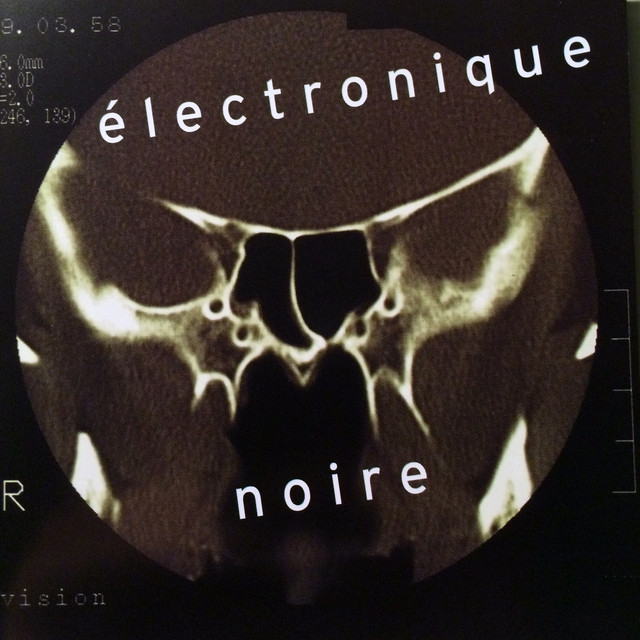
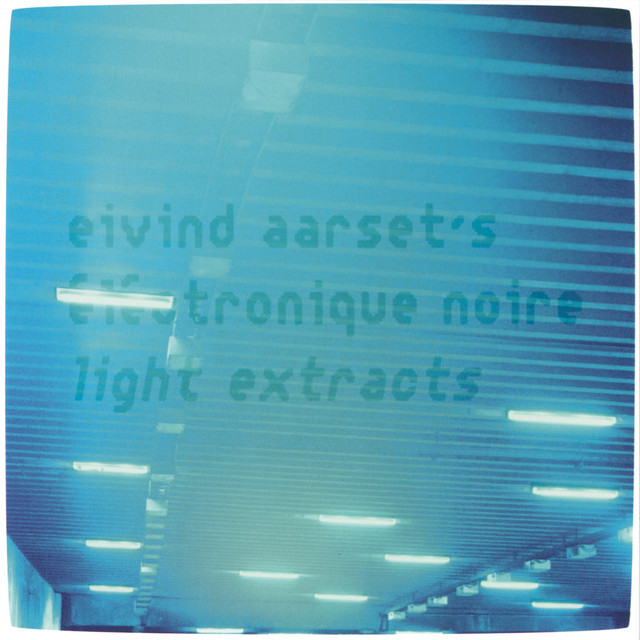
Album Credits
-
Eivind Aarset · 2016
Producer Recording Engineer -
Eivind Aarset & Jan Bang · 2012
Mixing Engineer -
Eivind Aarset · 2010
Producer -
Nils Petter Molvær · 2009
Programmer -
Eivind Aarset · 2004
Producer Programmer Recording Engineer