
Pricing and availability
We compare 600+ stores and found this item at 1 store. Prices updated .
Store
Reviews
Price




Average Price: $87
Budget/Beginner
$100
$251+
Price Tier
Budget
Standard
High-end
* Product prices and availability are updated by Equipboard every 24hrs and are subject to change. Equipboard may receive compensation for purchases made at participating retailers linked on this site. This compensation does not affect what products or prices are displayed, or the order of prices listed. For more information, please refer to our affiliate disclosure.
Description
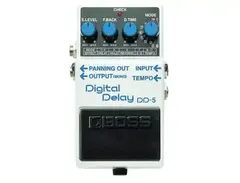
Introducing the iconic Boss DD-5 Digital Delay, a favorite among countless musicians from its launch in 1995 to its discontinuation in 2003. Known for its versatile functionality, this pedal offers more than just a delay effect. With its 11 distinct delay modes and infinite fine-tuning adjustability, it turns your guitar into a powerhouse of sound. Whether you're a beginner or a seasoned pro, this pedal delivers superior sound quality, rivaling even the most expensive rack-mount units, making it a must-have in your music gear collection.
Key Features:
- 11 distinct delay modes for versatile sound production
- Infinite fine-tuning adjustability for personalized sound
- Superior sound quality comparable to high-end rack-mount units
- Multi-mode stereo digital delay for enhanced audio experience
- Durable and compact, ideal for both studio and on-stage use
Product specs
| Brand | Boss |
| Model | DD-5 Digital Delay (Pink or Dark Gray Label) |
| Finish | White |
| Year | 1995 - 2003 |
| Made In | Taiwan |
| Categories | Delay Pedals |
FAQs
-
What is the maximum delay time available on the Boss DD-5 Digital Delay?
-
The Boss DD-5 Digital Delay offers a maximum delay time of 2000 milliseconds, providing a wide range of delay effects suitable for various musical styles.
-
Can the Boss DD-5 Digital Delay be used in a stereo setup?
-
Yes, the Boss DD-5 is designed to be used in both mono and stereo setups, offering versatile connectivity for different performance and recording environments.
-
Does the Boss DD-5 Digital Delay have tap tempo functionality?
-
The Boss DD-5 features tap tempo, allowing you to easily set the delay time by tapping a footswitch to match the tempo of your music.
-
How does the Boss DD-5 differ from the Boss DD-3?
-
The Boss DD-5 offers more delay modes and a longer maximum delay time of 2000ms compared to the DD-3, which provides a simpler interface with fewer delay options.
-
Is the Boss DD-5 Digital Delay suitable for live performances?
-
Yes, the Boss DD-5 is well-suited for live performances, featuring durable construction, tap tempo, and stereo outputs, making it a reliable choice for gigging musicians.
Videos

Pepe Music
BOSS DD-5 Digital Delay Demo
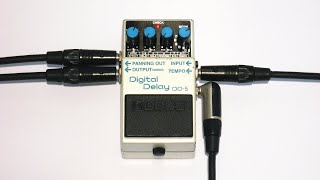
BOSS DD-5 Digital Delay Demo
Pepe Music
Boss DD-5 Digital Delay | Reverb Demo Video

Reverb

Boss DD-5 Digital Delay

Pedal of the Day
How I Use It: Boss DD-5 (Delay)

J Cruz Project | Guitar Content Creator
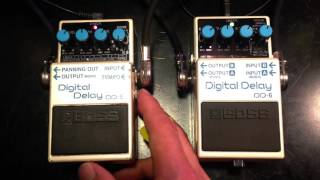
Boss DD-5 vs DD-6 Digital Delay

shnobel

Boss DD-5 Digital Delay Pedal Demo Video

Berger

Tone Up Your Sound with Boss DD 5 Digital Delay Guitar Pedal

Julian Doe
Reviews
PROS
-
Percussive repeats provide rhythmic precision
-
Tap tempo feature allows for easy rhythm matching
-
Reverse delay setting adds unique sound textures
-
Modes offer tonal variation in repeats, especially bright for solos
-
Recognized for its dependability and reliability
-
Crisp, clear digital delay without being strident
-
User-friendly interface simplifies operation
-
Compatible with external tempo control pedals
-
Affordable and offers great value for its features
-
Retro appeal in its design and sound quality
CONS
-
Reverse delay feature mixes current note, lacks wet-only sound option
-
Limited by its maximum 2000ms decay time
-
Some modes used less frequently, reducing versatility
-
Brighter repeats may not suit all musical styles
Owner Insights
We analyzed real musician discussions from forums and Reddit to find what players love, question, and tweak about Boss DD-5 Digital Delay.
User experience
Comparisons
-
Some users prefer the DD-5 over newer models like the DD-7, citing the tap tempo functionality with a footswitch as a key advantage.
Source -
Users suggest the DD-8 is not a downgrade in quality from the DD-5, highlighting added features like shimmer and mod settings as valuable enhancements.
Source -
The DD-3's degradation of repeats due to its analog circuit component offers a distinct sound compared to the purely digital delays of later models.
Source
Use cases and applications
-
The DD-5 is recognized as a staple in the setups of notable guitarists like Omar Rodriguez Lopez, appealing to fans of bands like At the Drive-In and The Mars Volta.
Source -
Combining the DD-5 and DD-8 can achieve dual delay effects, with one set to eights and the other to dotted eights, enhancing creative possibilities.
Source
Value and pricing
-
A user reported finding a DD-5 on Reverb for $80, indicating its accessible price point in the used market.
Source
Features and functionality
-
The DD-8 includes a warm mode that emulates older, slightly lo-fi digital delays like the DD-5, offering a nostalgic sound option.
Source -
The DD-5 is noted for having a more robust body in its sound compared to the DD-6, adding to its tonal appeal for those preferring richer digital delay tones.
Source -
The DD-3's hybrid digital chip and analog circuit design allows for a characteristically analog-like degradation of repeats, distinguishing it from other purely digital delay pedals.
Source -
Higher-numbered models in the DD series offer additional delay types like analog and tape, as well as features like looper and reverb effects, expanding their functionality beyond traditional digital delay.
Source
Critic Reviews
4.5 out of 5
Based on 10 Reviews and 58 Ratings

144
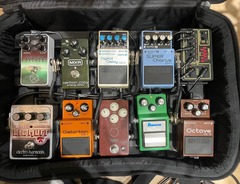
Really bright one
This is my first digital delay. Before I owned only analog delays. But I wish to have more brighter repeats also. So DD-5 does it - bright and clear repeats! I would say that 1-4 modes has pretty true repeats, may be a bit brighter than dry signal. But modes 8 - 11 sounds really brighter to my ears, which is cool for experiments. I like this cool thing about I believe all digital delays - to use mode 1 or 2 with minimum of delay time and half or less feedback - it make distored/overdrived signal juicier and clean signal becomes specific in a good way. I checked information in internet that his one is brighter then DD-7 which is more affordable in my country. So that is my choice for today!

224
Improvements on the DD-3
I love my DD-3. This one adds a few more options to that, along with a tap tempo switch in. My only real gripe with this pedal is that the reverse feature, which is a great idea, mixes the current note with the reverse option. I would've like to have just the wet reverse sound, but it's a minor gripe for what is otherwise a good pedal.

163
Tried, true, trusted!
If you look up "dependable delay pedal" in the dictionary, chances are this pedal will be it. An all around gem!!

1075
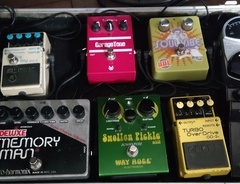
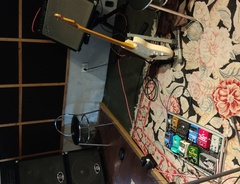
Is Good, but just good for me, is not perfect yet.
I have a dd5 with a mod, but my mod is not the tap tempo mod.
But is a nice delay.



2154
This pedal has gotten me gigs, and gets used nearly every time I play my pedalboard. Five stars.
What more can I say? Classic digital delay. Crisp, clear, and more features then you'll ever need. Nearly every guitarist uses delay these days, but the most noteworthy is probably "the Edge" from U2. I've played plenty of gigs where I needed that sound, and was able to deliver thanks to my DD-5 and a tap tempo switch (with an analog delay in series).
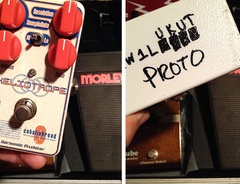


257

Reverse for days
The holy grail of reverse delays (to me) This stacked with my other wet effects make shimmering pads so much lusher.

Artist usage
Add artist

This early-career photo of John Mayer’s pedalboard shows a Boss DD-5 Digital Delay at the end of his pedal chain. (see link to photo)

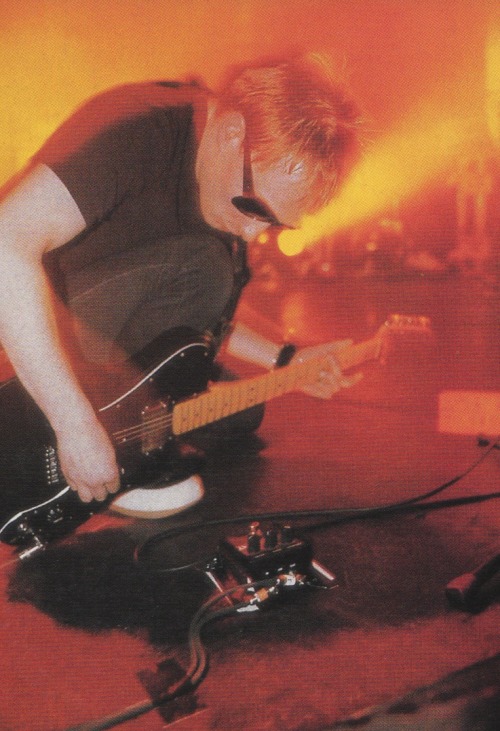
"Thom used this delay during the 2006 pre-In Rainbows tour. He used it with a Boss FV-5U for tap tempo. Thom may have been experimenting with using delay on the early versions of In Rainbows tracks, but none of that experimentation seems to have made it onto the record."


In this photo you can see Stevie use boss delay probably the dd5 or the dd3 (discarded this, because the dd3 didn’t have two outputs).

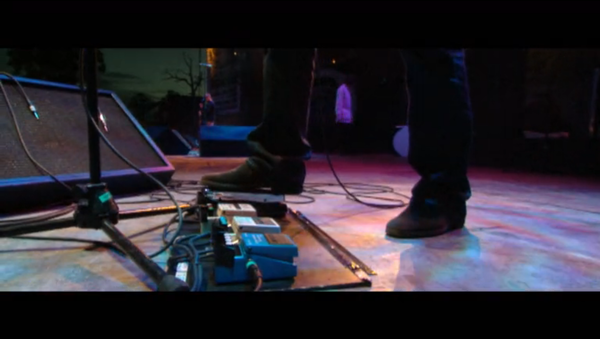
Noel Gallagher using a Boss DD 5 at Knebworth 1996. Noel's pedalboard shown in the Oasis Knebworth 1996 Documentary at 35:07 at the end of Supersonic. https://www.paramountplus.com/movies/oasis-knebworth-1996/FsgkdtzMwFAVQ54M_V9MRjEVXcGa2i0b/


Jones is also a glutten for effects. On the intro to “Reflection” and “The Grudge,” both from Lateralus, he employs a vintage Moog Taurus bass pedal system. But aside from the Heil Talk Box on 10,000 Days, run through a Roland JC-120 and juiced up by a dynamic compressor, Jones’ choices of effects is less esoteric. His wah-wah pedal is a dependable Cry Baby, and his stable of other sound generators includes Boss DD3 and DD5 digital delays, a BF-2 flanger, a Line 6 Delay modeler (which also samples on the fly), a Strobostomp tuner, a tremolo pedal, chorus, and an array of distortion boxes. During experimental phases, Jones has taken the stage with multiple pedal boards at his feet. The irony of this rundown is that Jones has gone on record saying he doesn’t like to use pedals.

In the video at ‘48:48’ while he’s demoing a riff from Paranoid Android he says:
“It’s not going to sound the same as I don’t have my DD-5”

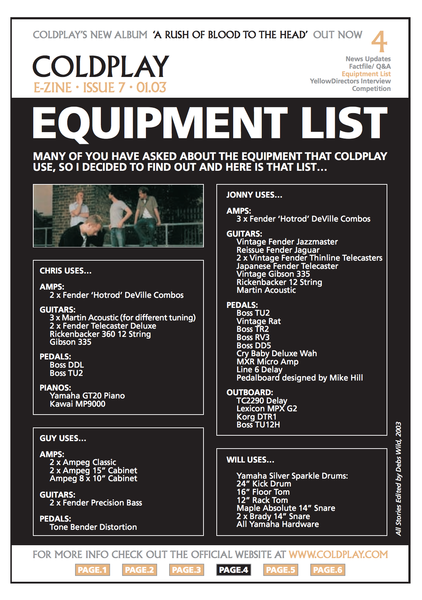
In a 2002 magazine interview, Jonny Buckland discusses using the Boss DD-5 Digital Delay pedal.


Daron's main delay pedal since 2011. Used for solos and bridge parts. Delay time set to 800 ms, some repeats, nothing special. Was replaced for the Latin America tour 2015 with a Strymon DIG Dual Digital Delay by his tech Scott.


Marty lists this delay pedal on the gear section of his website.


"And then, for me, another cornerstone is the Digital Delay, the DD-5, had that since I can remember, since it came out... the most common setting for me is the effect all the way up, if you can imagine that, the 3 setting, and then I have the feedback at about 2 o'clock, and the delay time at about 10 o'clock... I could use that for almost anything, so I really love that... I started writing with a delay pedal a lot, just for the simple reason that 'Oh, it sounds like way more notes than I'm actually playing, I sound pretty good right now.'" – Omar Rodríguez-López on the Boss DD-5 Digital Delay Pedal, 1:33

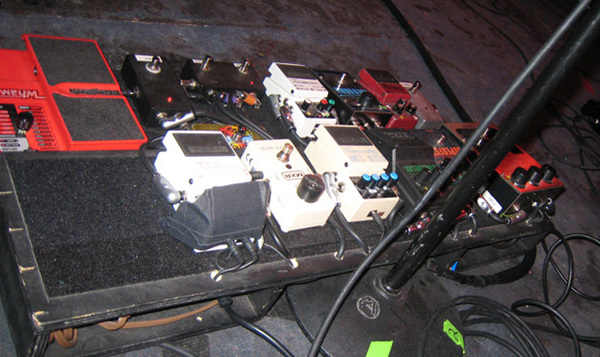
In the photo, Beck's Boss DD-5 Digital Delay pedal is visible. Although both the DD-3 and DD-5 models have two inputs, the DD-5 is identifiable by its stereo output, which is shown here.


Album Usage
The Boss DD-5 Digital Delay has been featured on the following albums:
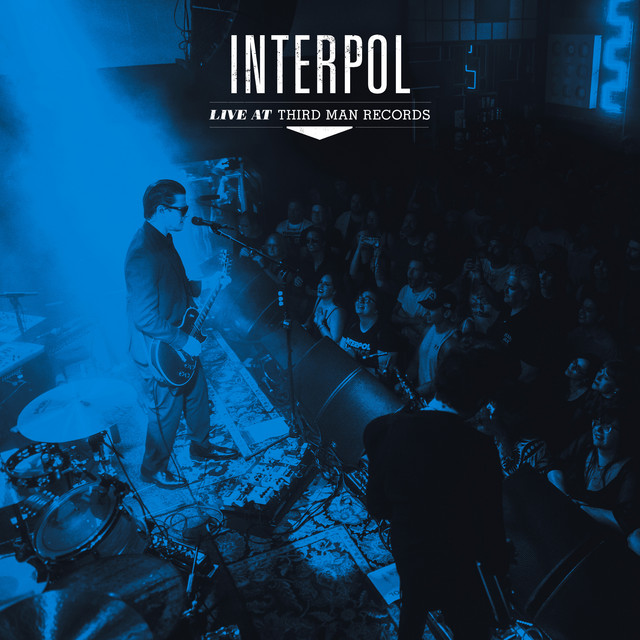
Live at Third Man Records
Interpol (2024)

STONE (Deluxe)
Baroness (2023)
The Other Side Of Make-Believe
Interpol (2022)
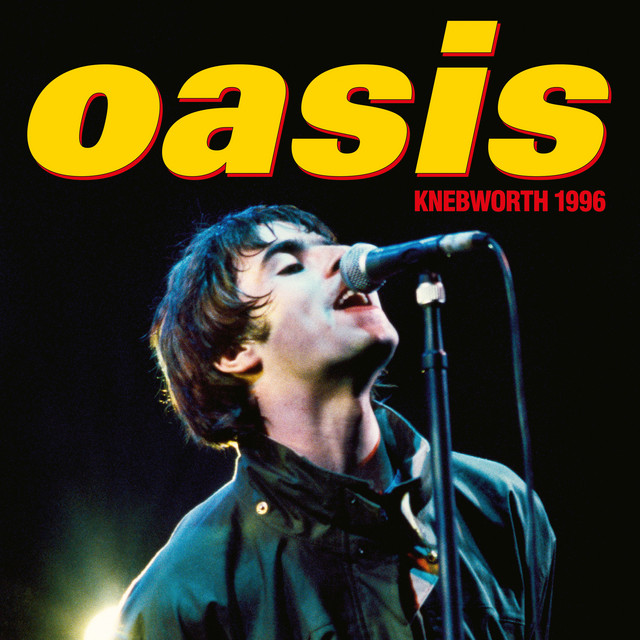
Knebworth 1996 (Live)
Oasis (2021)
Marauder
Interpol (2018)
No Man's Sky: Music For An Infinite Universe (Original Soundtrack)
65daysofstatic (2016)

El Pintor
Interpol (2014)
World Is Yours
Mass of the Fermenting Dregs (2009)
Our Love To Admire
Interpol (2007)
The Devil And God Are Raging Inside Me
Brand New (2006)
Silent Alarm
Bloc Party (2005)

Antics
Interpol (2004)
Turn On The Bright Lights
Interpol (2002)
Some Boots
Karate (2002)
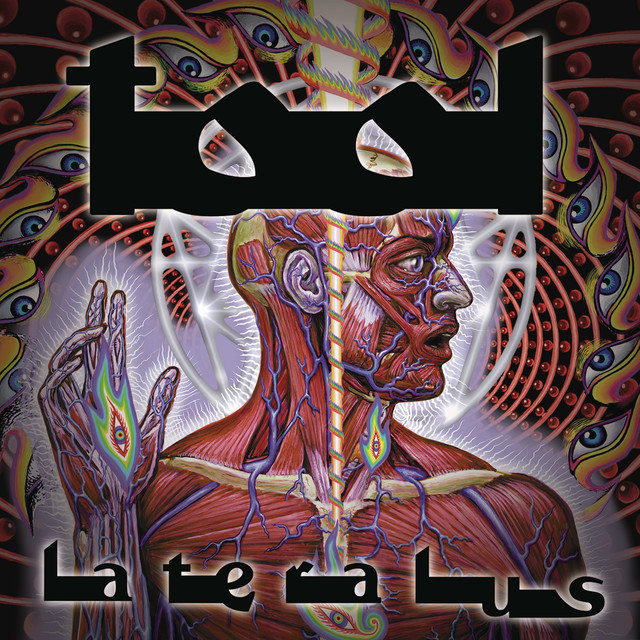
Lateralus
Tool (2001)
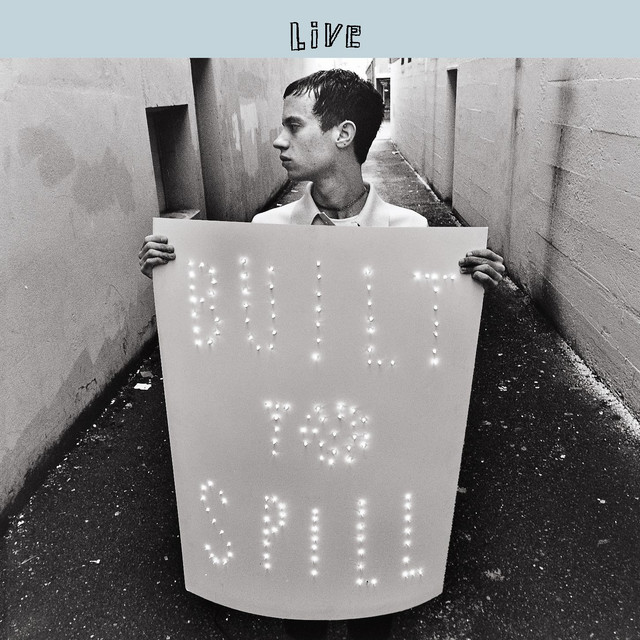
LIVE
Built to Spill (2000)
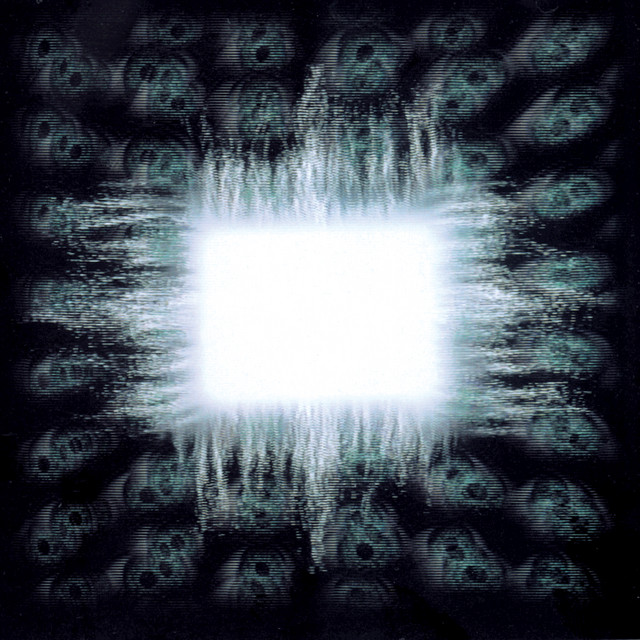
Ænima
Tool (1996)
Genre Usage
Based on how artists on Equipboard use this gear, it is most commonly found in the following genres.
Used With
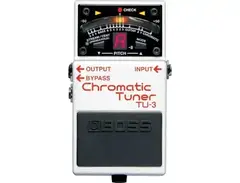
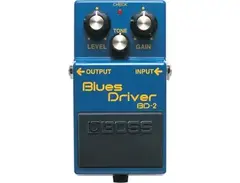
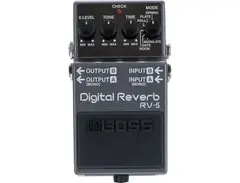
Based on how musicians on Equipboard use Boss DD-5 Digital Delay, it is most commonly used with the following gear.
-s.webp?v=1784545227)

-s.webp?v=1784554555)


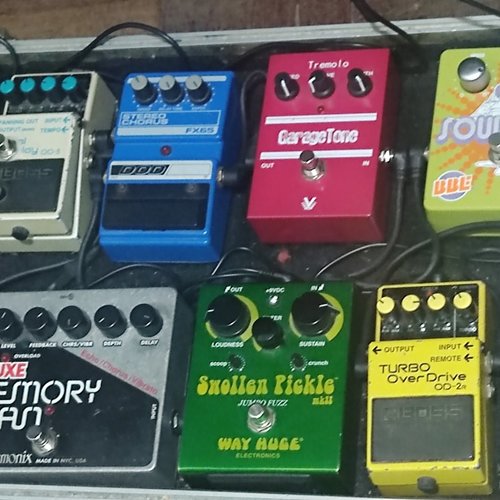
Community setups
Show yours







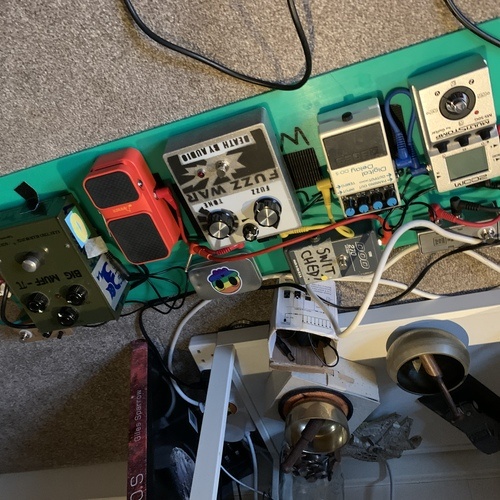


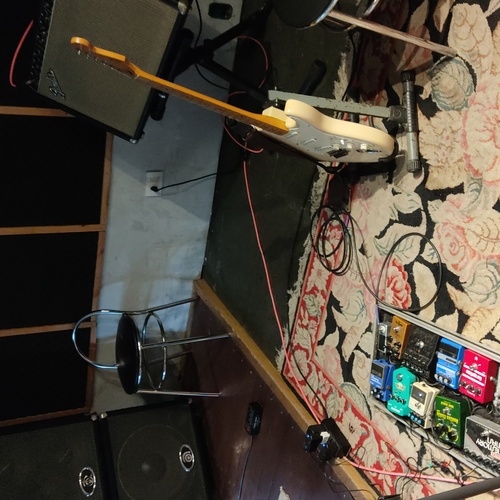
.jpeg?v=1779913910)
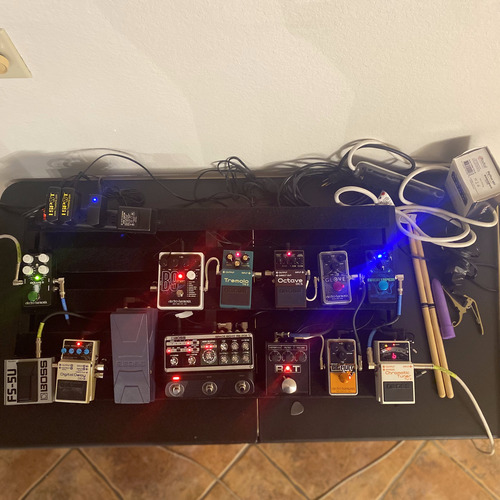

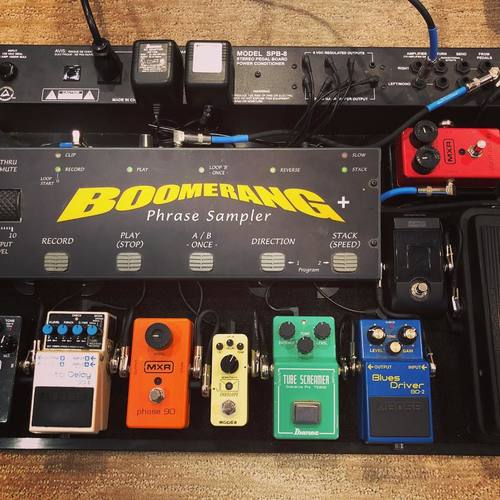


Similar
Add recommendation2 alternative and related items for Boss DD-5 Digital Delay, curated by the Equipboard community.

$154.50 - $197.99

$130.00
More Boss Delay Effects Pedals
-m.webp?v=1784554555)
$12.95
in Delay Effects Pedals Rank


$196.00
in Delay Effects Pedals Rank


$150.00 - $179.00
in Delay Effects Pedals Rank


$128.00 - $153.99
in Delay Effects Pedals Rank


$72.00
in Delay Effects Pedals Rank


$154.50 - $197.99
in Delay Effects Pedals Rank


$323.87 - $554.80
in Delay Effects Pedals Rank


$123.99 - $171.09
in Delay Effects Pedals Rank


$329.99 - $406.99
in Delay Effects Pedals Rank
.jpeg?v=1784475838)


$120.00
in Delay Effects Pedals Rank


$146.92 - $175.99
in Delay Effects Pedals Rank


$130.00
in Delay Effects Pedals Rank


$209.45 - $274.99
in Delay Effects Pedals Rank


$242.56 - $417.99
in Delay Effects Pedals Rank


$185.23 - $241.99
in Delay Effects Pedals Rank


$127.22
in Delay Effects Pedals Rank


-m.webp?v=1784559526)


$133.00 - $241.99


$299.99 - $399.99


$249.00 - $379.99
in Delay Effects Pedals Rank


$399.00 - $449.00
in Delay Effects Pedals Rank

$399.00 - $449.00
in Delay Effects Pedals Rank


$90.00
in Delay Effects Pedals Rank

$383.00 - $499.00
in Delay Effects Pedals Rank

$357.93 - $389.67
in Delay Effects Pedals Rank


$80.00 - $158.00
in Delay Effects Pedals Rank


$125.00 - $176.00
in Delay Effects Pedals Rank


$95.00
in Delay Effects Pedals Rank


$86.94
in Delay Effects Pedals Rank


$135.00 - $166.00
in Delay Effects Pedals Rank

-m.webp?v=1784559403)
$119.99
in Delay Effects Pedals Rank


$65.00
in Delay Effects Pedals Rank


$164.30
in Delay Effects Pedals Rank


$229.99 - $250.00
in Delay Effects Pedals Rank

Accessories & Related Items



Gear Guides







Most Popular Delay Effects Pedals
Most Popular Brands
-
Added to Equipboard on by
 equipboard
GearIQ 4934
-


