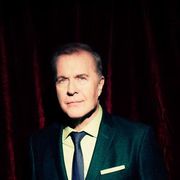
Howard Jones
English singer, songwriter
Role
Genre
Group
Credits
Role
Genre
Group
Credits
Howard Jones' Gear


"On this tour, I’m actually using the Arturia KeyLab 88 controller because it’s got all of the faders and knobs, and now I have everything on one surface. I’d been looking for something like that for ages, and finally Arturia came out with it. I’m really enjoying it."
Find it on:


"I’ve been able to sample some of those keyboards into [Apple Logic Pro sampler] EXS24, but I also usually layer those sounds with a synth on top to give more meat to the sounds. So, it’s a mix, and I try and update the sounds so I’m not just slavishly recreating the records as they were. I try to push things even further, and make the sounds even punchier. Sometimes I even change them radically. I can go back to those original synths, but I want to be pushing forward all the time. It’s always been about creating the most amazing sounds. The only live mic on stage with us is my vocal mic, so we can get a pristine sound. We don’t have monitors, so it’s a completely silent stage, apart from the drummer tapping on his pads!"
Find it on:

Arturia V Collection is listed as part of Howard's rig.
Find it on:



Macbook Pro is listed as part of Howard's rig.
Find it on:

iConnectivity iConnectAudio4+ is listed as part of Howard's rig.
Find it on:


"Every track has different synthesizers, sometimes hardware, that I just recorded in as audio, but I also found it very exciting to use software, especially Omnisphere 2. It enables you to connect your hardware synth and it can then emulate it in software. It’s the best of both worlds – you have loads of knobs to twiddle and have fun with, but also you can capture and remember everything in the software. I think that is a major leap forward."
Find it on:


In this article from 1984, Howard Jones mentions using a Yamaha CP-80 for piano sounds
Find it on:

The hardware is impressive: an E-series 48-channel SSL with total recall; Westlake BBSM10 and NS10 monitors; a recently acquired Mitsubishi 850 32-track; 24-track Studer A800III; Studio 3 synchroniser; Sycologic MIDI Matrix; Studer A820 2-track; Technics DAT player; Macintosh II computers; a whole range of effects, including Lexicons, AMS, Focusrite PSU121, Teletronics LA24 limiter/compressor ("they're like gold dust. It sounds great on my voice"), SPX90s and so on.
Find it on:

The hardware is impressive: an E-series 48-channel SSL with total recall; Westlake BBSM10 and NS10 monitors; a recently acquired Mitsubishi 850 32-track; 24-track Studer A800III; Studio 3 synchroniser; Sycologic MIDI Matrix; Studer A820 2-track; Technics DAT player; Macintosh II computers; a whole range of effects, including Lexicons, AMS, Focusrite PSU121, Teletronics LA24 limiter/compressor ("they're like gold dust. It sounds great on my voice"), SPX90s and so on.
Find it on:

The hardware is impressive: an E-series 48-channel SSL with total recall; Westlake BBSM10 and NS10 monitors; a recently acquired Mitsubishi 850 32-track; 24-track Studer A800III; Studio 3 synchroniser; Sycologic MIDI Matrix; Studer A820 2-track; Technics DAT player; Macintosh II computers; a whole range of effects, including Lexicons, AMS, Focusrite PSU121, Teletronics LA24 limiter/compressor ("they're like gold dust. It sounds great on my voice"), SPX90s and so on.
Find it on:

The hardware is impressive: an E-series 48-channel SSL with total recall; Westlake BBSM10 and NS10 monitors; a recently acquired Mitsubishi 850 32-track; 24-track Studer A800III; Studio 3 synchroniser; Sycologic MIDI Matrix; Studer A820 2-track; Technics DAT player; Macintosh II computers; a whole range of effects, including Lexicons, AMS, Focusrite PSU121, Teletronics LA24 limiter/compressor ("they're like gold dust. It sounds great on my voice"), SPX90s and so on.
Find it on:

The hardware is impressive: an E-series 48-channel SSL with total recall; Westlake BBSM10 and NS10 monitors; a recently acquired Mitsubishi 850 32-track; 24-track Studer A800III; Studio 3 synchroniser; Sycologic MIDI Matrix; Studer A820 2-track; Technics DAT player; Macintosh II computers; a whole range of effects, including Lexicons, AMS, Focusrite PSU121, Teletronics LA24 limiter/compressor ("they're like gold dust. It sounds great on my voice"), SPX90s and so on.
Find it on:

As if this isn't enough, Jones' collection of sound sources is breathtaking. Inhale deeply for an (incomplete) overview: Fairlight Series III; Yamaha TX816 rack; Akai S1000; Roland Super JX, MKS50, D50, Jupiter 8, Juno 60, D550, and MKS20 digital piano; Korg Wavestation; Prophet T8; MiniMoog; Vocoder VP330; Yamaha KX88 and TG77; and somewhere in a corner his old 808 drum machine. Still there?
Find it on:

As if this isn't enough, Jones' collection of sound sources is breathtaking. Inhale deeply for an (incomplete) overview: Fairlight Series III; Yamaha TX816 rack; Akai S1000; Roland Super JX, MKS50, D50, Jupiter 8, Juno 60, D550, and MKS20 digital piano; Korg Wavestation; Prophet T8; MiniMoog; Vocoder VP330; Yamaha KX88 and TG77; and somewhere in a corner his old 808 drum machine. Still there?
Find it on:

As if this isn't enough, Jones' collection of sound sources is breathtaking. Inhale deeply for an (incomplete) overview: Fairlight Series III; Yamaha TX816 rack; Akai S1000; Roland Super JX, MKS50, D50, Jupiter 8, Juno 60, D550, and MKS20 digital piano; Korg Wavestation; Prophet T8; MiniMoog; Vocoder VP330; Yamaha KX88 and TG77; and somewhere in a corner his old 808 drum machine. Still there?
Find it on:

As if this isn't enough, Jones' collection of sound sources is breathtaking. Inhale deeply for an (incomplete) overview: Fairlight Series III; Yamaha TX816 rack; Akai S1000; Roland Super JX, MKS50, D50, Jupiter 8, Juno 60, D550, and MKS20 digital piano; Korg Wavestation; Prophet T8; MiniMoog; Vocoder VP330; Yamaha KX88 and TG77; and somewhere in a corner his old 808 drum machine. Still there?
Find it on:

"Instead I decided to concentrate on my songwriting tools — my keyboards and the Mac with Studio Vision software. When I get into songwriting mode, I'll get an engineer in for the morning to set me up on the desk, so that I only have to work the big faders and a few effects. For the actual songwriting process I need to be on my own. But for demoing and tracklaying I need people around me to bounce ideas off."
Find it on:

A Roland JP-08 can be seen in this photo of synths used on Howard Jones' Transform album.
Find it on:

A Roland JU-06 can be seen in this photo of synths used on Howard Jones' Transform album.
Find it on:

A Dave Smith Prophet 12 keyboard can be seen in this photo of synths used on Howard Jones' Transform album. From an interview with MusicTech: https://musictech.com/features/interviews/howard-jones-robbie-bronnimann-transform/
Find it on:



"My first synths were Jupiter-8s, Juno-6s, Prodigys and Pro-Ones and 808 drum machines, so I love the Arturia emulations. I’ve started using the Roland Cloud versions, too – they are a bit chunkier and more aggressive and I still probably prefer the Arturia ones. I spent so many years studying them that I can get the sounds that I want from that software. And then Omnisphere would be my second software choice. With the new album, I had my Moog Sub Phatty connected up to it and generated a killer bass sound."
Find it on:

"Ableton Live runs the drums and the bass and other elements that we can’t reproduce. There are three of us with keyboards, and we take care of all of those parts – and they’ve been meticulously sampled up, or it will be three or four software instruments running together to create a sound. I’ve got the main stage rig and we are adding Omnisphere 2. It will have hardware connections to it where you can work the hardware, which works the software emulations, and it’s absolutely brilliant. There is no latency and it’s a very exciting development that we haven’t been able to do before."
Find it on:


"I use the standard plug-ins in Logic and because I know I am going to be working with Robbie, I’ll just stick an iZotope Ozone plug-in over the top to make it sound nice and beefy while I’m working on the track. I know it’s one level of the development and as soon as I go to Bristol to work with Robbie, I know we’re going to develop the sounds and we’re going to take it to another level."
Find it on:

"By some bizarre mistake, they delivered another one to my house so I had two Moogs – I used one for bass and one for leadline. Somebody gave me a really old primitive drum machine, a Bentley Rhythm Ace which was made by Roland. I had a Fender Rhodes electric piano as well so I started to develop this idea of a proper one man electronic show. I kept upgrading, I got a CR78 and then a TR808. Then I got a Pro-One which had a sequencer in it. Gradually, it started to evolve into quite a big rig and made a hell of a racket!"
Find it on:

"By some bizarre mistake, they delivered another one to my house so I had two Moogs – I used one for bass and one for leadline. Somebody gave me a really old primitive drum machine, a Bentley Rhythm Ace which was made by Roland. I had a Fender Rhodes electric piano as well so I started to develop this idea of a proper one man electronic show. I kept upgrading, I got a CR78 and then a TR808. Then I got a Pro-One which had a sequencer in it. Gradually, it started to evolve into quite a big rig and made a hell of a racket!"
Find it on:

"Yes, I think we were one of the first people to get a DX7 and record it. The bassline of ‘What Is Love?’ is DX7. The DX7 featured a lot on the first two albums because it was so different with the FM sound compared to analogue. It was great to get your hands on another synth that sounded different."
Find it on:

"I didn’t like the Emulator I but the Emulator II, I did like. It was great and I started sampling my voice and using string samples. That became part of the whole thing as well."
Find it on:

"I didn’t like the Emulator I but the Emulator II, I did like. It was great and I started sampling my voice and using string samples. That became part of the whole thing as well."
Find it on:

"The Prophet T8, DX7 and Emulator II were very much part of ‘Dream Into Action’ plus I was still using the Juno and Jupiter 8. They were often all MIDI-ed up together. I was using that Roland JSQ60 sequencer and when you overloaded it with too many notes, it would do weird things and I love it when stuff can’t cope with what you put in."
Find it on:

“The music is just piano and voice. I use an electric piano that sounds really good. I’m using the newest Roland RD-2000.”
Find it on:
This is a community-built gear list for Howard Jones.
- Find relevant music gear like Microphones, Pianos, Keyboards and Synthesizers, Software Plugins and VSTs, Instruments, Studio Equipment, Headphones, and other instruments and add it to Howard Jones.
- The best places to look for gear usage are typically on the artist's social media, YouTube, live performance images, and interviews.
- To receive email updates when Howard Jones is seen with new gear, follow the artist.
Discography
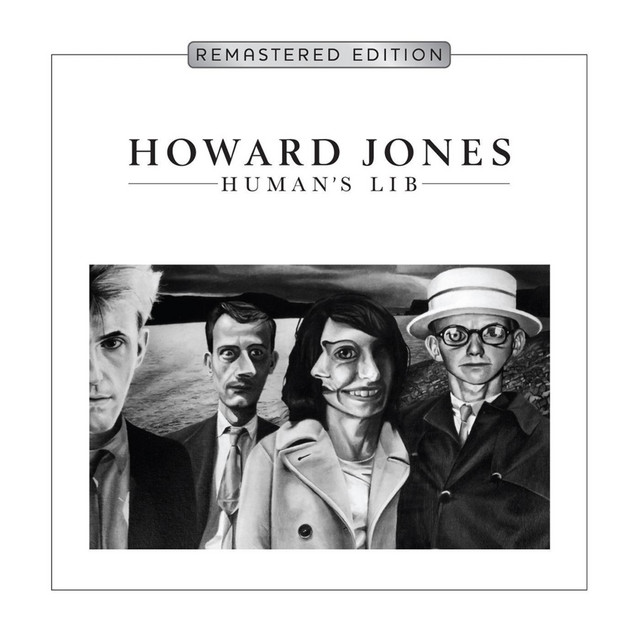
Human's Lib (2018 Expanded & Remastered Edition)
1984
![Human's Lib [(Deluxe Audio Commentary Edition) [2018 Remaster]] album cover](https://images.equipboard.com/uploads/album/image/156007/human-s-lib-deluxe-audio-commentary-edition-2018-remaster.jpg)
Human's Lib [(Deluxe Audio Commentary Edition) [2018 Remaster]]
1984
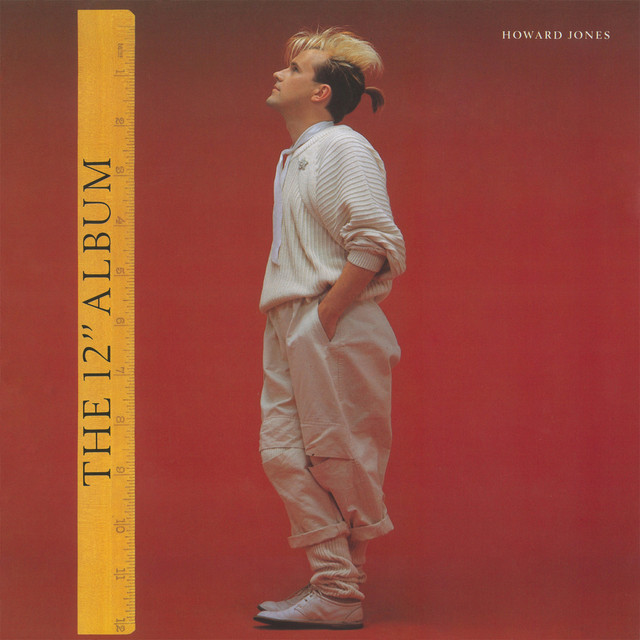
The 12" Album
1984
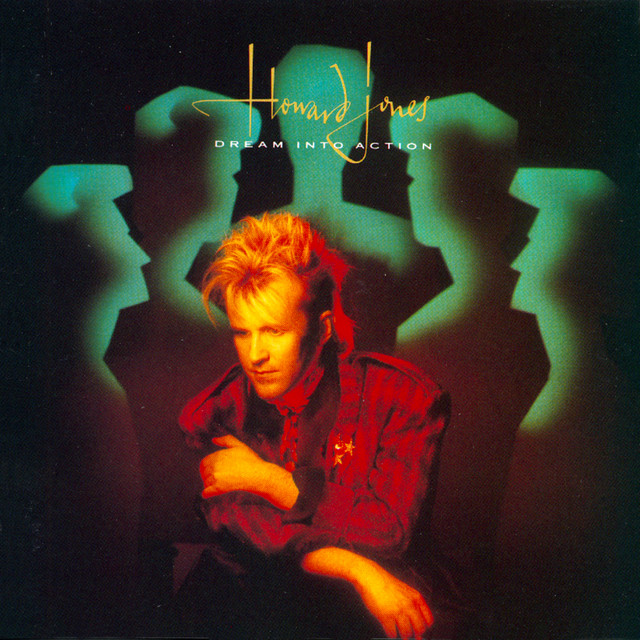
Dream Into Action
1985
![Dream Into Action [(Deluxe Audio Commentary Edition) [2018 Remaster]] album cover](https://images.equipboard.com/uploads/album/image/156003/dream-into-action-deluxe-audio-commentary-edition-2018-remaster.jpg)
Dream Into Action [(Deluxe Audio Commentary Edition) [2018 Remaster]]
1985
![One To One [(Deluxe Audio Commentary Edition) [2020 Remaster]] album cover](https://images.equipboard.com/uploads/album/image/156002/one-to-one-deluxe-audio-commentary-edition-2020-remaster.jpg)
One To One [(Deluxe Audio Commentary Edition) [2020 Remaster]]
1986
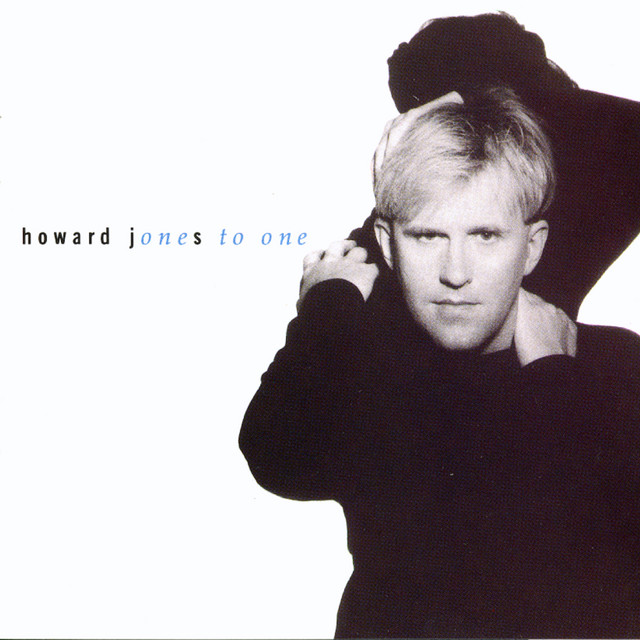
One To One
1986
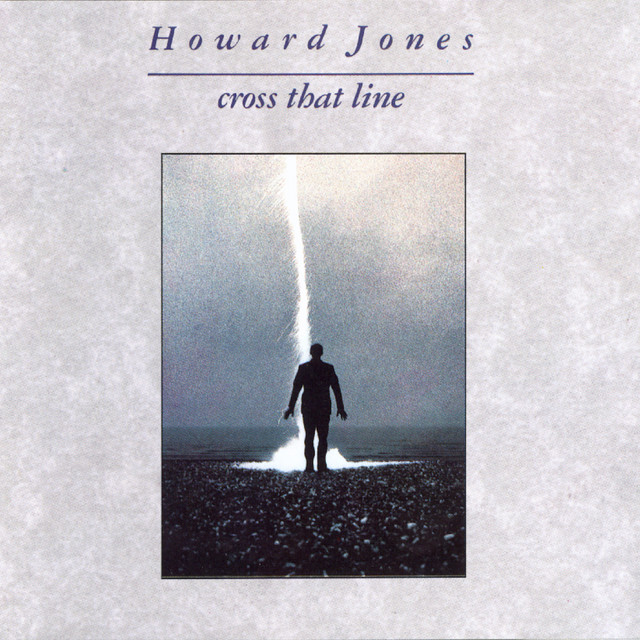
Cross That Line
1989
![Cross That Line [(Deluxe Audio Commentary Edition) [2020 Remaster]] album cover](https://images.equipboard.com/uploads/album/image/155995/cross-that-line-deluxe-audio-commentary-edition-2020-remaster.jpg)
Cross That Line [(Deluxe Audio Commentary Edition) [2020 Remaster]]
1989
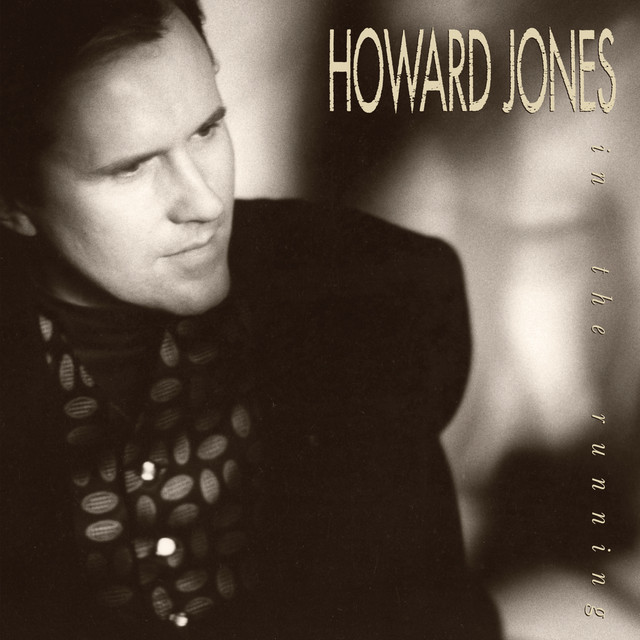
In The Running
1992
![In The Running [(Deluxe Audio Commentary Edition) [2021 Remaster]] album cover](https://images.equipboard.com/uploads/album/image/155992/in-the-running-deluxe-audio-commentary-edition-2021-remaster.jpg)
In The Running [(Deluxe Audio Commentary Edition) [2021 Remaster]]
1992
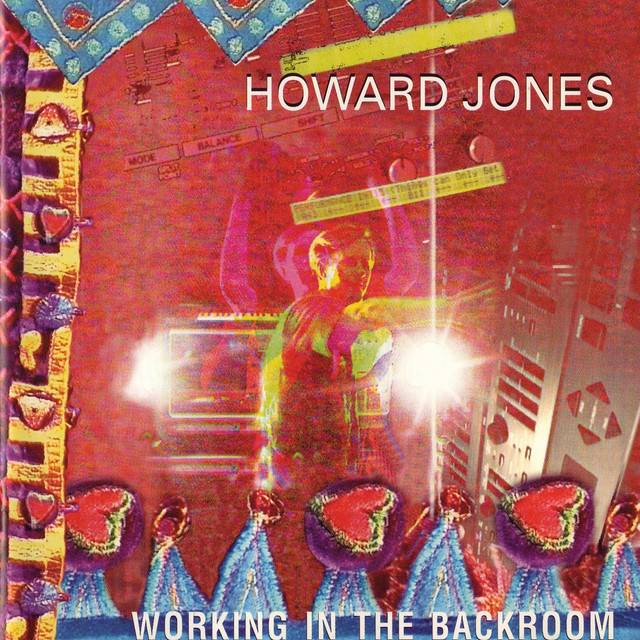
Working In The Backroom
1993
Album Credits
-
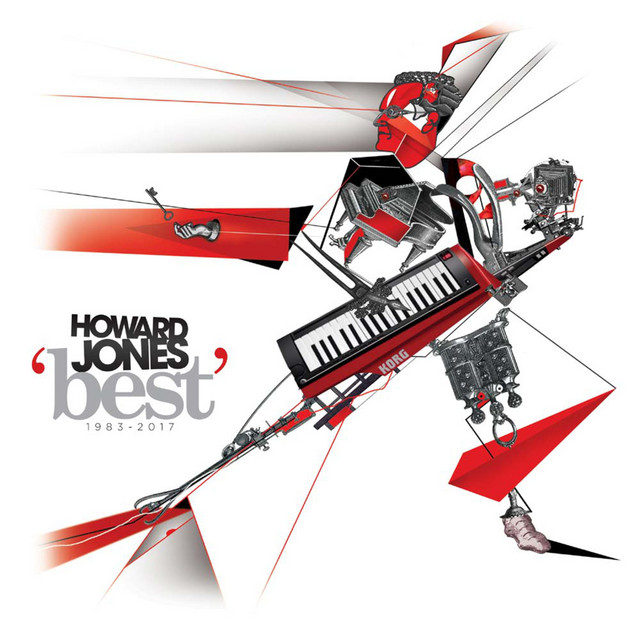
Howard Jones & Howard Jones · 2017
Producer Programmer -
Howard Jones & Howard Jones · 1992
Producer -
Howard Jones & Howard Jones · 1986
Programmer -
Howard Jones & Howard Jones · 1985
Programmer