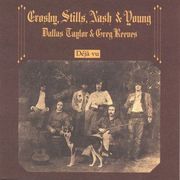
Neil Young
Canadian singer, songwriter & musician
Role
Genre
Role
Genre
Neil Young's Gear


In this photo, we can see Young singing into Neumann KMS 140 microphone.
Find it on:


Neil Young is listed as an artist who uses the Matchless HC-30 Guitar Amp Head, according to Matchless Amplifiers.
Find it on:

"Cragg uses D’Angelico 80/20 Brass strings (.012–.054) on Young’s acoustics, and Dean Markley Super V’s (.010–.046) on his electrics. Picks are nylon Herco Gold Flex 50s. 'Neil used those when I first started working for him, and he still does today,'" states this article.
Find it on:


In this article, it states, "Cragg uses a combination of Sennheiser 409 and Shure SM57 microphones on the amps."
Find it on:

In the photo provided by Kysermusical, Neil Young is seen using the Kyser Quick-Change Capo.
Find it on:


Accoridng to this May 2015 Sound on Sound interview with producer Al Schmitt, Young used an M 49 for his vocals on Storytone.
"Neil stood right next to the conductor, and sang into the same Neumann M49 that Barbra Streisand used. I figured that mic would work well on his voice, and it did. (...) I used my Neve 1081 mic pre on Neil’s voice, though I did not use compression in his case."
Find it on:


Lot #41 in the second group (#3198) of Julien's Auctions' December 17, 2017 "Neil Young Online Auction".
A Derringer [sic] Digital Delay, model DD400.
Find it on:

"The next button is for a master loop that switches any of the top devices in and out, except the tube reverb. The next one is for a real strange unit, a large very old Boss flanger in a blue cast metal box. He hits that only when he wants to get totally crazy. The next one controls an Alesis Microverb that's in a strange setting that's 100% reverb."
Find it on:

Lot #31 in the second group (#3198) of Julien's Auctions' December 17, 2017 "Neil Young Online Auction".
A Sony DMR - 4000 Digital Master Recorder.
17 by 21 by 9 inches
Find it on:

Lot #37 in the second group (#3198) of Julien's Auctions' December 17, 2017 "Neil Young Online Auction".
A McIntosh 275 power amplifier.
15 by 12 by 8 inches
Find it on:

You can see the 1989 "Marshall Configuration" in video.
Find it on:

Neil Young is known to use a Taylor 855 12-String Acoustic guitar, as confirmed by Stefano Frollano, a leading Italian expert on Young's biography, in the article "These Old Guitars" on Altervista.
Find it on:

Accoridng to this Sound on Sound interview with producer Al Schmitt, Young used an Neve 1081 for his vocals on Storytone.
"Neil stood right next to the conductor, and sang into the same Neumann M49 that Barbra Streisand used. I figured that mic would work well on his voice, and it did. (...) I used my Neve 1081 mic pre on Neil’s voice, though I did not use compression in his case."
Find it on:


Part of lot #1A in the second group (#3198) of Julien's Auctions' December 17, 2017 "Neil Young Online Auction".
A 1929 RCA Theremin with a speaker cabinet, original manual, and a sealed VHS tape entitled "Mastering the Theremin." The Theremin has the distinction of being the only instrument that is played without the performer touching it and is credited with being the first manufactured electronic instrument.
Registry link: http://www.rcatheremin.com/registry.php#!200076
Theremin, 33 by 65 by 12 1/2 inches; Speaker, 24 by 11 by 34 inches
PROVENANCE From the Collection of Neil Young
Find it on:

Lot #39 and #40 in the second group (#3198) of Julien's Auctions' December 17, 2017 "Neil Young Online Auction".
Lot 39
An MXR Stereo Chorus pedal, model M134, with box and AC adapter.
Lot 40
An MXR Stereo Chorus with AC chord.
Find it on:

This Guitar World interview says, "Across the top panel are switches for, variously, a Mu-Tron octave divider; an old, AC-powered MXR analog delay; a Boss Flanger in a “blue, cast-metal box”; and an Echoplex."
Find it on:

"A pair of Studer A800 Mark III master recorders known as 'The Twins' and previously used together in Neil Young's studio. Included are two remotes, one 16-track 2” head, two 24-track 2” heads, two tape reels, and two boxes of miscellaneous spare parts and manuals. They also come with a road case for the remote/cables and spare heads, and covers for each tape machine (covers and road case not shown in pictures).
These tape machines powered up last time they were turned on, but are untested and sold 'as is'."
Find it on:

Lot #34 in the second group (#3198) of Julien's Auctions' December 17, 2017 "Neil Young Online Auction".
A Marshall Power Brake, model PB100.
6 1/2 by 5 1/2 by 9 inches
Find it on:

In the YouTube video "Neil Young's Marshall Amps 1989" by Rusted Moon, Neil Young is seen using a National Glenwood Model 90 amplifier at the 1:59 mark.
Find it on:

Used to record A Letter Home, as featured in this May 13, 2014 YouTube video by The Tonight Show Starring Jimmy Fallon.
Jack White walks Jimmy through operating the 1947 Voice-O-Graph recording booth where Neil Young recorded his album, A Letter Home.
The unit is futher discussed by producer Jack White and recording engineer Joshua V. Smith in this October 2014 Sound on Sound interview.
“Some people get caught up in emulating albums or artists from the past, and trying to make what they are doing sound exactly the same. I have never done that. I have never tried to make something sound like a record from 1962,” says Jack White, and his music certainly is forward– as much as backward–looking. There is, arguably, one exception in his oeuvre, which is Neil Young’s recent album A Letter Home. Recorded at Third Man, A Letter Home is marked down as Young’s 34th ‘studio album’, but it barely deserves to be called this, because it was not recorded in a studio but in a Voice–O–Graph.
Also called the ‘Third Man Recording Booth’, the Voice–O–Graph looks very much like a telephone booth from the outside, and it was widely in use in the US from the 1940s to the 1960s. The coin–operated machine allowed people to record up to two minutes of extremely lo–fi audio, full of crackles, scratches and wow–and–flutter, onto a six–inch phonograph disc. White says that he’d been “looking for one for 15 years” and he finally managed to acquire a Voice–O–Graph a couple of years ago. “We spent a year and half restoring it and getting it in tiptop shape. It sounds really incredible now. People used it to send audio letters to each other. People in the army, in wars, sending messages home, it was pretty amazing."
The Third Man Recording Booth was officially opened on April 20th, 2013, and the Third Man web site states that it is “the only machine of its kind in the world that is both operational and open to the public”. Neil Young recorded 11 cover songs in it, and one spoken message to his deceased mother. Because the message and the music sound like they’re coming straight from the 1940s, they are strangely affecting and emotional — which, explains White, was exactly the point. “If, say, his message to his mother had been recorded on Pro Tools, it would have been like, ‘So what?’ There would have been no beauty in it. Recording Neil in the booth gave us a certain vibe. It’s what Neil would have sounded like in the 1940s, recording himself.”
The recordings, lo–fi and scratchy as they are, posed significant challenges for the engineers, as Joshua V Smith explains. “Kevin Carrico, a wizard from Detroit, and I worked on getting Jack’s Voice–O–Graph to function properly between February to August 2013. It’s still a work in progress, but as long as it’s working, we’re scared to touch it! Kevin and I thought of ourselves as ‘electro–mechanically’ engineering the Neil Young album. We had less than a week to modify the booth to Jack’s instructions for Neil’s album project. Some of the modifications included converting it from 45rpm to 33rpm to get more recording time, adding a Nixie tube countdown timer, installing fans in the ceiling, installing a camera and monitor inside of the booth so Neil could watch the disc–cutting process and knew when to start and stop, and installing controls on the back of the booth, so Kevin and I could remotely start and stop it without getting in the way.
“All the records we cut were made of polycarbonate. The original records were made of plastic or a cardboard composite sprayed with acetate or covered in some kind of plastic, and they had grooves cut into them with a steel needle. The grooves in our discs were embossed in them with a tungsten carbide needle. We tried cutting into the polycarbonate but all we got was noise, so embossing was the way to go. We also originally used steel needles and actual acetate master discs cut down to six–inch, but they were $10 per disc! The polycarbonate discs sounded better for our applications and were way cheaper.
“After the discs were cut, we transferred them to one–inch two–track with a 1953 Scully lathe at Third Man that was previously used by Cincinnati’s legendary King Records. We later found that the lathe had induced some noise into the transfer, but by the time we realised this, there was no time to do something about it. Because each disc could only hold 2:27 of audio, I had to do some splices on tape. The tricky part was having to varispeed the two takes before editing them so they were roughly in the same pitch. I did this with discs on which the pitch jumped dramatically in the middle of the take. I ended up having two varispeed boxes, and Richard Ealey at Blackbird Studios made me a switching unit to go between the two boxes. For something that was done with one mic in a phone booth, this project ended up being pretty complicated!”
Find it on:

Part of lot #1A in the second group (#3198) of Julien's Auctions' December 17, 2017 "Neil Young Online Auction".
A 1929 RCA Theremin with a speaker cabinet, original manual, and a sealed VHS tape entitled "Mastering the Theremin." The Theremin has the distinction of being the only instrument that is played without the performer touching it and is credited with being the first manufactured electronic instrument.
Registry link: http://www.rcatheremin.com/registry.php#!200076
Theremin, 33 by 65 by 12 1/2 inches; Speaker, 24 by 11 by 34 inches
PROVENANCE From the Collection of Neil Young
Find it on:

Part of lot #1A in the second group (#3198) of Julien's Auctions' December 17, 2017 "Neil Young Online Auction".
A 1929 RCA Theremin with a speaker cabinet, original manual, and a sealed VHS tape entitled "Mastering the Theremin." The Theremin has the distinction of being the only instrument that is played without the performer touching it and is credited with being the first manufactured electronic instrument.
Registry link: http://www.rcatheremin.com/registry.php#!200076
Theremin, 33 by 65 by 12 1/2 inches; Speaker, 24 by 11 by 34 inches
PROVENANCE From the Collection of Neil Young
Find it on:

Lots #8, #9 and #10 in the second group (#3198) of Julien's Auctions' December 17, 2017 "Neil Young Online Auction".
Lot 8
A rackmount Yamaha SPX90 reverb, serial number 45292, marked with tape "Aux. #1."
19 by 10 1/2 by 2 inches
Lot 9
A rackmount Yamaha SPX90 reverb, serial number 43141.
19 by 10 1/2 by 2 inches
Lot 10
A rackmount Yamaha SPX90 reverb, serial number 26232.
19 by 10 1/2 by 2 inches
Find it on:

Neil Young's use of the Korg SDD-3000 digital delay is documented in Julien's Auctions' December 17, 2017, "Neil Young Online Auction." The item is listed in lot #18 of the second group (#3198), highlighting its dimensions as 19 by 2 by 10 inches.
Find it on:

Lot #25 in the second group (#3198) of Julien's Auctions' December 17, 2017 "Neil Young Online Auction".
A Sony PCM-601ESD Digital Processor and remote. A sticker says "Analog is out."
17 by 12 1/2 by 3 inches
Find it on:

Lot #43 in the second group (#3198) of Julien's Auctions' December 17, 2017 "Neil Young Online Auction".
A Pass Labs X5 power amplifier.
19 by 17 by 6 1/2 inches
Find it on:

Neil Young owned an HP 204D Oscillator, as listed in Lot #47 of Julien's Auctions' December 17, 2017, "Neil Young Online Auction." The item, described as a Hewlett Packard oscilloscope, measures 8 by 6 1/2 by 5 inches.
Find it on:

Lot #48 in the second group (#3198) of Julien's Auctions' December 17, 2017 "Neil Young Online Auction".
A Tentel Tentelometer tape tension gauge, serial number B8278.
8 1/2 by 7 by 3 inches
Find it on:

Lot #51 in the second group (#3198) of Julien's Auctions' December 17, 2017 "Neil Young Online Auction".
NEIL YOUNG STAGE USED HOHNER HARMONICA
A Hohner brand, Bluesband model harmonica with original case.
Find it on:

Specified on the official Millennia artist page.
Neil Young, Redwood Digital (Origin, NSEQ, HV-3)
Find it on:
This is a community-built gear list for Neil Young.
- Find relevant music gear like Microphones, Guitars, Amplifiers, Effects Pedals, Pianos, Keyboards and Synthesizers, Studio Equipment, Software Plugins and VSTs, Headphones, and other instruments and add it to Neil Young.
- The best places to look for gear usage are typically on the artist's social media, YouTube, live performance images, and interviews.
- To receive email updates when Neil Young is seen with new gear, follow the artist.
Discography
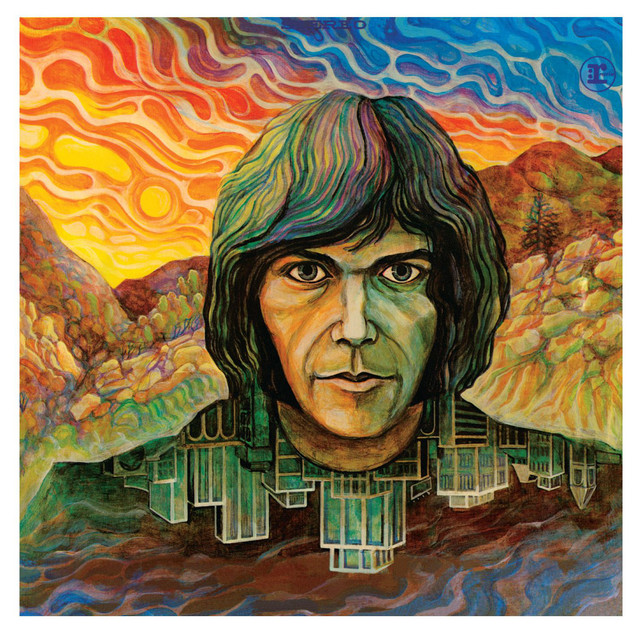
Neil Young (2009 Remaster)
1969
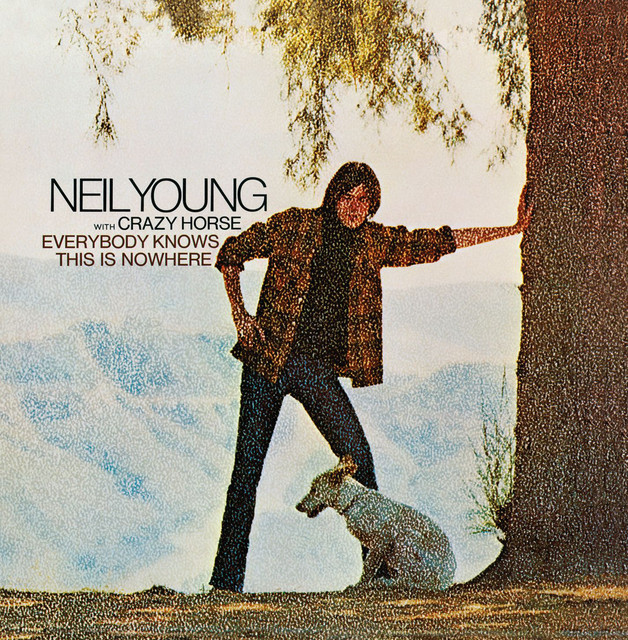
Everybody Knows This Is Nowhere
1969
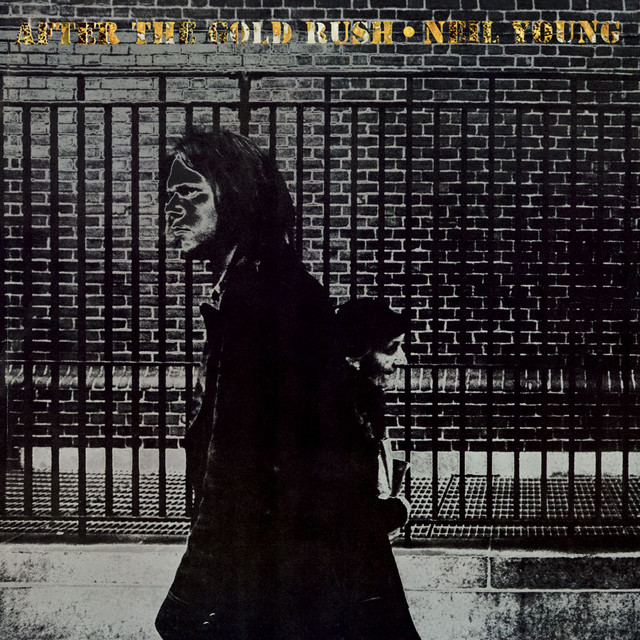
After the Gold Rush (2009 Remaster)
1970
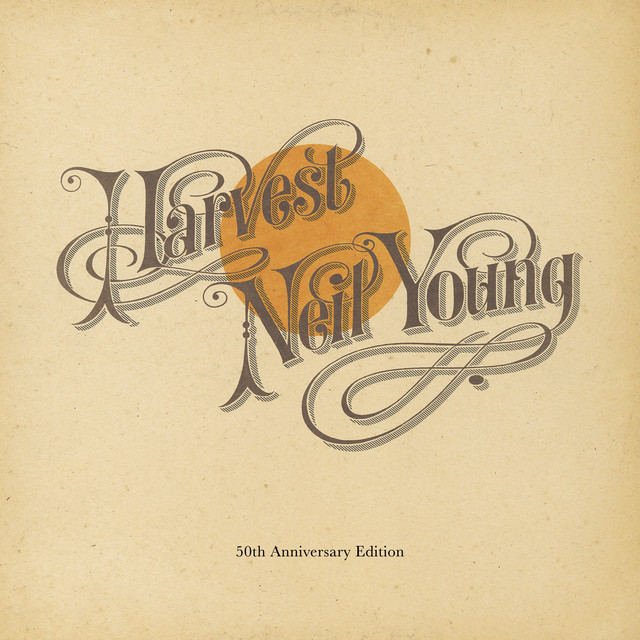
Harvest (50th Anniversary Edition)
1972
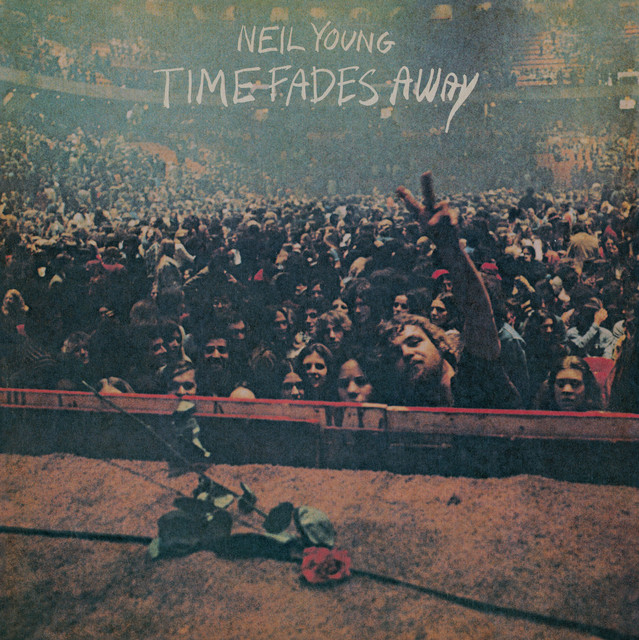
Time Fades Away
1973
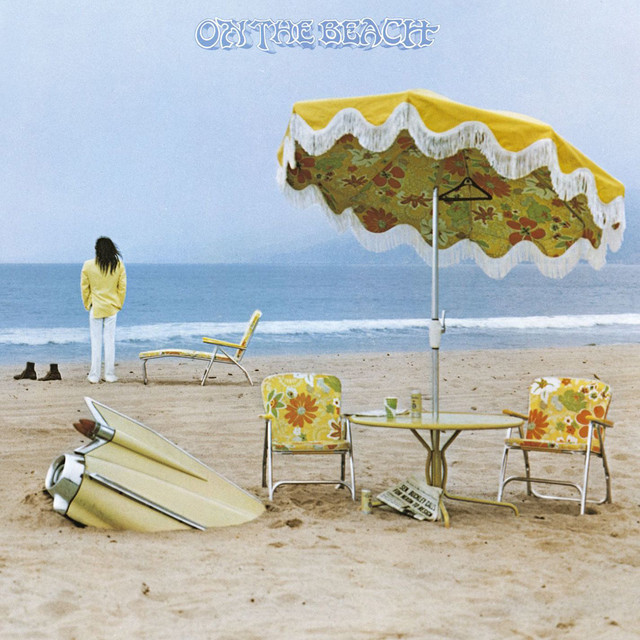
On the Beach
1974
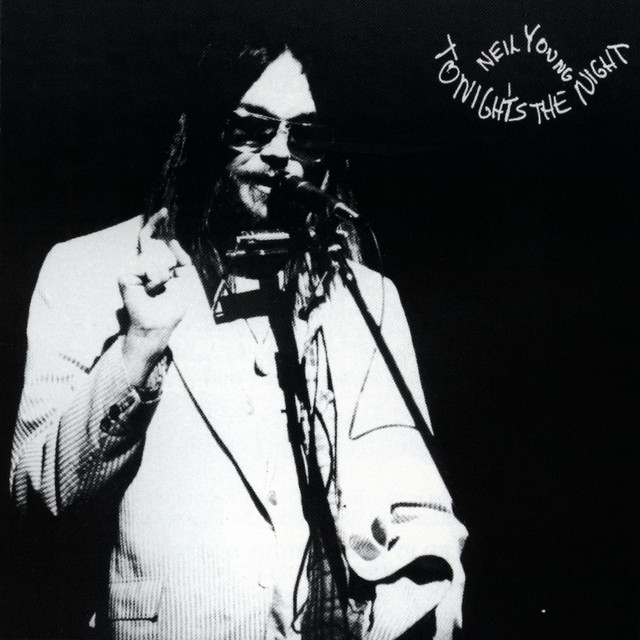
Tonight's the Night
1975
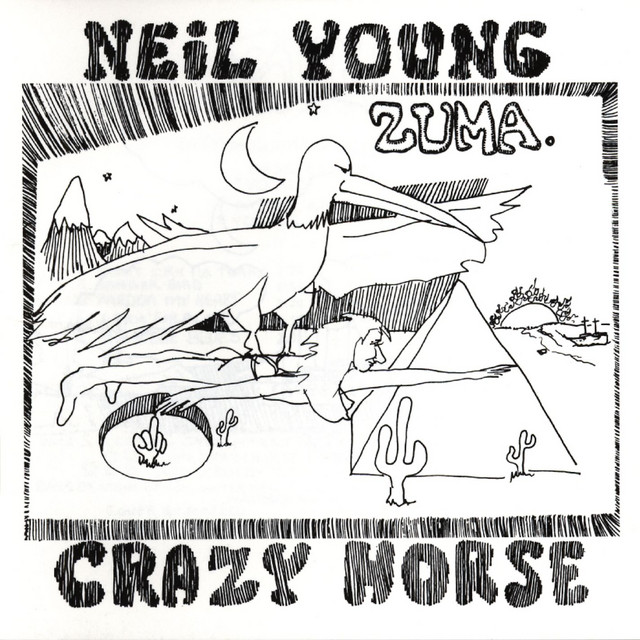
Zuma
1975
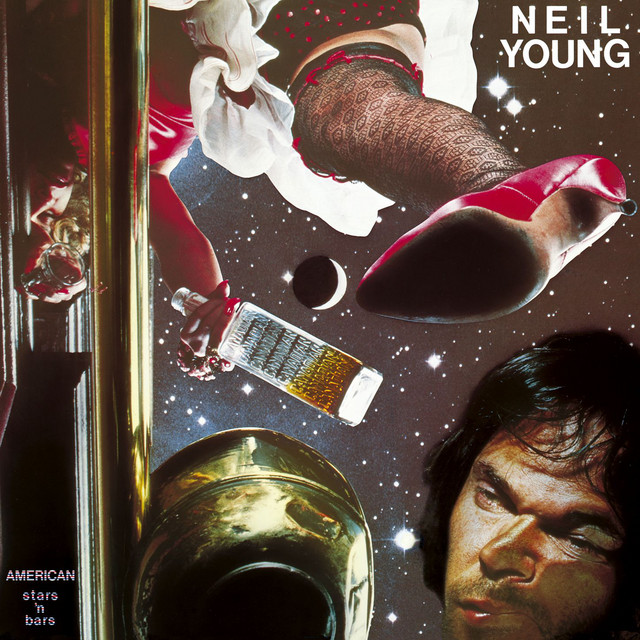
American Stars 'N Bars
1977
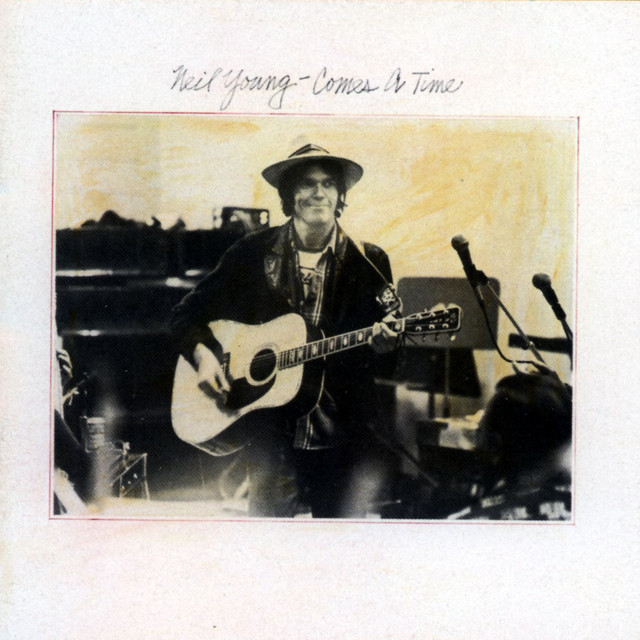
Comes a Time
1978
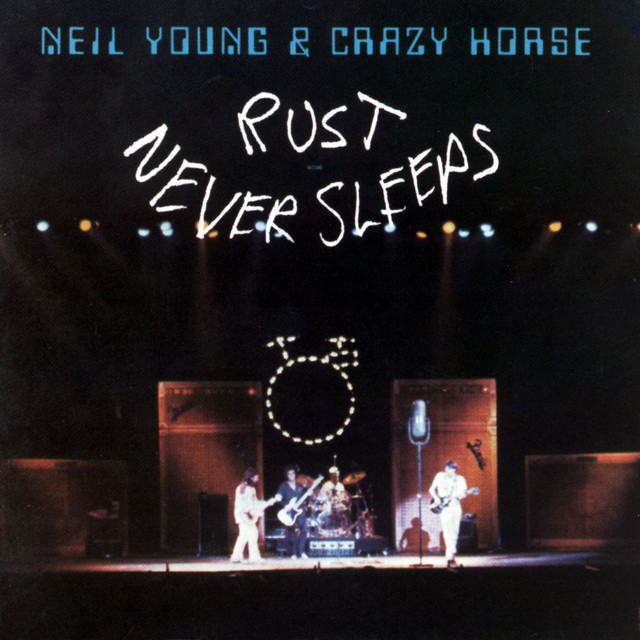
Rust Never Sleeps
1979
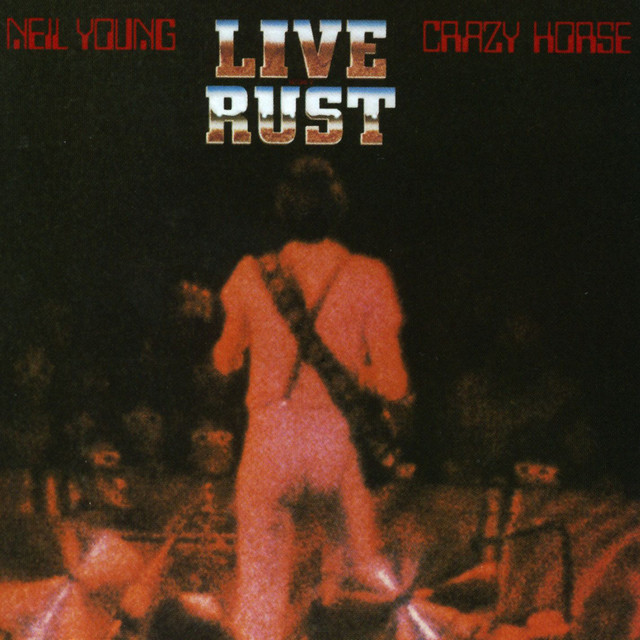
Live Rust
1979
Album Credits
-
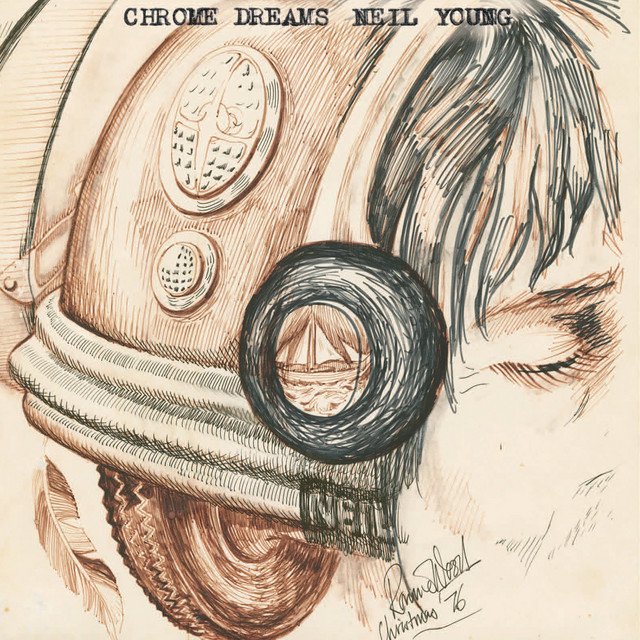
Neil Young · 2023
Producer -
Journey Through the Past (Outtake)
Neil Young · 2022
Producer -
Neil Young · 2020
Producer -
Neil Young · 2020
Producer -
Neil Young · 2018
Producer -
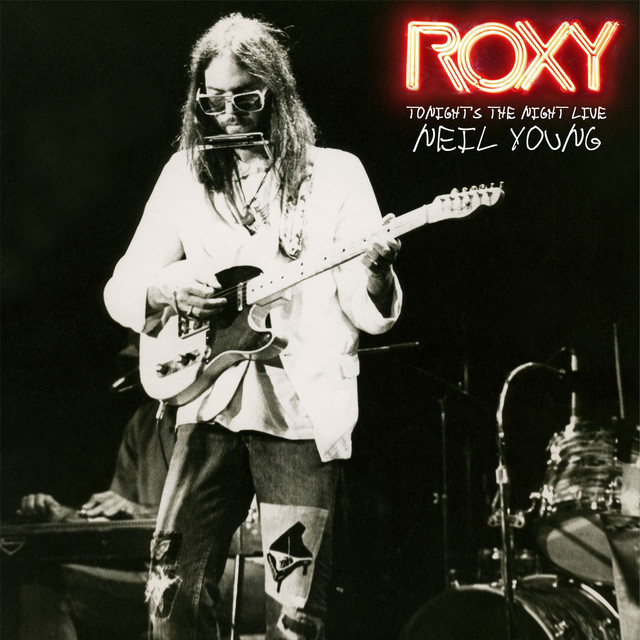
ROXY: Tonight's the Night Live
Neil Young · 2018
Producer -
Neil Young · 2017
Producer -
Neil Young · 2017
Producer -
Neil Young · 2016
Producer -
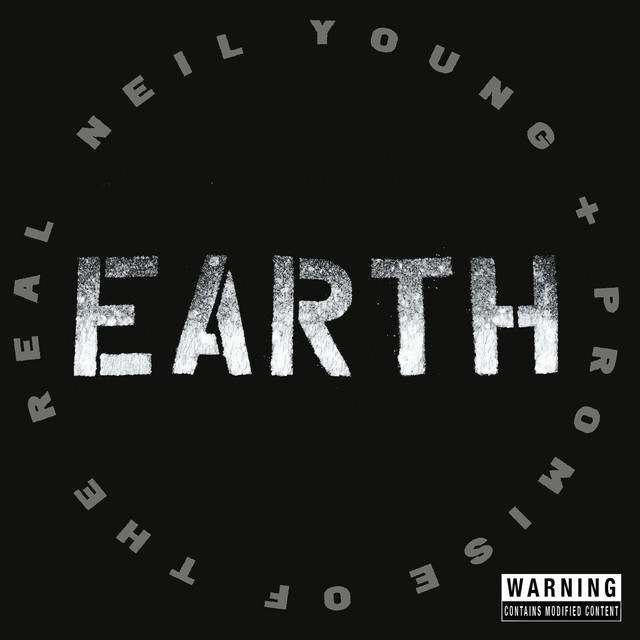
Neil Young · 2016
Mixing Engineer Producer -
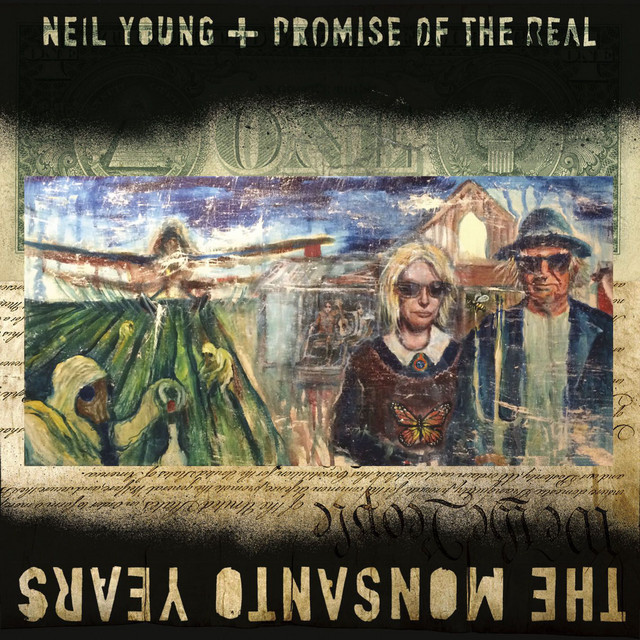
Neil Young · 2015
Producer -
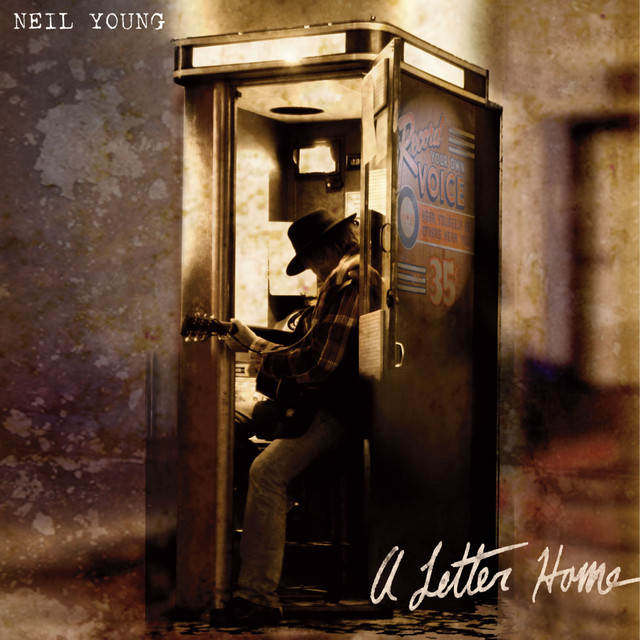
Neil Young · 2014
Producer


.jpeg?v=1783110491)