-s.webp?v=1785077863)
-xl.webp?v=1785077863)
Pricing and availability
We compare 600+ stores and found this item at 2 stores. Prices updated .
Store
Reviews
Price


Average Price: $1,595
High-end/Boutique
$300
$701+
Price Tier
Budget
Standard
High-end
* Product prices and availability are updated by Equipboard every 24hrs and are subject to change. Equipboard may receive compensation for purchases made at participating retailers linked on this site. This compensation does not affect what products or prices are displayed, or the order of prices listed. For more information, please refer to our affiliate disclosure.
Description
Embark on a journey through sound with the iconic 1960's Fender Super Reverb Combo Amp. This classic amplifier, hailing from the heart of the rock and blues revolution, offers a 45-watt tube-powered experience that has been the secret weapon of legendary guitarists like Stevie Ray Vaughan and Derek Trucks. Renowned for its distinct scooped mids, this amp delivers a mesmerizing blend of warm tones and punchy dynamics that can elevate any performance, whether you're playing in a cozy club or a bustling festival.
The Super Reverb's design brings together the elegance of the Black Panel era with the added versatility of built-in reverb and tremolo effects. Its four 10" speakers ensure that every note resonates with clarity and power, filling the room with a rich, immersive sound. The amp's vintage aesthetic and meticulously crafted circuitry make it not just an amplifier, but a piece of musical history that continues to inspire musicians worldwide.
Key Features:
- 45-watt tube combo amplifier
- Built-in reverb and tremolo effects
- Four 10" speakers for rich, full sound
- Classic Black Panel circuitry design
- Renowned for its scooped mids and dynamic range
- Used by legendary guitarists such as Stevie Ray Vaughan and Derek Trucks
Product specs
| Brand | Fender |
| Model | Super Reverb 2-Channel 40-Watt 4x10" Guitar Combo |
| Finish | Black Panel |
| Year | 1963 - 1967 |
| Made In | United States |
| Categories | Guitar Combo Amps |
| Built-In Effects | Built-In Effects |
| Color Family | Black |
| Direct Output | No Direct Output |
| Electronics | Tube |
| Model Family | Fender Super Amp |
| Model Sub-Family | Fender Super Reverb |
| Number of Channels | 2 Channels |
| Number of Inputs | 4 Inputs |
| Output Power (Watts) | 40 |
| Power Tube Type | 6L6 |
| Reverb | Spring Reverb |
| Series | Fender Vintage Black Panel Amps |
| Speaker Configuration | 4x10" |
FAQs
-
What are the tonal characteristics of the 1960's Fender Super Reverb Combo Amp?
-
The 1960's Fender Super Reverb Combo Amp is renowned for its rich, glassy clean tones and smooth overdrive. Its 4x10" speaker configuration provides a full, dynamic sound, making it ideal for blues, rock, and country genres.
-
Is the 1960's Fender Super Reverb Combo Amp suitable for live performances?
-
Yes, with its 40-watt output, the 1960's Fender Super Reverb Combo Amp is powerful enough for small to medium-sized venues, delivering ample volume and clarity on stage.
-
Does the 1960's Fender Super Reverb Combo Amp handle pedals well?
-
The 1960's Fender Super Reverb Combo Amp is highly regarded for its ability to pair well with effects pedals, maintaining tonal integrity while enhancing versatility with external effects.
-
What type of reverb does the 1960's Fender Super Reverb Combo Amp feature?
-
This amp features a classic spring reverb, which contributes to its lush, ambient sound, perfect for adding depth and dimension to your playing.
-
How many channels does the 1960's Fender Super Reverb Combo Amp have?
-
The amp has two channels, allowing for a range of tonal options and versatility in performance settings.
-
What type of power tubes does the 1960's Fender Super Reverb Combo Amp use?
-
The amp uses 6L6 power tubes, known for their robust, clean sound and smooth overdrive characteristics.
Videos

Emerald City Guitars
"Pick of the Day" - 1966 Fender Super Reverb
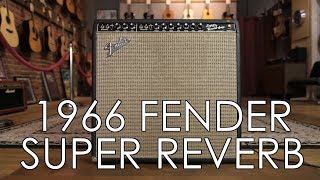
"Pick of the Day" - 1966 Fender Super Reverb
Emerald City Guitars
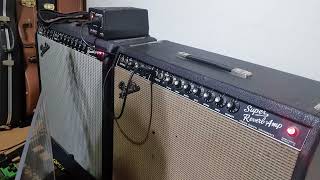
1967 Fender Super Reverb CRANKED Vintage Amp Tone w/Foley PRE CBS Pickups & CS Strat

Alex Hamilton
Reviews
PROS
-
Distinctive voice with punchy bass and angelic highs
-
Excellent pedal platform for versatile sound shaping
-
Classic 60's Fender sound appeals to vintage enthusiasts
-
Powerful enough for any stage with 4x10 speaker clarity
-
Handles various music genres from Surf to Rock effectively
-
Naturally "relic" vintage appeal enhances aesthetic value
-
Great reverb quality for enthusiasts
-
Versatile tone variation to suit different playing styles
-
Durable through extensive use and travel experiences
CONS
-
Requires maintenance or part replacements for optimal performance
-
Not suitable for those chasing The Marshall tone
-
May need modifications for specific tonal preferences
-
High volume performance may be better suited for certain guitars like strats
Owner Insights
We analyzed real musician discussions from forums and Reddit to find what players love, question, and tweak about 1960's Fender Super Reverb Combo Amp.
Use cases and applications
User experience
-
Owners report satisfaction with the Super Reverb's sound post-modification, valuing its tonal superiority over modern equivalents.
Source -
The Super Reverb's height makes it awkward to carry, as it tends to hit the ankles when transported one-handed.
Source -
Super Reverb amps from the '60s, when maintained, can last multiple lifetimes with minimal repairs, unlike newer amps which may become disposable.
Source
Mods and upgrades
-
Replacing orange drop capacitors with Mallory capacitors is suggested for a truer factory-like sound.
Source -
Installing a Post-Phase Inverter Master Volume (PPIMV) in place of the ground switch can enhance control without affecting tone.
Source -
Maintain original tubes if possible; vintage tubes often outperform modern replacements and should be kept even if replaced.
Source
Build quality
-
Some solder joints appear sloppy, particularly in the doghouse, potentially affecting long-term reliability.
Source
Setup and maintenance
-
The 5U4 rectifier tube is recommended with a 1972 power transformer to maintain correct voltages.
Source -
Replace big electrolytic power capacitors for reliable performance; vintage tubes may still be functional due to high original quality.
Source -
Ensure a three-prong plug conversion for safety; it's a simple and inexpensive modification that retains amp value.
Source
Comparisons
-
The 1968 Super Reverb's sound quality is preferred over the new '64 Custom Deluxe Reverb, particularly noted for being quieter at zero volume.
Source -
The 4x10 speaker configuration of the Super Reverb offers a unique sound profile, distinct from the 2x10 Vibrolux Reverb, which is the closest alternative in tone.
Source -
The Super Reverb's tube rectifier creates more sag and a punchier low-end compared to the Twin's solid-state rectifier with a more immediate attack.
Source
Value and pricing
5.0 out of 5
Based on 2 Reviews and 7 Ratings

78
Fender Super Reverb 1968
Speaker leeds replacement really improve the sound. My main amp, 4x10 Alnico jensen gives good tone. Works great with my pedals. Works better with strats at high volume, about 5.

41034
try an es335 into channel 1 with the verb maxed on channel , get ready for awesome
78
ooo yes just bought a 25th Aniversary ES335 historic, yo right it sounds amazing, but on channel 2 :-) , channel 1 does not have reverb, I think you mean channel 2 . Thanks, great guitar. tomorrow first time i will gig with it.
78
Opps i mean 50th Aniversary ES335 Historic,
Artist usage
Add artist
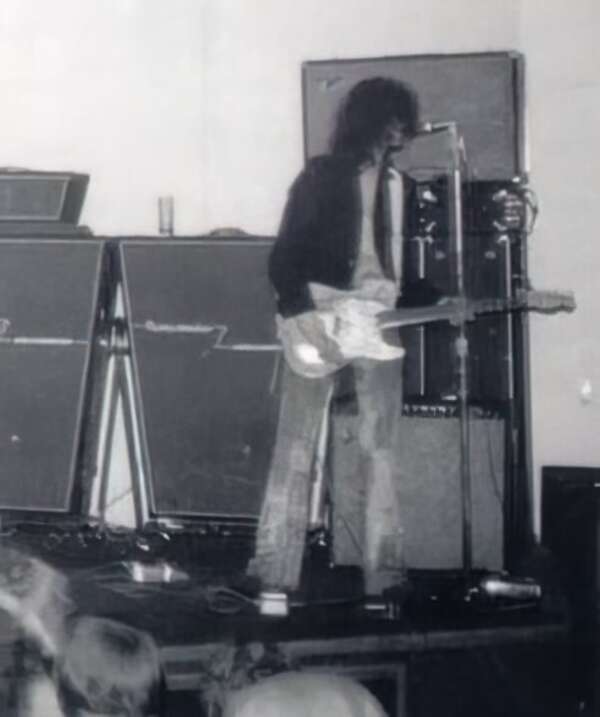
Jimmy Page at Whisky A Go Go in West Hollywood, early 1969. Both the Rickenbacker Transonic and the Fender Super Reverb can be seen on stage.

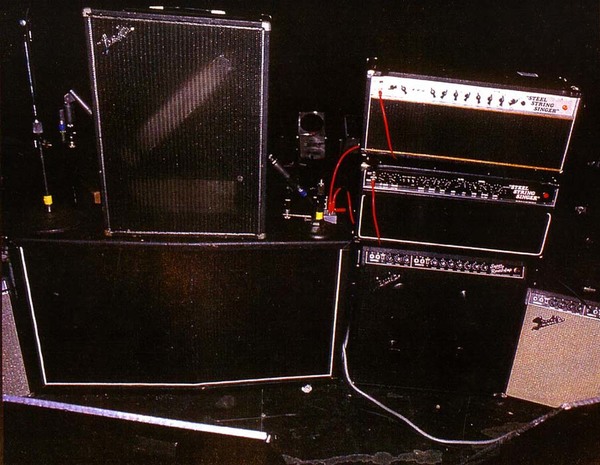
SRV used this amp for almost his entire career to get a crisp and overdriven guitar tone, also in the picture of his setup.


What we ended up doing was dragging the guitar amps into the vacant room across the hall and recording in there. I was using my [Fender] Super Reverb then and an Ampeg Gemini.

.jpg)
As posted on Instagram, Joe Bonamassa owns a collection of 1962 and 1963 era Fender amps which he recalls have a chocolate color. Among the collection is a Super Reverb Combo Amp.

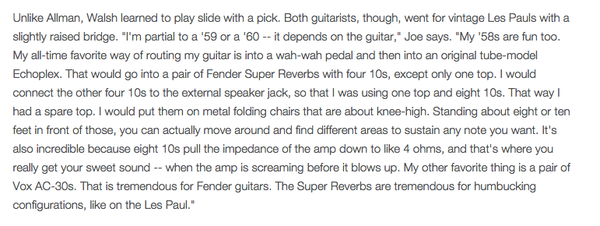
The Fender Super Reverb is mentioned in this interview for Guitar.com -
"That would go into a pair of Fender Super Reverbs with four 10s, except only one top. I would connect the other four 10s to the external speaker jack, so that I was using one top and eight 10s. That way I had a spare top. I would put them on metal folding chairs that are about knee-high. Standing about eight or ten feet in front of those, you can actually move around and find different areas to sustain any note you want. It's also incredible because eight 10s pull the impedance of the amp down to like 4 ohms, and that's where you really get your sweet sound -- when the amp is screaming before it blows up. My other favorite thing is a pair of Vox AC-30s. That is tremendous for Fender guitars. The Super Reverbs are tremendous for humbucking configurations, like on the Les Paul."


According to Premier Guitar, Skolnick's Super Reverb is rehoused in a Mojotone head.

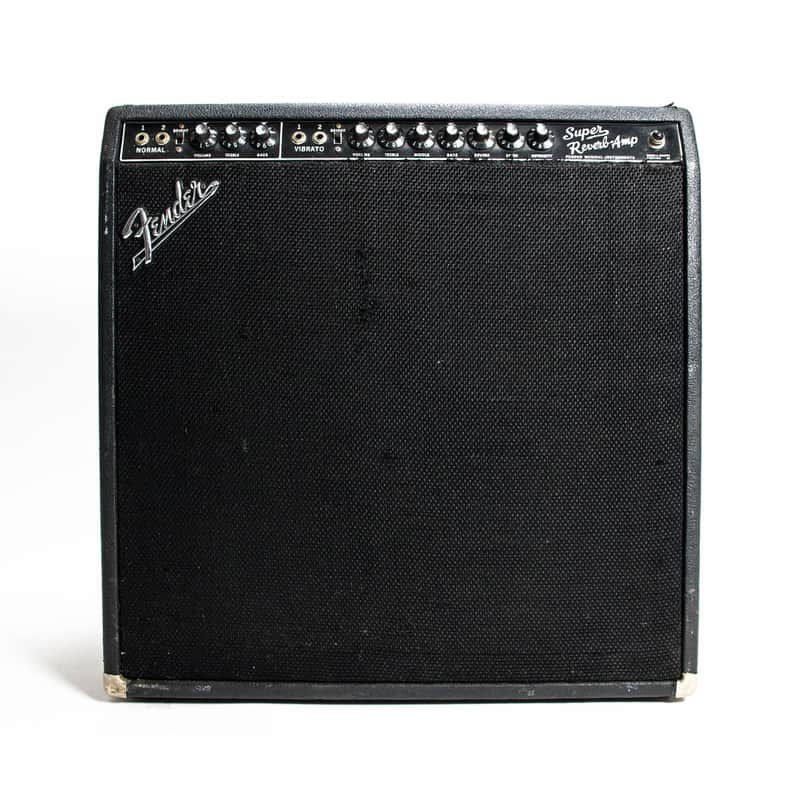
This blackface Fender Super Reverb is a workhorse, not an all-original, mint specimen. But that's not why you're looking at it. You're here because Tommy Emmanuel put this amp through its paces, and it was good enough for him.

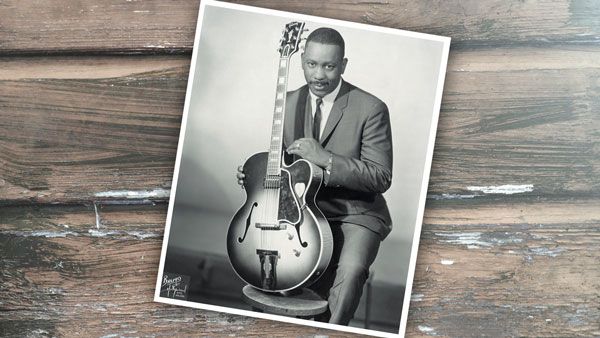
from Music Radar:
"Contrary to popular belief, he was constantly looking for ways to brighten the sound. His strings were, in the words of Russell Malone, "cables!" - 0.014 to 0.058. His choice of amp fluctuated between Fender Super Reverbs and Twins, before he switched to a Standel Super Custom in the mid 60s."

.jpg)
Jordan Cook, performing as Reignwolf, is seen using a 1960s Fender Super Reverb Combo Amp in a photo posted by vicspencer on Instagram.


According to Premier Guitar, Zappa uses the Fender Super Reverb amplifier.

A Super Reverb can be seen at 0:25. Also, in a 2005 interview, Brownstein stated the following: "For most of the record, I used a Fender Super Reverb from the ’60s." (http://innocentwords.com/sleater-kinney-discusses-dark-politics-distorted-sounds-in-recent-album/)

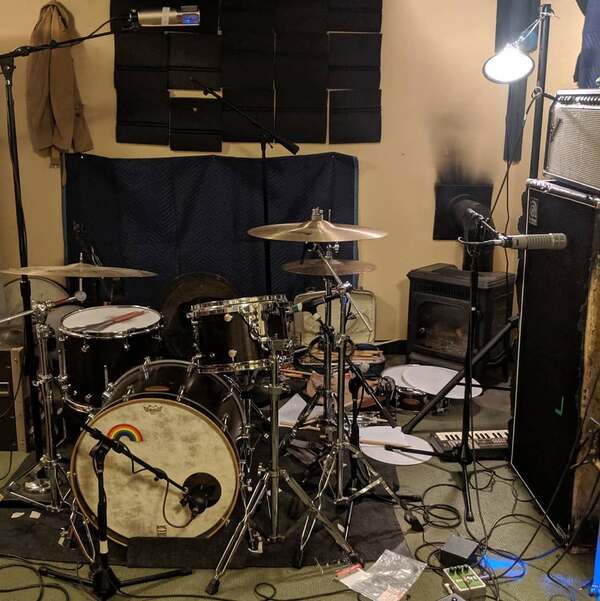
Album Usage
The 1960's Fender Super Reverb Combo Amp has been featured on the following albums:
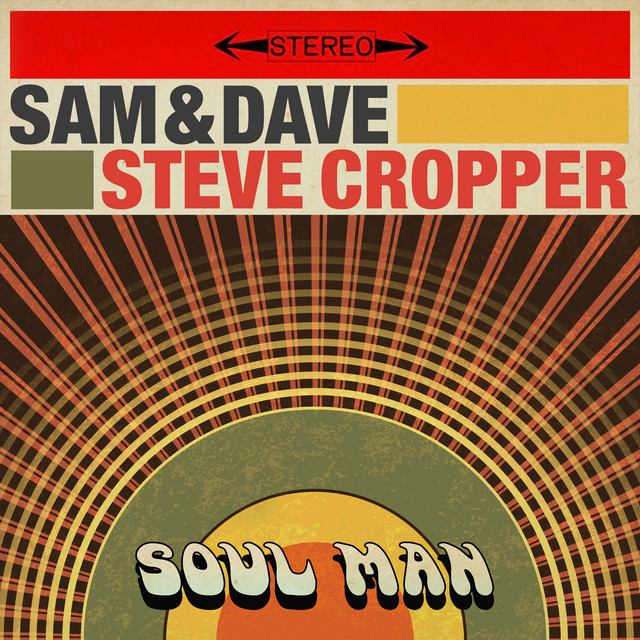
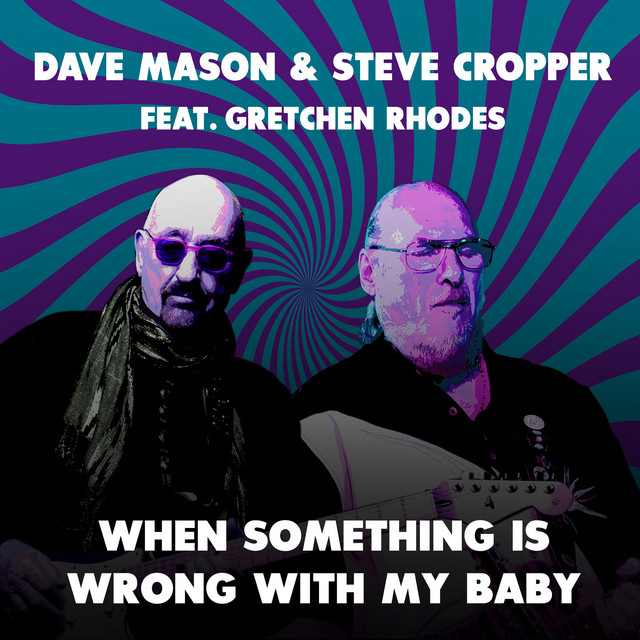
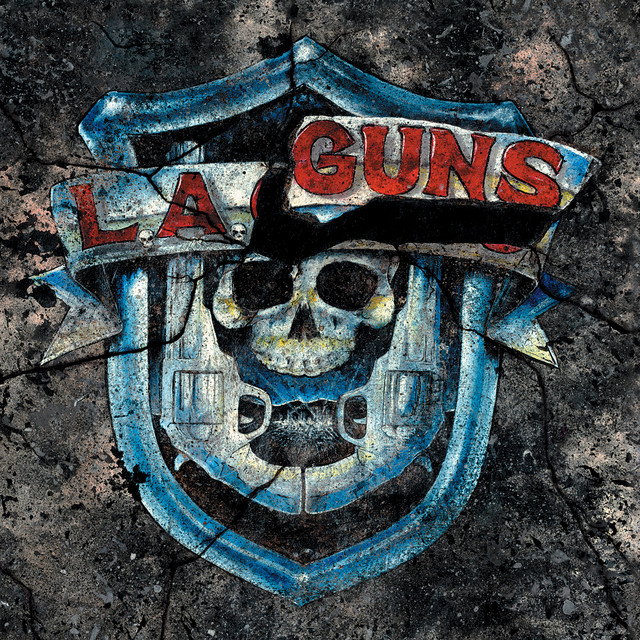
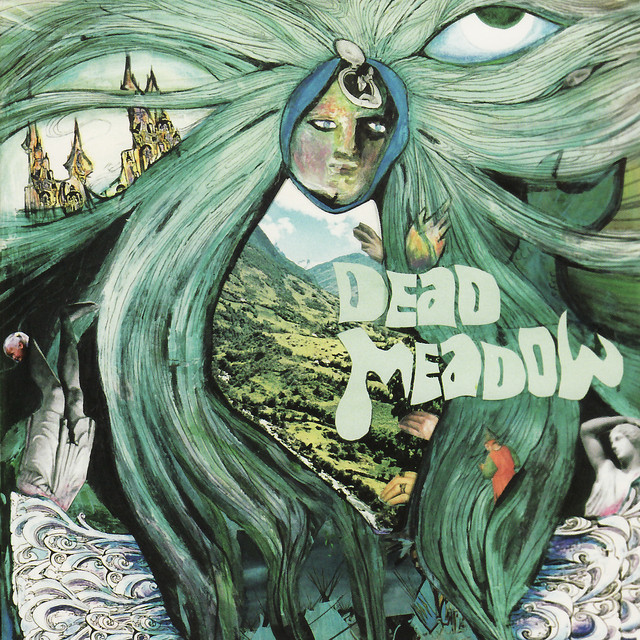
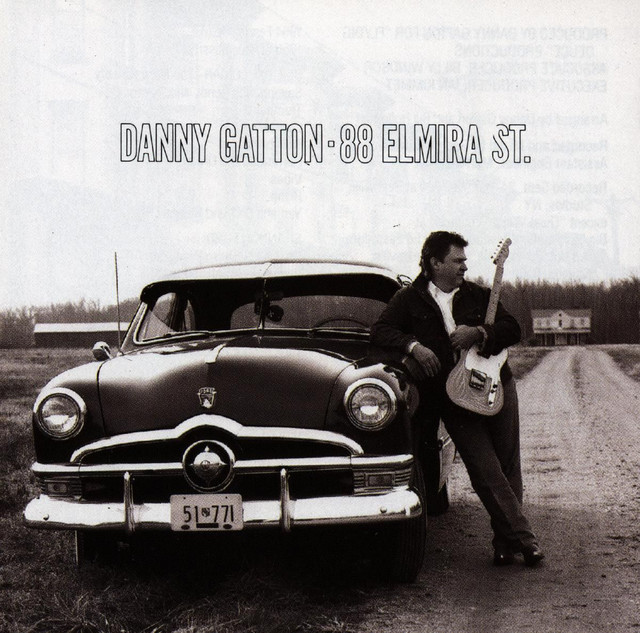
Genre Usage
Based on how artists on Equipboard use this gear, it is most commonly found in the following genres.
Used With
Based on how musicians on Equipboard use 1960's Fender Super Reverb Combo Amp, it is most commonly used with the following gear.




Similar
Add recommendation1 alternative for 1960's Fender Super Reverb Combo Amp, curated by the Equipboard community.

$2,299.00 - $2,299.99
More Fender Combo Guitar Amplifiers
-m.webp?v=1785137607)
$1,669.99 - $2,199.99
in Combo Guitar Amplifiers Rank


$701.63 - $949.99
in Combo Guitar Amplifiers Rank


$325.00
in Combo Guitar Amplifiers Rank


$1,899.99 - $2,199.99
in Combo Guitar Amplifiers Rank

.png?v=1785070563)

$1,450.00 - $1,799.00
in Combo Guitar Amplifiers Rank


$600.00 - $1,999.99
in Combo Guitar Amplifiers Rank

$1,379.99 - $1,679.99
in Combo Guitar Amplifiers Rank


$347.70 - $729.99
in Combo Guitar Amplifiers Rank


$1,639.99 - $1,999.99
in Combo Guitar Amplifiers Rank
.jpeg?v=1785065168)

$999.99 - $1,149.00
in Combo Guitar Amplifiers Rank


$1,439.82 - $1,649.00
in Combo Guitar Amplifiers Rank


$210.00 - $399.99
in Combo Guitar Amplifiers Rank


$800.00
in Combo Guitar Amplifiers Rank


$1,199.00 - $2,299.99
in Combo Guitar Amplifiers Rank


$99.95 - $2,199.99
in Combo Guitar Amplifiers Rank

$450.00 - $1,149.00
in Combo Guitar Amplifiers Rank


-m.webp?v=1785137604)
$1,217.14 - $1,469.99
in Combo Guitar Amplifiers Rank


$350.00 - $1,259.99
in Combo Guitar Amplifiers Rank


$2,199.00 - $2,729.99
in Combo Guitar Amplifiers Rank


$3,599.00 - $3,989.99
in Combo Guitar Amplifiers Rank


$399.00
in Combo Guitar Amplifiers Rank
.png?v=1785117199)


$278.16 - $1,049.99
in Combo Guitar Amplifiers Rank


$692.60 - $1,199.99
in Combo Guitar Amplifiers Rank


$65.00
in Combo Guitar Amplifiers Rank


$191.15
in Combo Guitar Amplifiers Rank


$799.99 - $1,099.00
in Combo Guitar Amplifiers Rank


$199.49 - $229.99
in Combo Guitar Amplifiers Rank


$1,099.99 - $2,925.00
in Combo Guitar Amplifiers Rank
.jpg?v=1785070562)


$1,500.00
in Combo Guitar Amplifiers Rank


-m.webp?v=1784732559)
$449.00
in Combo Guitar Amplifiers Rank


-m.webp?v=1785137621)
$718.00 - $789.99
in Combo Guitar Amplifiers Rank


$895.00
in Combo Guitar Amplifiers Rank


$250.00
in Combo Guitar Amplifiers Rank


$1,099.00 - $1,399.99
in Combo Guitar Amplifiers Rank


.png?v=1785092883)


$1,669.99 - $2,199.99
in Combo Guitar Amplifiers Rank


$1,425.00
in Combo Guitar Amplifiers Rank


$2,729.99 - $4,073.61
in Combo Guitar Amplifiers Rank


$1,499.25 - $1,784.99
in Combo Guitar Amplifiers Rank


Community setups


Gear Guides







Most Popular Combo Guitar Amplifiers
Most Popular Brands
-
Added to Equipboard on by
 equipboard
GearIQ 4934
-



