The Complete Guitar Neck Guide: What Makes Each Type Unique


By Gear Experts
By Gear Experts
Table of Contents

Equipboard
Equipboard is the world's largest community of artists and their gear. Read our review process.
We are reader-supported. When you buy through links on our site, we may earn an affiliate commission. Learn more.
When it comes to guitar design, the neck is arguably the most critical component for both playability and tone. A guitar neck can define the feel of the instrument in your hands, influence your playing style, and even shape the sound of your music.
Whether you're a seasoned guitarist or just starting out, understanding the various aspects of guitar necks can help you make informed decisions about which instrument suits you best. In this guide, we'll dive deep into guitar neck types, materials, construction, and other important factors that affect your playing experience.
Types of Guitar Necks
The way a guitar neck is attached to the body plays a huge role in how the instrument performs. There are three primary types of guitar necks: bolt-on, set, and neck-through. Each has its own characteristics that affect sustain, tone, and ease of repair.

Bolt-On Necks
A bolt-on neck is one that is attached to the guitar body with screws or bolts. This construction is common in many electric guitars, most notably the Fender Stratocaster and Telecaster models, which were designed with the idea of being easy and inexpensive to repair. Bolt-on necks are favored for their ease of repair and modification, allowing guitarists to easily adjust or replace the neck if needed. Bolt-on necks generally provide a bright, snappy sound with a clear attack. On the other hand, because the neck and body are separate pieces, some sustain may be sacrificed compared to other types.
Set Necks
A set neck, also known as a fixed neck, is glued into the guitar body, creating a permanent bond. This type of neck is typically found on Gibson guitars, such as the Les Paul and SG models. Set necks are known for providing better sustain than bolt-on necks, as the glued joint allows for a stronger connection between the neck and body. Set necks tend to produce warmer, more resonant tones with longer sustain, making them ideal for lead guitarists and those who want rich harmonics.
Neck-Through Necks
A neck-through neck is constructed so that the neck runs the entire length of the guitar, with the body wings attached to the sides. This construction is most commonly found on high-end electric guitars and basses. Neck-through designs offer unparalleled sustain and stability, as the continuous piece of wood reduces vibration loss. They also provide excellent access to higher frets, making them popular among shredders and progressive players.
The Ibanez RG Series, ESP LTD Series and Gibson Firebird are built with neck-through construction.
Guitar Neck Shapes
Guitar neck shapes are a crucial aspect of the instrument's playability and comfort. While tonewoods, scale lengths, and frets are often the focus of guitar discussions, the neck's shape is just as vital to your playing experience. The way a neck feels in your hand can significantly impact your ability to move smoothly across the fretboard, execute complex chords, and sustain lengthy playing sessions without discomfort. Among the most common guitar neck shapes are the C, V, D, and U shapes, each with its own variations and feel. In recent years, asymmetrical neck shapes have also gained popularity, providing additional options for players seeking a more tailored experience.

C-Shaped Necks: The All-Rounder

The C-shaped neck is one of the most popular and versatile guitar neck profiles, named for its rounded, gently curving profile resembling the letter "C." It is commonly found on many electric and acoustic guitars, from beginner models to high-end custom instruments. Its popularity stems from its comfortable and familiar feel, which suits a wide range of playing styles.
C-shaped necks tend to be relatively shallow, making them comfortable for most hand sizes. This shape allows for a natural grip, which makes it a great choice for players who transition between chord playing and soloing. The C profile is known for being a great all-rounder; it doesn't excel in one particular area but offers a balance between comfort and versatility.
Variations of the C Shape
Within the C-shaped category, there are variations in thickness. Some models feature a slimmer C profile, making it easier for players with smaller hands to reach around the neck. These necks are often favored by lead guitarists, as the slimness allows for faster hand movement and easier fret access. On the other hand, some C-shaped necks are thicker, adding more substance to the grip, which can make the guitar feel sturdier in hand. These are sometimes referred to as "chunky C" necks and can appeal to rhythm players or those who prefer a vintage feel, reminiscent of early Fender models.
V-Shaped Necks: The Vintage Feel

The V-shaped neck is an iconic design that dates back to the early days of the electric guitar. The V profile forms a distinct ridge along the middle of the neck's back, giving it the characteristic "V" shape. This neck shape is typically associated with vintage guitars from the 1950s and is favored by players seeking a more nostalgic feel.
There are two main variants of the V-shaped neck:
Soft V: The soft V has a more rounded apex, offering a balance between the pointier feel of the V and the rounded curve of a C-shaped neck. Players who enjoy gripping the neck with their thumb resting over the top of the fretboard (often referred to as "thumb-over" playing) may find the soft V shape ideal, as the tapering offers natural thumb support.
Hard V: The hard V has a sharper ridge along the back of the neck, giving it a more pronounced "V" shape. This neck style can take some getting used to, but players who prefer a firm grip often appreciate the additional point of contact it provides. The hard V is less forgiving to those with smaller hands but can offer exceptional control for those who are comfortable with its distinctive feel. The V-shaped neck is a favorite among guitarists who use a lot of thumb-over fretting and is frequently seen in country, rockabilly, and blues music, where thumb positioning plays a significant role in the player's style.
U-Shaped Necks: The Baseball Bat

The U-shaped neck is often compared to the feel of gripping a baseball bat due to its thick and robust profile. This neck shape offers a large, deep curve, making it one of the more substantial necks you can find. While it may not be the most comfortable option for every player, the U shape provides great stability and control, particularly for players with larger hands or those who prefer a bulkier feel.
U-shaped necks tend to be found on vintage guitars or reissues of classic models, especially those from the 1950s and 1960s. These necks are especially well-suited for players who want to plant their hands firmly on the neck and prefer a fuller grip. The larger size of a U-shaped neck can provide added leverage for bending notes and applying vibrato, making it a solid choice for rhythm and blues players.
While this neck may not offer the nimbleness of a C-shaped neck for rapid solos, it excels in providing a solid foundation for heavy riffing and rhythm work. Thick U profiles are often found on early Fender Telecasters and some Les Paul models, while slimmer U profiles can be more manageable for lead players who still prefer the substantial feel of a U shape.
D-Shaped Necks: The Modern Flat Back
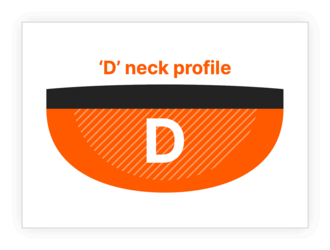
The D-shaped neck is another common profile, especially popular on more modern guitars. The D shape features a flatter back with more pronounced shoulders than the C shape, providing more surface area for the thumb and fingers to rest against. This design creates a slim yet substantial neck, favored by players who prioritize speed and precision.
The D-shaped neck allows for a comfortable thumb-over grip but also excels in more technical playing styles where the thumb stays behind the neck. The flatter surface area of the D shape is often preferred by shred guitarists and players who spend a lot of time navigating fast scales and intricate passages.
Variations of the D Shape
Like the C shape, the D shape has its variations. Some guitars feature an ultra-slim D profile, making it easier to navigate fast passages and fingerboard acrobatics. Wider D shapes, while still retaining their flat-backed feel, provide more mass for players who like a more substantial neck but don’t want the bulk of a U shape.
The D shape’s modern profile has become especially popular on guitars with 24 frets, where access to the higher registers is a priority. Many high-end electric guitars from brands like Ibanez and ESP feature D-shaped necks.
Asymmetrical Necks: Ergonomics in Mind
Asymmetrical necks have gained traction in recent years as players seek more ergonomic solutions to guitar neck shapes. As the name implies, asymmetrical necks are not uniform in shape along the neck’s back. Instead, they are designed to be thinner on the treble side (the high strings) and thicker on the bass side (the low strings). This approach is meant to align with the natural shape of the player's hand, offering more comfort during extended playing sessions.
The idea behind an asymmetrical neck is that most players do not need as much bulk on the treble side of the neck, where the fingers have more freedom of movement. By reducing thickness there, it makes it easier to reach higher notes and improves agility, while maintaining a thicker profile on the bass side for stability and control when fretting lower notes.
Asymmetrical necks can be found on a variety of guitars, but they are particularly common in custom builds or high-performance models. Players who are accustomed to standard neck profiles may need some time to adjust to the asymmetrical design, but once acclimated, many find it to be a highly effective option.
Neck Radius
Neck radius refers to the curvature of the fretboard. A smaller radius means a rounder neck, while a larger radius, or flat radius, means a flatter fretboard. Flat radius is generally preferred by players who favor fast, technical playing styles (e.g., shredders), as the flatter surface makes bending easier. Rounded radius instead is chosen by rhythm players and those who perform a lot of chord work, as the rounded shape is more comfortable for extended playing. Between these two extremes, there are subtle intermediates:
- 7.25 inches (184 mm) is commonly found on vintage-style Fender guitars. This radius features a more pronounced curvature, making it favored by players who enjoy chord-based playing and fingerstyle techniques. However, it may not be ideal for aggressive bending techniques, as the curvature can feel less stable under heavy string pressure.
- 9.5 inches (241 mm) is a popular choice for modern Fender guitars, offering a compromise between comfort and playability. This radius allows for easier chord playing while still accommodating bends and lead playing. Its versatility makes it a favorite among a wide range of players, from beginners to seasoned musicians.
- 12 inches (305 mm) is often used on many Gibson guitars and some modern electric models. This flatter radius is better suited for lead playing and string bending, providing a comfortable surface for faster playing and technical solos. Players who favor aggressive bending techniques typically find this radius appealing due to its stability.
- 16 inches (406 mm) and Flatter radii are commonly found on guitars designed for shredding or extended-range instruments, like 7- or 8-string guitars. These flatter radii allow for very easy string bending and fast playing, making them excellent for soloing. However, they may be less comfortable for some players focused on chord-based styles.
Guitar Neck Widths
The width of a guitar neck can affect comfort and playability. Wider necks provide more room for finger positioning, making them ideal for players with larger hands, while narrower necks are easier to navigate for smaller-handed players. These are the most common guitar neck widths:
- Narrow Neck (1.5 inches / 38 mm) is typically found on many electric guitars, especially models designed for fast playing and easier access to the higher frets. This width is ideal for players with smaller hands or those who prefer intricate fingerwork, as it allows for greater maneuverability.
- Standard Neck (1.625 inches / 41.3 mm) is a common width for many electric guitars and some acoustic models. It offers a good balance between comfort and playability, making it suitable for a wide range of playing styles. This width is often favored by intermediate and versatile players.
- Wide Neck (1.75 inches / 44.5 mm) is often seen on acoustic guitars and some specialized electric models, such as jazz guitars. This width provides more space between the strings, making it easier for fingerstyle playing and complex chord shapes. Players who enjoy fingerpicking techniques often prefer this option.
- Extra Wide Neck (up to 2 inches / 51 mm) is typically found on certain acoustic guitars or extended-range instruments, like 7 or 8-string guitars. This width offers maximum spacing for advanced fingerstyle techniques or wide chord voicings, allowing for more comfortable play for those who need it.
Neck Materials
The type of wood or material used to craft a guitar neck plays a significant role in its tone, weight, and feel. Different woods offer different tonal characteristics, while modern composite materials provide alternatives for improved durability and stability.
Common Neck Woods
- Maple: Known for its bright, cutting tone, maple is a dense, strong wood commonly used for both necks and fingerboards. It offers a tight low end with plenty of attack, making it ideal for high-energy styles like rock and metal.
- Mahogany: Offering a warmer, more rounded tone, mahogany is prized for its rich midrange and smooth sustain. It's a common choice for set-neck guitars, like the Gibson Les Paul.
- Rosewood: Though more often used for fingerboards, rosewood necks offer a balanced tone with smooth highs and an earthy low end. They’re less common but provide a unique tonal flavor.
- Zebrawood: This exotic wood has a striking appearance and a balanced sound, although it is not as common as maple or mahogany.
- Walnut: Offers a warm, somewhat darker tone. It is less common but is used in some acoustic and electric guitars.
Composite Materials and Alternatives
In recent years, guitar makers have begun experimenting with alternative materials like carbon fiber and composites. These materials provide increased stability and are impervious to temperature and humidity changes, which often cause wooden necks to warp. Composite necks tend to have a very neutral tone, making them ideal for players looking for consistency. However, some purists argue that they lack the warmth and character of wood.
Fretboard Materials
The fingerboard, or fretboard, is the part of the neck where your fingers make contact with the strings. The material used for the fingerboard can affect both the tone and feel of the guitar. The fingerboard wood contributes subtly to the overall tone. While the body and neck wood play a larger role, the fingerboard can add brightness, warmth, or articulation to the sound.
Common Fretboard Woods
- Rosewood: A dark, oily wood, rosewood provides a warm, rich tone with smooth highs and pronounced mids. It’s softer to the touch than maple and has a more porous surface. Warm tone and comfortable feel, but requires more maintenance.
- Ebony: A dense, smooth wood, ebony is often used on high-end guitars for its fast, slick feel. Tonally, it provides a bright, snappy sound with plenty of articulation. Durable and fast, but can be more expensive.
- Maple: A common choice for fingerboards on electric guitars, maple fingerboards have a brighter, more percussive tone and a smooth, consistent feel. Bright tone and smooth finish, but may show wear more easily.
- Walnut: Less common, but used in some guitars. Offers a balanced tone of warmth and clarity with attractive grain patterns, but its limited popularity may affect availability and it can be less durable than harder woods like maple or ebony.
Scale Lengths
The scale length of a guitar refers to the distance between the bridge and the nut, essentially determining the length of the vibrating string. This has a major impact on string tension, tone, and playability.
Common Scale Lengths
- Gibson (24.75"): A shorter scale length like that of Gibson guitars tends to create lower string tension, making bending easier and the tone warmer.
- Fender (25.5"): The longer scale length of Fender guitars results in higher string tension, which provides a snappier tone and more pronounced attack.
- Baritone Guitars: With scale lengths over 27", baritone guitars offer deep, rich tones perfect for lower tunings without sacrificing string tension.
Shorter scale lengths make the guitar easier to play, especially for players with smaller hands, but may lead to looser string tension. Longer scale lengths offer tighter string tension, which can enhance clarity but make bending more difficult.
Fret Types and Sizes
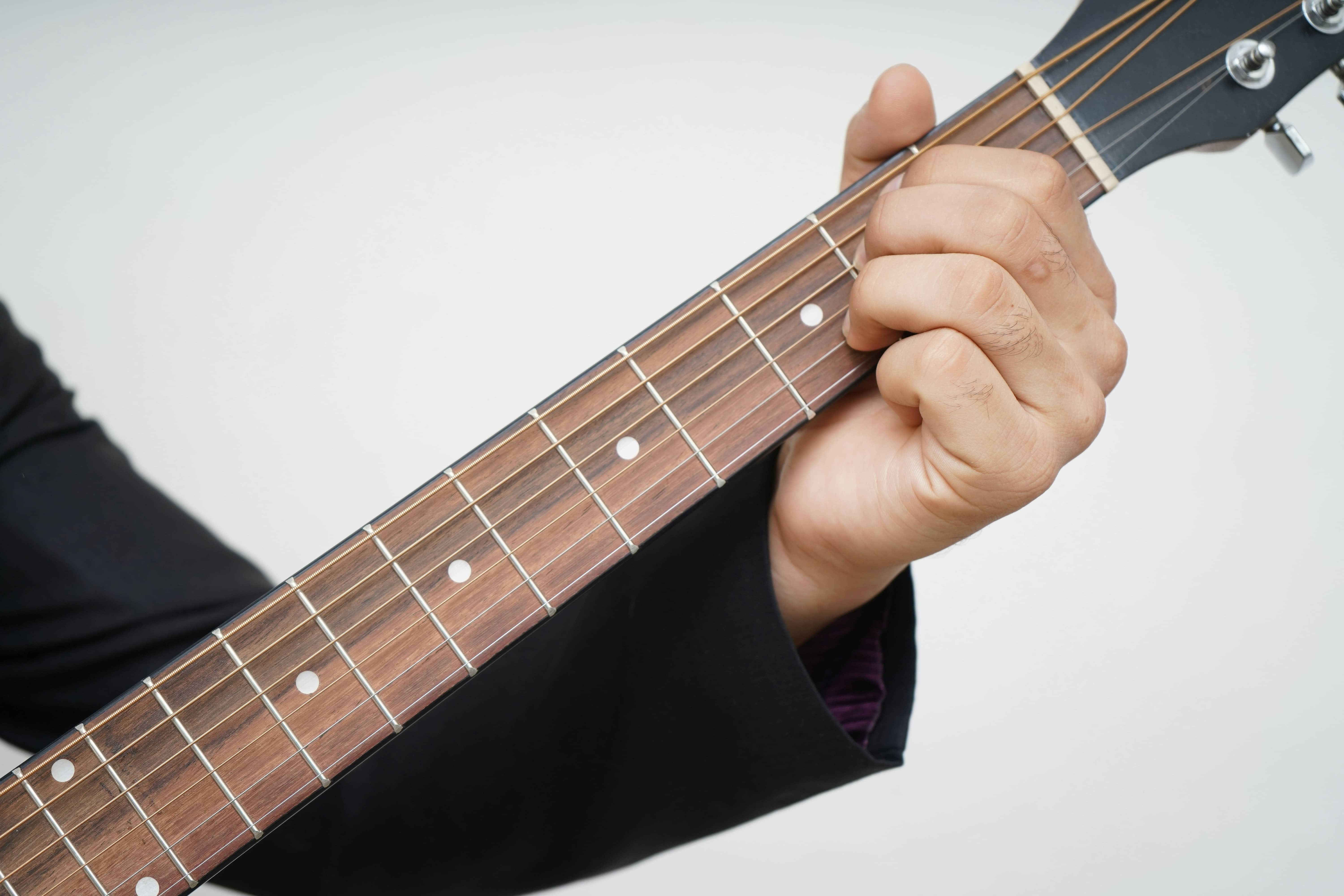
Frets come in various sizes and materials, and these differences can greatly affect playability and tone. Larger frets allow for easier string bending and faster playing, while smaller frets can offer more control for precise chord work. Guitars also having a varying number of frets.
Fret Sizes
- Narrow (or Medium) Frets typically measure around 0.080" (2.03 mm) wide and 0.045" (1.14 mm) tall. These frets are good for fingerstyle players who prefer more control over their playing.
- Medium Jumbo Frets are about 0.090" (2.29 mm) wide and 0.055" (1.40 mm) tall. This size is popular among many players, as it offers a balance between playability and comfort.
- Jumbo Frets measure approximately 0.110" (2.79 mm) wide and 0.058" (1.47 mm) tall. They are favored by players who do a lot of bending and vibrato, as they provide easier playability.
- Extra Jumbo Frets are around 0.120" (3.05 mm) wide and 0.058" (1.47 mm) tall. Often used in modern guitars, these frets maximize playability and facilitate string bending.
Fret Materials
- Nickel-Silver Frets: the most common type used on guitars, made from an alloy of nickel and silver. They offer a good balance of durability and playability, making them suitable for a wide range of players.
- Stainless Steel Frets: Known for their exceptional durability and resistance to wear and corrosion. They provide a brighter tone and a longer lifespan compared to nickel-silver frets, but they can be harder on strings due to their hardness.
- Bronze Frets: Less common, are mainly used for specific tonal characteristics. They can offer a warmer sound, but they tend to wear down more quickly than other fret materials.
- Copper-Nickel Frets: Similar to nickel-silver but with a higher copper content. They are often used in vintage-style guitars for aesthetic reasons and to achieve a particular sound quality.
Neck Construction
The way a neck is constructed affects not only its stability but also its tone and playability. One-piece necks are carved from a single piece of wood, providing a solid and continuous grain structure. This construction method is often praised for its simplicity and aesthetic appeal, as it allows for a uniform look without visible seams. The lack of joints can also enhance the overall resonance and sustain of the guitar, as vibrations travel more freely through a single piece of wood.
Additionally, one-piece necks can offer a smoother feel for the player since there are no joints or glue lines that could disrupt the hand's movement along the neck. Many classic guitars, particularly vintage models, feature one-piece necks, and they are often associated with high-quality craftsmanship. However, they can be more expensive to produce and may require a larger piece of wood, which can increase material costs.
Multi-piece necks, on the other hand, are constructed from several pieces of wood joined together. This method allows for greater flexibility in terms of wood selection, enabling manufacturers to use different types of wood for aesthetic or tonal reasons. For instance, a neck might be made from a combination of maple and mahogany, which can enhance specific tonal qualities while optimizing costs.
One of the advantages of multi-piece necks is that they can be more stable and less prone to warping, as the individual pieces can counteract each other's natural tendencies. Additionally, using shorter pieces of wood can help reduce waste and make it easier to source quality materials. However, the joints in multi-piece necks may impact the overall resonance and feel, as the glue lines can disrupt the flow of vibrations.
Neck Stability and Adjustments
Neck stability is critical for maintaining consistent playability. With time and use, the force of the tension of the strings on the neck causes the neck to yield, bending. Several factors, including the wood used, construction method, and external conditions, affect the stability of a guitar neck. One of the most common and important maintenance is calibration, which is done by adjusting the truss rod.
The truss rod is an adjustable metal rod that runs inside the neck, allowing the player to adjust the neck's curvature. Proper adjustment of the truss rod ensures the neck maintains optimal relief, improving playability and preventing buzzing.
Guitar Neck Inlays
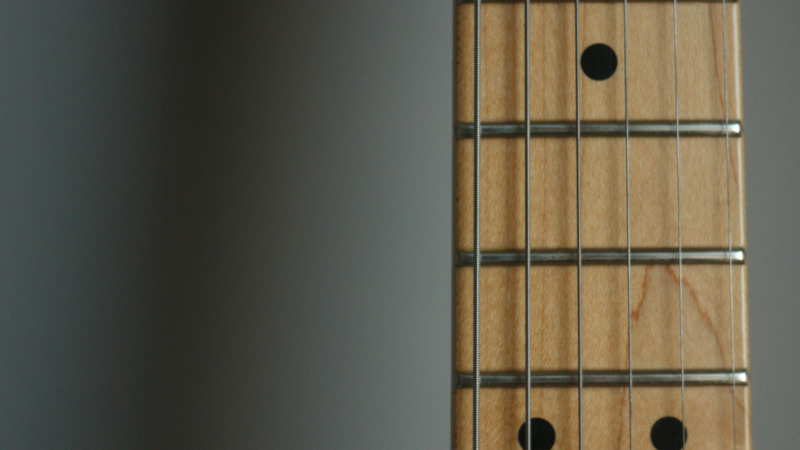
Inlays serve both aesthetic and functional purposes, marking the position of frets to guide players. Common types include dots, blocks, and trapezoids, while materials can range from mother-of-pearl to synthetic substitutes.
Guitar Neck Finishes
Beyond aesthetics, the finish of a guitar neck can significantly affect the feel of the instrument in the hands and influence the tonal characteristics of the guitar. Thinner finishes tend to allow the wood to resonate more freely, while thicker finishes can dampen some of the wood's natural tones.
- Polyurethane Finish is known for its durability and resistance, making it a popular choice for mass-produced guitars. This finish provides a glossy appearance and excellent protection against wear and humidity. However, some players find it can feel somewhat slippery and may hinder the natural feel of the wood.
- Nitrocellulose Finish is favored by many high-end and vintage guitars due to its thinner coating that allows the wood to breathe. It offers a beautiful, glossy finish that ages gracefully, developing a desirable patina over time. On the downside, nitrocellulose can be less durable than polyurethane and is more susceptible to wear, scratches, and temperature changes.
- Oil Finish is another option that provides a natural feel, allowing the wood to retain its organic properties. Oil finishes, such as linseed or tung oil, give a satin look and a smooth, tactile surface that many players find appealing. However, they require more frequent maintenance and may not offer as much protection against moisture and dirt.
- Wax Finish is similar to oil finishes in that it gives a natural feel and appearance. Wax can be applied over oil finishes for added protection and a softer sheen. Like oil finishes, wax finishes require regular reapplication to maintain their look and effectiveness.
- Satin Finish can be achieved with various materials, including polyurethane or nitrocellulose, to provide a matte look. This finish strikes a balance between protection and a natural feel, reducing glare during playing. However, it may not be as durable as a high-gloss finish.
Conclusion
The neck of a guitar is more than just a piece of wood attached to the body: it is a key factor in the playability, tone and overall experience of the instrument. From the type of neck construction to the choice of wood and fretboard material, every detail affects the sound and feel of a guitar. Whether you're picking out a guitar for the first time or looking to refresh your collection, knowing the ins and outs of necks will help you find the one that best suits your playing style.
Top Ranked Guitars on Equipboard


About the authors
Juan Spinelli is a multi-instrumentalist musician, but more of a guitarist than anything else. Based in Buenos Aires, Argentina, he started playing at a very early age and learned various instruments such as flute, clarinet, percussion, didjeridoo, cavaquinho, bass and more. Today, he also works as a music producer and sound engineer, collaborating in several projects in his city and with artists from all over the world. Read more
Michael R. Pierce is the co-founder of Equipboard and a lifelong musician with over 25 years of experience as a guitarist and gear enthusiast. He blends solid music theory chops (thanks to formal training in guitar, piano, and trumpet) with real-world experience, always exploring and experimenting across genres like rock, blues, and hip-hop. Michael launched Equipboard in 2013 after graduating from The University of Texas at Austin, leveraging his unique blend of musical passion, technological acumen, and community building. His current go-to rig features a Fender American Original ‘50s Telecaster, Analogman King of Tone, Strymon Flint, and a Fender ‘57 Custom Champ. Read more