By Gear Experts
Table of Contents

Equipboard
Equipboard is the world's largest community of artists and their gear. Read our review process.
We are reader-supported. When you buy through links on our site, we may earn an affiliate commission. Learn more.
Our Picks

The Eventide H90 is a game-changing multi-effects pedal that combines dual-algorithm functionality, studio-quality sound, and an intuitive interface, empowering musicians to create everything from lush textures to experimental soundscapes with unmatched versatility and precision.
Read more


The HX Stomp XL combines the professional-grade sound and flexibility of Line 6’s Helix platform with a pedalboard-friendly design, offering expanded footswitch control and comprehensive features for both live and studio use.
Read more
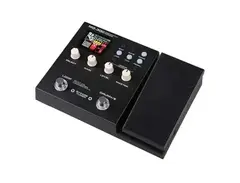
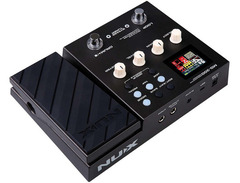
The NUX MG-300 delivers premium-quality amp modeling and effects, an intuitive interface, and versatile features like a USB audio interface and IR support, all in a solid, affordable package perfect for beginners and experienced players alike.
Read more

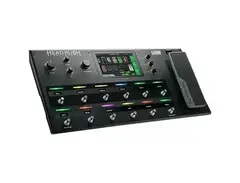
The HeadRush Pedalboard combines a revolutionary 7-inch touchscreen interface with professional-grade amp modeling, effects, and advanced routing capabilities, offering an intuitive and powerful solution for both live performance and studio recording.
Read more

The ZOIA is a groundbreaking modular effects platform that offers limitless creative possibilities, allowing users to build custom effects, instruments, and sound processors while fostering a vibrant community of shared innovations.
Read more
BOSS GT-1 Guitar Effects Processor
The Boss GT-1 combines professional-grade tones, intuitive editing with real-time visual feedback, and a rugged, compact design, making it an ideal companion for guitarists of all skill levels seeking both simplicity and depth in their sonic exploration.
Read more
The Line 6 POD Go combines professional Helix-quality amp modeling, an intuitive hands-on interface, and innovative features like Snapshots, offering a seamless and inspiring experience for players at any skill level, whether practicing, performing, or recording.
Read moreEventide H90 Harmonizer
5.0 (2)











Average Price: $905
High-end/Boutique
$150
$601+
Budget
Standard
High-end
- Unparalleled pitch effects and advanced routing features
- Simultaneous running of multiple algorithms with true spillover
- Instantaneous preset switching without audio gap
- High-quality, HD sound with noticeable improvement over predecessors
- See 6 more
- Steep learning curve and complex UI for some users
- High price point may be a barrier for some
- Predominantly digital sound may not suit analog purists
- Some factory presets may not be immediately useful in a band context
- See 1 more
| Bypass | true bypass |
| Power | 9V, 12V |
| Effects | multi-fx |
| Current Draw | 500ma |
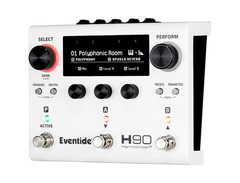
The Eventide H90 is more than just a multi-effects pedal; it’s a transformative tool that redefines what’s possible for musicians. As the successor to the legendary H9, the H90 builds on its predecessor’s legacy with enhanced processing power, dual-algorithm functionality, and a range of intuitive features designed for modern musicians. Whether you’re shaping atmospheric soundscapes, adding texture to a mix, or exploring uncharted sonic territory, the H90 delivers unparalleled quality, versatility, and creative potential.
At the heart of the H90 is its ability to run two independent algorithms simultaneously. This opens up a world of possibilities, from stacking lush reverbs with intricate delays to combining pitch-shifting effects with rhythmic modulation. With Eventide’s meticulously crafted algorithms, each effect is rich, dynamic, and musical, ensuring every combination feels cohesive and purposeful.
The H90’s enhanced DSP engine offers more power than ever before, providing studio-quality sound in a pedalboard-friendly format. Each algorithm benefits from increased headroom and dynamic range, ensuring pristine sound quality across all scenarios. The improved processing power also supports complex routing options, including dual stereo paths, making it a perfect fit for guitarists, bassists, and even keyboard players.
The H90 ships with 62 world-class algorithms, including updated versions of H9 favorites like SpaceTime, Blackhole, and Crystals, alongside exciting new additions like Polyphony for real-time pitch-shifting and Prism Shift for experimental pitch modulation. The diversity of effects ensures you’ll find everything from classic tones to avant-garde sounds.
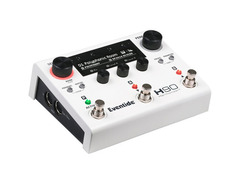
A major improvement over the H9 is the H90’s user-friendly interface, centered around a bright OLED screen and an intuitive control layout. The addition of customizable footswitches and touch-sensitive knobs provides immediate access to key parameters, while the PERFORM mode lets you assign functions like tap tempo, preset changes, or real-time effect control to the switches. Whether you’re in the studio or on stage, the H90 adapts seamlessly to your workflow.
The Eventide H90 excels in delivering effects with an authenticity and depth that rivals standalone studio processors. Each algorithm is meticulously crafted to bring out the best in your instrument, and the pedal’s high-fidelity signal path ensures zero compromise in sound quality.
Eventide’s reverbs are legendary, and the H90 takes them to the next level. From the immersive expansiveness of Blackhole to the subtle, natural ambience of Room, the reverbs envelop your tone without overwhelming it. The new Weaver algorithm introduces rhythmic filtering within the reverb tails, creating evolving textures perfect for cinematic music or experimental soundscapes.
The H90’s delays are equally impressive, ranging from crisp, precise repeats to vintage-style analog warmth. Algorithms like UltraTap add rhythmic complexity, while Tape Echo nails the saturated, lo-fi character of classic tape machines. The ability to layer delays with other effects opens up endless sonic possibilities.
Pitch-shifting has long been Eventide’s forte, and the H90 expands on this legacy with remarkable depth and precision. The Polyphony algorithm offers seamless pitch-tracking for harmonies and alternate tunings, while Crystals blends pitch-shifted echoes for ethereal, otherworldly textures. Modulation effects, such as Chorus, Flanger, and Phaser, are rich and detailed, adding depth and movement to your sound.
For musicians looking to push boundaries, the H90 delivers with algorithms like Prism Shift, which creates cascading pitch modulations, and Harmadillo, a dynamic tremolo with harmonic manipulation. These effects go beyond traditional categories, offering new tools for sonic experimentation.
The H90’s robust metal chassis exudes durability, making it suitable for both stage and studio use. The controls feel solid and precise, and the footswitches are responsive and customizable. The pedal’s compact size ensures it fits comfortably on most pedalboards, while its understated design allows it to blend seamlessly into any setup.
The H90 is designed for professional integration, boasting an extensive array of connectivity options:
- Stereo Ins/Outs: Flexible routing for dual instruments, wet/dry setups, or stereo rigs.
- MIDI Compatibility: Full MIDI integration for advanced control in live and studio environments.
- Expression Pedal Input: Real-time parameter manipulation for dynamic performances.
- USB Interface: Easy updates, preset management, and integration with Eventide’s H90 Control software.
- Effects Loop: Seamlessly incorporate external pedals into your signal chain.
These features make the H90 equally at home on a guitarist’s pedalboard, a keyboardist’s rig, or as part of a studio setup.
The H90 is ideal for musicians who demand the highest level of sound quality and creative flexibility. Guitarists and bassists will appreciate its ability to replace multiple pedals, while keyboardists and producers can use it as a studio-quality effects processor. It’s particularly well-suited for experimental musicians, session players, and live performers who need consistent, professional-grade tones across a wide variety of genres.
The Eventide H90 is a game-changing effects processor that sets a new benchmark for multi-effects pedals. With its dual-algorithm functionality, expansive library of world-class effects, and intuitive interface, it empowers musicians to explore new creative possibilities without compromise. Whether you’re crafting lush ambient textures, precise studio tones, or experimental sonic landscapes, the H90 is a powerful and versatile tool that will elevate your sound to new heights. For musicians seeking the ultimate in effects technology, the Eventide H90 is an investment worth making.
See how artists use this








Line 6 Hx Stomp XL
5.0 (7)


Average Price: $645
High-end/Boutique
$150
$601+
Budget
Standard
High-end
- Compact and portable, fits in a backpack
- Excellent bass tone with amp and cab simulation
- Provides depth with a second signal path
- Flexible routing options for studio and live use
- See 6 more
- Initial learning curve can be steep
- Limited processing power for some users' needs
| Power | 9V |
| Effects | multi-fx |
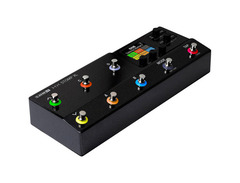
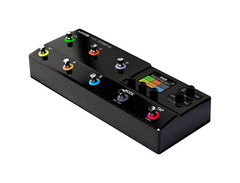
The HX Stomp XL hits that perfect balance that so many guitarists have been asking for. It's like Line 6 took everything great about their flagship Helix processor, carefully chose the features working musicians actually use, and packed them into something that fits on a regular pedalboard. The extra footswitches compared to the original Stomp make a world of difference – no more tap dancing or menu diving to access your favorite sounds.
Don't let the compact size fool you. Inside this pedal beats the heart of Line 6's professional Helix platform. Every amp model, every effect, every detail is exactly the same as what you'd find in the full-size units. When you dial in a Fender Twin model, you get that gorgeous shimmer and natural compression. Switch to a hot-rodded Marshall, and you'll feel that familiar punch and growl. These aren't approximations – they're living, breathing recreations that respond to every nuance of your playing.
What makes the Stomp XL special is how thoughtfully it's laid out. The screen might be smaller than its bigger siblings, but it's bright, clear, and tells you exactly what you need to know. The eight footswitches can be configured however you want – use them for individual effects, preset switching, tap tempo, or even multiple patch changes at once. It's like having a customizable control center that adapts to how you actually play.
The Stomp XL really shines when you start exploring its more creative features. Want to run two completely different amp setups in parallel? Easy. Need to split your signal between your amp and the PA? Just a few button presses. The effects aren't just the usual suspects either – you'll find everything from vintage tape echoes to modern pitch shifters and synth effects. It's like having a pro effects laboratory that fits on your board.
In the studio, the Stomp XL becomes an even more powerful tool. The USB audio interface isn't just a backup feature – it's studio quality, letting you record both processed and dry signals simultaneously. The ability to load your own impulse responses means you can capture the sound of any speaker cabinet or use professional IRs. Re-amping, direct recording, or using it as an effects processor for other instruments – it handles everything with professional polish.
Line 6 clearly designed this for working musicians. The metal chassis feels bulletproof, the footswitches are built to last, and all the connections are rock solid. The power requirements are reasonable, and it plays nice with other pedals. Even the software updates are straightforward – no IT degree required. It's the kind of gear you can rely on night after night.
What's particularly clever about the Stomp XL is how it scales with your needs. Starting out, you might use it as a simple amp modeler with a few effects. But as you explore, you'll discover deeper routing possibilities, creative effect combinations, and professional I/O options. It's like having a professional guitar rig that you never quite finish exploring.
The HX Stomp XL manages something remarkable – it delivers professional-grade sound and flexibility while remaining genuinely pedalboard-friendly. Whether you're using it as your entire rig or integrating it with other pedals, it offers the perfect blend of power and practicality. This isn't just a smaller version of the Helix – it's a thoughtfully designed tool that could be the heart of your entire setup.
Key Features
- Full Helix modeling engine
- Eight assignable footswitches
- Comprehensive I/O options
- Professional USB audio interface
- Third-party IR support
- Extensive effects library
- Parallel signal processing
- MIDI implementation
- Pedalboard-friendly size
- Rugged metal construction
- Deep editing capabilities
- Preset snapshot system
See how artists use this




.jpg?v=1784480765)




NUX MG-300
4.5 (7)

Average Price: $130
Budget/Beginner
$150
$601+
Budget
Standard
High-end
- Excellent value for price with good amp simulation
- Versatile DSP and TSAC sound; can load 3rd party IR’s
- Direct USB recording; handy for PC connections
- Customizable pedal boards with plenty of amp models and cabinets
- See 4 more
- Input gain too high for clean sounds without a way to pad it
- Finicky functionality without using the computer app
- Presets may have too much delay for some tastes
- Made of plastic, which might not appeal to all users
- See 3 more
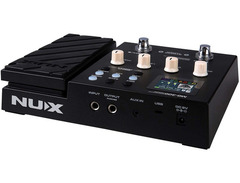
Meet the MG-300, NUX's answer to premium modeling at a price that won't break the bank. When you first pick it up, you notice something interesting – it doesn't feel like a budget unit at all. The high-resolution color screen is bright and easy to read, the knobs have a satisfying weight to them, and the whole unit feels surprisingly solid. It's like NUX decided to challenge the notion that affordable means compromising on quality.
The MG-300 has a trick up its sleeve that sets it apart from the usual budget modeling crowd. Instead of trying to do everything, it focuses on nailing the essentials. The amp models feature depth and responsiveness typically found in more expensive units, thanks to NUX's TSAC-HD (True Simulation of Analog Circuit) technology. Play a clean Fender-style tone, and you'll hear that characteristic chime and sag; switch to a high-gain setting, and the harmonics sing out naturally rather than turning into digital harshness.
What's really clever about the MG-300 is how NUX designed the interface. The large color screen doesn't just look good – it helps you understand your signal chain at a glance. The navigation wheel feels natural, almost like scrolling through a smartphone. They've managed to make deep editing accessible without oversimplifying things; even if you've never used a modeler before, you'll be crafting tones within minutes.
Rather than overwhelming you with countless variations of the same effect, NUX focused on quality over quantity. Each effect in the MG-300 feels carefully crafted. The delays have a musical quality that sits perfectly in the mix. Modulation effects breathe and pulse naturally. Even the reverbs, often a weak point in affordable units, create convincing spaces that enhance your playing without drowning it.
The MG-300 really shines as a practice tool. Plug in some headphones, and you'll be surprised by how good the cab simulation sounds – no more thin, artificial tone for late-night practice sessions. The built-in drum loops actually groove, making practice more fun and musical. And when inspiration strikes, you can use the looper to layer ideas or work out song parts.
NUX didn't skimp on modern features either. The USB connection isn't just for firmware updates – it's a fully functional audio interface for recording high-quality sound directly to your computer. The free editing software makes deep tone crafting easy, allowing you to share presets with other MG-300 users. Bluetooth connectivity lets you stream backing tracks wirelessly, turning practice sessions into full performances.
Perhaps the most impressive thing about the MG-300 is how it grows with you. Beginners can start with the intuitive preset system and gradually experiment with tweaking sounds. More experienced players can dive into custom signal chains, IR loading, and expression pedal control. It's like having a Swiss Army knife that reveals new tools as you learn to use them.
The MG-300 proves that "affordable" doesn't have to mean "compromise." It delivers the essential features of high-end modelers in a package that's both accessible and inspiring. Whether you're recording at home, practicing late at night, or looking for a reliable backup for gigs, the MG-300 consistently punches above its weight class.
Key Features
- High-resolution color display
- Professional-grade amp modeling
- Studio-quality effects selection
- USB audio interface capability
- Bluetooth connectivity
- Built-in looper function
- IR loading support
- Intuitive preset management
- User-friendly editing software
- Expression pedal input
- Drum machine with quality patterns
- Solid metal construction


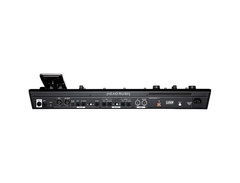
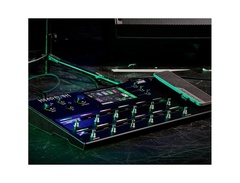
HeadRush Pedalboard
4.5 (20)

Average Price: $773
High-end/Boutique
$150
$601+
Budget
Standard
High-end
- Intuitive 7" user interface simplifies setup and customization
- 12 footswitches with OLED readouts enhance live performance navigation
- Exceptional Soldano SLO 100 amp model authenticity
- Robust build quality ensures durability for live use
- See 6 more
- Limited MIDI capability restricts integration with other devices
- Metal presets lack depth, requiring additional purchases for desired tones
- Heavier than expected with no convenient carrying handle
- Some users report challenges adjusting to venue-specific PA systems
- See 2 more
| Power | AC |
| Effects | multi-fx |
The first thing that grabs you about the HeadRush Pedalboard isn't just its size – it's that massive 7-inch touchscreen staring back at you. Forget tiny LCD displays or endless menu diving. This feels more like using a high-end tablet, where dragging, dropping, and tweaking your effects is as natural as scrolling through your phone. The screen is bright, responsive, and most importantly, it works perfectly even with sweaty hands or under harsh stage lights.
Building your dream rig on the HeadRush feels almost like playing a game. Want to try what your signal sounds like through four different amp models at once? Just drag them in parallel. Curious about running your delay before your amp? Touch, drag, done. It's this immediate, hands-on approach that makes complex signal routing actually fun rather than frustrating. You start experimenting with combinations you might never have tried simply because it's so easy to do.
All the fancy interface design would mean nothing if the sounds weren't up to par. Thankfully, HeadRush delivers where it matters most. The amp models have a depth and realism that's striking – from pristine Fender-style cleans that sparkle and bloom, to high-gain models that maintain clarity even under extreme distortion. The response to your picking dynamics and guitar's volume knob feels organic and natural, just like playing through the real amps.
The effects library is comprehensive without being overwhelming. Rather than drowning you in slight variations, each effect feels purpose-built. The modulation effects have a richness that sits perfectly in a mix. Delays range from pristine digital repeats to warm, degrading analog emulations. Even the reverbs create convincing spaces that enhance your tone without washing it out. You can tell these effects were crafted by people who understand how guitarists actually use them.
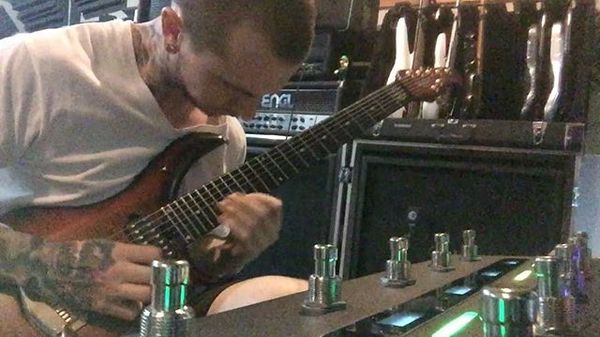
Where the HeadRush really shines is in its live performance features. The footswitches are substantial and can be customized to control virtually anything. Want one switch to activate three effects, disable two others, and change your amp settings? No problem. The Hands-Free Mode lets you adjust any parameter with the expression pedal, while the Setlist feature keeps your presets organized by gig, song, or style.
In the studio, the HeadRush becomes even more versatile. The built-in audio interface isn't just an afterthought – it's a professional-grade recording solution. You can record both processed and dry signals simultaneously, perfect for re-amping later. The variety of output routing options means it integrates seamlessly with any studio setup, from home recording to professional facilities.
Despite its professional feature set, the HeadRush never feels intimidating. You can start with simple single-amp presets and gradually explore its deeper capabilities. The learning curve feels natural – each new feature you discover builds on what you already know. It's like having a pro-level guitar rig that encourages you to push your boundaries.
The HeadRush Pedalboard represents a genuine evolution in how we interact with our tone. It combines cutting-edge technology with an interface that feels immediately familiar. Whether you're crafting complex studio tones or need bulletproof reliability for touring, it delivers professional quality without sacrificing ease of use. This isn't just another modeler – it's a new way of thinking about your entire rig.
Key Features
- 7-inch high-resolution touchscreen
- Gapless preset switching
- Professional-grade amp and effects modeling
- Advanced signal routing capabilities
- Customizable footswitch layouts
- Integrated expression pedal
- Premium audio interface
- Individual output routing
- Hands-Free editing mode
- Roadworthy metal construction
- Extensive I/O options
- Real-time parameter control
See how artists use this









Empress Effects ZOIA
5.0 (12)



Average Price: $517
Standard/Professional
$150
$601+
Budget
Standard
High-end
- Intuitive and easy to learn with resources available
- Highly versatile, suitable for sound design and modular synthesis
- Portable with a regular battery pack
- Endless creative possibilities pushing musical boundaries
- See 6 more
- The steep learning curve for beginners
- Small screen can make navigation challenging
- Memory card slot design is somewhat impractical
- Some effects, particularly distortion, can sound digital
- See 2 more
| Bypass | true bypass |
| Power | 9V |
| Effects | multi-fx |
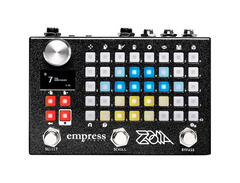
The ZOIA isn't just another multi-effects pedal – it's more like having a modular synthesizer that fits on your pedalboard. At first glance, the grid of illuminated buttons might look intimidating, but they represent something revolutionary: complete freedom to build any effect, instrument, or sound processor you can imagine. It's like having a fully-stocked electronic music studio that you can program one button at a time.
What sets ZOIA apart is its unique approach to sound creation. Instead of giving you pre-made effects, it provides modules – basic building blocks of sound processing that you can connect however you like. Want to build a delay that morphs into reverb based on your playing dynamics? Or maybe a synthesizer that tracks your guitar? With ZOIA, if you can dream it, you can build it. It's like having a virtual rack of equipment where you make the cables and connections.
While ZOIA can certainly do traditional guitar effects (and do them well), that's just scratching the surface. You can create sequencers, generative music tools, MIDI processors, or even video game-style sound effects. The modules range from simple utilities to complex sound generators and processors. It's less like a normal pedal and more like a creative platform that happens to work with guitars.
One of ZOIA's greatest strengths is its active user community. When you're not building your own patches, you can explore and download creations from other users. The Patchstorage community has thousands of shared patches, ranging from practical effects to wild experimental soundscapes. It's like having access to a constantly growing library of creative tools.
Despite its experimental nature, ZOIA is built for real-world use. The sturdy metal chassis can handle life on a pedalboard. The buttons are durable and responsive. Three footswitches and expression pedal input provide hands-free control over any parameter. You can save your creations as presets and recall them instantly. It's experimental but reliable – perfect for the adventurous performing musician.
The learning curve with ZOIA is different from traditional pedals. Rather than learning presets, you're learning a new way of thinking about sound. Each module you understand opens up new possibilities. The interface becomes more intuitive as you explore, and soon you're creating patches you never thought possible. It's like learning a new instrument that can become any instrument.
In the studio, ZOIA reveals even more potential. Use it as a unique effects processor, a MIDI control center, or even a standalone synthesizer. The stereo inputs and outputs make it perfect for sound design and audio manipulation. Many users find themselves using it on drums, synths, or vocals – far beyond its guitar pedal origins.
The ZOIA represents something unique in the world of effects: complete creative freedom. It's not trying to model existing gear or create perfect recreations. Instead, it gives you the tools to build your own sonic solutions. Whether you're a guitarist looking to expand your palette, a sound designer seeking new tools, or just someone who loves to experiment with sound, ZOIA offers endless possibilities for exploration.
Key Features
- Grid-based modular interface
- Extensive module library
- Custom patch creation
- Preset storage system
- Active user community
- Stereo inputs/outputs
- MIDI implementation
- Expression pedal input
- Three assignable footswitches
- Regular firmware updates
- Durable construction
- USB connectivity
See how artists use this


.jpg)


.jpg)



BOSS GT-1 Guitar Effects Processor
4.5 (43)


Average Price: $179
Standard/Professional
$150
$601+
Budget
Standard
High-end
- Emulates legendary pedals accurately, offering a wide range of effects
- Usable patches right out of the box, catering to various music genres
- Sturdy construction with intuitive, easy-to-use functions
- Compact and lightweight, ideal for gigging musicians
- See 6 more
- Does not include a power supply, requiring an additional purchase
- Limited footswitch control, potentially complicating live adjustments
- Wah effect sounds plastic with overdriven tones
- Expression pedal may be too small for some users
- See 3 more
| Power | 9V |
| Effects | multi-fx |
Ever wished you had a guitar teacher who could also dial in perfect tones for you? That's exactly what the GT-1 feels like. It's not just another multi-effects unit – it's like having a friendly gear expert who's always excited to show you new sounds. What makes it special is how it manages to pack pro-level sounds into something that never feels overwhelming. The moment you plug in, you realize this isn't going to be another frustrating experience of menu-diving and confusing settings.
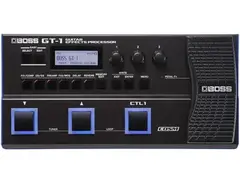
The GT-1's secret weapon is its LCD screen that shows you exactly what's happening to your sound. Instead of just turning knobs and hoping for the best, you can actually see your signal moving through different effects. Imagine being able to watch your tone transform as it flows from your guitar through each effect – it's like having x-ray vision into your sound. This visual feedback makes it incredibly easy to understand why your tone changes as you tweak different settings, something that's usually a mystery with other pedals.
This is where things get really cool. Boss created something they call "EZ EDIT," and it's exactly what it sounds like – easy editing that actually works. Think of it as having an experienced sound engineer inside your pedal. When you turn one knob, multiple settings change together intelligently, just like they would if a pro was dialing in your tone. Want more crunch? The GT-1 knows exactly how to adjust the gain, presence, and compression to get that perfect bite without turning muddy. Need bigger leads? It'll automatically tweak your EQ, delay, and reverb to sit perfectly in a mix. The best part is that once you're curious about what's happening behind the scenes, you can peek under the hood and learn why those changes work together.
Let's talk about the sounds themselves because this is where most affordable multi-effects units fall flat. The GT-1's tones actually feel alive under your fingers. The clean sounds sparkle and chime with real depth, while the high-gain tones stay tight and focused instead of turning into the usual digital mush. Each effect feels like it was carefully crafted to be musical rather than just impressive on paper. Whether you're after subtle enhancement or wild sonic experiments, the GT-1 delivers with surprising authenticity.
When it comes to actually using the GT-1, Boss clearly thought about the real world. The headphone output doesn't just work – it sounds fantastic, making late-night practice sessions something to look forward to. The built-in drum patterns groove like real drums instead of a cheap drum machine, and the 40-second looper is perfect for working out ideas or practicing solos over chord progressions. USB recording is seamless, letting you capture ideas without dealing with complicated setup.
What makes the GT-1 truly special is how it evolves with your playing journey. It's perfectly happy to be simple when you need it to be, but it has impressive depth when you're ready to explore. As you get more comfortable, you can start creating your own effect chains, customize how the footswitch controls different effects, and even set up an expression pedal for real-time control. It's like having a piece of gear that grows alongside your playing.
Boss has always been known for building gear that lasts, and the GT-1 is no exception. The metal jacks and rugged footswitches are designed to handle years of abuse, whether you're practicing in your bedroom or gigging every weekend. It's the kind of build quality that gives you confidence – you know this pedal will be ready whenever inspiration strikes.
The GT-1 is a companion for your guitar journey. It helps you understand your tone while you're creating it, teaches you why certain effects work together, and most importantly, makes you want to keep playing. In a world of complicated gear, it's refreshing to find something that's both powerful and approachable. Whether you're just starting out or looking to expand your sonic palette, the GT-1 makes the journey more enjoyable and musical.
Key Features
- Visual LCD interface showing real-time signal chain
- Intelligent "EZ EDIT" for instant tone shaping
- Professional COSM amp modeling
- 40-second phrase looper
- High-quality headphone output
- USB recording interface
- Rugged metal construction
- Built-in rhythm patterns
- Expression pedal compatibility
- Extensive effects library
- Intuitive patch organization
- Direct USB computer connectivity
See how artists use this




.jpg)


Line 6 POD Go
4.5 (17)


Average Price: $505
Standard/Professional
$150
$601+
Budget
Standard
High-end
- Helix quality tones in a compact, lightweight package
- Easy setup and portability, fits in a backpack
- Versatile for both guitar and bass, with extensive amp and effects models
- Allows quick patch switching and third-party IR loading
- See 6 more
- Limited to one IR per patch, affecting flexibility
- Limited DSP may restrict simultaneous use of multiple effects
- Lack of classic MIDI connections, using USB over MIDI instead
- Some factory presets may require tweaking for optimal sound
- See 1 more
| Power | 9V |
| Effects | multi-fx |
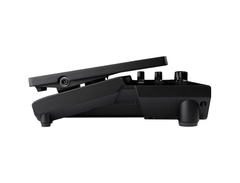
The moment you unbox the POD Go, something feels different. It doesn't have that usual "I need to read the manual first" vibe. Instead, it practically begs you to plug in and start playing. There's something magnetic about its design – every knob and button seems to be exactly where your hand expects it to be. It's the kind of gear that makes you want to play more, simply because it's so enjoyable to use.
What really sets the POD Go apart is how straightforward everything feels. Each knob on the unit directly controls what you see on screen – no secret menus, no hidden features, just pure hands-on control. Turn a knob, and your tone changes exactly how you'd expect. It's refreshingly honest in a world where digital effects can feel like solving a puzzle.
Don't let the simple interface fool you – inside the POD Go beats the heart of Line 6's professional Helix system. These aren't watered-down versions of the good stuff; they're the exact same algorithms that professional guitarists rely on. Clean Fender-style tones bloom and breathe like the real thing. British stack models capture that perfect mix of growl and punch. Even the high-gain sounds maintain clarity and character when you're pushing them to the edge.
The POD Go's most brilliant feature might be its Snapshot system. Unlike traditional presets that feel rigid, Snapshots let you create variations of your sound that flow naturally with your music. Imagine having an invisible tech adjusting your rig in real-time – that's what Snapshots feel like. You can move from a pristine clean tone to a massive lead sound, complete with perfectly timed effect changes, all with a single tap.
What makes the POD Go special is how it evolves with you. When you're starting out, those perfectly crafted factory presets give you professional-quality tones right out of the box. As your confidence grows, you might start tweaking those presets, learning how different effects interact. Before you know it, you're building your own unique combinations from scratch. The POD Go never holds you back – it just keeps revealing new depths as you're ready to explore them.
Remember when editing presets felt like programming a computer? The POD Go's companion software changes all that. It turns preset creation into something that feels almost like a game. The visual interface lets you drag and drop effects, experiment with signal routing, and fine-tune everything with intuitive graphics. Even deep editing feels creative rather than technical.
While the POD Go excels at traditional guitar tones, it's also built for modern music production. The USB recording interface delivers studio-quality sound directly to your computer. Dual signal paths let you experiment with complex stereo setups. You can even load your own speaker impulse responses for ultimate tone customization. The built-in expression pedal adds another dimension of control, perfect for dramatic effect swells or real-time parameter tweaking.
What makes the POD Go truly special is how it removes technical barriers while still offering professional depth. It's that rare piece of gear that's both incredibly capable and genuinely fun to use. Whether you're crafting your first presets or building complex professional rigs, the POD Go makes the journey more enjoyable – and isn't that what playing guitar is all about?
Key Features
- Professional Helix amp modeling and effects - Access to over 270 models derived from Helix technology.
- Intuitive hands-on interface
- Powerful Snapshots system
- Built-in expression pedal
- Studio-quality USB interface
- Dual signal path capability
- Third-party IR support
- User-friendly editor software
- Extensive preset library
- Real-time parameter control
- Rugged stage-ready construction
- Professional I/O options
See how artists use this







“What’s the best multi-effects pedal?” is a question that comes up again and again in guitar and bass forums and discussions, and for good reason! There are a lot of multi-effect pedals out there, with prices and features varying drastically from model to model. With multi-effects pedals, it’s a little bit different than something like distortion pedals. With distortion, there might be 50 different manufacturers each making a single distortion pedal. With multi-effects, there are only a handful of major manufacturers, but they each make several models of multi-effect pedals. This can make choosing the best one tough for beginners and advanced players alike. Luckily, we’re here to help, and after a ton of research and play testing, we’ll help you decide what the best multi-effects pedals on the market are, no matter your budget and needs.
Multi Effects Pedals vs. Individual Pedals
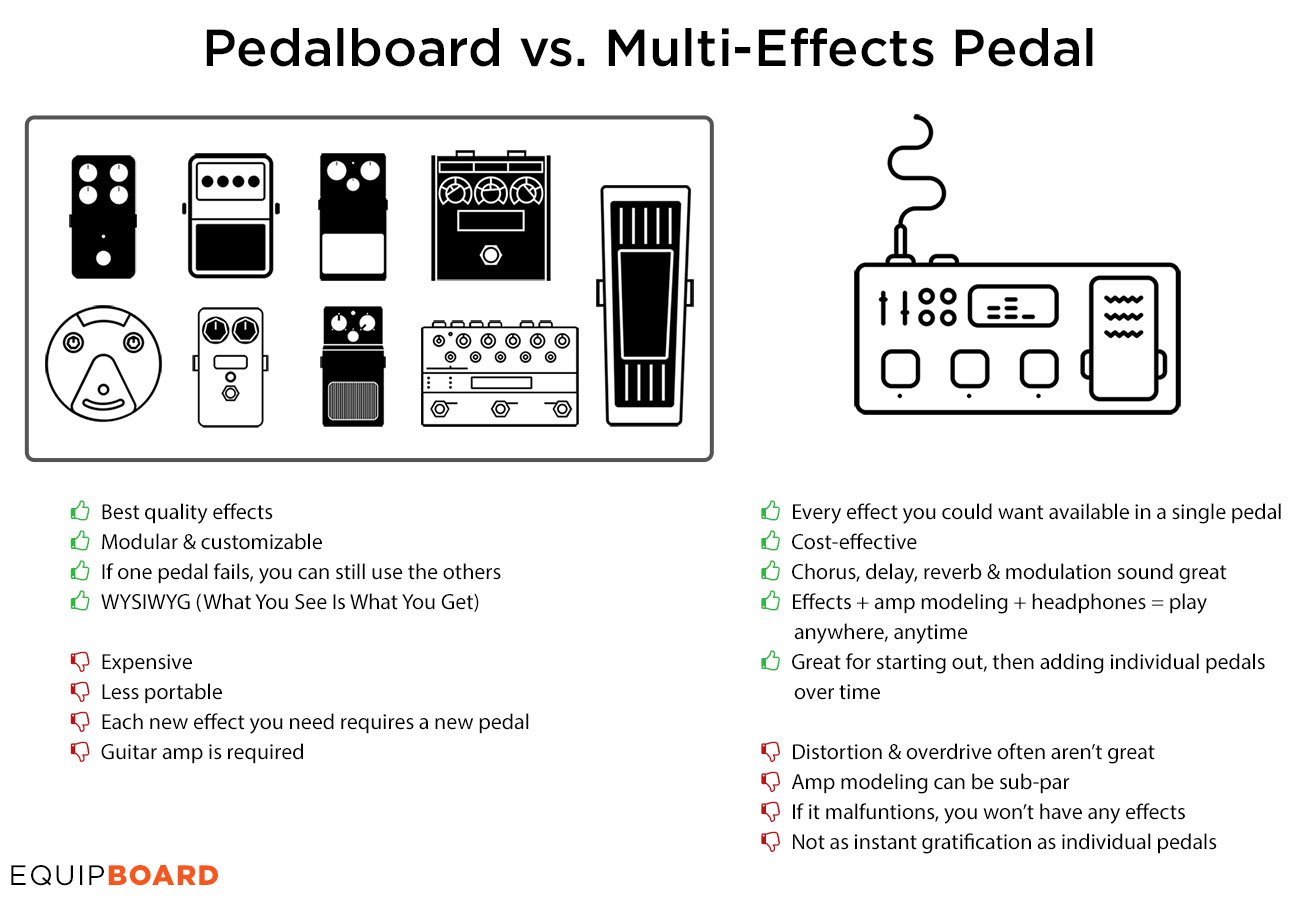
This question is one of those legendary analog vs. digital type debates. Many a forum war has been started around this topic. It’s typically a question asked by beginner and intermediate guitarists looking to get into effects. Given a budget, is it better to start a collection and buy a couple of individual effects, or get a single multi-fx unit? There’s not really one correct answer to this question one way or the other, since it largely matters on what your goals are.
One thing is for sure: the advantage of a multi effects pedal is getting a lot of effects in one convenient package, which you can use to learn what guitar effects you actually use on a regular basis. Depending on the type of music you play, your style, and your skill level, chances are you don’t have a need for every effect type under the sun. Pro guitarists’ pedalboards are tailored to the tone and sound they need to achieve. Perhaps fuzz, delay, and compression are crucial, but not a flanger or chorus. Point is, if you don’t yet know this about yourself, a multi-effects pedal is the most perfect and cost effective way to start. Over time, if and when your love for effects deepens, as your budget allows you can start buying individual pedals that are better versions of what’s on your multi-fx unit.
Modern multi-effects units deliver studio-grade sound quality while offering unprecedented convenience and flexibility. Instead of juggling multiple pedals, power supplies, and cables, you get an all-in-one solution that's often more affordable than building a collection of individual effects.
For practice sessions, a multi-effects pedal can transform your bedroom into a full-featured practice space, complete with amp simulation and headphone output for silent practice. In live settings, these units allow instant access to carefully crafted presets, eliminating the tap-dancing routine of activating multiple pedals. And in the studio, many multi-effects pedals double as audio interfaces, offering direct recording capabilities with professional-quality effects.
The challenge isn't deciding whether to get a multi-effects pedal – it's choosing the right one from the vast array of options available. In this guide, we'll walk you through everything you need to know to make an informed decision, from essential features to consider, to specific recommendations for your playing style and budget.
Pros and Cons of Multi Effects Pedals
Here are the pros and cons of multi effects pedals are in the context of multi-fx vs individual pedals, as we covered in the section above.
Pros
- Multi-effect pedals offer multiple effects and amps. It’s pretty amazing to be able to have so much tonal variety in a single package.
- Cost effective compared to buying individual pedals. A cheap effects pedal is around $50, and a boutique pedal can go for $150 and often much more. For as little as $150 total, you can own a pretty nice multi-effects pedal that can replace a pedal and amp collection worth $1,000s.
- Makes a fantastic practice companion. Built-in utilities like tuners and loopers, combined with portability and a headphones output means you can have practice, jam, or songwriting sessions wherever, whenever.
- Fills in the gaps in your pedal collection. Haven’t found that coveted vibrato pedal yet? Saving up for that mythical fuzz pedal? Your multi-effects pedal has both of those covered in the meantime.
- Makes a great backup to your pedal collection. In case something happens to your pedalboard, or you simply don’t feel like lugging it around, multi-fx to the rescue.
- Good for live use. You can program a different patch for every song you need to play live, then just recall those patches during your performance, without having to fiddle with a dozen knobs all the time.
Cons
- User interface can be confusing. Some multi-fx units do a much better job than others, but for the most part the interface of a multi-effect pedal has a higher learning curve and is more of a pain to use than single pedals. The more a multi-fx pedal can do, the more buttons and menus there are to scroll through.
- The effects are possibly not as high quality as what you get in single pedals. The saying “Jack of all trades, master of none” comes to mind.
- If it breaks, you’re all out of pedals. As opposed to a pedalboard of single pedals where if one breaks you can just take it out, if your multi-effects pedal malfunctions you’ll be left without any effects.
Factors to Consider When Choosing a Multi-Effects Pedal
Let's face it – stepping into the world of multi-effects pedals feels a bit like walking into a spacecraft's cockpit. Knobs, switches, screens, and buttons beckon from every angle, each promising to unlock new sonic territories. Before we dive into the specifics, remember – there's no "perfect" pedal, only the perfect pedal for you. Here's what you need to consider:
Sound Quality: The Heart of It All
The digital revolution has transformed what we can expect from multi-effects units. Premium pedals now capture the elusive warmth of vintage gear with stunning accuracy, while budget options have evolved far beyond the sterile tones of yesteryear. The difference lies in the details – higher-end units reveal subtle harmonics and respond more naturally to your playing dynamics, much like comparing a boutique tube amp to a solid-state practice amp. Both make music, but one tells a richer sonic story.
Effects Arsenal: More Than Just Numbers
It's tempting to be dazzled by pedals advertising hundreds of effects, but quantity isn't everything. Modern units offer everything from vintage-inspired modulations to otherworldly atmospheric textures. The key is understanding which effects matter to you. Do you need pristine cleans and high-gain distortion? Or are you more interested in ambient soundscapes with layers of delay and reverb? The best pedal for a metal guitarist might be completely wrong for an indie artist exploring shoegaze textures.
Ease of Use: The Interface Makes or Breaks It
Even the most powerful multi-effects pedal becomes useless if you can't navigate it efficiently. Some units favor an intuitive, stompbox-style approach with physical knobs and simple displays – perfect for players who want to tweak and go. Others offer deep editing through LCD screens or computer software, ideal for those who love to craft precise tones. Consider how you'll use the pedal in real-world situations. Can you make quick adjustments mid-gig? Will you enjoy spending time creating custom presets?
Portability and Size: Finding the Right Balance
Size matters – but bigger isn't always better. Compact units might sacrifice some features and connectivity options, but they're a blessing for the traveling musician or someone with limited space. Larger units typically offer more simultaneous effects, physical controls, and rugged construction, but they demand more real estate and can be challenging to transport. Think about your typical playing situations. A bedroom producer might prioritize features over size, while a gigging musician needs something that can survive life on the road.
Connectivity: Future-Proofing Your Investment
Modern multi-effects pedals aren't just about processing guitar signals – they're the command center of your rig. USB connectivity opens doors for recording and deep editing. MIDI implementation allows for synchronized effect changes and remote control. Stereo outputs create immersive soundscapes. Effects loops enable seamless integration with your amp. Think beyond your current setup – the right connectivity options can transform your pedal from a simple effects box into a versatile audio interface and recording tool.
Price Range: Value Beyond the Price Tag
While multi-effects pedals offer excellent value compared to building a collection of individual stompboxes, there's still a significant range to consider. Budget units (typically under $200) have become surprisingly capable, offering solid sound quality and essential effects. Mid-range options ($200-500) add better algorithms, more effects, and deeper editing capabilities. High-end units ($500+) push the boundaries with premium components, sophisticated modeling, and professional-grade connectivity. Remember – the most expensive option isn't always the best for your situation.
Firmware Updates and Expandability: Growing With Your Needs
In today's digital age, your multi-effects pedal can actually improve over time. Many manufacturers regularly release firmware updates adding new effects, improving algorithms, and fixing bugs. Some units even allow you to download additional effect models or amp simulations. This expandability can significantly extend the life and value of your investment, turning your pedal into a platform that grows with your musical journey.
Durability: Built to Last?
A multi-effects pedal is an investment, and like any investment, you want it to last. Build quality varies significantly across price points. Budget units might use plastic enclosures and basic footswitches, while premium options feature metal chassis and industrial-grade components. Consider your usage scenario – a home studio pedal might survive in a plastic case, but stage use demands metal construction and reliable switches that can handle countless stomps.
Key Features to Look For: The Must-Haves and Nice-to-Haves

Gone are the days when multi-effects pedals were just a collection of basic stombox emulations. Today's units pack sophisticated features that can transform them from mere effects processors into complete performance and recording solutions. But which features truly matter? Let's dive into the essentials that can elevate your playing experience.
Amp and Cabinet Modeling: Your Virtual Backline
Perhaps the most revolutionary feature in modern multi-effects units is sophisticated amp modeling. We're not talking about basic clean and dirty channels here – we're talking about detailed recreations of legendary amplifiers, from pristine Fender cleans to face-melting Marshalls. The best units capture not just the sound but the feel of these amps, responding to your playing dynamics just like the real thing. Add cabinet simulation to the mix, and you've got an entire backline that fits in your gig bag.
What makes this feature particularly powerful is the ability to experiment with amp combinations you'd never be able to afford (or lift) in the real world. Want to run your signal through a vintage Vox AC30 for rhythm parts and switch to a hot-rodded Mesa/Boogie for solos? No problem. Some high-end units even let you load your own impulse responses (IRs), opening up an entire world of custom cabinet sounds.
- Digital recreations of classic and modern amplifiers
- Dynamic response matching real tube amps
- Virtual cabinet simulation with multiple options
- Custom IR loading capability in premium units
- Ability to switch between different amp models instantly
The Swiss Army Knife: Integrated Tools
A built-in tuner might seem basic, but having one always at your feet is invaluable. The best multi-effects units take this further, offering chromatic tuners with multiple display modes and excellent visibility even on dark stages. But the real game-changer is the onboard looper. Modern units can offer several minutes of loop time with multiple layers, undo/redo functions, and even the ability to save loops for later use. It's not just a practice tool – it's a creative instrument in its own right.
- Built-in chromatic tuner with multiple display modes
- Advanced looper functionality with multiple layers
- Loop storage and management capabilities
- Stage-visible displays
- Practice and performance tools in one unit
Expression Control: Adding a Human Touch
An expression pedal (whether built-in or connected externally) transforms static effects into dynamic performance tools. Imagine smoothly morphing between crystal clean and saturated distortion, controlling delay feedback in real-time, or adding expressive wah effects. Some units allow you to assign multiple parameters to a single expression pedal, creating complex, evolving soundscapes with a single foot movement. It's the difference between playing through effects and playing the effects themselves.
- Real-time parameter control
- Multiple parameter assignment capabilities
- Seamless morphing between different sounds
- Built-in or external pedal options
- Creates dynamic, expressive possibilities
Signal Routing: Creating Your Perfect Chain
The most powerful feature of high-end multi-effects units is often their flexible signal routing. Instead of being locked into a fixed effects chain, you can experiment with different configurations. Want to run two separate effect chains in parallel? Split your signal for wet/dry setup? Create complex routing that would require a pedalboard the size of a dinner table? The best units make this not just possible but intuitive.
- Multiple simultaneous effects chains
- Parallel and series routing options
- Preset spillover capabilities
- Complex signal path creation
- Wet/dry routing possibilities
Third-Party Integration: Breaking Down Walls
Forward-thinking manufacturers have opened their platforms to third-party developers and content creators. The ability to load custom impulse responses (IRs) means you can access an ever-growing library of cabinet simulations. Some units allow you to import custom effects algorithms or even create your own. This openness transforms your multi-effects pedal from a closed system into a platform that can evolve with your needs.
- Custom IR loading capability
- Third-party effect integration
- Expandable sound libraries
- Community-created content access
- Future-proof platform potential
Types of Multi-Effects Pedals: Finding Your Form Factor
Before diving into specific models, let's explore the main categories of multi-effects units. Each format offers distinct advantages, and understanding these differences can help narrow down your search significantly. Like choosing between a sports car and an SUV, the "best" choice depends entirely on your destination.
Compact Multi-Effects Units: The Power of Portability
Remember when getting great tone meant lugging around a pedalboard the size of a small coffee table? Compact multi-effects units turn this notion on its head. These lightweight champions, typically no larger than a couple of paperback books, pack surprising firepower into their diminutive frames.
Think of these as the Swiss Army knives of the effects world. While they might not offer the extensive I/O options of their larger siblings, they excel in situations where space and portability are paramount. Perfect for the traveling musician, bedroom player, or anyone who needs to dash to a gig on public transport.
- Ideal for small spaces and travel
- Usually battery-powered option available
- Limited but well-chosen connections
- Often feature simplified interfaces
- Excellent value for money
Floorboard-Style Units: The Professional's Choice
If compact units are Swiss Army knives, floorboard-style processors are the complete tool chest. These larger units dominate the professional market for good reason. With their spacious layouts, multiple footswitches, and comprehensive I/O options, they're built for serious performance and studio work.
The extra real estate isn't just for show – it translates to practical benefits like easier preset navigation, more intuitive effect control, and often superior build quality. Many models feature expression pedals built right in, saving you the hassle of external connections while offering seamless control over effects parameters.
- Multiple footswitches for easy preset access
- Comprehensive connectivity options
- Often include built-in expression pedals
- Rugged construction for stage use
- Detailed displays for deep editing
Rackmount Units: The Studio Standard
Don't let their relatively rare appearance on stages fool you – rackmount multi-effects processors remain a studio staple. These sophisticated units trade instant foot control for unprecedented processing power and connectivity options. Think of them as the mainframe computers of the effects world.
While they might require additional MIDI controllers for live use, rackmount units often offer the highest quality effects processing available. Their integration capabilities with professional studio setups make them particularly attractive for recording environments where pristine sound quality and flexible routing options are paramount.
- Professional-grade audio quality
- Extensive MIDI implementation
- Superior studio integration
- Maximum processing power
- Comprehensive I/O options
Desktop/Software Integration Units: The Modern Hybrid
A relatively new category has emerged: multi-effects units designed to bridge the physical and digital worlds. These devices might look like traditional pedals, but they're built around deep integration with computer-based recording and editing software.
This hybrid approach offers the best of both worlds – tactile control for performance, combined with deep editing capabilities through companion software. Perfect for the modern musician who splits time between stage and studio, these units represent the cutting edge of effects processing technology.
- Seamless DAW integration
- Sophisticated editing software
- USB audio interface functionality
- Cloud preset sharing capabilities
- Regular software updates and expansions
The key is matching the form factor to your needs. A weekend warrior might find everything they need in a compact unit, while a touring professional might require the reliability and flexibility of a professional floorboard. Consider not just where you are in your musical journey, but where you want to go.
Recommendations by Use Case: Real Solutions for Real Players
Choosing the perfect multi-effects pedal isn't just about comparing specs and features – it's about finding the right tool for your musical journey. Over the next few sections, we'll explore specific recommendations tailored to different playing scenarios and skill levels. Each recommendation has been carefully selected based on several critical factors: sound quality, user feedback, feature set, reliability, and value for money, regardless of price point.
What makes these recommendations different is our approach – instead of simply ranking pedals by price or features, we've chosen three distinct options for each category based on their unique strengths. Each recommendation brings something special to the table, whether it's an innovative interface, exceptional sound quality, or groundbreaking features. Think of it like choosing between a precision sports car, a versatile SUV, or a rugged off-road vehicle – they're all excellent choices, just optimized for different needs.
We've tested these units extensively, consulted professional musicians, and analyzed countless user reviews to ensure our recommendations stand up to real-world use. More importantly, we've considered how these pedals perform in their intended environments – whether that's a bedroom practice space, a professional studio, or on stage at a packed venue.
We have provided capable options for each of the following categories.
For Beginners: Your First Step Into the World of Effects
When you're just starting your effects journey, you need more than just a collection of sounds – you need a musical companion that helps you understand and explore the vast world of tone shaping without breaking the bank. The best multi-effects pedals for beginners strike a delicate balance: they're approachable enough to use right out of the box, yet deep enough to grow with you as your skills and tastes evolve.
For Live Performers: Road-Ready Reliability Meets Real-Time Control
Live performance demands a different breed of multi-effects unit. When you're on stage, you need more than great sounds – you need bulletproof reliability, instant preset access, and the ability to make adjustments on the fly without losing your place in the song. Our recommendations in this category excel under pressure, delivering professional-grade sound quality while standing up to the rigors of regular gigging.
For Studio Use: Professional-Grade Tools for the Recording Environment
The recording studio presents unique demands for multi-effects processors. Here, sonic quality is paramount, but so are flexibility, deep editing capabilities, and seamless integration with modern recording workflows. These units need to wear multiple hats: effects processor, audio interface, DAW controller, and re-amping solution, all while maintaining pristine sound quality that holds up under the microscope of studio monitoring.
For Experimental Musicians: Tools for Sonic Exploration
These represent the outer edges of tone crafting, where traditional effects are just the beginning. For experimental musicians, a multi-effects unit isn't just a processor – it's an instrument in its own right, capable of transforming guitars into synthesizers, creating evolving soundscapes, and generating textures that defy conventional categorization. These selections excel at pushing boundaries while remaining musical enough to integrate into serious compositions.
Tips for Using a Multi-Effects Pedal: Mastering Your Digital Toolbox
Getting the most out of your multi-effects pedal goes far beyond simply plugging in and playing. Let's explore the essential knowledge that can transform your multi-effects experience, from basic setup to advanced sound design.
Signal Chain Fundamentals: Building Better Tones
Think of your signal chain as a story – each effect is a chapter, and their order matters tremendously. While digital units offer unlimited flexibility, certain arrangements consistently produce better results. Start with your dynamics and filters – effects like wah, compression, and EQ work best when they're processing your pure guitar signal. These effects shape your core tone, creating the foundation for everything that follows.
Next comes your gain section. Overdrive, distortion, and fuzz effects are powerful tools, but they need careful management. Stack them thoughtfully, using each to contribute something unique to your sound rather than simply piling on more gain. A noise gate at this stage can be your best friend, especially with high-gain tones.
Modulation effects like chorus, flanger, and phaser typically work best after your gain section. Think of it this way – you want these effects to enhance your distorted tone, not have the distortion crush and compress your modulation effects. However, don't be afraid to experiment. Sometimes placing a phaser before distortion can create fascinating, synth-like textures.
Finally, add your time-based effects. Delay and reverb are like the atmosphere in your tone painting – they create space and depth. Placing them last ensures they can bloom fully without being compressed or distorted by later effects. Consider using parallel paths for your ambient effects – this keeps your core tone punchy while allowing your atmospheric effects to breathe freely.
Preset Management: The Art of Organization
Think of preset management like preparing for a performance – the better organized you are, the more confidently you can play. Instead of creating presets at random, develop a system that makes sense for your playing style. Some players prefer to organize by songs or setlists, while others create categories based on tone types – clean, rhythm, lead, and special effects.
The key to effective preset management isn't just about creating great sounds – it's about being able to access them instantly when needed. Give your presets clear, logical names that make sense under stage lighting. Include essential information like the song name or tone type, but keep it concise enough to read at a glance.
Integrating with Traditional Gear: Bridging Digital and Analog Worlds
The most powerful setups often combine the flexibility of multi-effects with the character of traditional gear. If you're using a tube amp, the four-cable method opens up a world of possibilities. By connecting your multi-effects unit to both the amp's input and effects loop, you can place effects exactly where they'll sound best. Drive pedals and wah can hit the amp's preamp directly, while delays and reverbs shine in the effects loop.
Don't feel pressured to abandon your favorite standalone pedals. Many players create hybrid rigs where special analog effects complement their multi-effects unit. That vintage analog delay might have a certain magic that digital can't quite replicate, while your multi-effects handles the heavy lifting of amp modeling and modern effects. The key is identifying which effects benefit most from analog processing and integrating them thoughtfully into your signal chain.
Performance Mastery: Beyond the Presets
Real-time control transforms your multi-effects unit from a simple sound processor into an expressive instrument. An expression pedal isn't just for wah effects – it can control multiple parameters simultaneously, creating dynamic, evolving sounds that respond to your movements. Imagine smoothly morphing between a crystalline clean tone and a massive wall of sound, or controlling delay feedback while simultaneously adjusting modulation depth.
Mastering preset transitions is crucial for seamless live performance. Modern units offer spillover features that let reverb and delay tails continue naturally when switching presets. Take advantage of this by creating intermediate presets that bridge dramatic tone changes. That way, your ambient post-rock soundscape can smoothly transition into your heavy rhythm tone without an abrupt cut.
Sound Design: Crafting Your Signature Tone
Here's where multi-effects units truly shine – in their ability to create completely new sounds. Instead of thinking in terms of individual effects, consider how effects can work together to create something unique. Try running a filtered delay into a reverse reverb, or use parallel processing to blend a pristine clean tone with heavily processed effects.
The studio environment offers even more creative possibilities. Always record a dry signal alongside your processed tone – this gives you the flexibility to adjust effects during mixing. Consider creating different versions of your presets specifically for recording. What sounds massive through your amp might need adjusting to sit properly in a mix.
Remember that great tone often comes from restraint rather than excess. Start simple and add effects purposefully, always asking whether each addition serves the song. Sometimes a subtle chorus is more effective than a complex chain of modulation effects. Let your ears and the music guide you rather than getting lost in the endless possibilities.
Conclusion: Choosing Your Perfect Multi-Effects Pedal
The journey to finding your ideal multi-effects pedal might seem daunting at first, but armed with the right knowledge, you're now ready to make an informed decision. Remember, the "best" multi-effects pedal isn't necessarily the most expensive or feature-packed option – it's the one that aligns with your playing style, meets your practical needs, and inspires you to create.
Consider your journey as a player. Are you just starting to explore effects and need a friendly guide? Or are you a seasoned performer looking for a professional-grade solution? Perhaps you're an experimental musician pushing the boundaries of conventional sound. Your perfect multi-effects pedal is out there, ready to become an integral part of your musical expression.
Don't be afraid to take your time with this decision. Visit your local music store and try different units hands-on. Read user experiences, watch demo videos, and if possible, talk to other musicians using these devices. Many players find that their multi-effects pedal becomes not just a tool, but a creative partner in their musical journey.
Above all, remember that any multi-effects pedal is just that – a tool. The most important factor is how it fits into your musical vision and helps you achieve the sounds you hear in your head. Whether you're recreating classic tones or crafting something entirely new, the right multi-effects pedal can help bridge the gap between imagination and reality.
As technology continues to evolve, we're seeing multi-effects units become more powerful, more intuitive, and more musical than ever before. The future of guitar effects is already here – it's just waiting for you to plug in and play.
Top Ranked Multi Effects Pedals on Equipboard


-m.webp?v=1784818813)
$299.00 - $401.12
5.0 (54)
5.0 (54)

Recent updates
Nov 27, 2024
For November 2024, the Line 6 POD HD500X has been updated to the Line 6 POD Go.
The Boss GT-1 was added.
The Eventide H9 has been updated to the more versatile H90.
About the authors
Michael R. Pierce is the co-founder of Equipboard and a lifelong musician with over 25 years of experience as a guitarist and gear enthusiast. He blends solid music theory chops (thanks to formal training in guitar, piano, and trumpet) with real-world experience, always exploring and experimenting across genres like rock, blues, and hip-hop. Michael launched Equipboard in 2013 after graduating from The University of Texas at Austin, leveraging his unique blend of musical passion, technological acumen, and community building. His current go-to rig features a Fender American Original ‘50s Telecaster, Analogman King of Tone, Strymon Flint, and a Fender ‘57 Custom Champ. Read more
Giulio Chiarenza is the co-founder of Equipboard and a lifelong multi-instrumentalist with a deep passion for music gear. Born in Italy and raised in the U.S., he holds a Computer Science degree from The University of Texas at Austin and blends technical acumen with decades of hands-on experience across guitar, piano, drums, and electronic production. Early in his career, Giulio was signed to a San Francisco-based EDM label, releasing both remixes and original tracks. These days, he helps steer Equipboard’s vision while personally testing and reviewing gear. He's never too far from his go-to guitar: a vintage 1978 Fender Telecaster Custom. Read more
Comments
Sign Up or Log In to add comments
33
Very informative reviews. They helped me confirm that RP500 is the best for me, and the next best one for me would be the ME80. Thanks.
ME80 rocks, needing one of those
.jpg?v=1782411210)
322
It would be great to update this list with other newer units (unless they aren't really that good after all). Anyway, I'm considering a Boss ME-80 or maybe a Zoom G3xn/G5n. I have used some Zoom Multi-effects pedals over the years (I still have my G2.1u) and they are quite nice.

4934
For November 2024, the Line 6 POD HD500X has been updated to the Line 6 POD Go.
The Boss GT-1 was added.
The Eventide H9 has been updated to the more versatile H90.
New in Multi Effects Pedals

$599.00 - $666.00


.jpeg?v=1784640200)


-m.webp?v=1784819853)


$199.00 - $249.99


$899.00 - $1,199.99


.jpg)



.jpg)