


Pricing and availability
We compare 600+ stores and found this item at 1 store. Prices updated .
Store
Reviews
Price




Average Price: $2,795
High-end/Boutique
$799
$2000+
Price Tier
Budget
Standard
High-end
* Product prices and availability are updated by Equipboard every 24hrs and are subject to change. Equipboard may receive compensation for purchases made at participating retailers linked on this site. This compensation does not affect what products or prices are displayed, or the order of prices listed. For more information, please refer to our affiliate disclosure.
Description
Introducing the Hammond B-3, a timeless classic in the world of musical instruments. This organ, steeped in history, holds a revered spot among musicians across genres for its exquisite sound and versatile tones. Its robust construction and rich finishes, available in both Cherry and Walnut, make it a visually stunning addition to any musician's collection. The Hammond B-3 isn't just about aesthetics, though; it's equipped with the distinctive Hammond percussion feature, adding an extra dimension to its tonal capabilities. This organ embodies the perfect blend of tradition and innovation, making it a must-have for every music enthusiast.
Key Features:
- Iconic Hammond B-3 organ
- Available in Cherry and Walnut finishes
- Equipped with distinctive Hammond percussion feature
- Rich and versatile tonal capabilities
- Robust and elegant construction.
Product specs
| Brand | Hammond |
| Model | B3 |
| Finish | Mahogany |
| Year | 1955 - 1974 |
| Made In | United States |
| Categories | Organs |
| Analog / Digital | Analog |
| Key Size | Full Size |
| Keyboard Action | Synth Action |
| Number of Keys | 61 Keys |
FAQs
-
What makes the Hammond B-3 organ unique in sound compared to other organs?
-
The Hammond B-3 is renowned for its rich, warm tone and distinctive sound created by its tonewheel generator and drawbars, which allow for a wide range of tonal variations, making it a favorite in jazz, blues, and rock music.
-
Is the Hammond B-3 suitable for live performances?
-
Yes, the Hammond B-3 is highly regarded for live performances due to its powerful sound and dynamic range, which can fill large venues. Its robust build and iconic sound make it a staple on stage for many professional musicians.
-
How many keys does the Hammond B-3 organ have?
-
The Hammond B-3 features two manuals, each with 61 full-size keys, allowing for extensive playability and versatility in performance.
-
Does the Hammond B-3 require any additional equipment for optimal sound?
-
The Hammond B-3 is often paired with a Leslie speaker cabinet to enhance its sound, providing the iconic swirling effect and depth that many musicians seek.
-
What type of action does the Hammond B-3 keyboard have?
-
The Hammond B-3 has a synth action keyboard, which provides a smooth and responsive feel suitable for expressive playing styles.
Videos

American Music World Pianos
Hammond B3 Organ Blues
Hammond B3 Organ Blues
American Music World Pianos
B3 Boogie - Hammond B3 with Davenport Masterclass leslie 770

Andreas Hellkvist
Hammond B3 FUNK

MalcDeakin
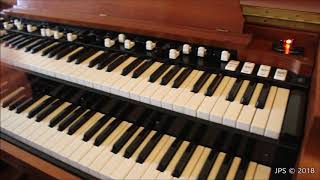
The Hammond B3 Series: How to operate a Hammond B3 and Leslie (also B2, C2, C3)

ThePianoforever
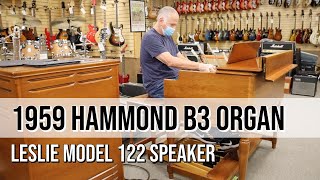
1959 Hammond B3 Organ with a Leslie Model 122 Speaker | NORM'S NEW TOY at Norman's Rare Guitars

Normans Rare Guitars
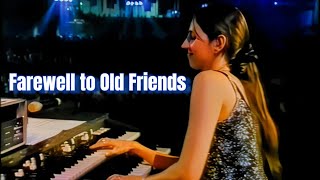
Barbara Dennerlein Wows the Crowd with some Hammond B3 Blues at a Jazz Festival

hans1970
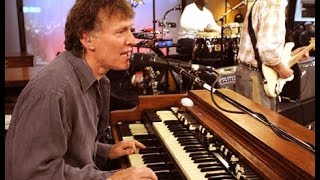
Steve Winwood: Lesson on the Hammond B-3

GNAV TV
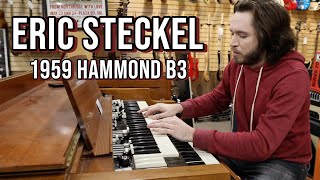
Eric Steckel playing Norm’s 1959 Hammond B3 at Norman’s Rare Guitars
Normans Rare Guitars
Reviews
PROS
-
Unmatched authentic sound, impossible to replicate with synth patches
-
Adds a unique kick and depth to music
-
Versatile across genres from rock to reggae
-
Performs exceptionally well live, especially through a PA system
CONS
Owner Insights
We analyzed real musician discussions from forums and Reddit to find what players love, question, and tweak about Hammond B-3.
Build quality
-
Original Hammond tonewheels rely on precise magnetic field interactions, with 91 steel tonewheels made to very tight tolerances that current technology struggles to replicate.
Source -
B-3 organs have a 27-note radiating pedalboard, centered under the keyboards, distinguishing them from the M-100's 13-pedal straight layout.
Source
Features and functionality
-
The B-3's unique tone comes from its electromechanical design, which modern digital clones cannot fully emulate, despite advanced advertising claims.
Source -
The B-3 boasts two switchable sets of drawbars and 12 presets per 61-note keyboard, significantly enhancing its versatility compared to the M-100's single set for each 49-note keyboard.
Source
User experience
-
Hammond tonewheels are known for their durability, likened to classic cars that continue to run well with proper maintenance.
Source -
Owners note that B-3s are relatively portable for their class, lacking internal amplification and requiring external speakers, unlike the M-100 with its built-in speakers.
Source
Comparisons
-
New digital "clonewheel" organs, like the UAD Waterfall B3, offer impressive emulation but lack the authentic analog sound of original B-3s.
Source -
M-100 series organs are classified as spinet organs with different electronics, impacting sound depth compared to the B-3's rich tonal output.
Source -
The A100, C3, D152, and RT-3 share the same tone generator as the B-3, offering nearly identical sound, but differ in features like internal speakers or pedal boards.
Source -
T-series organs, while having tonewheel generators and vibrato scanners, diverge from B-3 sound due to solid-state amps.
Source
Use cases and applications
-
In smaller bands, a clonewheel with a real Leslie speaker provides a practical alternative to the full original setup.
Source -
M3 organs, despite limitations like missing "scream" foldback and preset drawbars, are favored for recording, especially with custom setups like external tube preamps and power soaks.
Source
Value and pricing
-
New B-3 Mk2 organs are priced around $27k, highlighting their premium status compared to buying vintage models.
Source
Setup and maintenance
-
B-3s in “good condition” often undergo extensive professional maintenance, including standard rebuilds like re-capping tone generators, which is typically not the case for M-100 models.
Source
Critic Reviews
5.0 out of 5
Based on 4 Reviews and 23 Ratings

2423
great organ
Pat plays one on live versions of Polly (Nirvana Cover), our cover of Bob Marley's "Exodus", our cover of "Johnny B. Goode" (Peter Tosh style), our cover of Eric Clapton's "Cocaine", and our song "Uptown Boogie Woogie during a Bomb Cyclone in the Key of Ab Minor". Recommend if you can afford it.

75
nothing to say if you know what it is.. you just know
has to be loved on but I have never found a sample that can match the real thing...

B3's are one of the greatest instruments ever invented.
B3's are one of the greatest instruments ever invented. B3's are one of the greatest instruments ever invented. B3's are one of the greatest instruments ever invented. B3's are one of the greatest instruments ever invented.

Artist usage
Add artist

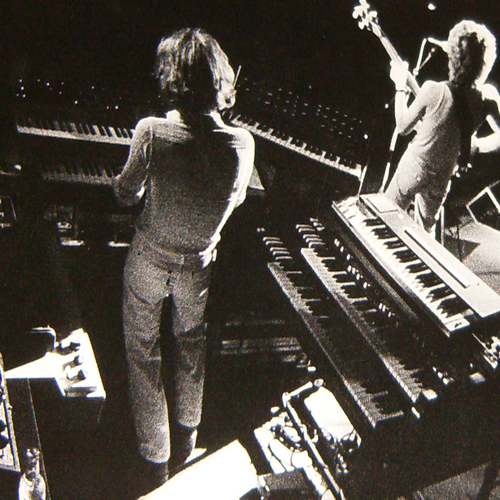
In this image, Vangelis can be seen at Nemo Studios surrounded with studio equipment, including a Hammond B3.


Mentioned in this November 23, 2017 Premier Guitar interview.
Are your guitars recorded direct to the board or do you have guitar amps and effects set up in your studio as well?
I got amps and I got direct. I got the old 50-watt Ampeg with the two 12s. I mean, you name it. The old Epiphone, the old Gibson, the old Fender Twin Reverb—all that old stuff, I got it. I got the B-3 organ. I mean, fully blown. Musicians come in and have a field day. It’s like having a studio with things you can touch. These are things you can actually get on and play. And I don’t care what era a musician was brought up in, when he’s able to sit down, jam, mess around, and experiment—when he can do that—that’s when he fully gets a chance to open up with his own self-expression and beat it out of himself. I think it’s very important to be able to beat it out, because otherwise you sit there and play with yourself. And I just don’t like playing with myself like that [laughs].


In this video Cory Henry can be seen playing a Hammond B3 organ.


The bass pedals were used for the bassline of "Hang On St. Christopher" and "Straight to the Top (Rhumba)", as documented on this page from the website Tom Waits Library.
TW (1987): "Little Jamaican shoeshine music, there (Hang On St. Christopher). Kind of a depraved Vaudeville train announcer. Ummm. . . It was really great to see Bill Schimmel, classically trained at Juilliard, on his hands and knees, playing the pedals of the B-3 organ with his fists. Working up a sweat. It was worth it just for that. Has kind of a little bit of a North African horn action going on --- that's Ralph Carney and Greg Cohen." (Source: "From the set of Ironweed, Tom Waits talks with Rip Rense" New York Post: Rip Rense. Early 1987)
MR (1987): "Cohorts include guitarist Marc Ribot, percussionist Michael Blair, bassist and horn arranger Greg Cohen, Ralph Camey on saxophone and William Schimmel on a variety of equipment, from accordion to Leslie bass pedals. Waits' instruments include pump organ, guitar, mellotron, even something called the optigon." (Source: "Tom Waits is flying upside down (on purpose)" Musician: Mark Rowland. October, 1987)
TW (1987): "I want to take the Leslie bass pedals and raise them up to a kitchen table so you can play them with your fists (on stage). Which is what we did in the studio on "Hang On St. Christopher."* I'm trying to put together the right way of seeing the music. I worry about these things. If I didn't, it would be easier.*" (Source: "Tom Waits is flying upside down (on purpose)" Musician: Mark Rowland. October, 1987)
Q (1987): Still, a bassline played using the footpedals of a Hammond organ? TW: "I used upright bass for so long, it's hard for me to find an electric bass that I like," he explains. "So that was the closest I could get. It's like a drum with a note in it, you know, real fat and out of focus. Bill Schimmel, the accordion player, played them with his hands. I'm thinking of taking them on the road and raising them to the level of a marimba." (Source: "Better Waits Than Ever" Music & Sound Output: Bill Forman. Vol. 7, No. 11. October, 1987)
TW (1987): "Things that happened in those sessions were really good. Especially when people were playing instruments they weren't familiar with. I had Ralph Carney, the sax player, on several cuts where he played three saxes at once. And then Bill Schimmel playing the pedals, Greg Cohen playing alto horn... Sometimes approaching an instrument you're unfamiliar with, the discovery process is good."(Source: "Better Waits Than Ever" Music & Sound Output: Bill Forman. Vol. 7, No. 11. October, 1987)


In 1971, Ray acquires a Hammond B3 Portable Organ (a Bill Beer "chop") for use on the Post-Morrison tours. He can be seen playing it during the band's appearances on Beat-Club and The Old Grey Whistle Test. It becomes his main touring instrument along with the Fender Rhodes Electric Piano through 1972.


In his YouTube video "TOP 20 KEYBOARD INTROS OF ALL TIME," Rick Beato features the Hammond B-3, showcasing its use in several of his videos.


"As the band exploded into the opening notes, Steve Winwood, seated behind his famous Hammond B3 organ"
Steven Dandick The Space at Westbury / Westbury, NY Live Show Reviews | May 29th, 2015

In this video, Jon Lord talks about his Hammond B3. These are the most common drawbar settings (for "the beast" sound):
- The first four (lower) drawbars near maximum or maximum
- The last two (higher) drawbars on 1, 2 or 3, depending on the amplification and acoustics of the environment.
- Al the other 3 middle drawbars on minimum or mute.
It would be something like (in values): 888800022

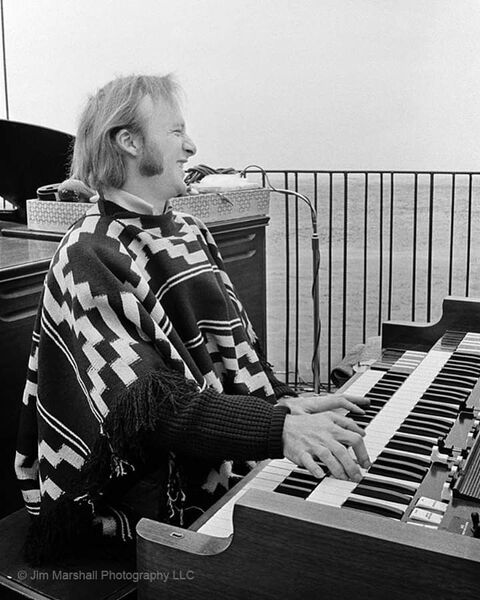
In this photo, Stephen Stills can be seen playing a Hammond B3 organ. The B3 was Stills's most frequently used keyboard.

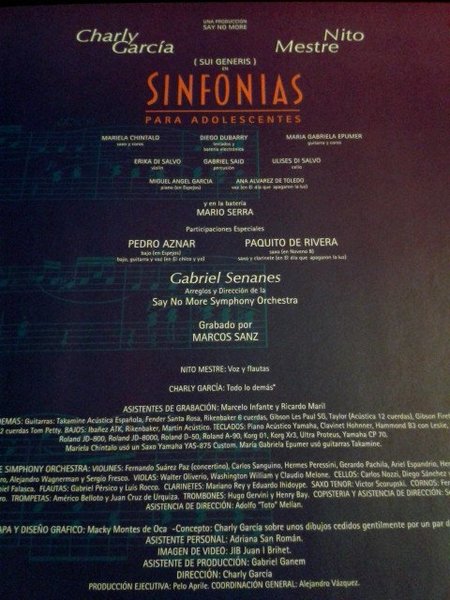
In the inner booklet of "Sinfonía para adolescentes," Charly García is listed as playing the Hammond B-3 organ.


Album Usage
The Hammond B-3 has been featured on the following albums:

Green Onions (62’ Onions Cut)
Booker T. Jones (2025)
A Charlie Brown Christmas (2022 Mix)
Vince Guaraldi Trio (2022)
Chunks & Chairknobs
Jon Herington & Jim Beard (2019)

Hasta la Raíz (Edición Especial)
Natalia Lafourcade (2015)
![Hammond B-3 as heard on A Charlie Brown Christmas [2012 Remastered & Expanded Edition] by Vince Guaraldi Trio (2012)](https://images.equipboard.com/uploads/album/image/238904/a-charlie-brown-christmas-2012-remastered-expanded-edition.jpg)
A Charlie Brown Christmas [2012 Remastered & Expanded Edition]
Vince Guaraldi Trio (2012)
Audio, Video, Disco.
Justice (2011)
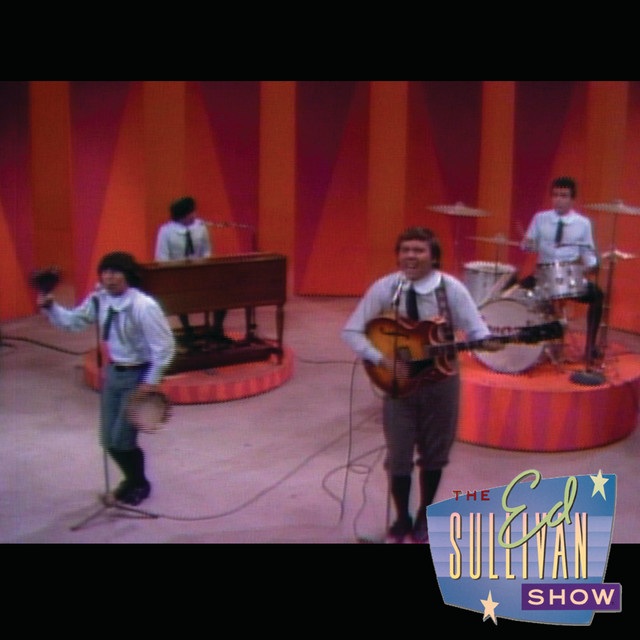
Good Lovin' (Performed live on The Ed Sullivan Show/1966)
The Rascals (2010)
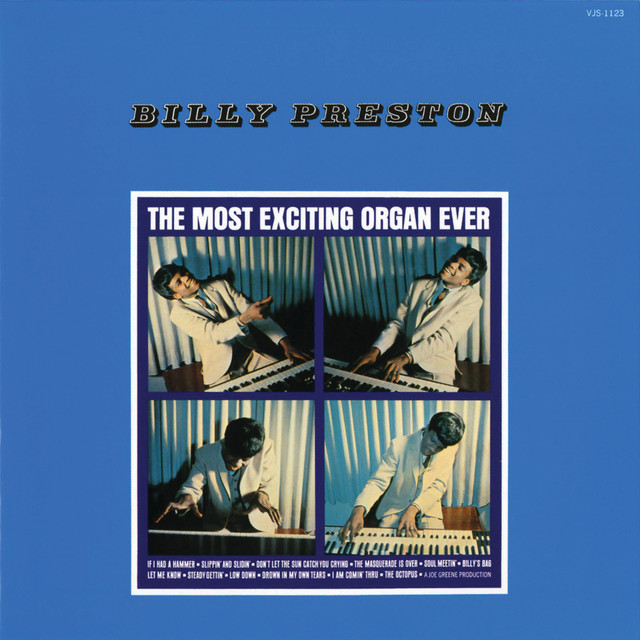
The Most Exciting Organ Ever
Billy Preston (2007)
Descended Like Vultures
Rogue Wave (2005)
The Beekeeper
Tori Amos (2005)

Sinfonía Para Adolescentes
Sui Generis (2000)
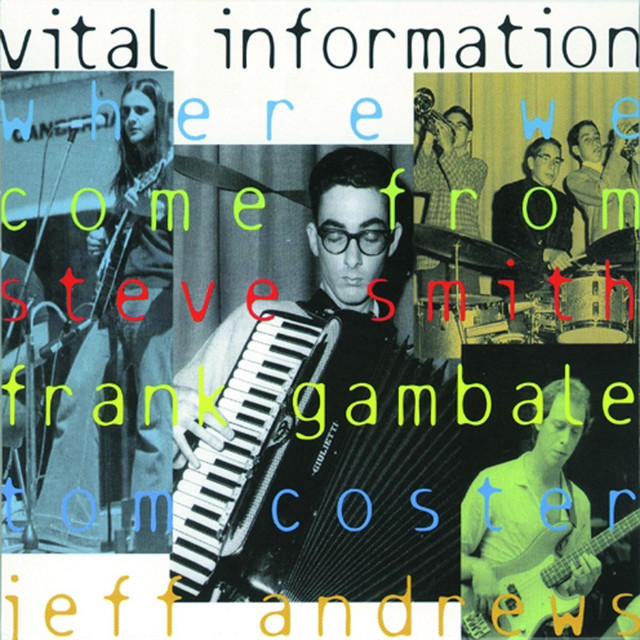
Where We Come From
Vital Information (1998)

Bringing Down The Horse
The Wallflowers (1996)
Four
Blues Traveler (1994)
The Wallflowers
The Wallflowers (1992)
Shake Your Money Maker
The Black Crowes (1990)
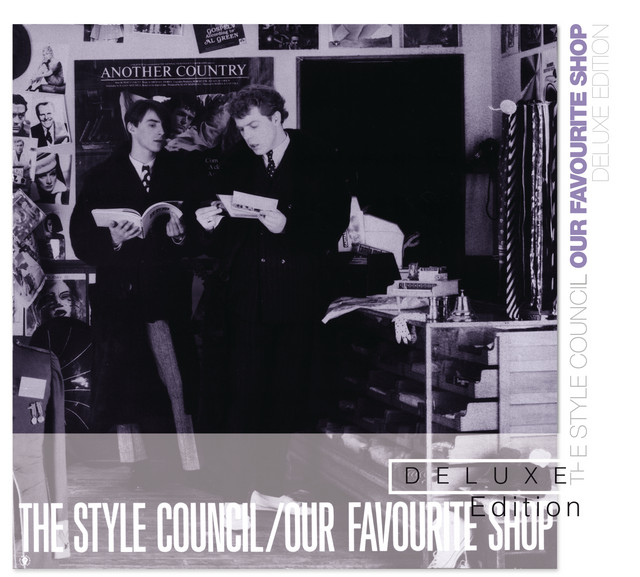
Our Favourite Shop
The Style Council (1985)
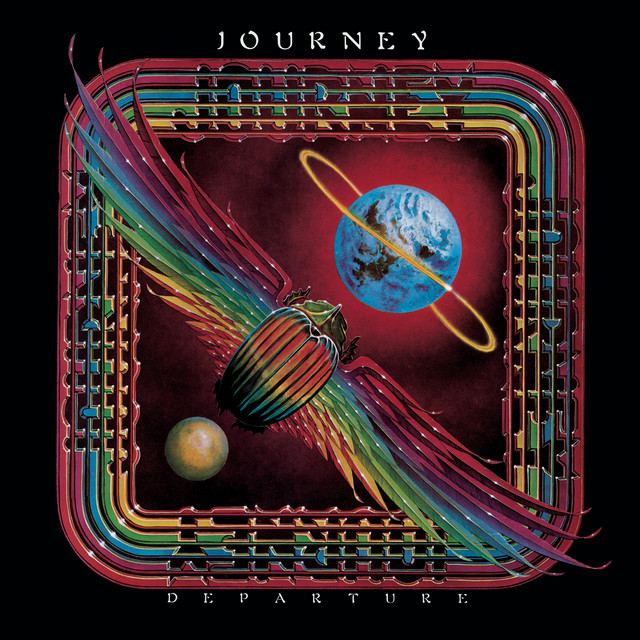
Departure
Journey (1980)
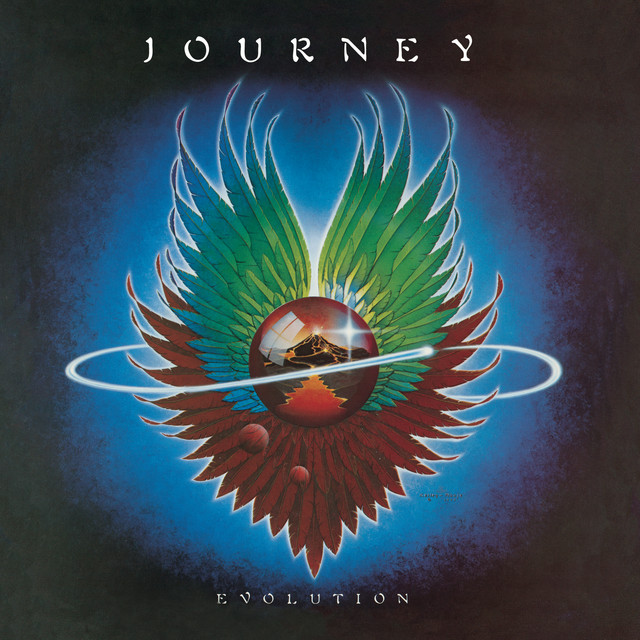
Evolution
Journey (1979)
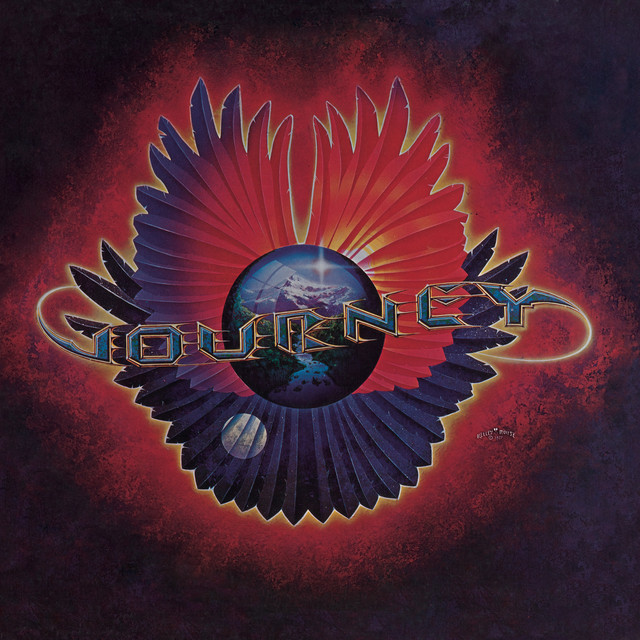
Infinity
Journey (1978)
The Grand Illusion
Styx (1977)
Next
Journey (1977)
One More From The Road (Live / Deluxe Edition)
Lynyrd Skynyrd (1976)
Look Into The Future
Journey (1976)
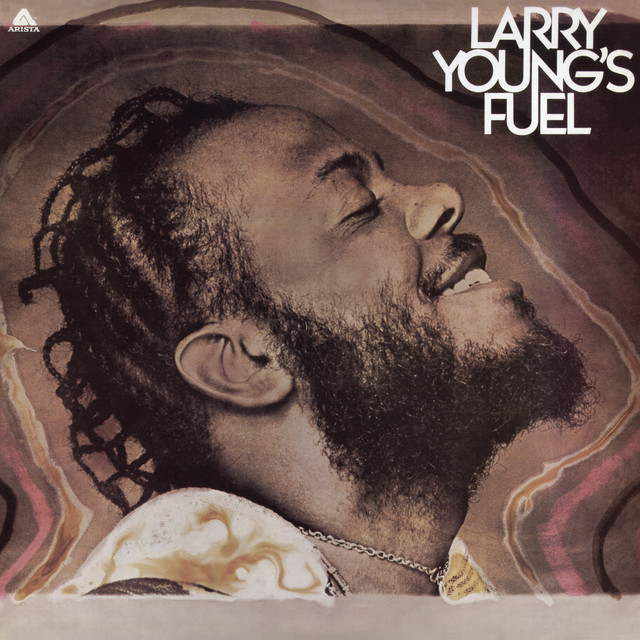
Larry Young's Fuel
Larry Young (1975)
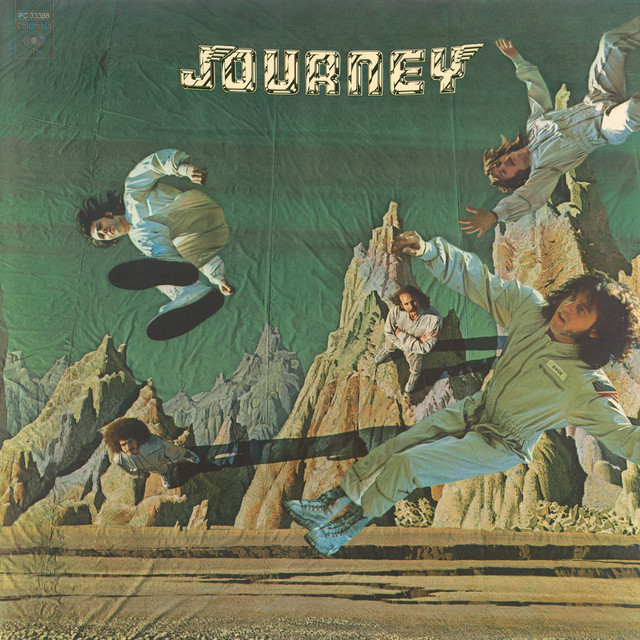
Journey
Journey (1975)
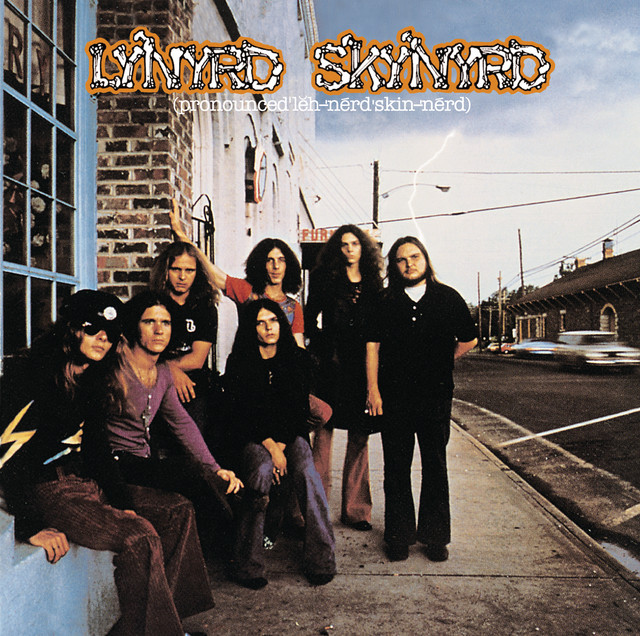
Pronounced 'Leh-'Nérd 'Skin-'Nérd (Expanded Edition)
Lynyrd Skynyrd (1973)
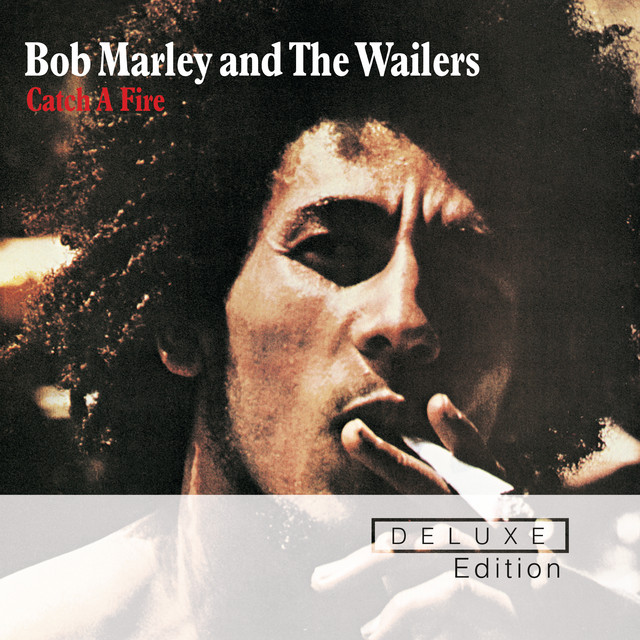
Catch A Fire
Bob Marley & The Wailers (1973)
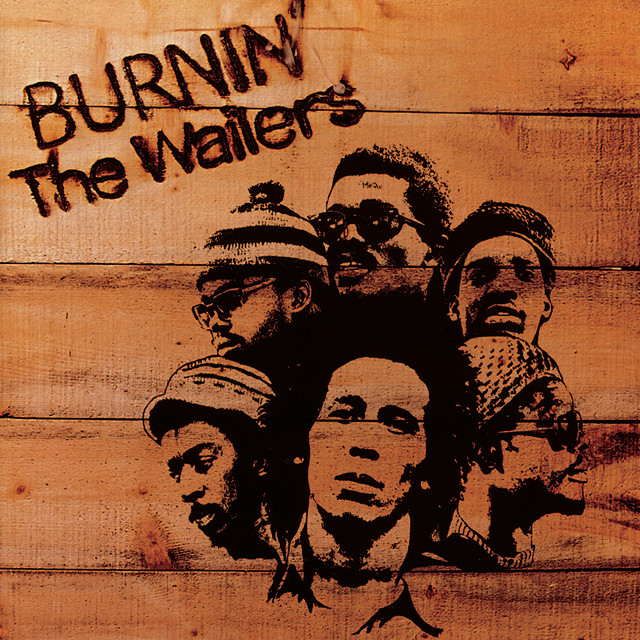
Burnin'
Bob Marley & The Wailers (1973)
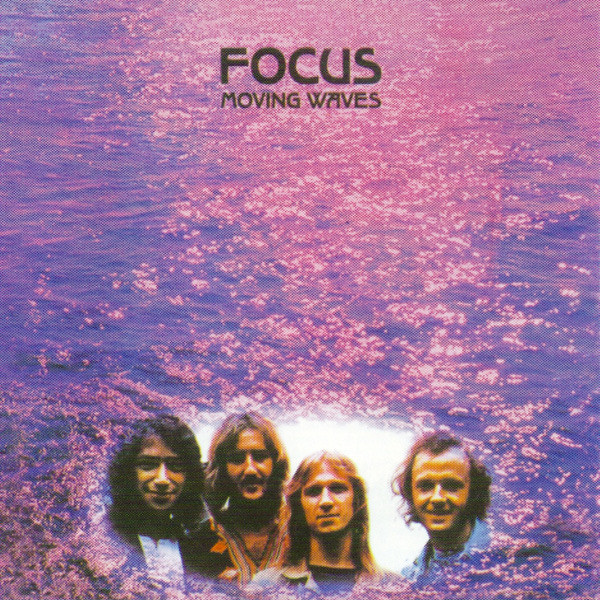
Moving Waves
Focus (1971)
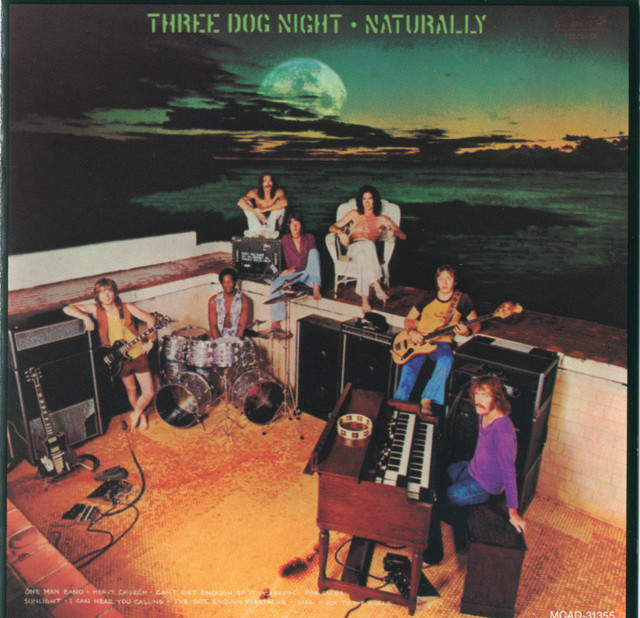
Naturally
Three Dog Night (1970)
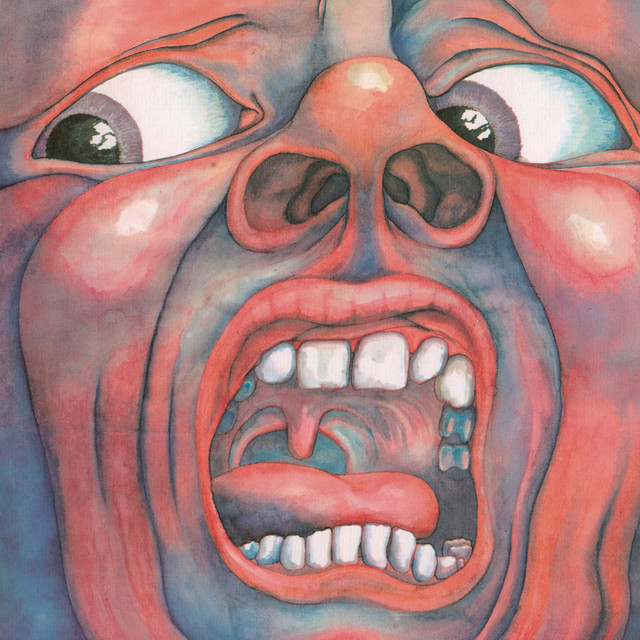
In The Court Of The Crimson King (Expanded & Remastered Original Album Mix)
King Crimson (1969)
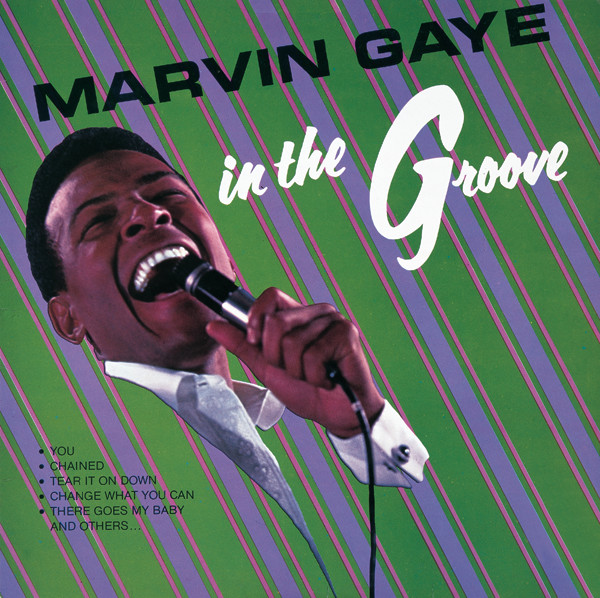
In The Groove
Marvin Gaye (1968)
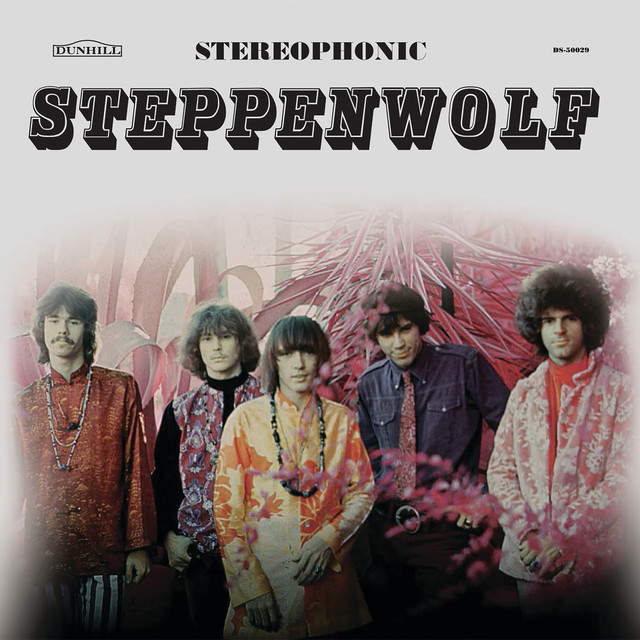
Steppenwolf
Steppenwolf (1968)
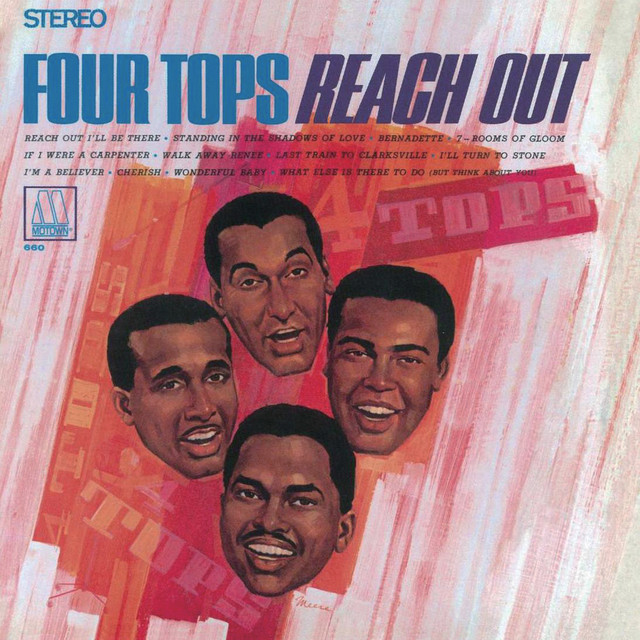
Reach Out
Four Tops (1967)
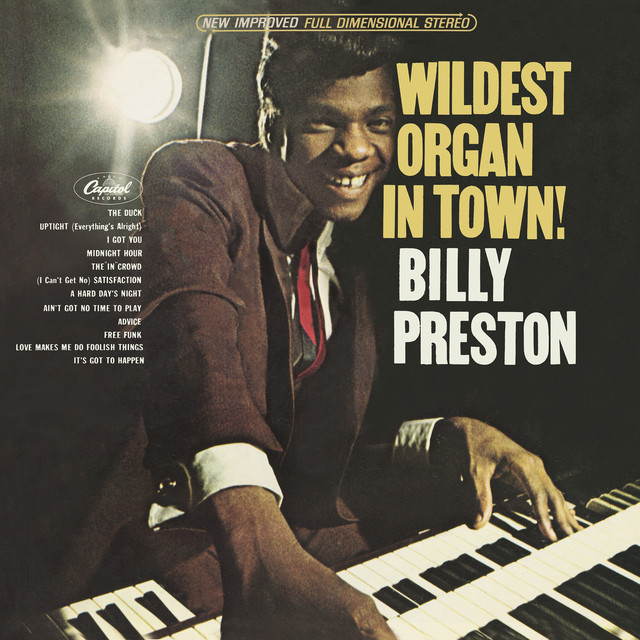
Wildest Organ In Town!
Billy Preston (1966)
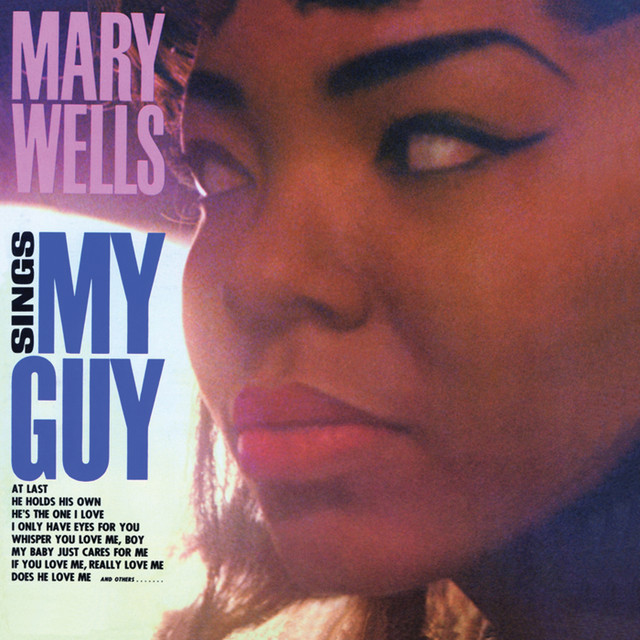
Mary Wells Sings My Guy
Mary Wells (1964)
Genre Usage
Based on how artists on Equipboard use this gear, it is most commonly found in the following genres.
Used With
Based on how musicians on Equipboard use Hammond B-3, it is most commonly used with the following gear.


Community setups
Show yours

More Hammond Organs

$3,179.29 - $3,900.00
in Organs Rank


$2,599.00 - $2,995.00
in Organs Rank


$3,900.00 - $10,320.00
in Organs Rank


$350.74 - $941.12
in Organs Rank


$1,160.71
in Organs Rank


$2,155.00 - $2,495.00
in Organs Rank

$3,179.29 - $10,320.00
in Organs Rank


$239.00 - $3,995.00
in Organs Rank


.png?v=1783265543)


$7,295.00 - $8,790.00
in Organs Rank


.jpeg?v=1783065966)


Accessories & Related Items




Similar


Most Popular Organs
Most Popular Brands
-
Added to Equipboard on by
Mmuzik4machinesGear IQ 359
-


