Mark Mothersbaugh
Role
Genre
Group
Role
Genre
Group
Mark Mothersbaugh's Gear

-m.webp?v=1784790553)
Mark almost exclusively used Fender Telecasters which he liked to duct tape his pedals to. This choice was not only aesthetic but practical as well as he can often be seen twiddling the knobs on the pedals while playing. He played what seemed to be a stock Telecaster in the “Satisfaction” video with what appears to be an Electro-Harmonix Frequency Analyzer mounted on the body though it looks like at times he had up to three pedals. Live footage of Devo in Japan in 1979 also shows Mark playing what appears to be a different Telecaster modified with a humbucker in the neck position.
Find it on:


Mentioned in this May 1, 2011 Mix Online interview and this January 4, 2012 live performance.
Mark Mothersbaugh’s keyboard rig comprises a Korg microKORG synth, a Moog Voyager and his original Minimoog. Keyboard tech Cris Callans breaks down the signal flow: “The Korg micro outputs a stereo signal to a stereo direct box. The Voyager and Minimoog output is mono into a Whirlwind A/B box. Output of that is routed to a Dunlop Dimebag Crybaby From Hell wah to Boss DS-1 distortion pedal to Boss DD-20 delay. Output of the delay is inputted to a Whirwhind DI."
Find it on:


In this video Mark Mothersbaugh is playing the DEVO song Patterns on an Omnichord OM-27
Find it on:

Mark Mothersbaugh is shown using the Moog Memorymoog synthesizer at the 1:10 mark in the article "Vintage Synthesizer Pr0n: The Gear of Devo's Mark Mothersbaugh" by Alan Cross on A Journal of Musical Things.
Find it on:

At 10:09, shown in the basement of Mutato Muzika. Mark has said that he really doesn't like this synthesizer, and couldn't really get much out of it other than the whip crack sound on "Whip It" and the "engine sound" on "Freedom of Choice" (although it toured with Devo during the 1979 and 1980 tours)
Find it on:

Mark Mothersbaugh uses the Fender '68 Custom Twin Reverb amplifier, a piece so coveted that both Keith Richards and Eric Clapton have attempted to purchase it from him. This information is detailed in a YouTube video.
Find it on:

"Mark Motherbaugh's keyboard rig comprises a Korg microKORG synth, a Moog Voyager and original Minimoog."
Find it on:


In "The Pointless History of DEVO's Satisfaction Guitar," at 6:28, it is confirmed that Mark's current black, left-handed Strat is a Squire, not a Fender. The logo on the headstock is covered, or "greeked" in industry parlance, to avoid any appearance of a paid manufacturer endorsement. Without a visible logo, his Squire is indistinguishable from a Fender for all intents and purposes.
The New York Times' article, "Devo's Future Came True," [https://www.nytimes.com/2023/10/12/arts/music/devo-mothersbaugh-casale.html], features many high quality photographs of DEVO throughout their long career. Among these photos is one photo of Mark and Gerry (and presumably the rest of the band) playing at Lollapalooza 1996, credited to Jim Steinfeldt/Michael Ochs Archives, via Getty Images. The Squire logo is clearly and plainly visible on Mark's guitar's headstock. As he is on record as having owned only one black, left-handed Strat, we most logically conclude that Mark's black, left-handed Strat is a Squire, not a Fender.
I suppose this requires that this entry be deleted and re-entered under the correct title of "Squire Stratocaster Electric Guitar," but this is beyond my limited knowledge of the mechanics and processes behind Equipboard.
Find it on:


Pictured: Mark's main Minimoog, with his performance notes plastered all over it.
The Minimoog Model D was one of Mark's main synthesizers for most of DEVO's career. It can be seen as early as 1973 (back when DEVO were called "Sextet Devo"). At some point in the mid-1970s, Mark had his Minimoog modified with a reverse sawtooth wave so that he could do the ascending sound in "Smart Patrol/Mr. DNA". It remained in their performance synthesizer lineup until 1980. For New Traditionalists and Oh No! It's Devo, it was briefly replaced by a Moog Source. It was not seen on stage until 1990, when it was needed to play "Smart Patrol/Mr. DNA". When the band reunited in 1996 (after breaking up in 1991), Mark began using this Minimoog along with a second one. It stayed that way until about 2006, when the main Minimoog was replaced with a Minimoog Voyager (the secondary Minimoog remains in use on the bottom of his keyboard stand; it's used for songs like "Don't Shoot, I'm A Man").
Find it on:

"I kind of reluctantly went over to [MOTU] Digital Performer, and it was really difficult for me to go from Vision to Digital Performer at first."
Find it on:

"The down side of technology, and having lots of it and collecting lots of it, is that you tend to not make up your own sounds any more, because it's easier. When I first noticed it was happening to me was with the DX7. I was really lousy at trying to program a DX7 when they first came out, and I ended up falling back on the pre?programmed sounds, and that's when I realised that I was being told what colours to use, what palette to use, by tech people somewhere in Japan."
Find it on:

Mark Mothersbaugh’s keyboard rig comprises a Korg microKORG synth, a Moog Voyager and his original Minimoog. Keyboard tech Cris Callans breaks down the signal flow: “The Korg micro outputs a stereo signal to a stereo direct box. The Voyager and Minimoog output is mono into a Whirlwind A/B box. Output of that is routed to a Dunlop Dimebag Crybaby From Hell wah to Boss DS-1 distortion pedal to Boss DD-20 delay. Output of the delay is inputted to a Whirwhind DI."
Find it on:

Visible in this 2018 photo. It is also mentioned on page 30 of Keyboard Presents the Best of The '80s The Artists, Instruments and Techniques of an Era.
At one time we used Electro-Harmonix frequency analyzers on every instrument and voice. It was one of those things that came out for guitar players, and nobody liked them. It wasn't like a wah-wah or fuzz; it just destroyed the pitch and made everything you played sound weird.
Find it on:

Seen throughout the performance, Mark uses the DX100 for various lead sounds, one example is at 30:07, during Going Under, where he uses the DX100 as a keytar.
Find it on:

The Ondioline is seen at 4:50 in the video. Mark explains that while Devo was writing the Freedom of Choice album, they were rehersing in a store with painted windows, next door to Pink Floyd, who were rehearsing for an upcoming tour. Pink Floyd discarded the Ondioline, where Mark found it later. Notes from Pink Floyd remain on the instrument.
Find it on:

Seen at 3:03. Mark used it for practicing in hotel rooms because of the Sonic Six's compact, all in one, luggage style design.
Find it on:

In this 1979 video, Mark (in costume as Booji Boy) plays a Wasp during "The Words Get Stuck In My Throat". This Wasp was later used by Jerry Casale for synth bass on the Duty Now For The Future tour.
Find it on:

Around 31:00, Mark is talking about Raymond Scott and his electronium, telling the story of how he took possession of it.
Find it on:

Mark using his Odyssey Rev3 in 1980. Mark used this model Odyssey on the 1979 and 1980 tours. On the 1980 tour, two Odyssey Rev3s were used (see https://youtu.be/l1bNh-9Nj7U, around the 2:50 mark). The Odyssey shown in the image broke down in such a way that it produced sounds that you couldn't get out of it any other way. Devo used this to their advantage in songs such as "Gates of Steel" and "Pink Pussycat". They even had their technicians make sure it stayed broken so they could play such songs.
Find it on:

Mark is seen here with an ARP Odyssey Rev2 in this photo from 1976. This Odyssey appears to be a 1975 or 1976 model, since it is a MK2, but it doesn't have the CV/Gate inputs/outputs. This Odyssey was in use from 1975 or 1976 until 1979, when it was replaced with an Odyssey Rev3.
Find it on:

Mark and Jerry Casale are sitting in front of their Fairlight IIx in this video from 1984. The Fairlight IIx was used all over DEVO's 1984 album Shout (the album is almost completely composed of the factory sounds that came with the Fairlight), as well as TotalDevo from 1988 (although its use isn't near as prominent as it is on Shout; it was mainly used for sequencing). It can be heard on Mark's solo album Muzik for Insomniaks, released in 1988. The IIx sound "SWANEE" was used by Mothersbaugh in the theme song to the long-running Nickelodeon series Rugrats.
Find it on:

Pictured is Mark playing around with his EML 101 (connected to an EML PolyBox), sometime around 1978. I'm not sure if this made it onto any Devo recordings.
Find it on:

In this 1989 interview, Mark says the following about Plain Truth from Total Devo: "The opening percussive sound on that track is a combination of a Fairlight gamelan sample and something on a JX3P."
Find it on:

Mark Mothersbaugh is associated with the Oberheim TVS-1 Two Voice synthesizer, famously used in the soundtrack of "The Life Aquatic." This connection is demonstrated in a YouTube video.
Find it on:

In a YouTube video, Mark Mothersbaugh is seen using the Octave CAT synthesizer, a model known for its similarities to the ARP Odyssey, which led to legal action by ARP Synthesizers.
Find it on:

Has a yellow 5 piece 1 bass drum, 1 snare drum, two rack toms and one floor tom version of this kit.
Find it on:


-m.webp?v=1784818679)
"Mark Motherbaugh's keyboard rig comprises a Korg microKORG synth, a Moog Voyager and original Minimoog."
Find it on:

"I used to use [Opcode Studio] Vision for a really long time, and then when Gibson bought Vision and they shut it down, I went into a panic."
Find it on:
-m.webp?v=1784455238)
Reason is listed among the software used by Mark in his studio.
Find it on:

This is a community-built gear list for Mark Mothersbaugh.
- Find relevant music gear like Microphones, Guitars, Amplifiers, Effects Pedals, Pianos, Keyboards and Synthesizers, Software Plugins and VSTs, Instruments, and other instruments and add it to Mark Mothersbaugh.
- The best places to look for gear usage are typically on the artist's social media, YouTube, live performance images, and interviews.
- To receive email updates when Mark Mothersbaugh is seen with new gear, follow the artist.
Discography
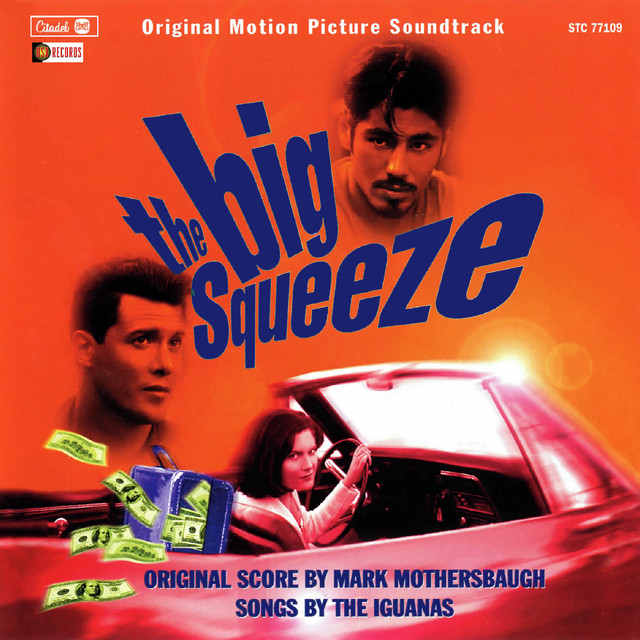
The Big Squeeze (Original Motion Picture Soundtrack)
1996
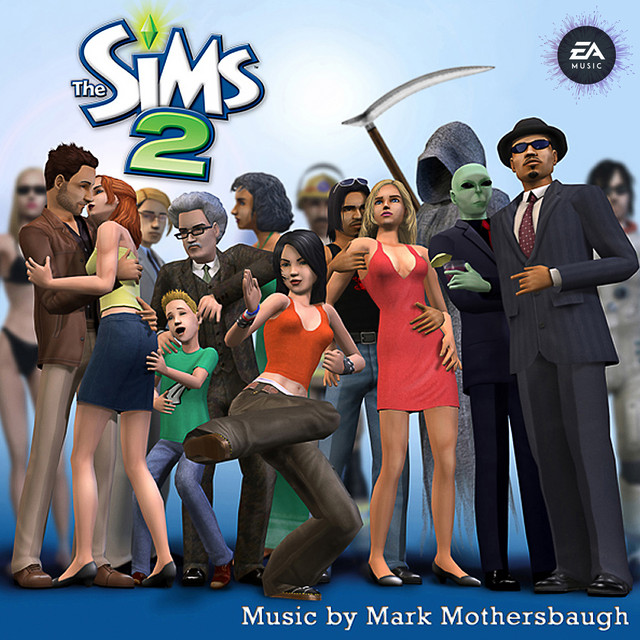
The Sims 2 (Original Soundtrack)
2005
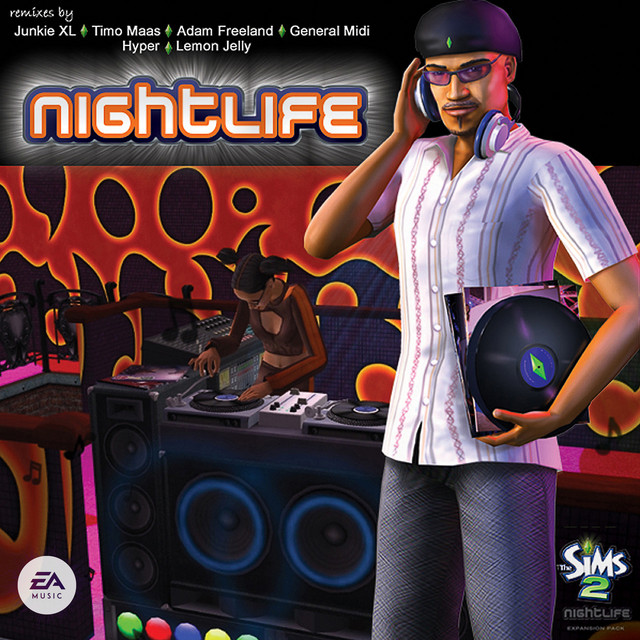
The Sims 2: Nightlife (Remixes) (Original Soundtrack)
2005
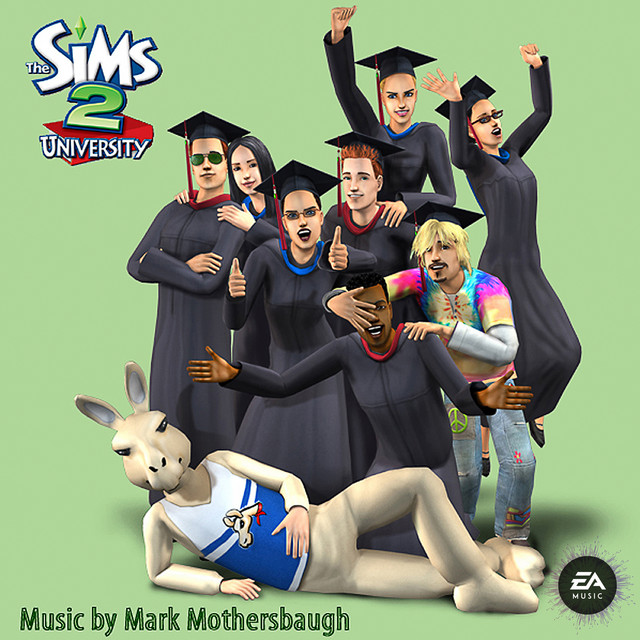
The Sims 2: University (Original Soundtrack)
2005
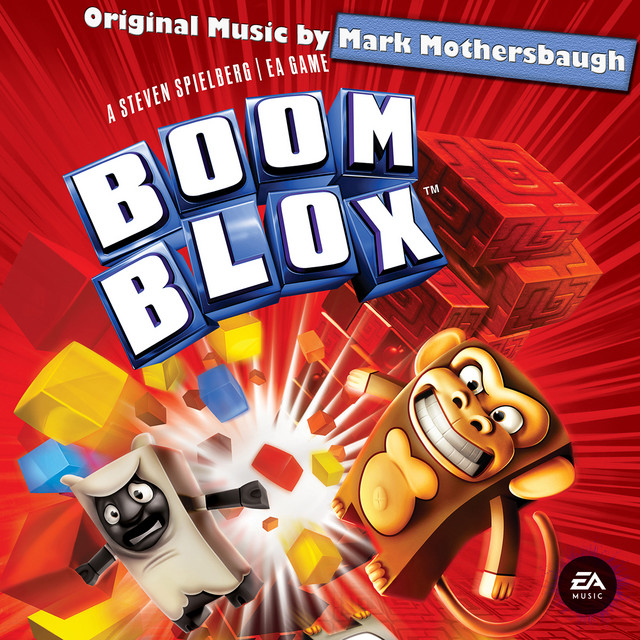
Boom Blox (Original Soundtrack)
2008
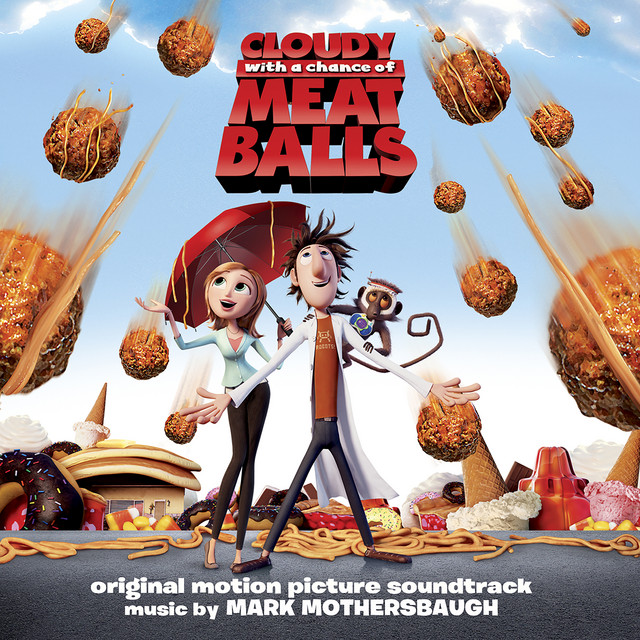
Cloudy with a Chance of Meatballs (Original Motion Picture Soundtrack)
2009
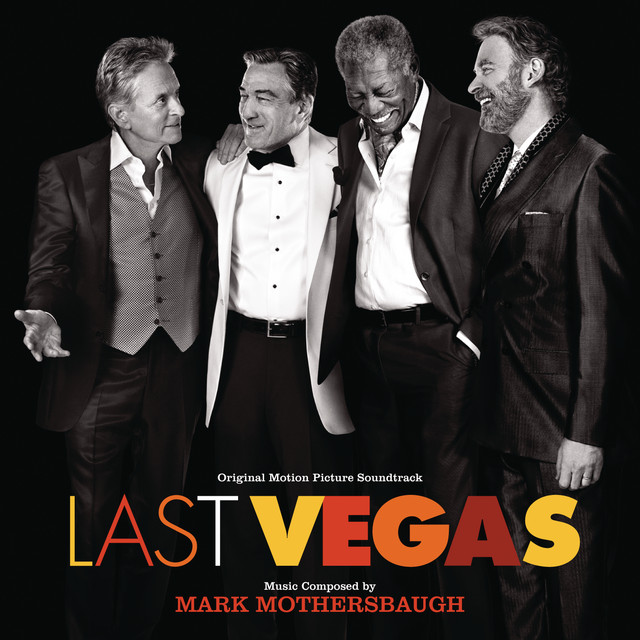
Last Vegas (Original Motion Picture Soundtrack)
2013
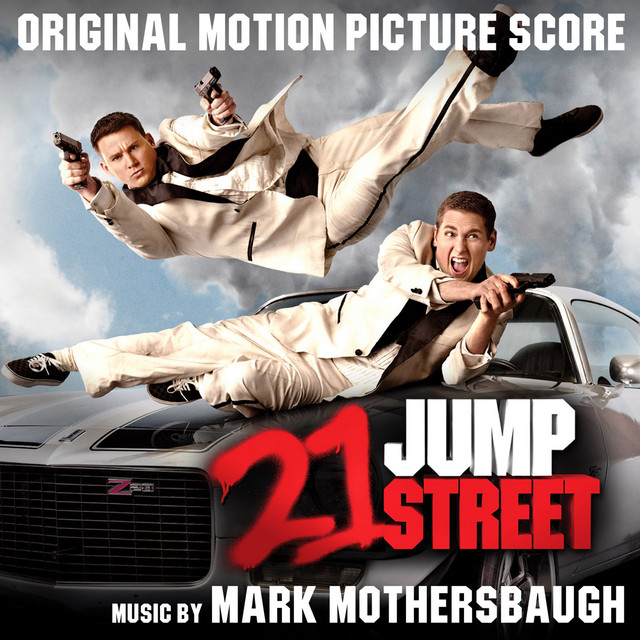
21 Jump Street (Original Motion Picture Score)
2014
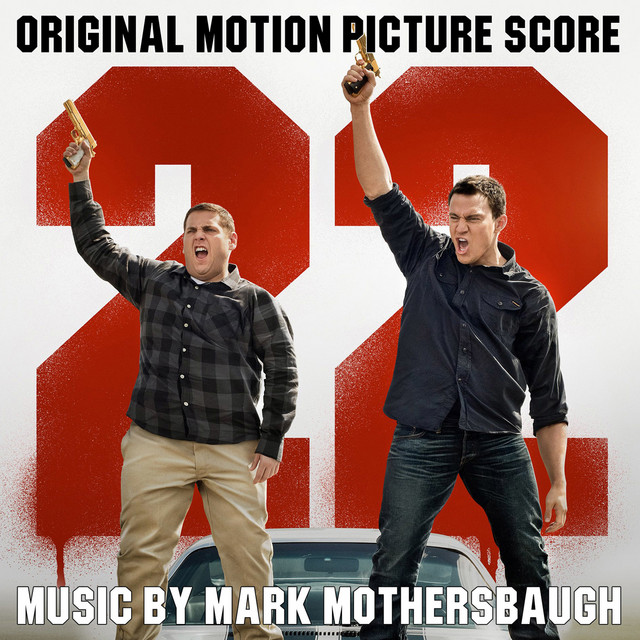
22 Jump Street (Original Motion Picture Score)
2014
Mutant Flora
2017
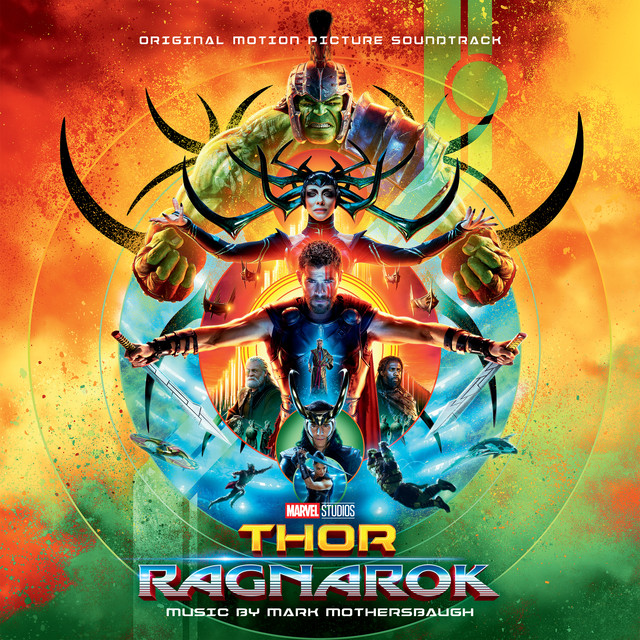
Thor: Ragnarok (Original Motion Picture Soundtrack)
2017
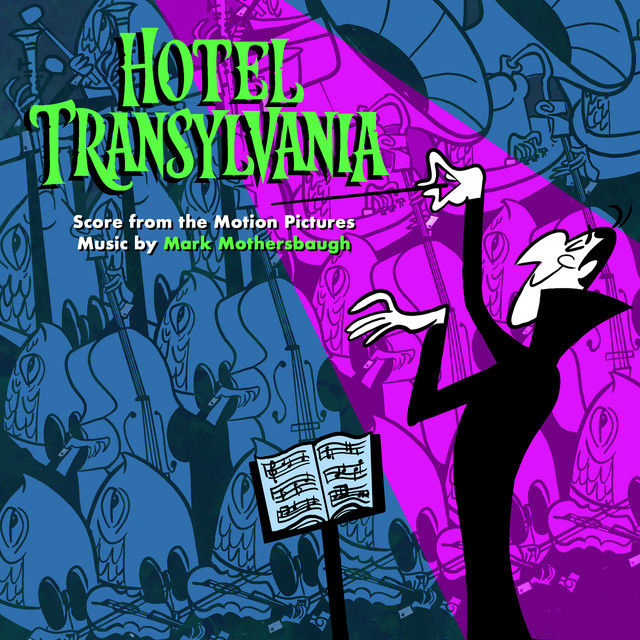
Hotel Transylvania: Score from the Motion Pictures
2018
Album Credits
-
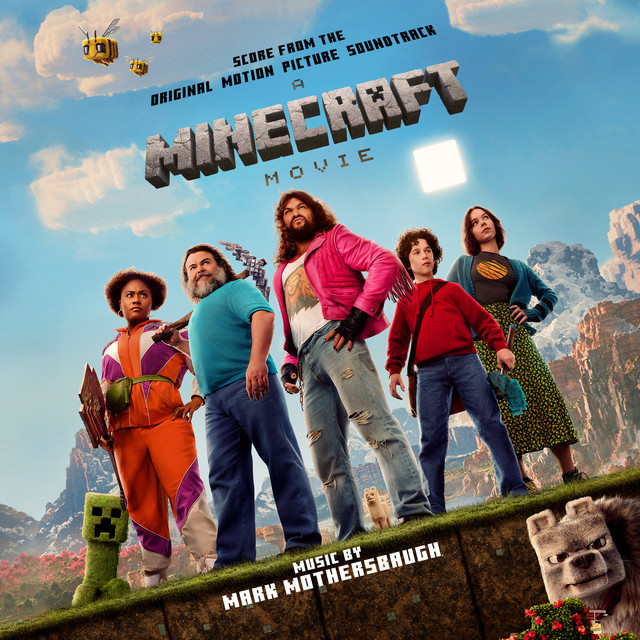
A Minecraft Movie (Score from the Original Motion Picture Soundtrack)
Mark Mothersbaugh · 2025
Producer -
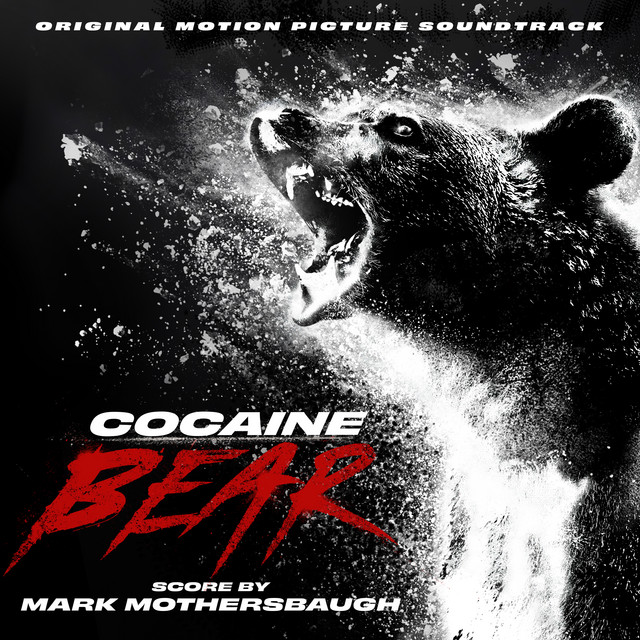
Cocaine Bear (Original Motion Picture Soundtrack)
Mark Mothersbaugh · 2023
Producer -
Cloudy with a Chance of Meatballs (Original Motion Picture Soundtrack)
Mark Mothersbaugh · 2009
Producer -
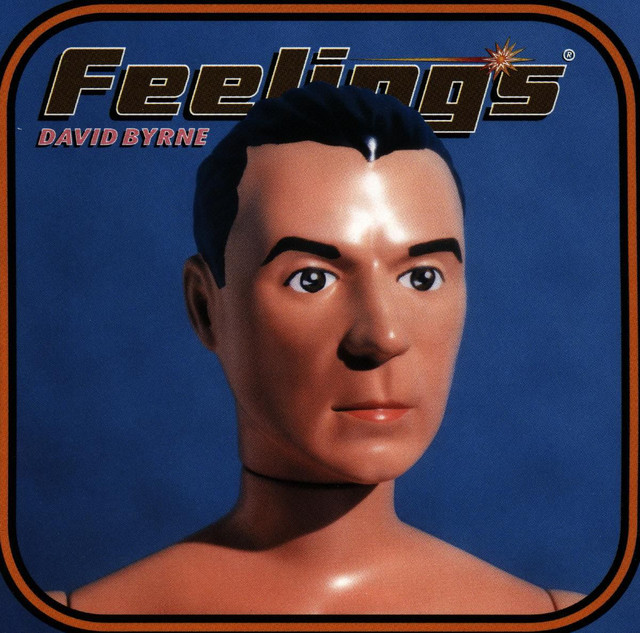
David Byrne · 1997
Producer