Table of Contents

Equipboard
Equipboard is the world's largest community of artists and their gear. Read our review process.
We are reader-supported. When you buy through links on our site, we may earn an affiliate commission. Learn more.
Our Picks

Dunlop 535Q Cry Baby Multi-Wah
The Dunlop 535Q is a proven wah pedal with unparalleled versatility for the price. It has a frequency range selector, adjustable Q, and a boost selector to let you customize your tone.
Read more


Based on the legendary 1960s pedal with modern updates like a buffered input jack and AC compatability, this pedal is a classically voiced quintessential wah pedal.
Read more

The Dunlop MC404 CAE Dual Inductor Wah is like having two wahs in one, and the high-end internal components give it a more boutique feel. If you're after the two distinct tones provided by the dual inductors, this is the wah for you.
Read more

Morley Steve Vai Bad Horsie 2 Contour Wah Pedal
Not just for Steve Vai fans, the Morley Bad Horsie 2 will appeal to guitarists looking for something a little different and more modern. The switchless design makes it stand out from the competition.
Read more
-l.webp?v=1784611857)
The Dunlop Original Cry Baby by Dunlop is a classic. You sacrifice true bypass and some versatility, but its budget-friendly price tag makes it very attainable.
Read more
This three-in-one pedal is the Mercedez-Benz of wah pedals, with options to sound like a 60s Vox wah all the way to the crazy sounds of the Wacked setting. Polished and solid build quality, great pedal action, and true bypass make it worth the price of admission.
Read more
Dunlop DB-01 Dime Cry Baby From Hell
The Dunlop Dimebag Signature Cry Baby Wah is an great sounding wah that lets players adjust the sweep, frequency band, and a has switchable boost with LEDs.
Read more
Dunlop JC95 Jerry Cantrell Signature Cry Baby
Voiced a bit darker with an emphasized bass range than standard Cry Babys, the Cantrell signature wah is one of the best sounding wahs available.
Read more
BBE WAH Class A Vintage 1967 / Ben Wah
A true bypass wah that features a Halo inductor and adjustable Q range for a very reasonable price.
Read more

Electro-Harmonix Next Step Crying Tone
A wah with no moving parts, the Electro-Harmonix Crying Tone is a unique wah that sounds great.
Read moreFrom Jimi Hendrix to Kirk Hammet, the wah pedal has always been the secret weapon of guitar players looking to bring some extra flavors to their solos.
Dunlop 535Q Cry Baby Multi-Wah
4.5 (201)





Average Price: $161
Standard/Professional
$75
$251+
Budget
Standard
High-end
- Offers 5 different wah settings for versatility
- Includes adjustable Q for tone shaping
- Features optional volume boost
- Can be used with both guitar and bass
- See 6 more
- Some units experienced technical issues or muting
- Difficult to dial in the desired sound without practice
- Knobs could be better marked for easier use
- Boost switch placement may be inconvenient depending on pedalboard setup
- See 6 more
| Power | 9V |
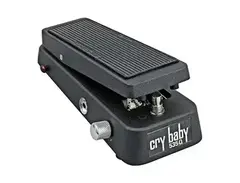
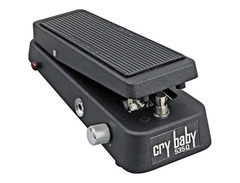
The Dunlop 535Q Cry Baby Multi-Wah pedal is tremendously tonally versatile. If you're looking for a great wah pedal but don't quite know exactly how you're going to use it, and/or you tend to play many different styles from blues to rock to reggae, we would strongly recommend this one.
The knobs, switches, and settings you get with the Dunlop 535Q let you set the pedal up to play a wide range of different styles, making the 535Q one of the most customizable wahs out there.
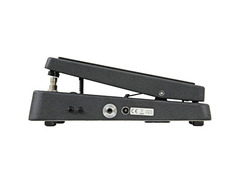
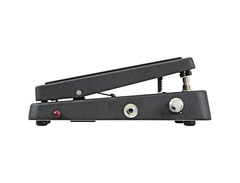
This wah has a built-in boost. If you tap the red switch on the right side of the pedal with your foot, you'll engage (or disengage) the boost, which using a little volume knob on the left side of the pedal lets you set exactly how much boost you want (up to 15dB).
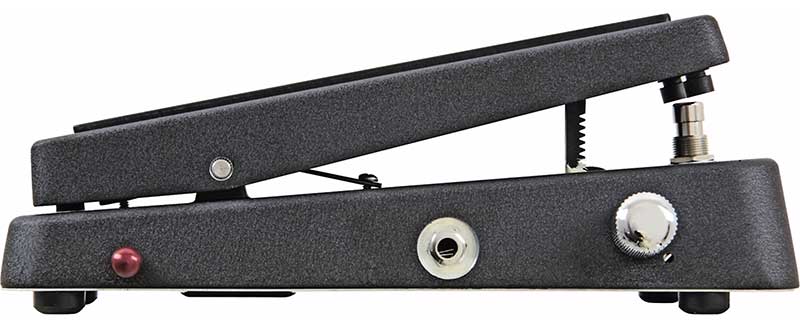
The other small knob next to the boost amount knob is the Q control, which lets you set the width of the wah range. You'll use this in tandem with the large silver knob found on the right side of the pedal. It's a 6 position selector, which lets you determine where the center of the wah range will be within the Q you set.
To hear the full extent of the range of the Dunlop 535Q, set the frequency range selector to position 1 with the Q knob all the way closed, and to hear the other end set the frequency range selector to position 6 with the Q all the way open. Every increment in between tends to be a smaller change.
If you tend to play various styles of music, you will appreciate all the controls the 535Q provides.
Another plus of the Dunlop 535Q Cry Baby is that it's built like a tank. This is truly a workhorse of a pedal, and it's no wonder it's found on pedalboards of pro guitarists everywhere, including Eric Clapton , Buckethead , and Tool's Adam Jones.
If you just want a simple wah, the versatility can be a detractor because it can take a significant amount time figuring out which tone you prefer out of it. However, we love it and will happily devote some time to dialing in our desired tone.
Bottom Line: For someone looking for a wah pedal that can do it all, it's hard to recommend anything other than the Dunlop 535Q Cry Baby Wah. The 535Q is true hardwire bypass, so your tone remains completely unaffected.
See how artists use this





Vox Wah Pedal (General)
4.5 (112)


- Produces natural, less screechy sound compared to competitors
- Versatile, capable of producing unique sounds beyond typical wah
- Recognized for its classic, even tone
- User-friendly, simple operation without complex adjustments
- See 2 more
- Initial setup may require modification for optimal use
- Some units may arrive with damaged components (e.g., battery plate issues)
- Limited sweep range for some users' preferences
- Can sound metallic and generic to certain ears
- See 1 more
If you are looking for a classic wah, you should absolutely consider the Vox A847A Wah. It is based on the original specs of Vox’s legendary ‘60s pedal, but comes with modern features like AC compatibility and buffered input jack.
This wah has a signature Vox tone that emphasizes the top end of the frequency range. The V847A is a classically voiced wah that really captures the signature Vox tone of the 1960s.
The design is also sturdy and the 847 has decades of reputation as a reliable and durable build. It also comes with a vinyl carrying case.
Bottom Line: This classic wah is a legendry amongst people who want a proven no nonsense wah. It sounds great and is one of the quintessential wah pedals.
See how artists use this





Dunlop MC404 CAE Wah Pedal
5.0 (53)


Average Price: $180
Standard/Professional
$75
$251+
Budget
Standard
High-end
- Two-in-one functionality with distinct inductor settings for versatile tones
- Integrated boost function for solo enhancement without additional pedals
- High-quality construction and durable components
- LED indicators for easy visual feedback on settings
- See 6 more
- Pedal automatically returns to start position, limiting static tone control use
- Some find the mini switches on the side hard to access, especially on a pedalboard
- Boost function only works when the pedal is engaged, not in bypass
- Volume parity issues for some users, affecting overall sound output
- See 2 more
| Power | 9V |
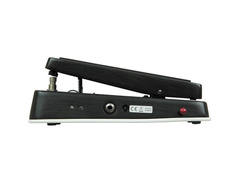
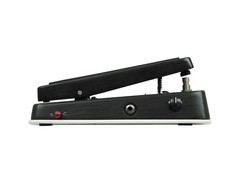
The MXR MC404 CAE Wah was designed in a collaboration between the Cry Baby design team and Bob Bradshaw of Custom Audio Electronics. The name of the game here is all about the dual inductors. The inductor is an electronic component inside the pedal that influences the character and voice of the wah, and the MC404 has two of them, called yellow and red.
Switching between the yellow and red inductors using the switch on the side of the pedal really does change the tone significantly. Some describe it as "having two wahs in one." The yellow inductor emphasizes more of the high frequencies, and gives it more of a pronounced "quack," perfect for funk. It also seems to result in a wider range in the sweep. The red inductor on the other hand emphasizes lows and mids, and is a little bit muddier, fuller, and warmer. A switch on the other side activates a boost, which some guitarists will find handy. The LED lights on the MC404 are handy for indicating what settings you currently have selected. The experience of pushing these switches is very pleasant, as all it takes is a swift tap of the foot on either side of the pedal to activate or deactivate them.
Like all Dunlop wahs, the build quality is extremely solid. Both when holding the pedal and smashing on it with your foot, you get the feeling that Dunlop built this one to last. No issues here. This is the wah pedal of choice of Pearl Jam's Mike McCready and Soundgarden's Kim Thayil. Anthrax's Scott Ian has this to say about it:
Dunlop over the years has sent me so many different wahs… the CAE Wah, when it first came out and they sent me one, it just sounded as good as any old wah I've ever had. It just sounds great. It's got a huge amount of throw. I feel like it really digs in when you step on that thing. You really dig in with it. And just the tone of it is great. And it's got a boost as well which kicks in so it's nice for the solo. I just have that boost turned on. But it's all about the tone. It's just based on it, it just sounds great.
Bottom Line: What you get with the MC404 CAE Wah is the selection between two very different tones, powered by some very high-end, highly sought after internal components. You also have the same boost capability that the 535Q has, and True Hardwire Bypass so your signal won't suffer when the pedal is off. To adjust the gain and the Q, this pedal features a couple of internal pots, requiring you to tinker with the internals if you want to make any tweaks. If the more boutique feel of the MC404 appeals to you, you like the two distinct tone options provided by the dual inductors, and aren't afraid to mess with the internal pots to customize your wah tone, then this wah pedal is a great option.
See how artists use this

.jpg)






Morley Steve Vai Bad Horsie 2 Contour Wah Pedal
4.5 (61)


- Engages easily by pressing the pedal, no need for double action
- Spring-loaded for automatic off when not pressed
- Optical mechanism reduces wear
- Contour adjustments allow for fine-tuning of the wah effect
- See 6 more
- Larger size consumes significant pedalboard space
- Higher power requirement (9V 300ma) than typical pedals
- Some users find it muddy compared to other wah pedals
- Can sound more robotic, lacking a human touch for some
- See 1 more
| Power | 9V |
The Morley VAI-2 Steve Vai Bad Horsie 2 Contour Wah features a switchless design , which means it turns on simply by pressing down on the pedal. The pedal's spring action automatically returns it to the start position when you take your foot off of it, and it turns off automatically. Generally, this as a pretty awesome feature, although some lament that you can't use the wah as a tone control by leaving it "parked" in a certain position.
The Bad Horsie 2 can be used in two modes , selectable by a switch atop the pedal - the normal Vai Bad Horsie mode , and Contour mode. In contour mode, you have 2 knobs available to adjust the contour and intensity (essentially the range and level of the effect).
It sounds great, and definitely a little bit different than the classic Cry Baby wah. The Morley Bad Horsie 2 takes on a more digital, more modern sound. This matches up better with distorted tones.
You won't have to worry about this unit's durability, as it's as rock solid as it gets. One thing we noted is how nice the spring tension of the pedal feels great. It's a slightly longer throw than what the Cry Baby offers (meaning, a longer distance between the up and down position of the pedal).
Bottom Line: Rather than a true hardwire bypass, the Bad Horsie has buffered bypass (which means your signal still goes through the pedal's circuitry when it's turned off, but it then boosts - or compensates for - any part of the signal that may have degraded). If you're looking for something modern, and the switchless design appeals to you, you would do very well adding the Morley VAI-2 Steve Vai Bad Horsie 2 to your gear arsenal.
See how artists use this





.jpg?v=1784480765)

Dunlop GCB-95 Cry Baby
4.5 (1197)
-s.webp?v=1784611857)
Average Price: $93
Standard/Professional
$75
$251+
Budget
Standard
High-end
- Produces high-quality, rich, and clear wah sounds
- Simple plug-and-play operation, no complex setup required
- Versatile, works well with various music genres and effects (distortion, delay, reverb)
- Durable construction, built like a tank
- See 6 more
- Rubber feet can complicate pedalboard mounting
- Some users find the pedal too large or bulky on the pedalboard
- Some find the pedal's sweep range limited
- Tone can be too crisp or tinny for some tastes
- See 6 more
| Power | 9V |
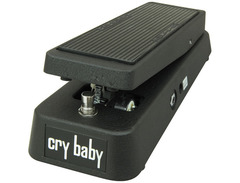
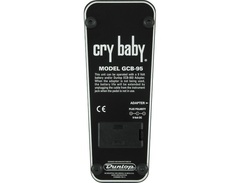
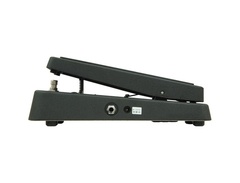
The Dunlop GCB95 is the classic wah, and it is a good value.
The Dunlop Original Cry Baby has the traditional sound that most people probably want when they think of a wah pedal. If that's what you're after, and you don't feel like paying an exorbitant price for fancier wah pedals, this is the one you want. This is the go-to pedal for that 60s Jimi Hendrix sound.
You don't get the knobs, switches, and adjustments to the voicing that some other wah pedals offer but it does its one job extremely well. Because the Dunlop GCB95 Original Cry Baby has no adjustability, its tone and functionality are subject to personal taste.
Notably, this is not a true bypass pedal, and without modding it or getting into the internals, there is no adjustability. It's a bit noisy, and can suck some of your tone.
Bottom Line: The Original Cry Baby by Dunlop is a classic pedal. The price is very attractive, coming in at significantly less than the other wah pedals on this list. You sacrifice some features compared to the fancier wahs, but it's a classic for good reason.
See how artists use this


.jpg)

Fulltone Clyde Deluxe Wah
5.0 (32)


Average Price: $272
High-end/Boutique
$75
$251+
Budget
Standard
High-end
- Built like a tank, extremely durable
- Wide range of voicings and three different wah modes
- True bypass retains original signal quality when off
- Versatile, works well with single coils and humbuckers
- See 6 more
- 9v DC adapter circuit issues causing humming/noise
- Scratchy potentiometer and noise issues upon arrival
- Base plate not grounded, requiring DIY fixes
- Expensive compared to other wah pedals on the market
- See 1 more
| Power | 9V |
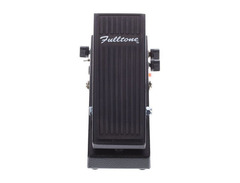
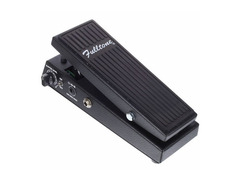
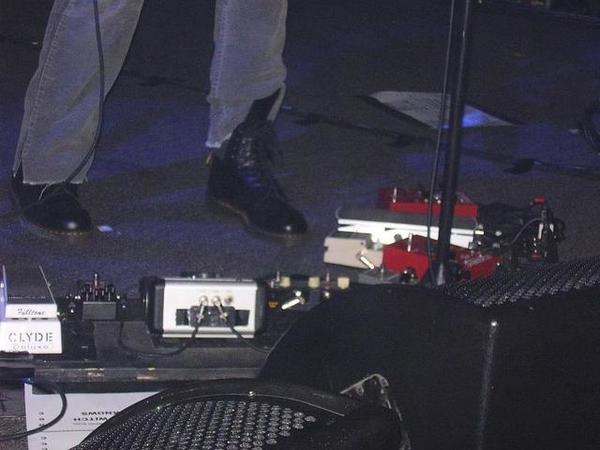
The Fulltone Clyde Deluxe is a fantastic three-in-one wah pedal. This is the wah pedal of choice for Radiohead's Ed O'Brien as well as Carl Broemel of My Morning Jacket.
Once you click it on, a nice bright LED on the side lights up, which is a helpful indicator especially if you're performing live on stage in a dark club. The primary knob lets you select between three main types of wah:
- Jimi: Based on a 60s Vox Clyde McCoy, this setting is the default wah sound of the Fulltone Clyde Standard. Of the three settings, this one is the most traditional wah sound.
- Shaft: Generally brighter, a little more shrill, and better suited for funk, this is the most mild of the three wah settings.
- Wacked: Based on the Colorsound Wah-Wah, it is similar to the Jimi setting, except when you have the pedal in the heel-down position, you get a lower, more bassy growl. It's a deeper tone with more bass response.
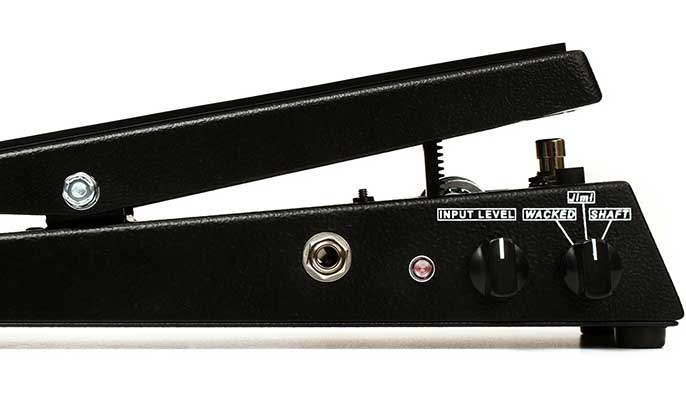
Near the 3-way mode switch is an input level knob which you can use to really drive the wah (boost the level with the Wacked setting for a mean wah sound). Aside from those controls, inside the pedal you'll find an internal resonance control, which lets you change the gain and bass response. This way, you can fine tune the wah, as an example to make it sound best with whatever pickups your guitar has.
The Fulltone Clyde Deluxe certainly isn't cheap, but what makes it very worth the money is that from the inside out, it just feels polished. The build quality is super solid.
The rocking pedal action and resistance is very pleasing at the standard factory setting. When you switch it on, it doesn't take long to hear how incredible it sounds. It has true bypass when turned off, and when engaged the level of noise it introduces to the signal is very low.
Bottom Line: The Fulltone Clyde Deluxe is the premium wah pedals, with options to sound like a 60s Vox wah all the way to the crazy sounds of the Wacked setting.
See how artists use this







Dunlop DB-01 Dime Cry Baby From Hell
4.5 (74)


- Wide range of wah effects and tonal versatility
- Features a 5-way switch for frequency range selection
- Adjustable boost for solos enhances performance
- Built-in Q-Regulator for sound width adjustment
- See 6 more
- Some may find it too complex for a first wah pedal
- Camo design might not appeal to everyone
- Requires careful placement in signal chain for best results
- Boost button can be accidentally engaged
| Bypass | buffered bypass |
| Power | 9V |
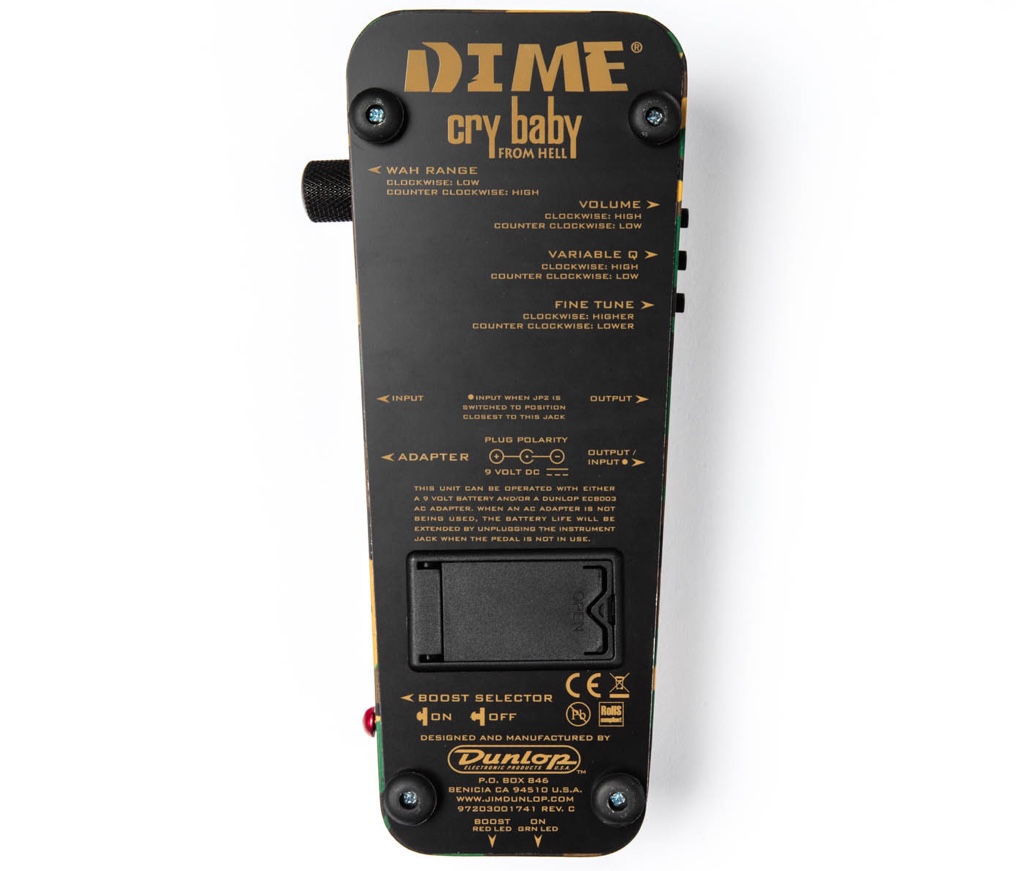
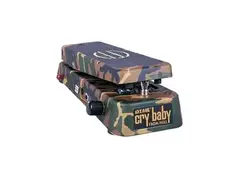
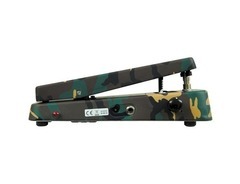
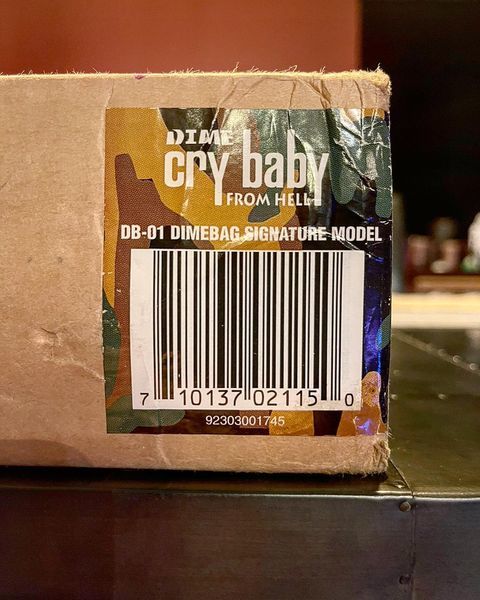
The Dunlop Dimebag Signature Cry Baby Wah is an great sounding wah that lets players adjust the sweep, frequency band, and a has switchable boost with LEDs.
See how artists use this



.jpeg?v=1784600206)
.jpeg?v=1784600206)

Dunlop JC95 Jerry Cantrell Signature Cry Baby
5.0 (59)

- Dark, rich sound with great sweep and tone adjustment
- Excellent for both high pitch and low range tones
- Simple, user-friendly design without unnecessary tweaks
- Melodic, warm yet aggressive tonal quality
- See 6 more
- Lacks a spring return feature
- Adjustment knob placement could be more forward
- Tone pot may come loose, requiring fixing
- Price higher due to artist endorsement
| Power | 9V |
The Jerry Cantrell JC95 Signature Wah is voiced with a wider range than the standard GCB95. Dunlop calls it "dark, and punchy," with a wide sweep.
The knob control on the side is for tuning the toe-down position frequency.
Bottom Line: If you are looking for a deeper and wider wah than your standard Cry Baby, this one is voiced in a smoother fashion.
See how artists use this
.jpeg?v=1784563515)
.jpeg?v=1784563515)



BBE WAH Class A Vintage 1967 / Ben Wah
4.5 (12)
- Handwired components for authentic vintage sound
- Harmony potentiometer allows for varied tonal options
- True bypass switching doesn't affect guitar tone when off
- Offers tones of multiple vintage wah pedals in one
- See 6 more
- Some units may have mechanical problems or volume variations
- May have inconsistencies in quality across units
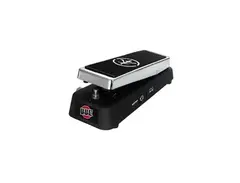
A great mid-range wah pedal, the BBE Wah has impressive features for its price point. The pedal not only boasts true-bypass switching and an easy access 9v battery compartment, it also has "Harmony" control which allows players to customize its sweepable range.
See how artists use this


Electro-Harmonix Next Step Crying Tone
4.0 (12)
- Unique zero friction design offers innovative play experience
- Great sweep with well-tuned bite and growl on the high end
- No moving parts, reducing wear and tear
- Provides a range of timbral possibilities
- See 3 more
- May slide on carpet or certain surfaces without proper anchoring
- Takes time to get used to for traditional wah pedal users
- Sound may be unusual or hard to control at extreme settings
- Not ideal for those who prefer all effects on a pedalboard
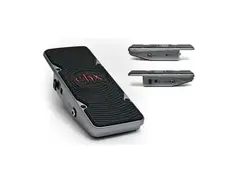
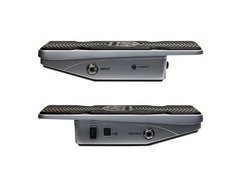
The Electro-Harmonix Crying Tone is super responsive and expressive. The Crying Tone allows players to instantaneously switch from bypass mode to great wah tones.
A Quick Aside
Just to clarify, the article did focus exclusively on physically manipulated wah pedals as opposed to auto-wahs. While the two effects sound similar, they’re both different enough to warrant articles of their own.
How Does a Wah Pedal Work?
A wah pedal is essentially a sweeping filter that emphasizes certain frequencies while cutting others. This is actually a similar principle to what you’d find in an ordinary tone control on a pedal or electric guitar.
The trademark “wah” sound of the pedal is achieved by quickly and dramatically changing the frequency response. Interestingly, the “wah-wah” effect was actually pioneered by trumpet and trombone players by quickly moving a rubber mute in and out of the bell.
Though the effect is most commonly used in “funkier” songs, wah pedals actually have a lot of utility for a wide variety of different genres.
The wah can also be used as an EQ. Leaving the foot pedal in a certain position can give your guitar a really nasally and sharp tone that’s great for cutting through the mix, and leaving it in the opposite position can give your guitar a smoother and more understated sound that’s great for rhythm playing.
What Is Q Control on a Wah Pedal?
Q Control is the quality (Q) of the boosted range of frequencies that the wah pedal emphasizes. A sharp Q will boost a narrower frequency range than a wide Q, which sounds smoother and mellower.
What Should I Look for in a Wah?
The most important thing you need to consider when buying a wah is the “sweet spot” of the pedal. The “sweet spot” in a wah pedal is the variety of sound that you can get between the two harsh extremes of very bassy/muddy and very trebly/harsh.
Because each player will base his or her preference on the stlye of music and subjective tone of a wah effect, it is good to know what you prefer in advance of shopping for a wah, or at least make sure you purchase an adjustable wah that is capable of achieving the sound or sounds you like.
Optical vs. Mechanical Wahs
When a wah pedal uses the term “optical controlled”, it means that the effect is controlled with a light dependent resistor. This optical circuitly changes the resistence without the aid of a mechanical process such as potentiometers and switches.
Top Ranked Wah Pedals on Equipboard
-m.webp?v=1784611857)
$92.00 - $99.99
4.5 (79)
4.5 (79)


$159.00 - $209.99
5.0 (59)
5.0 (59)

About the authors

Mason is a freelance music gear writer that contributes to Equipboard, Reverb, TuneCore, Music Aficionado, and more. He plays the guitar and mandolin and resides in Wyoming. Read more

New in Wah Pedals

$229.00 - $229.99
in Wah Pedals Rank


$269.99 - $295.00
in Wah Pedals Rank






.webp)
.webp)