By Gear Experts
Table of Contents

Equipboard
Equipboard is the world's largest community of artists and their gear. Read our review process.
We are reader-supported. When you buy through links on our site, we may earn an affiliate commission. Learn more.
Our Picks

The studio workhorse that redefined ribbon microphone durability and versatility.
Read more


A fresh take on ribbon technology that brings boutique quality to a broader audience.
Read more
Golden Age Project R1 MK2 Ribbon Microphone
A thoughtfully designed introduction to the ribbon microphone world that punches well above its weight.
Read more

A uniquely designed hypercardioid ribbon that has quietly shaped countless recordings since the 1950s.
Read more

A versatile active ribbon that bridges the gap between vintage character and modern convenience.
Read moreEvery great recording studio has a secret weapon, and for many, it's the ribbon microphone. These remarkable devices have captured some of the most iconic recordings in music history, from the golden age of radio to modern-day platinum records. Their distinctive sound signature has become an essential tool in the pursuit of capturing natural, lifelike audio.
The journey of choosing the right ribbon microphone is both exciting and challenging. While these microphones are celebrated for their warm, natural sound reproduction and incredible detail, they also come with unique characteristics that make them particularly suited for specific applications. From project studios to professional facilities, the allure of ribbon microphones lies in their ability to capture performances with a depth and character that's instantly recognizable.
This guide will take you through everything you need to know about ribbon microphones - from their fundamental operating principles to practical applications across different recording scenarios. We'll explore the factors that make them special, delve into their optimal uses, and look at some of the finest models available today.
Understanding Ribbon Microphones
Before talking about specific models and applications, let's look at what sets ribbon microphones apart and why they remain essential tools in professional audio.
Physics of Sound Capture
Think of sound waves like ripples in a pond - when you drop a stone, the water moves up and down in waves. Sound works similarly in air, just invisible. Now imagine trying to capture these waves. If you've ever put your hand in those pond ripples, you've felt how they push against your palm. This is exactly what happens with sound waves and microphones. Different microphone types catch these invisible waves in different ways.
Dynamic mics use a moving coil, condensers use an electrically-charged plate, but ribbon mics take a more direct approach.
Ribbon Mic Basics
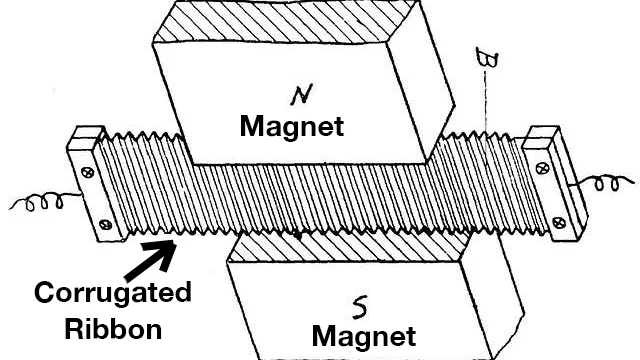
Picture a ribbon microphone like a very thin piece of aluminum foil hanging in a doorway with strong magnets on either side. When sound waves pass through the doorway, they move the foil back and forth. This movement between the magnets creates electricity, similar to how spinning a bike wheel near a magnet can power a small light. That's electromagnetic induction - a fancy term for a simple concept. The gentler and more natural this capture process is, the more faithful the sound reproduction becomes, which is why many recordists prize ribbon microphones for their accuracy.
Historical Significance
Ribbon mics emerged in the 1920s, with RCA pioneering their development. The 44-series microphones became standard equipment in radio stations and recording studios. While technology has evolved significantly since then, many modern ribbon mics still build on these fundamental design principles. The RCA 44BX, released in 1932, established manufacturing and performance standards that influence today's microphones.
Core Characteristics
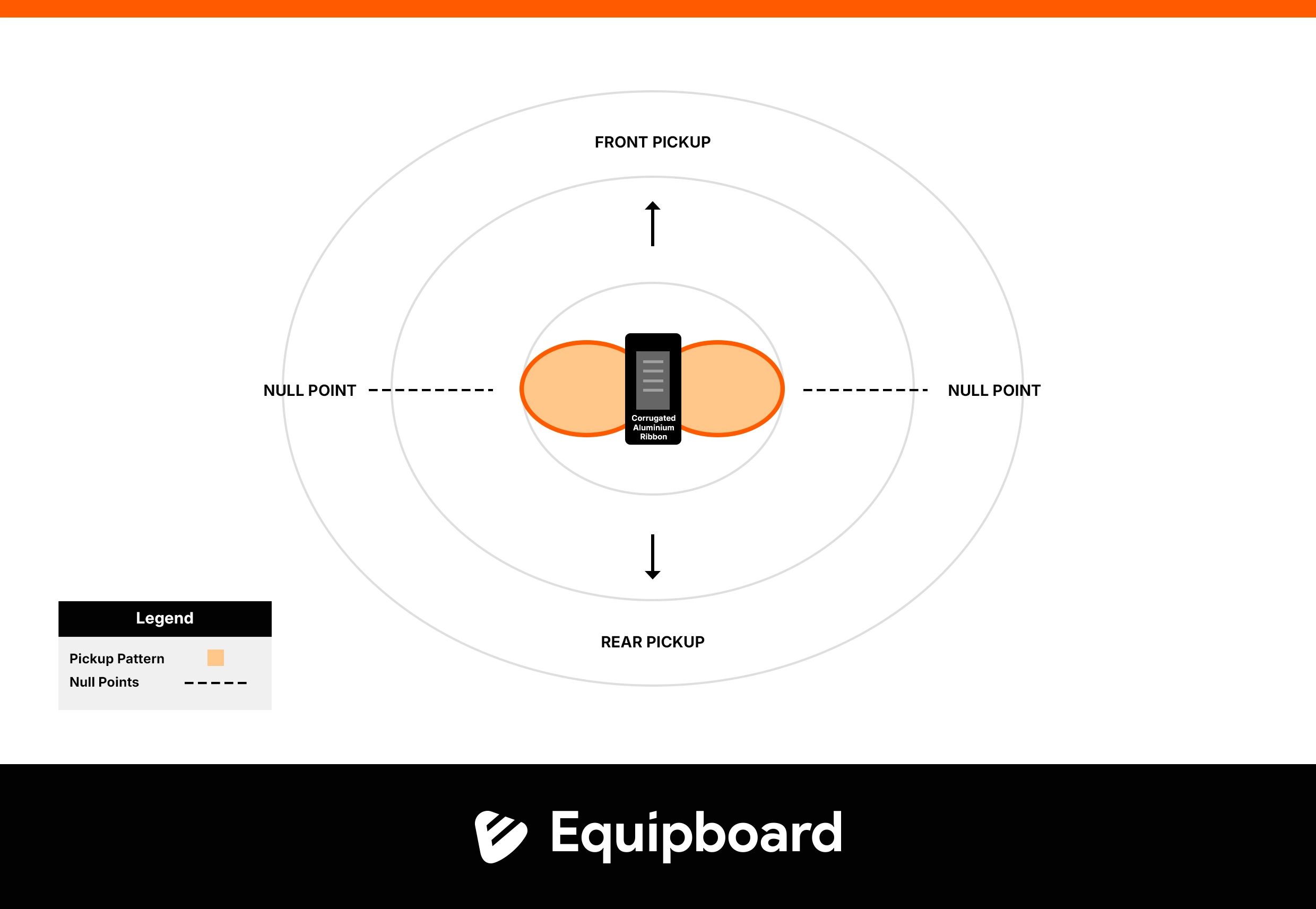
Ribbon mics have a figure-8 pickup pattern, which means they capture sound from the front and back while rejecting sound from the sides. This makes them versatile tools in the studio. The frequency response is typically smooth, with a natural decrease in the higher frequencies that helps tame harsh sound sources. Their lightweight ribbons respond quickly to sound waves, capturing fast transients with exceptional accuracy. This combination of characteristics produces a detailed sound that works well on many instruments and vocals.
The Technical Side
Understanding the technical aspects of ribbon microphones helps make better recording decisions, but don't worry - we'll keep things practical and straightforward.
Component Breakdown
Think of a ribbon microphone like a musical instrument. Just as a guitar needs its strings, body, and bridge to work properly, a ribbon mic needs three main parts: the ribbon itself, magnets, and a transformer. The ribbon element is like the strings of our guitar - it's the part that actually responds to sound. Usually made of aluminum thinner than a human hair, it's carefully corrugated (folded) to help it move more freely. The strong magnets on either side are like the body of our guitar, providing the magnetic field needed to convert motion into electrical signal.
Signal Generation
When sound hits the ribbon, it moves back and forth between these magnets. This movement creates a tiny electrical current - much like those emergency flashlights you power by shaking. The signal is extremely weak, which is why the third crucial component comes into play: the transformer. The transformer's job is similar to an acoustic guitar's sound hole - it takes the quiet signal and makes it strong enough to be useful. Without a transformer, the ribbon's delicate movements would barely register in your recording chain.
Design Variations
Modern ribbon mics come in two main flavors: passive and active. Passive ribbons are like acoustic guitars - they work without any external power. Active ribbons are more like electric guitars - they have built-in electronics that boost the signal and make them easier to use with a wider range of equipment. Despite these differences, both types maintain the characteristic sound that makes ribbon microphones special.
Sound Characteristics
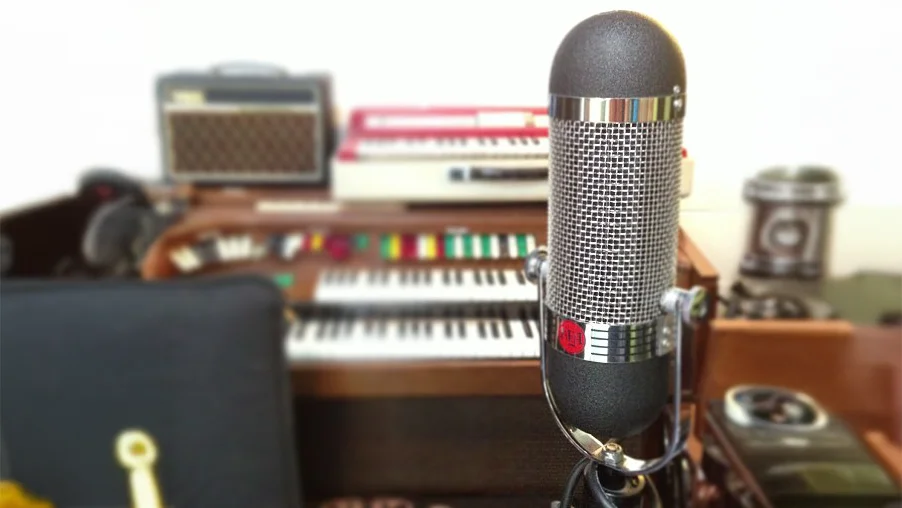
While every microphone type has its place in recording, ribbon microphones have earned their reputation for a particular sonic character that sets them apart. Let's explore what makes their sound unique.
The Natural Response
If condenser microphones are like high-definition cameras that capture every detail with stark clarity, ribbon mics are like premium film cameras that add a subtle, flattering character to the image. Their frequency response naturally resembles how our ears perceive sound in a room. High frequencies are captured with a gentle roll-off that tames harshness without sacrificing clarity. This is why bright instruments like brass, cymbals, and some vocals often benefit from ribbon mic recording.
In the Mix
What really sets ribbon microphones apart is how they handle complex sounds. When recording loud or harmonically rich sources, they maintain their composure. Think of it like a conversation at a crowded party - while some microphones might pick up every voice equally (creating chaos), ribbon mics help you focus on what's important. Their bidirectional pattern can be particularly useful in this regard, naturally rejecting sounds from the sides while capturing a balanced blend of direct sound and room ambiance.
The Proximity Effect
All directional microphones exhibit proximity effect - a boost in bass frequencies as you move closer to the source. However, ribbon mics have a particularly strong proximity effect that can be used creatively. Moving the mic just a few inches can significantly change the tonal balance, giving you an organic way to shape your sound without reaching for an equalizer. This characteristic can add depth to thin-sounding sources or help you achieve that intimate, radio-announcer warmth on vocals.
Applications and Uses
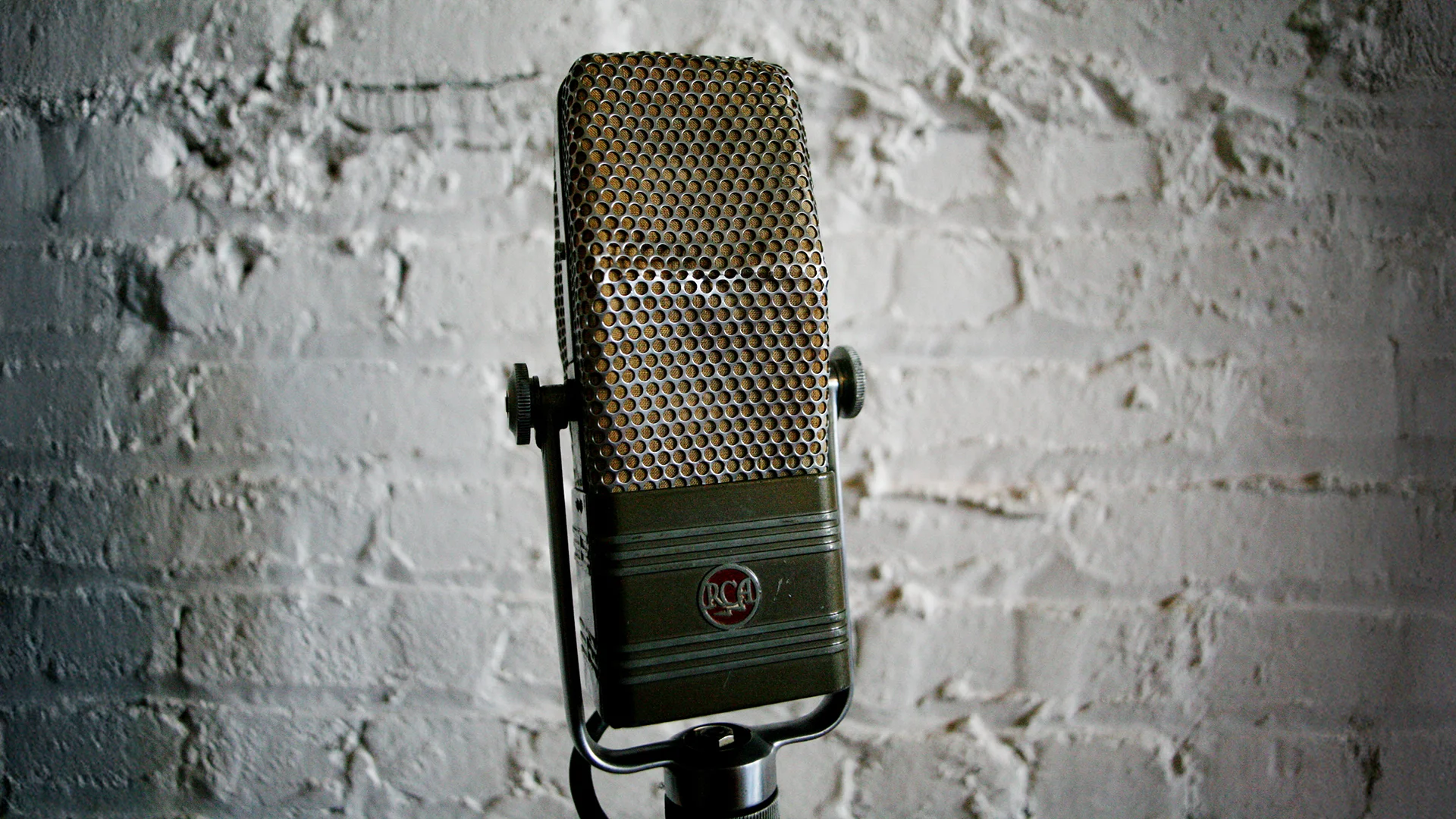
The versatility of ribbon microphones might surprise you. While they've long been associated with broadcast and orchestral recording, their applications span nearly every aspect of modern audio production.
Vocal Recording
Ribbon microphones excel at capturing vocals, particularly voices that tend to sound harsh or sibilant through other microphones. The natural high-frequency response helps tame excessive brightness without making vocals sound dull. Modern ribbons can handle higher Sound Pressure Levels (SPL) - think of SPL as the sheer force or loudness of a sound - much better than their vintage counterparts. This makes them excellent choices for recording powerful vocalists, screaming guitar amps, and brass instruments without the fear of damaging the ribbon element that often held engineers back in the past. Their improved durability has made them increasingly popular for contemporary music production.
Musical Instruments
Electric guitar amplifiers and ribbon microphones share a special relationship. The way ribbon mics handle the complex harmonics of a driven guitar amp has made them a studio standard for decades. They capture the full character of the amp without the harsh edge that some other microphones emphasize. For brass instruments, ribbons are often the first choice because they maintain the power and excitement while naturally controlling the aggressive upper frequencies.
Acoustic Environments
The figure-8 pattern of ribbon microphones makes them particularly useful for capturing room sound. As room microphones for drums or acoustic ensembles, they pick up a natural blend of direct and reflected sound. For stringed instruments like violin or cello, ribbon mics capture both the fundamental notes and the subtle overtones that give these instruments their distinctive character.
Broadcast and Voice Work
The broadcast industry helped establish ribbon microphones in the first place, and for good reason. Their smooth frequency response and proximity effect can give voices authority and warmth without requiring heavy processing. For podcasting and voice-over work, this translates to professional-sounding results with minimal post-production.
Modern vs Vintage
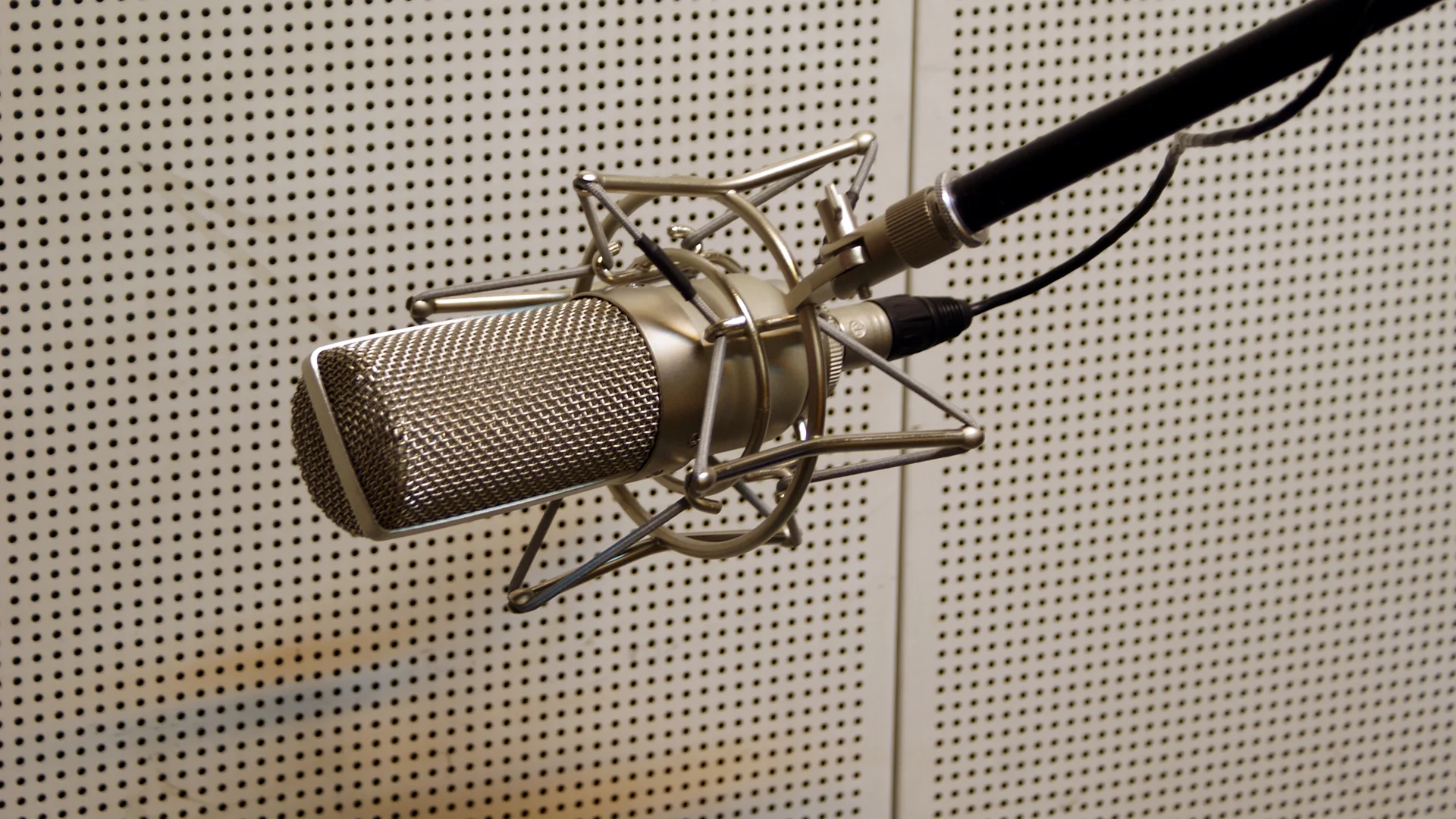
The evolution of ribbon microphones reflects both technological advancement and a deep respect for traditional design principles. Understanding these differences helps in choosing the right microphone for your needs.
The Classic Approach
Vintage ribbon microphones were built like luxury watches - precision instruments that could last for decades with proper care. The RCA 44 and similar classics were large, heavy, and built around massive magnets and robust transformers. These design choices weren't just about durability; they fundamentally shaped the warm, full-bodied sound that became the ribbon microphone signature. Early ribbon mics required careful handling and maintenance, but their sound quality made them worth the extra attention.
Contemporary Innovations
Modern ribbon microphones maintain the core principles of their predecessors while incorporating new technology. Today's manufacturing techniques allow for much thinner ribbons and stronger magnets, resulting in better sensitivity and detail. Neodymium magnets, far stronger than traditional materials, enable smaller, lighter designs without sacrificing output level. Many contemporary ribbons also feature reinforced ribbons and internal shock mounting, making them robust enough for daily studio use.
Active Technology
Perhaps the biggest advancement in ribbon microphone design is the introduction of active electronics. Traditional ribbons rely solely on the transformer for their output, but active ribbons include built-in preamps that boost the signal significantly. This solves many of the impedance and noise issues that engineers once had to work around. Active ribbons are less fussy about preamp selection and cable length, making them more practical in modern recording environments while maintaining the desirable sonic characteristics of their passive counterparts.
Practical Considerations
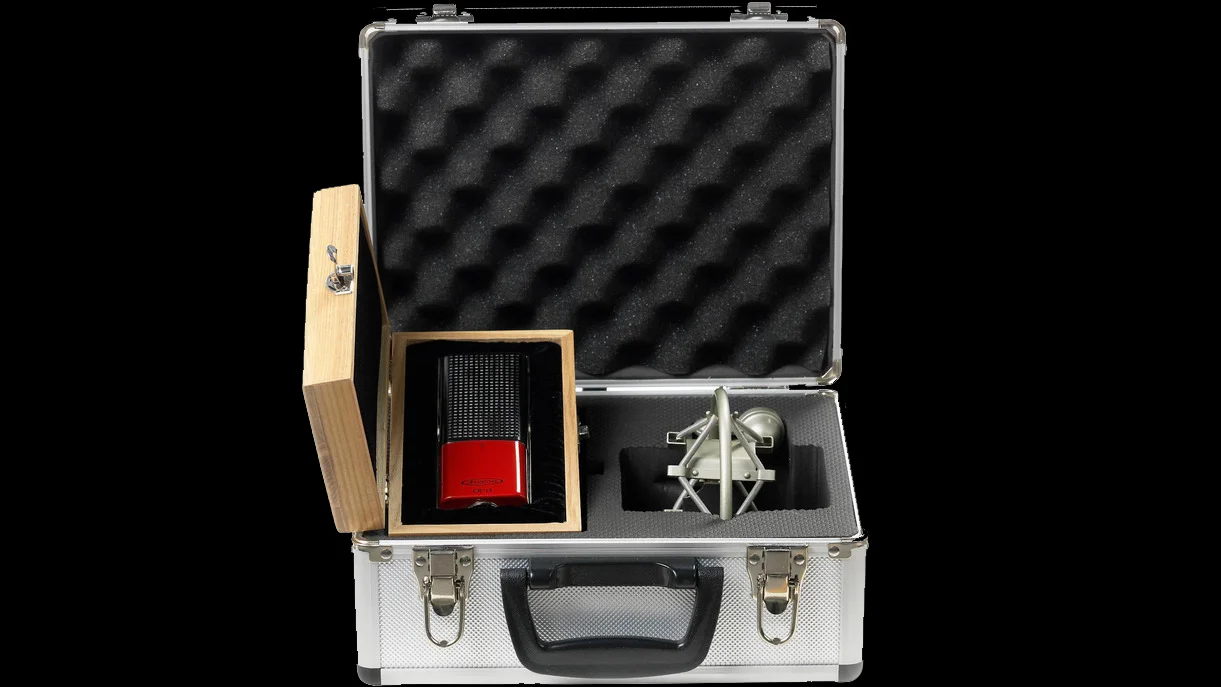
Getting the most out of a ribbon microphone requires understanding a few key principles. These considerations will help you protect your investment and achieve the best possible results.
Handling and Storage
Think of ribbon microphones as precision instruments rather than utility tools. The ribbon element is incredibly delicate - about a thousand times thinner than a human hair. Always store ribbon mics upright to prevent the ribbon from sagging. Avoid exposing them to strong air blasts like drum ports, guitar amp cones, or even talking directly into them without a pop filter. Phantom power, which is standard for condenser mics, should never be engaged when using passive ribbon microphones as it can destroy the ribbon element instantly.
Preamp Selection
The relationship between a ribbon microphone and its preamp is crucial. Due to their low output level, ribbon mics need clean, high-gain preamps to perform their best. Look for preamps with high input impedance - they help maintain the full frequency response and natural character of the microphone. Many modern preamps include specific settings for ribbon mics, making them ideal partners for both vintage and contemporary ribbons.
Room Acoustics
Because of their figure-8 pattern, ribbon microphones pick up sound from both front and back. This makes them more sensitive to room acoustics than other microphones. In well-treated spaces, this can be an advantage, adding natural ambiance to your recordings. However, in poor-sounding rooms, you might need to get creative with placement or acoustic treatment. Consider using acoustic absorption behind the microphone to control unwanted room reflections.
Environmental Factors
Heat, humidity, and dust can affect ribbon performance over time. Keep your ribbon mics in a climate-controlled environment when possible. Many engineers use dehumidifier cabinets for storage.
Royer R-121
5.0 (13)
The Modern Classic









Average Price: $1,517
High-end/Boutique
$499
$1500+
Budget
Standard
High-end
- Excels with loud guitar cabinets and horns, versatile on various instruments
- Adds unique character and color, especially for vocals and guitars
- Pairs well with high impedance preamps for optimal sound quality
- Can sound significantly different and versatile when used from different angles
- See 6 more
- Requires careful mic placement to avoid bad sound quality
- Needs a good amount of gain, common with ribbon mics
- Performance varies significantly with mic preamp quality
- May not be the best choice for vocal recordings without precaution
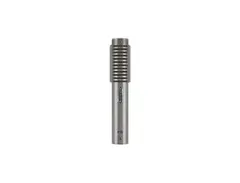
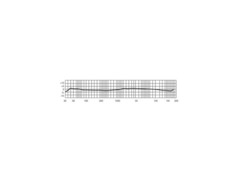
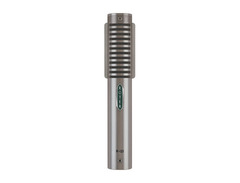
Inside many of today's hit records lives the sound of the R-121. This compact powerhouse represents everything modern ribbon microphone design aspires to be. Its offset ribbon design provides different tonal options from each side - the front captures sound with classic ribbon warmth, while the rear side introduces a subtle presence boost around 4kHz that adds air and articulation without harshness.
What sets the R-121 apart is its practical innovation. The ribbon element, while maintaining the delicacy needed for accurate sound reproduction, incorporates proprietary manufacturing techniques that allow it to handle sustained high sound pressure levels. This engineering breakthrough means the R-121 can be placed directly in front of a screaming guitar amp or brass instrument without the anxiety that traditionally accompanies such placement with ribbon microphones.
The R-121 particularly shines on electric guitar cabinets, where it captures both the fundamental tone and complex harmonics with remarkable accuracy. Close-miking a speaker cone reveals every nuance of power amp saturation and speaker character, while the microphone's inherent high-frequency roll-off smooths any potential harshness. This same quality transforms notoriously difficult sources like trumpet and saxophone, preserving their power and intensity while keeping the sound naturally contained.
In modern recording sessions, the R-121 has developed a reputation as a problem solver. Its figure-8 pattern provides excellent rejection of unwanted sounds from the sides, making it invaluable in crowded studio spaces. When used as a drum overhead, it captures cymbals with a silky top end that sits perfectly in a mix without the aggressive bite that some condensers can impart. For ambient room miking, the null points at 90 degrees can be used strategically to minimize bleed from monitors or other instruments.
The build quality matches its sonic performance. The R-121's compact frame houses not just the ribbon assembly but also an ingenious internal shock mounting system that provides additional protection during setup and tear-down. The matched magnets and precision-engineered transformer work together to provide consistent output and minimal noise, making it equally at home in professional studios and home recording environments.
See how artists use this





AEA R84
5.0 (5)
The Vintage Voice



Average Price: $1,256
Standard/Professional
$499
$1500+
Budget
Standard
High-end
- Three-dimensional sound with wide dynamic range
- Smooth treble rolloff, nearly eliminates need for EQ
- Versatile, records vocals, guitars, drums, and more with excellence
- Tight figure 8 pattern allows for close placement and excellent frequency rejection
- See 6 more
- Requires careful storage to prevent ribbon stretching
- Sensitive to tramp metal due to powerful magnet
- Large and awkward to position and store
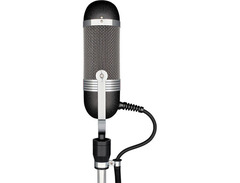
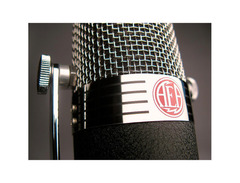
The AEA R84 carries forward a legendary legacy while adding modern refinements. It captures the essence of those early broadcast microphones but packages it in a more manageable form factor. The large ribbon element, similar in size to vintage designs, gives the R84 a distinctly full-bodied sound that flatters anything placed in front of it.
Where this microphone truly excels is in vocal recording. Its frequency response creates what many engineers describe as the perfect natural compression - taming peaks without losing detail. The proximity effect is particularly musical, allowing singers to work the mic for effect without the sound becoming muddy or overwhelming. This characteristic also makes it outstanding on spoken word, podcasting, and voice-over work.
The R84's character on acoustic instruments reveals its versatility. String instruments benefit from its ability to capture the complete harmonic spectrum without any artificial emphasis. When recording acoustic guitars, it delivers both the immediate attack of the strings and the rich body resonance in perfect balance. On orchestral instruments, particularly strings and woodwinds, it reproduces the natural room sound along with the direct signal in a way that creates dimension and depth.
Despite its vintage inspiration, the R84 incorporates several modern improvements. The ribbon tension and motor assembly are precisely calibrated for enhanced sensitivity, making it compatible with a wider range of preamps than its historical predecessors. The internal shock mounting system provides excellent mechanical isolation while maintaining the ribbon's freedom of movement. Its dual-sided output offers subtle variations in tone - the front emphasizes proximity effect and warmth, while the rear introduces a slight presence rise that can add air to darker sound sources.
The robust build quality extends beyond just durability. The transformer is specifically designed to maintain performance even with long cable runs, and the magnetic system uses modern materials to achieve consistent sensitivity across the frequency spectrum. For classical recording, the figure-8 pattern's natural rejection of sounds from the sides helps capture a clean signal even in complex acoustic environments.
See how artists use this






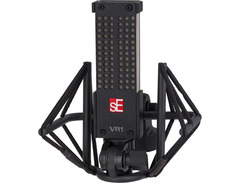
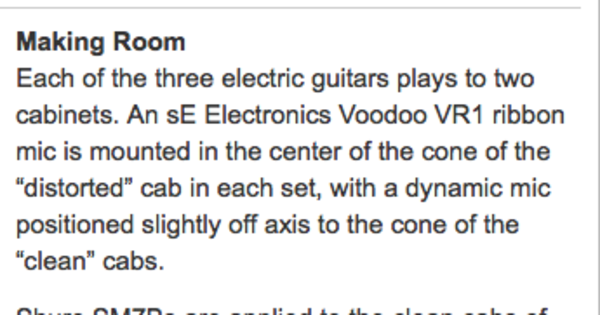
sE Electronics Voodoo VR1
4.5 (6)
The Accessible Innovation
Average Price: $387
Budget/Beginner
$499
$1500+
Budget
Standard
High-end
- Captures more high-end content than typical ribbon mics
- Small size, easy to position in tight spaces
- Delivers classic ribbon warmth and transient response
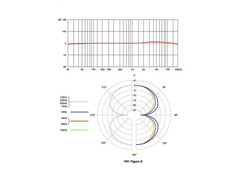
- Extended frequency response up to and above 20kHz
- See 6 more
- Needs significant Treble EQ for vocals
- Low sensitivity; may require preamp boost (e.g., Triton FetHead)
- Freq response spikier and harder to EQ than some ribbons
- Lacks the typical ribbon mic character for some users
- See 1 more
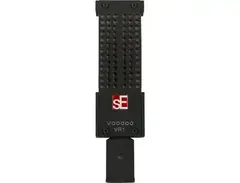
The VR1 challenges traditional ribbon microphone design conventions. While most ribbon mics embrace a distinctly vintage character, sE Electronics took a different approach with the VR1, creating a ribbon microphone that captures the extended high-frequency response typically associated with condenser microphones while maintaining the smooth, natural character that makes ribbons special.
At the heart of the VR1 is a custom-designed ribbon element using advanced materials and manufacturing techniques. The incredibly thin aluminum ribbon is precisely tensioned to respond to subtle sound variations, while still maintaining enough robustness for daily studio use. This design achieves something remarkable - a ribbon microphone that extends well beyond the typical high-frequency range without sacrificing the warm, natural midrange that engineers prize.
What makes the VR1 particularly useful in modern recording environments is its versatility. On vocal applications, it captures both the fundamental warmth and the air around the voice, making it suitable for styles where traditional ribbon mics might be too dark. The frequency response remains smooth throughout the range, preventing the harsh peaks that can make some modern condensers fatiguing to listen to.
The VR1's innovative design shows its strengths on acoustic instruments. Recording acoustic guitars, the microphone captures string detail and body resonance in perfect balance, while its fast transient response ensures that pick attacks and finger movements are preserved with clarity. For brass instruments, it maintains the power and excitement of the performance while naturally controlling any potential harshness, making it particularly effective on trumpet and saxophone.
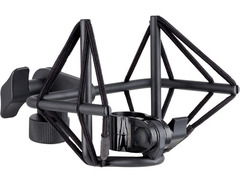
The mechanical design incorporates several practical features that enhance its usability. The shockmount system effectively isolates the ribbon element from mechanical vibration, while the internal windscreen provides additional protection against plosives and wind blasts. These practical considerations make it more forgiving in real-world recording situations, where perfect placement isn't always possible.
See how artists use this






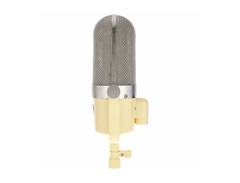
Golden Age Project R1 MK2 Ribbon Microphone
5.0 (2)
The Entry Level Champion

Average Price: $185
Budget/Beginner
$499
$1500+
Budget
Standard
High-end
- Classic high end roll-off and extended low end for sought-after tone
- High maximum SPL of 160 dBs, great for loud sources
- Aesthetically pleasing design
- Excellent for drum rooms, overheads, and instrument ambiance
- See 6 more
- XLR jack placement makes mic rotation difficult
- Noticeable noise level, not ideal for quiet sources or vocals
- Documentation contains typos and lacks detailed information
- Carrying bag does not fit the attached XLR cable
- See 5 more
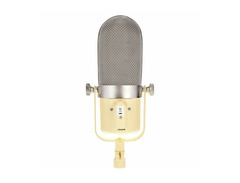
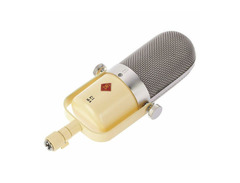
The R1 MK2 proves that the essential character of ribbon microphones doesn't have to come with a premium price tag. This microphone focuses on the core strengths of ribbon technology - smooth frequency response, natural sound reproduction, and excellent transient capture - while stripping away unnecessary complexities.
The design emphasizes simplicity and reliability. Its ribbon element, though traditionally configured, is engineered for consistency and durability. The internal shock mounting system provides good protection against mechanical vibration, while careful attention to the magnetic circuit ensures adequate sensitivity for use with standard preamps. This practical approach means you get the characteristic ribbon sound without requiring specialized support equipment.
In actual use, the R1 MK2 demonstrates remarkable versatility. On guitar cabinets, it captures the full spectrum of the amp's character, naturally smoothing any aggressive high frequencies without losing definition. For brass instruments, it maintains the essential power and excitement while controlling the potentially harsh upper frequencies that can make these instruments difficult to record. This same quality makes it particularly useful on overly bright cymbals or percussion.
The microphone's figure-8 pattern is well-implemented, providing good rejection at the nulls and consistent tonality from both the front and rear of the capsule. This makes it particularly effective for recording techniques that take advantage of room sound. When used as a room microphone for drums or acoustic instruments, it captures a natural blend of direct and reflected sound that adds depth to recordings.
Perhaps most impressively, the R1 MK2's transformer exhibits none of the cost-cutting compromises often found in affordable microphones. The output level remains consistent across the frequency range, and the transformer's design helps maintain detail and clarity even with budget-friendly preamps. Its ability to handle moderate SPLs also means it can be used confidently on louder sources without fear of damage.


Beyerdynamic M160
5.0 (15)
The Precision Tool

Average Price: $900
Standard/Professional
$499
$1500+
Budget
Standard
High-end
- Exceptional for guitar amps with smooth, warm sound
- Versatile across drums, hi-hats, percussion, and acoustic guitars
- Hypercardioid pattern reduces room noise, suitable for home studios
- Provides a mid-forward ribbon sound that complements instruments well
- See 6 more
- Not as durable as some competitors
- Not the first choice for vocal recordings
- Requires a good preamp for optimal performance due to low output voltage
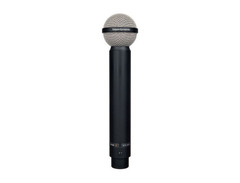
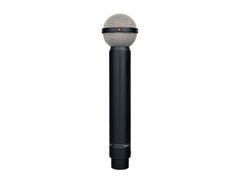
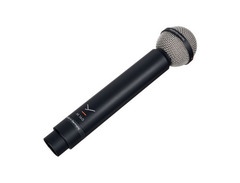
The M 160 breaks nearly every convention of ribbon microphone design. Instead of the typical figure-8 pattern, it employs a hypercardioid design using two vertically stacked ribbon elements. This unique approach creates a more focused pickup pattern that has made it a secret weapon for engineers dealing with challenging recording environments.
The dual-ribbon design contributes to more than just directionality. These short ribbons respond differently to sound waves than traditional long ribbons, resulting in faster transient response and extended high-frequency capability. The compact size of each ribbon also makes them less susceptible to damage from sudden air blasts or physical shock, contributing to the M 160's reputation for reliability.
What truly sets this microphone apart is its ability to capture instruments with exceptional detail while maintaining a natural tonal balance. On drum overheads, it provides remarkable separation between cymbals while keeping them smoothly integrated with the rest of the kit. For string instruments, particularly violin and viola, it captures the body and bow detail with striking accuracy, making it a frequent choice for classical and orchestral recording.
The M 160's practical advantages extend to live recording situations. Its hypercardioid pattern provides excellent rejection of unwanted sounds, making it invaluable when recording in less-than-ideal acoustic spaces. When used on guitar cabinets, this focused pickup pattern allows for precise placement to capture exactly the desired speaker cone character while minimizing bleed from other sources. The robust construction and reliable performance have made it particularly popular for touring and remote recording applications.
Beyond its technical specifications, the M 160 has earned its place in recording history through its use on countless classic recordings. From Jimmy Page's guitar solos to orchestral performances, its distinctive combination of detail and warmth has contributed to its enduring popularity among professional engineers who value precision and reliability.
See how artists use this






Avantone CR-14
4.0 (4)
The Modern Hybrid

Average Price: $275
Budget/Beginner
$499
$1500+
Budget
Standard
High-end
- Delivers a rich, warm sound with good low-end reproduction
- Excellent build quality with a solid feel
- Includes quality accessories like shockmount and case
- Versatile across multiple sources (vocals, guitar cabinets, upright bass)
- See 6 more
- Figure 8 pattern limits its use in isolating sound sources
- Soft singing might not be as well captured as louder vocals
- Requires careful handling due to sensitivity
- Suspension system can be difficult to operate; may feel overly heavy-duty
- See 1 more
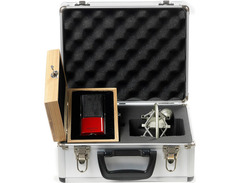
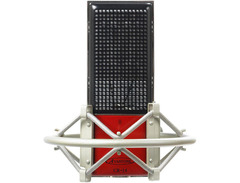
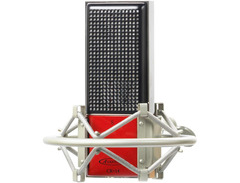
The CR-14 represents a thoughtful fusion of traditional ribbon design and contemporary electronics. Unlike passive ribbon microphones, it incorporates an active circuit design that eliminates the traditional concerns about preamp matching and cable length while preserving the desirable sonic characteristics that make ribbon microphones special.
The active electronics do more than just boost the signal. They provide optimal loading for the ribbon element, ensuring consistent performance regardless of the connected equipment. This intelligent implementation means you get all the benefits of active electronics without compromising the natural sound quality that draws engineers to ribbon microphones in the first place.
In practical applications, the CR-14 demonstrates remarkable flexibility. Its higher output level and lower noise floor make it particularly effective for quieter sources where traditional ribbons might struggle. When recording acoustic guitars, it captures the full spectrum of the instrument with exceptional clarity, from the subtle harmonic details to the initial string attack. The active electronics ensure these delicate nuances aren't lost in the noise floor of the recording chain.
The microphone's frequency response strikes an impressive balance between classic ribbon character and modern expectations. While it maintains the smooth high-frequency roll-off that makes ribbons so musical, it extends slightly further into the upper frequencies than many passive designs. This makes it particularly effective on sources that benefit from both ribbon smoothness and high-frequency detail, such as stringed instruments and percussion.
Its physical design incorporates several practical features that enhance its usability in professional environments. The integrated shock mount system provides excellent isolation from mechanical vibration, while the reinforced ribbon assembly offers additional protection against accidental damage. The internal pop filter adds an extra layer of protection for vocal recording without compromising the proximity effect that many singers value.
Recording Guide: Getting the Most from Your Ribbon Mic
Every source needs a different approach. Here's a practical guide to recording common instruments and sound sources with ribbon microphones.
Vocals
Start by positioning the mic slightly above nose level, angled down toward the mouth. This helps control plosives naturally, though you should still use a pop filter. Keep the vocalist about 8-12 inches away to start - moving closer will add warmth through the proximity effect, while backing away will give you a more neutral sound. For aggressive vocals, try positioning the mic about 30 degrees off-axis to help tame any harshness.
For backing vocals, try using the "null points" at the sides of the mic - having singers perform into these spots can help reduce bleed in situations where you're recording multiple vocalists simultaneously. Remember that the rear side of most ribbon mics sounds slightly different from the front, often with a bit more high-end presence.
Guitar Amplifiers
The classic approach is to place the ribbon mic about 6-8 inches from the speaker cone, slightly off-center. This sweet spot usually sits somewhere between the edge of the dust cap and the middle of the cone. For more bite, move closer to the center; for more warmth, move toward the edge. Many engineers pair a ribbon mic with a dynamic mic like a Shure SM57, blending the two for the perfect balance of aggression and smoothness.
Be careful about blast pressure from the amp - if you're recording very loud sources, back the mic up a bit or angle it slightly off-axis. The figure-8 pattern can be useful here too - try positioning the null point toward other sound sources in the room to minimize bleed.
Drum Recording
Ribbons excel as overhead mics, typically placed 3-4 feet above the kit in a spaced pair configuration. Their natural high-frequency roll-off helps tame harsh cymbals while still capturing the full kit clearly. As room mics, try placing them 8-10 feet from the kit, using the figure-8 pattern to capture a nice blend of direct sound and room ambience.
For close-miking drums, ribbons can work surprisingly well on the beater side of a kick drum (backed off about 18 inches) or as a mono overhead. Some engineers even use them on toms, though you'll want to be sure your ribbon mic can handle high SPLs for this application.
Brass Instruments
Position the mic about 2-3 feet away from brass instruments - closer than this can be overwhelming, even for mics that handle high SPLs well. The smooth top end of ribbon mics is particularly flattering to trumpets and trombones. For saxophones, try positioning the mic slightly off-axis and experiment with height - level with the bell isn't always the best position.
Acoustic Instruments
For acoustic guitars, start with the mic positioned around the 12th fret, about 8-12 inches away. This usually captures a good balance between body resonance and string detail. You can move the mic closer to the soundhole for more warmth (watch out for boominess) or toward the bridge for more articulation. The figure-8 pattern can be useful for capturing some room sound, which often helps acoustic instruments sound more natural.
For strings, position the mic slightly above and in front of the instrument, angled down. This captures both the direct sound and the natural room reflection. For upright bass, try positioning the mic a foot or so from the bridge, slightly off-axis to control boom.
Orchestral Recording
For orchestral applications, ribbon mics shine as spot mics or section mics. Their natural frequency response helps maintain proper orchestral balance without making any section sound harsh or overly bright. When used as main orchestra mics, a spaced pair of ribbons placed 8-10 feet high and 8-10 feet back from the front of the orchestra often produces excellent results.
Making the Right Choice
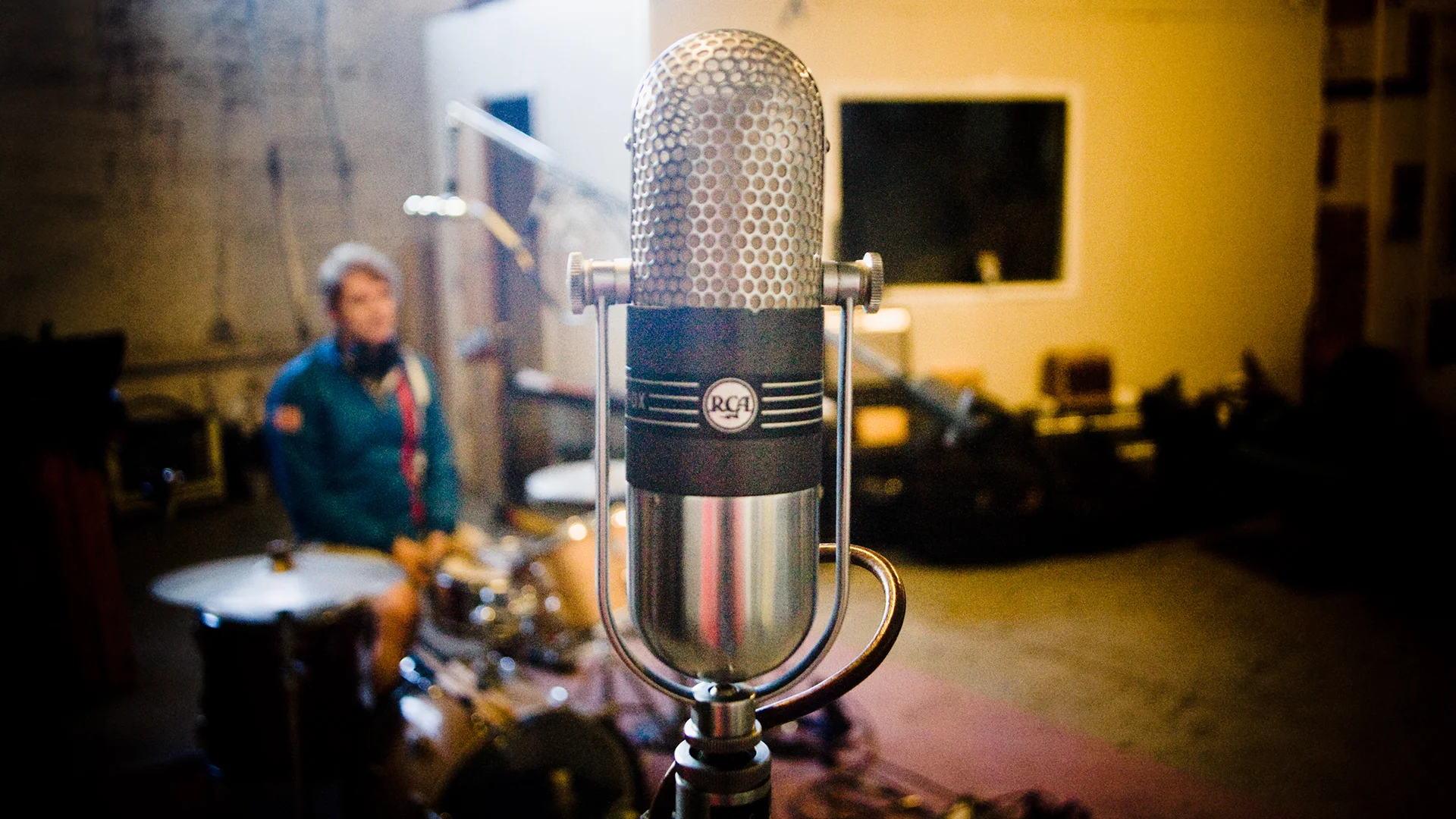
Selecting the right ribbon microphone involves more than just comparing specifications or following popular recommendations. Let's look at how to match these tools to your specific needs.
Understanding Your Requirements
Before considering specific models, think about your primary recording applications. Are you mainly recording vocals? The natural frequency response of a ribbon mic can be particularly flattering for bright or harsh voices. Recording electric guitars? Consider a model that handles high SPLs well. For classical recording or broadcasting, factors like self-noise and pattern control might be your priority.
Practical Workflow Considerations
Your recording environment and equipment play a crucial role in the decision. If you're working with modest preamps, an active ribbon design might be the better choice. They provide the characteristic ribbon sound without demanding premium preamps. Consider your room acoustics too - the figure-8 pattern of most ribbon mics picks up sound from both front and back, which can be either an advantage or a challenge depending on your space.
Long-term Investment
A ribbon microphone is a long-term investment in your recording toolkit. While some models require more care than others, a well-maintained ribbon mic can last decades. Consider the manufacturer's support and reputation for service. The availability of repair services and replacement parts might influence your choice between a boutique manufacturer and a larger company.
Starting Point
For those new to ribbon microphones, consider starting with a modern, more robust design. These tend to be more forgiving in terms of handling and placement, while still delivering the characteristic warmth and natural sound that makes ribbon mics special.
Who Shouldn't Buy a Ribbon Mic
Understanding when a ribbon microphone might not be the right choice is just as important as knowing their strengths. Let's look at situations where you might want to consider other options.
Recording Environment Challenges
If you're recording in an untreated or acoustically challenging space, ribbon mics might not be your best first investment. Their figure-8 pattern picks up sound from both front and back, which means they'll capture all the acoustic problems in your room. Similarly, if you're recording in high-humidity environments or venues with poor climate control, the delicate nature of ribbon elements might present unnecessary risks.
Workflow Limitations
Recording situations that demand quick setup and teardown, especially in rough handling environments like live sound reinforcement or field recording, might be better served by more robust microphone types. Despite modern improvements, ribbon mics still require more careful handling than their dynamic or condenser counterparts. If you can't guarantee proper storage and careful handling, a different microphone type might be more practical.
Budget Constraints
While there are some excellent affordable ribbon mics available, building a recording setup around ribbon microphones requires supporting equipment. If you're working with basic preamps or budget audio interfaces, you might not get the best performance from a passive ribbon mic. In these cases, your budget might be better spent on a good dynamic microphone or investing in better preamps first.
Recording Needs
If you primarily record very quiet sources or need to capture extremely high frequencies, other microphone types might serve you better. While modern ribbon mics have improved in these areas, they still might not be the optimal choice for nature recording, capturing subtle acoustic details at a distance, or when you need an extremely bright, present sound without any post-processing.
Frequently Asked Questions
How delicate are ribbon microphones really?
While vintage ribbon mics were notoriously fragile, modern ones are much more robust. Still, they need more care than dynamic mics. Avoid phantom power on passive ribbons, protect them from strong air blasts, and store them upright. Think of them like a nice watch - they're not fragile, but you wouldn't toss them around carelessly.
Do I need an expensive preamp for ribbon mics?
Not necessarily, but preamp quality matters more with passive ribbon mics due to their low output level. Modern active ribbon mics work well with most decent preamps. The key is having enough clean gain - at least 60dB for passive ribbons. If you're on a budget, consider starting with an active ribbon mic.
What's the difference between the front and back of a ribbon mic?
Most ribbon mics exhibit slightly different frequency responses from front and back. The front side typically delivers the "classic" ribbon sound, while the back often has a subtle presence boost in the upper frequencies. Some models, like the Royer R-121, deliberately emphasize this difference for creative options.
Can I use ribbon mics live?
Yes, but choose your applications carefully. Modern ribbon mics are popular for miking guitar cabs and brass instruments live. However, they're less ideal for main vocals due to their figure-8 pattern potentially causing feedback issues. Wind protection is crucial for outdoor use.
How long do ribbon elements last?
With proper care, a ribbon element can last decades. If a ribbon does fail, many manufacturers offer repair services. Some users report their vintage ribbons still working perfectly after 50+ years. The key factors affecting longevity are handling care and storage conditions.
Why do some sources sound better with ribbon mics?
Ribbon mics tend to capture transients differently than other mic types, with a smoother response to high frequencies. This naturally flattering response often means less need for EQ, especially on bright or harsh sources. They also exhibit a more gradual proximity effect than most directional mics.
Should ribbon mics be my first studio mics?
Unless you're specifically recording sources that benefit from ribbon mics (like brass or electric guitars), consider starting with more versatile options. A good large-diaphragm condenser and a solid dynamic mic might serve you better as first mics. Add a ribbon when you're ready to expand your sonic palette.
How do I know if my preamp is appropriate for ribbon mics?
Look for preamps with high input impedance (1500 ohms or higher) and low noise at high gain settings. Many modern preamps specifically note their compatibility with ribbon mics. When in doubt, active ribbon mics are more forgiving of preamp choice.
Final Thoughts
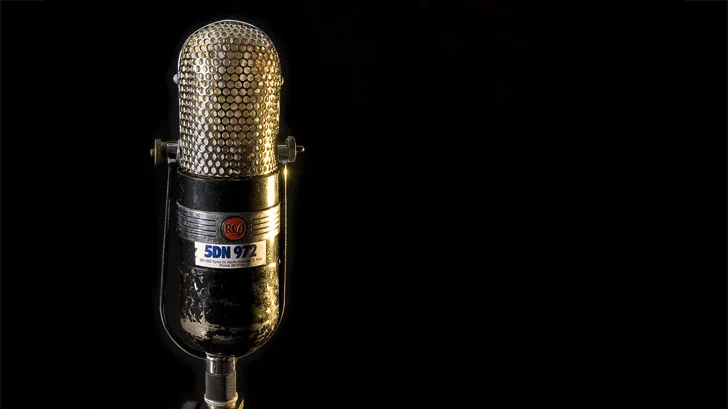
There's something special about ribbon microphones that keeps engineers coming back to them, even as recording technology races forward. Maybe it's how they smooth out harsh sounds without losing the important details. Or perhaps it's their uncanny ability to make things sound "right" without needing to reach for EQ and other fixes.
The great thing about today's ribbon mic market is the variety of options available. Whether you're after that classic broadcast sound or need something that can handle a screaming guitar amp, there's probably a ribbon mic that fits the bill. Some stick close to those tried-and-true vintage designs, while others push into new territory with modern materials and electronics.
One of the best things about working with ribbon mics is how they make you a better sound engineer. Their sensitivity to placement and room sound means you can't just stick them anywhere and hope for the best. You learn to listen more carefully, move the mic around, and really think about how sound behaves in your space. These are skills that make all your recordings better, no matter what mic you're using.
It's no coincidence that ribbon mics are having a moment right now. In a world of endless digital tools and quick fixes, there's something refreshing about a piece of gear that needs you to be really involved. Sure, no single mic will be perfect for everything - that's why professional studios usually have a few different ribbons on hand. But starting with one versatile ribbon mic can really change how you approach recording.
The enduring appeal of ribbon mics really comes down to this: they have a way of capturing sound that just works.
Top Ranked Ribbon Microphones on Equipboard


About the authors
Juan Spinelli is a multi-instrumentalist musician, but more of a guitarist than anything else. Based in Buenos Aires, Argentina, he started playing at a very early age and learned various instruments such as flute, clarinet, percussion, didjeridoo, cavaquinho, bass and more. Today, he also works as a music producer and sound engineer, collaborating in several projects in his city and with artists from all over the world. Read more