Table of Contents

Equipboard
Equipboard is the world's largest community of artists and their gear. Read our review process.
We are reader-supported. When you buy through links on our site, we may earn an affiliate commission. Learn more.
Our Picks

Best Live Vocals Microphone: The Shure Beta 58A builds upon the legendary SM58 foundation with enhanced presence peak, superior feedback rejection, and tighter supercardioid pattern, making it the go-to choice for professional live vocal performance.
Read more


Best Studio Vocals Microphone: The Shure SM7B combines exceptional off-axis rejection, natural frequency response, and built-in shock isolation to deliver broadcast-quality vocal reproduction in professional recording environments.
Read more
Best Guitar Amplifier Microphone: The Shure SM57 represents the pinnacle of simplicity and reliability in microphone design, delivering consistent, professional-quality sound reproduction that has made it the standard for guitar amplifier recording.
Read more-l.webp?v=1784458938)
Best Drums & Percussion Microphone: The Sennheiser MD 421-II combines exceptional SPL handling, precise frequency control, and robust build quality to deliver outstanding percussion capture across all drum kit elements.
Read more
Beyerdynamic M 201 TG Dynamic Directional Microphone
Best Instrument Microphone: The Beyerdynamic M 201 TG combines compact design, superior transient response, and exceptional detail reproduction to capture acoustic instruments with remarkable accuracy and musicality.
Read more

Best Podcasting & Voiceover Microphone: The Electro-Voice RE20 combines superior off-axis rejection, natural frequency response, and Variable-D technology to deliver consistently professional voice reproduction across all recording conditions.
Read more
Best Broadcasting Microphone: The Electro-Voice RE27N/D elevates the legendary RE20 platform with enhanced sensitivity, extended frequency response, and neodymium magnet structure to deliver exceptional broadcast performance in professional environments.
Read more
Best Field Recording Microphone: The Sennheiser MD 46 combines focused directionality, superior handling noise rejection, and environmental durability to deliver professional interview capture in challenging outdoor conditions.
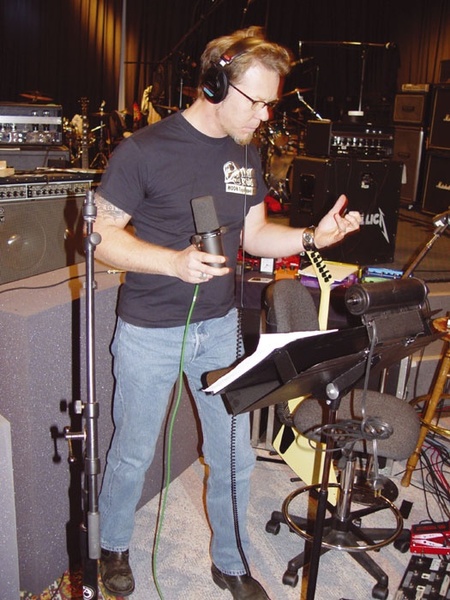
Read moreJames Hetfield grabbing a Shure SM58 during Metallica's legendary 1991 Moscow performance was just one of the many instances that demonstrated why dynamic microphones remain the backbone of professional audio. These workhorses excel where other microphones falter: on loud stages, in harsh environments, and under demanding conditions that would destroy more delicate equipment.
Dynamic microphones convert sound into electrical signals using a simple yet ingenious mechanism that makes them nearly indestructible. Their robust design and reliable performance have made them indispensable tools across all audio applications, from recording studios to outdoor festivals.
While condenser microphones might dominate recording studios, dynamic microphones offer unique advantages that make them irreplaceable. Their ability to handle extreme sound pressure levels, reject unwanted noise, and deliver consistent performance under challenging conditions makes them essential for live sound reinforcement. They're equally at home capturing the nuances of a vocal performance or the raw energy of a guitar amplifier. While every dynamic microphone shares core strengths, each model shines in specific applications. That is where this guide comes in.
It will help you navigate the world of dynamic microphones, understanding their technology, and choosing the perfect microphone for your specific needs. We'll explore industry-standard options across different applications, from live performance to broadcasting, and provide practical insights for getting the most from your microphone.
How Dynamic Microphones Work
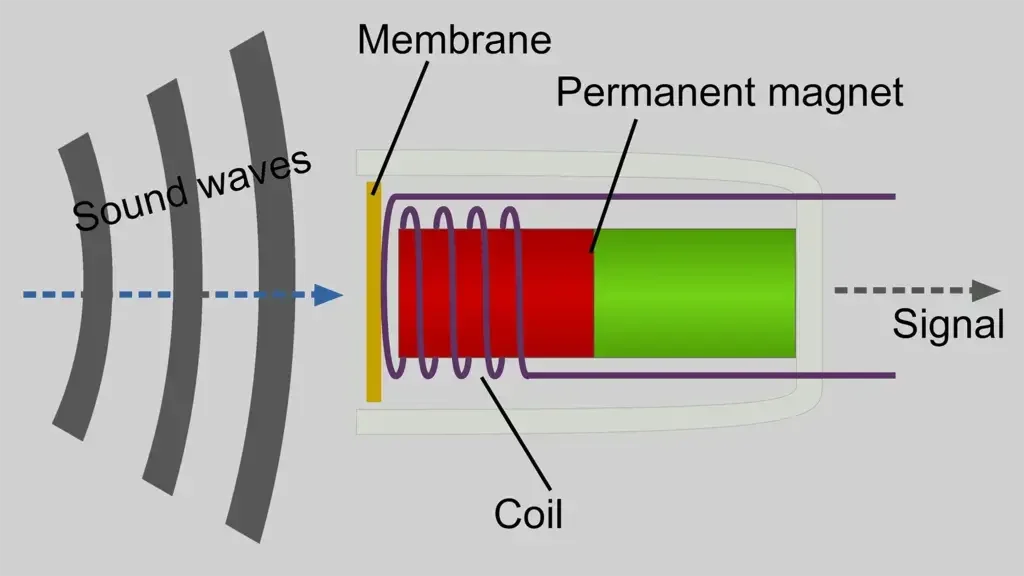
Understanding the fundamental principles behind dynamic microphones helps explain their legendary durability and distinctive sound characteristics. The heart of a dynamic microphone is a moving-coil mechanism: a lightweight diaphragm attached to a coil of wire, suspended within a permanent magnet. When sound waves strike the diaphragm, it moves the coil through the magnetic field, generating an electrical signal that corresponds to the sound.
Basic Mechanics
This simple yet effective design gives dynamic microphones their characteristic ruggedness. The moving-coil assembly is mechanically robust and requires no external power, making it highly reliable. The diaphragm is typically made from durable materials like Mylar or similar polymers, while the coil uses lightweight copper wire wound around a former. The entire assembly is precision-engineered to move freely while maintaining structural integrity under harsh conditions.
Polar Patterns
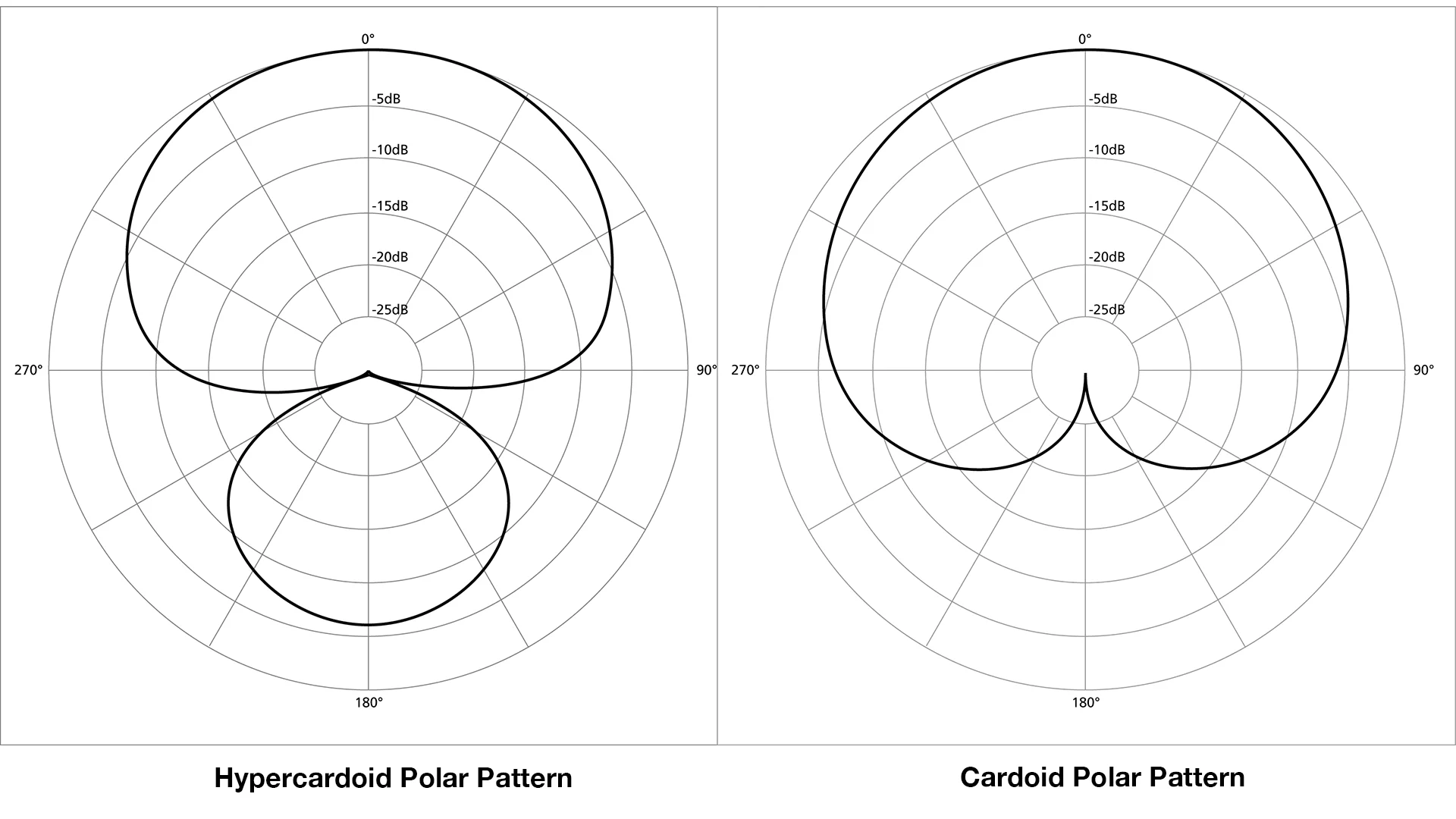
Dynamic microphones commonly feature cardioid or supercardioid polar patterns, determining their directional sensitivity. A cardioid pattern captures sound primarily from the front while rejecting sound from the rear, making it ideal for isolating specific sound sources in live environments. Supercardioid patterns offer even tighter directional focus but introduce a small rear lobe of sensitivity.
The cardioid pattern, shaped like a heart when viewed from above, provides maximum sensitivity at 0 degrees (directly in front) and maximum rejection at 180 degrees (directly behind). This makes it particularly effective for live performance where monitor speakers are positioned behind the microphone. The pattern typically offers approximately 6 dB of rear rejection, helping to minimize feedback and unwanted ambient noise.
Supercardioid patterns take this directional focus further, offering even greater side rejection than standard cardioid patterns. While they provide superior isolation from off-axis sounds, they also exhibit a small lobe of sensitivity at 180 degrees. This trade-off means supercardioid microphones require careful positioning of monitors, typically at 120 degrees off-axis where rejection is greatest. They're particularly valuable in high-SPL environments or situations requiring maximum isolation between multiple sound sources.
Both patterns exhibit proximity effect, a natural bass boost that occurs when the microphone is used close to the sound source. This characteristic can be used creatively to add warmth to vocals or depth to instruments, though it requires proper technique to manage effectively.
Frequency Response
Frequency response describes how a microphone responds to different frequencies across the audible spectrum, typically ranging from 20Hz (low bass) to 20kHz (high treble). Think of it as the microphone's hearing curve - how sensitively it picks up different pitches. A microphone's frequency response chart visually represents this behavior, showing how accurately it captures or emphasizes different frequencies.
Most dynamic microphones naturally emphasize the critical midrange frequencies between 1kHz and 5kHz, where human speech and many musical instruments produce their fundamental tones and important harmonics. This natural response curve helps capture the essence of sound sources without requiring extensive equalization.
Many dynamic microphones exhibit a presence peak, a subtle boost in the upper midrange frequencies around 4-8kHz. This natural enhancement adds clarity and intelligibility to vocals, helping them cut through dense mixes. The presence peak varies between models, with some designed for a flatter response while others feature more pronounced boosts for specific applications.
At the extremes of the frequency spectrum, dynamic microphones typically show a gradual roll-off. The low-frequency response often begins to diminish below 100Hz, helping control proximity effect and reduce handling noise. High frequencies typically start rolling off above 10-12kHz, which can help tame harsh sibilance in vocal recordings and smooth out the captured sound.
Some modern dynamic microphones incorporate advanced design elements like neodymium magnets and specialized diaphragm materials to extend their frequency response. However, the core mechanical principles still influence their sonic character, contributing to the warm, robust sound that engineers and performers have relied on for decades.
Best Dynamic Microphones by Application

In this section, we'll examine industry-leading microphones across different use cases, along with essential techniques for optimal results.
Live Vocals
Live vocal microphones need to excel in challenging environments. The ideal microphone must reject feedback, handle high sound pressure levels, and maintain clarity even in loud stage settings. Stage-ready durability and reliable performance are non-negotiable requirements. Position these microphones at a 45-degree angle slightly above mouth level to minimize plosives while maintaining presence. For optimal monitor placement, consider the microphone's polar pattern - cardioid patterns reject most effectively at 180 degrees, while supercardioid patterns have nulls at 120 degrees.
Studio Vocals
Studio vocal recording with dynamic microphones requires different qualities than live performance. Here, the focus shifts to capturing subtle nuances, managing proximity effect, and providing consistent tonality across various vocal styles. Controlled environments allow these microphones to showcase their ability to capture warm, natural-sounding vocals. Start with a distance of 6-8 inches and adjust based on the voice and desired proximity effect. Consider room acoustics when choosing microphone position and orientation.
Guitar Amplifiers
Recording guitar amplifiers demands microphones that can handle extreme sound pressure levels while maintaining clarity and character. The ideal microphone must capture both the fundamental frequencies and harmonics that give electric guitars their distinctive sound. Proper positioning becomes crucial - placement slightly off-center of the speaker cone about 1-2 inches from the grille typically yields the best balance of low-end punch and high-frequency detail.
Drums & Percussion
Drum microphones face unique challenges in capturing fast transients and wide dynamic ranges of drums. From the deep thump of kick drums to the sharp attack of snares, these microphones must maintain accuracy under extreme conditions. Careful positioning is essential - snare microphones typically sit 1-2 inches above the rim at a 45-degree angle, while tom mics follow similar positioning while ensuring adequate clearance for playing.
Other Instruments
When recording brass, woodwinds, and piano, versatility becomes crucial. The ideal microphone must adapt to different sound sources while maintaining natural tonality and managing varying dynamic ranges. For brass instruments, position the microphone slightly off-axis to manage high SPLs while capturing the full harmonic spectrum. Piano recording benefits from experimentation with placement, typically starting where the hammers meet the strings for uprights or above the middle register for grands.
Podcasting & Voiceover
Voice recording for media production requires excellent intelligibility and consistent performance. These microphones need to deliver broadcast-quality sound while rejecting room noise and minimizing proximity effect. Maintain a consistent working distance of 6-8 inches while speaking directly on-axis. Room treatment becomes particularly important as these microphones will capture room reflections that can color the sound.
Broadcasting
Broadcast environments demand reliability and superior vocal clarity. These microphones must perform consistently during long sessions while maintaining professional sound quality. Position the microphone at a consistent distance with proper technique to maintain uniform levels. Pop filtering becomes essential to manage plosives while maintaining clarity.
Field Recording
The ideal field recording microphone must combine focused directionality with environmental resilience while maintaining broadcast-quality sound reproduction. These microphones need exceptional off-axis rejection to isolate intended sound sources in unpredictable environments. For interview situations, proper handling technique becomes crucial - maintain an ideal distance of 4-6 inches while angling the microphone slightly upward to minimize breath noise. In ENG (Electronic News Gathering) scenarios, wind protection is essential, with layered protection systems offering the best combination of wind noise reduction and frequency response preservation. Consider both the primary sound source and potential environmental interference when choosing microphone position and orientation.
Shure Beta 58A
5.0 (136)
The Stage Performance Standard









Average Price: $162
Standard/Professional
$75
$201+
Budget
Standard
High-end
- Superior sound quality with incredible warmth for vocals
- Durable, can withstand rough handling and continuous use
- Excels in live performance settings with great frequency response
- Effective at minimizing ambient noise pickup in noisy environments
- See 6 more
- Requires close proximity for optimal sound pickup, not ideal for streaming or voice chats
- May need a powerful pre-amp or audio interface to achieve sufficient volume
- Not suitable for vocalists preferring genres that require distance from the mic, like opera
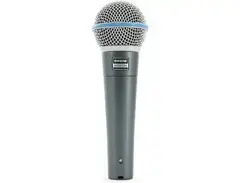
The Beta 58A takes everything great about the classic SM58 and makes it even better. It's built specifically to make vocals shine on stage, with a tuned frequency response that helps singers cut through a busy mix. The way it boosts frequencies between 4-8kHz adds clarity and air to the voice without making it sound thin or harsh - exactly what you need in a live setting.
Sound Character
The Beta 58A's sonic signature starts with a controlled low-end that minimizes proximity effect while maintaining warmth. The midrange response is remarkably smooth, with subtle sculpting that flatters most vocal timbres. Its high-frequency extension provides air and detail without introducing sibilance, making it particularly forgiving on bright stages. This balanced response means minimal equalization is typically needed to achieve a professional sound.
Stage Performance
Where this microphone truly excels is in its feedback rejection capabilities. The supercardioid polar pattern provides exceptional isolation from unwanted sound sources, with maximum rejection points at 125 degrees from either side of the capsule. This characteristic makes monitor placement more critical but rewards proper setup with higher gain before feedback than traditional cardioid designs.
Build Quality
The Beta 58A's construction reflects its professional purpose. The hardened steel mesh grille, lined with a hydrophobic cloth, provides multiple layers of protection against plosives while remaining easy to clean. The pneumatic shock mount system effectively isolates the capsule from handling noise, making it particularly suitable for performers who move actively on stage. The die-cast casing features a distinctive dark gray finish that resists scratches and maintains its professional appearance even after years of use.
Practical Applications
Beyond its primary role as a vocal microphone, the Beta 58A proves surprisingly versatile. Its ability to handle high SPLs makes it suitable for loud brass instruments, while its presence peak can add character to guitar cabinets. The tight polar pattern also makes it an excellent choice for venues where stage noise is a concern.
Technical Implementation
The microphone's neodymium magnet structure provides higher output than traditional designs, offering a stronger signal with lower noise floor. This translates to better performance through long cable runs and improved clarity through complex signal chains. The internal pop filter effectively manages plosives without compromising clarity, though external windscreens remain beneficial for outdoor use.
Handling Characteristics
In hand, the Beta 58A balances durability with refined ergonomics. The slight weight increase over standard dynamic microphones provides a reassuring sense of quality without causing fatigue during extended use. The tapered body naturally guides hand placement, while the rubberized ring provides subtle grip enhancement without attracting dirt.
See how artists use this







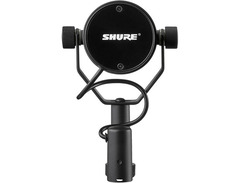
Shure SM7B
5.0 (259)
The Professional's Choice




Average Price: $402
High-end/Boutique
$75
$201+
Budget
Standard
High-end
- Ideal for broadcasting with rich, full vocal sound
- Versatile, suitable for streaming, podcasting, and studio recording
- High-quality build, heavy and well-made for transport durability
- Frequency response switches allow for sound customization
- See 6 more
- Requires significant additional gain, often necessitating a Cloudlifter or preamp
- Some users experience self-noise, potentially due to preamp issues
- Flat response may be too neutral for some, lacking color
- Quality control issues noted with construction, particularly on the internal windscreen
- See 6 more
The Shure SM7B has become a popular exception to the traditional studio rule of using condenser microphones for vocals. Its uniquely designed capsule and internal architecture work together to create a controlled environment for vocal capture, while extensive internal shielding protects against electromagnetic interference. This design philosophy results in exceptionally clean signal output across all frequency ranges.
Sound Character
The SM7B delivers a distinctively smooth frequency response, with carefully engineered presence boosts that enhance vocal clarity without introducing harshness. Its low-end response remains controlled yet full, avoiding the overwhelming proximity effect common in many dynamic microphones. The high-frequency handling proves remarkably natural, preserving air and detail while maintaining an organic, analog-like quality that flatters most voices.
Studio Performance
In the studio environment, this microphone truly distinguishes itself through exceptional rear rejection and superior isolation from room acoustics. The cardioid polar pattern maintains consistent tonality even with off-axis sound sources, making it forgiving of minor positioning changes during long sessions. The internal air suspension shock mount virtually eliminates mechanical noise transmission.
Build Quality
The SM7B's construction emphasizes function over form. The robust all-metal chassis houses extensive internal shielding, while the large dual-layer mesh grille provides substantial pop protection without compromising sound quality. The innovative yoke mounting system allows precise positioning and remains stable during use. The classic black finish resists fingerprints and maintains a professional appearance under studio lights.
Practical Applications
While primarily celebrated for vocal applications, the SM7B excels across diverse sources. Its high SPL handling makes it suitable for brass instruments and guitar amplifiers, while its natural frequency response captures acoustic instruments with remarkable accuracy. The switchable presence boost and low-cut filters expand its versatility further.
Technical Implementation
The microphone's output level reflects its broadcast heritage, optimized for modern preamp designs. Two response-shaping switches provide subtle but musical tailoring of both low and high frequencies. Internal electromagnetic shielding makes it particularly effective near computer monitors and other potential sources of interference.
Handling Characteristics
The substantial size and weight of the SM7B necessitates proper mounting, but this translates to exceptional stability in use. The integrated mounting system provides smooth, silent adjustment while maintaining precise positioning. The close-talk windscreen attaches securely and integrates seamlessly with the overall design.
See how artists use this



Shure SM57
5.0 (913)
The Industry Workhorse


Average Price: $113
Standard/Professional
$75
$201+
Budget
Standard
High-end
- Versatile across instruments: drums, guitar, bass amps, and vocals
- Industry-standard with a strong reputation
- Durable, robust construction withstands heavy use
- Excellent off-axis rejection minimizes bleed
- See 3 more
- Some find it lacks high-end clarity for vocals
- May not excel in capturing very soft, low-level sounds
- Requires significant gain for optimal volume
- Some users prefer alternatives for specific instruments like guitar cabs
- See 1 more
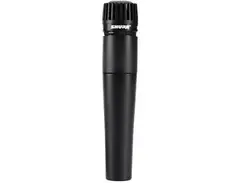
The SM57 has a solid reputation which stems from its unmatched combination of durability, predictable performance, and tonal accuracy. Its straightforward design philosophy focuses on capturing the essential character of guitar amplifiers without coloring the sound unnaturally. The result is a microphone that consistently delivers professional results across an incredibly wide range of applications.
Sound Character
The SM57's frequency response perfectly complements guitar amplifiers, with natural presence peaks that enhance midrange detail without overemphasizing harsh frequencies. The slight low-end roll-off prevents muddiness, while the controlled high-end response captures speaker character without excessive brightness. This balanced response creates recordings that require minimal equalization to sit perfectly in a mix.
Recording Performance
In close-miking situations, the SM57 exhibits exceptional consistency. The cardioid polar pattern provides ideal rejection characteristics for minimizing bleed from nearby sources, while maintaining even frequency response for off-axis sounds. This predictable behavior makes it particularly effective when combined with other microphones in multi-mic setups.
Build Quality
The SM57's construction exemplifies industrial-grade durability. The pneumatic shock system efficiently isolates the capsule from mechanical vibration, while the hardened steel grille protects the capsule without compromising sound quality. The die-cast housing withstands repeated impact, making it virtually indestructible under normal use conditions.
Practical Applications
While renowned for guitar amplifier recording, the SM57 proves remarkably versatile. Its ability to handle extreme SPLs makes it ideal for brass instruments and snare drums, while its presence peak enhances vocal clarity in live situations. The consistent polar pattern makes it particularly effective in complex microphone arrays.
Technical Implementation
The cartridge design emphasizes transient accuracy, capturing the attack and decay of guitar notes with exceptional detail. The transformer-free design provides clean output with minimal distortion, even at high SPLs. The internal pneumatic shock mount effectively reduces handling noise without compromising sensitivity.
Handling Characteristics
The SM57's compact form factor allows precise positioning in tight spaces, while its lightweight design makes extended setup adjustments comfortable. The slender profile enables optimal placement against speaker grilles, and the simple swivel mount provides secure positioning without unnecessary complexity.
See how artists use this






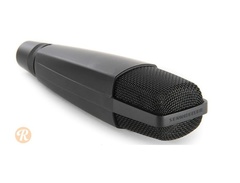
Sennheiser MD 421-II
5.0 (57)
The Percussion Powerhouse
-s.webp?v=1784458938)

Average Price: $395
High-end/Boutique
$75
$201+
Budget
Standard
High-end
- Excellent for recording high SPL instruments like drums and guitar cabs
- Provides warm, rich sound quality across various instruments
- Durable and reliable for both studio and live sound environments
- Recognized as the "industry standard" for tom microphones
- See 6 more
- Notoriously unreliable microphone clip design
- Some find it awkward and heavy compared to other mics
- Price may be considered high for some budgets
- Shock-mount does not lock properly, posing risk to the microphone
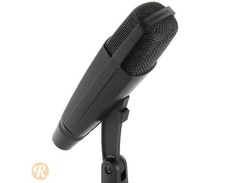
The MD 421-II offers a level of versatility that makes it indispensable for drum recording. Its innovative capsule design and precision-engineered housing work together to manage extreme sound pressure levels while preserving the natural character of percussion instruments.
Sound Character
The MD 421-II provides a uniquely controlled frequency response, with exceptional clarity across the entire spectrum. The five-position bass roll-off switch offers unprecedented control over proximity effect and low-end response. The high-frequency handling remains smooth and natural, capturing cymbal bleed and shell resonances without harshness or distortion.
Recording Performance
On drums, this microphone demonstrates remarkable consistency. The cardioid polar pattern delivers excellent isolation between kit pieces while maintaining even frequency response for off-axis sounds. This controlled directionality proves particularly valuable when capturing toms or working in complex multi-microphone setups.
Build Quality
The MD 421-II features professional-grade construction throughout. The glass-composite housing provides superior durability while minimizing resonance, and the integrated clip system, though unique, offers secure mounting options for various applications. The metal grille remains acoustically transparent while providing robust protection for the capsule.
Practical Applications
While excelling on drums, the MD 421-II demonstrates remarkable adaptability. Its high SPL handling and controlled low end make it ideal for bass cabinets, while its detailed midrange captures brass instruments with outstanding accuracy. The adjustable bass response extends its versatility to virtually any sound source.
Technical Implementation
The microphone's sophisticated capsule design manages extreme dynamics without compression artifacts. The large diaphragm provides extended low-frequency response, while the precision-machined ports contribute to consistent polar pattern control. The output level remains strong and clean, even under extreme SPL conditions.
Handling Characteristics
The MD 421-II's substantial build reflects its professional status. The integrated mounting system, while requiring familiarization, provides stable positioning options. The housing design allows easy access to the bass roll-off switch during setup, facilitating quick adjustments for different applications.
See how artists use this




Beyerdynamic M 201 TG Dynamic Directional Microphone
5.0 (3)
The Precision Specialist


Average Price: $443
High-end/Boutique
$75
$201+
Budget
Standard
High-end
- Sounds detailed and realistic
- Excellent for percussion and studio recordings
- Favored by touring engineers for snare drums
- Offers a full, musical sound on various sources
- See 6 more
- Lacks low end energy under 60hz
The Beyerdynamic M 201 TG shows how much punch you can pack into a small package. It delivers the same high-end studio sound quality you'd expect from larger dynamic mics, just in a more compact design. Its precision-engineered capsule and focused pickup pattern work together to capture instrumental nuances while maintaining excellent isolation from unwanted sound sources.
Sound Character
The M 201 TG delivers an exceptionally flat frequency response, with natural detail reproduction across the entire spectrum. Its controlled proximity effect provides warmth without muddiness, while the extended high-frequency response captures overtones and harmonics with remarkable accuracy. The result is a natural, uncolored sound that preserves the true character of acoustic instruments.
Recording Performance
In studio environments, this microphone excels at close-miking applications. The hypercardioid polar pattern provides superior isolation from nearby sources while maintaining consistent frequency response across the pickup pattern. This focused directionality proves particularly valuable when recording in less-than-ideal acoustic spaces.
Build Quality
The M 201 TG features precision German engineering throughout. The compact metal housing minimizes acoustic reflections while providing exceptional durability. The finely-machined grille protects the capsule while remaining acoustically transparent. The black chrome finish resists wear while maintaining a professional appearance.
Practical Applications
The M 201 TG particularly shines on brass instruments and piano. Its ability to handle high SPLs while preserving transient detail makes it ideal for trumpet and trombone, while its compact size allows optimal positioning inside pianos. The controlled off-axis response makes it excellent for minimizing bleed in ensemble recordings.
Technical Implementation
The microphone's small-diaphragm design provides exceptional transient response, capturing the attack and decay of notes with precise detail. The internal shock mounting effectively reduces mechanical noise without compromising sensitivity. The output level remains consistently strong, requiring minimal preamp gain.
Handling Characteristics
Despite its compact size, the M 201 TG feels substantial and professional. The slim profile allows precise positioning in tight spaces, while the standard threading provides compatibility with all professional mounting systems. The lightweight design facilitates extended setup adjustments without fatigue.
See how artists use this





.jpg)
Electro-Voice RE20
5.0 (36)
The Podcast Legend

Average Price: $459
High-end/Boutique
$75
$201+
Budget
Standard
High-end
- Exceptional sound quality with dynamic clarity and deep bass
- Maintains consistent tonal color even at high volumes
- Great for spoken word, broadcasting, and music recording
- Effective noise rejection, ideal for non-soundproof environments
- See 6 more
- Requires significant gain, necessitating a good preamp
- May not suit all vocal types, depending on individual needs
- The original "putty" color and design may not appeal to everyone
- Internal foam prone to deterioration over time in vintage units
- See 1 more
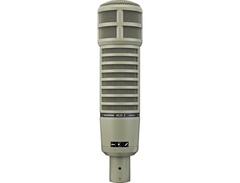
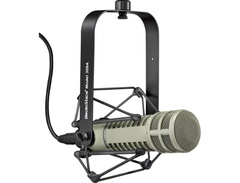
The Electro-Voice RE20 really shows what's possible when you design a mic specifically for broadcasting. Its internal chambers and acoustic tuning help it capture voices with incredible clarity and warmth. Its innovative Variable-D design eliminates proximity effect, while maintaining exceptional consistency regardless of speaking position or technique.
Sound Character
The RE20's sonic signature begins with remarkably flat frequency response, featuring natural presence characteristics that enhance voice intelligibility without artificial coloration. The low-end remains controlled yet full-bodied, while high frequencies reproduce with clarity and detail. This neutral approach creates recordings that require minimal post-processing to achieve professional results.
Recording Performance
In controlled environments, this microphone demonstrates unparalleled consistency. The cardioid polar pattern maintains uniform frequency response even with varied mic technique, while the internal pop filtering effectively manages plosives without external accessories. The mechanical isolation system virtually eliminates handling noise and structural vibration.
Build Quality
The RE20 features tank-like construction throughout. The substantial steel case houses sophisticated internal baffling, while the multilayer grille provides protection without compromising acoustic performance. The precision-machined body incorporates integral shock mounting and humbucking coil, ensuring quiet operation even in electronically noisy environments.
Practical Applications
While celebrated for voice work, the RE20 is remarkably versatile. Its consistent frequency response and excellent pattern control make it suitable for brass instruments and kick drums, while its natural sound captures acoustic bass with outstanding accuracy. The absence of proximity effect particularly benefits less-experienced voice talent.
Technical Implementation
The microphone's Variable-D design employs multiple ports along the capsule, creating phase-aligned cancellation of proximity effect. The internal pop filter effectively manages plosives without compromising clarity. The output level provides strong, clean signal requiring minimal preamp gain.
Handling Characteristics
The RE20's substantial weight requires proper mounting, but this translates to exceptional stability in use. The integrated mounting system provides secure attachment to standard mic stands, while the classic finish maintains a professional appearance under studio lighting.
See how artists use this







Electro-Voice EV RE27 N/D
5.0 (1)
The Broadcast Perfectionist


Average Price: $498
High-end/Boutique
$75
$201+
Budget
Standard
High-end
- Excellent for male vocals, banjo, and double bass
- Bright, lively sound with a rich low end
- -3dB high shelf adjustment for sibilant voices
- Does not require external preamp boost
- See 2 more
- Can be overly bright for some voices without adjustment
- Filters may require tweaking for optimal sound for different uses
The RE27N/D takes everything that made the original RE20 great and kicks it up a notch. While it keeps the classic broadcast sound that made its predecessor famous, it uses newer materials and improved acoustics to deliver even better performance.
Sound Character
The RE27N/D delivers an articulate, present sound with increased output sensitivity compared to traditional dynamic designs. Three switchable filters provide precise tailoring of both low and high frequencies, while the mechanically isolated capsule ensures pure, uncolored reproduction. This enhanced clarity helps voices cut through complex broadcast chains without requiring aggressive processing.
Recording Performance
In broadcast environments, this microphone demonstrates exceptional consistency. The cardioid polar pattern maintains uniform frequency response across a wide range of speaking positions, while the sophisticated internal pop filtering effectively manages plosives. The humbucking coil and internal shielding ensure quiet operation even in equipment-dense studios.
Build Quality
The RE27N/D features professional-grade construction throughout. The heavy-duty steel housing provides superior acoustic isolation, while the multistage grille offers exceptional protection without compromising sound quality. The precision-engineered ports of the Variable-D system ensure consistent performance throughout the life of the microphone.
Practical Applications
While optimized for broadcasting, the RE27N/D excels in numerous applications. Its high sensitivity and extended frequency response make it ideal for voice-over work, while its excellent pattern control suits it for critical recording tasks. The switchable filters expand its versatility across various sound sources.
Technical Implementation
The neodymium magnet structure provides substantially higher output than traditional designs, improving signal-to-noise ratio through long cable runs. The mechanical isolation system effectively eliminates handling noise and stand-borne vibration. The three-position filtering system offers precise tailoring of the frequency response for different voices and applications.
Handling Characteristics
The RE27N/D's substantial build requires proper mounting but provides exceptional stability. The standard mounting system ensures compatibility with professional broadcast arms and stands, while the classic finish maintains a professional appearance under studio lighting.
See how artists use this



Sennheiser MD 46
5.0 (1)
The Location Recording Specialist

Average Price: $183
Standard/Professional
$75
$201+
Budget
Standard
High-end
- Solid build quality with all-metal construction
- Effective in noisy environments, like a coffee shop
- Long handle suitable for microphone flags
- Cardioid dynamic response captures clear dialogue
- See 4 more
- Handling noise can be an issue with excessive movement
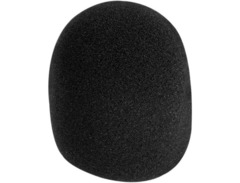
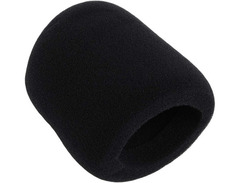
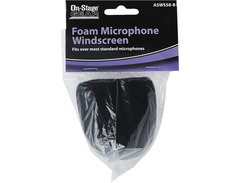
- Requires a foam/pop cover to prevent plosive sounds
- Lacks an 'on/off' switch, which may be inconvenient for some applications
- Not suitable for capturing ambient sounds due to cardioid pattern
The MD 46 exemplifies purpose-driven design, specifically engineered to meet the demands of field recording and electronic news gathering. Its optimized capsule design and specialized housing work together to maximize voice clarity while minimizing environmental interference.
Sound Character
The MD 46 provides a naturally voiced frequency response with enhanced speech intelligibility in the critical midrange. Its controlled proximity effect prevents low-end buildup during close-talking situations, while the smooth high-frequency response captures vocal detail without emphasizing wind noise or environmental sounds.
Recording Performance
In field conditions, this microphone demonstrates remarkable reliability. The cardioid polar pattern offers exceptional rejection of off-axis sounds while maintaining consistent frequency response for on-axis sources. This focused directionality proves particularly valuable when working in noisy environments or crowded press situations.
Build Quality
The MD 46 features rugged construction optimized for field use. The metal housing provides environmental protection while minimizing handling noise, and the double-layer mesh grille effectively reduces wind noise without requiring additional windscreens. The weather-resistant design ensures reliable operation across a wide range of temperatures and humidity conditions.
Practical Applications
While designed primarily for interview situations, the MD 46 proves adaptable to various field recording tasks. Its focused pickup pattern and excellent handling characteristics make it suitable for sporting event coverage, while its durability suits it for documentary production. The controlled off-axis response helps isolate desired sound sources in complex acoustic environments.
Technical Implementation
The microphone's specialized capsule design prioritizes speech clarity and handling noise rejection. Internal shock mounting effectively isolates the capsule from mechanical vibration, while the output level remains consistently strong through typical cable runs. The housing design incorporates subtle details that maximize wind noise rejection.
Handling Characteristics
The MD 46's balanced weight distribution and ergonomic design facilitate extended handheld use. The non-reflective finish minimizes visual distraction on camera, while the robust XLR connector ensures reliable connection even with frequent cable changes.
Essential Accessories & Setup

The performance of any dynamic microphone can be significantly enhanced or compromised by its supporting accessories and setup. Understanding how to properly implement these tools ensures optimal performance in any recording situation.
Cable Selection
Professional microphone cables play a crucial role in signal quality. The foundation begins with oxygen-free copper conductors, typically 20-24 AWG, which provide optimal signal transfer with minimal loss. High-quality shielding remains essential for professional applications, with braided shields offering superior flexibility and coverage approaching 95% of the cable's surface area. Dual-conductor shields prove particularly valuable in electronically noisy environments where maximum EMI rejection becomes crucial.
Star-quad configuration cables offer exceptional noise rejection through their unique conductor arrangement, making them ideal for permanent installations and critical recording applications. The choice of connectors significantly impacts long-term reliability, with Neutrik and Switchcraft setting industry standards through their gold-plated contacts and precision-machined strain relief systems.
Low-capacitance cable designs preserve high-frequency detail over longer runs, with professional-grade cables maintaining capacitance under 100pF per meter. Mobile applications benefit from enhanced flexibility and memory-free jacketing that resists kinking while maintaining shield integrity.
Mic Stands
Professional-grade floor stands incorporate cast-iron bases weighing at least 8 pounds, providing stable support even with heavy microphones and boom attachments. Three-point clutch systems ensure secure height adjustment without slipping, while steel tubing with substantial wall thickness resists resonance and vibration.
Professional boom stands feature counterweighted arms with calibrated tension adjustment, allowing precise positioning without drift. Quick-release clutches enable rapid adjustments during recording sessions, while integrated cable management prevents unwanted noise from cable movement. Die-cast zinc clutch housings provide superior durability compared to plastic alternatives, particularly in high-stress applications.
See our full guide to the best mic stands here.
Pop Filters & Windscreens
The management of air movement requires different approaches depending on the recording environment. Studio recording demands professional pop filters featuring dual-layer nylon mesh with optimal spacing between layers for maximum plosive control. Metal frame construction provides superior durability compared to plastic alternatives, while ensuring consistent mesh tension over time. The mounting system should incorporate secure clamping mechanisms with rubber-lined grips to prevent marring of microphone stands.
For outdoor and live applications, windscreen selection becomes crucial. Professional windscreens incorporate multi-layer foam construction with varying density layers, optimizing wind noise reduction while maintaining frequency response. High-quality materials ensure consistent performance even in challenging weather conditions, with hydrophobic coatings protecting against moisture infiltration.
Shock Mounts
Professional shock mounting systems are the final barrier against unwanted vibration. Elastic suspension elements must be rated specifically for the microphone's weight, ensuring optimal isolation without introducing unwanted resonance. Multiple suspension points provide balanced support, while tool-free tension adjustment allows quick optimization for different microphones.
The construction material significantly impacts performance, with aircraft-grade aluminum offering an ideal balance of strength and resonance control. Locking mechanisms prevent unwanted movement during recording, while universal threading ensures compatibility across different stand systems. Regular inspection and replacement of elastic elements maintain optimal performance over time.
Maintenance & Care

Dynamic microphones are among the most cost-effective tools in professional audio, offering exceptional reliability and performance even at modest price points. With proper maintenance, these workhorses can deliver decades of consistent service in demanding professional applications.
Cleaning Your Mic
Keeping your dynamic mic clean is simple, but requires a gentle touch. For regular cleaning, just use a soft, lint-free cloth slightly dampened with water - never use harsh cleaning products that could damage the finish. Pay special attention to the grille, as it tends to collect dust and debris that can affect your sound.
If the grille needs a deep clean, carefully remove it following your mic's manual. A gentle wash with mild soap and water works best, but make sure it's completely dry before putting it back on.
Storage Tips
Store your mics the right way to keep them in top shape. Always keep them upright to prevent moisture buildup, and use protective cases whenever possible. The environment matters too - aim for normal room temperature and moderate humidity (40-60%).
Handling Best Practices
How you handle your mic can make a big difference in how long it lasts. Be especially careful with the cable - proper coiling prevents kinks and protects the internal wiring. When mounting your mic, make sure it's secure but don't over-tighten anything, as this can damage the threads or mounting points.
Regular Checkups
Keep an ear out for any changes in how your mic sounds. If you notice differences in sound quality or more handling noise than usual, something might be wrong. Also, regularly check the connector and where the cable meets the mic - these are common spots for wear and tear.
Frequently Asked Questions

Here's a more conversational, natural rewrite of the FAQ section:
What's the real difference between dynamic and condenser mics?
Think of dynamic mics as the sturdy workhorses of the audio world. They use a simple coil-and-magnet system that makes them virtually indestructible and perfect for loud sounds. Condenser mics are more like precision instruments - they need phantom power and are more delicate, but they capture subtle details beautifully. Neither is better - they're just tools for different jobs. For more, read our article on Dynamic vs Condenser Mics.
How can I stop feedback during live performances?
The key to fighting feedback is smart mic placement. Point your monitors toward the "deaf spots" of your mic's pickup pattern - for most mics, that's about 120 degrees to the side. Keep an eye on your EQ too - it's your best friend for catching problem frequencies before they howl. And remember: keep your mic close to what you're recording and away from speakers.
Do I really need a pop filter with my dynamic mic?
For studio recording, yes - especially if you're working with vocalists who have strong 'p' and 'b' sounds. While dynamic mics usually have some built-in pop protection, an external pop filter gives you that extra insurance without changing your sound. For live shows, a simple foam windscreen usually does the trick.
How long will my dynamic mic last?
With basic care, a dynamic mic can easily last decades. Most don't wear out - they either get physically damaged or suffer from environmental issues like extreme humidity. Take care of them, and they'll take care of you.
Will a dynamic mic hurt my audio interface?
No - dynamic mics actually produce pretty modest output levels. Just make sure you're setting your gain stages properly for the best sound. Most modern interfaces handle dynamic mics just fine, though some quieter mics might benefit from a preamp boost for the cleanest possible sound.
Conclusion

There's a reason dynamic mics have earned their "workhorse" reputation in professional audio. From the studio to the stage, they just work - delivering reliable performance when other mics might falter. They're built tough, sound great, and get the job done without fuss.
What's remarkable is how little the core technology has changed. Sure, we've refined the details, but the fundamental design still delivers exactly what audio professionals need. Whether you're recording a screaming guitar amp or capturing pristine broadcast vocals, dynamic mics handle it all with a reliability that's made them the go-to choice for demanding situations.
Choosing the right dynamic mic isn't just about buying the most expensive or popular option - it's about matching the mic to your specific needs. Each model brings its own strengths to the table. Pair that with quality cables, stands, and proper care, and you've got a setup that'll serve you faithfully for years.
These mics have shaped the sound of modern audio, from legendary vocal performances to breakthrough broadcast moments. Their continued dominance in professional audio isn't just about tradition - it's because they consistently deliver when it matters most.
Share Your Experience
We encourage you to join the discussion and share your experiences with dynamic microphones. Have you discovered unique applications or techniques that others might find valuable? Perhaps you've developed specific workflows that enhance your results with these tools. Your insights could help fellow audio professionals make more informed decisions about their microphone choices.
Connect with fellow audio enthusiasts in the comments section below. Share your favorite dynamic microphone techniques, ask questions about specific applications, or discuss your experiences with different models. Your practical experience adds valuable real-world context to this guide.
Top Ranked Dynamic Microphones on Equipboard
-m.webp?v=1784458937)


-m.webp?v=1784458938)
About the authors

S. Jino is an accomplished multi-instrumentalist and music producer based in Kolkata, India, distinguished by his self-taught mastery and unique blend of technical acumen and musical performance. His extensive experience was forged through hands-on dedication, starting with the full restoration of a broken guitar. Jino's capabilities span keyboards, pedals, and advanced digital production, reflecting a comprehensive skill set developed independently. As a significant contributor to the music scene, Jino regularly performs with worship bands and college ensembles. He has also established himself as a reliable and authoritative professional in freelance mixing, mastering, and original music creation. Inspired by the innovative sounds of Brian May and David Gilmour, and influenced by Kolkata's vibrant metal community, Jino is committed to the intricate art of vintage gear restoration and the continuous exploration of music and technology fusion. His current professional setup, featuring a meticulously restored nameless guitar, a Fender Player Strat, and a Boss Katana 50. Read more